· TinyGS Community · 12 min read
Weekly Newsletter - April 12, 2026
Welcome to the TinyGS weekly community newsletter. This week, our community engaged in deep technical discussions on optimizing station performance, troubleshooting hardware, and sharing successful setups. From analyzing interference sources to debating antenna configurations, the collaborative spirit was strong as members worked together to improve satellite reception and expand their tracking capabilities.
Highlights
Technical Problems
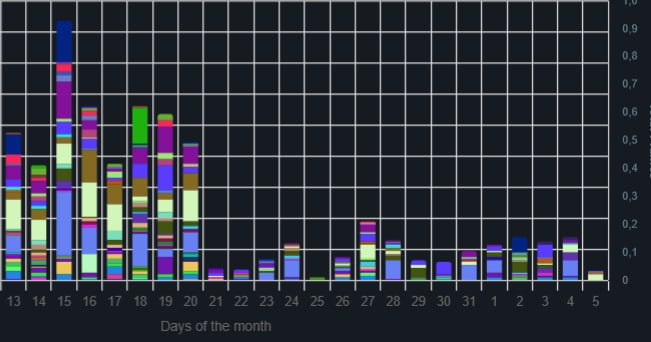
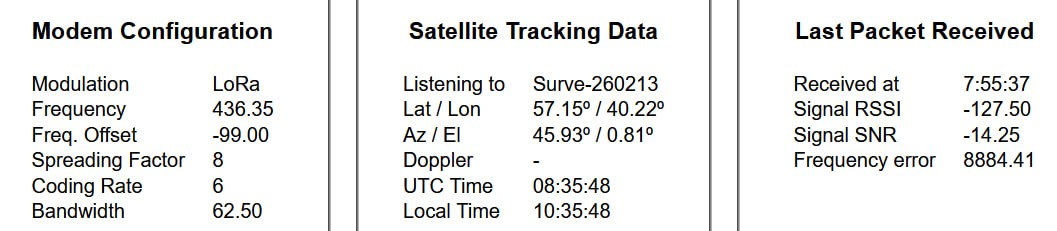
- Nicola reported a drastic drop in satellite receptions starting April 21st, with a stable frequency offset of -99.00 and zero Doppler, and observed the algorithm preferring satellites at very low or negative elevations. This sparked a detailed discussion where Stefan/OE6ISP explained that frequency offset is calculated from reference satellites and is not critical for LoRa, but an incorrect offset could affect FSK packets. They clarified that Doppler is only calculated for FSK satellites and that packets marked with negative elevation are likely due to inaccurate TLEs, not actual signal propagation from below the horizon. Other members suggested atmospheric refraction or ionospheric reflection as possible explanations, but the consensus leaned towards TLE inaccuracies. 🔗
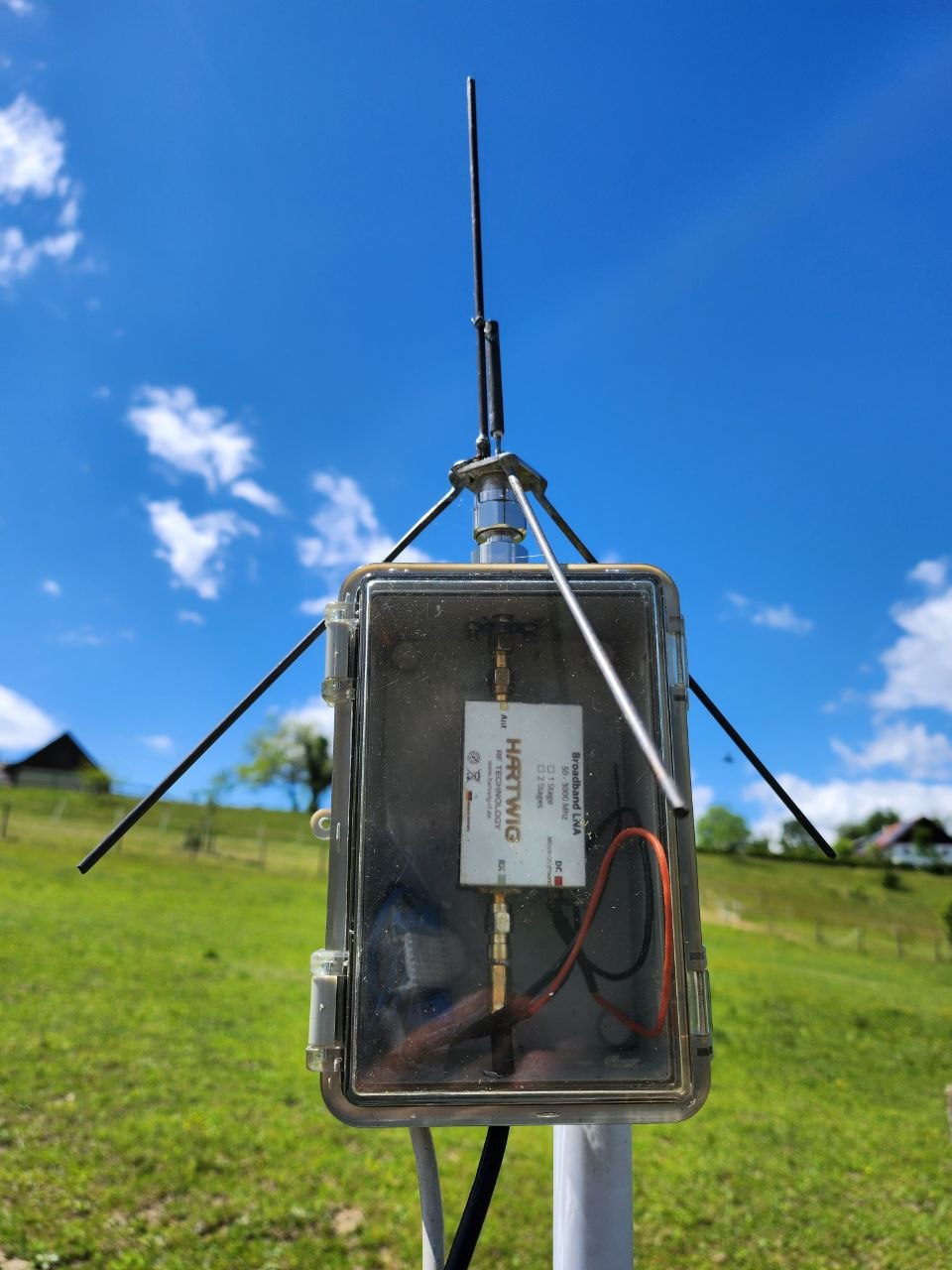
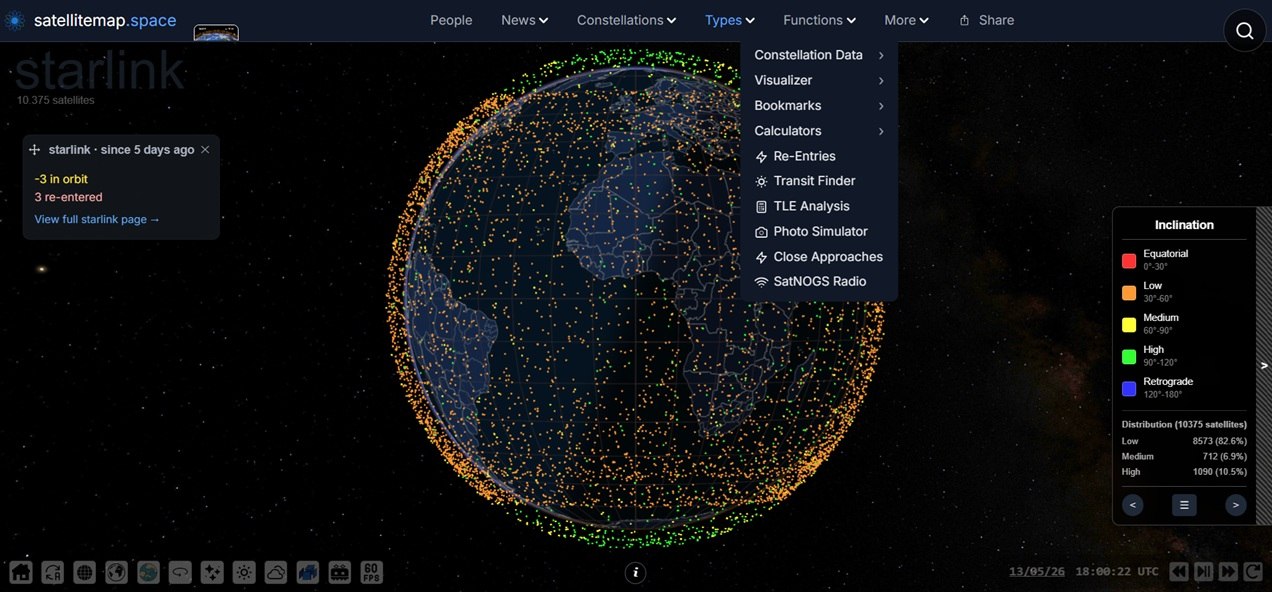
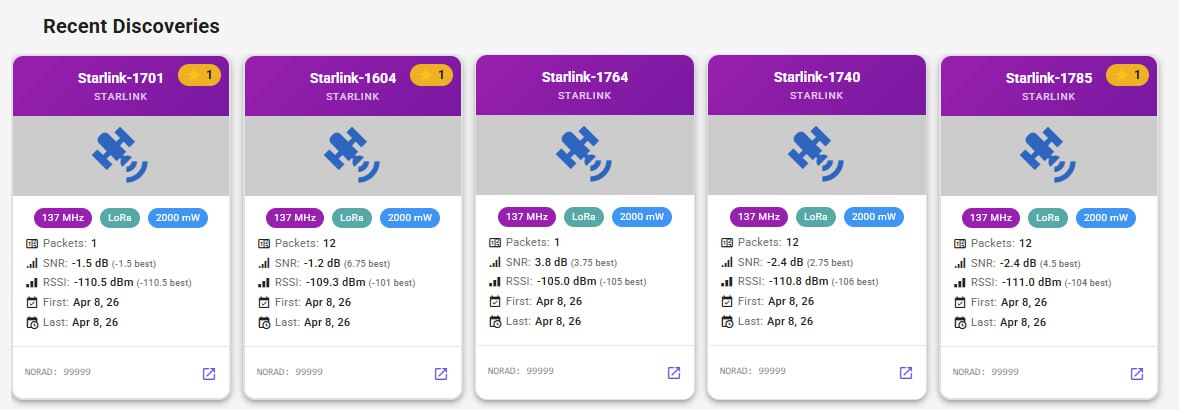
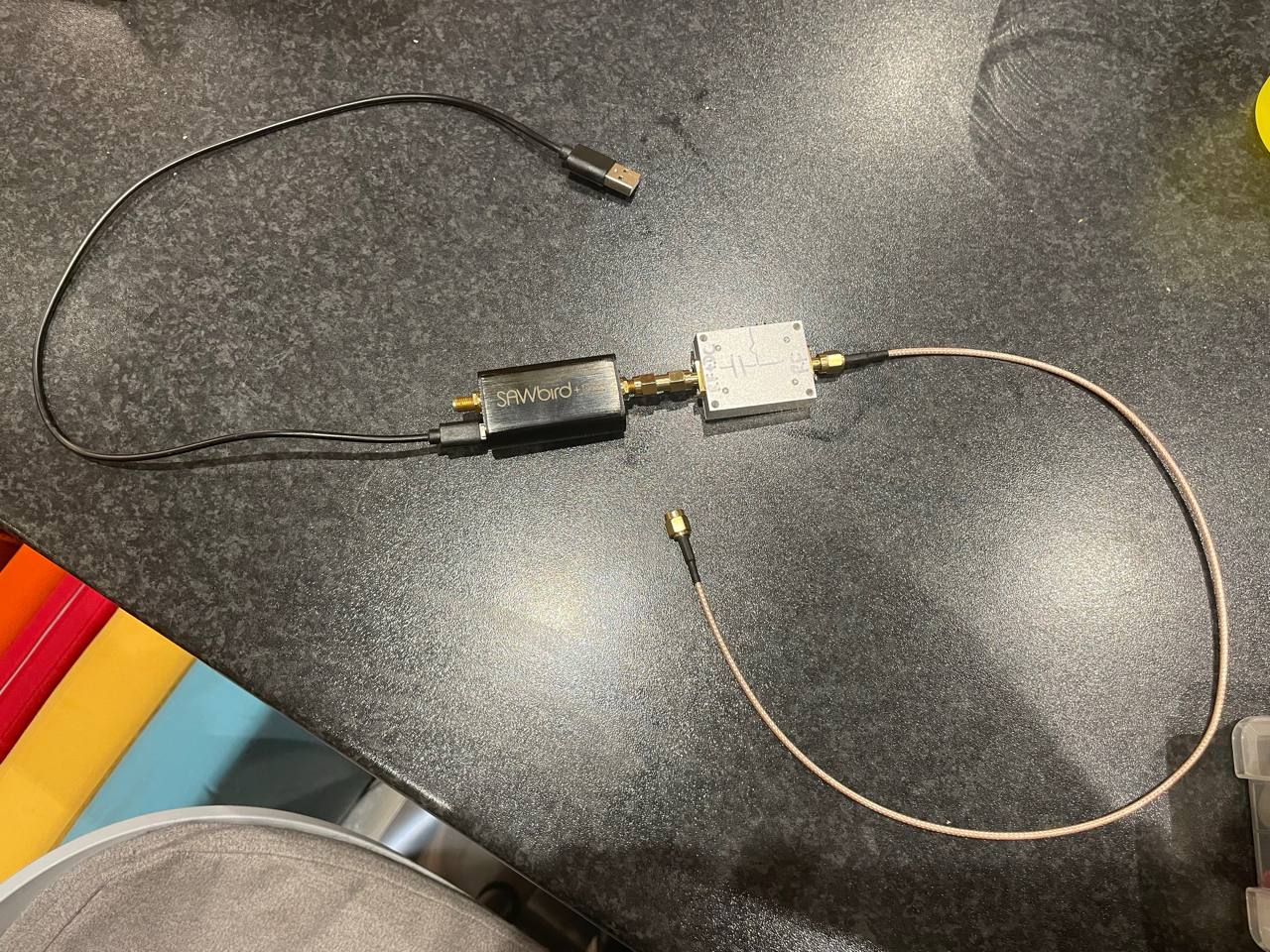
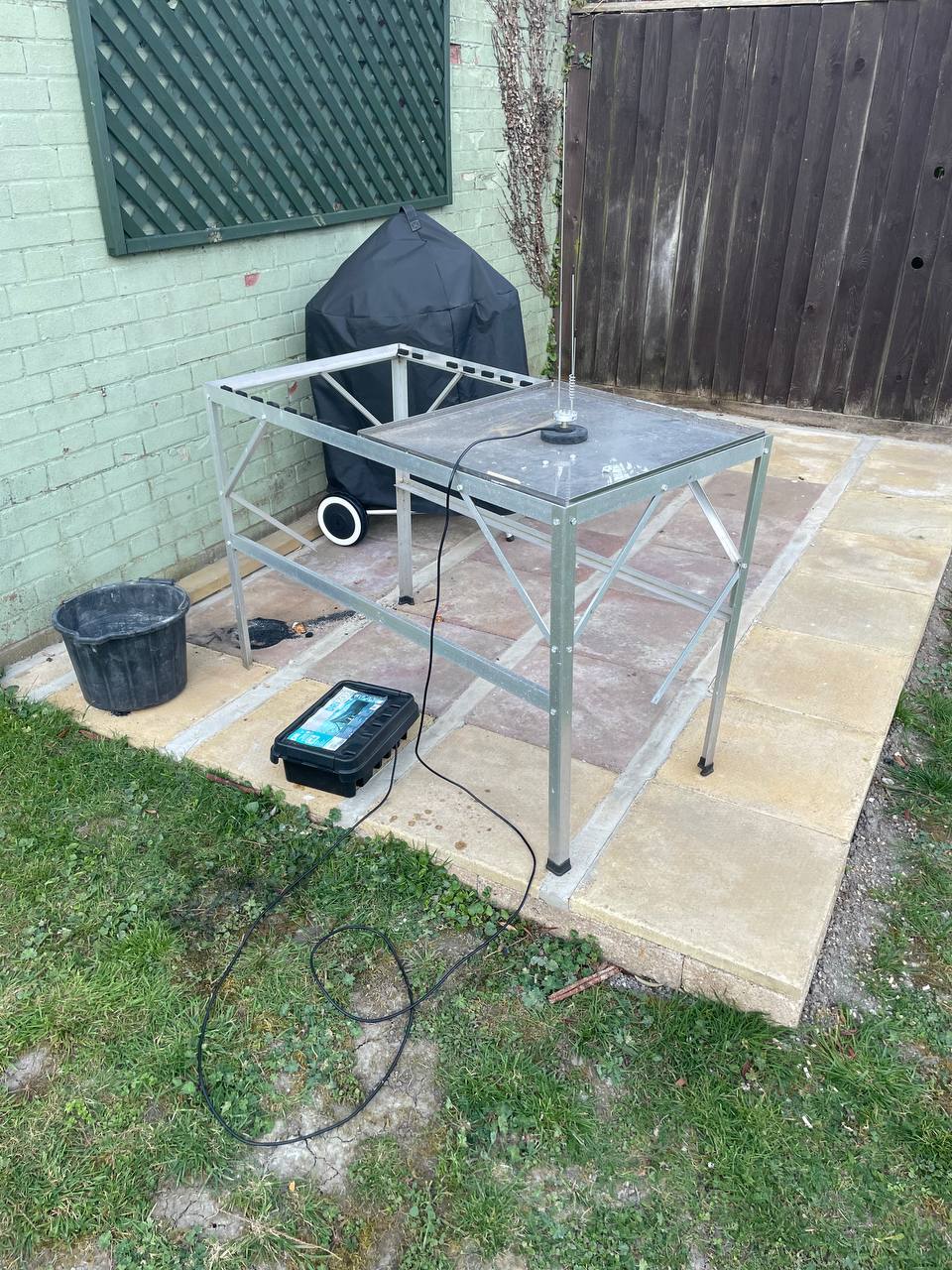
- David sought advice on using a wideband 25-2000MHz antenna for receiving Starlink on 137MHz with a T-Beam. Stefan/OE6ISP explained it was possible but the antenna would capture excessive noise, recommending a narrowband antenna or a filter like a helical or SAW filter used for weather satellites. David mentioned having a Sawbird NOAA filter and planned to try it, with Stefan confirming its quality. Later, David shared his basic setup with an antenna on a steel base, which was successfully receiving MAUVE/OWL packets on 137MHz, and posted images of his setup and SAW filter. Stefan advised that antenna height need not be high (1.5-2.5m is sufficient) to avoid terrestrial noise, recommended homemade groundplanes or a V-dipole for 137MHz, and critiqued the RG58 cable for significant losses at 430MHz, suggesting placing the preamp closer to the antenna. 🔗
https://moonrakeronline.com/skyscan-mobile-scanner-antenna-mk3-magnetic-base-bnc-plug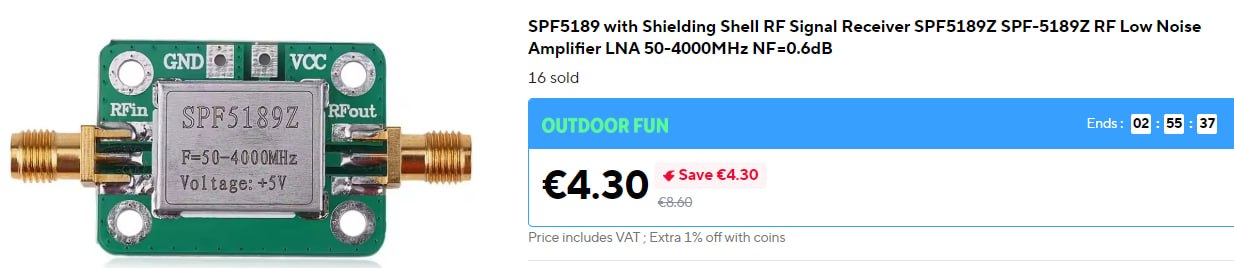
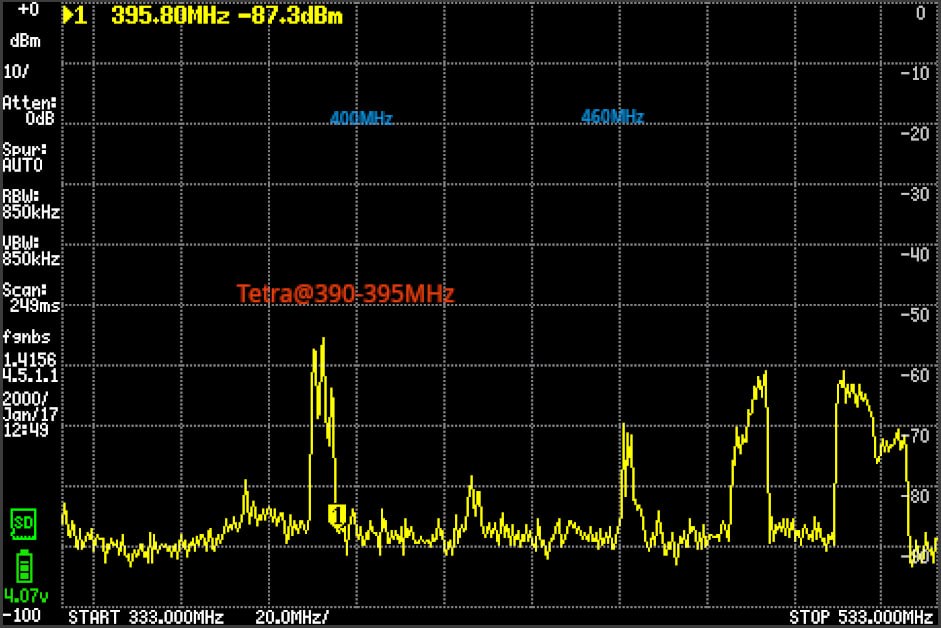
- Stefan/OE6ISP conducted a months-long investigation into poor station performance, sharing a spectrum analysis that identified Tetra signals at 390-395MHz as the likely cause of interference overloading the LoRa board’s input. He emphasized that suppressing such terrestrial interference by 10dB could be more beneficial than adding 3dB of antenna gain. The community discussed solutions, with RFCanada suggesting a passband filter and Stefan confirming that using a 2m/70cm diamond diplexer with low insertion loss increased his packet rate by 50%. This theme continued as Cozmo discussed their station’s lower packet count, attributing it to a QFH antenna in a noisy location with a long coax run. Stefan reiterated that suppressing ambient noise is more critical than antenna gain for high packet rates and recommended using a spectrum analyzer to find quiet spots. 🔗
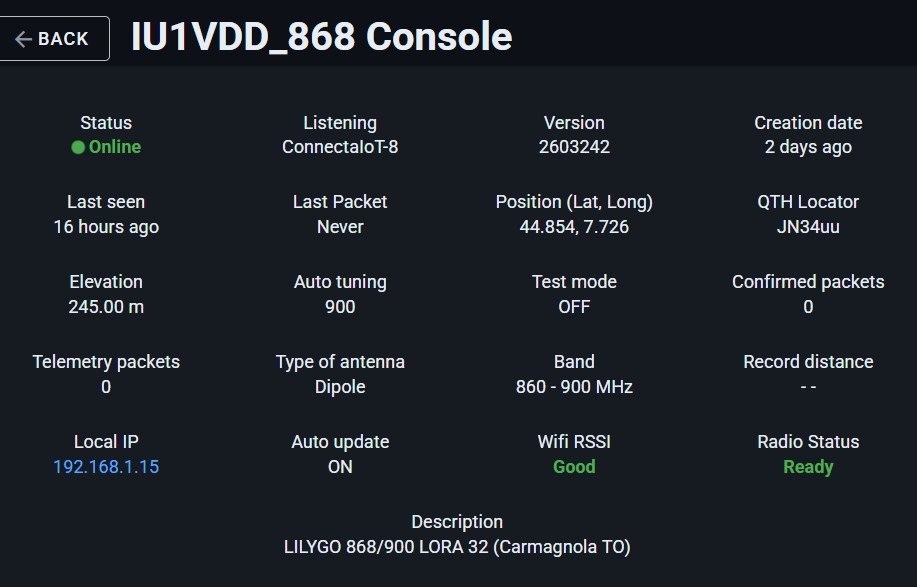
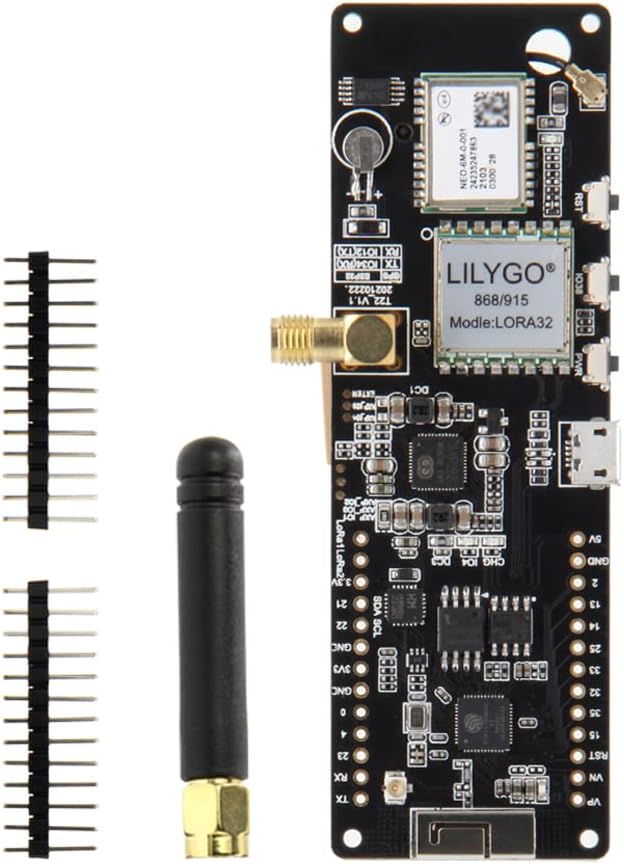
- IU1VDD_Tony reported issues with a new LILYGO T-Beam board for 868/900MHz not receiving any satellite signals despite detected passes, unlike their working 433MHz board. They shared photos of the board and settings, initially suspecting a firmware issue. After describing the use of a specific 6dBi fiberglass antenna with a 3-meter cable, Helmi suggested the antenna’s narrow beam angle and long cable were likely the problem, recommending a DIY ground plane antenna and a shorter cable. Tony agreed to try the suggestions and asked for a suitable antenna link, shifting the troubleshooting focus from firmware to physical setup improvements. 🔗

General
- Hamzah04 asked about the initial setup process, inquiring if it’s possible to register a ground station with the backend without first flashing the firmware. Helmi clarified that registration to obtain MQTT credentials should be done before flashing and configuring the firmware. Later, Hamzah04 expressed interest in registering an SDR-based Linux computer to the network for experimentation, with another user cautioning about potential server load and bans if experiments cause high load. 🔗
- Stefan/OE6ISP provided comprehensive hardware guidance throughout the week. He recommended the Heltec V3 sx1262 board for 433MHz due to its TCXO for better frequency stability and clarified limitations for 137MHz reception. He answered questions about receiver sensitivity and link budgets, explaining how spreading factor affects reception with examples from satellite missions like HYPE. He also clarified that the Heltec board with the SX1262 chip handles LoRa and FSK well, while boards with chips like the SX1268 have restrictions, and advised that space weather data is typically not part of standard TinyGS telemetry. He strongly recommended against using the default antenna that comes with boards, suggesting a groundplane antenna build instead. 🔗
https://www.semtech.com/design-support/lora-calculator
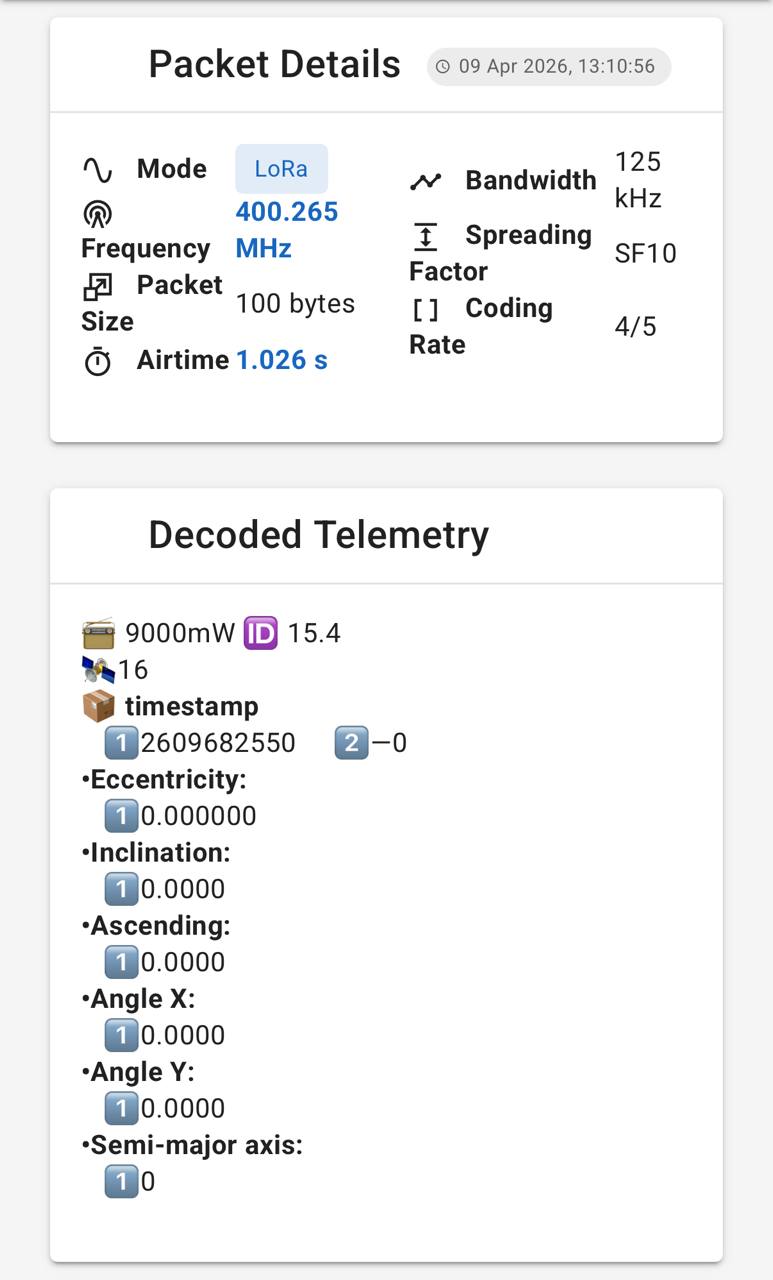
https://www.qrz.com/db/OE6ISP - mirrorleos asked about receiving packets with all telemetry data set to zero, specifically from Tianqi satellites, and shared an image of the data. Helmi clarified that for Tianqi-28 this is normal, though the timestamp has a non-zero value, and noted that some Tianqi satellites do transmit data like -25 or -33, while others may have hardware or software issues preventing data transmission. 🔗
Share your setup
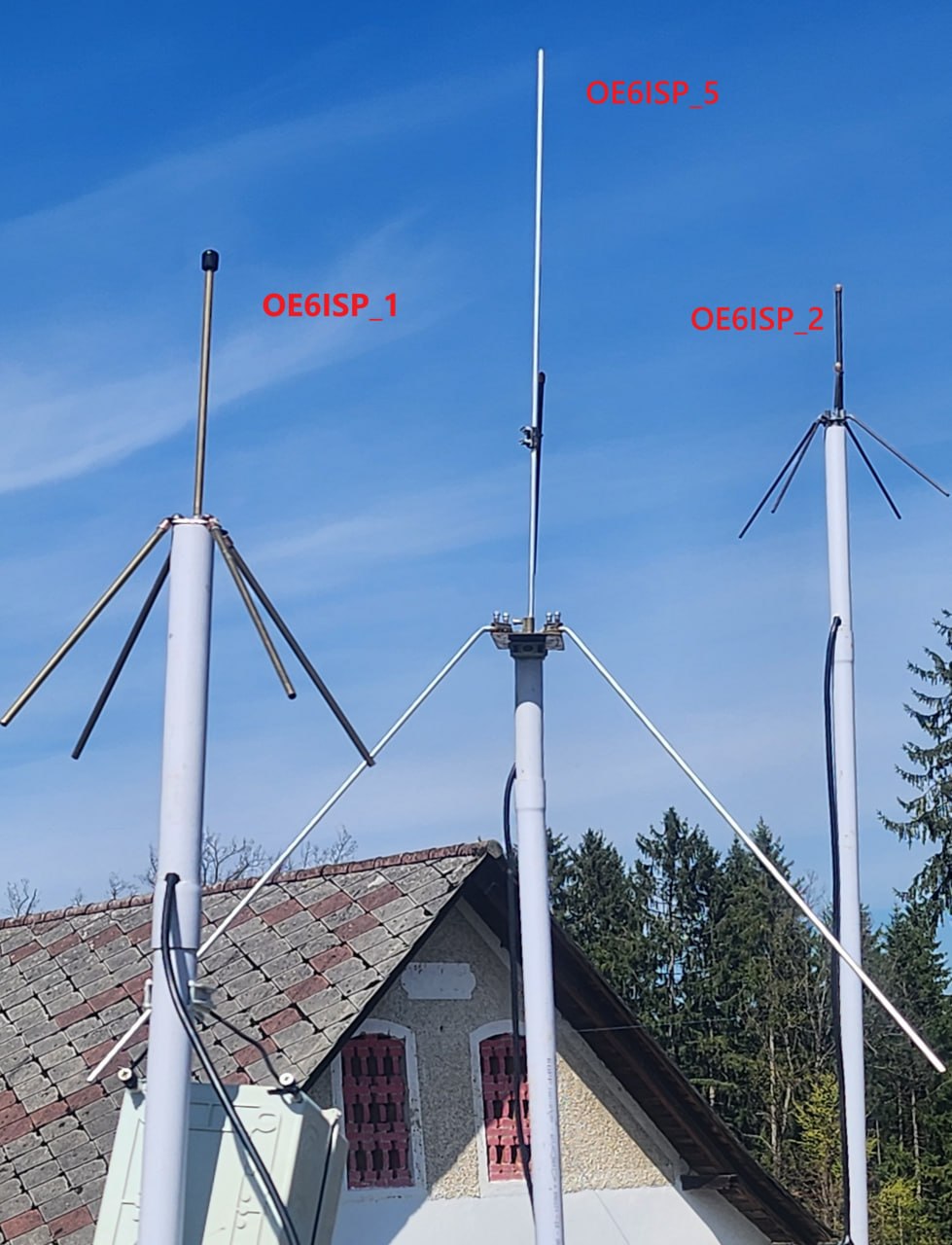
- Stefan/OE6ISP shared an unexpected hardware issue, posting a photo of corrosion on a connector and speculating the solder used was a strange, soft low-temperature type like SN58Bi. Later, they shared a photo of their shiny ‘antenna-garden’ after post-winter maintenance and commented on a previous discussion, speculating that a ground plane antenna might catch too much noise without a filter but works perfectly with a helical filter. 🔗

- Peter experimented with a quarter-wave ground plane antenna on 137 MHz for about five hours but could not decode Starlink satellites. After switching back to a QFH antenna, they were able to receive satellites almost immediately. Later, Peter provided an important operational update, noting that nearly all NOAA weather satellites have ceased APT transmissions on 137 MHz. 🔗
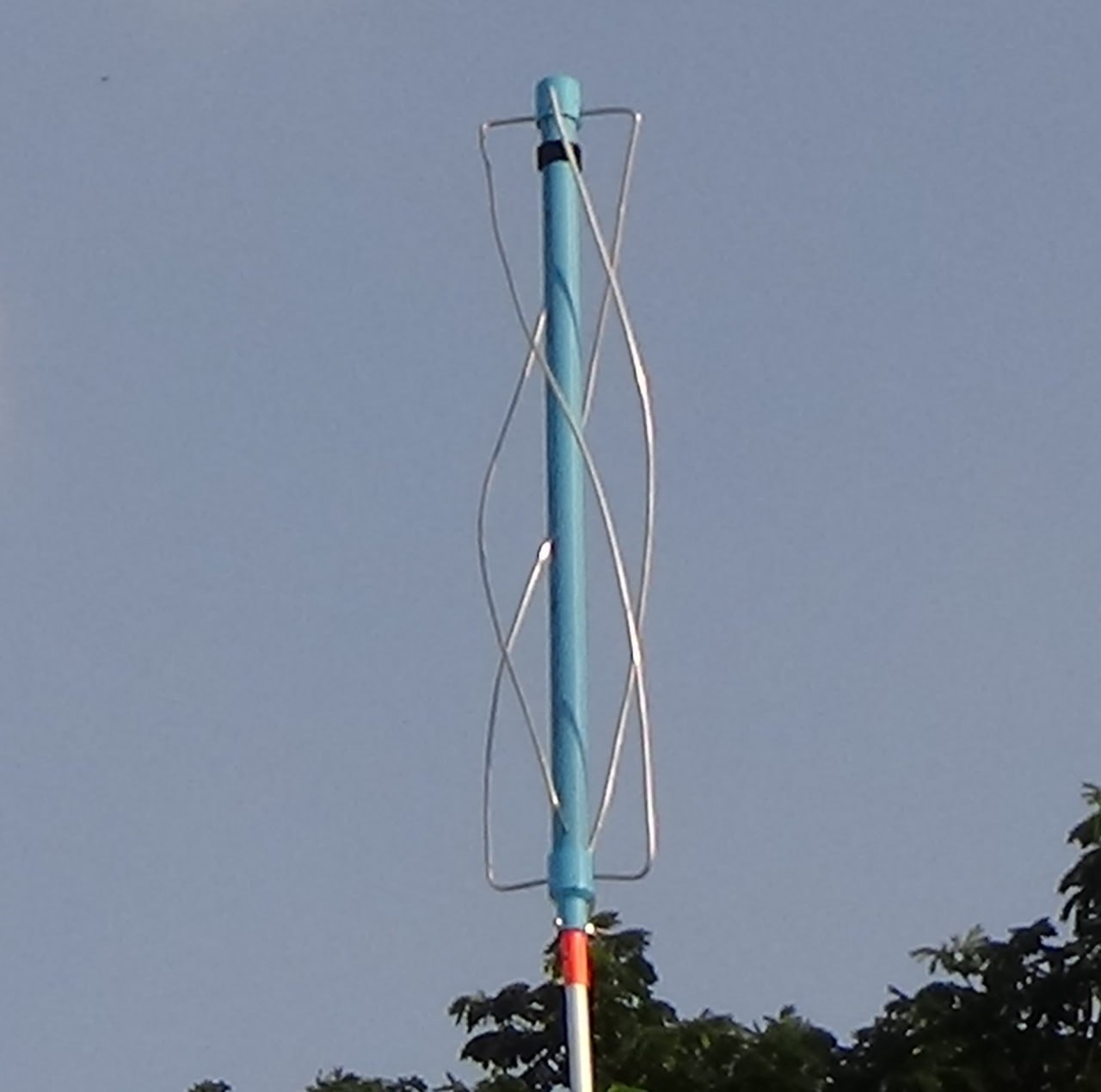
- David was surprised that a QFH antenna works with non-circularly polarized signals, as they were considering one for weather satellites. Stefan/OE6ISP explained that while it works, there is a 3dB loss trade-off for reduced polarization fading, and for weak signals, the permanent loss might outweigh the benefit. He also clarified that Tianqi satellites use LHCP, so an RHCP antenna would receive only reflected signals. 🔗
Antenna Building
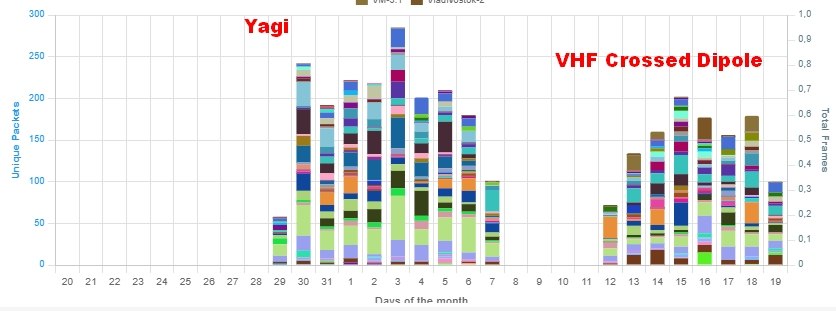
- Nico shared test results, mentioning poor performance with a QFH antenna and switching to a fixed yagi set to 45 degrees elevation and full west azimuth, then asked for others’ fixed configurations. Stefan/OE6ISP provided detailed advice, suggesting a fixed orientation of south with 10-20 degrees elevation for a short yagi in the northern hemisphere, shared performance data for 433MHz and 800MHz stations, and explained why a QFH is not ideal for fixed operation. This theme continued when Voltor4 asked for the optimal azimuth for a fixed antenna targeting Connecta satellites. Stefan recommended, based on experience in Austria, a 5-element yagi pointed south with an elevation between 20 and 40 degrees, noting that a fixed 5-element yagi often outperforms a larger 12-element one without tracking. 🔗
- David & Stefan/OE6ISP discussed using a signal splitter to feed multiple receivers, with David expressing concerns about insertion loss. Stefan and Don-hugh explained the theory, noting that splitting inherently reduces signal strength but a low-noise amplifier (LNA) at the input is crucial to compensate. Stefan shared details and a photo of his ‘magic box’ setup, which uses a Hartwig RF LNA and a Mini-Circuits splitter, and described his full signal chain with filters and LNAs at the antenna. 🔗
https://www.qrz.com/db/OE6ISP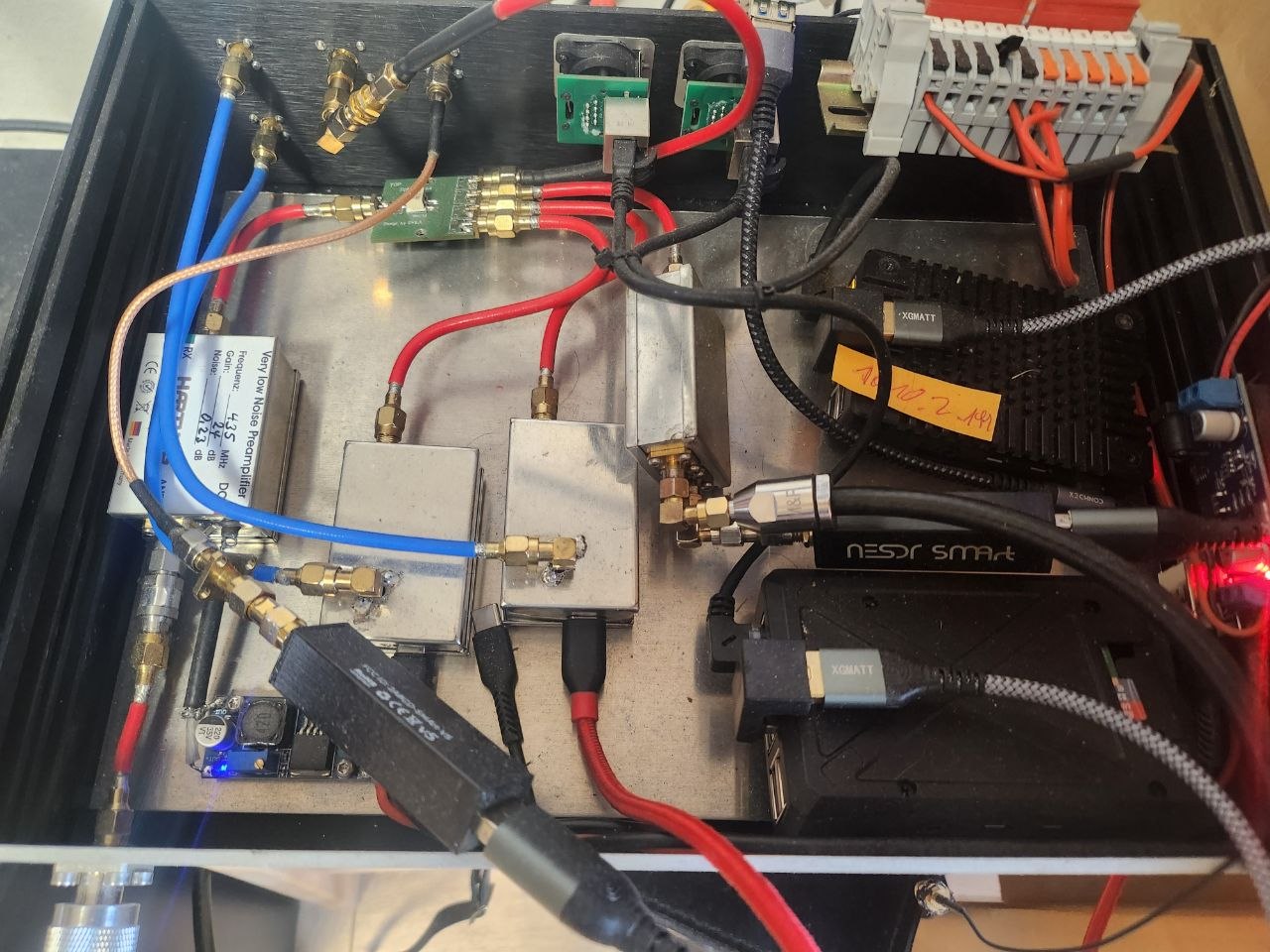
Statistics
- Chris_DL7AG shared that receiving signals at 868 MHz presented more challenges than at 432 MHz, involving software issues, but with support and experimentation, his temporary setup was now running smoothly. He expressed gratitude for the help and shared a link to his station. 🔗
https://app.tinygs.com/station/DL7AG_868MHz@27560832 - David thanked Stefan for advice and reported reaching position 11 on the 137MHz leaderboard, acknowledging there is still room for improvement. 🔗
Balloons
- PE2BZ inquired if anyone was listening for their ‘pc4l’ balloon, which they believed was still at 5400 meters altitude. They provided an update that its last known position 8 days ago was over southern Ukraine with spoofed GPS, but it was shown on a map in Peru at an altitude below the mountains. 🔗
Featured Conversations
- The community engaged in a detailed analysis of station performance issues, identifying that suppressing local terrestrial interference, such as Tetra signals near 390-395MHz, can yield greater improvements in packet reception than simply increasing antenna gain. This highlights the importance of site selection and the use of filters or diplexers to clean the signal environment.
- Extensive advice was shared on optimizing fixed antenna configurations, particularly for satellites like Connecta. Recommendations centered on using a modest 5-element yagi pointed south with a low elevation angle (20-40 degrees) in the northern hemisphere, which often outperforms larger, non-tracking antennas by providing a better compromise between gain and coverage.
- Hardware selection was a key topic, with clear guidance provided on choosing the right receiver board. The Heltec V3 with an SX1262 chip and TCXO was recommended for 433MHz due to its frequency stability and ability to handle both LoRa and FSK signals, while newcomers were advised to avoid stock antennas in favor of simple DIY ground plane designs.
- Members collaborated to troubleshoot complex reception problems, moving from initial suspicions of firmware or hardware faults to identifying physical setup issues. A common theme was the negative impact of long coaxial cables and directional antennas with narrow beamwidths, leading to recommendations for shorter cables and wider-coverage DIY antennas.
- The community celebrated incremental successes and shared practical learnings, such as the ineffectiveness of a quarter-wave ground plane for 137 MHz Starlink reception compared to a QFH antenna, and the operational update that most NOAA weather satellites have ceased their legacy APT transmissions on 137 MHz.
Latest Cubesats News

Our CubeSat Communication Failure… Effectively ‘Lost’ [9 O’clock News] / KBS 2026.04.06.
A South Korean CubeSat launched on the Artemis 2 mission lost contact after sending an error signal and is presumed to have burned up in the atmosphere. It was successfully deployed from the Orion spacecraft and briefly communicated, setting a national distance record. The mission provided valuable experience, including insights into NASA’s safety standards for crewed flights. The Korea AeroSpace Administration will analyze the failure to inform future lunar exploration efforts.
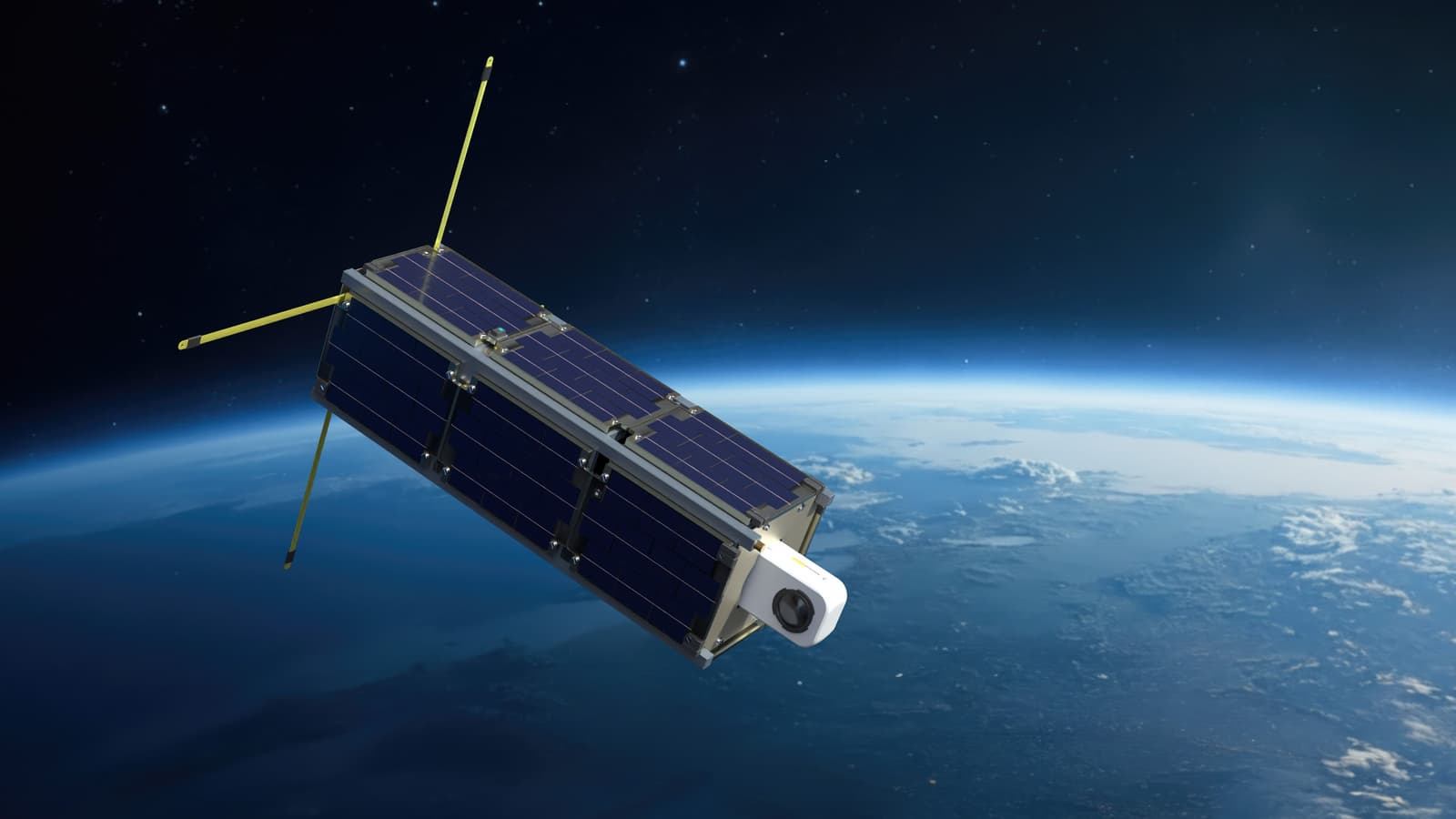
“Ioffe-1” will carry the names and drawings of earthlings: “Geoscan’s” CubeSat launches in …
Geoscan is collecting names, drawings, and photos until October 15 to be placed on the “Ioffe-1” CubeSat, launching in winter 2026-2027. The satellite will join the “Supernova Hunters” constellation, equipped with a gamma-ray burst detector and a panoramic camera. The flight control center will select the 100 best drawings and broadcast them to Earth via amateur radio. This is Geoscan’s third such campaign, following previous missions that sent thousands of names into orbit and even recorded a gamma-ray burst from the early universe.
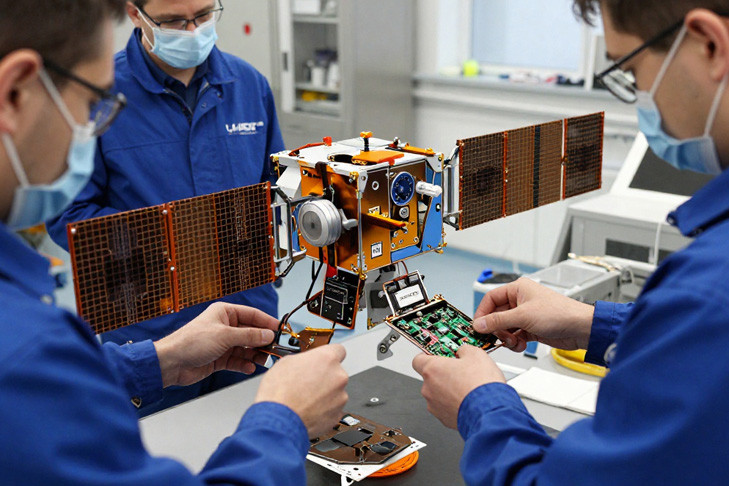
In Novosibirsk, Assembly of New Satellite with Artificial Intelligence Completed
The NORBI 4 CubeSat features an onboard neuroprocessor for testing AI functions in space, specifically for satellite positioning data processing. Assembly is finished, and the satellite is now undergoing comprehensive testing ahead of its launch under the federal Universat program. Novosibirsk State University is also designing a larger satellite for IoT technology testing and developing high-precision instruments for major federal space missions. The university has established itself as a leading center for university satellite construction in Russia, with previous NORBI satellites successfully launched and contributing to solar observation.

New Russian satellites with modems for controlling UAVs and robots to be sent into orbit
New small Russian satellites for controlling robots and UAVs are planned for launch in September 2026. The CubeSat 6U and 16U satellites will carry ‘Hermes’ and ‘Gonets’ modems on sun-synchronous orbits. This expands the existing ‘Hermes’ satellite program, which provides direct control links for drones over distances exceeding 200 km. The initiative aims to reduce import dependency and enhance capabilities for encrypted communications and Earth remote sensing.

Major Space Data Transfer Tests Begin
Eight CubeSats and one payload, supported by ESA, are in orbit to test improved methods for transmitting and processing space data. They will demonstrate laser communication links between satellites and to ground stations, aiming to complement limited radio frequencies. The missions focus on validating optical terminals, in-orbit data processing, and applications like precision agriculture and environmental monitoring. This initiative represents a significant step in advancing European, particularly Greek, capabilities in space-based optical communication.

IrishSAT launches CHARMS payload into orbit - The Observer
IrishSAT, a Notre Dame student club, successfully launched its first hardware, the CHARMS payload, on a SpaceX Falcon 9. The low-cost, low-power magnetorquer system is designed to stabilize tumbling CubeSats using Earth’s magnetic field. Development costs were around $4,000, with the team building automated tools and sharing open-source designs. The satellite has been activated in orbit, and the team aims to build a full CubeSat in the future.

Cal Poly students launch mini satellite from Vandenberg - KCBX
Cal Poly students launched the miniature satellite SAL-E from Vandenberg Space Force Base, ending a five-year launch hiatus for the university’s CubeSat Laboratory. The satellite carries two student-designed payloads to study radiation’s impact on data and test a long-range radio device. The ground team monitors SAL-E’s orbit, making contact a few times daily to upload and download data during its passes over California. The satellite is expected to remain operational for about three years before deorbiting and burning up in the atmosphere.

Northeastern Satellite Laboratory prepares for interstellar debut with cube satellite
Northeastern’s student-built CubeSat, Pleadias-Atlas, will launch to low Earth orbit on April 10 as part of a NASA initiative and a university constellation called Pleiades Five. The 1U satellite will test a student-developed communication algorithm and attempt to photograph Earth during its year-long mission. The NSL team overcame challenges like increased costs from tariffs and rigorous environmental testing to prepare the satellite. This project serves as a foundation for future, larger satellite missions planned by the university’s aerospace club.

CANVAS CubeSat launches from Vandenberg Space Force Base
The CANVAS CubeSat launched on April 7 aboard a Minotaur IV rocket from Vandenberg Space Force Base. Its mission is to map Very Low Frequency energy from lightning and radio transmitters as it propagates into space. The satellite will measure the magnetic field intensity, electric field intensity, power level, and direction of these waves in the ionosphere. This launch marks the third small satellite from the same team to reach orbit this year.
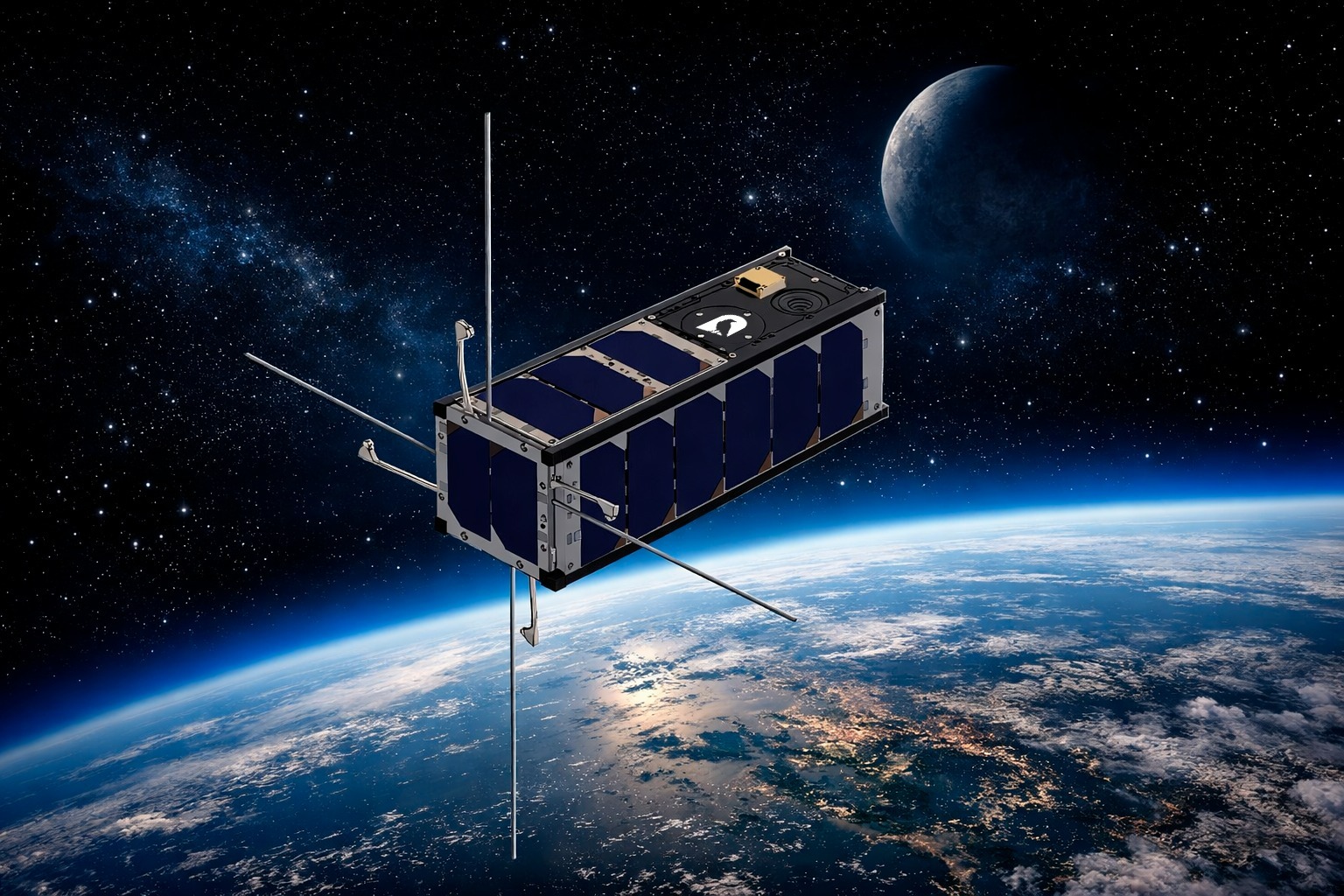
Antofagasta Prepares “Likansat,” the First Satellite Developed from Regions in Chile
The “Antofagasta en Órbita” project involves designing and building Chile’s first satellite entirely developed from a region. This CubeSat will monitor local issues like mining tailings, illegal dumps, and extreme climate events. Funded by the regional government and executed by CINNDA, it aims to decentralize aerospace technology and build local capabilities. The project includes training students and was named “Likansat” through a community vote.
What’s next
Join the TinyGS Telegram channel to participate in these technical discussions and contribute to the project. Your experiences, questions, and insights are invaluable for helping the community build, troubleshoot, and improve satellite tracking stations around the world!