· TinyGS Community · 19 min read
Weekly Newsletter - May 3, 2026
Welcome to the TinyGS weekly community newsletter. Here are the most relevant discussions and developments from this week, covering antenna builds, technical troubleshooting, new satellite additions, and collaborative problem-solving across the network.
Highlights
General
- SkySentinal sought help finding an IPX female to N-plug male cable for a new Heltec V3 ground station in Europe. Stefan/OE6ISP suggested using the stock IPX-to-SMA cable with an adapter, noting that while adapters can be lossy, they are sometimes unavoidable, and recommended checking with a VNA. SkySentinal later shared that the second node was successfully up and running. 🔗
- Bogonek asked about coax cable types and frequencies used. Stefan/OE6ISP recommended M&P Hyperflex5 or Aircell7 for short distances, and Hyperflex10 or LMR400 for longer distances at 400 MHz, with LMR600 for higher frequencies. 🔗
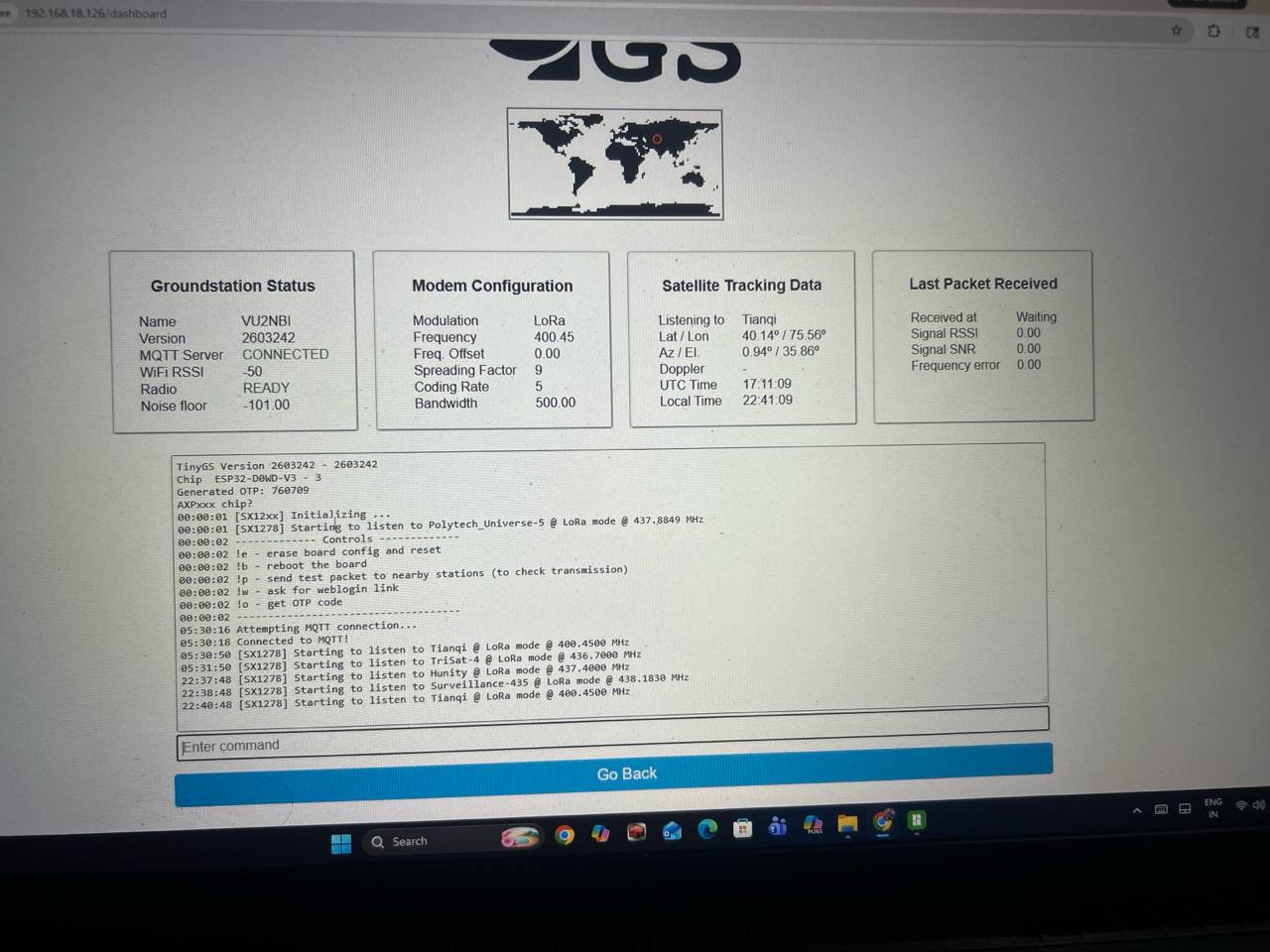
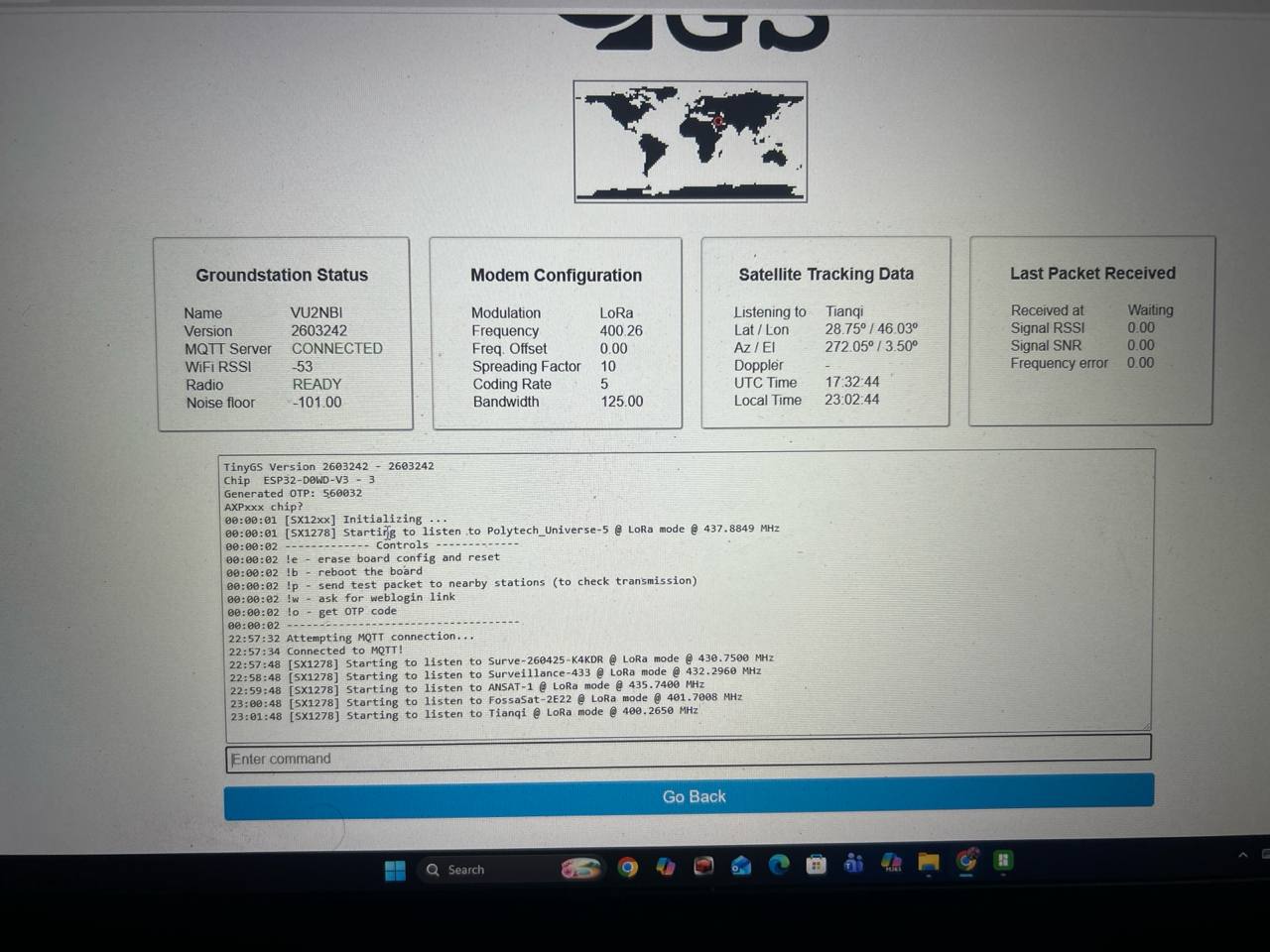
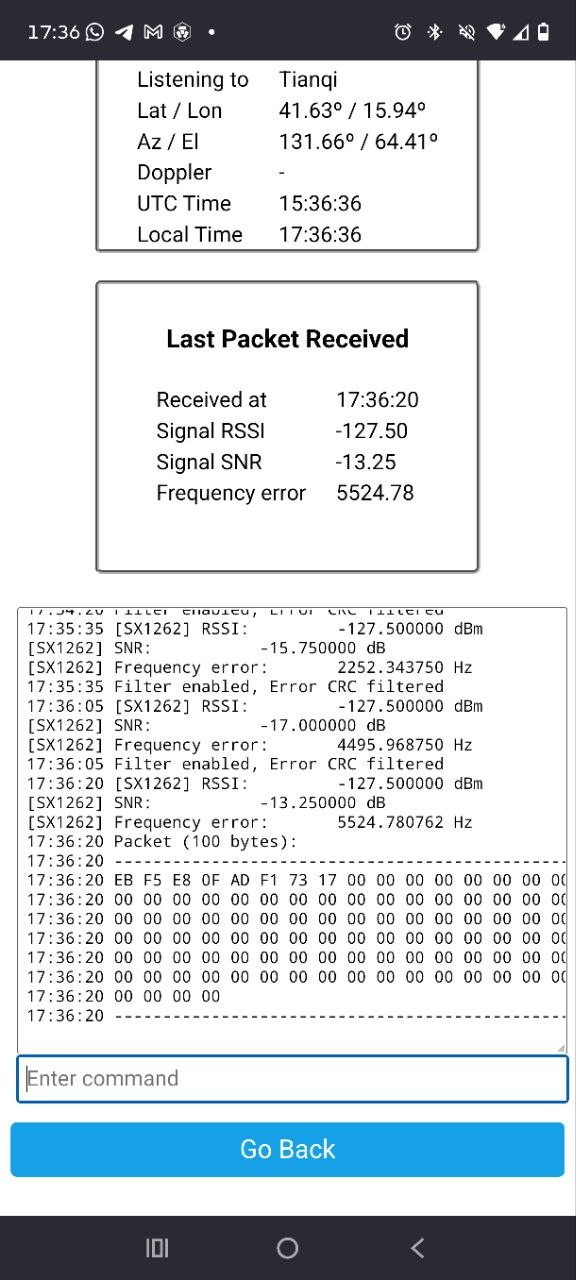
- Nick reported that his station VU2NBI was online with a V-dipole antenna checked with a VNA, but not receiving packets even on good passes. Stefan/OE6ISP noted a high noise floor (around -101 dB) and suggested checking the antenna and cable for shorts, moving the station to a quieter location, or considering a vertically mounted Yagi in noisy urban environments. Nick shared a screenshot of the console. 🔗
- Aadish introduced himself as part of a high school CubeSat team (3U, targeting SSO LEO launch in November 2026) and expressed interest in using TinyGS and LoRa for communications, referred by Jan Gromeš. Vinayak, also from the team, added that they are interested in contributing a ground station. K4KDR wished them luck and invited specific questions. 🔗
- Me asked for advice on which board to buy as a newcomer, considering the Heltec LoRa V4. Stefan/OE6ISP recommended the Heltec V3 for its plug-and-play performance and affordability, noting that few stations use the V4. Me then shared Amazon links to boards and expressed confusion due to limited YouTube tutorials. Stefan/OE6ISP cautioned that the linked boards lacked frequency specifications and noted that European versions often sell 800MHz variants, suggesting a 433MHz-specific board from AliExpress instead. Jon shared that in the USA, he buys directly from heltec.org to ensure correct orders and prompt shipping, while Stefan/OE6ISP explained that AliExpress ships from within the EU, making it easier for European users. 🔗
https://a.co/d/01Bk5IJz
https://de.aliexpress.com/item/1005008451687223.html - steve206wa posed an idea: if you are a licensed ham radio operator, could the system switch to LoRa APRS to send and receive packets while waiting for the next satellite? KyleYank responded that they have a regular APRS setup with a duplexer into another 433MHz node. 🔗
- Jyrki OH10D asked where to find modules for 137MHz LoRa. Stefan/OE6ISP explained that there are usually no 137MHz modules, but the LilyGo LoRa32 433MHz with SX1278 can go down to 137MHz. They noted that the antenna network doesn’t match well for 137MHz, causing some losses, but an LNA can help. 🔗
- Bruce shared his experience with two LilyGo 144 MHz boards, noting that the newer T-Beam BPF has a narrow filter, while the older T3 LoRa32 V1.6.1 (Q437) has no filtering and hidden matching network, making VHF accuracy uncertain. He is running one on stock firmware as fitzsimons_org_144 and will test it once he gets an antenna. 🔗
- Notsure7 shared a comparison of RSSI levels, noting a 20 dBm improvement over another station from an indoor setup, and mentioned plans to improve reception by moving a station to a roof-mounted X30N antenna. 🔗
https://app.tinygs.com/packet/019dead1-fdc0-731d-a2fc-51b8b0873ccc - DE1CTL asked about using a T-Beam to create a mobile station with automatic GPS location updates. The community explained that while theoretically possible, GPS is not used in the project due to practicality and server load considerations. 🔗
- Jim asked if 868 MHz telemetry can be received in North America. It was clarified that Connecta satellites transmit LoRaWAN data only over Europe, but their telemetry on 401.510 MHz (GMSK 4800) can be received worldwide. 🔗
Technical Problems
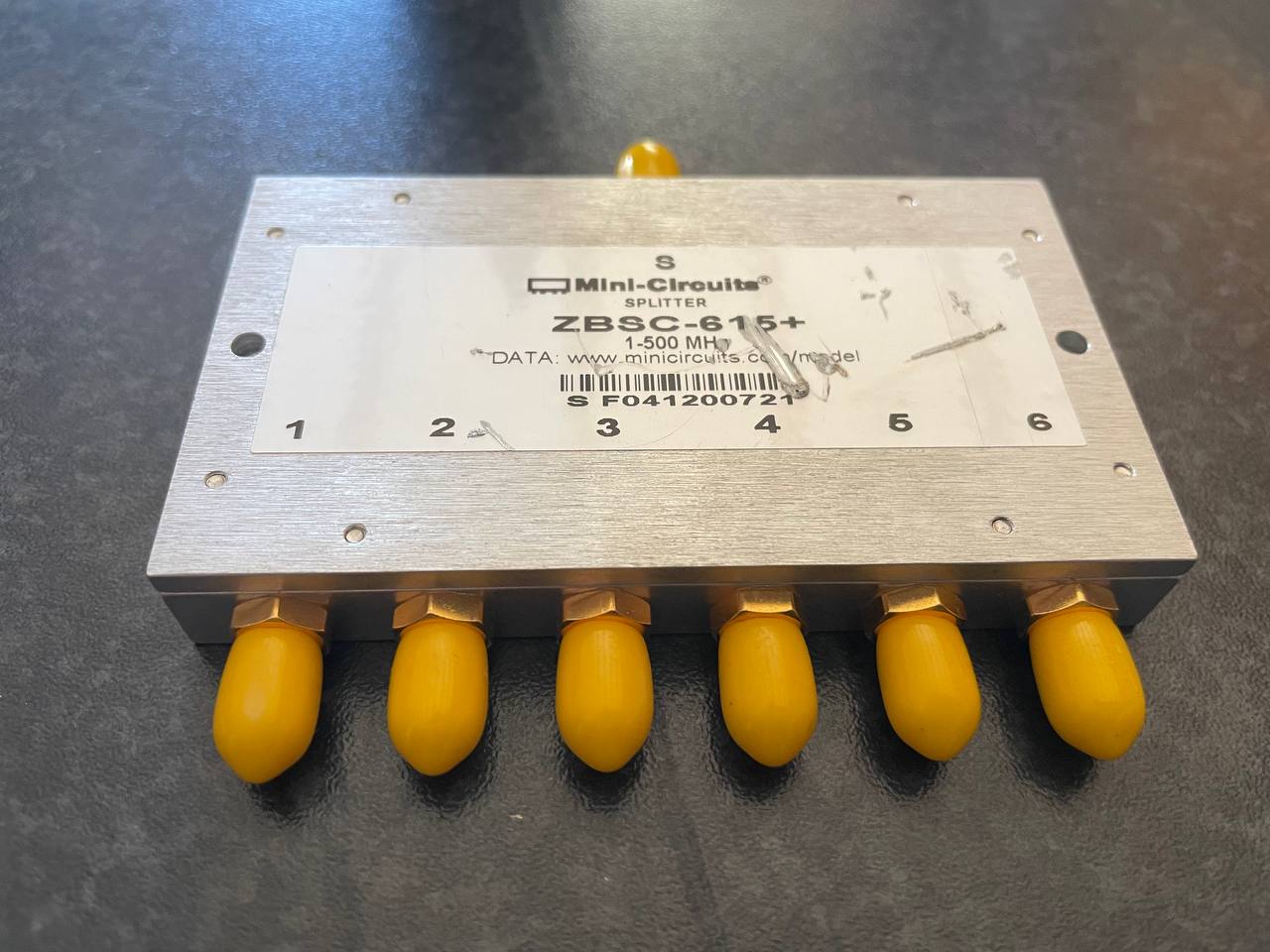
- David reported that using a splitter prevented reception on 137 MHz, while 433 MHz was still working but with fewer packets. Stefan/OE6ISP explained that the board’s antenna network is designed for 433 MHz, causing losses on 137 MHz that can be compensated with an LNA or by adapting the network. 🔗
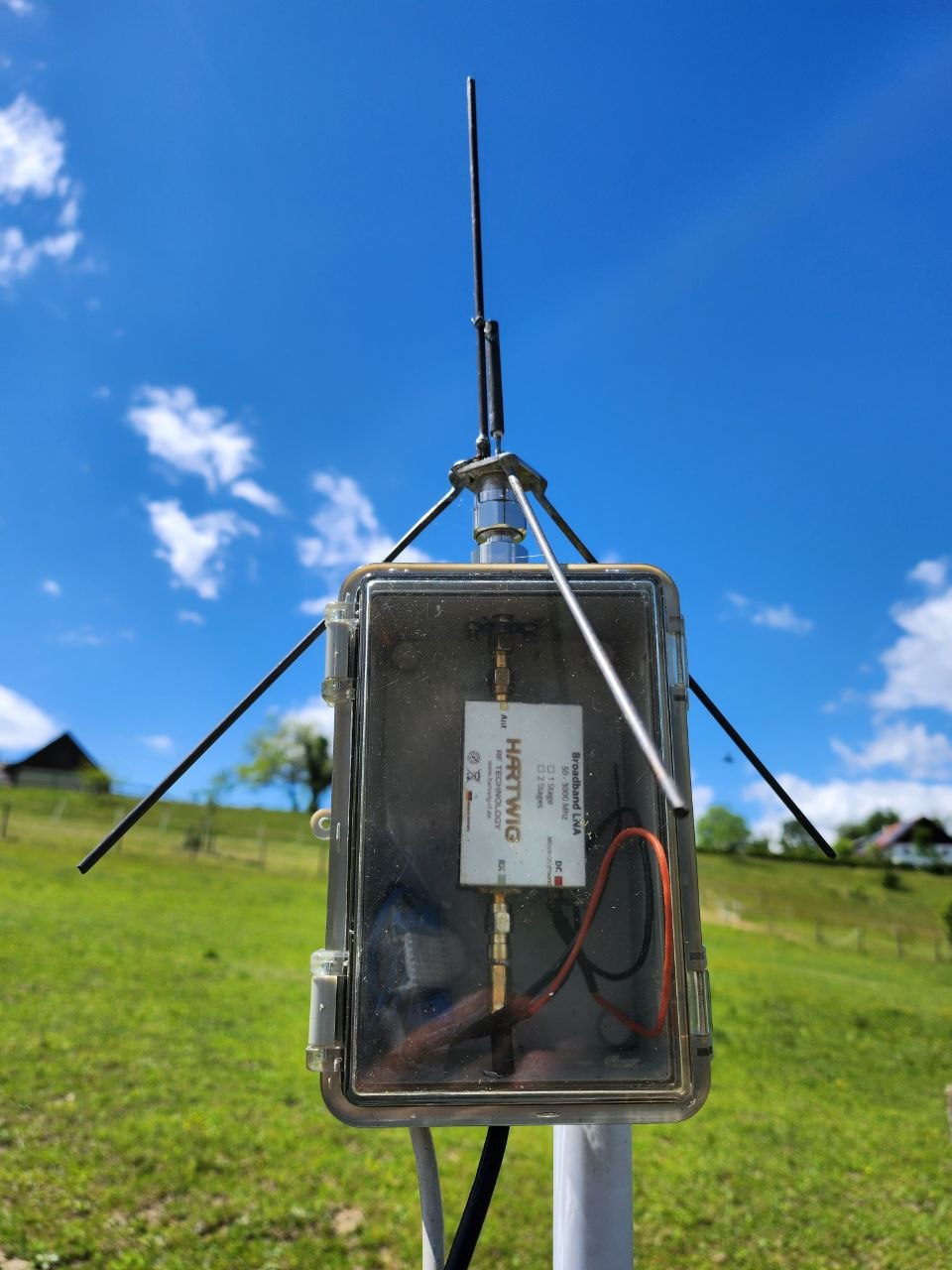
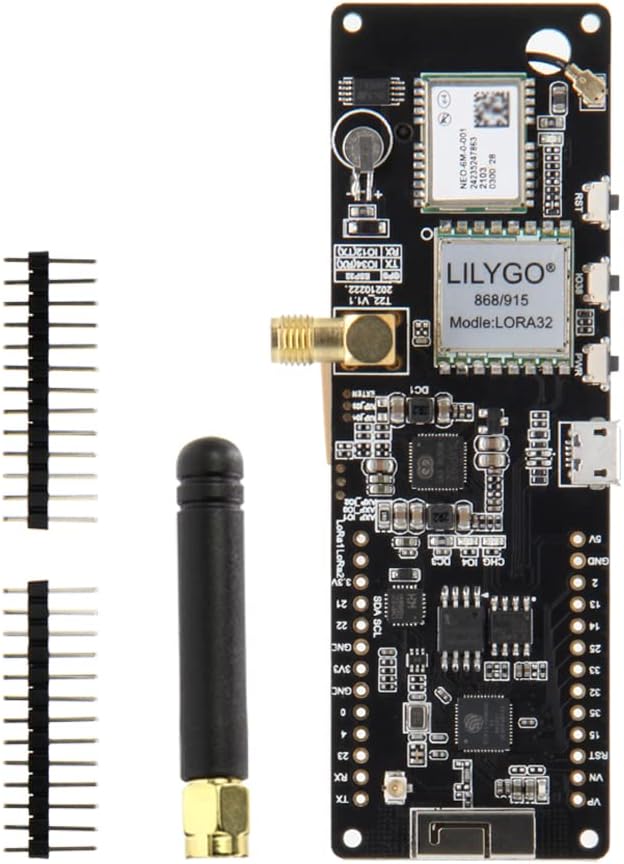
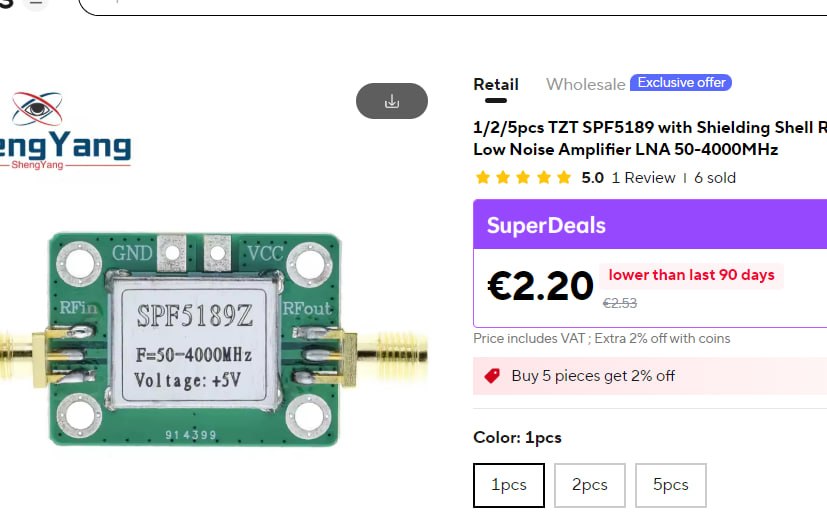
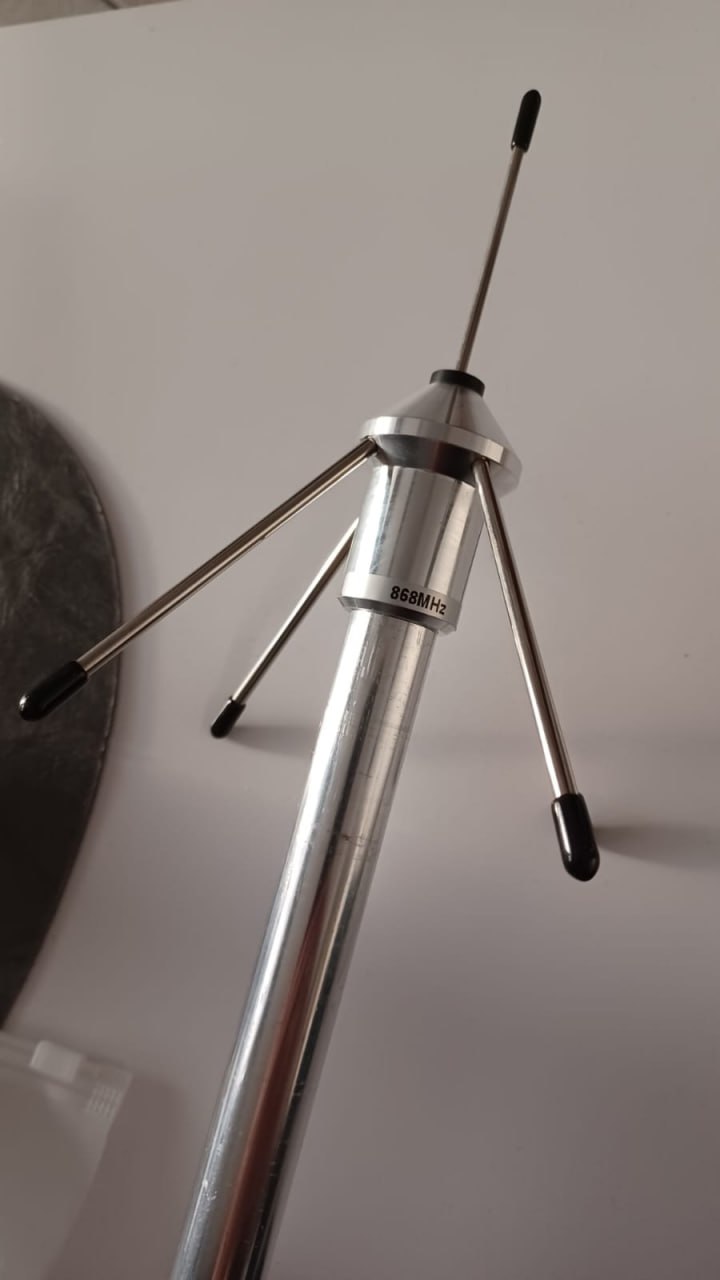
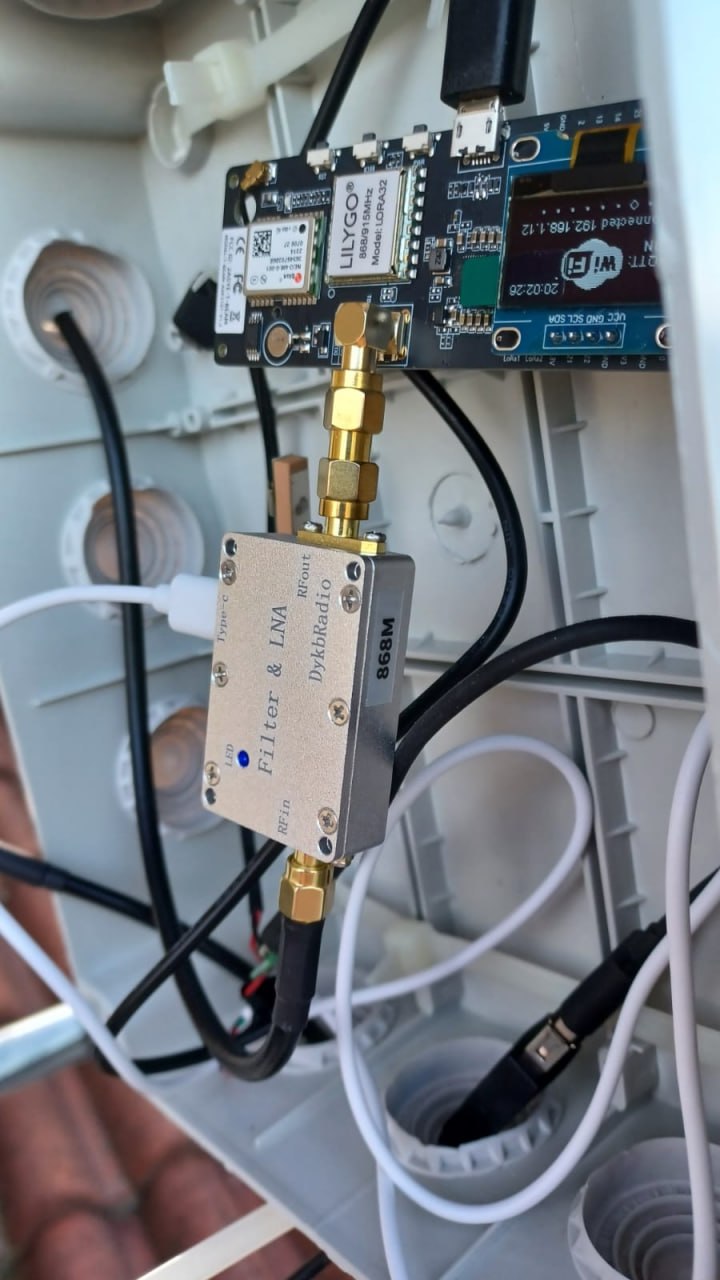
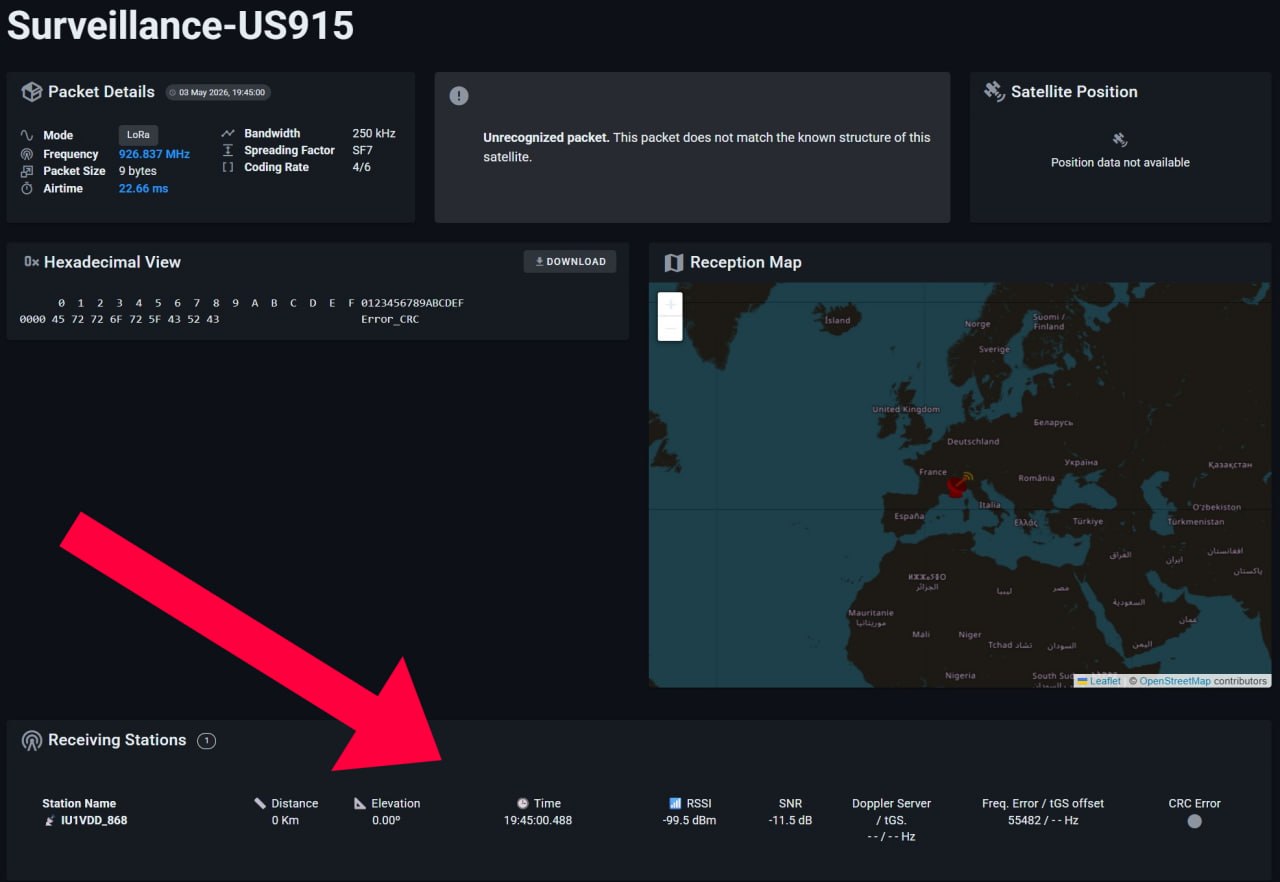
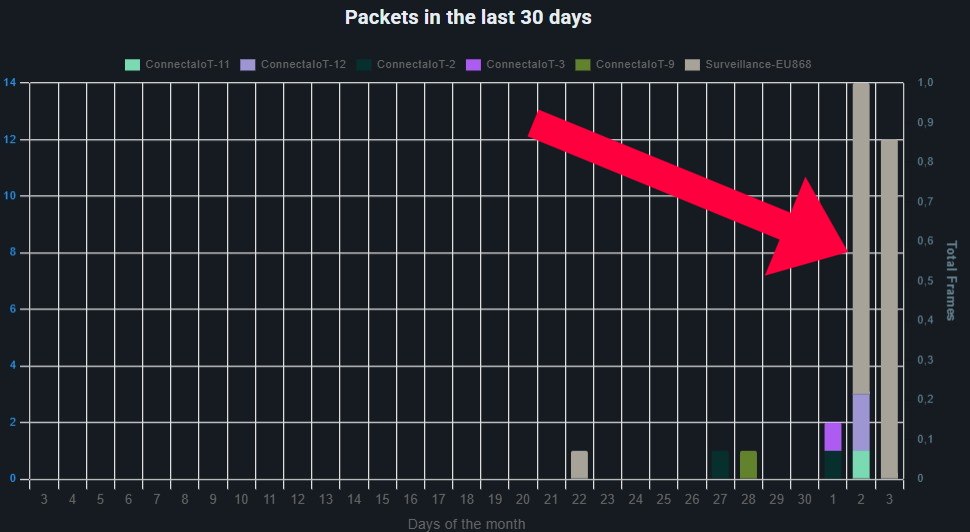
- IU1VDD_Tony described issues with his 868 MHz station (IU1VDD_868) using a ground-plane antenna on a Lilygo 868/915 MHz board, receiving no packets despite satellites passing overhead. Helmi advised checking the antenna with a VNA and using a short, low-loss cable like RG316. Stefan/OE6ISP noted that the 800 MHz band is challenging and a ground-plane alone may only yield 2-4 packets per day with an LNA. Tony shared photos of the setup and asked for LNA recommendations, linking to AliExpress LNAs and Stefan’s QRZ page for inspiration. 🔗
https://it.aliexpress.com/item/1005009625219917.html
https://it.aliexpress.com/item/1005009631070254.html
https://dk6jl.de/wordpress/?s=lna
https://www.qrz.com/db/OE6ISP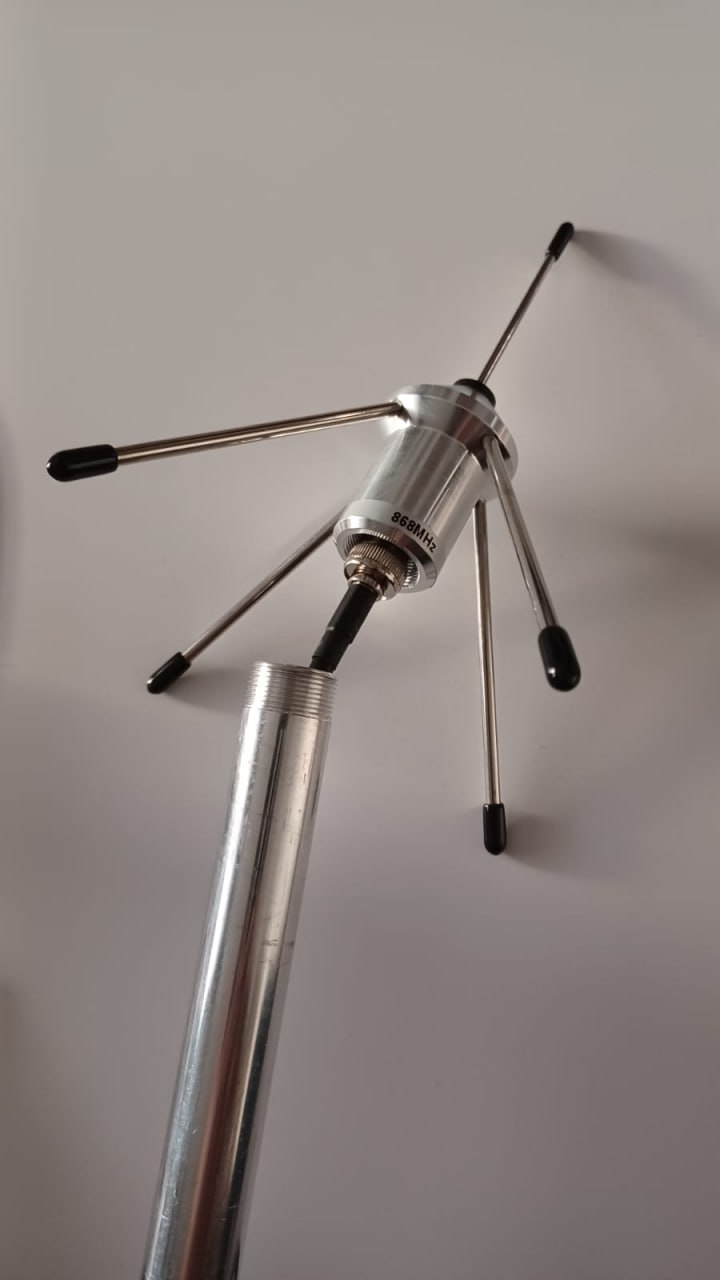
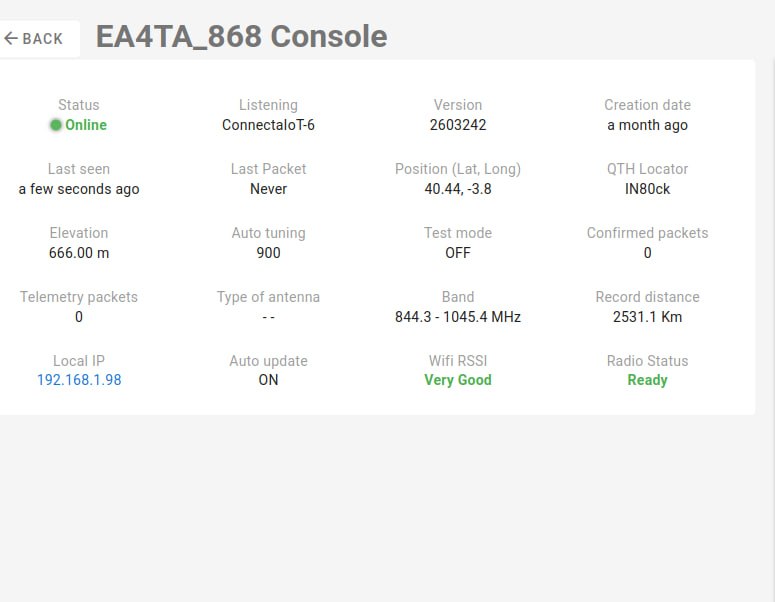
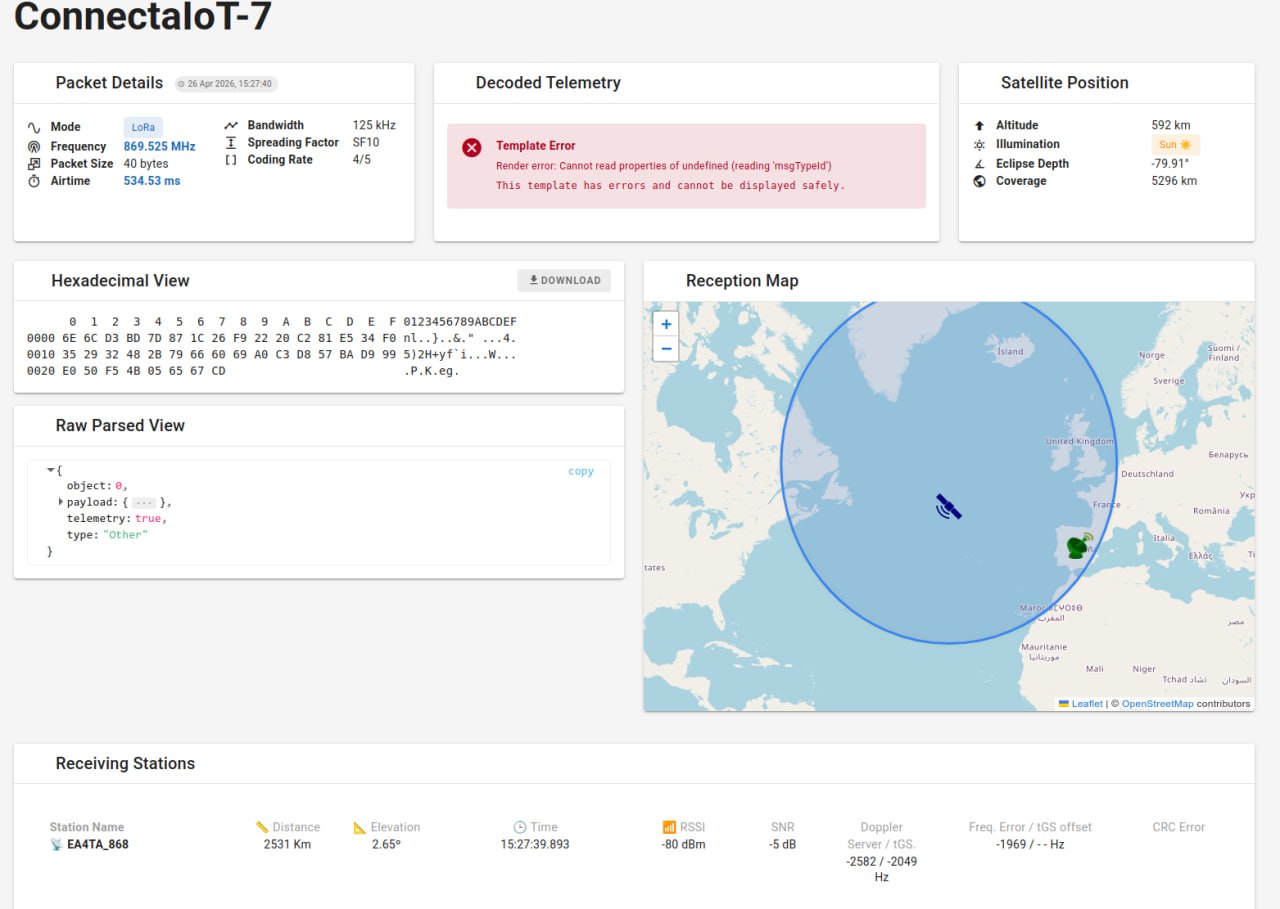
- Voltor4 shared an update on receiving the first packet on 868 MHz after a month of silence, using a 5-element Yagi fixed north at about 55°. Despite the initial success, they noted that the last packet never arrived and expressed frustration that they cannot receive the satellite if the displayed position on the map is correct, as they have no view to the west. They speculated that the Keplerian elements might be wrong, the CRC might have failed, or there could be a firmware issue with their V3 setup. 🔗
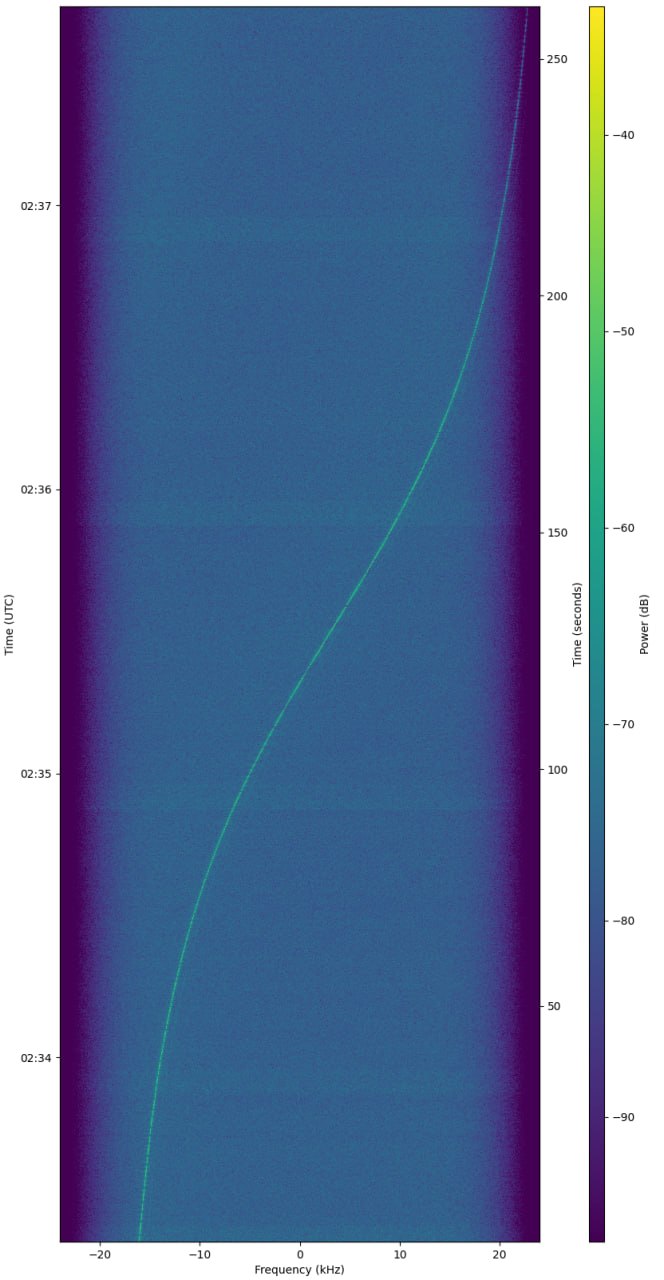
- Peter asked whether the signal from NORAD ID 99459 (Satellite IDSFAC-0567-7574-8872-2368) can be received or decoded with TinyGS, sharing a SatNogs waterfall image. Helmi replied that the signal does not look like LoRa due to a huge Doppler shift and long duration, suggesting it cannot be decoded. Peter then noted weak horizontal bands that could be LoRa 125000 signal tracks and planned to increase the waterfall bandwidth. Stefan/OE6ISP advised using inspectrum on the SatNogs audio or trying different settings to find the parameters, and offered to record I/Q with a 12-element Yagi. 🔗
- Helmi reported a problem with two FSK stations having identical LAT/LON and QTH locator but showing different distances to the satellite, sharing a screenshot of the issue. 🔗
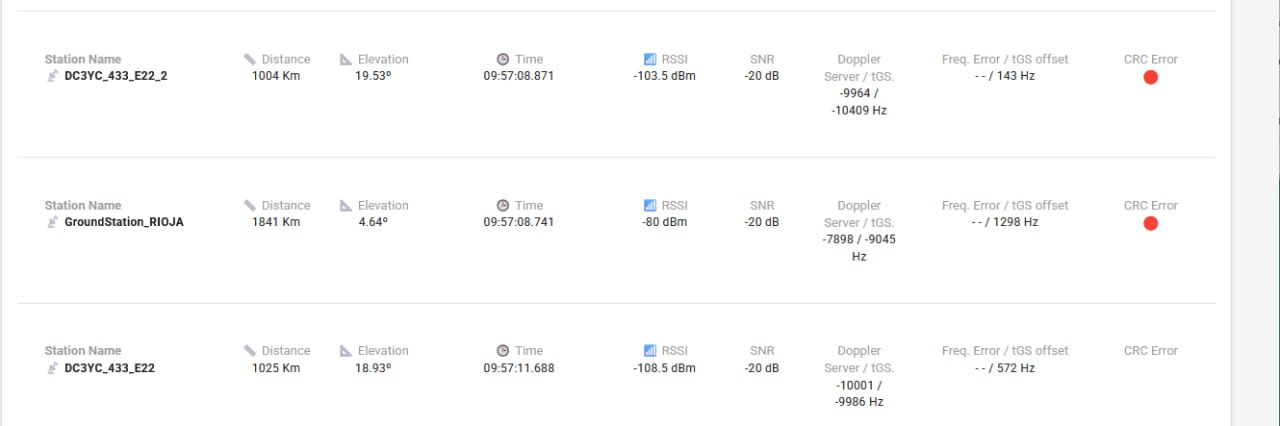
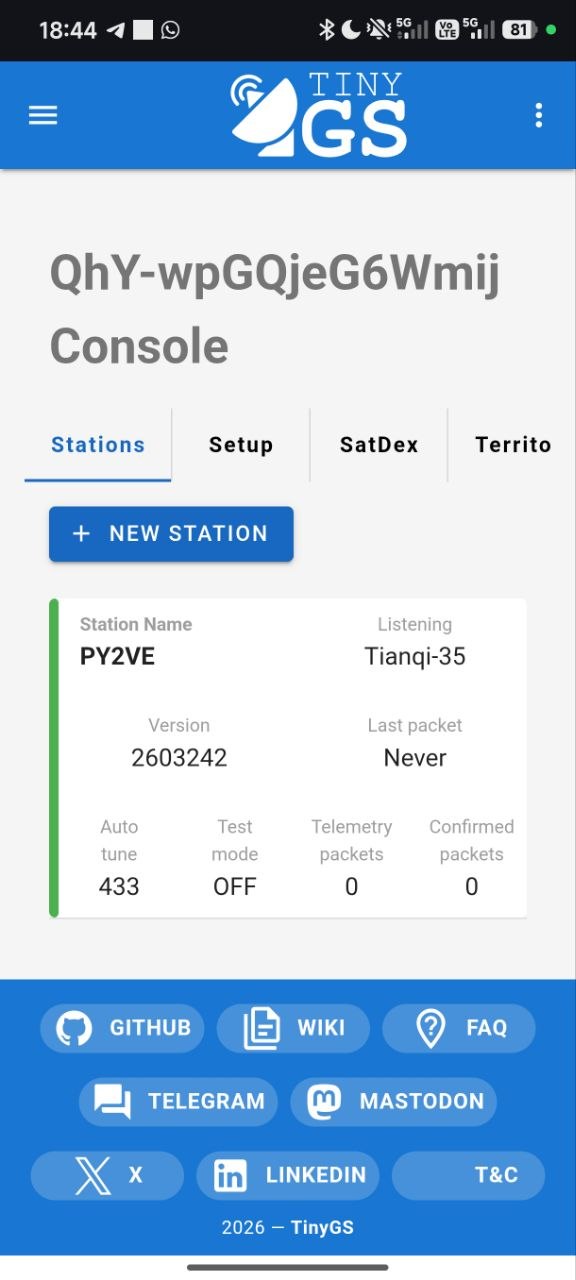
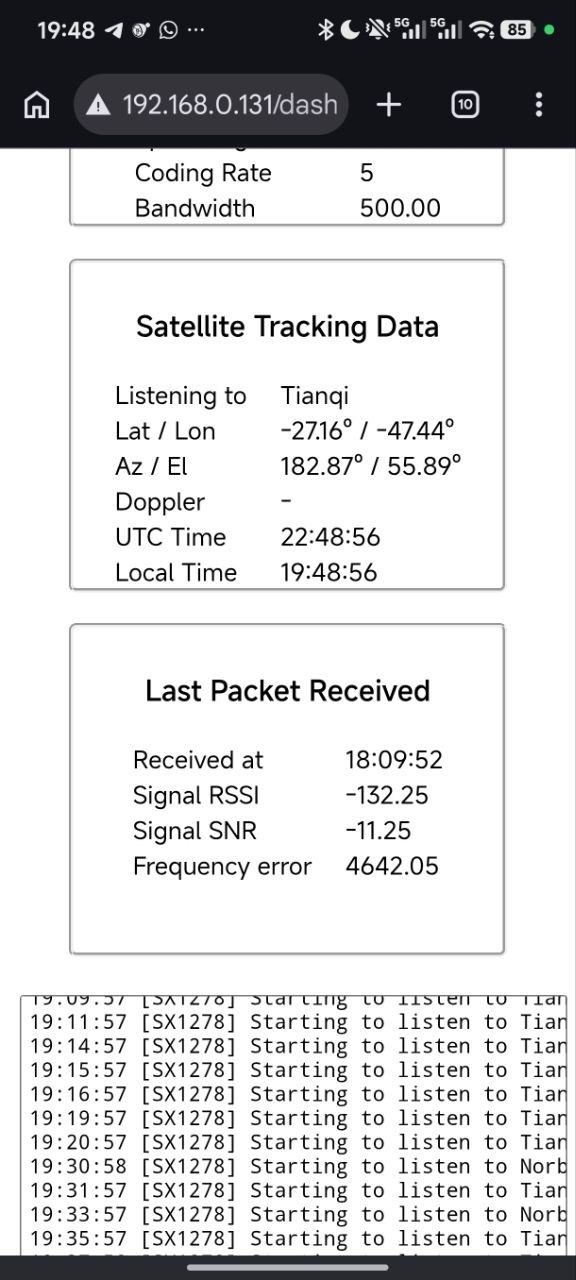
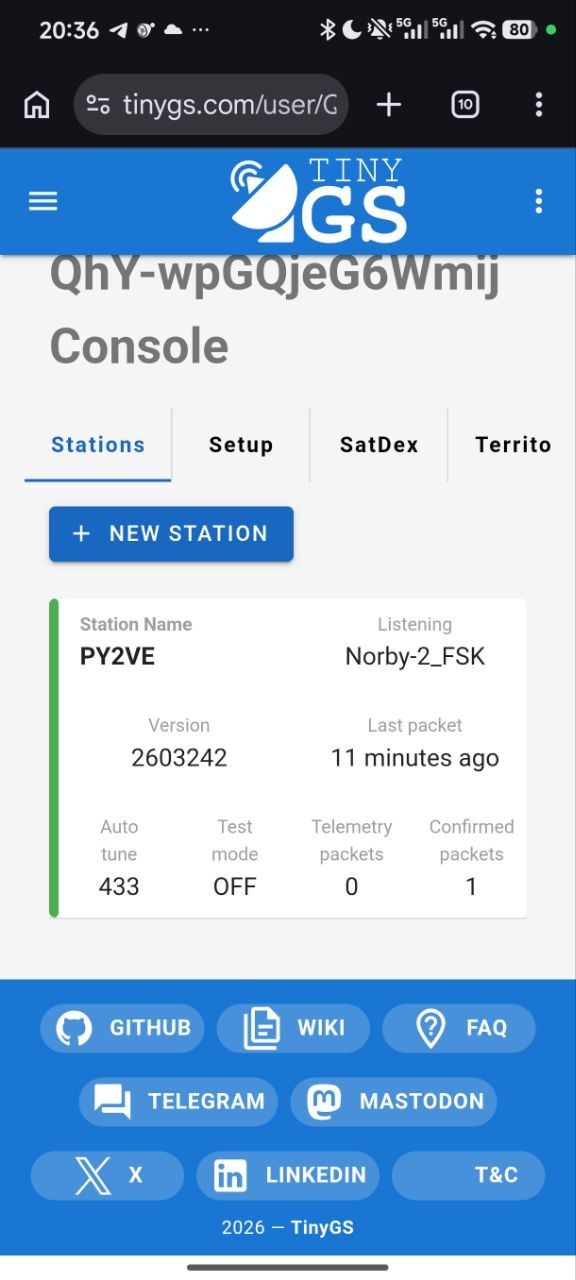
- Py2ve asked whether it is normal for packets received locally not to appear on the TinyGS website, sharing a screenshot. Stefan/OE6ISP confirmed it is not normal (testmode was off) but noted that this issue has resolved itself for other new stations after some time. After sharing a screenshot of the local dashboard, they later confirmed that the website was working correctly and their equipment was properly set up for reception. 🔗
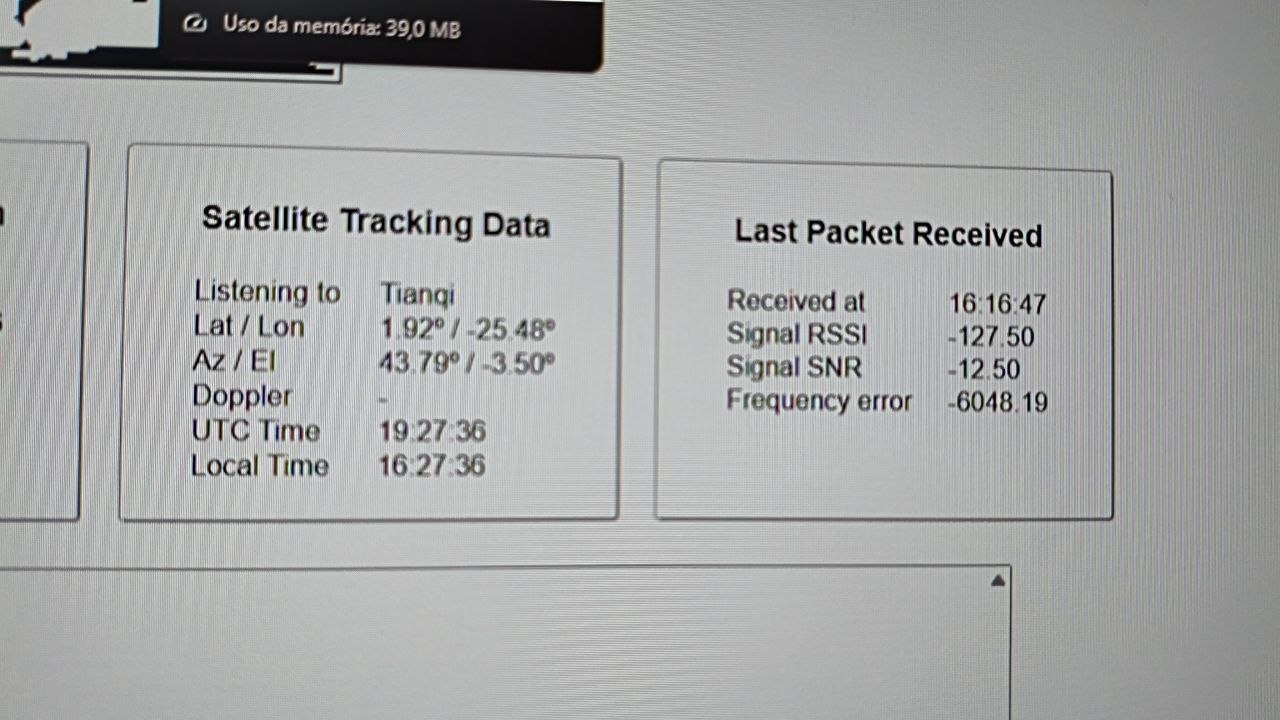
- David shared his experience testing a Nooelec LaNA broadband amplifier as an alternative LNA, noting its ~1dB noise figure and affordable price compared to Mini Circuits LNAs. He also analyzed a noise pattern in a received signal, identifying it as terrestrial noise with a characteristic S-shape caused by SatNOGS frequency correction. Stefan/OE6ISP confirmed that the Nooelec LaNA is a good choice with an integrated filter, used by many 137MHz stations. 🔗
- Me asked how to change the Wi-Fi configuration on the board when the device shows a config AP available. Stefan/OE6ISP advised connecting to the config IP and opening 192.168.4.1. 🔗
- haema5 reported trying to run TinyGS on a Heltec V4 868 board for almost a day without receiving any packets, despite no visible errors. megazaic explained that the V4 board has an amplifier-switch IC between the antenna and the SX1262 chip, and if not enabled in the firmware, the radio will be cut off from the antenna, causing no reception or transmission. haema5 noted that one packet with a CRC error was received and thanked megazaic for the direction to investigate further. 🔗
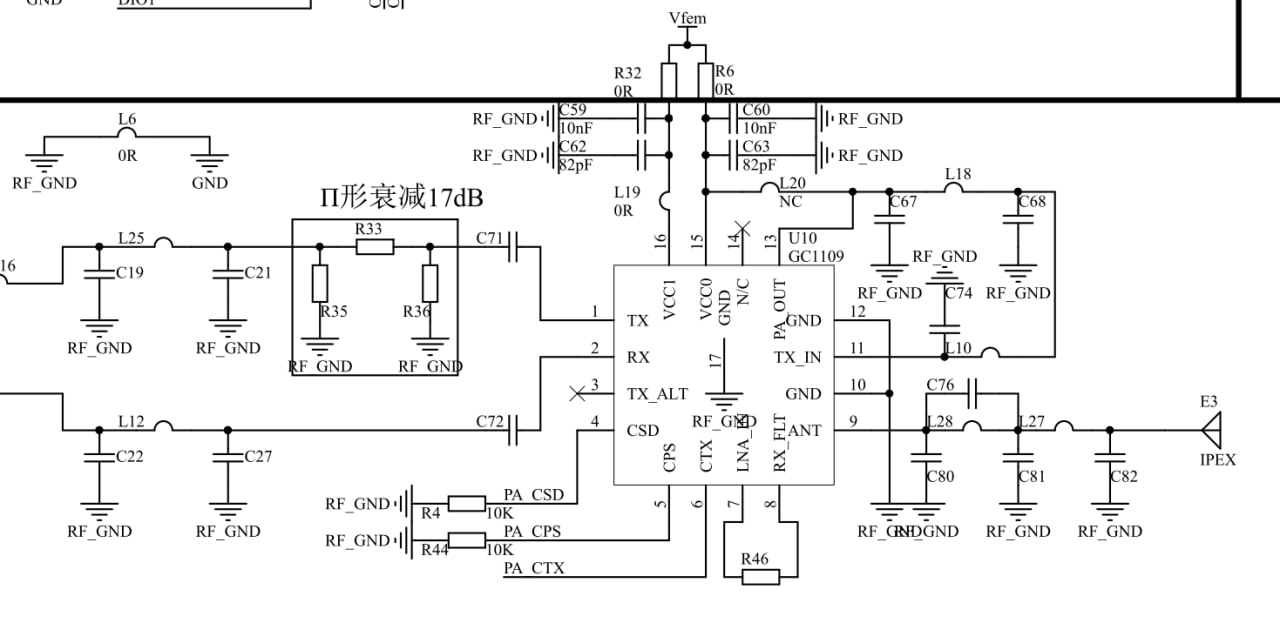
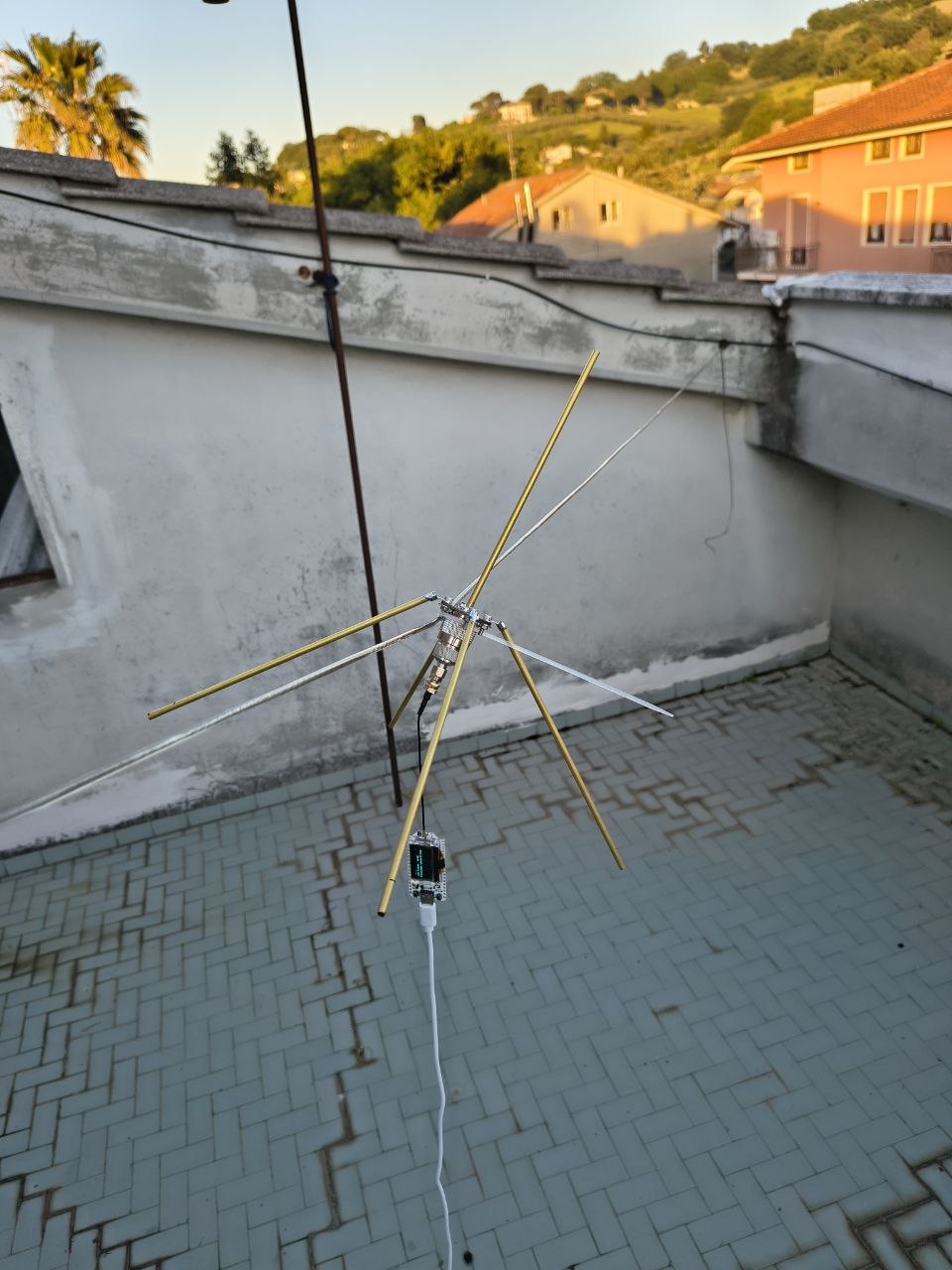
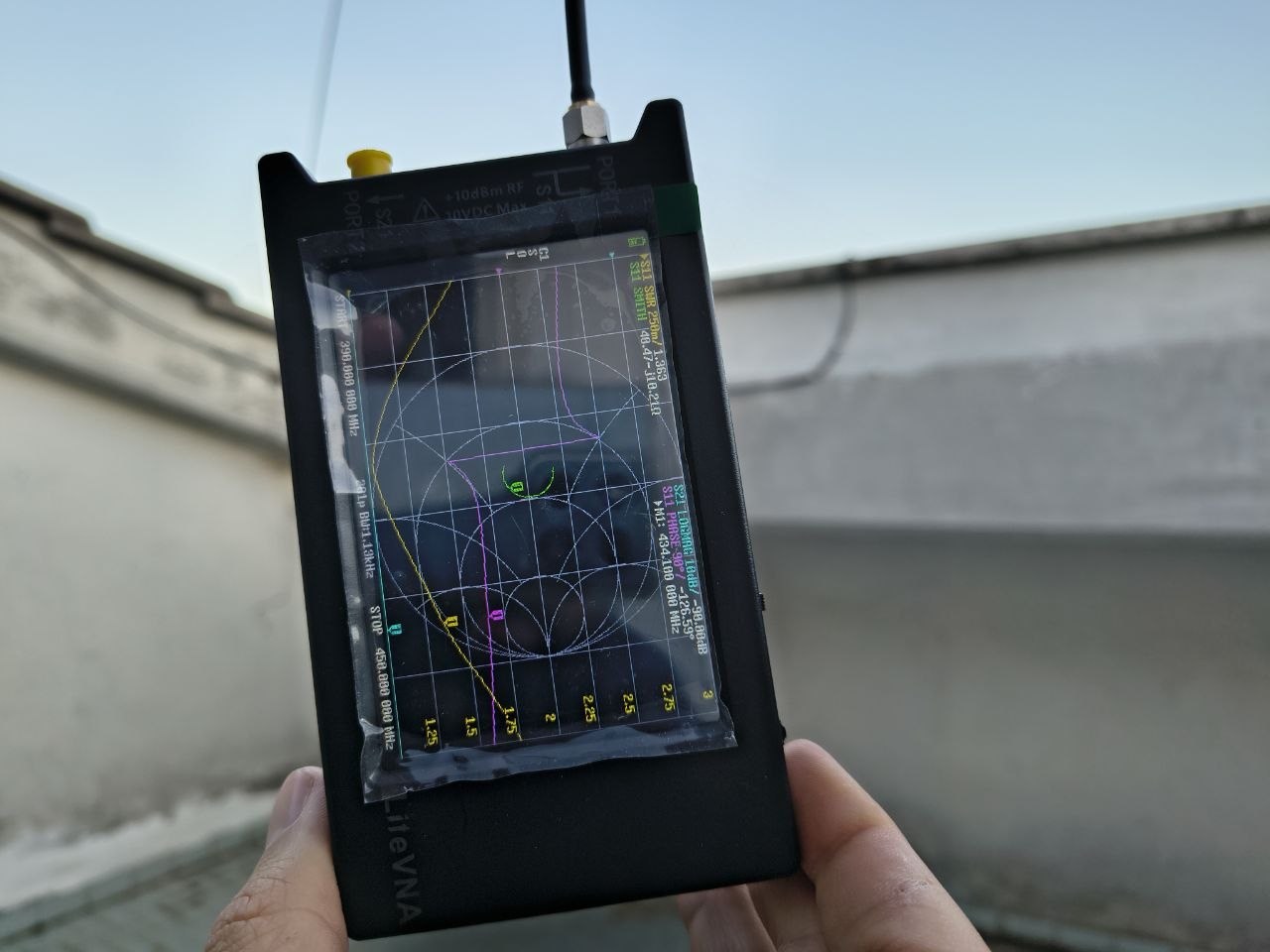
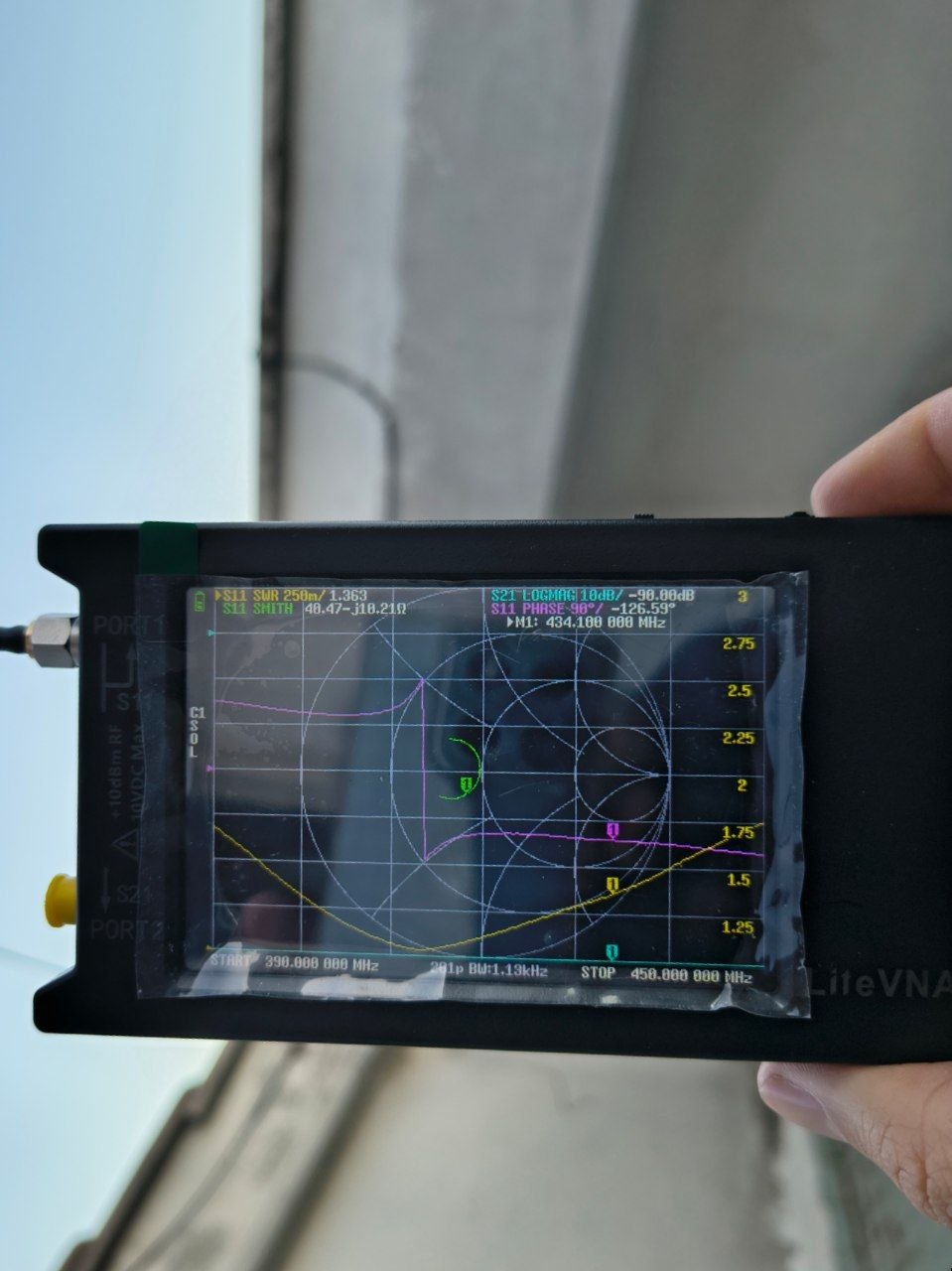
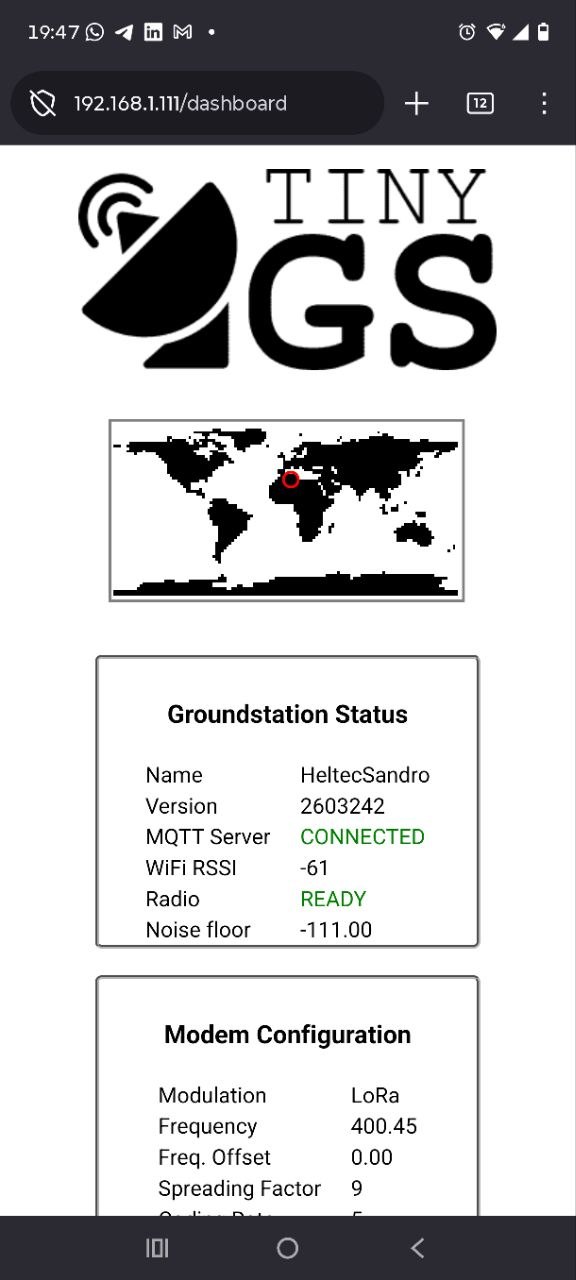
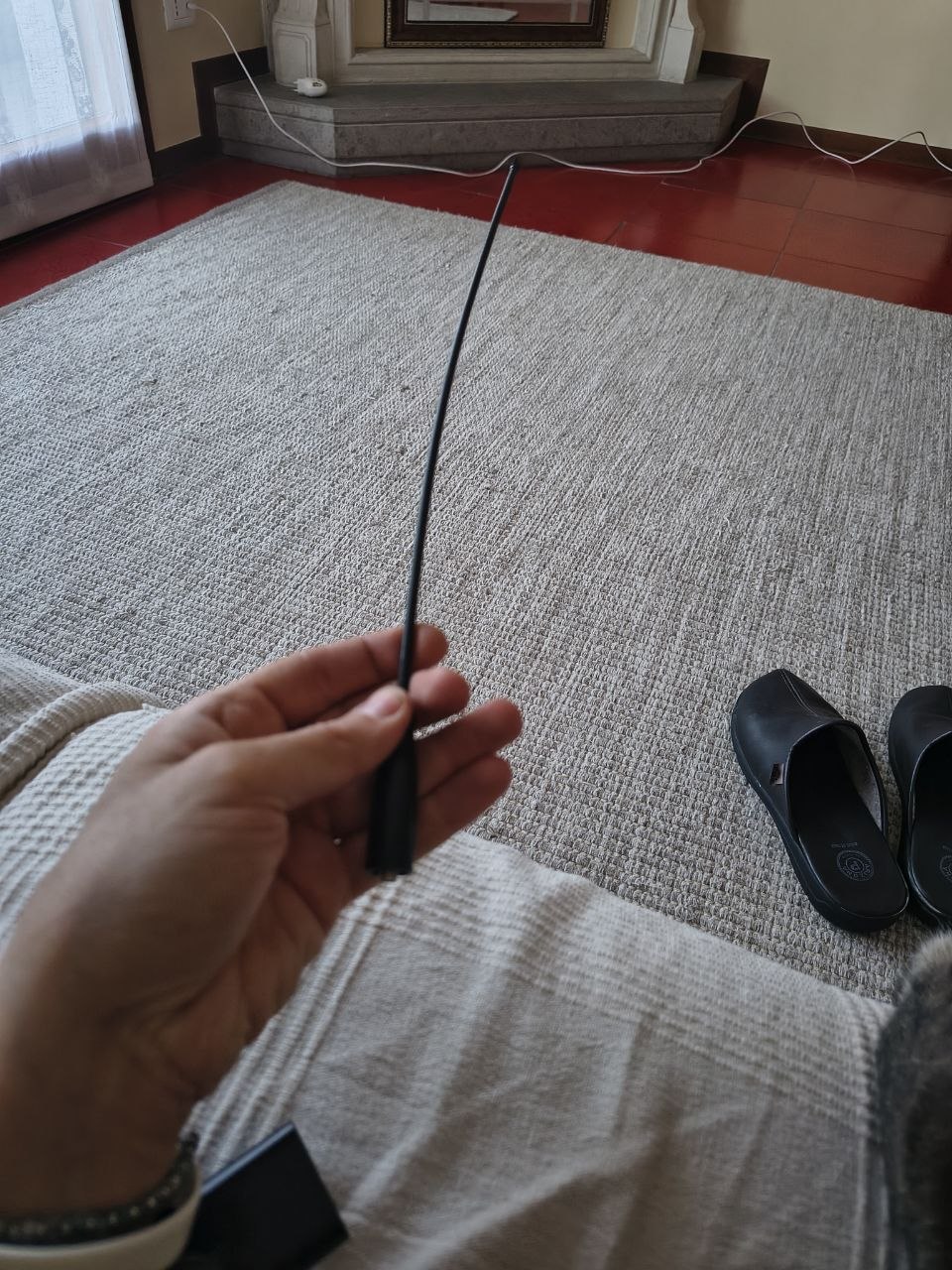
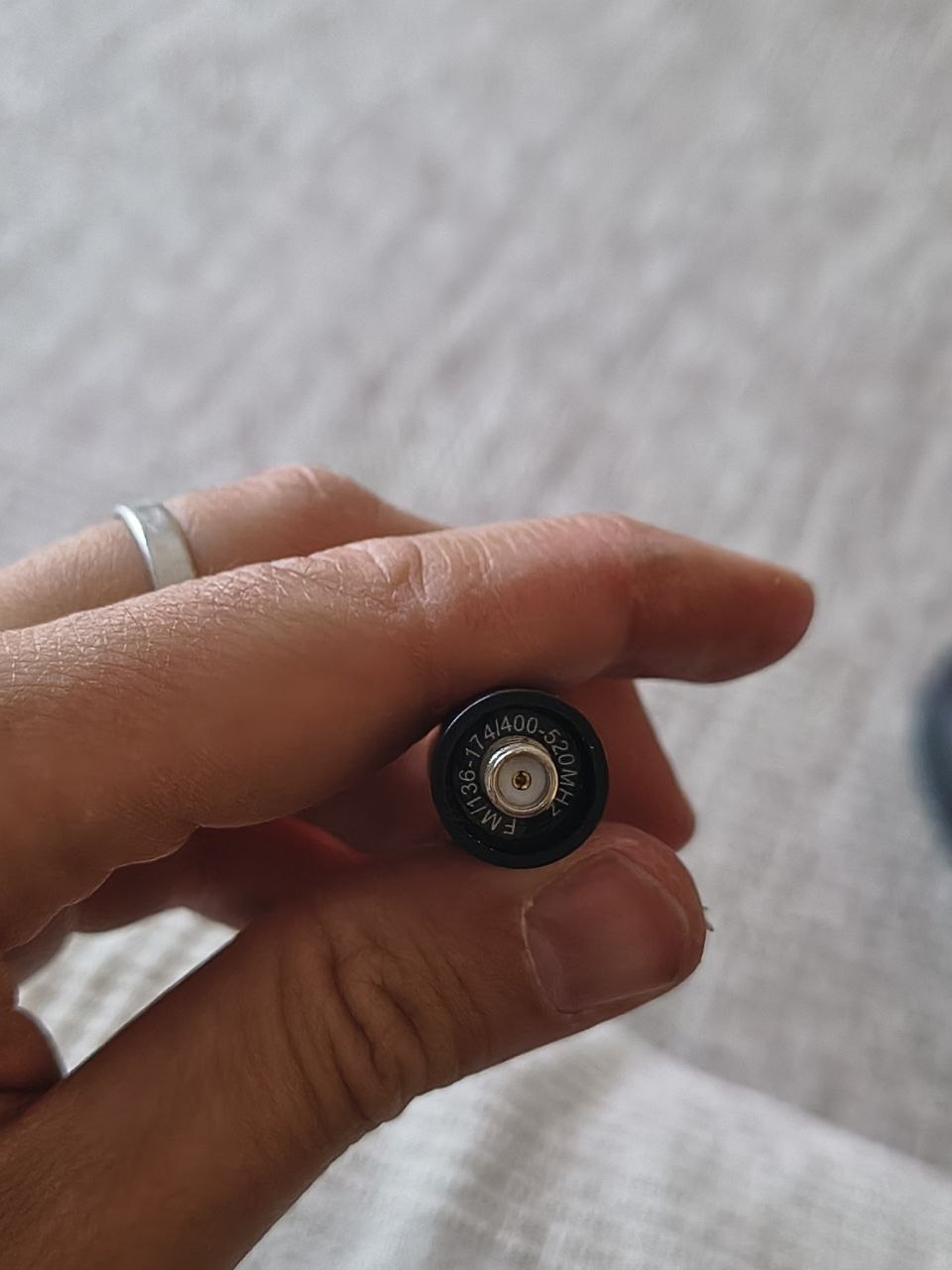
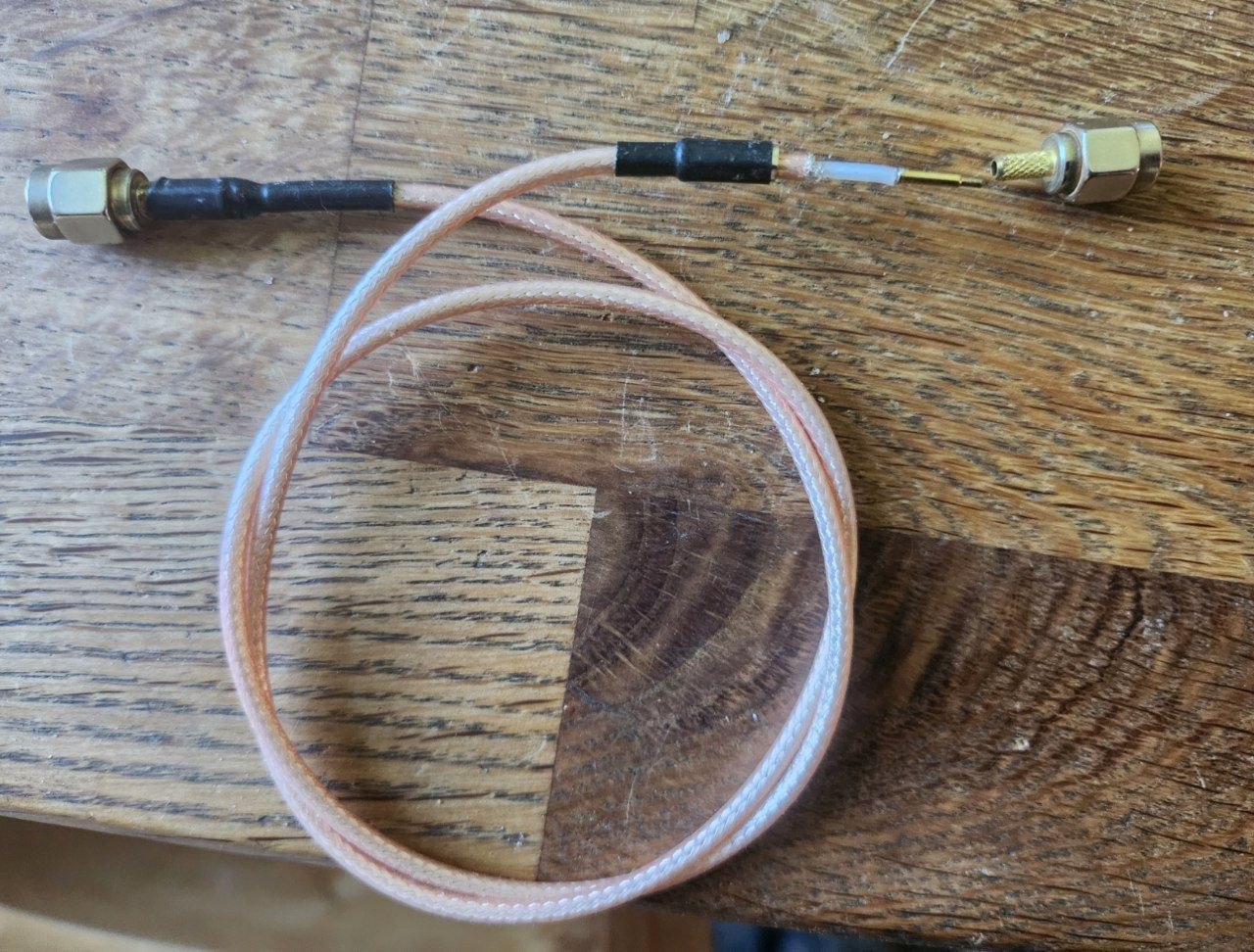
- SandroSartoni described building a 1/4 wavelength antenna with a good match in the 400-440 MHz range, but only receiving one packet. Stefan/OE6ISP praised the build but suggested checking for interference with an SDR or radio. After switching back to the Baofeng rubber antenna, SandroSartoni received packets immediately, indicating a possible connection issue. Stefan recommended checking continuity with an ohmmeter and noted that the antenna should yield hundreds of packets. After continuity tests and setting up a second board, the issue was narrowed down to possible cable length resonance, connector wear, or soldering problems. Re-soldering improved packet reception, though CRC errors persisted due to noise. 🔗
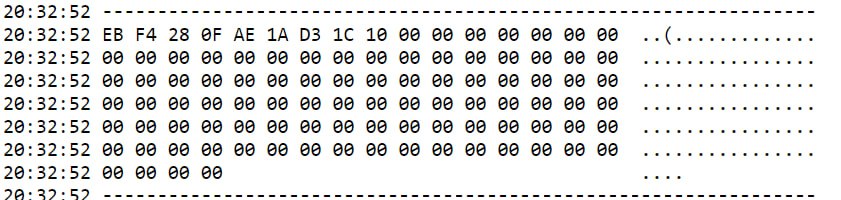
- IU1VDD_Tony asked about a station showing recent activity but no packets for 17 hours, receiving many unknown signals on 850/950 MHz. Stefan/OE6ISP explained these are terrestrial LoRaWAN signals or unknown satellites, and that Connecta data is encrypted. He also helped with filtering packets on the dashboard by timestamp. 🔗
Antenna Building
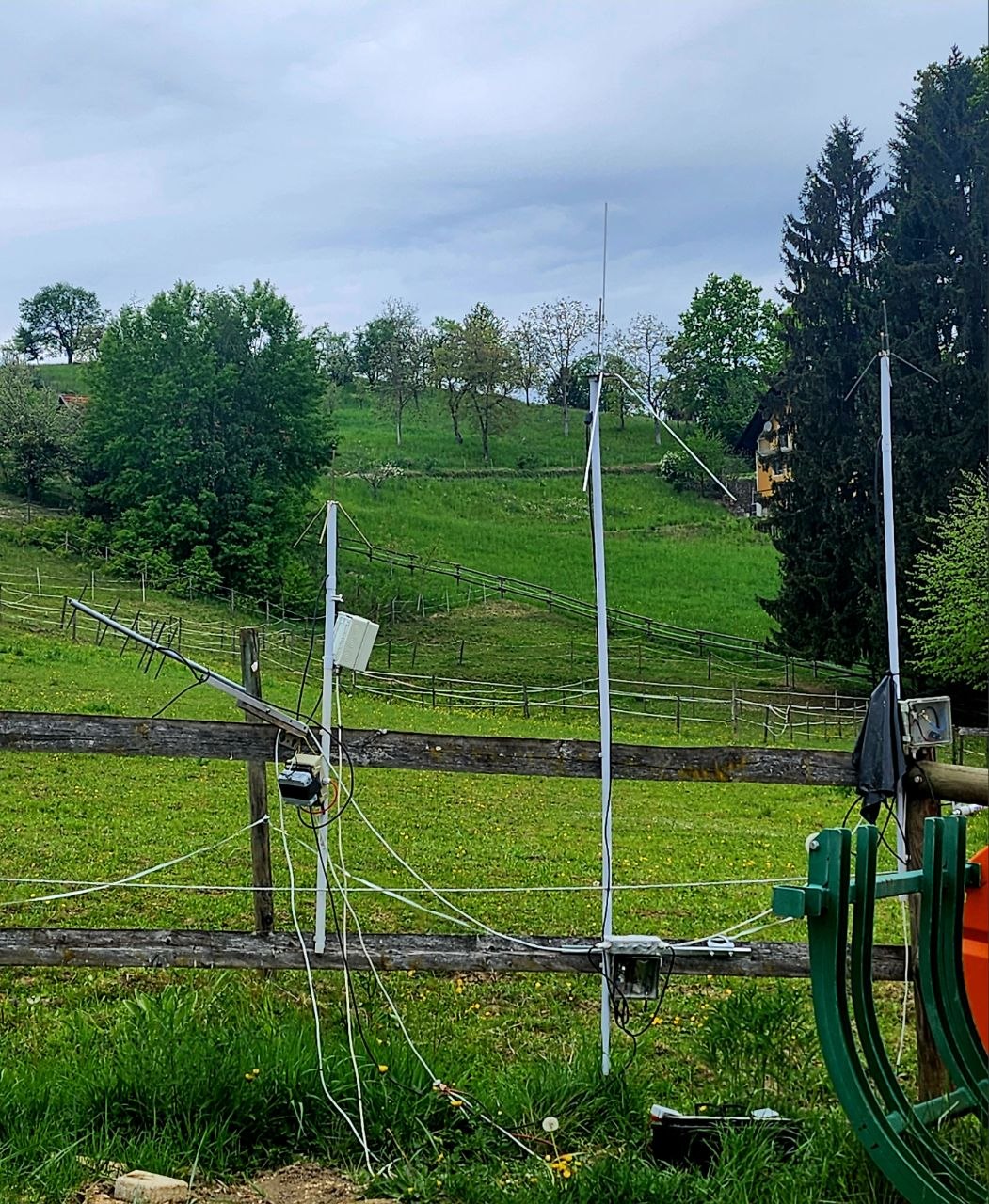
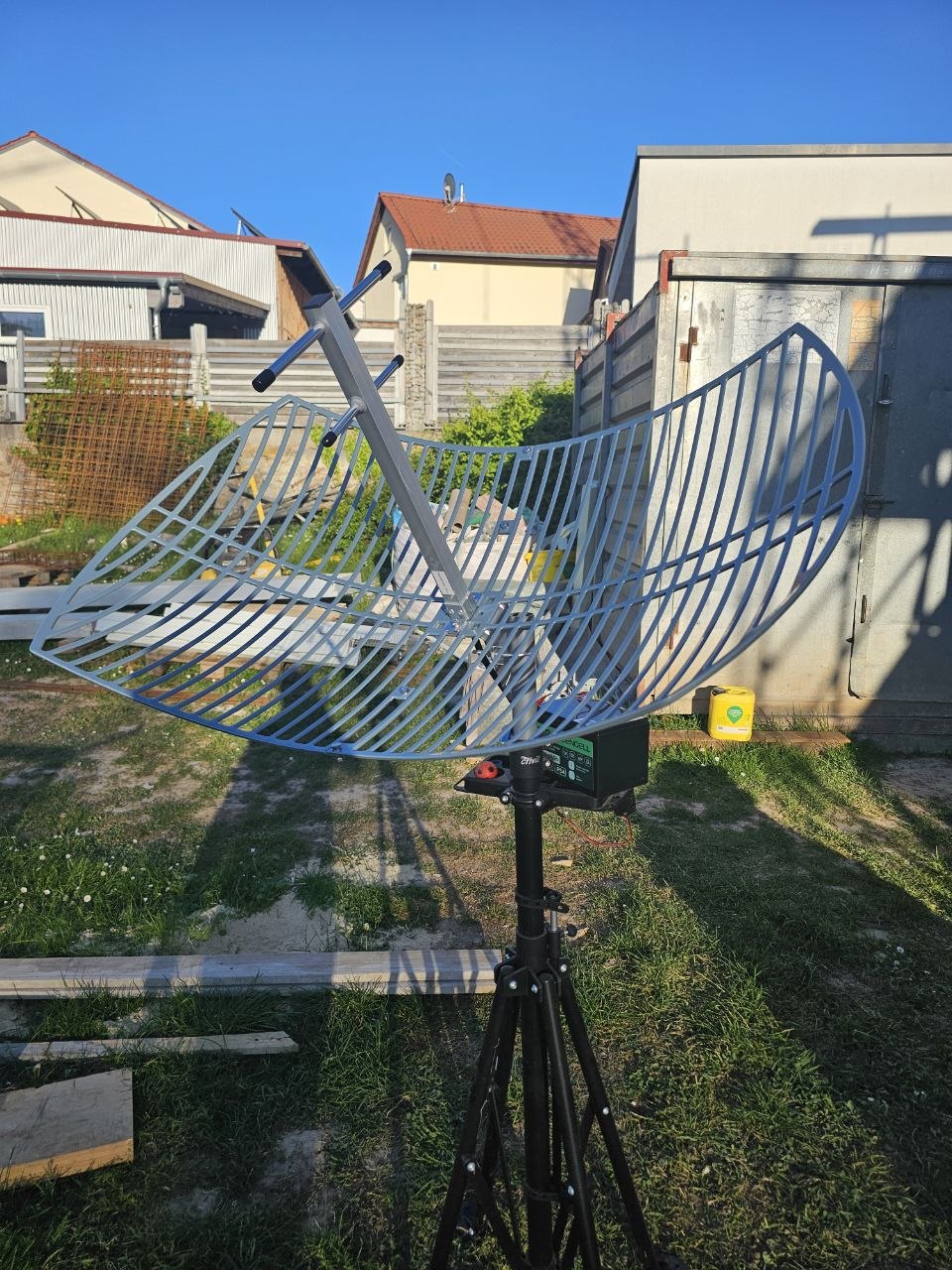
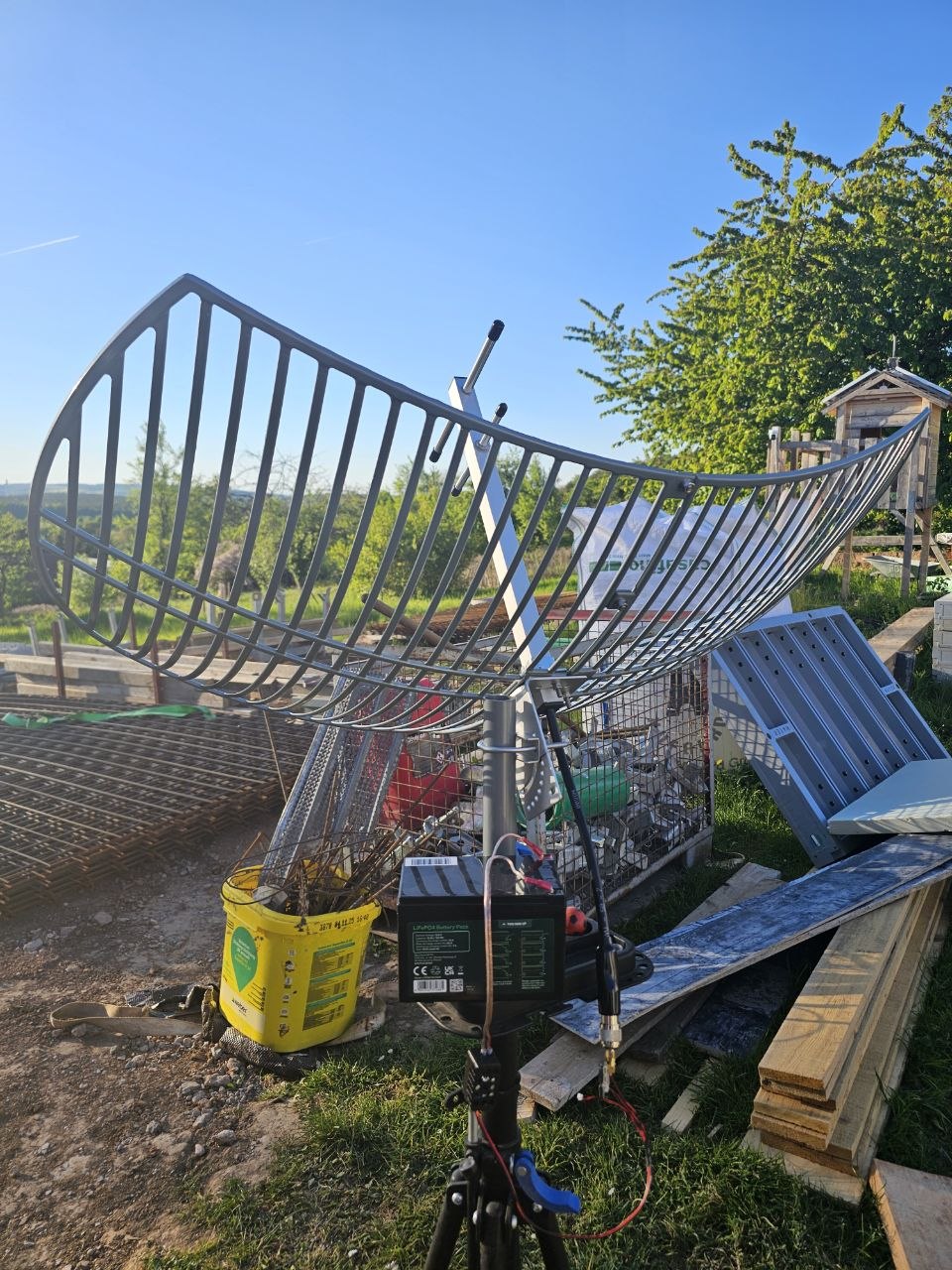
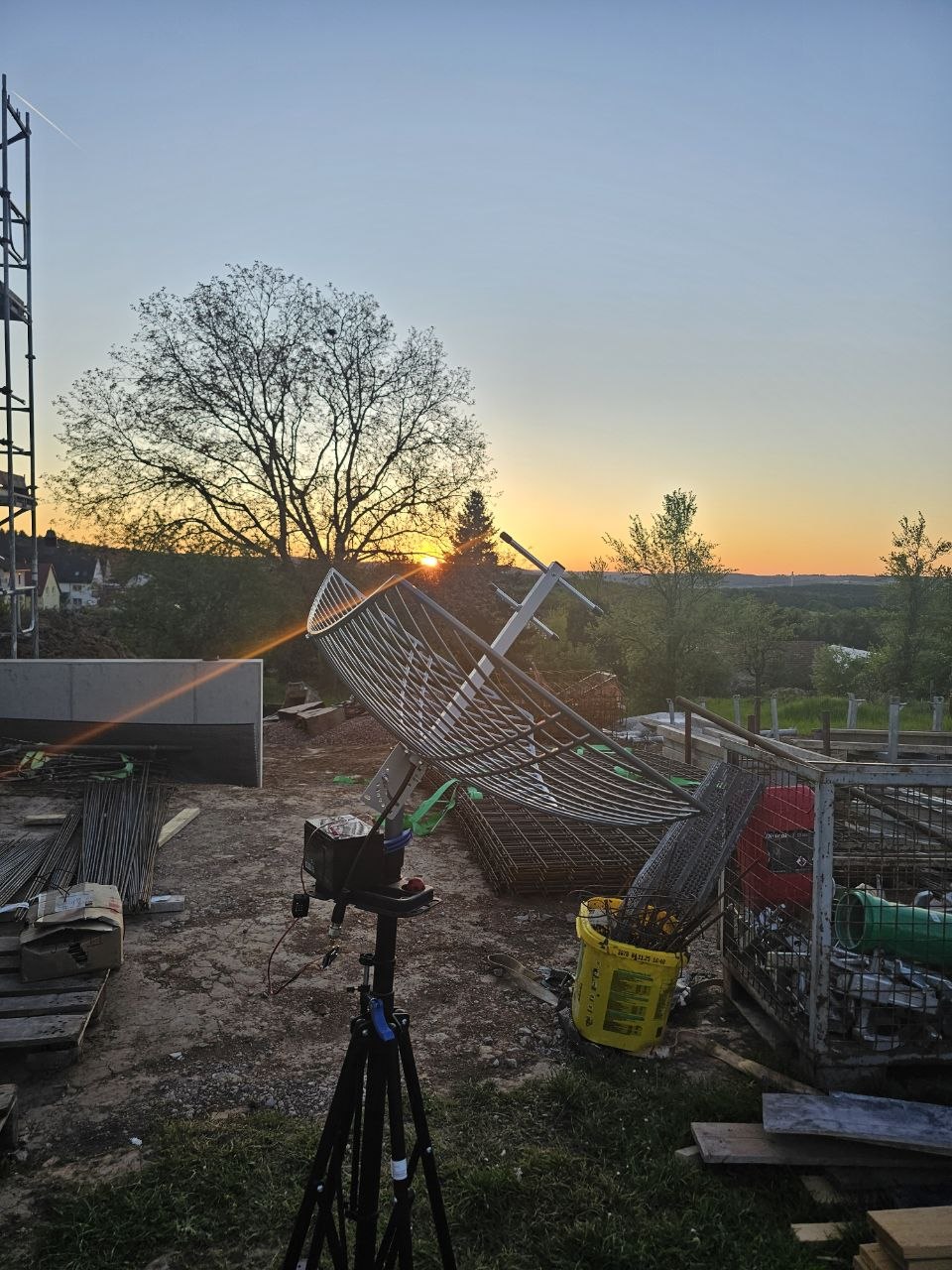
- SandroSartoni asked about ground plane antennas in the 400-433MHz range, specifically whether an LNA is necessary if the antenna is well placed and the board is connected directly below it. They mentioned building a GP antenna with best SWR around 410MHz and receiving fewer packets than expected, while a standard Baofeng antenna in the same location gets about 100 packets a day. Stefan/OE6ISP advised that a ground plane antenna alone should yield hundreds of packets; an LNA only helps if already receiving hundreds of packets a day, otherwise it makes things worse. They emphasized that finding a low-noise location (usually not higher than 2m above ground) is more important than amplifying signals, as high locations pick up unwanted terrestrial noise. They shared a photo of their own station setup, placed 10m from the house after 3 years of experimentation, and noted that houses can provide useful reflections. 🔗
- Moonlight0551 shared that they use a homemade egg beater antenna, averaging 800-900 messages a day, with designs available online. They provided a link to their station page and noted that packet counts can vary; theirs were also down a bit recently. They observed that their heat map shows packets out to 2300-2600 km, while others have closer ranges, attributing this to their location in suburbia with a park on one side. 🔗
https://app.tinygs.com/station/Gladesville_AU_Tiny_GS_2@1799037857 - metrologyrocks mentioned using a 1/4 wave antenna from Amazon, seeing 200-800 messages per day, though it recently dropped from 600 to 200-300. They have no LNA, just a TTGO with the antenna mounted about 10 feet above ground on their detached garage in a suburban lot with buildings on all sides. 🔗
- Me asked for recommendations on a beginner-friendly antenna for satellite monitoring. Stefan/OE6ISP suggested a groundplane antenna, calling it the best choice for this purpose, and provided a link to building instructions. Me then asked if the stock antenna that came with the LoRa board would work, and Stefan explained that it might receive a few contacts but is not a proper antenna, recommending building a simple groundplane from electric wire. 🔗
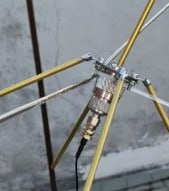
https://www.qrz.com/db/OE6ISP - Eric shared photos of his antenna build, showing the wires made and connection details. He mentioned the antenna can be dismantled for transport and will soon reach Africa. He expressed concern about corrosion on the flat section where rainwater might pool and plans to 3D print a protective cup. Stefan/OE6ISP shared a tip about sealing connectors with epoxy glue to prevent water ingress, based on a past experience with water entering between the center pin and dielectric. 🔗
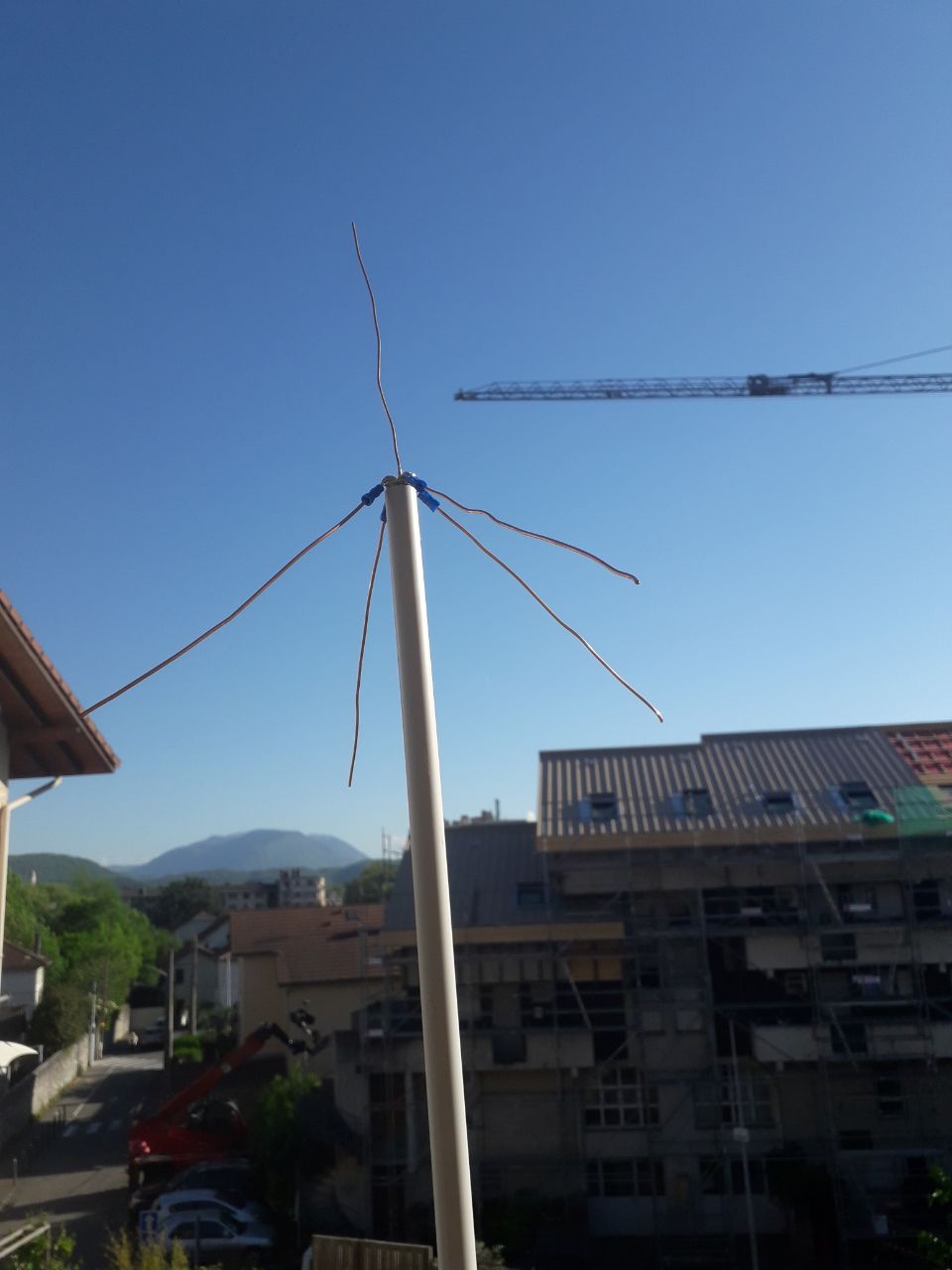
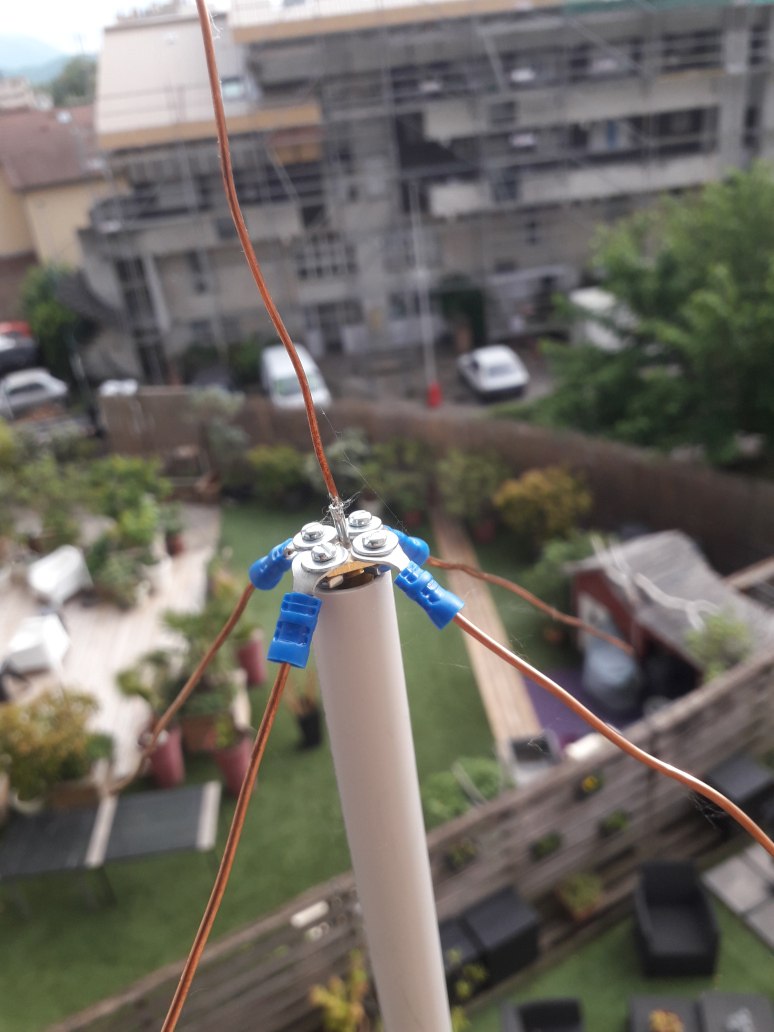
- megazaic shared images of fractal antennas in response to Stefan’s idea about wavy elements. Stefan then recounted an experience with a helix antenna for QO-100, where an expert advised cutting it from 4 turns to 2 turns, resulting in a surprising 4dB gain increase. Peter explained that the shorter helix has a wider opening angle, better utilizing the dish reflector and avoiding shadowing from the helix and boom. Stefan shared a link to radiation pattern diagrams confirming this behavior. 🔗
https://c.gmx.net/@628555386865064830/MjxYIZN1MqSS_wrqOENDXg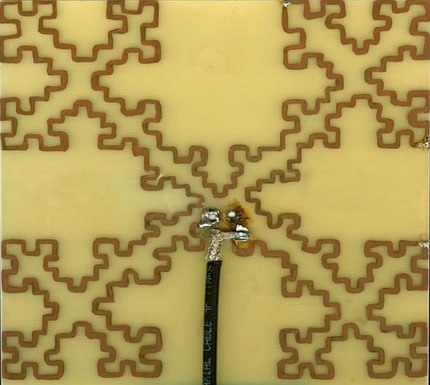

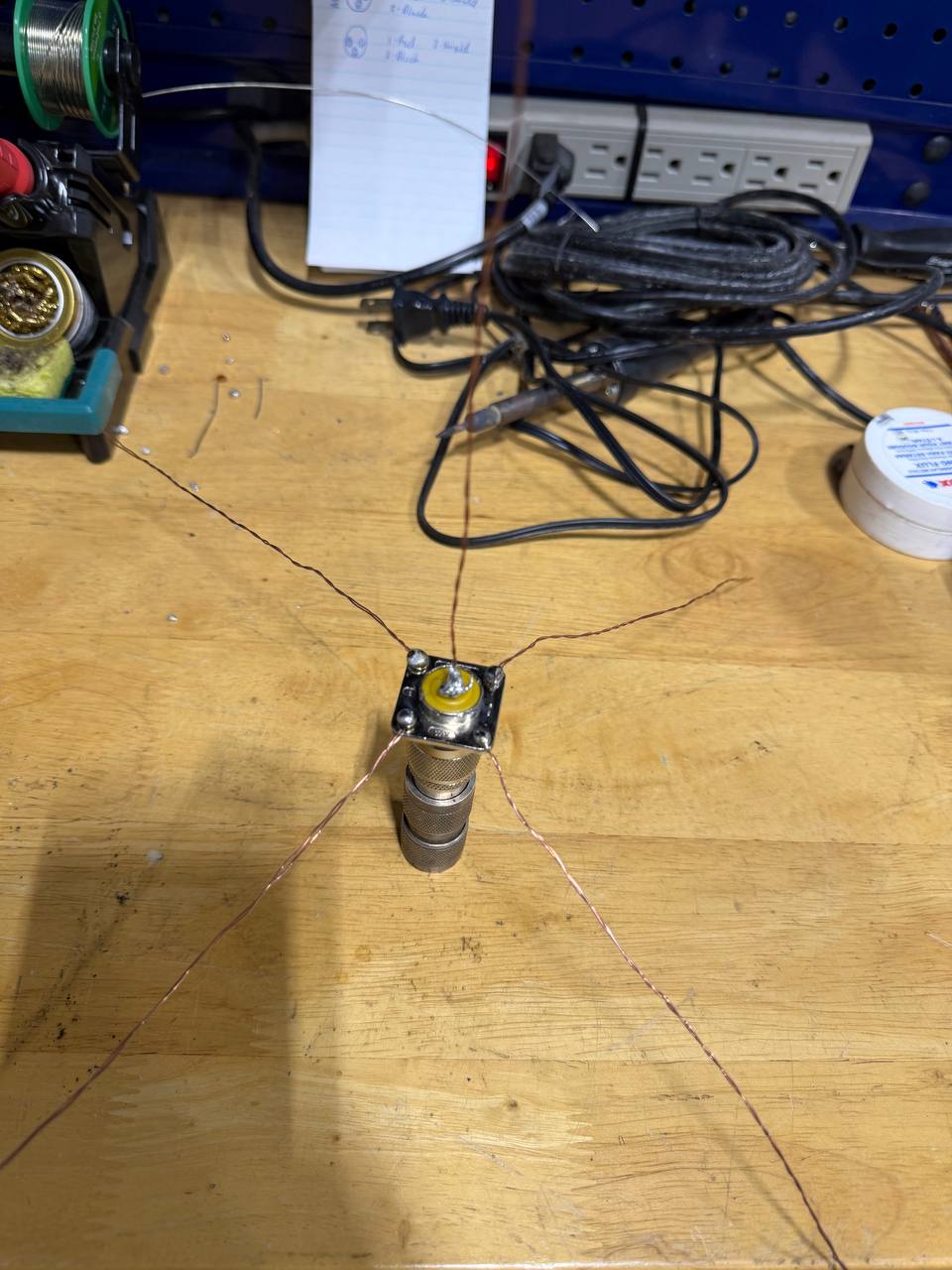
- Me shared a photo of a 433 MHz antenna made from 6.8-inch elements, noting it was a first attempt and planning to upgrade to a wire hanger. Helmi commented on the soldering quality, and Me later reported that the antenna worked, increasing packet reception from 80 to 130 packets in 15 minutes. Helmi warned against using plumbing flux for electronics as it may be corrosive, and Stefan/OE6ISP suggested preheating on a cooking plate to 200-300°F for easier soldering. 🔗
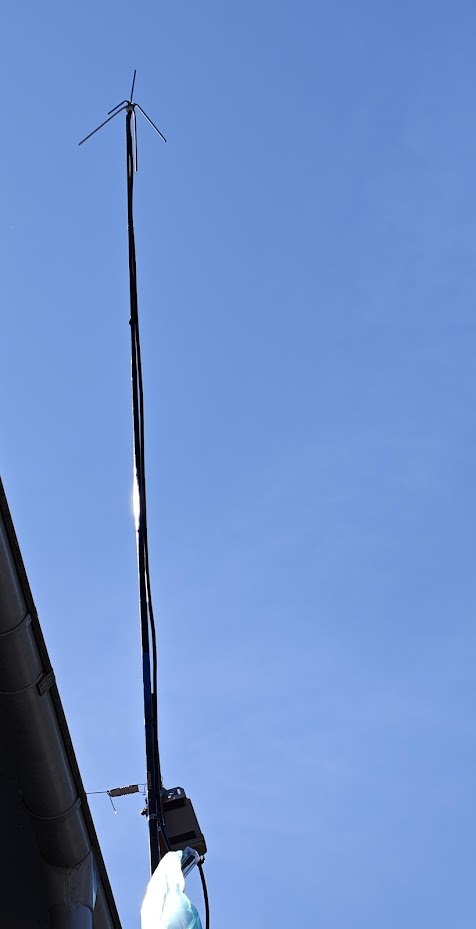
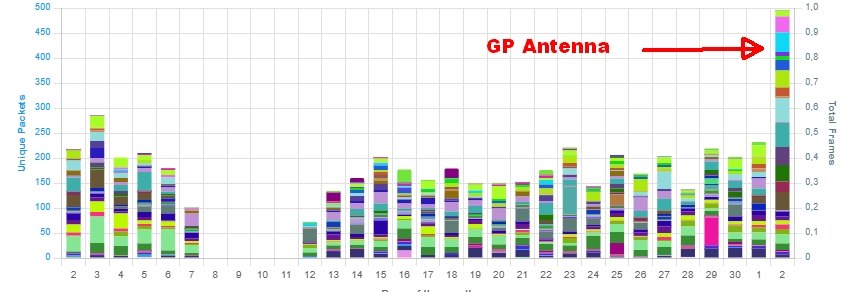
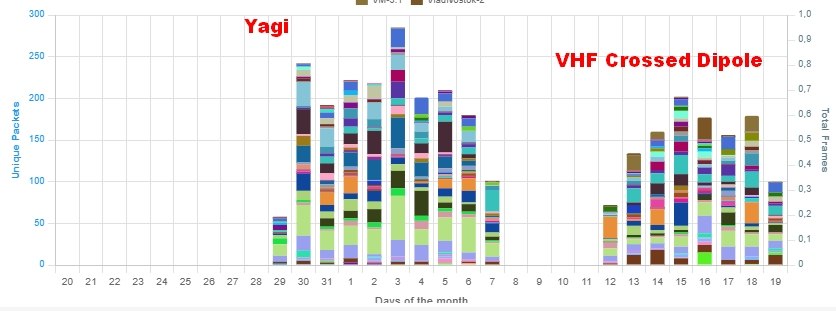
- LarsSM0TGU shared results of a simple DIY ground-plane antenna (center frequency 420 MHz) made with a fishing pole and 3 meters of RFC-400 coax, directly connected to a LilyGo without an LNA. The setup showed good performance compared to Yagi and turnstile antennas, highlighting the importance of a clean installation and good location. 🔗
Share your setup
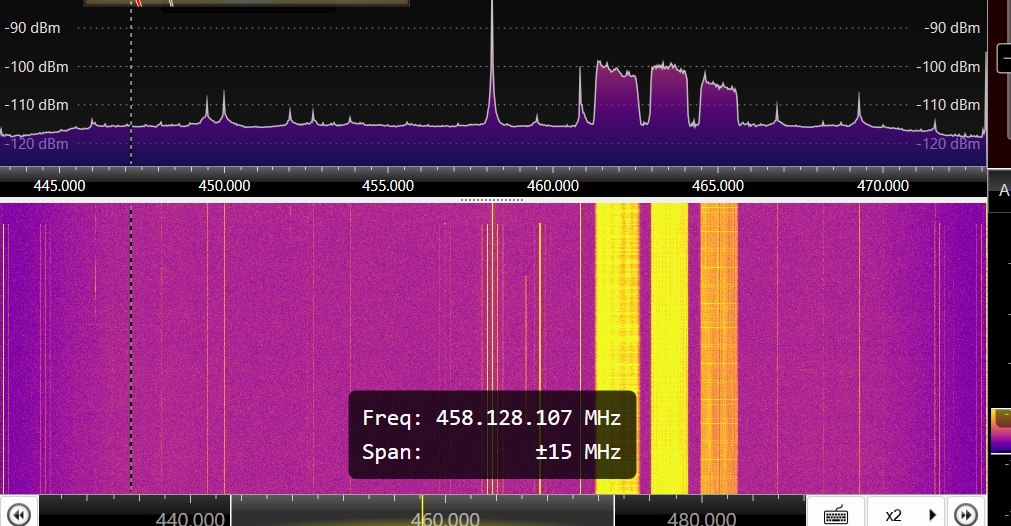
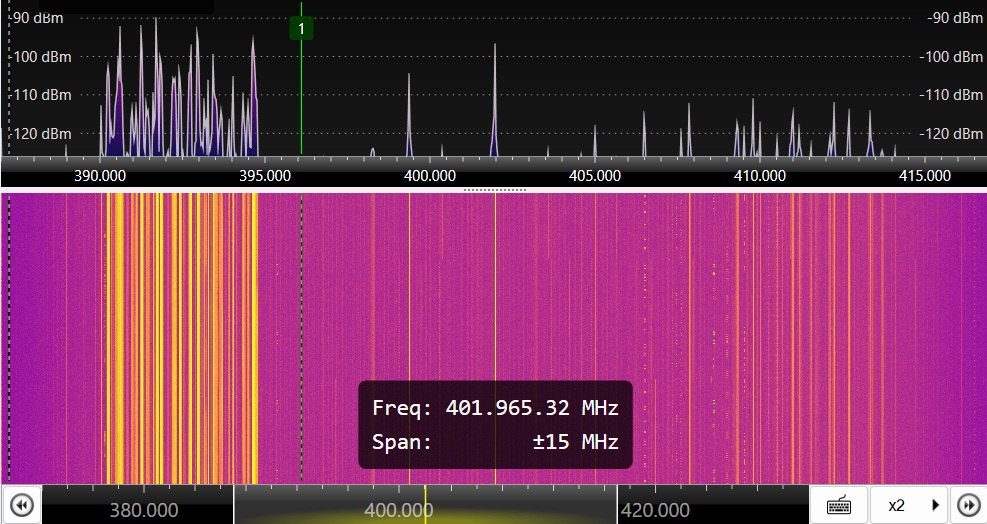
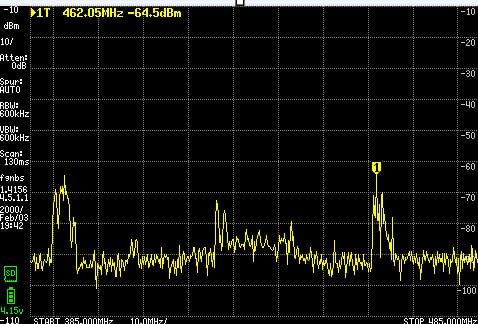
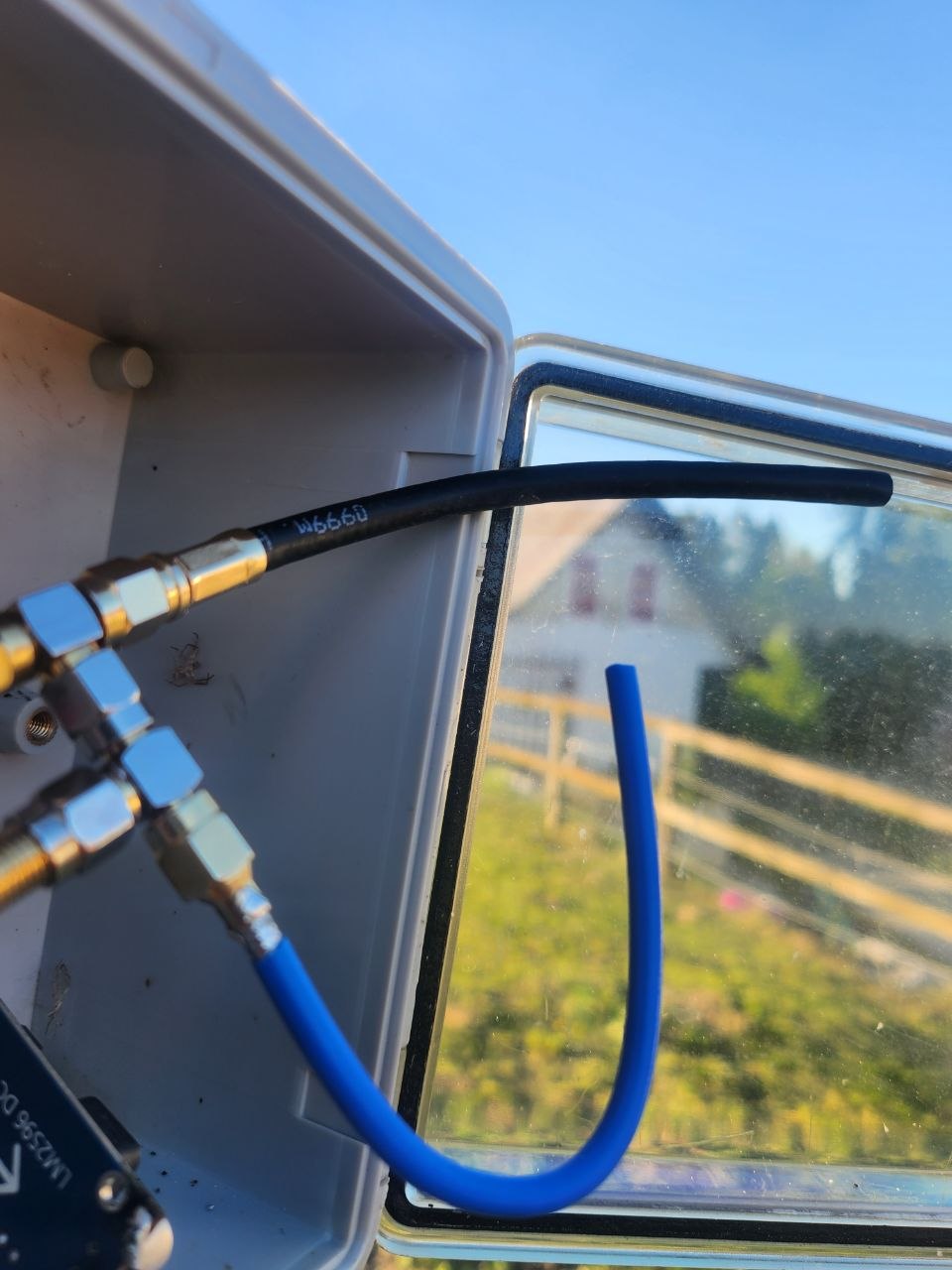
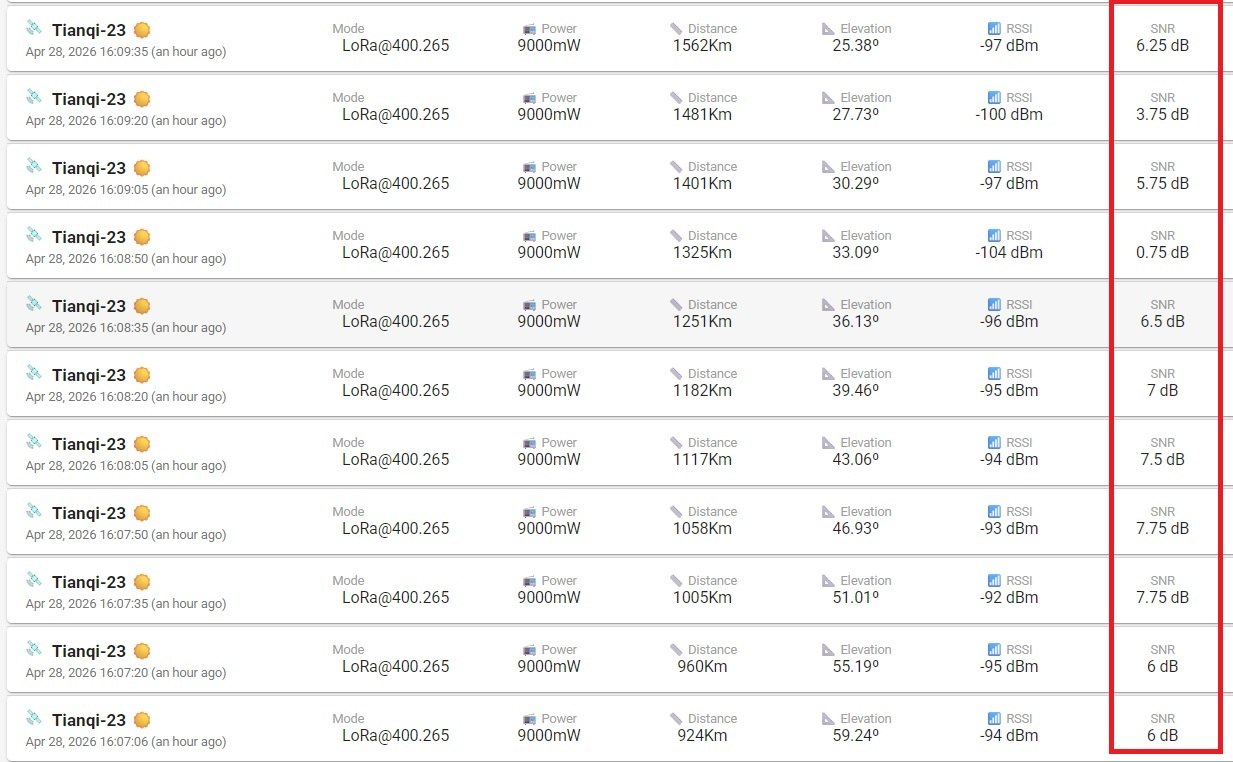
- Stefan/OE6ISP shared a detailed solution for reducing noise from strong signal sources on 395MHz (Tetra) and 462MHz (ArgoNET) that raised the noise floor by over 10dB. He implemented two open λ/4 coax stub band-stop filters made of RG402 between the LNA and RX, with a passband loss of 10dB but a net gain of +12dB due to the LNA. This reduced the noise floor by more than 10dB and significantly improved SNR, with all positive SNR for Tianqi satellites above 25° elevation, even though packet counts (up to 1600/day) did not increase much. 🔗
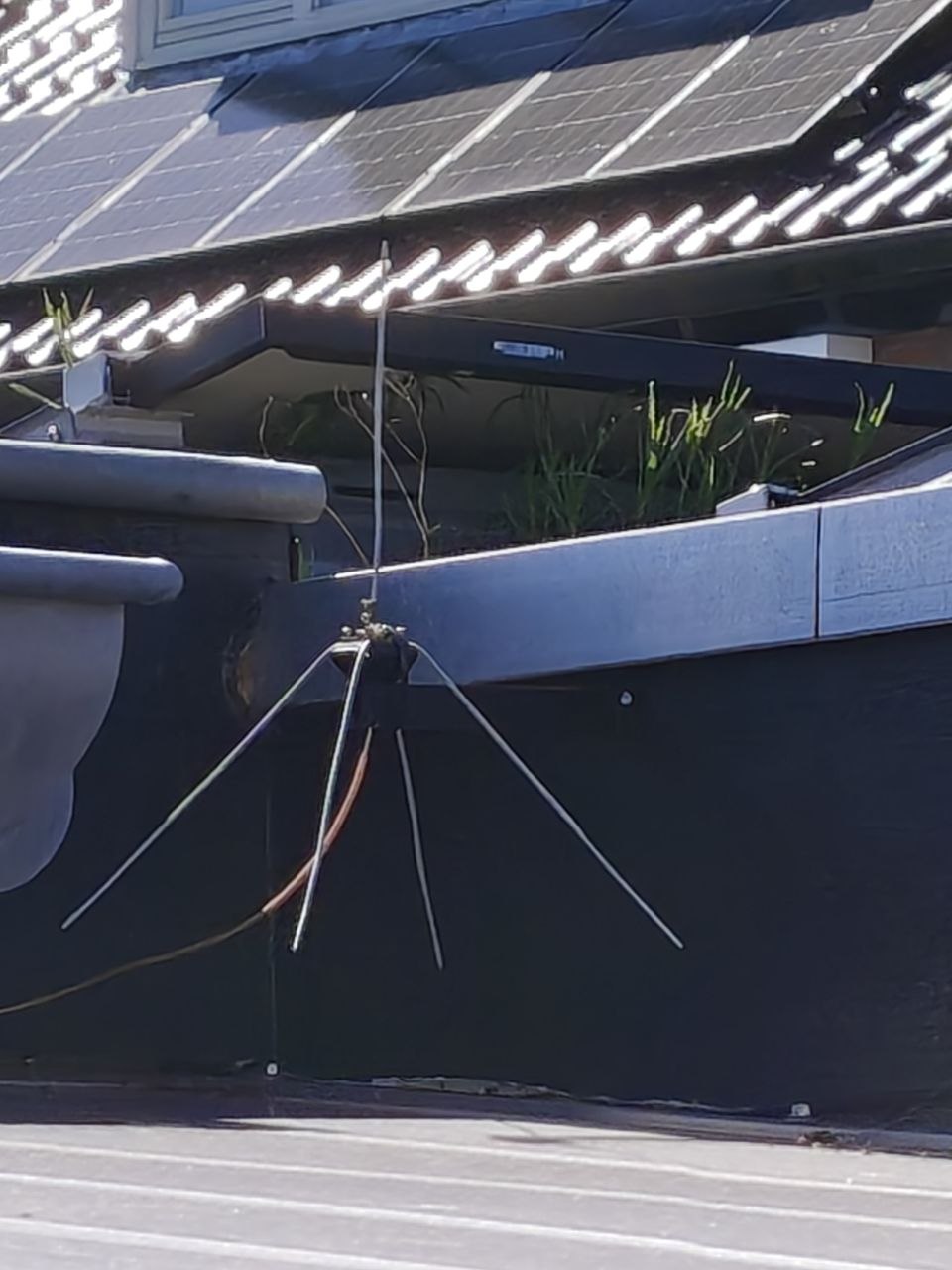
- T shared a photo of their newly installed antenna setup, held up by a 3D-printed holder with a LilyGo under the roof. The antenna is picking up many satellites, but they are experiencing a high number of unknown CRC red 1 station seen messages and asked if this is normal. Stefan/OE6ISP explained that CRC errors can happen due to environmental noise from sources like cell towers and PV plants, or from low signal caused by poor cables or connectors. They noted the user’s cable was not ideal and recommended it be no more than 1m to avoid signal loss. They also pointed out that PV modules nearby likely cost many packets and suggested mounting the antenna max. 1m above ground with clear sky view and no sight to the PV modules. 🔗
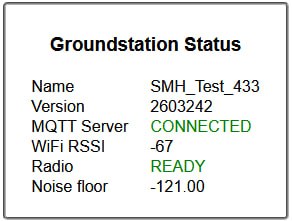
- DE1CTL shared photos of his setup hoping to receive a package on 868 MHz in Germany using a TTGO T3-S3 SX1270. He encountered error -2 and asked what it means. After receiving help, he tried selecting a custom configuration but later found the correct settings with guidance from Helmi and megazaic, eventually sharing a photo of his progress. Helmi explained that error -2 is RadioLib error 2, meaning the LoRa module doesn’t answer, possibly due to wrong configuration. He provided a specific config for the TTGO T3-S3 with SX1278 and advised using the Web installer. 🔗
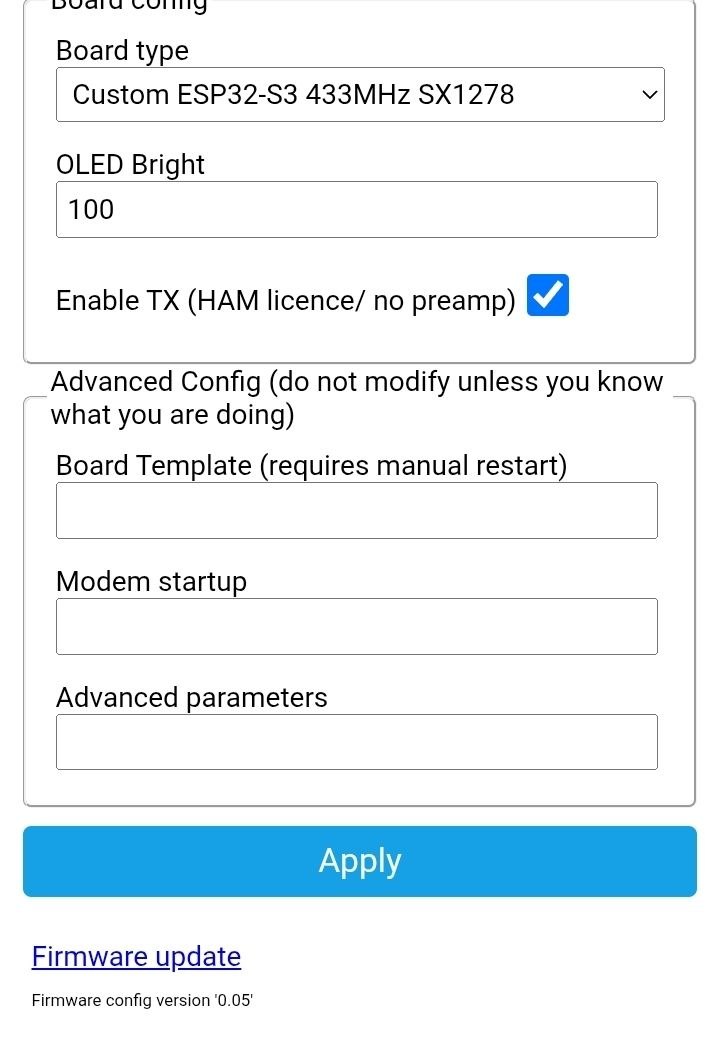
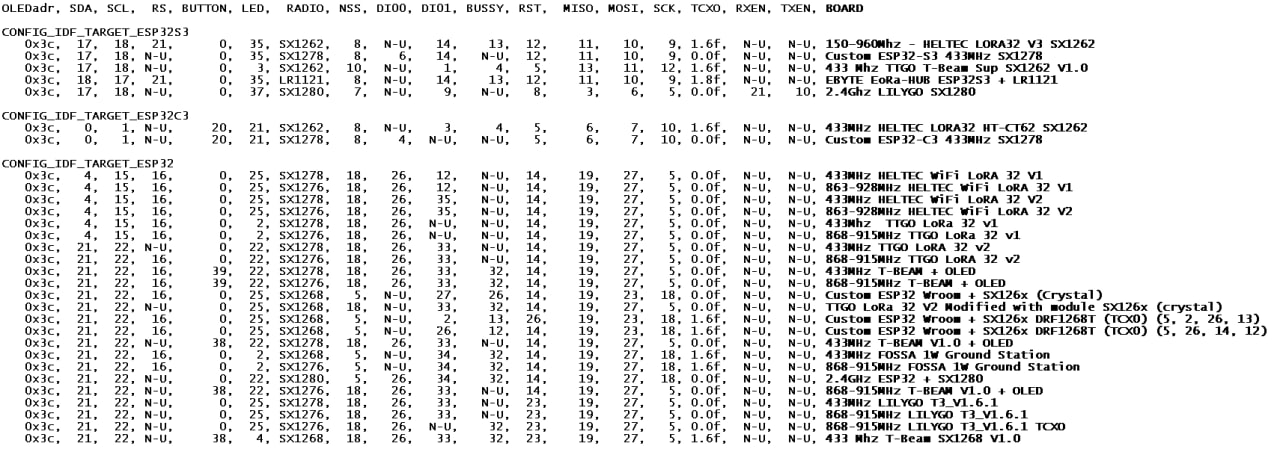
- Jitse asked if his M5Stack C6L or Heltec V4 can be used for the TinyGS project, as he just discovered it. He later thanked the community for help, noting he has several years of experience with ESP32 and Arduino IDE. megazaic responded with a photo showing a list of supported boards and hardware configurations, explaining that if a board is not listed but has a similar configuration, it can be used with the corresponding template. If no similar configuration exists, users can create their own template or modify the source code. 🔗
New Satellites
- K4KDR shared additional information about ride-along satellites from the Cosmos-2600 launch for those interested in mystery satellites, linking to a Substack article. Later, he noted that @G4lile0 added satellite #3 as Surve-260425-K4KDR on TinyGS. 🔗
https://russianforces.substack.com/p/launch-of-multiple-military-satellites
https://app.tinygs.com/satellite/Surve-260425-K4KDR - Bruce inquired about a new satellite model, asking if it is likely to be store-and-forward like the Tianqi satellites, where packets from devices everywhere are received and then dumped to a ground station when in range. They noted that catching ground devices sending packets upward would be fascinating. K4KDR responded to clarify that the satellite-to-ground link is normally considered the downlink, and it is extremely difficult to capture uplinks from a ground station unless very close to the source. They highlighted the advantage of receiving downlinks because the antennas are hundreds of miles in the air, and noted that since there is a fair chance these 430 MHz satellite downlinks are encrypted, it makes it even more difficult to determine the format of the payloads. 🔗
- anas_z15 requested assistance onboarding the NuLink-1 and NuLink-2 satellites, launched on the SpaceX CAS500-2 mission, and provided LoRa beacon parameters (401.0 MHz, SF10, BW 125 kHz). Despite low expected signal strength, community members attempted reception. Stefan/OE6ISP and megazaic reported no success during passes over Europe. G4lile0 added the satellite to the system, and the satellite page is now live. 🔗
https://www.spacex.com/launches/cas500-2
https://app.tinygs.com/satellite/NuLink-1
Balloons
- Aleks requested to set up a balloon page for an upcoming MIT team mission launching from Hunter Mountain, NY, using a 1 W transceiver at 435 MHz, and received detailed instructions from G4lile0 on how to add a balloon or satellite, including requirements for description, photos, modem configuration details, and a kaitai decoder. 🔗
https://app.tinygs.com/satellite/Norbi
https://github.com/4m1g0/tinygs-decoders/blob/master/ksy/norbi.ksy
Featured Conversations
- The community provided extensive troubleshooting advice for stations experiencing reception issues, including checking antenna and cable integrity with VNAs, addressing high noise floors, and considering the use of LNAs to improve performance on challenging bands like 137 MHz and 800/900 MHz.
- A high school CubeSat team introduced themselves and expressed interest in using TinyGS and LoRa for their upcoming 3U satellite mission, with community members offering support and encouragement.
- Updates on new satellites were shared, including information about ride-along satellites from the Cosmos-2600 launch, the addition of Surve-260425-K4KDR to the TinyGS tracking system, and the onboarding of NuLink-1 and NuLink-2 satellites from the SpaceX CAS500-2 mission.
- In the Antenna Building topic, members shared tips on beginner-friendly groundplane antennas, construction techniques, and corrosion prevention, including sealing connectors with epoxy glue. A first-time builder reported significant improvement in packet reception after constructing a simple antenna, jumping from 80 to 130 packets.
- A member shared an innovative solution to combat local interference from Tetra and ArgoNET signals by using custom band-stop filters, achieving a noise floor reduction of over 10dB and significantly improved SNR for satellite reception.
Latest Cubesats News
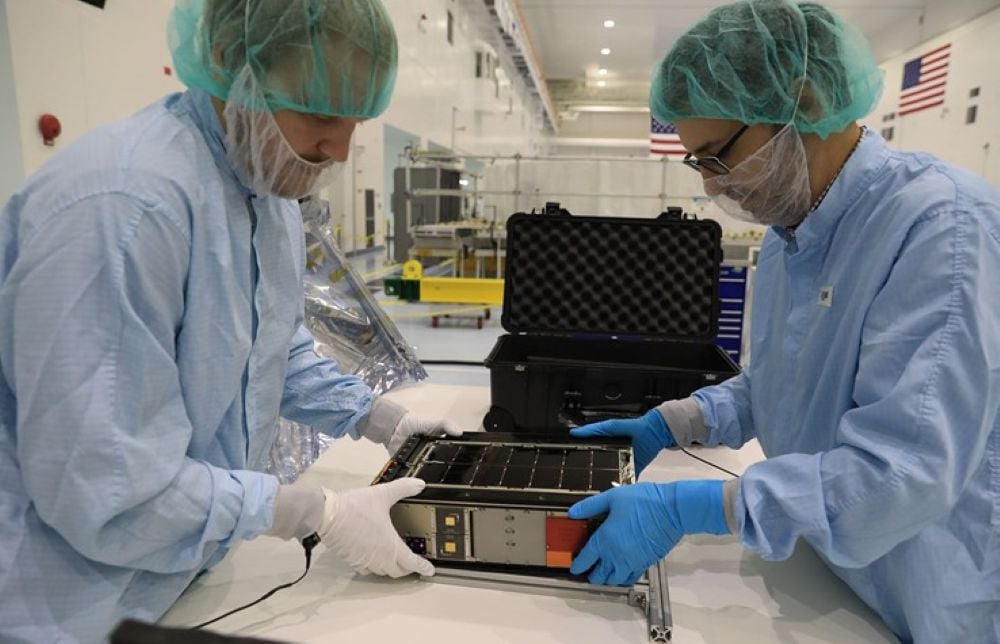
NASA Flags Cubesat Ride Chances On Coming Artemis Launches
NASA has indicated potential opportunities for cubesat rideshare missions on upcoming Artemis launches. The agency is assessing available payload capacity on the Space Launch System and other vehicles. This could provide low-cost access to deep space for small satellite developers. The initiative aims to maximize scientific and exploration returns from the Artemis program.
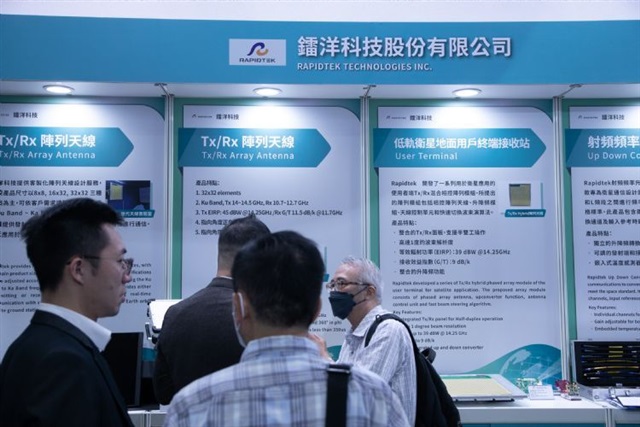
Taiwan’s Rapidtek establishes link with second IoT CubeSat in orbit
Rapidtek Technologies has successfully established communications with its second 8U IoT CubeSat, Black Kite-2. The satellite was developed under a startup satellite program led by the Taiwan Space Agency (TASA). This marks a key milestone in Taiwan’s expanding space-based IoT infrastructure. The CubeSat is now operational in orbit.

Sarawak targets nano-satellite launch by 2030 - TVS
Sarawak aims to launch its first nano-satellite (CubeSat) by 2030 to enhance geolocation data and Earth imagery capabilities. The initiative strengthens data sovereignty and supports the state’s digital economy growth. Premier Abang Johari announced the target during a townhall session in Manchester, UK. Additionally, the Batang Lupar Bridge will open by mid-May, reducing travel time between Kuching and Sri Aman to 1 hour and 15 minutes.

Young Scientists from AmSU to Design and Patent a Small Satellite
Young researchers at Amur State University are undertaking a project to design and patent a small satellite. The initiative aims to develop a compact spacecraft for scientific or educational purposes. The project involves creating a patentable design for the satellite. This work is part of the university’s efforts to advance space technology.
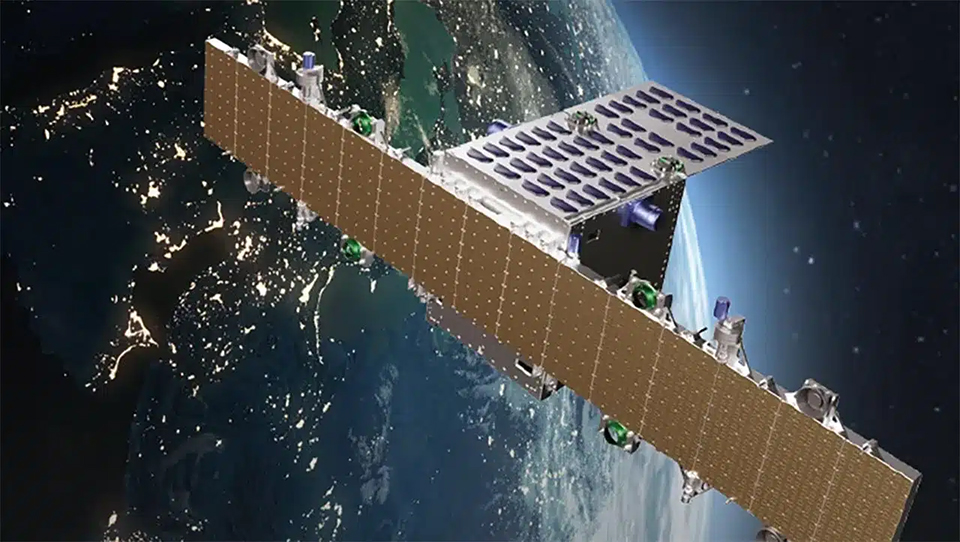
NanoAvionics to Launch Trio of Milestone Payloads on SpaceX CAS500-2 Mission
Kongsberg NanoAvionics will launch three satellites on the SpaceX CAS500-2 mission on May 3 from Vandenberg Space Force Base. SNAPPY is the world’s first space-based neutrino detector, QUBE II will demonstrate quantum key exchange for un-hackable communications, and Eycore-1 is a pilot for a European military-grade synthetic aperture radar system. The Falcon 9 will deploy the satellites into a 510-kilometer sun-synchronous orbit approximately 75 to 82 minutes after liftoff.
UPV Advances in the Launch of PoliTech-1
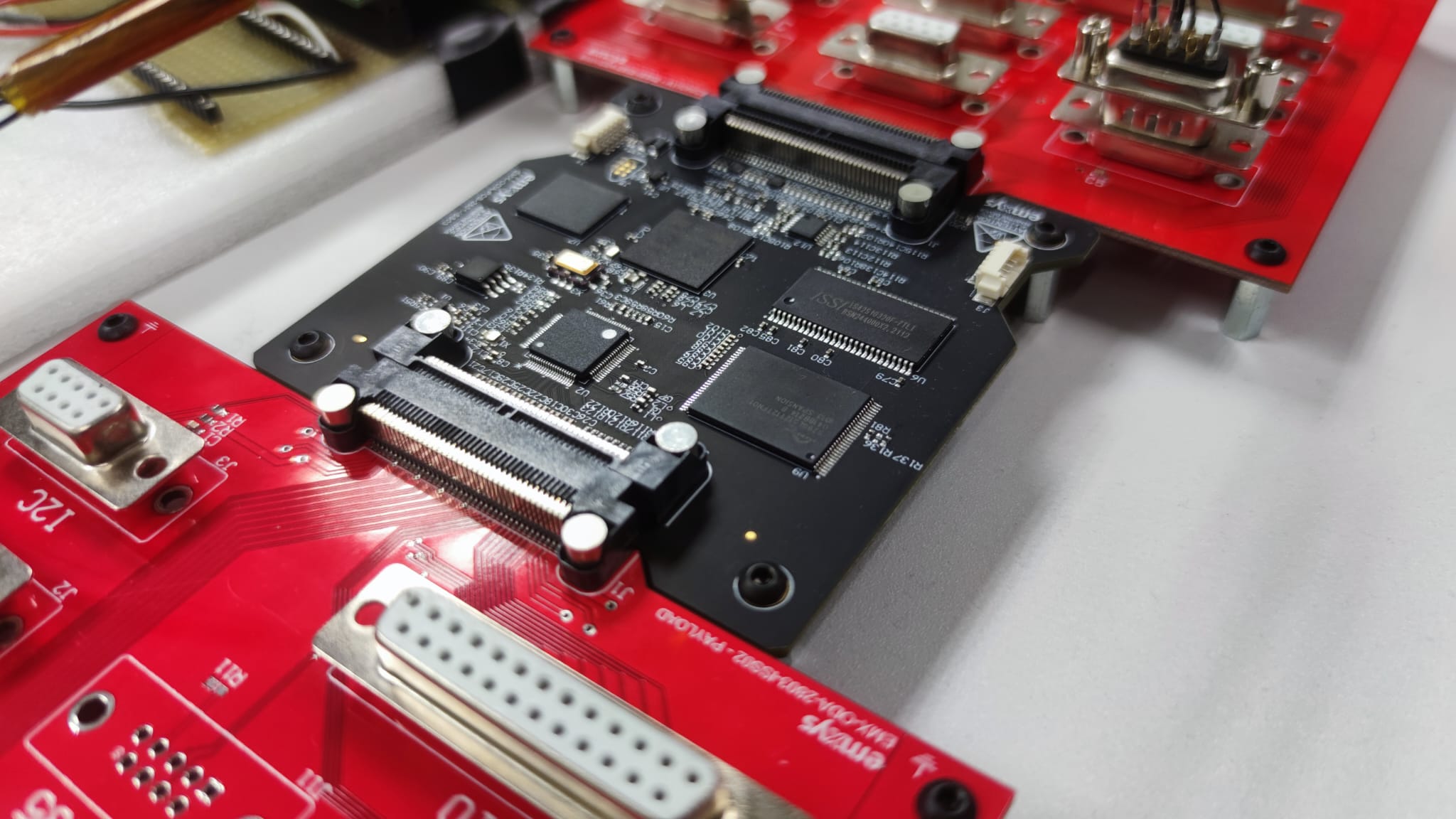
The Universitat Politècnica de València (UPV) has signed an agreement with RIDE! to support the launch of PoliTech-1, the first satellite entirely designed in the Valencian Community. The 3U CubeSat, developed for education and Earth observation, is scheduled for launch in late 2027. It features a compact camera, directional C-band antenna, gamma ray and neutron detector, and advanced attitude control systems. The satellite platform is being built by EMXYS, while RIDE! will manage pre-launch activities including integration, launch vehicle interface, and logistics.
Latin America’s Space Race: With Feet on the Ground - DW News
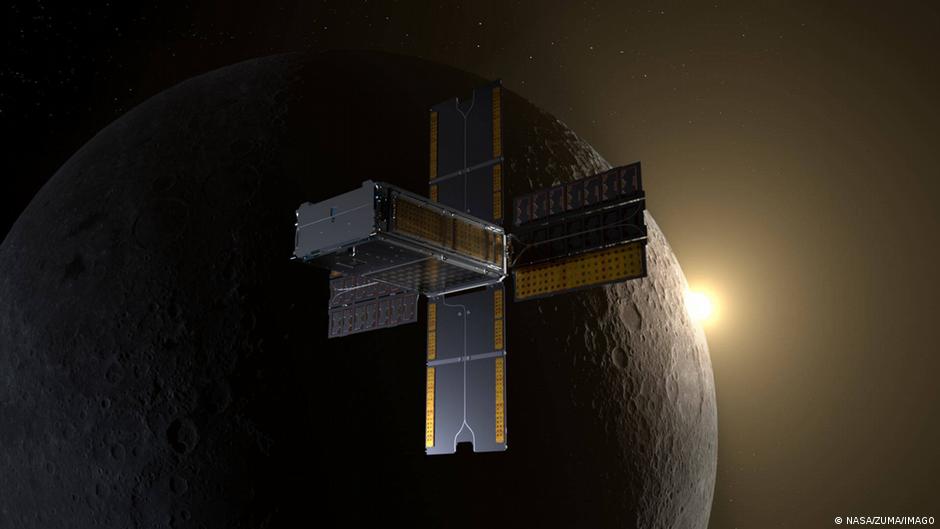
Latin America is not competing in the traditional space race to plant flags on other planets, but is leveraging its unique advantages like Brazil’s Alcântara launch site and Chile’s clear skies. The region focuses on the “NewSpace” commercial sector and using satellites to solve terrestrial problems like monitoring fires and droughts. Regional cooperation is limited, with key players Argentina and Brazil not part of the ALCE space agency, and talent flight remains a major challenge. Experts emphasize the need for stable, long-term state investment in space science, decoupled from political cycles, to build a sustainable foundation for development.
How CubeSat Proliferation is Redefining Sovereignty and Diplomatic Leverage at the United Nations
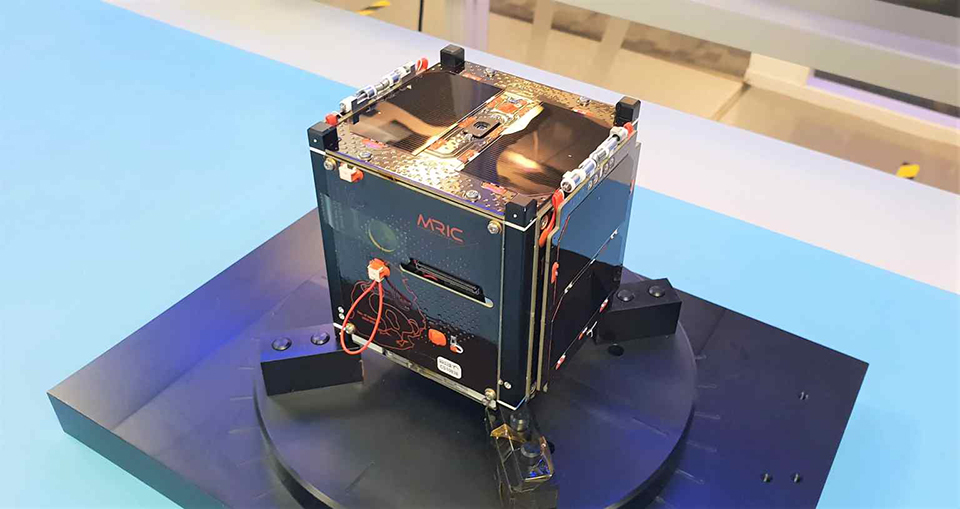
The CubeSat standard is democratizing space access, allowing emerging nations like Kenya and Mauritius to become active orbital operators. This shift gives them leverage in UN COPUOS, moving away from a “Space Club” dominated by legacy powers. UNOOSA’s Access to Space for All program provides technical mentorship and launch opportunities, enabling nations to deploy sovereign assets for Earth observation. By 2027, over 110 member states in COPUOS will drive a more inclusive Space2030 Agenda, increasing pressure for collective Space Traffic Management guidelines.

Tanzania Completes Satellite Development Procurement, Advancing National Space Programme
Tanzania has completed procurement for its first CubeSat, TanSat-1, under the UN-backed KiboCUBE project. The satellite will collect IoT data, monitor wildlife reserves, and support environmental and climate goals. The project is part of Tanzania’s Five-Year Space Plan (2025-2030) and includes partnerships with local universities. The government is also developing a National Space Policy and Space Act to support the growing space sector.
The Ancient Art That Could Transform Space Communication - Universe Today
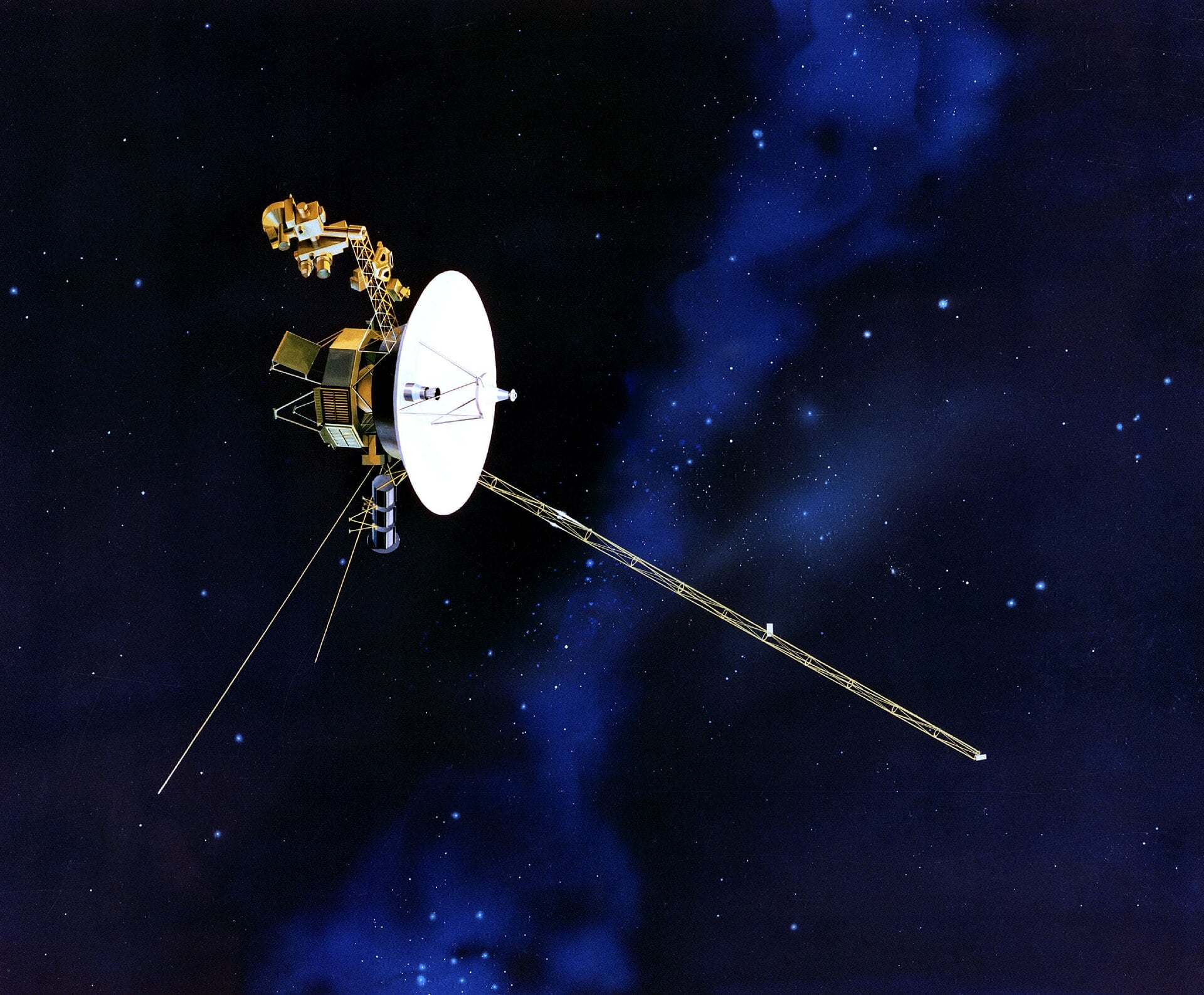
Engineers at the Institute of Science Tokyo have developed an origami-inspired deployable antenna for CubeSats. The antenna, weighing only 64 grams, fits in a 10 cm cube and expands to 2.5 times its size in orbit. It uses a flexible textile membrane with sewn-in circuit elements to achieve a gain of 18 dBic. The design will fly on the OrigamiSat-2 CubeSat, targeting applications in space internet, disaster monitoring, and lunar communications.
What’s next
Join the TinyGS Telegram channel to participate in these discussions and contribute to the project. Your experiences and insights can help others build and improve their stations!