
Join the World's Largest Satellite Tracking Network 🛰️

Join the global TinyGS community.

Tiners Hero Image
8,250+
Tiners
2,250+
Active Stations
65M+
Telemetry Packets
Space Science: Right from your backyard!

Features

What you get when you join TinyGS

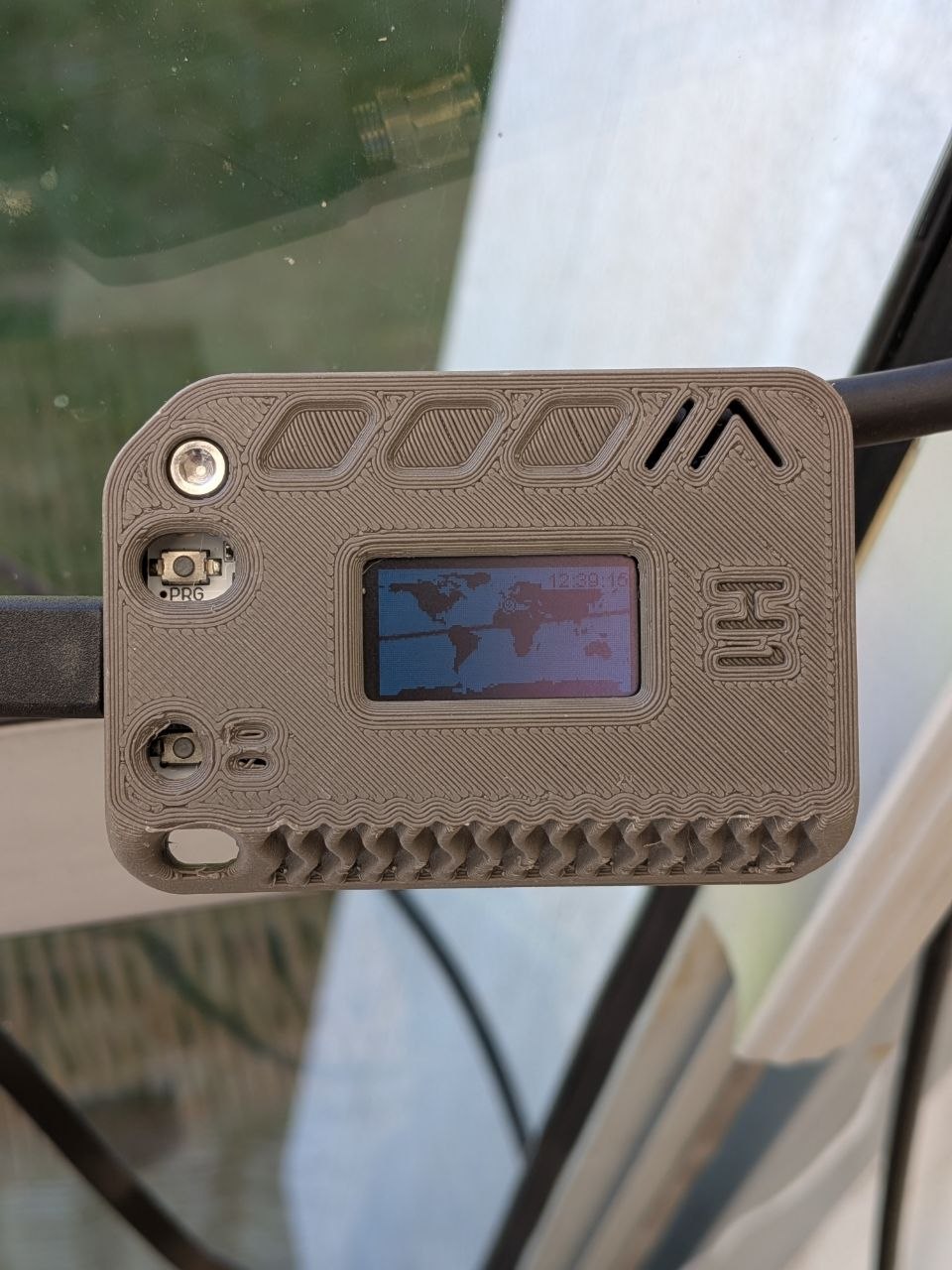
Build your own tiny, affordable ground station and join thousands of citizen scientists tracking satellites collecting vital telemetry, contributing to real science projects!

Easy-to-build station

Easy-to-build ground stations using readily available components.

Open-Source KNOWLEDGE

Open-source knowledge and amazing community support.

Real-time satellite data

Access to real-time satellite data and cutting-edge space technology.

Global citizen science

Be part of a global citizen science network making real impact.

Space Situational Awareness (SSA)

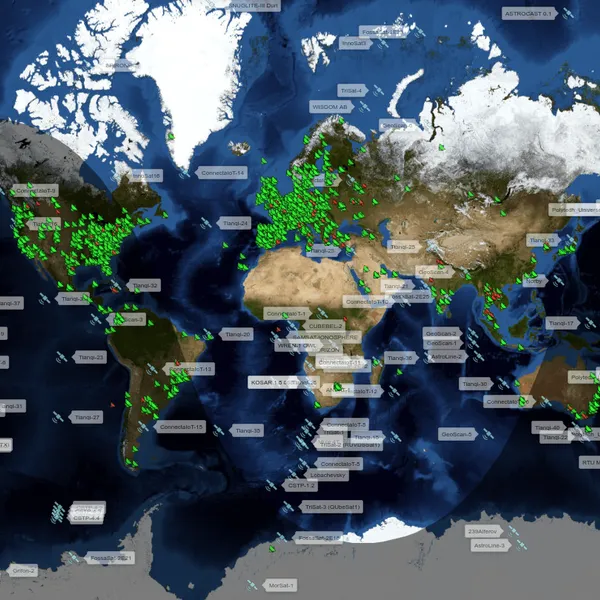
Helping keeping track of objects in orbit and predicting where they will be at any given time.

Compete with friends

Who will capture more satellites or conquer more areas of the sky?

For radio amateurs & makers

Track Satellites From Your Backyard

Join a global network of citizen scientists

TinyGS is a free, open-source platform that turns a $20 LoRa board into a fully functional satellite ground station.

Affordable LoRa hardware

Any ESP32 LoRa board ($20–30) is all you need. Dozens of compatible boards are supported out of the box.

Plug in, point up, receive

Flash the firmware directly from your browser, connect to Wi-Fi, and your station starts receiving satellite signals automatically. No RF expertise required.

Community-powered learning

TinyGS is more than hardware: it is a global community where makers, radio amateurs, and satellite teams exchange knowledge and help each other grow.

For satellite operators

Give Your Satellite a Global Ground Network

Trusted by CubeSat teams, universities, and commercial smallsat operators worldwide.

Worldwide coverage, instantly

Over 2,200 active stations across the globe mean your satellite is heard every time it passes overhead — anywhere on Earth.

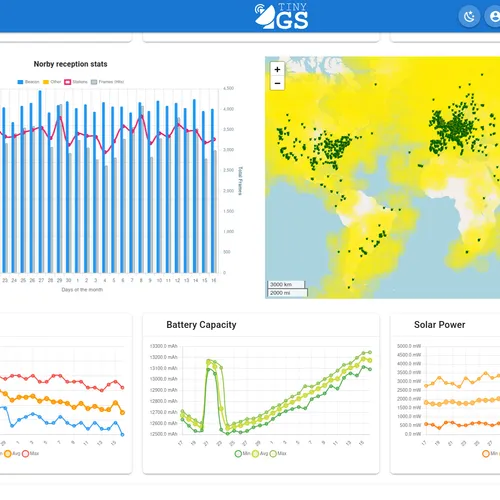
Real-time telemetry dashboard

Access a live dashboard showing every packet received, from every station, the moment it happens. No setup required on your end.

Real-time orbital tracking

Generate independent, fresh TLEs directly from downlinked radio passes. Stop relying on outdated public tracking data—predict your satellite's position with higher precision using custom, community-refined orbital elements.

Become a Tiner and receive your first satellite.

Step 1: Join the community

Ask any friend already in the community for an invite, alternatively join our Telegram Channel.
For workshops, or educational purposes, contact us for invites.

Step 2: Buy inexpensive HW $20-30

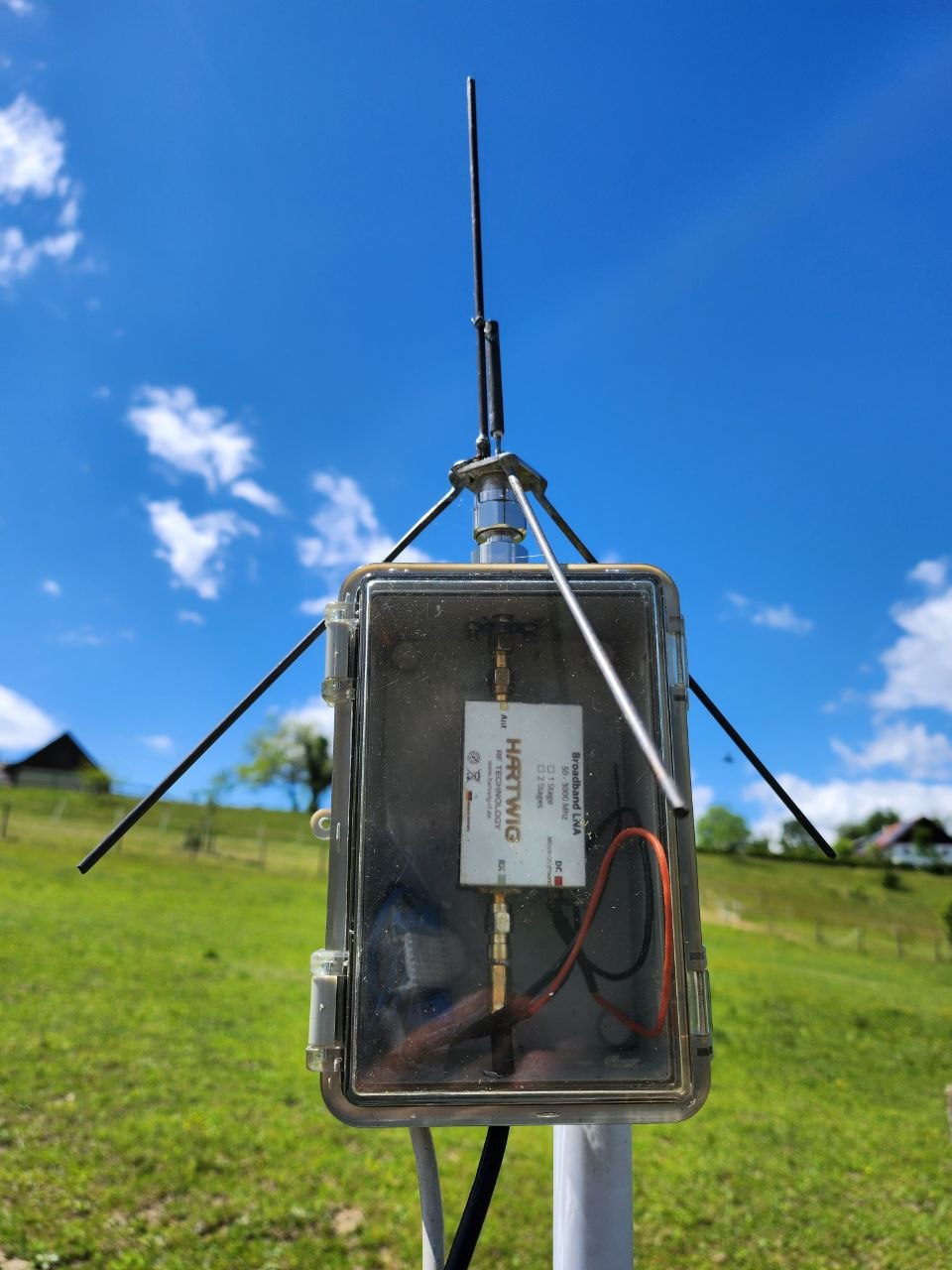
Check the documentation, the are dozens of compatible ESP32 / ESP32S3 LoRa boards, don't forget to choose the 433MHz version and build your DIY antenna.

Step 3: Flash firmware from your browser

Use the TinyGS Web Installer to flash the firmware directly from your browser — no drivers, no terminal, no technical setup required. Just connect your board via USB and click flash.

Ready!

Steps image

Community

Who is TinyGS for?

Whether you're a curious maker or a professional satellite operator, there's a place for you in TinyGS.

Radio Amateurs

Put your ham radio skills to work tracking real satellites and contributing to a global receiving network.

Makers & DIYers

Build your own ground station from scratch with a $20–30 ESP32 LoRa board and a homemade antenna.

Space Enthusiasts

Follow live satellite passes, explore telemetry data, and feel connected to the spacecraft above.

Schools & Teachers

Bring space into the classroom with a real hands-on project that teaches electronics, coding, and orbital mechanics.

Satellite Operators

Get free global ground station coverage for your CubeSat or smallsat mission, with a real-time telemetry dashboard.

Institutions & mission partners

Tap into a global low-cost receiving network for orbital intelligence, propagation analysis, and satellite operations, with coverage that scales as the community grows.

Find out more content in our Blog

View all posts »

Stay up to date with TinyGS news, satellite tracking guides, hardware tips, and community stories from Tiners around the world.

Weekly Newsletter - May 24, 2026

Weekly Newsletter - May 24, 2026

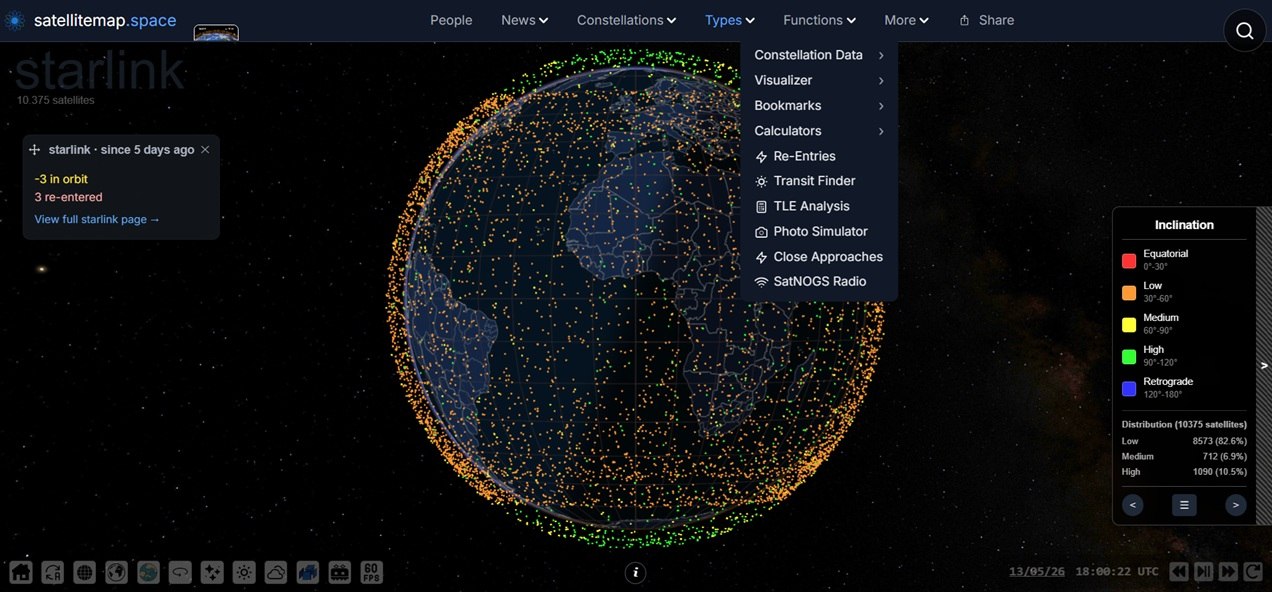
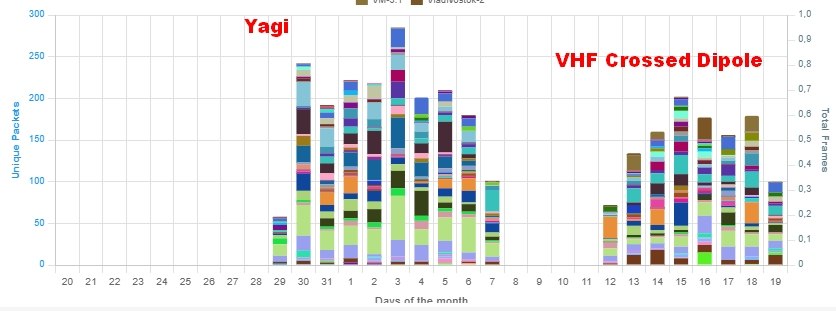
This week, the TinyGS community tackled everything from antenna optimization and filter design to the fascinating possibility of LoRa Earth-Moon-Earth communication. A critical fix for decoding Tianqi satellites was shared, while Thailand's Satfinder project celebrated a massive expansion of the ground station network, and members dove into the technical details of the PY4 mission's data collection methods.
Weekly Newsletter - May 17, 2026

Weekly Newsletter - May 17, 2026

Welcome to the TinyGS weekly community newsletter. Here are the most relevant discussions and developments from this week, covering antenna setups, technical troubleshooting, and community hardware sharing.

Weekly Newsletter - May 10, 2026

Weekly Newsletter - May 10, 2026

Welcome to the TinyGS weekly community newsletter. Here are the most relevant discussions and developments from this week, covering new satellite onboarding, antenna building tips, technical troubleshooting, and community insights.

Weekly Newsletter - May 3, 2026

Weekly Newsletter - May 3, 2026

Welcome to the TinyGS weekly community newsletter. Here are the most relevant discussions and developments from this week, covering antenna builds, technical troubleshooting, new satellite additions, and collaborative problem-solving across the network.

FAQs

Frequently Asked Questions

Why tinyGS?

tinyGS is an open-source project that allows anyone to set up a low-cost satellite ground station using inexpensive LoRa hardware (like ESP32). By joining the network, you contribute to a global community that provides real-time tracking and data reception for hundreds of satellites and weather probes, making space exploration accessible to everyone.

What do I need to start?

To get started, you need a supported LoRa board (such as the Heltec WiFi LoRa 32 or TTGO LoRa32), an antenna tuned to the correct frequency (usually 433MHz or 868/915MHz), and a power source. Simply flash the tinyGS firmware onto your board, connect it to your local Wi-Fi, and your station will begin automatically uploading received packets to the network.

Can we transmit data to the satellites with tinyGS?

While tinyGS is primarily a receive-only (RX) network, some satellite operators occasionally allow for data uplink. However, to participate in these transmissions, you must hold a valid Amateur Radio License to comply with international radio regulations and legal requirements.

How tinyGS help on the safety of space?

By acting as a massive, distributed sensor array. By capturing precise timestamps of signal reception across thousands of global coordinates, the network helps track and verify the orbital position of satellites. This data is vital for predicting satellite paths and avoiding collisions, which is the primary defense against the Kessler Syndrome.

I'm a satellite operator, how can I add it to tinyGS?

We welcome new missions! Contact us via GitHub or Telegram with your satellite's NORAD ID and modulation parameters (LoRa/FSK). Once integrated, our global network will provide you with a real-time dashboard of your satellite's health and telemetry from across the planet.

What is the Kessler Syndrome?

The Kessler Syndrome is a theoretical scenario where the density of objects in Low Earth Orbit (LEO) is high enough that a single collision could cause a cascade of debris, making space activities and satellites impossible for generations. tinyGS helps prevent this by providing precise, crowdsourced tracking data.

Support TinyGS — a non-profit 
run by volunteers

100% of donations go directly to keeping the network alive and growing.Every contribution, big or small, makes a difference. 🌟