· TinyGS Community · 11 min read
Weekly Newsletter - March 22, 2026
Welcome to the TinyGS weekly community newsletter. Here are the most relevant discussions and developments from this week, covering technical challenges, new satellite integrations, hardware setups, and collaborative solutions from our global network.
Highlights
Technical Problems
- Mire2022 reported inconsistent packet decoding from Connectas IoT satellites using identical hardware, sparking a detailed technical discussion. Stefan/OE6ISP provided a comprehensive analysis, explaining that the 860MHz band is a shared LoRaWAN channel with heavy terrestrial interference, which can trigger the modem’s preamble detection and cause it to miss satellite signals. He suggested using directive antennas and careful gain adjustment as workarounds and shared a spectrum waterfall image illustrating the signal chaos. The conversation evolved with sincos364 expressing interest in I/Q data for analysis, leading to an offer from another user to share a full satellite pass recording via private message. 🔗
- Voltor4 shared initial results from a new 868 MHz setup in Madrid using a Heltec V3 and ground plane antenna, receiving only one packet with a CRC error in the first 24 hours with a noise floor of -112 dB. They discussed the comparative difficulty of receiving on 868 MHz versus 433 MHz, noting many stations on the map had long gaps. Helmi joined the discussion, explaining ConnectaIoT satellites transmit randomly only over Europe on 869.525 MHz and shared their own experience with CRC errors without an LNA, suggesting strong terrestrial signals might be the issue. The conversation covered antenna placement strategies to minimize noise and future plans to build a QFH antenna and add filtering. 🔗
- PE2BZ inquired about finding satellites in TinyGS by NORAD ID, specifically object 61744 (CSTP-2.11), and later reported receiving signals from it on 435.950 MHz over several passes. Stefan/OE6ISP responded that the reception likely did not make sense, referencing a SatNOGS database page with different transmitter details. PE2BZ explained the signals appeared in their spectrograms on specific dates and that they used an Airspy mini at 6 MSPS, highlighting the process of cross-referencing observations with external databases. 🔗
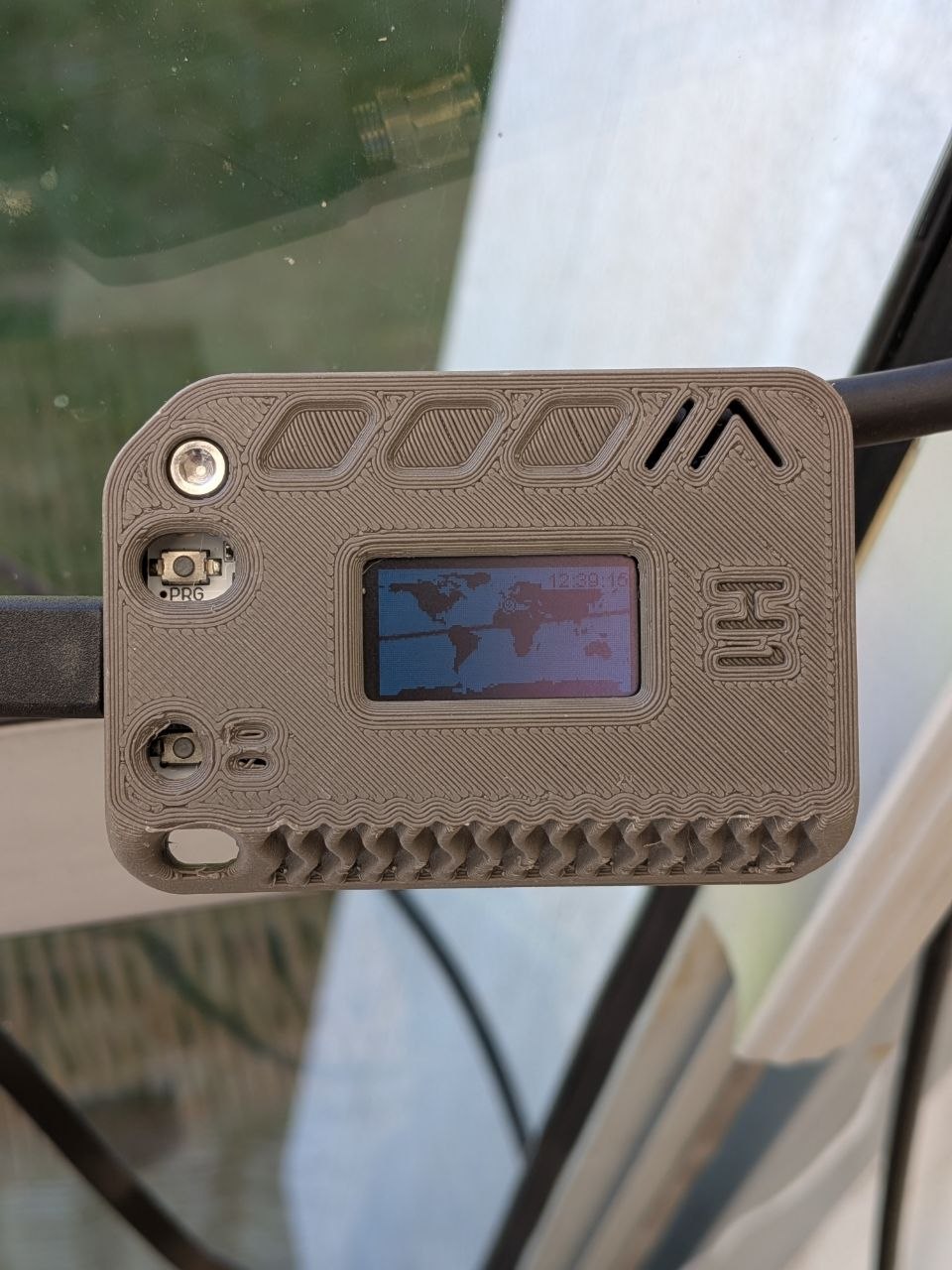
https://db.satnogs.org/satellite/IFSO-4320-0068-3369-9339#transmitters - Richard reported an issue where their LILYGO map screen stopped showing the next satellite and displayed a persistent ‘waiting for sat pos’ message for several months. G4lile0 linked this to a previous discussion and explained that since Beta firmware version 2603154 (March 15th), satellite position calculation has been handled locally on the device, clarifying the root cause of the display problem. 🔗
https://t.me/c/1448773154/78482/203274
New Satellites
- Manoel introduced themselves as working on a university CubeSat project and sought guidance on integrating their satellite with the TinyGS network. They posted detailed questions in the proper thread regarding safeguards, the registration process, how the network identifies satellites from packets, data retrieval methods, and requested general advice on using LoRa (RFM98). This initiated a formal process for new satellite integration. 🔗
- G4lile0 provided detailed, step-by-step instructions for adding a new satellite to TinyGS. The requirements include a description, photos (using the Norbi satellite page as an example), and modem configuration details. Users were advised to manually configure their station in test mode for initial testing, keeping the duty cycle short. For data to appear publicly, a Kaitai decoder for every payload type is needed, with the Norbi decoder provided as a reference. Finally, once data is received properly, TinyGS can forward packets to the operator’s servers via a real-time endpoint. 🔗
https://app.tinygs.com/satellite/Norbi
https://github.com/4m1g0/tinygs-decoders/blob/master/ksy/norbi.ksy - Tyler inquired about the pre-launch integration process for a new satellite, mentioning their involvement with the ASU lab’s LoRa satellite (COCONUT-HAM) scheduled for launch to the ISS. They provided a project webpage link containing necessary details like .ksy files and noted they could provide deployment information and TLEs as soon as available, seeking to prepare for integration upon deployment. 🔗
https://asu-sdsl.github.io/coconut_ham.html
General
- Mike requested a presenter with a good understanding of the TinyGS website for a Zoom presentation during an amateur radio club meeting to familiarize members with the project. G4lile0 responded positively, offering to help if available, pending details on the date and time. Mike later thanked G4lile0, noting they would discuss it with the club’s executive and follow up. 🔗
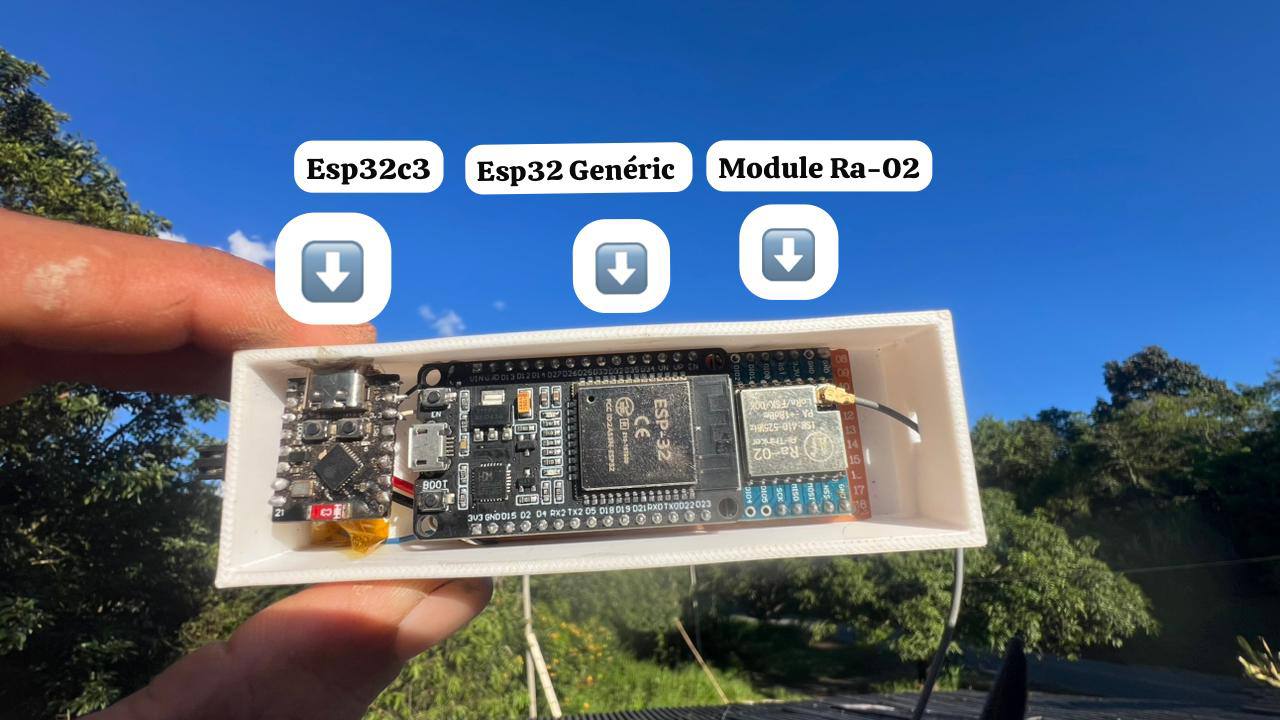
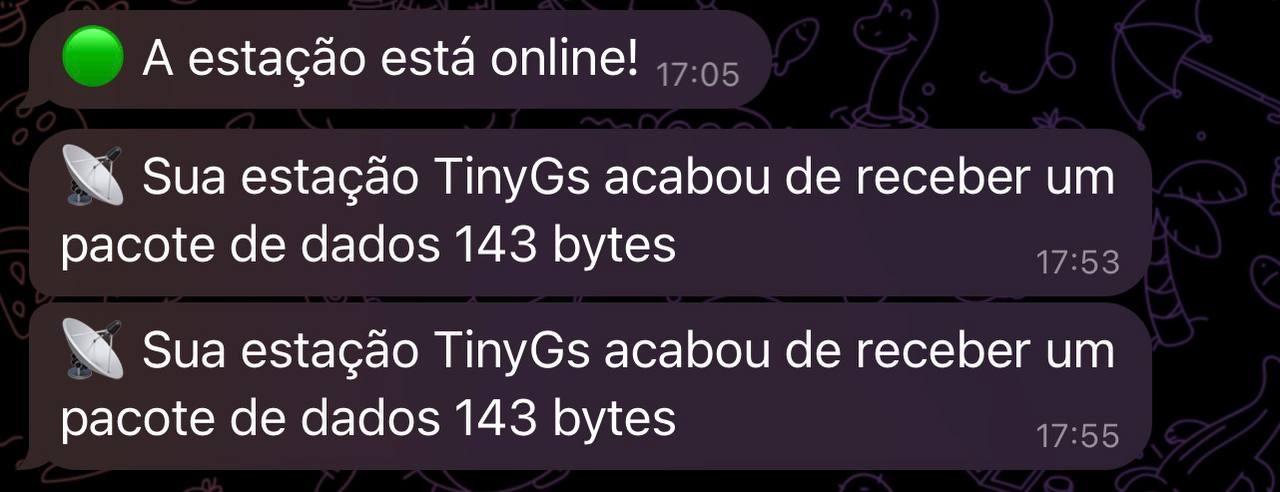
- KH1RU shared a custom system they developed that receives data from their TinyGS station via serial, filters it, and sends status notifications and received satellite packets via a Telegram bot. They offered the source code to the community and provided guidance on the hardware setup, including checking for native TX/RX pins, creating a chatbot, and soldering connections for a secondary board like an ESP32C3, along with sharing images of the setup. 🔗
- Joshua inquired about accessing historical data for the Cornell LightSail satellite to support a mission results paper, as packets were no longer appearing on the standard webpage. G4lile0 promptly provided an alternative link to a page containing all the received packets, which was greatly appreciated, demonstrating the community’s support for academic research. 🔗
https://app.tinygs.com/satellite/CornellLightSail
https://app.tinygs.com/satelliteIna/CornellLightSail
Antenna Building
- VK2CPR asked about the frequency and polarity for building an antenna for satellites, specifically considering an eggbeater antenna. Helmi replied, explaining that the frequency depends on the target satellites, with most operating between 400 and 450MHz, and recommended a simple Ground Plane antenna over a circularly polarized one due to satellite tumbling. VK2CPR later thanked the user for the information and mentioned plans to experiment with a 137 MHz weather satellite antenna. 🔗
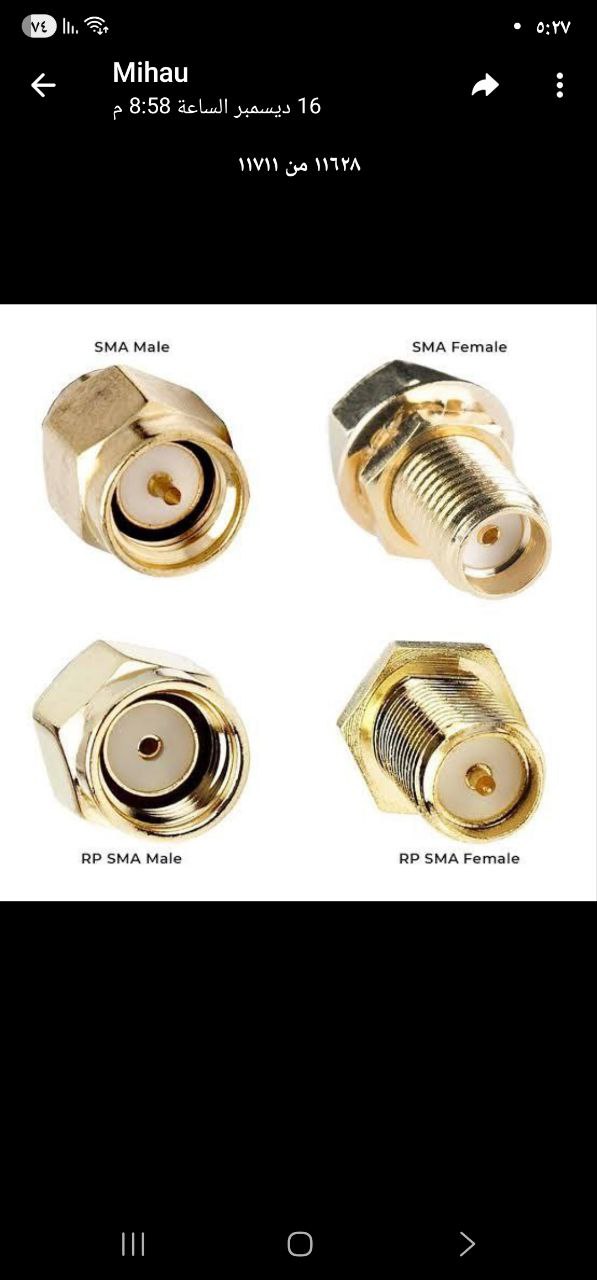
- hasandojaily inquired about where to purchase an SMA Male connector while living in Iraq. Stefan/OE6ISP suggested AliExpress as a source for all types of connectors, providing practical sourcing advice for members in regions with limited local availability. 🔗
Where to buy
- Roland asked for a recommendation for a European shop to buy a genuine Heltec V3 433 MHz module, wishing to avoid counterfeit products from common marketplaces. Evan_Longin shared a positive experience, providing a link to an AliExpress listing where they purchased a module that works perfectly, offering a trusted vendor reference. 🔗
https://aliexpress.ru/item/1005008451687223.html?sku_id=12000050460197885
Beta Firmware Testing
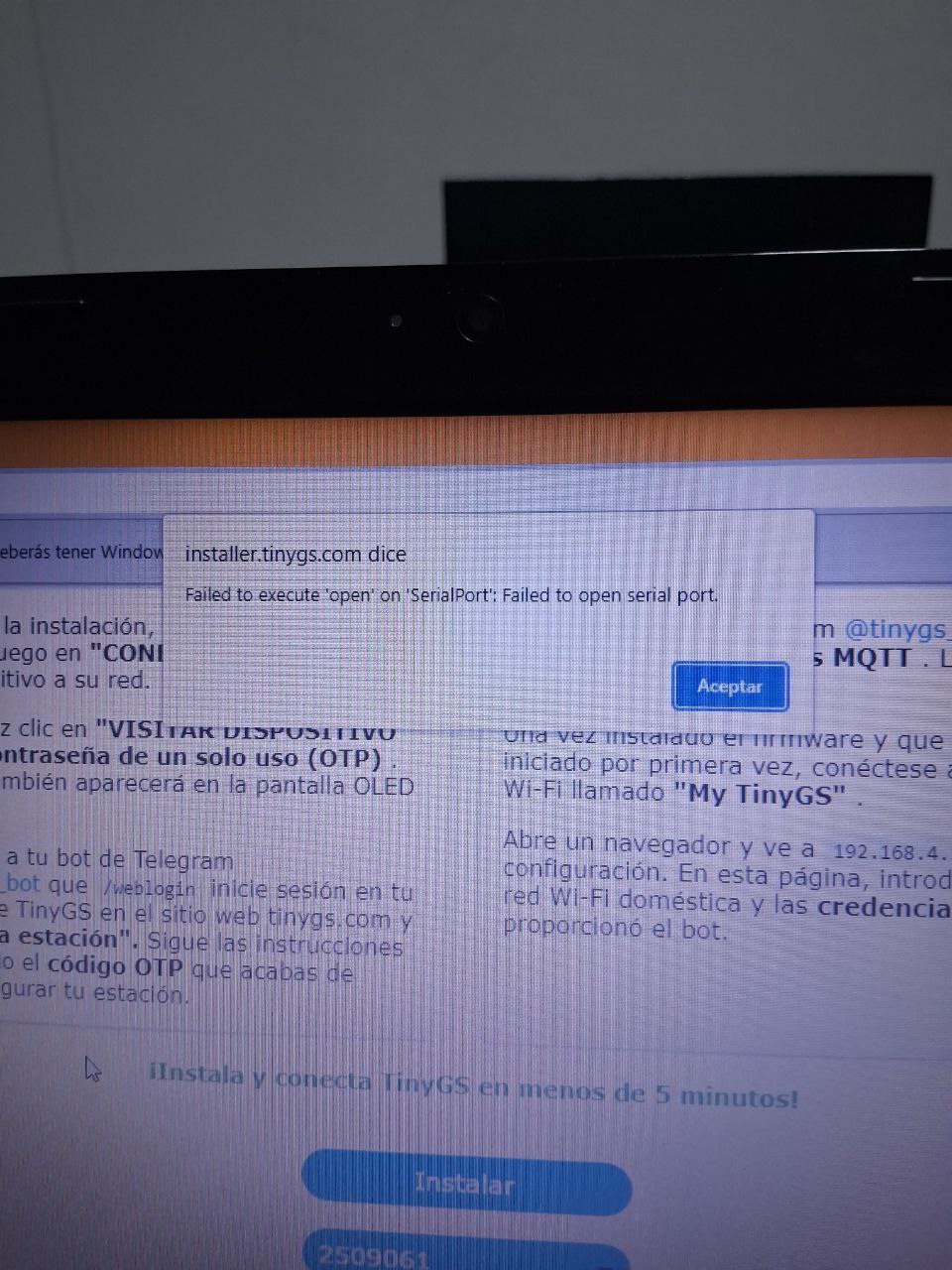
- Ricardo was setting up an ESP32 station in Venezuela and encountered a problem programming it, specifically with the CP2102 driver not responding despite being installed, sharing an image of the issue. gmag11 later provided troubleshooting advice, asking if a new serial device appears when connecting the board and warning that some cheap USB cables only support charging, not data transmission. 🔗
Announcements
- G4lile0 announced a maintenance window for the systems, noting they would be temporarily unavailable. A follow-up message indicated that services were restored on a temporary server, with further maintenance expected, keeping the community informed about infrastructure status. 🔗
Featured Conversations
- The community engaged in a deep technical analysis of signal reception challenges, particularly in the crowded 860MHz LoRaWAN band used by Connectas IoT satellites. Discussions highlighted how terrestrial interference can overwhelm modem preamble detection, leading to packet loss, and explored mitigation strategies such as using directive antennas and precise gain control.
- Several new satellite integration processes were detailed this week, from a university CubeSat team seeking guidance to formal instructions on adding satellites to the network. The requirements include providing descriptions, modem configurations, and Kaitai decoders, with a framework for testing in controlled modes before full deployment.
- Members shared innovative customizations for their stations, including a system that interfaces a TinyGS receiver with a Telegram bot for real-time notifications. This involved hardware integration advice and software filtering, demonstrating the community’s hands-on approach to building tailored solutions.
- Practical advice flowed on antenna design and component sourcing, with discussions covering optimal frequencies for satellite tracking, the pros and cons of different antenna types, and recommendations for purchasing genuine hardware and connectors from reliable international vendors.
- The community demonstrated its role as a collaborative knowledge base, quickly providing alternative data sources for historical satellite packets to support academic research and troubleshooting display issues linked to recent firmware updates that changed how satellite positions are calculated locally.
Latest Cubesats News

The MICE-1 nanosatellite (CubeSat) of Prisma Electronics S.A. registered in the national registry
The Greek MICE-1 CubeSat, developed by Prisma Electronics, has been officially registered in the National Registry of Space Objects. It was launched from Vandenberg, USA in November 2025 for technology demonstration and maritime communications. This registration fulfills international treaty obligations and provides oversight for space safety and transparency. It marks Greece’s growing role in the space economy, shifting from state-led programs to a more dynamic, innovation-driven private sector ecosystem.

JAXA Announces Schedule Change for Launch of 8 CubeSats on “Innovative Satellite Technology Demonstration-4” to After April 23, 2026
JAXA has rescheduled the launch of eight CubeSats for its “Innovative Satellite Technology Demonstration-4” mission to after April 23, 2026, due to a launch plan review by Rocket Lab. These satellites, developed by universities and companies, were originally slated for launch between January and March 2026 on an Electron rocket. The mission’s main satellite, RAISE-4, was already launched in December 2025. The schedule shift follows a prior change from Japan’s troubled Epsilon S rocket to the Electron for a 2025 launch commitment.
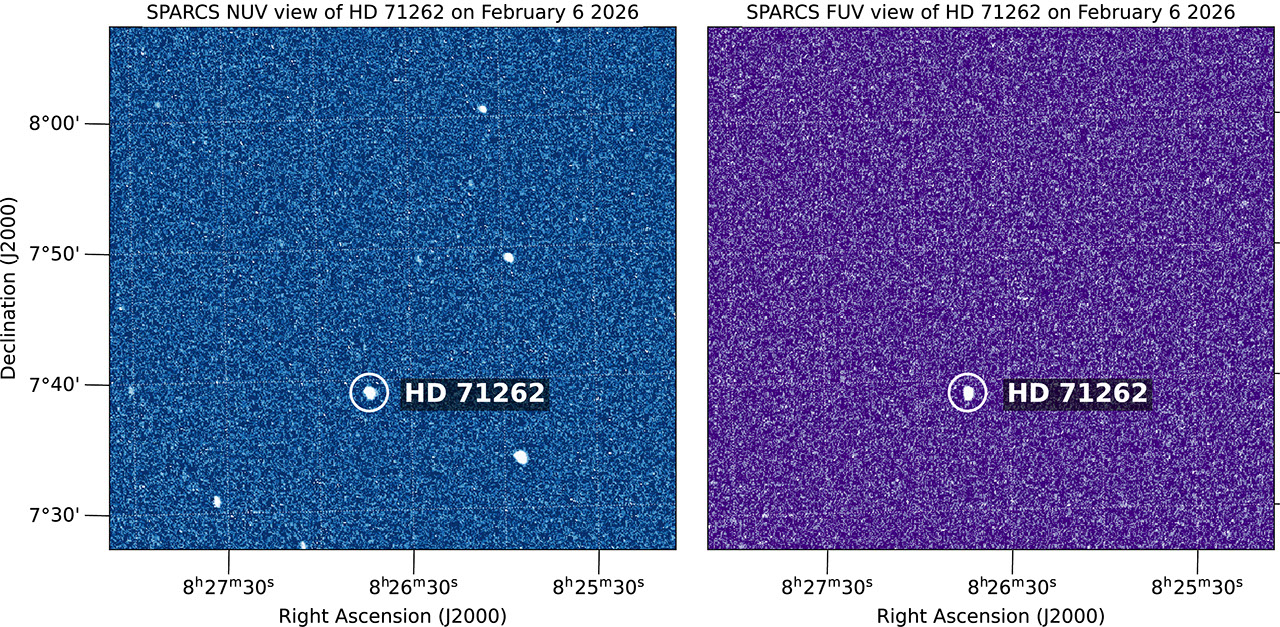
SPARCS CubeSat ‘First Light’ Images - NASA Science
The SPARCS CubeSat captured its first simultaneous near- and far-ultraviolet images of stars on February 6, 2026. It will monitor flare and sunspot activity on low-mass stars, which host most of the galaxy’s rocky planets in habitable zones. The mission uses a camera with detector-integrated filters for exceptional sensitivity, developed at NASA’s Jet Propulsion Laboratory. SPARCS will observe about 20 low-mass stars over a one-year mission to study their ultraviolet radiation.

ELECTRA: The CubeSat Team Project at ESA’s Concurrent Design Facility
ELECTRA is a 3U CubeSat developed by a student team to study atmospheric phenomena and test new low-cost space technologies. It will measure Total Electron Content in the ionosphere and demonstrate a miniaturized propulsion unit and precise GNSS-based orbit determination. The project advanced through a study at ESA’s Concurrent Design Facility, refining the satellite’s design and subsystems. The team is now awaiting a final design review in mid-April as part of the ESA Fly Your Satellite! program.

Steam-Powered Thrusters Could Transform Small Satellites, Startup Says | APT - YouTube
The SteamJet propulsion system uses low-pressure water, heated to create steam, which is ejected to generate thrust. This simple, chemical-free design allows it to be mounted externally on small satellites like CubeSats without taking up internal volume. The system enables orbital maneuvers to avoid collisions and can extend a satellite’s mission lifetime from a couple of years to about five. Water is a safe, dense, and green propellant, with several systems already in orbit and a major test planned for the Artemis program.

Yuantong Technology to Showcase End-to-End Satellite Communication Technology at Satellite 2026, Focusing on Full-System Integration Capabilities
Yuantong Technology will debut its end-to-end satellite communication technology at Satellite 2026 in Washington, D.C., covering ground station equipment, satellite communication payloads, and vehicle-mounted terminals. The company emphasizes its shift from single-product offerings to full-system integration, including a flexible SDR-based payload for CubeSats and low-Earth orbit satellites set for launch in 2027. Its ground segment experience, validated through collaborations with TASA and NASA, supports stable satellite communication links. The vehicle terminal, developed with AUO Smart Mobility, targets high-speed connectivity for future IoV and satellite-augmented communication scenarios.
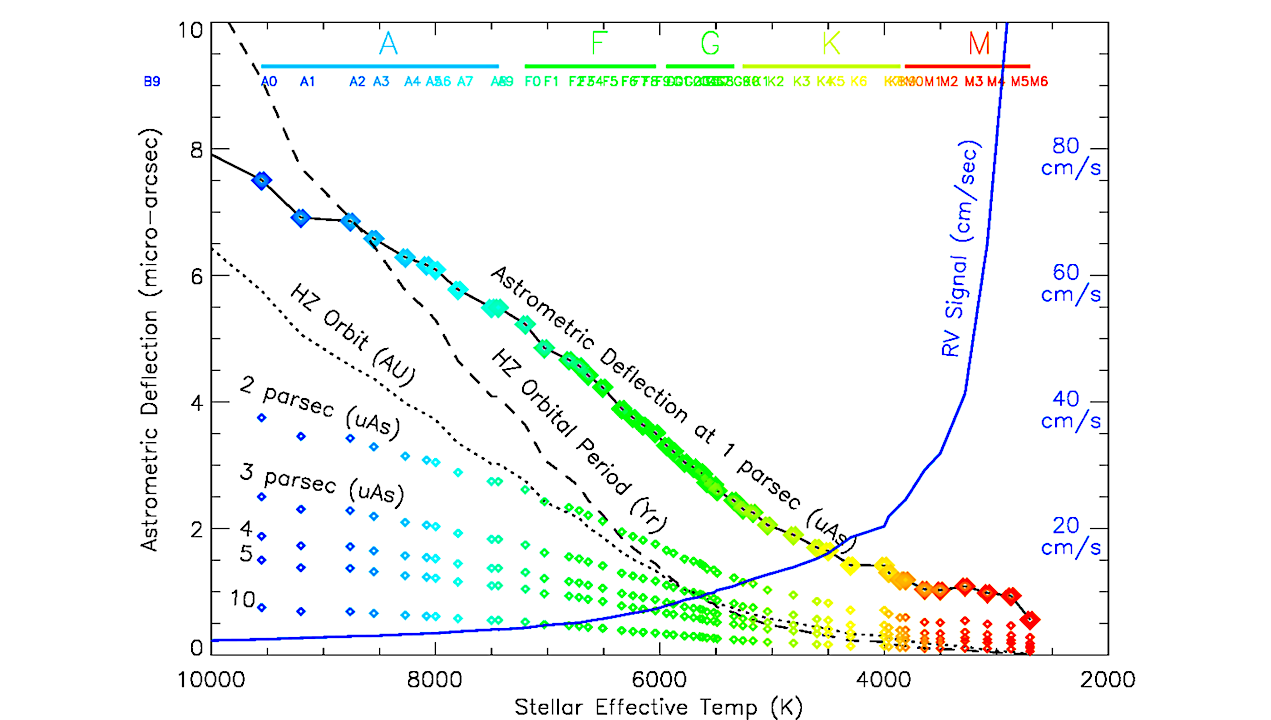
The TOLIMAN Mission: A Low-cost Space Telescope For High Precision Narrow-angle Astrometry
The TOLIMAN mission is building a small, low-cost space telescope with a unique optical design to search for Earth-like planets around the stars Alpha Centauri A and B. It will detect planets by measuring minute gravitational wobbles in the binary star’s motion, a signal requiring extreme precision. Using innovative optics and signal encoding, the telescope aims to achieve this with a compact 12.5 cm aperture instead of a much larger instrument. The science payload is integrated into a 16U CubeSat bus, and the mission components are currently under construction.

Ma7 Médiacsalád viewers can send a message into space! - VIDEO
CubeSat satellites, some as small as a 10-centimeter cube, are democratizing space exploration for smaller companies and universities. The upcoming Marina satellite will study solar wind and space weather for research purposes. Readers and viewers have the opportunity to send their own photos to be carried into space aboard the Marina satellite. Submissions are accepted until the end of March via a specified email address.

“The Bundeswehr Satellite Project Needs Startups”
Germany’s military seeks a new satellite constellation, with a major contract drawing interest from large aerospace firms. The CEO of Reflex Aerospace argues startups are crucial for meeting tight deadlines and controlling costs in such projects. He criticizes European programs like Iris2 for inefficiency and prioritizing regional politics over practical outcomes. While advocating for European sovereignty, he acknowledges short-term reliance on non-EU providers like SpaceX for launch services.
Otec prvej slovenskej družice: Máme na to vyvíjať veci, ktoré budú montovať iní - TREND
Contenido no disponible (paywall o JavaScript requerido)
What’s next
Join the TinyGS Telegram channel to participate in these discussions and contribute to the project. Your experiences, data, and insights are invaluable for helping the community build better stations, integrate new satellites, and advance our collective understanding of satellite tracking!