· TinyGS Community · 10 min read
Weekly Newsletter - March 15, 2026
Welcome to the TinyGS weekly community newsletter. Here are the most relevant discussions and developments from this week, covering technical troubleshooting, hardware integration, station showcases, and planning for new satellite and balloon missions.
Highlights
General
- RedsLuc27 asked about integrating the LLCC68 radio module with TinyGS, sparking a discussion on hardware compatibility. Peter suggested looking at a Thingiverse link for a potential reference design. 🔗
https://thingiverse.com/thing:7308521 - Ravindra inquired about downloading data from a ground station. Peter provided clear instructions on using the station page, including the ‘LOAD MORE’ button and filters for specific satellites. Ravindra followed up, noting the option wasn’t visible, possibly due to no data being available, and asked about accessing data from other public stations. 🔗
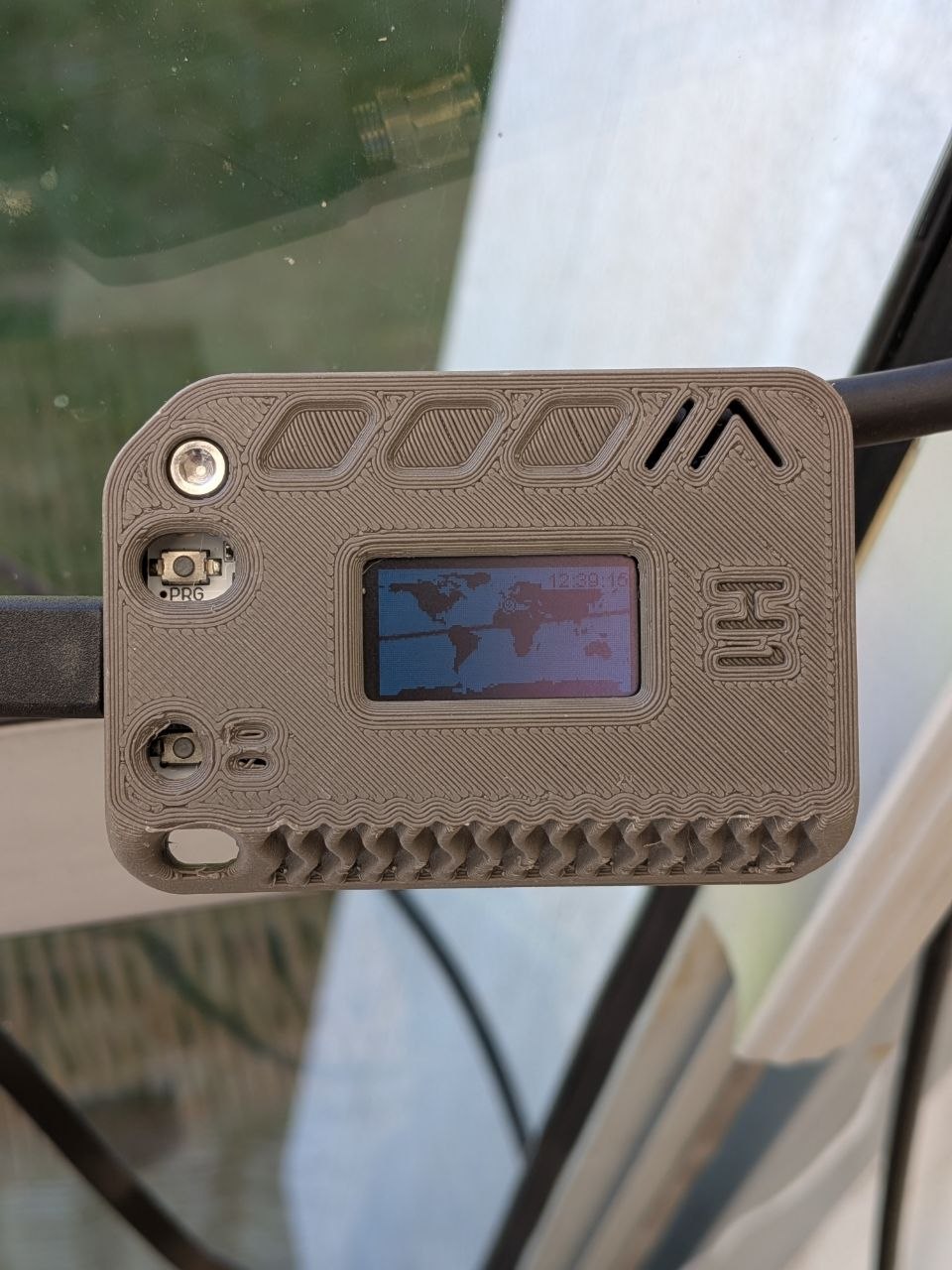
- agurkmix asked for the recommended hardware board for a planned workshop. Stefan/OE6ISP recommended the Heltec V3 433MHz board with an SX1262 chip as the best current choice, citing its plug-and-play functionality and affordable price. 🔗
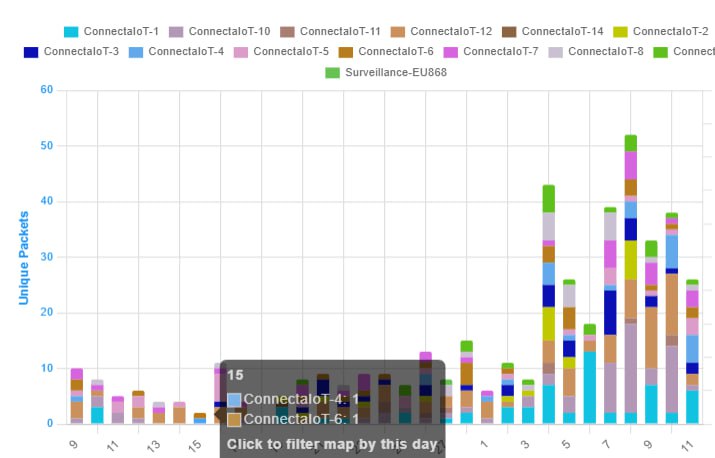
- Mike suggested a UI improvement for the ‘PACKETS IN THE LAST 30 DAYS’ bar graph on the TinyGS website, proposing that the informational pop-up appear slightly to the left of the cursor to avoid covering data points. 🔗
Technical Problems
- Evan_Longin reported an issue where their station’s displayed time was incorrect despite being in GMT+3, with the time resetting to 03:00 after a restart. The community suggested checking timezone and location settings, ensuring a stable connection to prevent chaotic restarts that interfere with NTP synchronization, and clarified that the timestamp might be corrected server-side. 🔗

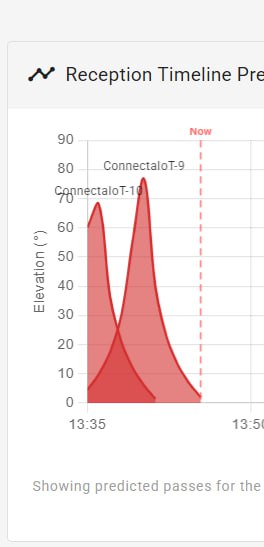
- Stefan/OE6ISP reported a significant frequency offset issue with two stations and later described a strange autotuning behavior where a station remained tuned to a satellite that had already passed, causing incorrect packet assignment and negative elevation readings. G4lile0 acknowledged the autotuning issue and mentioned implementing updates to optimize the offset management algorithm, promising to investigate further. 🔗
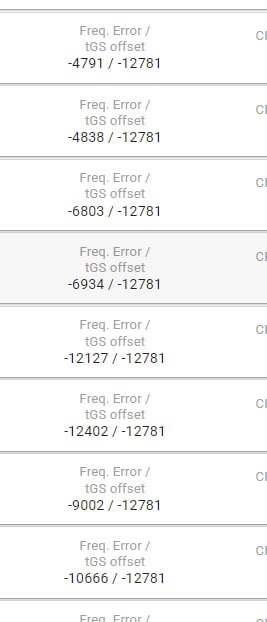
- Dave reported a very large frequency offset (~14K) and a drastic drop in FSK packet reception since March 8th, down to one or two per day from around 500, while LoRa packet counts remained unchanged. G4lile0 apologized for recent firmware updates that caused issues with framed packets and committed to investigating and fixing the problem, with a rollback as a fallback plan. 🔗
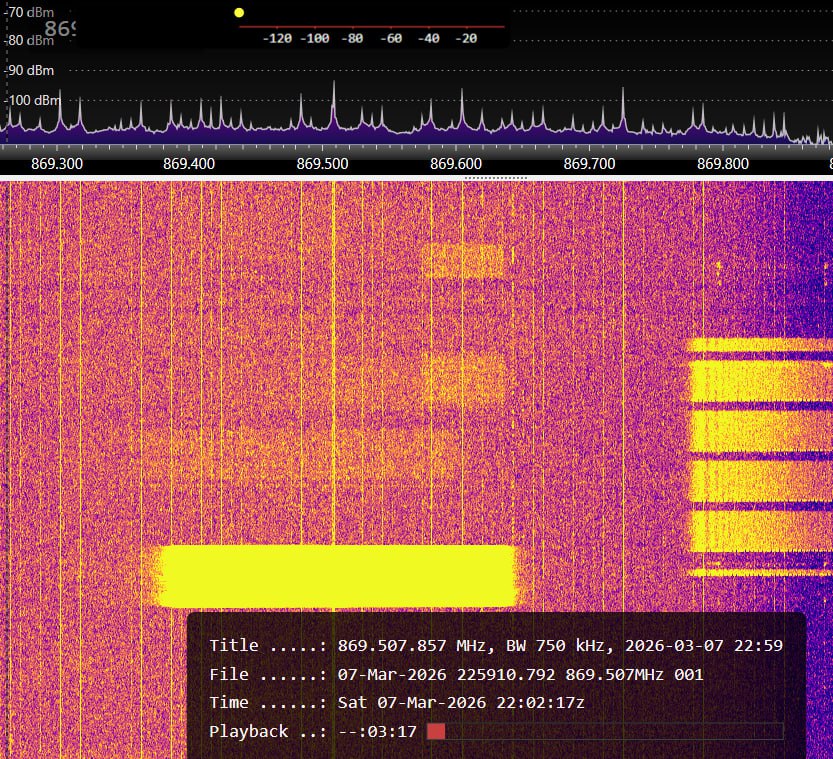
- Mire2022 reported inconsistent packet decoding from Connectas IoT satellites using identical hardware. Stefan/OE6ISP provided a comprehensive analysis, explaining that the 860MHz band is a shared LoRaWAN channel with heavy terrestrial traffic, which can trigger the modem’s preamble detection and cause it to miss satellite signals. He suggested using directive antennas and careful gain adjustment as workarounds and shared a spectrum waterfall image illustrating the signal chaos. 🔗
New Satellites
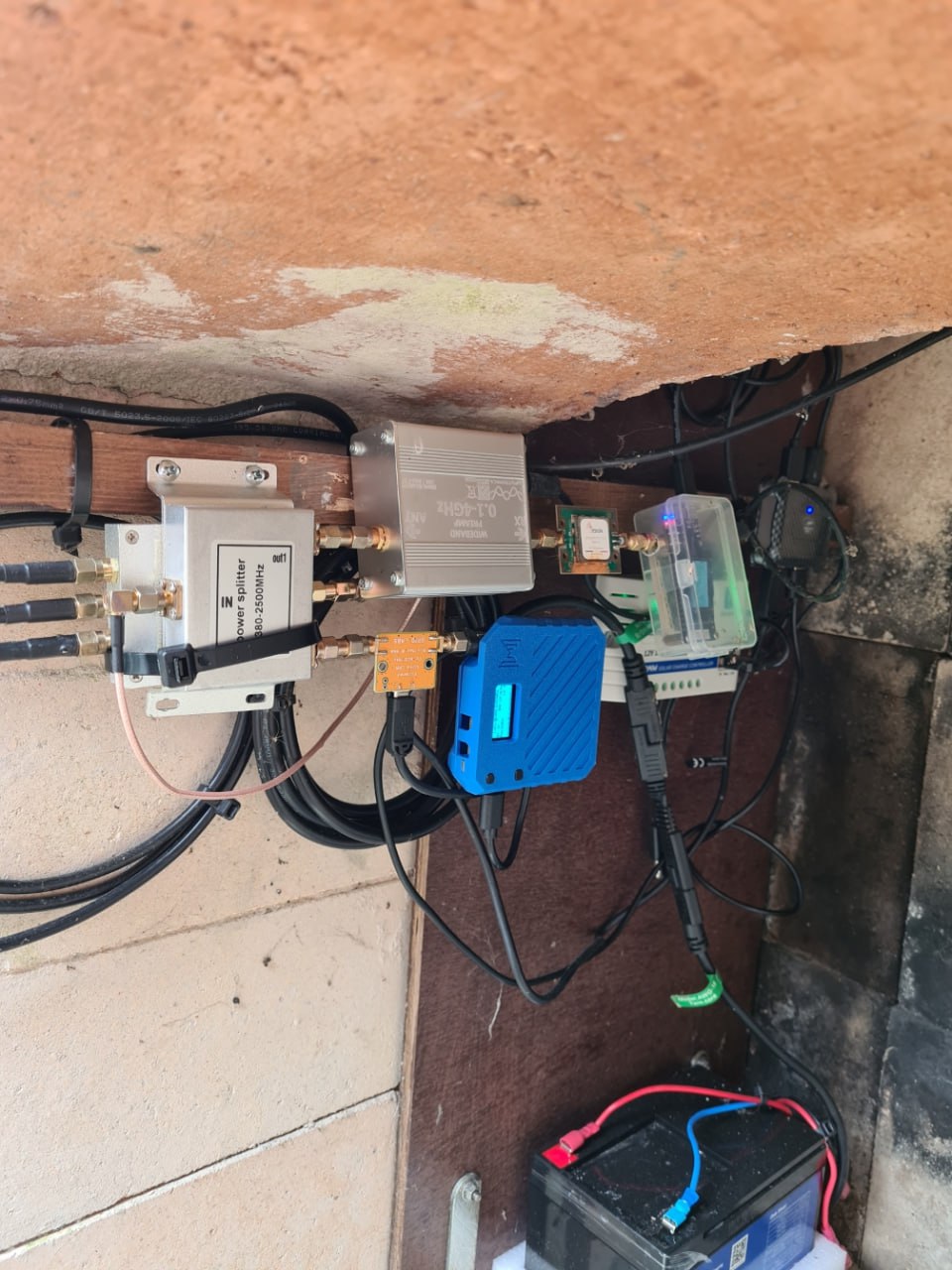
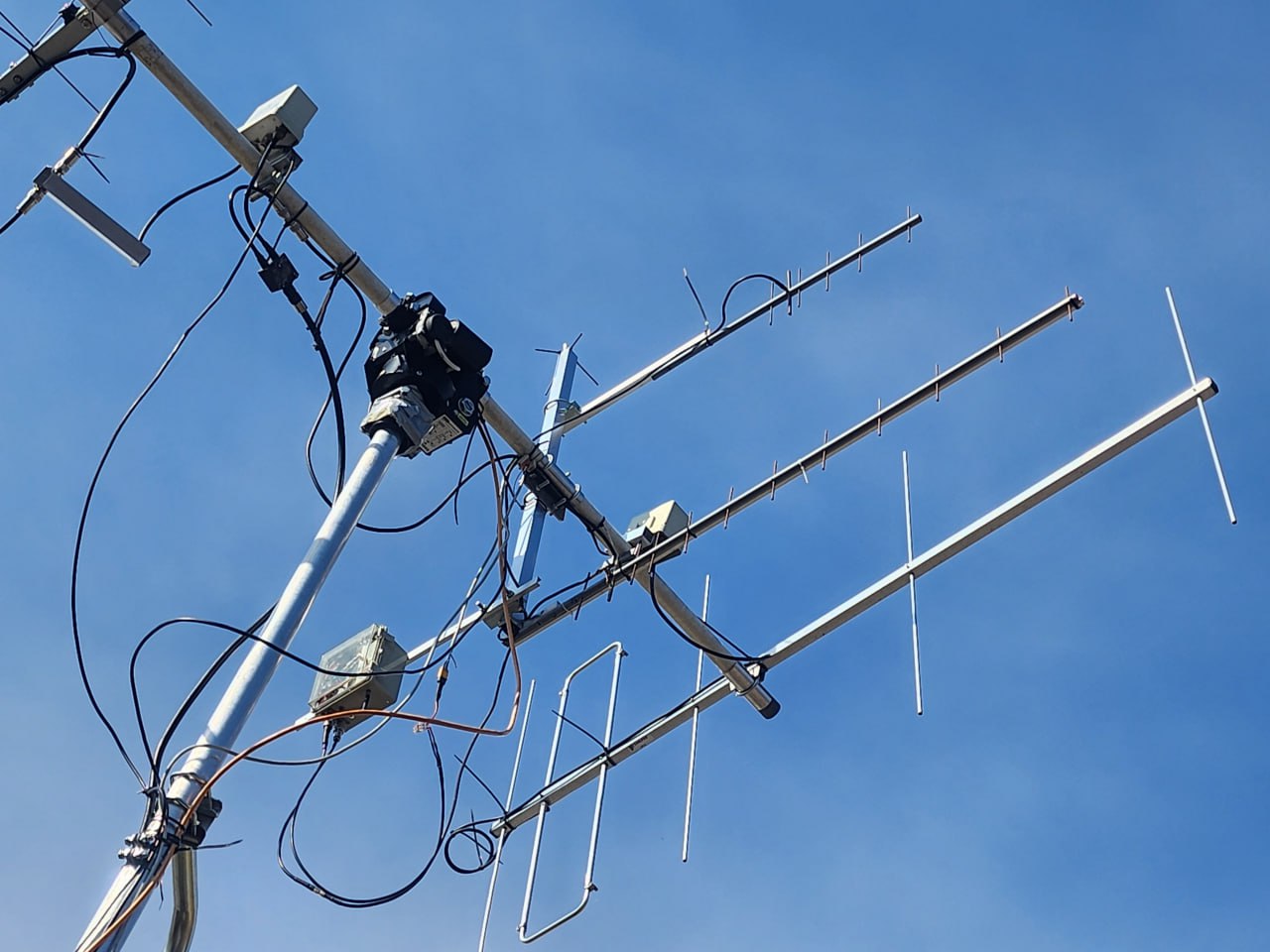
- F21467 asked about the possibility of receiving packets at 915MHz via the OCL-1 satellite and mentioned running a test station with a 915MHz filter. They shared a photo of their setup, which includes two stations coupled to three antennas for testing purposes. 🔗
- Stefan/OE6ISP discussed the technical challenges of receiving signals in the busy 800MHz LoRaWAN band in the EU, where strong terrestrial signals can interfere with automatic gain control. He shared that he is experimenting with fixed gain settings and found that using a SAW filter significantly improves performance, although it cannot eliminate interference on the exact same frequency. 🔗
Share your setup
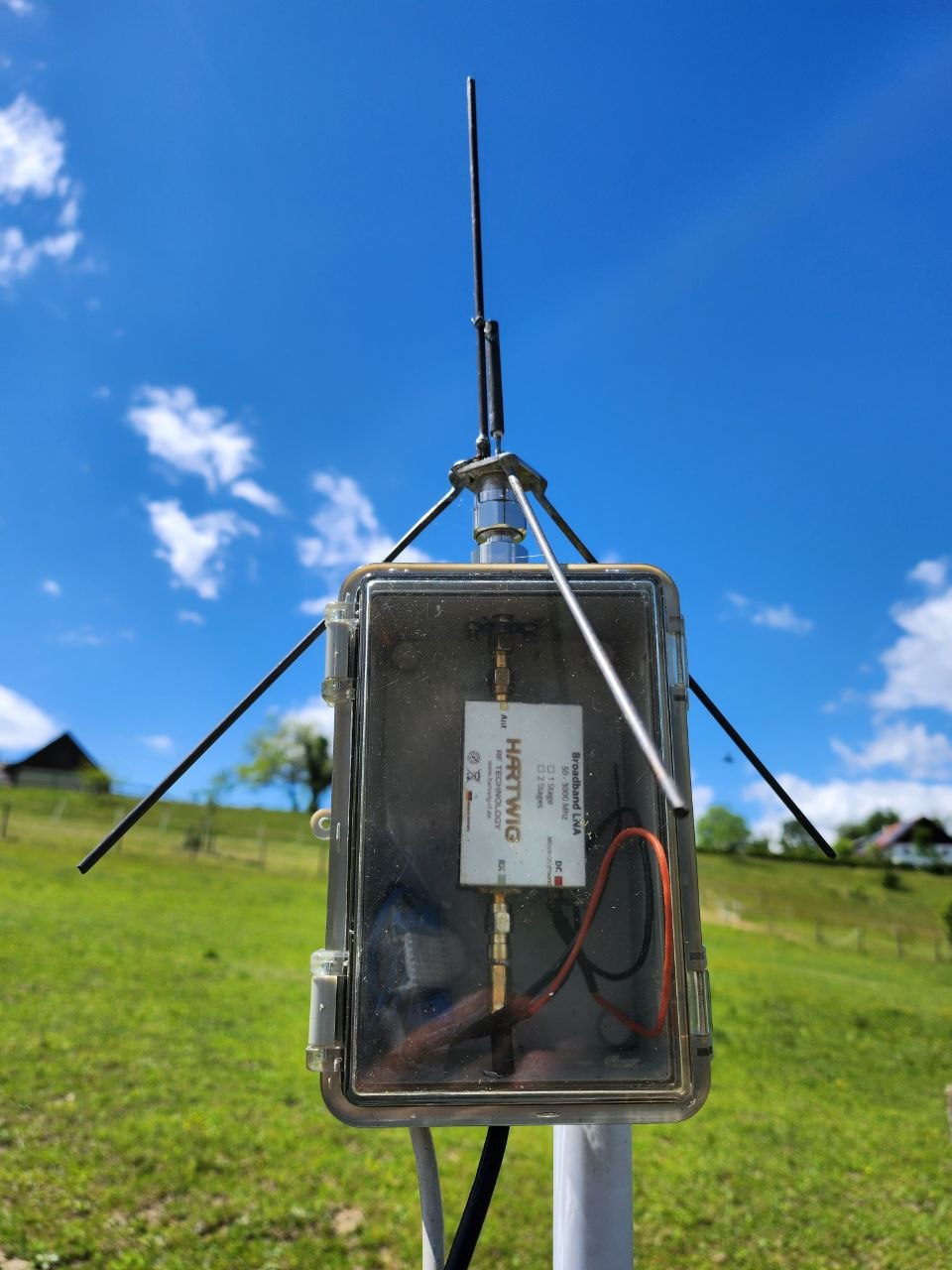
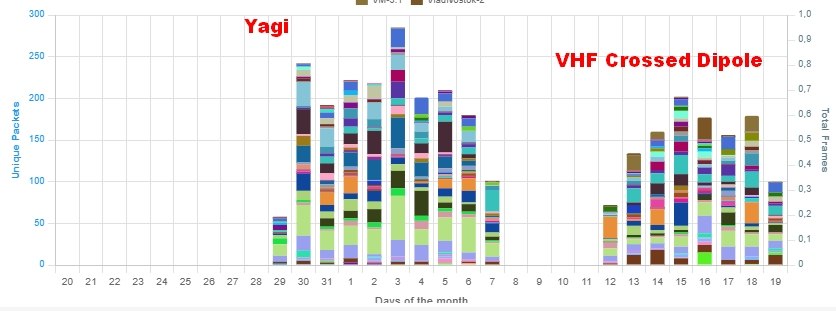
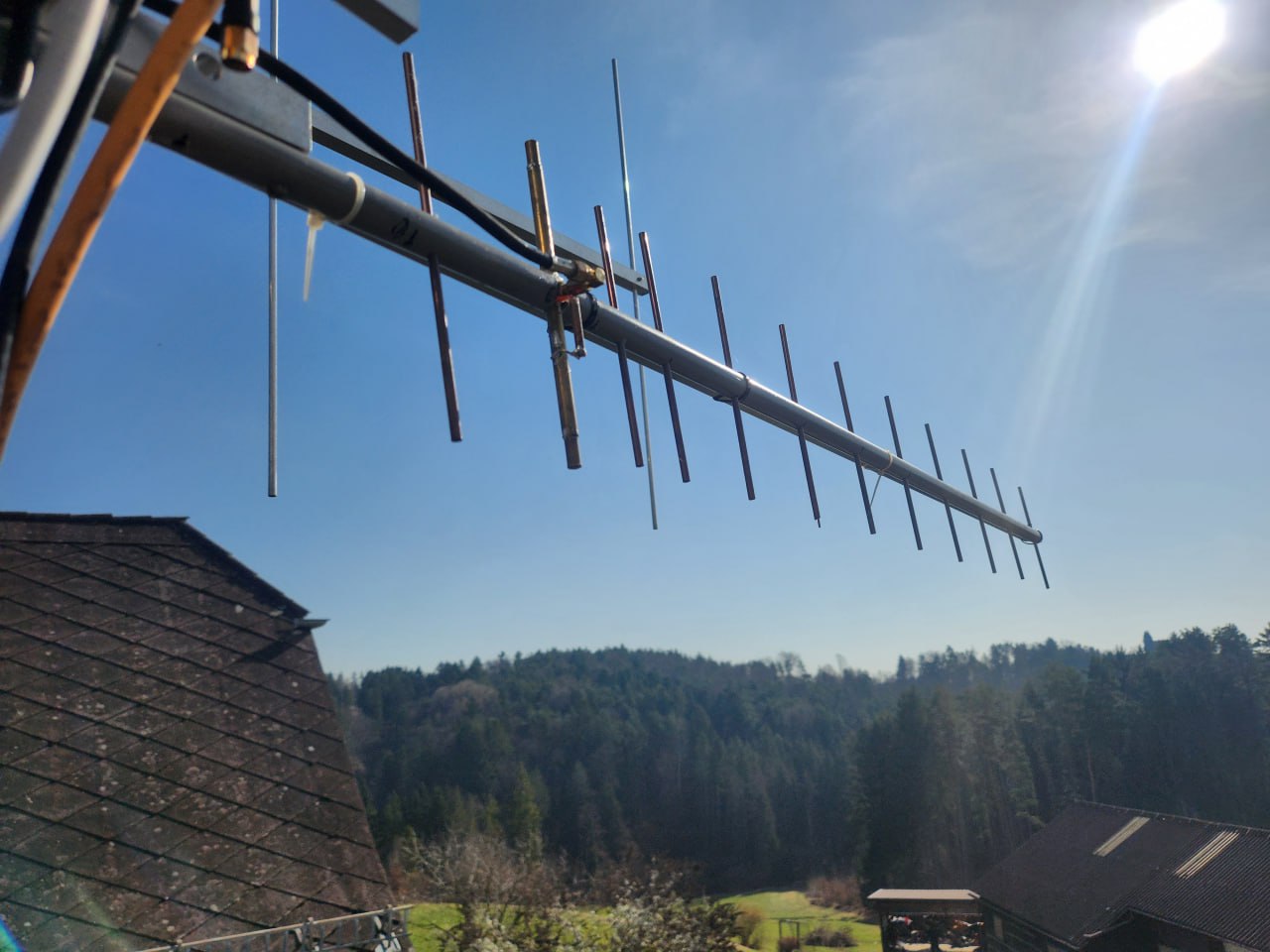
- Stefan/OE6ISP shared a detailed rebuild and improvement of their 800/900MHz station after winter maintenance. The setup includes a 12-element Yagi antenna, a Hartwig-RF preamp and filter, a Lilygo TTGO T-Beam board, and an AlfaSpid rotator controlled by SatPC32. They are running a custom-adapted TinyGS client optimized for the ConnectaIoT cluster and shared several photos of the hardware. 🔗
https://app.tinygs.com/station/OE6ISP_868_1@1760298214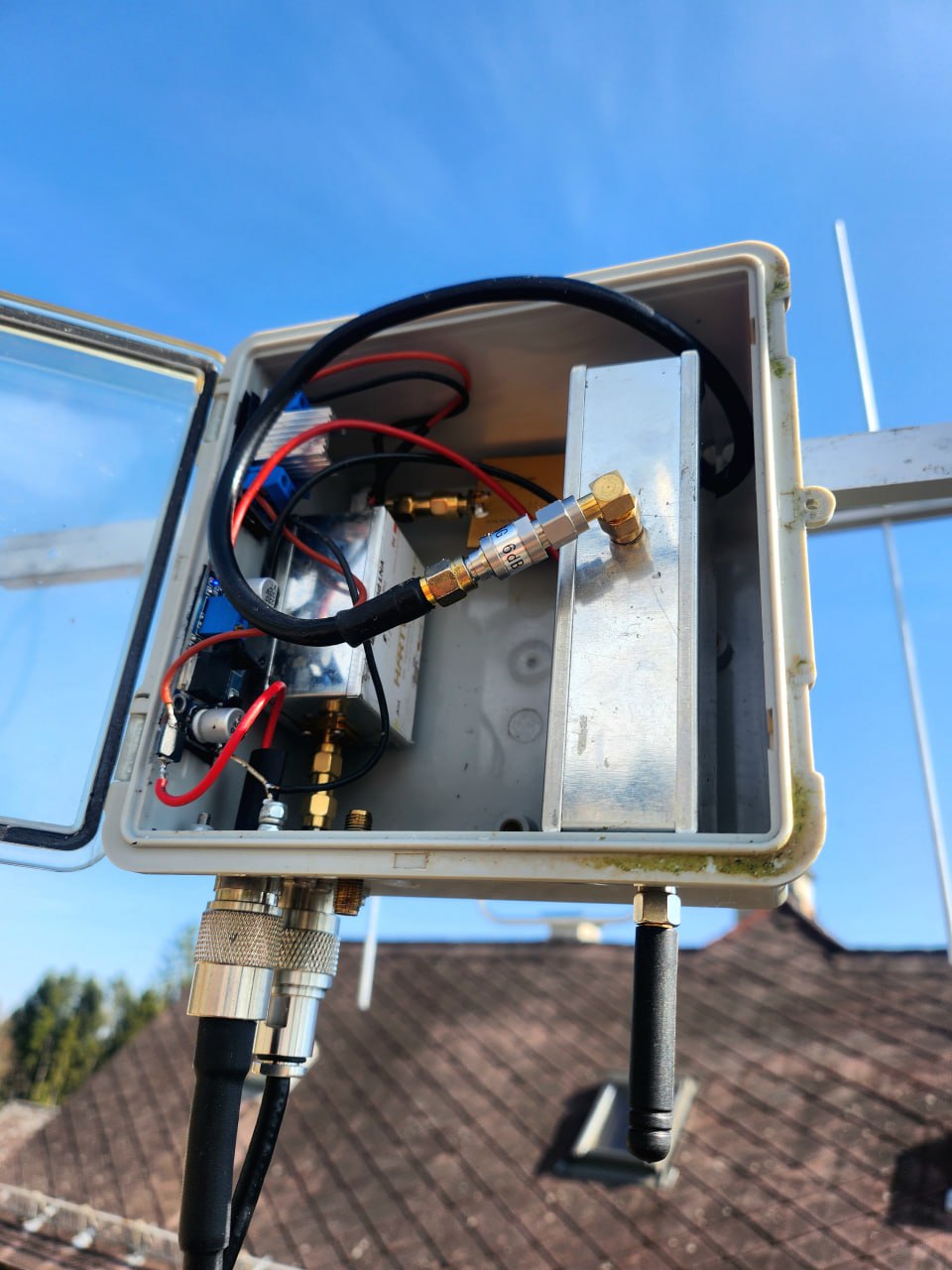
Antenna Building
- omuoto asked if anyone in the community has a ground station setup capable of supporting both transmission and reception in the UHF 399-402MHz frequency range. 🔗
- K4KDR noted that many TinyGS devices use the SX1278 module, which covers the 137 MHz to 525 MHz range, making the 400 MHz commercial satellite band readily available for decoding a number of satellites. 🔗
Balloons
- Aleksander asked about the practical maximum packet size for a planned balloon mission using TinyGS exclusively for telemetry. The community responded that LoRa has a 255-byte limit and advised using packets shorter than the maximum to avoid long airtime, which can lead to unstable downlinks due to RSSI changes from a moving antenna. Later in the week, Aleksander asked the community for insights on successful designs and implementations from other operators to base a new design on proven solutions. 🔗

- Stefan/OE6ISP provided a link to a LoRa calculator tool in response to a question about sensible packet transmission intervals and baudrate for a 1W system on the 915MHz band. 🔗
https://www.semtech.com/design-support/lora-calculator
Announcements
- G4lile0 announced a maintenance window for the systems, noting they would be temporarily unavailable. A follow-up message indicated that services were restored on a temporary server, with further maintenance expected. 🔗
Featured Conversations
- The community engaged in detailed troubleshooting of persistent technical issues, including station frequency offsets, autotuning anomalies, and a significant drop in FSK packet reception, with developers actively working on firmware updates and promising investigations into the root causes.
- Discussions highlighted the expansion of hardware compatibility, with inquiries about integrating the LLCC68 radio module and recommendations for the Heltec V3 433MHz board as the optimal, affordable choice for new builders, especially for workshops.
- Members explored the challenges of receiving signals in crowded frequency bands, particularly the 800-860MHz LoRaWAN spectrum, where terrestrial interference can severely impact satellite packet decoding, leading to discussions on mitigation strategies like SAW filters and directive antennas.
- Planning for future missions was a key theme, with questions about receiving 915MHz packets from upcoming satellites like OCL-1 and detailed technical exchanges on optimizing LoRa telemetry for balloon-based projects, including packet size limits and transmission parameters.
- The collaborative spirit was evident in the sharing of advanced station setups, such as a detailed rebuild featuring a high-gain Yagi and custom software, and in the exchange of raw I/Q data for community-led signal analysis in difficult RF environments.
Latest Cubesats News
【Communication Schedule】CW Beacon Activated! Tune in to 435.860MHz!
The Ten-Koh2 6U CubeSat has been successfully deployed from the HTV-X1 spacecraft. Its first downlink is a CW beacon transmitting on the frequency 435.860 MHz. The satellite also features transponder and experimental downlinks on other designated UHF and SHF bands. Amateur radio operators have already reported receiving the initial beacon signal from the satellite.
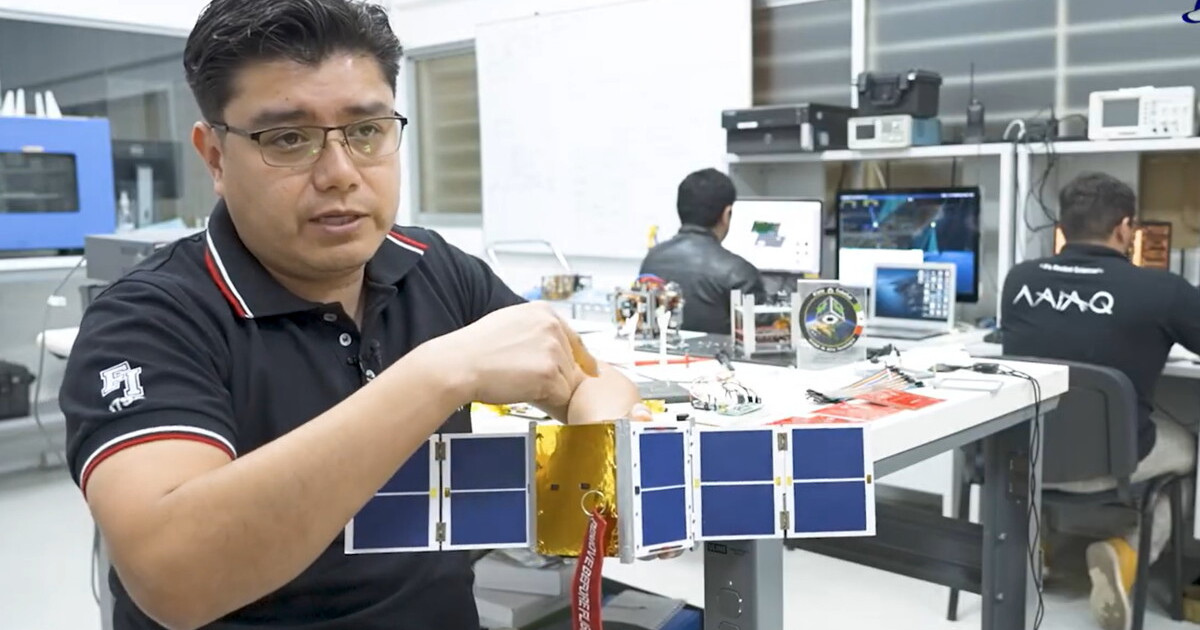
What is K’OTO and What Will Be the Benefits of This Nanosatellite Developed by UNAM…
The National Autonomous University of Mexico (UNAM) has developed the K’OTO nanosatellite for Earth observation and monitoring natural risks like volcanic activity. This CubeSat-standard device, weighing 1.3 kg, is designed to operate autonomously in low Earth orbit for 12-18 months. It is scheduled for launch to the International Space Station in December 2026 via the Japanese space agency JAXA. The project represents a foundational step for Mexico’s sovereign space technology and training of aerospace engineering specialists.
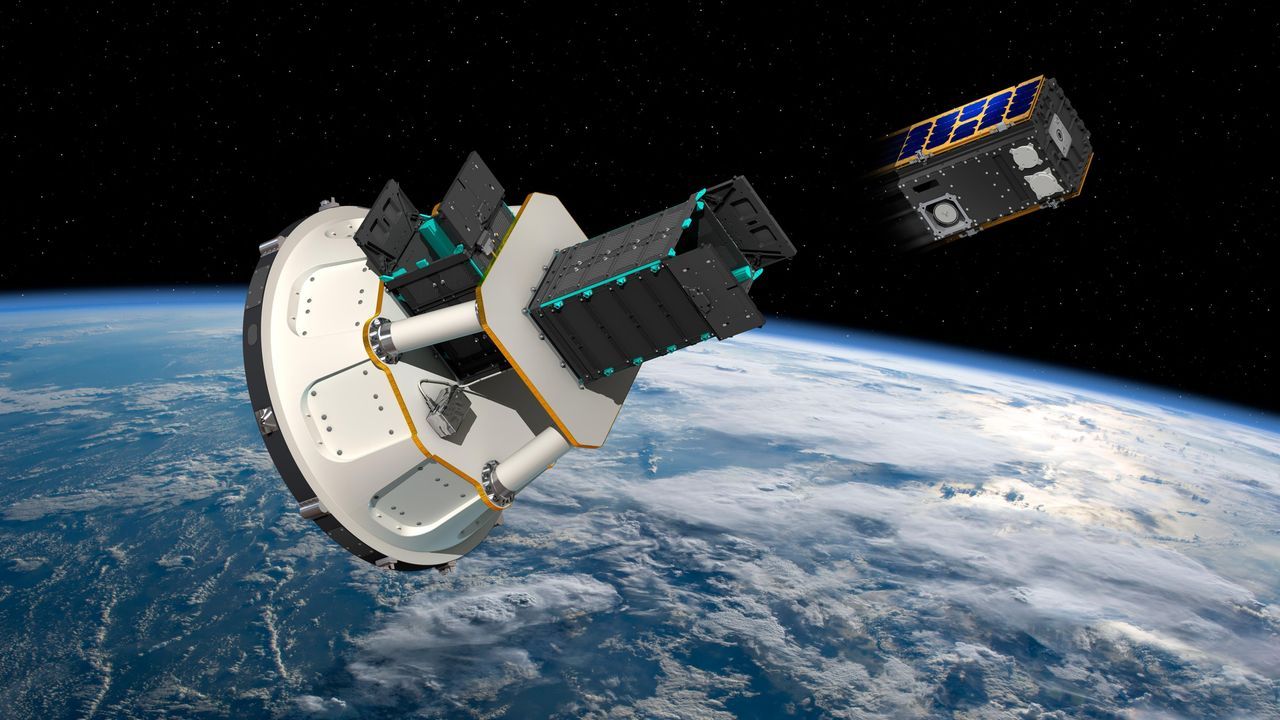
ESA Tests System That Solves Current Satellite Navigation Deficits
The ESA is testing an emergency rescue system that functions even when terrestrial networks fail. It allows users to send a simple distress message like “I’m here, I have a problem, come get me.” This addresses current gaps in satellite navigation and communication coverage. The technology ensures help can be summoned in remote or disrupted scenarios.

ASU-led SPARCS mission achieves ‘first light,’ marking the start of its science operations in orbit
The SPARCS CubeSat has captured its first ultraviolet images, confirming its instruments are operational for science. It will monitor ultraviolet radiation from common low-mass stars that often host Earth-sized planets. This data is crucial for assessing how stellar flares affect planetary atmospheres and potential habitability. The mission demonstrates high-impact astrophysics can be achieved with small, cost-effective satellites.
American company Planet Labs restricts access to its satellite imagery…
Planet Labs has imposed restrictions on real-time satellite imagery of the Middle East to prevent hostile actors from using it for tactical strikes. New operational images of the region with allied forces present will now be delayed by 14 days. The company, founded by ex-NASA employees, operates a constellation of over 200 CubeSat satellites called Doves. This network can image the entire Earth’s surface daily at a 3.5-meter resolution.

KMU ET-02 CubeSat Selected for Sixth Launch of Korea’s Nuri Rocket - Kookmin University News Broadcasting Agency
A CubeSat developed by Kookmin University and partners will launch on Korea’s Nuri rocket in mid-2027 to monitor forests and environmental changes. It will test an AI-based semantic communication system that analyzes and prioritizes data in orbit before transmission. This approach aims to reduce bandwidth use and speed up the delivery of critical information, especially for disaster response. The mission represents growing university-industry collaboration in Korea’s space sector and will validate the new communication technology in real space conditions.

The C3S Kft. RAVEN Satellite Project Has Begun!
The RAVEN CubeSat project, launched on March 5, is a Hungarian strategic initiative to demonstrate 5G Non-Terrestrial Network (NTN) technology in real space. It involves a consortium led by C3S Kft., with partners including Óbuda University and Molaris Kft., supported by ESA and the Hungarian government. The mission will test 5G/6G NTN communication from space, aiming to integrate terrestrial and satellite networks for coverage in remote areas and during disasters. The satellite is scheduled for launch in 2028, with in-orbit demonstrations to follow.
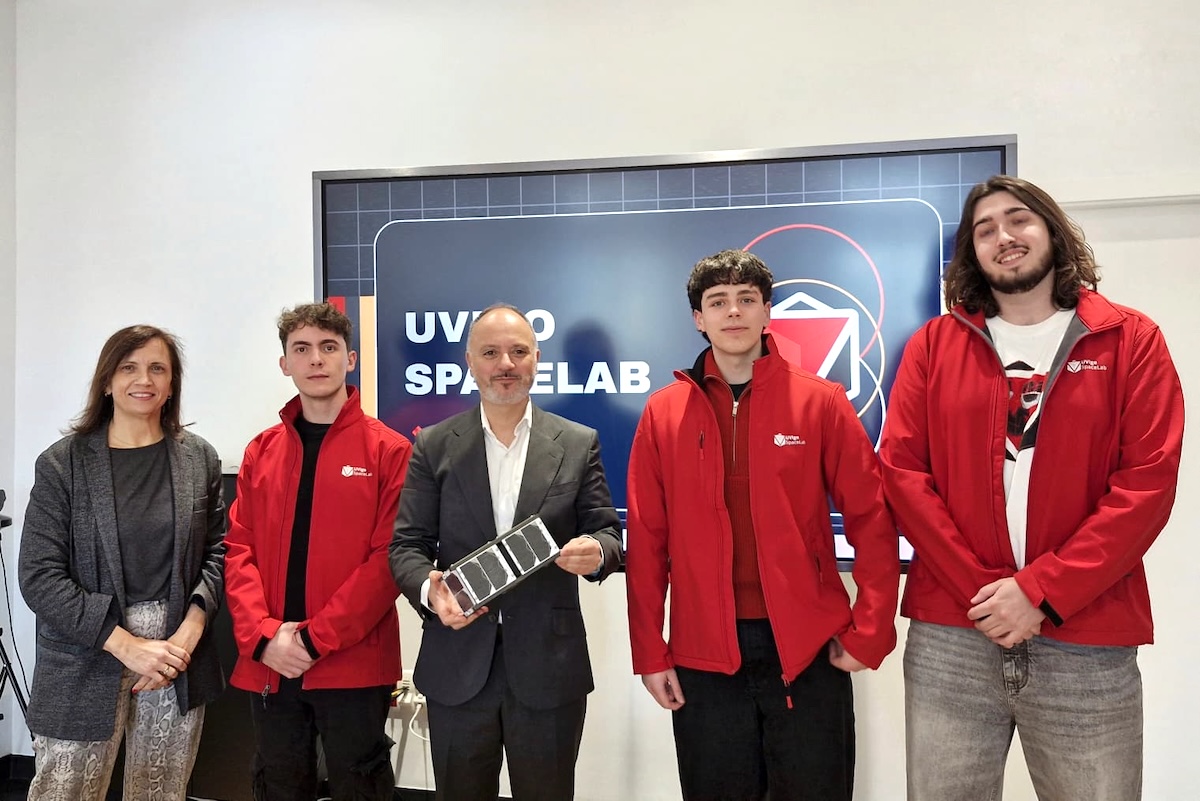
Final Stretch for BIXO, the Biological Mission of UVigo SpaceLab Supported by Zona Franca
The BIXO cubesat, designed by University of Vigo students, is nearly ready for its biological space mission. It will carry bacteria to study their behavior during a nine-month exposure to the space environment. As the smallest biological payload satellite to orbit, it will transmit data from 440 kilometers above Earth. The mission, launching from China, won an international competition and is supported by Zona Franca de Vigo.

NASA’s Artemis Program Opens a New Era of Scientific Discovery
NASA’s Artemis program aims to return astronauts to the Moon and establish a sustained scientific presence, beginning with the uncrewed Artemis I test in 2022. The upcoming Artemis II mission will send a crew around the Moon to test systems for future lunar landings and deeper space exploration. The program is structured as a multi-phase campaign to enable long-term research, develop technologies for Mars, and launch advanced observatories. Scientists highlight the Moon’s value as a preserved record of the early solar system and a testing ground for researching planetary formation and potential signs of life.

NASA’s DART created history by altering orbit of asteroid Didymos around the Sun - Starlust
NASA’s DART mission successfully altered the orbit of the binary asteroid system Didymos and Dimorphos around the Sun. The 2022 kinetic impact changed the system’s 770-day solar orbit by a fraction of a second, validating the technique for planetary defense. Debris from the impact doubled the force, also shortening Dimorphos’ orbit around Didymos by 33 minutes. This marks the first time humanity has measurably changed a celestial body’s path.
What’s next
Join the TinyGS Telegram channel to participate in these technical discussions and contribute to the project. Your experiences, data, and insights are invaluable for helping the community build better stations and understand the challenges of satellite tracking!