· TinyGS Community · 11 min read
Weekly Newsletter - March 8, 2026
Welcome to the TinyGS weekly community newsletter. This week, the community engaged in deep discussions on station performance optimization, troubleshooting technical issues, and exploring new firmware and hardware possibilities. From analyzing packet decode rates to clarifying system behaviors and sharing project updates, here's a summary of the most relevant conversations from March 1-8, 2026.
Highlights
General
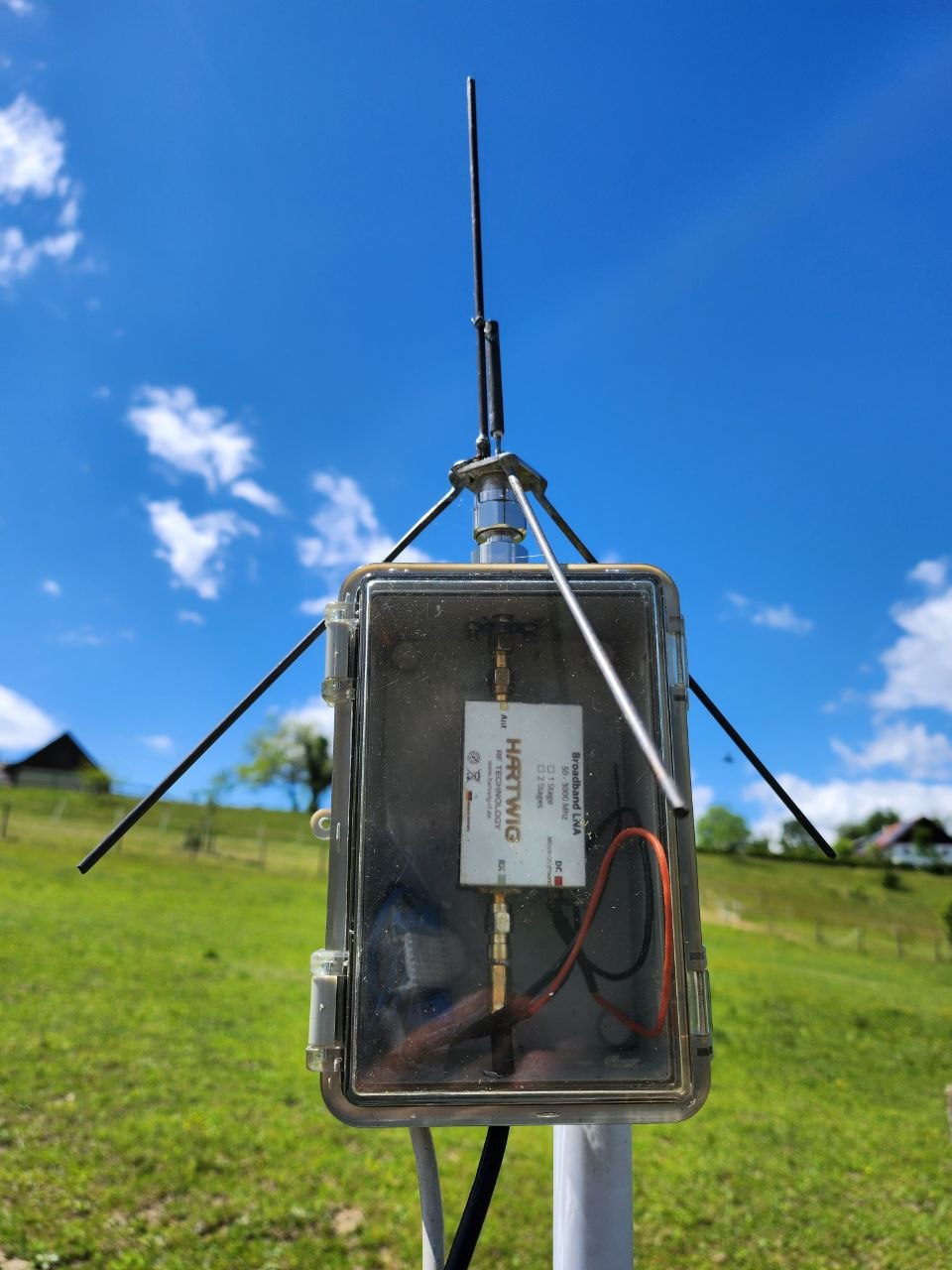
- arbitraryuser asked what would be considered a good, bad, or ugly 24-hour packet decode count for a station, reporting over 800 decodes with a hastily placed UHF dipole magmount on the roof and inquiring how much better it could get with a proper quarter-wave ground plane antenna. 🔗
- Stefan/OE6ISP provided a detailed analysis, stating that 800 is already a very good packet count and that a quarter-wave ground plane might offer similar performance, with noise being a major limiting factor. Shared personal experience from a very quiet area, achieving up to 2500 decodes on one station with an average of 1200, using a Heltec V3 SX1262 board, a homemade GP antenna, a low-noise preamp, and a diplexer as a high-pass filter. Emphasized the unpredictable nature of RF, where reflections and interferences significantly impact performance, and noted that moving a station by just 4 meters could cost 30% of packets. Recommended optimizing by building two identical stations and experimenting with position, amplifiers, filters, cables, and antennas, as performance can increase in unexpected configurations. Also cautioned that in rural environments, self-generated interference from devices like weather stations, WiFi APs, PCs, and PV plants is often the main source of noise. 🔗
- Carbexalide introduced OS3, a novel firmware architecture for constrained microcontrollers, designed around interrupts, events, and explicit state machines for deterministic behavior. The firmware integrates LoRa (SX126x) for telemetry experiments compatible with TinyGS and targets MCUs like the CH32V003, with a long-term goal of supporting CubeSat payloads and distributed ground stations. 🔗
- RedsLuc27 asked if someone knew how to make TinyGS work with the LLCC68 radio module. 🔗
- Peter suggested looking at a specific Thingiverse link for a potential solution or reference design related to the LLCC68 module. 🔗
https://thingiverse.com/thing:7308521
Technical Problems
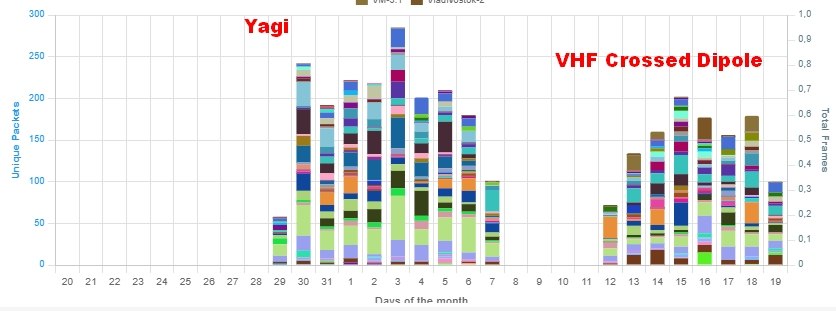
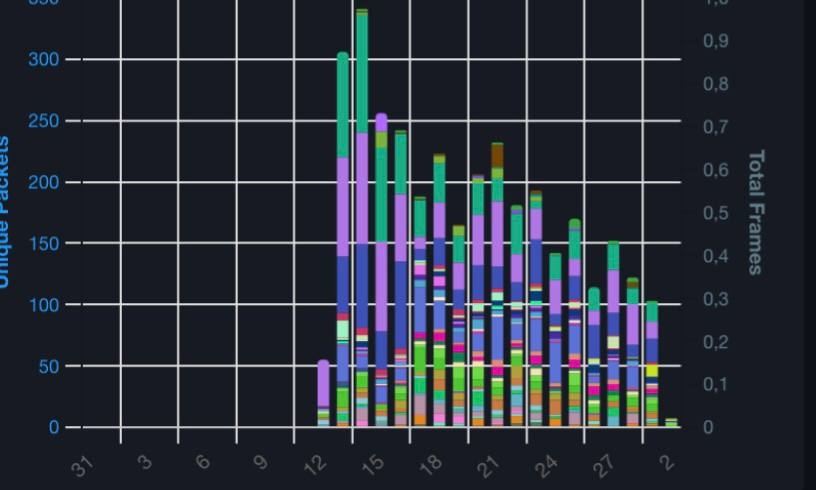
- KH1RU reported a significant loss of packets over several days and shared an image of the data. After checking cables and connectors, they found the noise floor had spiked to -55 dBm but returned to -120 dBm after multiple reboots. They suspected possible interference and planned to check with an RF spectrum analyzer. The discussion included suggestions about potential water ingress in cables and the variable nature of packet reception due to orbital dynamics and local RF conditions. Another member noted that recent image transmissions from Geoscan satellites over certain regions might have caused temporary peaks affecting perceived ‘normal’ rates. 🔗
- Stefan/OE6ISP provided detailed feedback on the AutoTune Priority Configuration tool, noting that when LoRa mode was set to high priority and Tianqi to low, the low priority setting was completely overridden. They found the behavior counter-intuitive, expecting more selective settings to be stronger. The discussion clarified that the system uses a complex server-side weighting logic where tags from different categories are combined, and the ‘Blocked’ category remains an absolute override. Future improvements, including a feature to define specific sky zones for reception to avoid physical obstructions, were also announced. 🔗
- Stefan/OE6ISP reported an unusual autotune behavior where the station remained on a previous channel (c-4) instead of switching to the correct one (c-2) for an upcoming satellite pass, causing it to be off-frequency. He shared screenshots of the event and noted that a few minutes later, the switching between other channels (c-11 to c1) worked as expected. 🔗
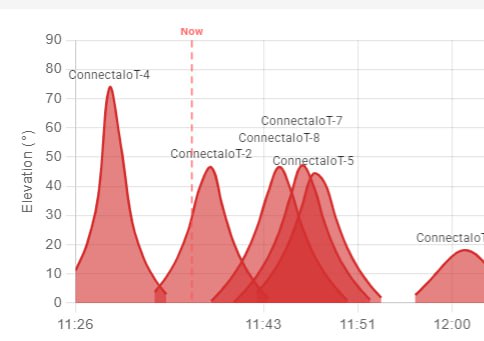

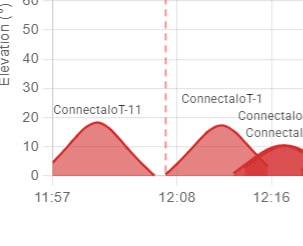

- Francis reported that the satellite tracking data section on the web interface was not populating despite receiving 600-800 packets daily and having correct coordinates. He shared a screenshot and Gerhard_Hickl confirmed having the same issue. Stefan/OE6ISP suggested it might be due to missing TLE data for some satellites like Tianqi, but Francis clarified that all satellites had the issue and no data was ever displayed. Stefan then asked about the firmware version and if manual tuning was enabled. 🔗
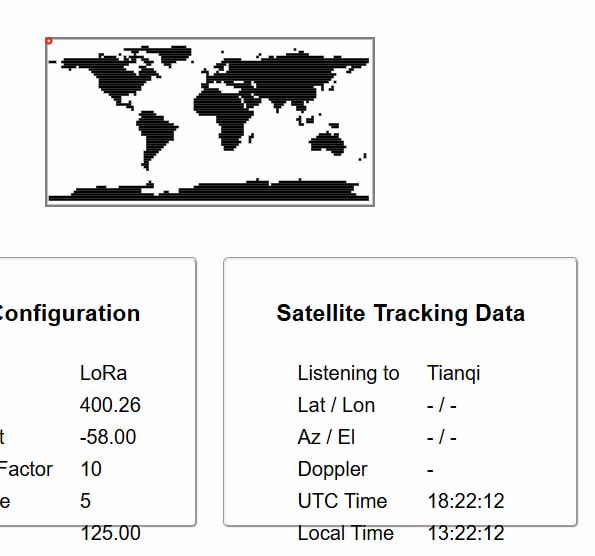
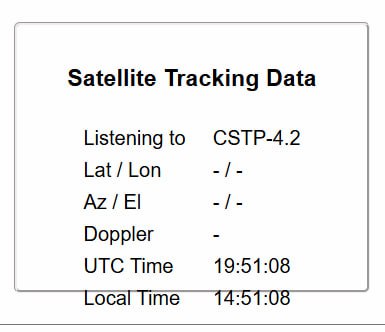
- G4lile0 clarified that for months, TLE data has only been pushed for FSK satellites and LoRa satellites over 868MHz, not for other LoRa satellites, making the lack of tracking data normal behavior for them. They also mentioned plans to increase the timing for pushing satellite positions to the ground station and develop new firmware to calculate positions locally without applying Doppler correction. 🔗
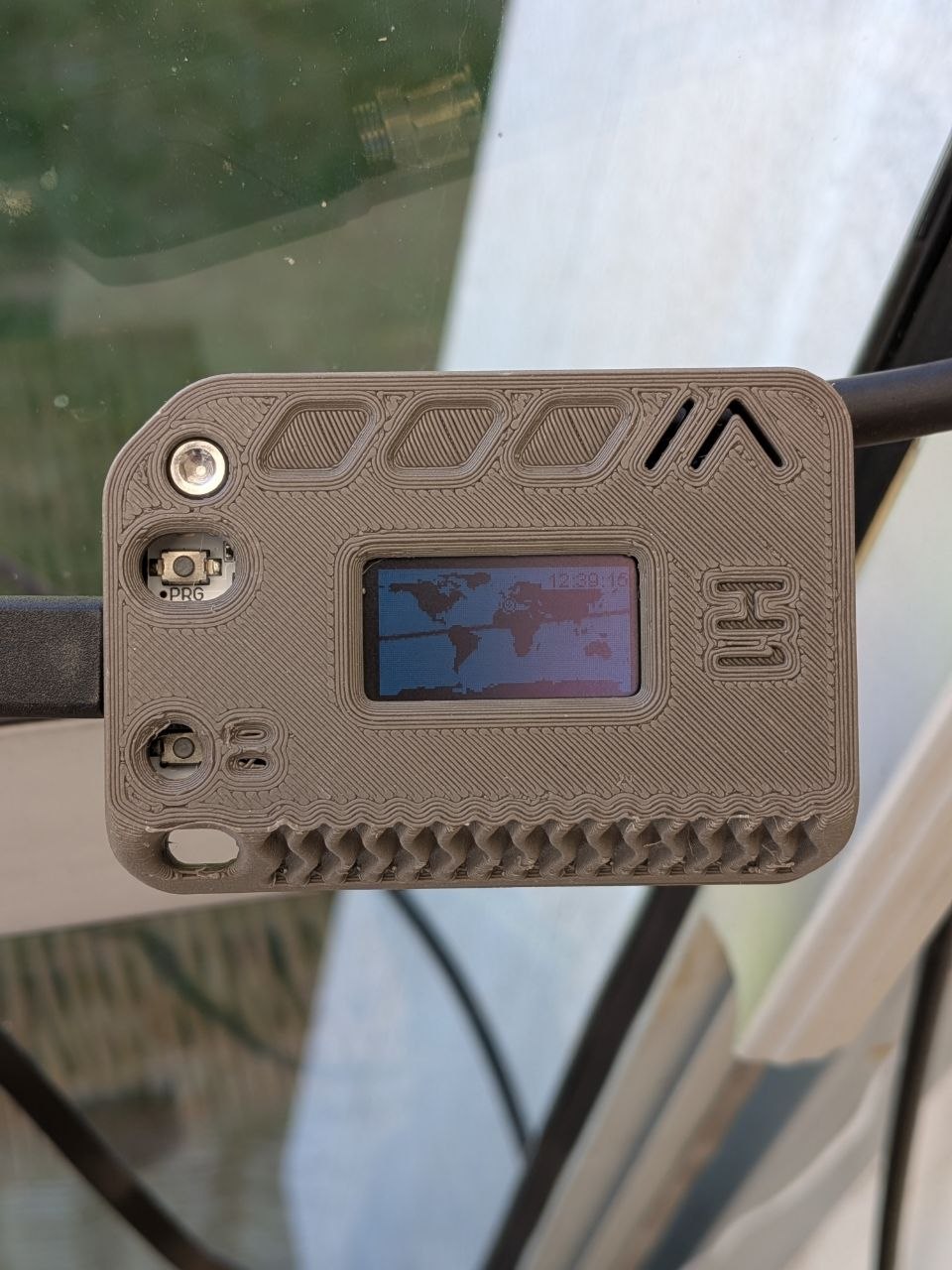
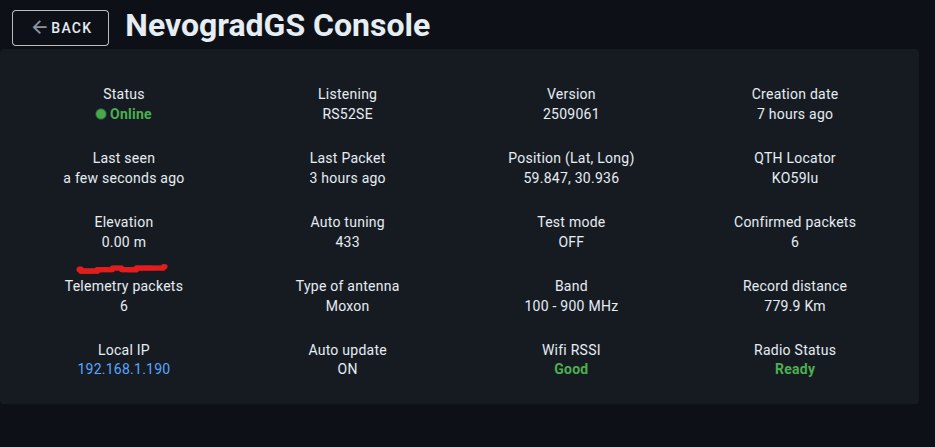
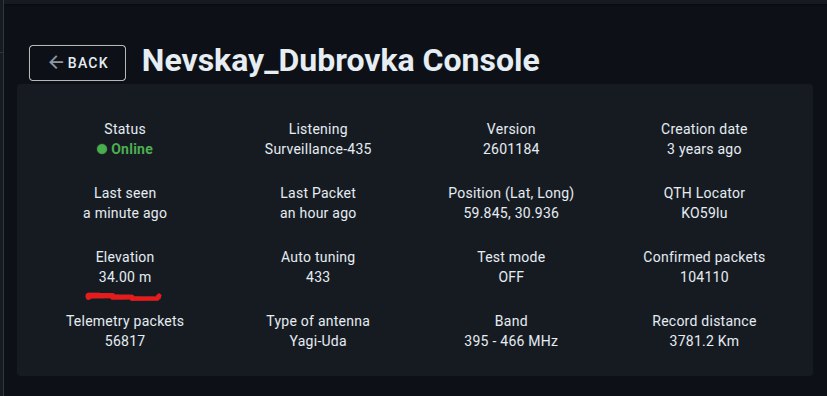
- Evan_Longin asked for help setting up elevation and later reported that the LAT/LON and AZ/EL data was missing or incorrect on the device panel, sometimes showing locations in Africa or Canada, while the website displayed correct data. Shared images of the interface discrepancies and noted that a neighbor’s node was functioning correctly. After a discussion about whether the station’s height (possibly derived from a river’s sea level) was the cause, it was concluded that a small error in elevation data from the database might not significantly impact satellite tracking. 🔗
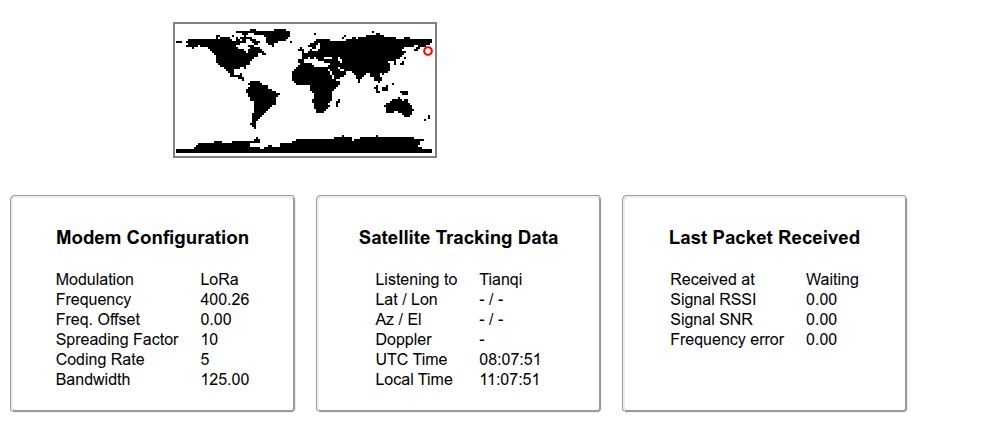
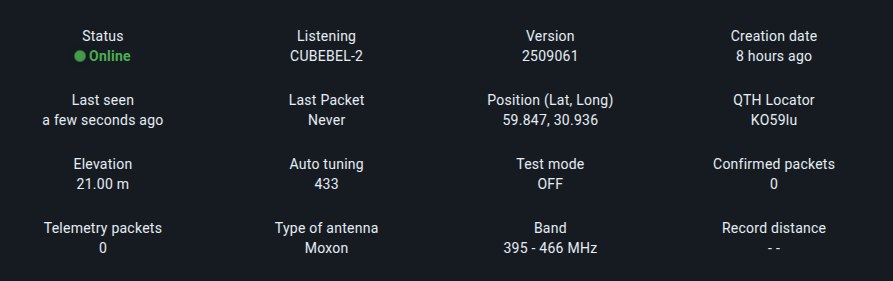
- Evan_Longin reported an issue where their station’s displayed time was incorrect despite being in the GMT+3 timezone and having a good online status with over 50 confirmed packets. They shared an image showing the discrepancy and noted the time resets to 03:00 after a restart. The community suggested checking the timezone and location settings, ensuring a stable connection to prevent chaotic restarts that can interfere with NTP time synchronization, and clarified that 03:00 likely represents 00:00 plus their configured timezone offset. The user concluded that if the server correctly receives packets, the timestamp might be corrected server-side, making the local station time display less critical. 🔗

Beta Firmware Testing
- N6RFM expressed great appreciation to the developers for fixing the ‘Load More’ feature and adding an export feature to the interface, remarking on how far the TinyGS project has come since its early days. 🔗
- gmag11 thanked N6RFM for the feedback and for reporting the issue. 🔗
Balloons
- K4KDR shared progress on a project to fly LoRa transmitters via balloon, having done extensive research and construction over the past year. Mentioned being ready but awaiting the right conditions for launches. Noted that the TinyGS admin helped select LoRa parameters and, after providing a KSY file with telemetry fields, a dedicated object was created in the TinyGS system (K4KDR-11). Expressed readiness with all hardware and software, waiting for circumstances to align for launches, and wished others good luck with their projects. 🔗
https://app.tinygs.com/satellite/K4KDR-11
Share your setup
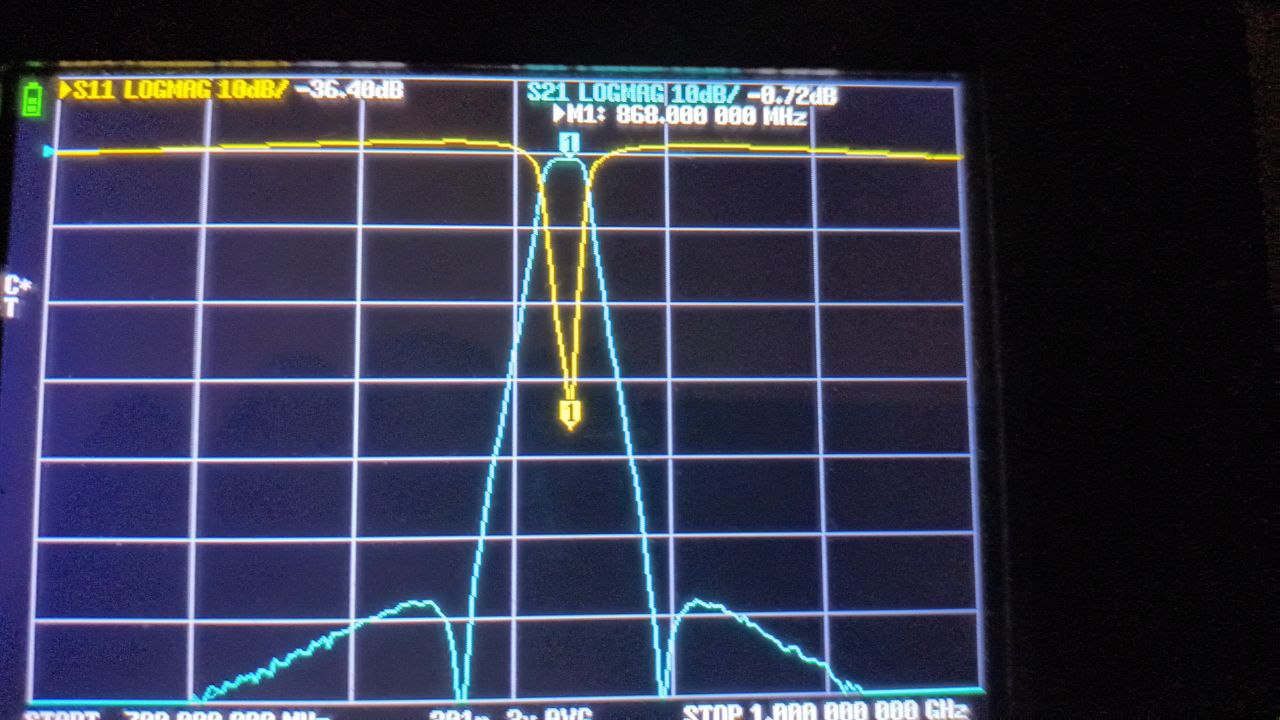
- Mire2022 shared a photo of a future 868 MHz upgrade for their station, noting it was not currently in use and might be installed in about ten days, though they expressed uncertainty about the timeline. 🔗
Featured Conversations
- The community engaged in a detailed analysis of station performance, discussing factors like antenna types, RF noise, and environmental interference that influence packet decode rates, with experienced operators sharing optimization strategies and the importance of systematic testing.
- Several technical issues were collaboratively troubleshooted, including packet loss due to noise floor spikes, anomalies in the autotune system’s channel switching, and discrepancies in the web interface’s tracking data display, leading to clarifications on normal system behavior.
- A member introduced OS3, a novel deterministic firmware architecture for resource-constrained microcontrollers, aimed at future CubeSat payloads and compatible with TinyGS, showcasing ongoing innovation in the community’s software development.
- Progress was shared on a balloon-based LoRa transmitter project, highlighting the integration of custom telemetry into the TinyGS network and the collaborative support from project administrators for such experimental endeavors.
- Discussions covered hardware compatibility and upgrades, including inquiries about the LLCC68 radio module and showcases of new antenna setups, reflecting the community’s continuous efforts to expand and improve ground station capabilities.
Latest Cubesats News

PolySat Lab’s SAL-E Satellite to Launch From Vandenberg - Mustang News
A student-built CubeSat named SAL-E, honoring astronaut Sally Ride, is scheduled for launch on a SpaceX rocket from Vandenberg Space Force Base on March 29. The satellite carries two experimental payloads: a microchip for radiation sensing and a new radio communication device. Developed by Cal Poly’s PolySat Lab since 2023, the project provides undergraduate students with hands-on satellite engineering experience. This launch continues the lab’s legacy, having successfully sent 11 satellites to orbit since 2007, with alumni advancing to careers in major aerospace and technology firms.

Satellite Project Launched to Test 5G Connectivity from Space - Hungary Today
A Hungarian consortium has launched the RAVEN satellite project to test 5G Non-Terrestrial Network (NTN) technology from space. The 8U CubeSat, led by C3S Kft., will demonstrate the integration of terrestrial and satellite networks, targeting areas with limited coverage. The mission aims to support applications in remote regions, during disasters, and for future IoT and autonomous systems. The satellite is scheduled for launch in 2028, positioning Hungary as an active contributor to global 5G/6G NTN development.

Latin American CubeSat Workshop - News from UFSC
The Federal University of Santa Catarina (UFSC) will host the Latin American CubeSat Workshop in March 2026 in Florianópolis. This primary regional forum gathers researchers, engineers, and industry representatives to advance CubeSat and small satellite development. CubeSats are small, modular satellites enabling cost-effective access to space for universities and research centers. They play a strategic role in Earth observation, communications, environmental monitoring, and in-orbit technology experiments.
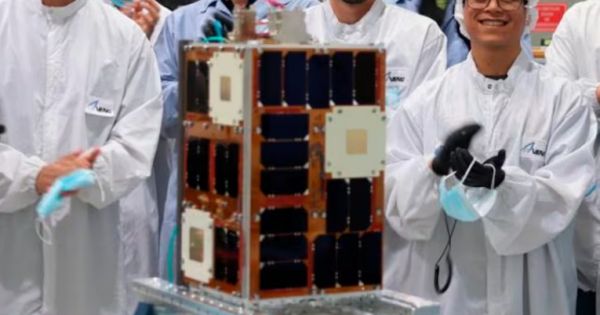
An Argentine CubeSat Heads to the Moon: Why NASA Added ATENEA to Artemis II
The Argentine nanosatellite ATENEA will fly aboard NASA’s Artemis II mission as a selected payload. It is a 12U CubeSat developed domestically to test technologies in deep space and mature Argentine-designed subsystems. The satellite will conduct GPS surveys in deep space, with its scientific data being made openly available internationally. Its inclusion represents a milestone for Argentine space engineering and a concrete U.S.-Argentina cooperation in lunar exploration.

How Seven Young Engineers Are Creating Uzbekistan’s First Satellite
A team of seven young engineers is developing Uzbekistan’s inaugural satellite. The project represents a significant step in the nation’s space technology ambitions. Details on the satellite’s specifications and launch timeline are not provided in this excerpt. The content is primarily administrative information for the Daryo media outlet.

The World’s First Private Space Telescope Finally Opened Its Eyes - They Showed What It Saw
The Mauve cubesat, launched in November, is the world’s first private space telescope designed to monitor stellar magnetic activity and eruptions. It features a small 13-centimeter telescope capable of observations in ultraviolet and visible light. Hungarian company C3S was the primary contractor, providing key subsystems including the structure, onboard computer, and power systems. The telescope has already collected its “first light” data by observing the bright star Alkaid for calibration.

Launch Date for ESA’s Celeste Confirmed
The first two Celeste LEO-PNT demonstration satellites are scheduled for launch no earlier than March 24 aboard a Rocket Lab Electron rocket from New Zealand. This mission will test next-generation technologies and new frequency bands to enhance Europe’s Galileo satellite navigation system. The satellites, developed by European consortia led by GMV and Thales Alenia Space, have completed testing and been declared flight-ready. The full demonstration constellation aims to provide a testbed for applications like autonomous vehicles and critical infrastructure, with a subsequent operational phase planned.

Women-Driven Rocketry Advances India’s Scientific Frontiers - Devdiscourse
Space Kidz India celebrated National Science Day 2026 with two successful rocket launches at Chennai’s Uthandi Beach. The event highlighted women in science, featuring a solid rocket designed by young girls and an indigenous electric rocket system. The organization also launched a high school satellite development curriculum called ‘CubeSat 101’ at DefSat 2026. These initiatives aim to empower women through hands-on scientific education and advance India’s technological development.

University partnership brings space research to life for school pupils
Whytrig Middle School partners with Northumbria University on a Royal Society-funded project to engage pupils in space science. Students visited the university’s lab to explore laser satellite communication, which transmits data far faster than radio. The project includes hands-on activities and career talks to inspire future STEM careers. It aims to build long-term links between schools and researchers, supporting the growing UK space sector.

Planetary Defense: How to Weigh an Asteroid Speeding at 22 km per Second?
Asteroid 2024 YR4 has a 4% chance of hitting the Moon in six years, presenting a 60-meter-wide target. Current radio tracking cannot measure the mass of such small objects, a critical unknown for deflection. A proposed solution involves a probe flying within 150 meters to detect minute gravitational speed changes. Precise mass measurement requires new laser telemetry and optical sensors, as traditional radio tracking is too slow for a 22 km/s encounter.
What’s next
Join the TinyGS Telegram channel to participate in these discussions and contribute to the project. Your experiences and insights can help others build, troubleshoot, and improve their satellite tracking stations!