· TinyGS Community · 11 min read
Weekly Newsletter - February 22, 2026
Welcome to the TinyGS weekly community newsletter. Here are the most relevant discussions and developments from this week, covering technical problem-solving, antenna design debates, station setup successes, and collaborative efforts to expand our satellite tracking capabilities.
Highlights
General
- Eric suggested an enhancement for the website map to allow layer selection by frequency band (e.g., 868-915 MHz) for both stations and satellites, and to filter alerts accordingly. Later in the week, Mike asked for clarification on the home page world map’s visualizations, specifically what the orange color indicates for stations within an expanding satellite ping circle—whether it signifies signal detection or actual packet reception. G4lile0 clarified that stations appearing green on the map are tuned to a different satellite than the one being viewed. 🔗
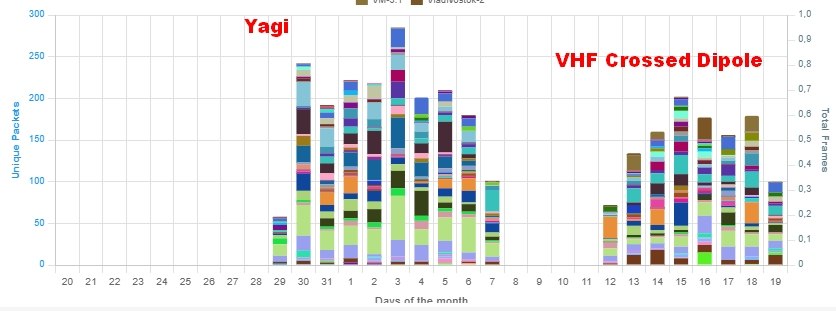
- jhedtmann initiated a detailed discussion on improving rotator systems for tracking antennas, specifically addressing the SPID rotator’s tendency to lose position. The conversation explored various sensor solutions for feedback, including compass modules, IMUs, and reed switches, and shared a link to a modification guide. Stefan/OE6ISP participated, sharing their own setup with a ground plane antenna on top of a yagi to reduce rotator stress and describing issues with the SPID rotator losing pulses. Later, jhedtmann shared a GitHub repository containing code for a rotator positioner, making it available for anyone interested in the project, which sparked an inquiry from KH1RU about developing an open-source version using servos and an ESP8266/ESP32 that connects via MQTT. 🔗
https://sp2zie.pl/index.php/per-radio-ad-astra-ii/137-modyfikacja-rotora-spid-ras
https://github.com/jhedtmann/RotatorPositioner - Stefan/OE6ISP described a method to write azimuth and elevation data into the board’s log, which is available at the USB port for controlling servos. He later clarified that he modified the firmware and shared a code example, noting that `log::debug` writes to USB-serial and that blank data might occur when tracking a satellite with missing TLEs. KH1RU followed up, inquiring about retrieving azimuth and elevation data via the console and whether the log and control panel output via the USB serial port. 🔗
https://t.me/c/1448773154/78484/169573
Technical Problems
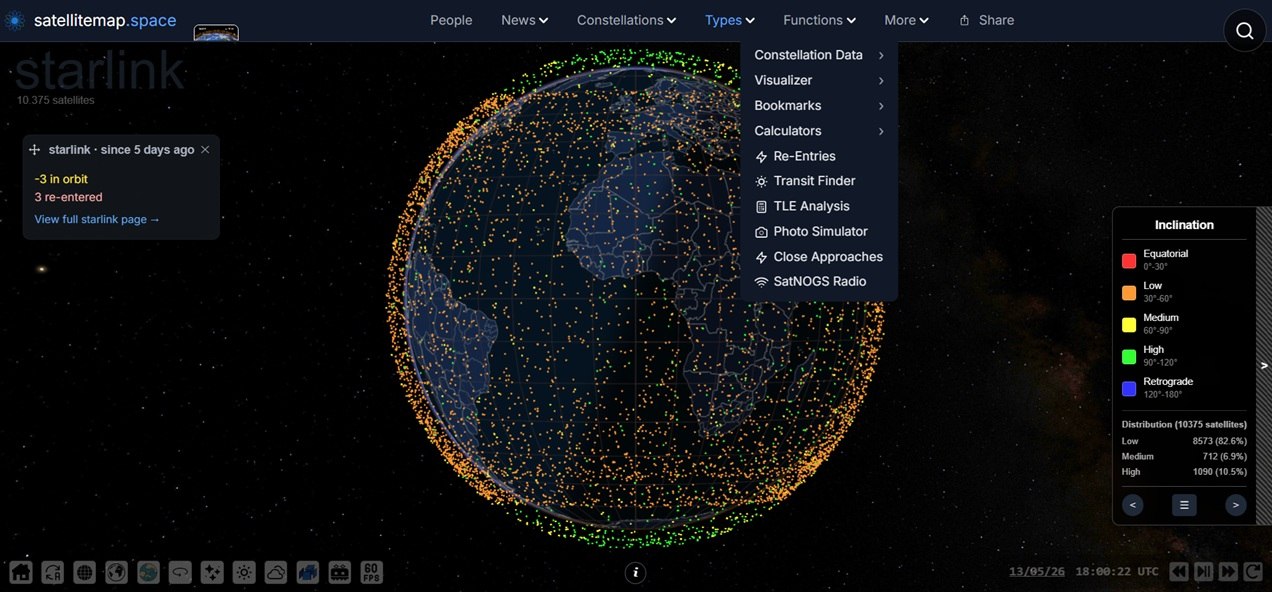
- thebaldgeek asked about forcing a new station to listen only to a specific UHF range (100-300 MHz) for Starlink 137 data, as it was defaulting to 400 MHz. They also inquired about the status of Starlink 137 tracking. After receiving guidance, they found the ‘Operate’ control screen to set the frequency range and expressed appreciation for the help. 🔗
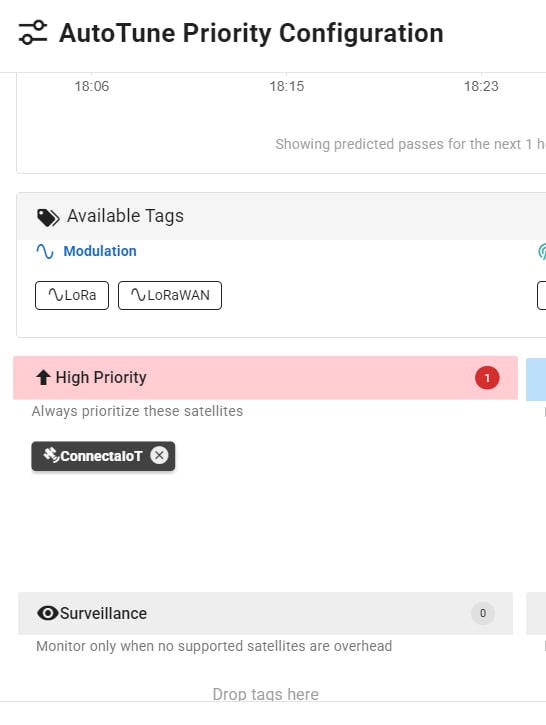
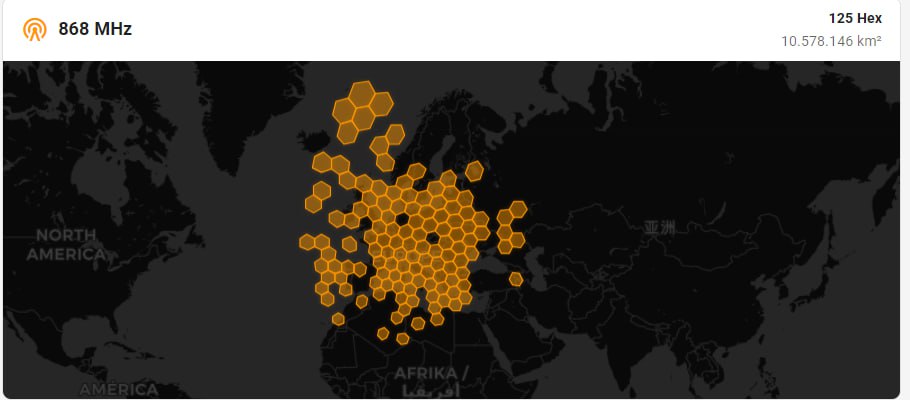
- ronnietucker reported never receiving a packet with a Heltec v3 (868 MHz) station in the UK, despite trying different antennas. After community feedback about limited 868 MHz satellite activity over Europe, they inquired about switching to a 443 MHz unit. Stefan/OE6ISP explained that the autotune algorithm is complex and suggested adding ConnectaIoT satellites to the high-priority category to improve tracking, sharing an image of their station’s footprint which showed limited 868 MHz satellite coverage over Europe. 🔗
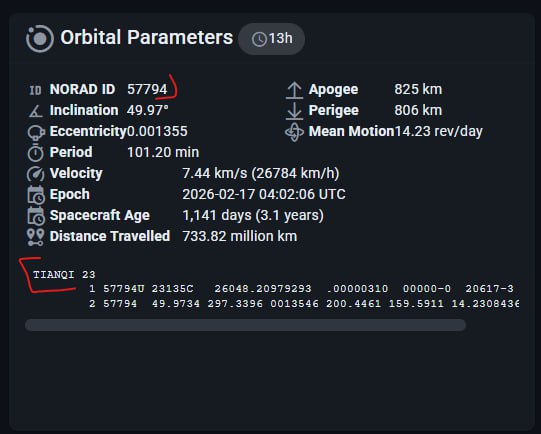
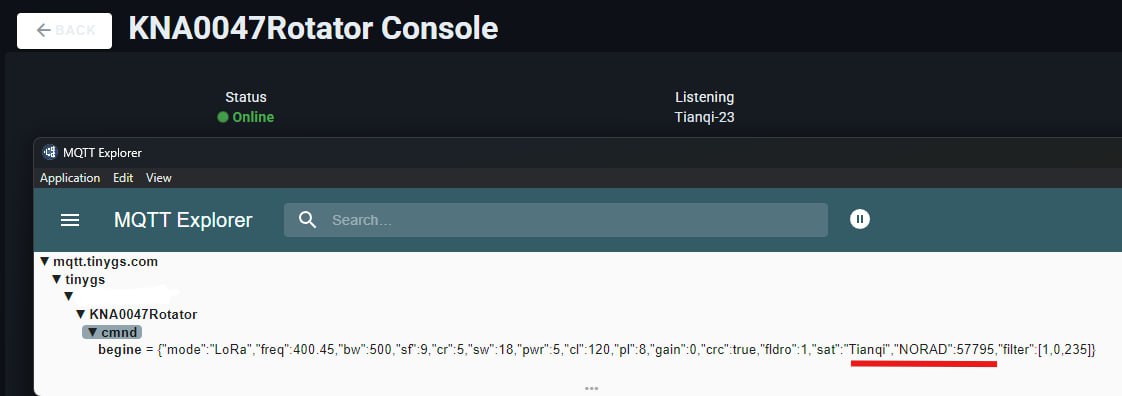
- Ancapcoon requested the addition of Tianqi-16, Tianqi-34, and MorSat-1 to the official TinyGS supported satellites API list and provided their TLEs. They also detailed discrepancies in the MQTT feed regarding Tianqi satellite identifiers and NORAD numbers, offering to compile a full table of corrections. 🔗
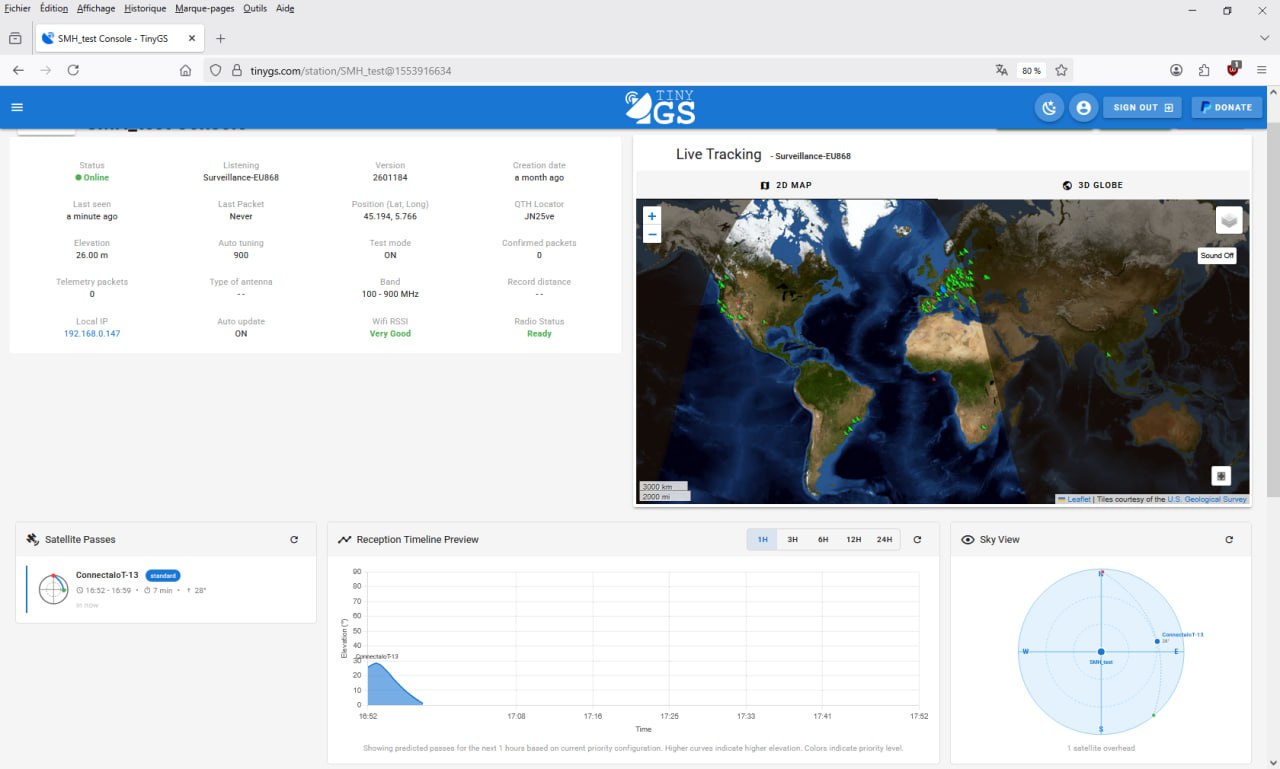
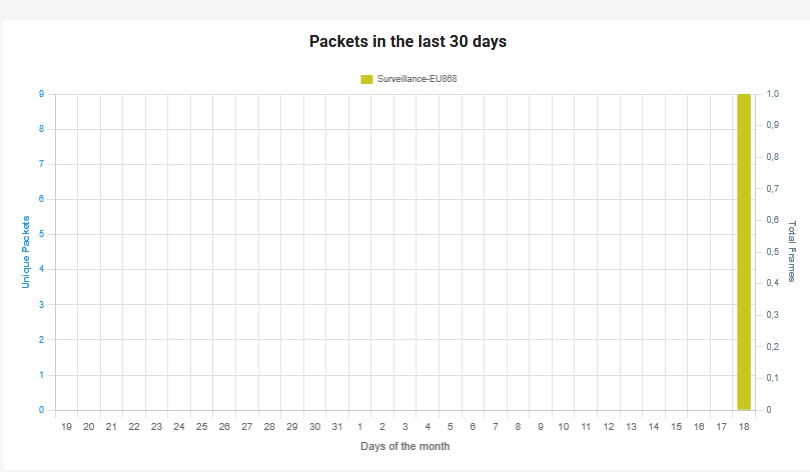
- Eric was testing on a balcony with an 868 MHz setup and questioned the tracking strategy, as their station was tracking a ‘Surveillance’ satellite instead of the visible ConnectaIoT-13. They shared a screenshot and later adjusted their base configuration to prioritize ConnectaIoT satellites to see if it would increase reception rates. Later in the week, they shared their first successful packets received on the 868 MHz band using a ground plane antenna, noting the challenges of starting on this higher frequency. They discussed antenna dimensions, a noise floor of -130.00, and plans to borrow a VNA for optimization, with community members providing advice on correct radiator length (approximately 83-85mm). 🔗
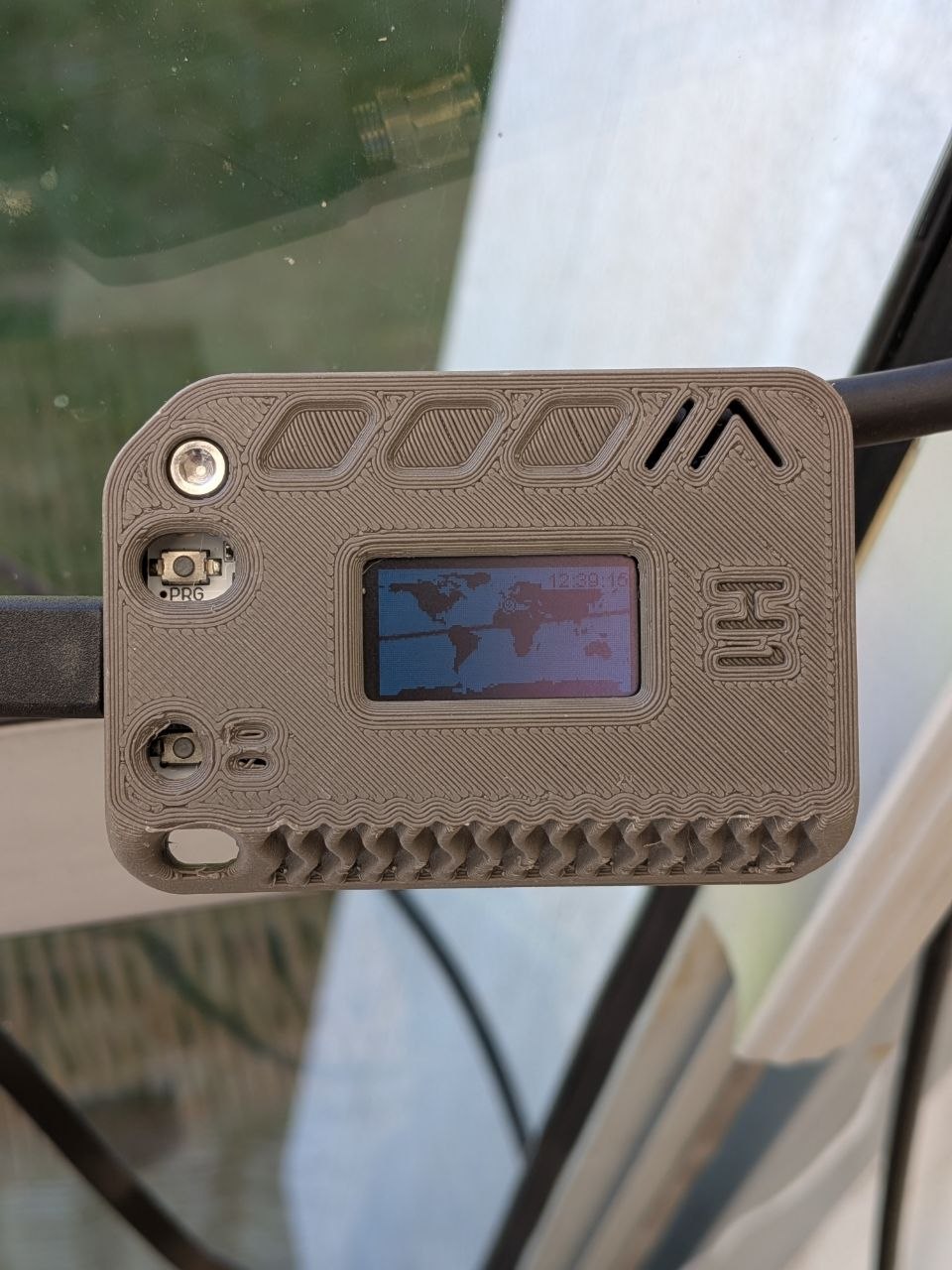
- ImTooTired was concerned about not receiving any packets despite changing satellites and worried they might have fried their antenna. They were using the stock antenna from a Heltec v3 433MHz LoRa board placed outside. Helmi advised that the stock antenna is ineffective and recommended building a Ground Plane antenna, providing a link to a resource. The user later reported receiving a packet with a very low RSSI and CRC error, and asked if building the antenna was possible without a VNA, to which Helmi provided a link for guidance. 🔗
https://t.me/c/1448773154/1/200338
Share your setup
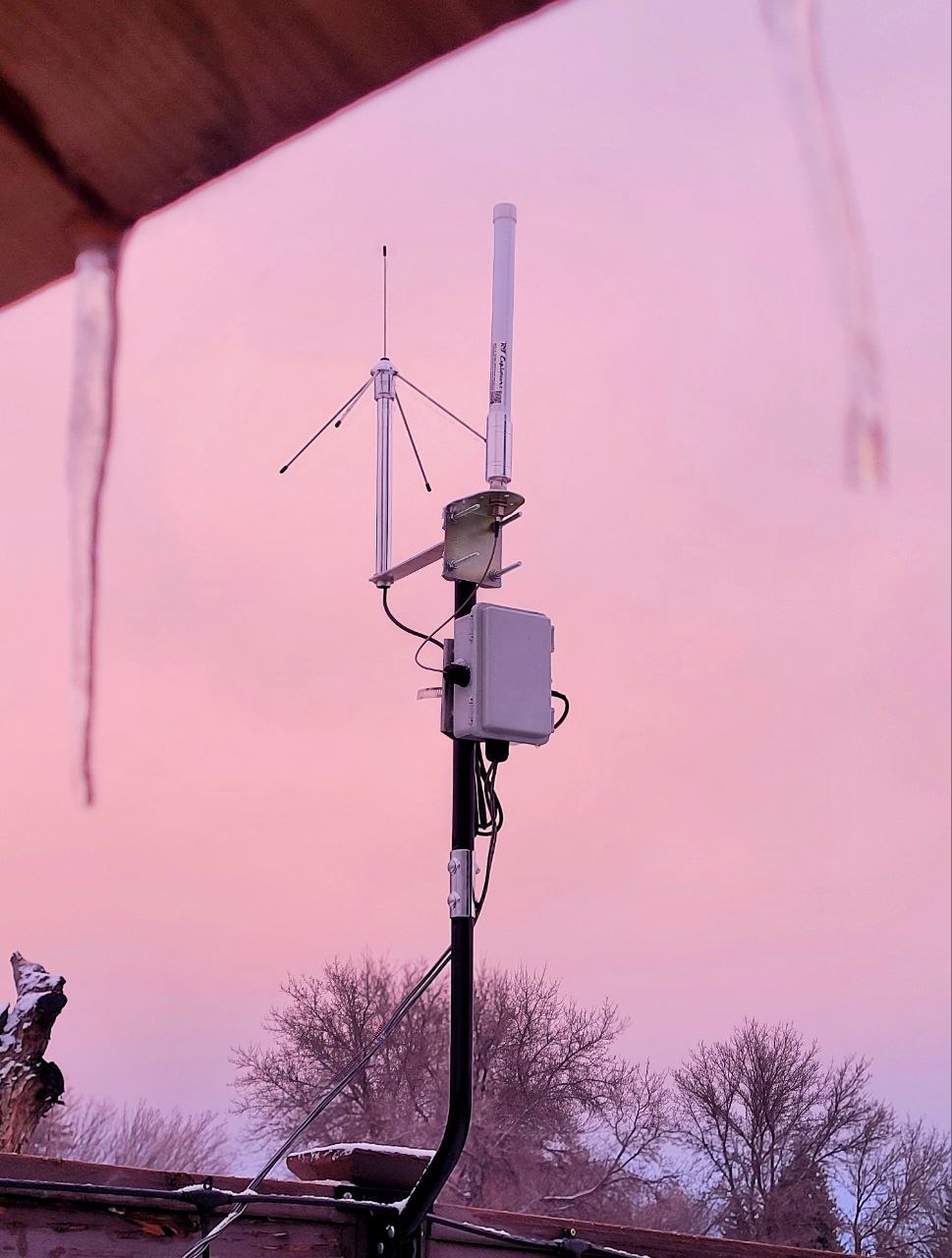
- Tactical_platypuss shared photos of their station setup, which includes a meshcore repeater with a fiberglass antenna. They explained that the station runs on consistent wall power rather than solar, aiming for reliability. 🔗
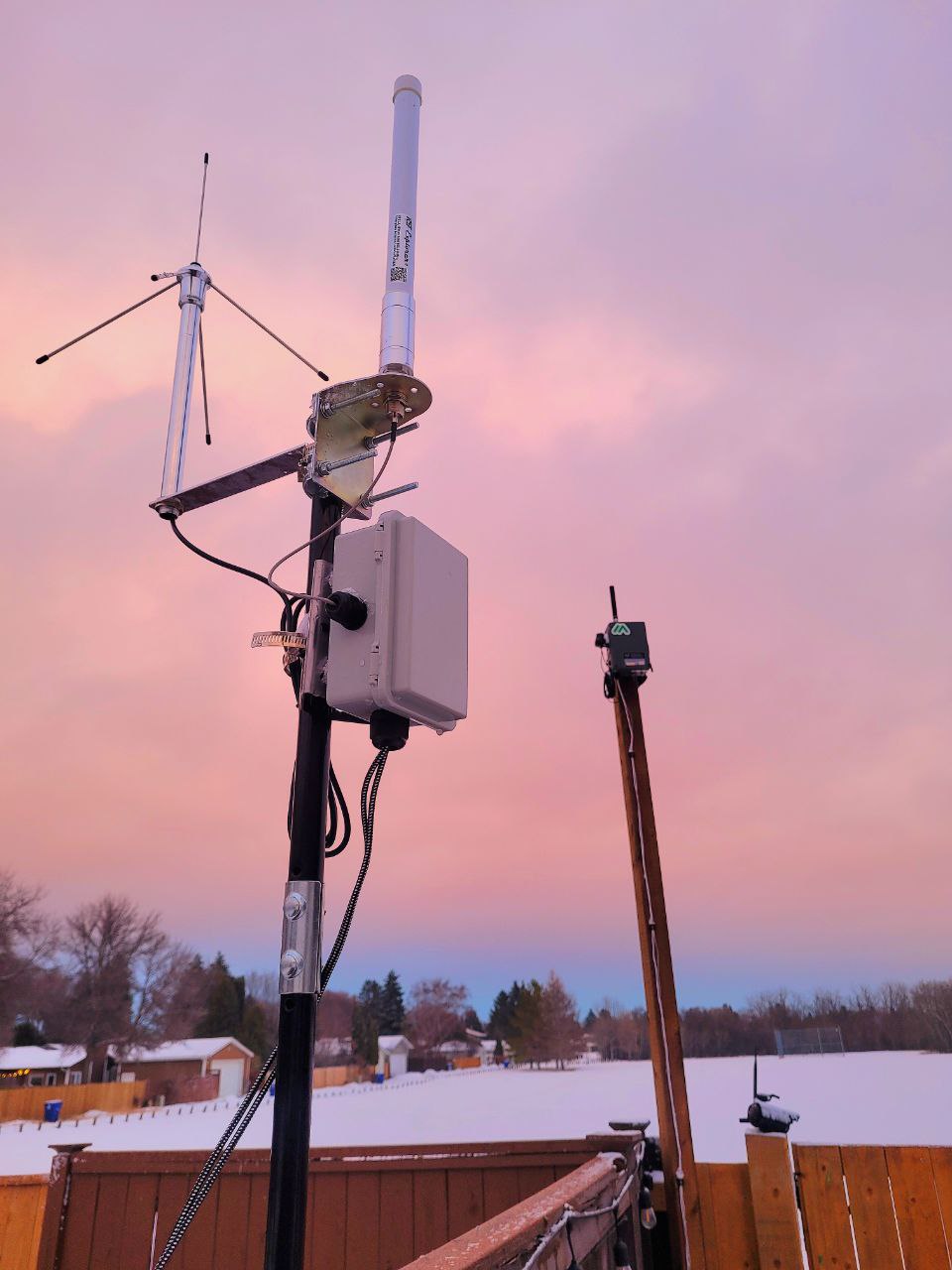
- DK6OC was impressed with the performance of their temporary ground station HSØZRE in Thailand, which uses a small magnetic base antenna. They decided to make the installation permanent and are considering replacing the ESP32 with another system next year when they return. 🔗
Antenna Building
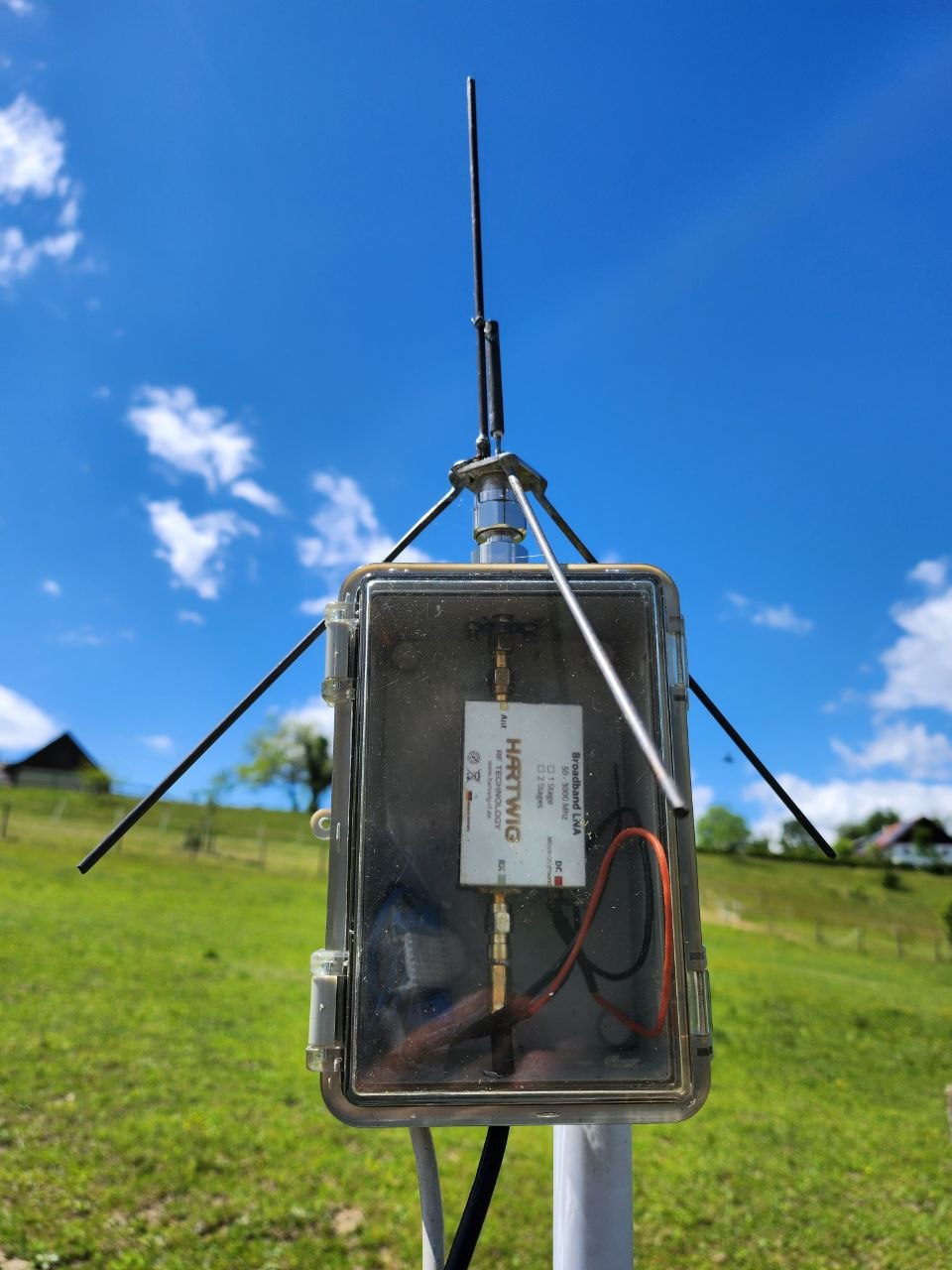
- Notsure7 advised against building a specific compact QFH antenna, labeling it a waste of time and resources, and recommended starting with a simple ground plane (GP) antenna instead. They elaborated that QFHs are difficult to construct properly, can suffer from performance nulls due to balun issues, and that the plastic in some designs can absorb moisture and detune the antenna. They shared a personal experience where a printed QFH was ‘practically deaf’ compared to a GP. Helmi supported this view, explaining that simpler QFH designs exist but that the criticized model has too much plastic around the wire, which can cause tuning instability and loss. jhedtmann shared a corroborating anecdote, stating that a commercially purchased QFH was not effective, but after switching to a homemade GP antenna, their station performance improved significantly and they climbed the ‘roll of fame’. 🔗
Where to buy
- Hans-Peter expressed interest in buying and setting up a 137 MHz station. Later in the week, they inquired about potential filter modifications for LilyGo boards to make them suitable for the 137 MHz band, noting they are designed for 430 MHz. Peter shared a successful setup using an unmodified 433 MHz LilyGo T3_V1.6.1 with an SX1278, an LNA, and a 137 MHz QFH antenna, later adding that a classic filter (not a SAW filter) was placed between the antenna and the LNA. 🔗
- sincos364 shared links to potential components for a station, including items on AliExpress and a QFH antenna calculator. jhedtmann recommended starting with a supported LoRa board like the LilyGo T-LoRa32 V3 and a cheap or homemade antenna, mentioning the addition of a NOOELEC SawBird LNA with SAW-filter for improved reception, while noting that SAW-filters might not be ideal. 🔗
https://aliexpress.ru/item/1005002610116321.html?spm=a2g2w.cart.cart_split.9.14064aa6u01sZi&sku_id=12000021392338427
https://aliexpress.ru/item/1005007659670298.html?shpMethod=CAINIAO_FULFILLMENT_STD&sku_id=12000042762802574&spm=a2g2w.productlist.search_results.1.1ce07097lgiqM6
https://jcoppens.com/ant/qfh/calc.en.php
Beta Firmware Testing
- G4lile0 rolled back an ESP32c3 to a previous platform version to fix an issue and later confirmed that a bootloop problem was resolved. Juan confirmed the bootloop was fixed after the rollback. 🔗
Featured Conversations
- The community engaged in a detailed debate on antenna design, with experienced members strongly recommending simple ground plane antennas over complex QFH models for beginners due to their reliability, easier construction, and better performance, supported by personal success stories.
- Technical discussions focused on configuring stations for specific frequency ranges and satellite types, including setting UHF bands for Starlink data and prioritizing ConnectaIoT satellites to improve packet reception rates on the challenging 868 MHz band in Europe.
- Collaborative efforts were made to expand the network’s tracking capabilities by submitting new satellite TLEs for inclusion in the official API and correcting discrepancies in the MQTT data feed for existing satellites.
- Innovative hardware projects were shared, including open-source code for rotator position control and firmware modifications to log azimuth/elevation data via USB, enabling development of automated antenna pointing systems.
- Members showcased successful station setups from around the world, highlighting the effectiveness of simple antennas and reliable power solutions, and discussed plans for permanent installations and future hardware upgrades.
Latest Cubesats News

Ukraine Begins Developing UASAT-NANO Military Satellite Network, Launching ITU …
Ukraine has filed with the ITU to register the UASAT-NANO low-Earth-orbit satellite network, led by company STETMAN. The constellation’s first test satellite is scheduled for launch in October 2026, with serial launches planned via SpaceX. The network is designed as a protected communications infrastructure for government and military use, not as a commercial competitor. STETMAN plans to supply tens of thousands of terminals to Ukraine’s Armed Forces by 2027.

UNLP Headed to the Moon: The La Plata Satellite Now Has a Tentative Launch Date
The Artemis II mission was postponed, impacting the launch of the UNLP-developed nanosatellite Athena, now tentatively scheduled for March 6th. Athena, a scientific CubeSat, will travel aboard the Space Launch System rocket alongside devices from Germany, South Korea, and Saudi Arabia. This mission marks the first crewed lunar flight in over 50 years, with four astronauts orbiting the Moon for ten days. UNLP researchers will monitor the satellite once in space, representing a milestone for Argentine science.
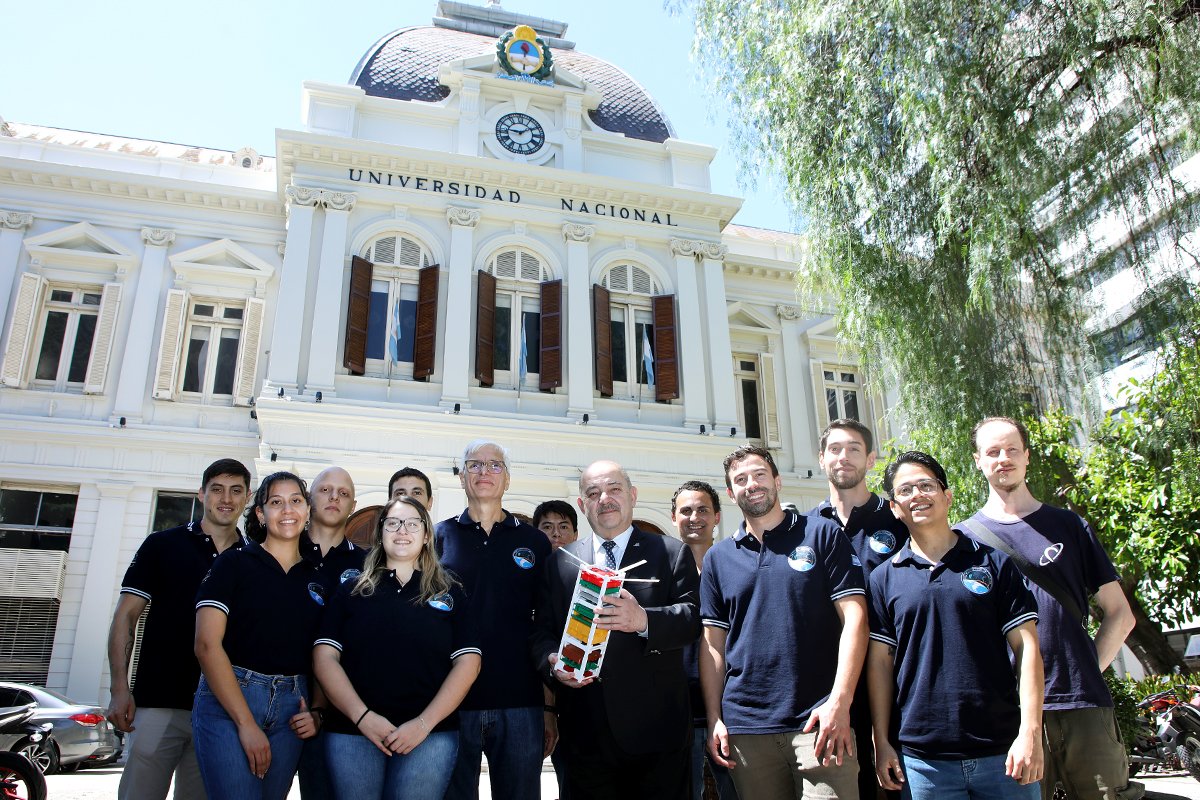
The UNLP’s USAT-1 Satellite Prepares for Launch, Marking a Milestone in…
The USAT-1 is Argentina’s first CubeSat fully developed within a public university, led by the National University of La Plata. It will soon travel to Spain for final testing before its launch from the United States. The satellite, weighing about 4 kg, is designed for technological demonstration of GNSS techniques for Earth observation. It will collect atmospheric pressure, temperature, soil humidity, and vegetation data, developed in collaboration with CONAE and CNEA.
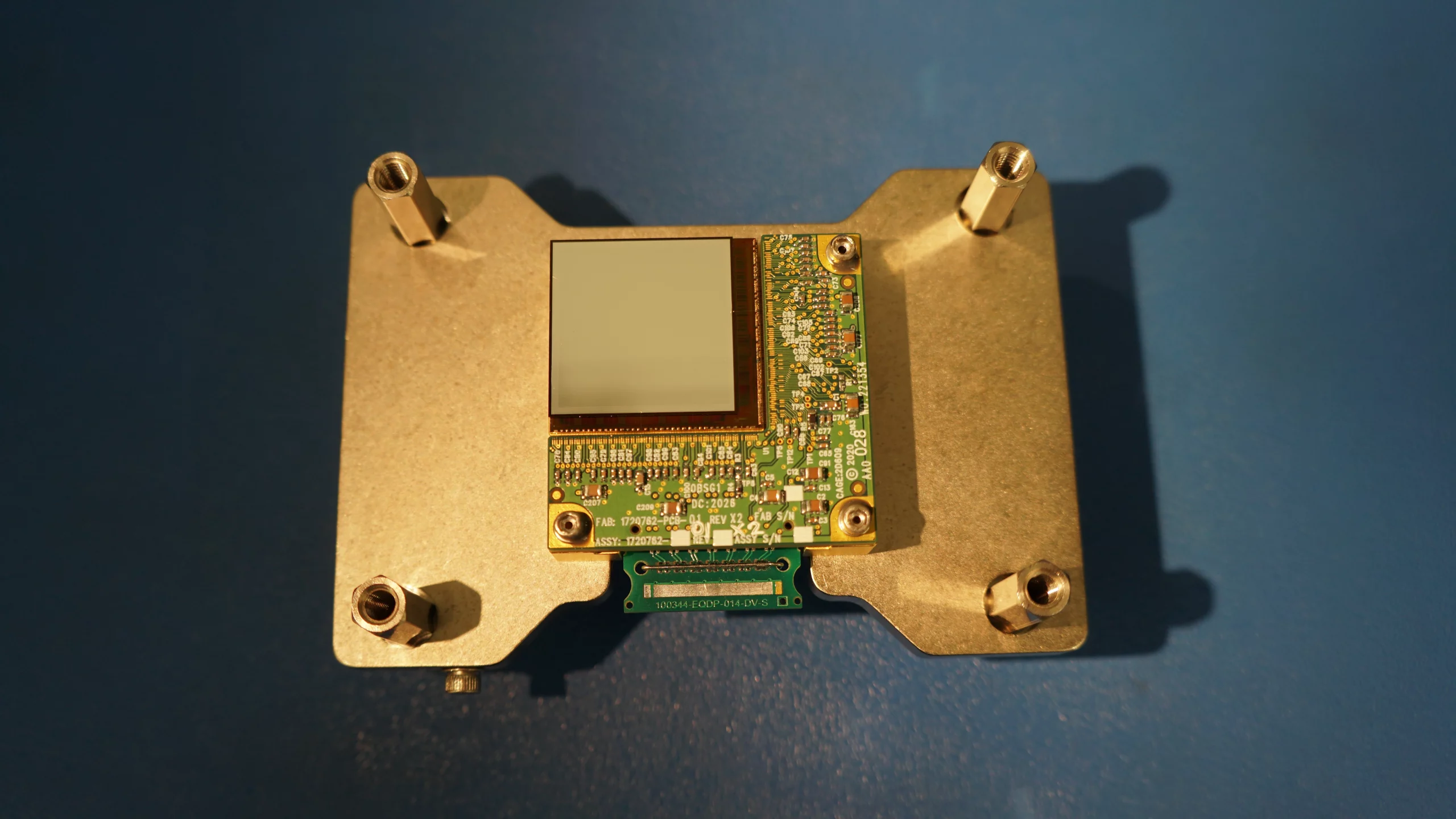
Teledyne’s Speedster aboard NASA’s BlackCAT CubeSat Mission. - MEM Magazine
Teledyne’s Speedster HyViSI Focal Plane Arrays are deployed on NASA’s BlackCAT CubeSat, launched in January 2026. The mission, led by Penn State, will detect x-ray transients and study black hole formation and the early universe. The detector’s Si-PIN hybrid CMOS architecture provides high sensitivity to soft X-rays with fast readout and low power. This technology positions Teledyne as a key provider of advanced imaging for space-based x-ray astronomy.

Global CubeSat Market Size, Growth Trends, and Forecast (2026-2036)
The CubeSat market is projected to reach $1.45 billion by 2036. Growth is primarily driven by the expansion of low-Earth orbit (LEO) constellations. Increased demand for Earth observation applications is a key contributing factor. Commercial space sector expansion further accelerates this market trend.

Mexican Gxiba-1 CubeSat Starts Mission After Kibo Deployment - Space Daily
The Gxiba-1 CubeSat, built by Mexico’s Popular Autonomous University of the State of Puebla, was deployed from the ISS’s Kibo module on February 3, 2026. It was developed through the KiboCUBE program, a joint initiative of JAXA and the UN Office for Outer Space Affairs. The satellite’s mission is to conduct optical observations of volcanic activity and ash spread to aid in disaster risk assessment. The project provides hands-on experience to support the growth of Mexico’s space sector and highlights international cooperation in space.
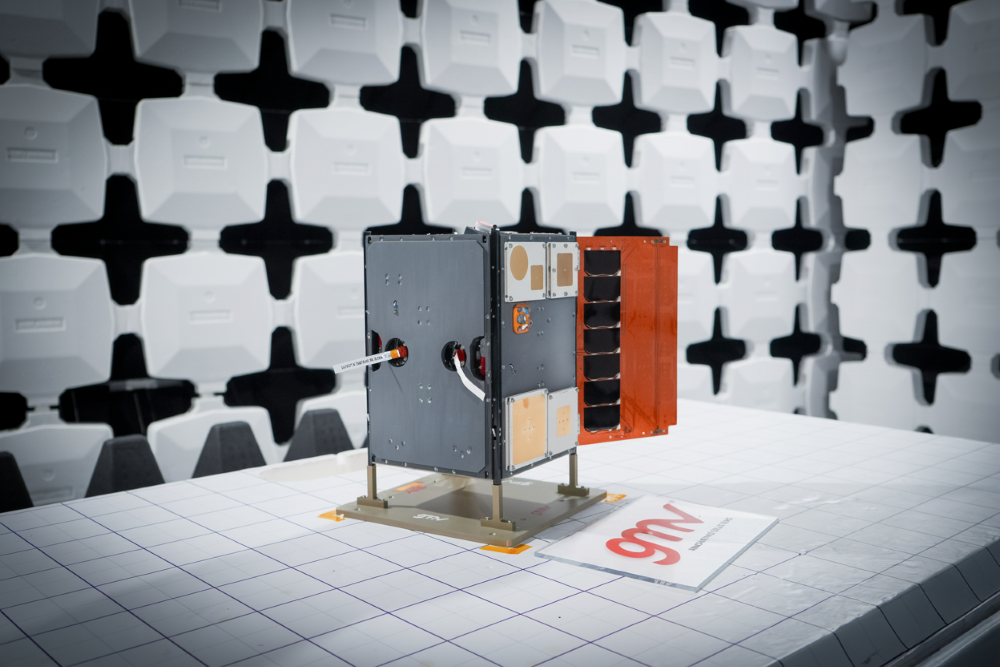
ESA to launch Celeste LEO-PNT on March 24 - GPS World
The European Space Agency will launch its first two Celeste LEO-PNT demonstration satellites on March 24 aboard a Rocket Lab Electron from New Zealand. This mission tests next-generation navigation technologies and new frequency bands from low Earth orbit to complement the Galileo system. The initial CubeSats, developed by consortia led by GMV and Thales Alenia Space, will demonstrate autonomous orbit determination and enhanced signals. Eight larger satellites with additional capabilities are planned for launches from 2027 to further test novel signals and miniaturized atomic clocks.

Local schoolboys reach for the stars with climate satellite project - Kingston Courier
A student-led initiative called Helios, founded by a Sutton Grammar School pupil, plans to launch a CubeSat to study urban heat patterns in 18 global cities. The project involves over 30 students from two schools and aims to collect data to inform responses to extreme heat. It seeks to become the youngest self-organized European team to send a satellite into space, requiring significant fundraising and technical partnerships. The effort is intended to inspire younger generations to engage in climate action despite widespread pessimism.
.jpg)
From the Laboratory to Orbit: The MIEM HSE Data Storage Module Successfully Operates…
A data storage module developed by MIEM HSE was launched into orbit aboard a CubeSat in December 2025. The module uses a combination of RAID-like mirroring and blockchain-inspired hash chaining to protect commercial flash memory from radiation-induced errors. Initial telemetry confirmed successful initialization and passing of preliminary functional tests in space. The project originated from a collaboration with a schoolgirl and evolved through student competitions into a flight-ready system.

Florida Startup Space Beyond to Launch First Memorial Spaceflight Mission Aboard SpaceX …
Space Beyond plans its first memorial spaceflight for late 2027, sending cremated remains into orbit via a SpaceX Falcon 9. The remains will be encapsulated in a cubesat that orbits Earth for several years before re-entering the atmosphere. The company, founded by a former NASA and Blue Origin engineer, offers this service starting at $249, significantly cheaper than competitors. The satellite will operate in a sun-synchronous orbit, allowing families to track its location for up to five years.
What’s next
Join the TinyGS Telegram channel to participate in these discussions and contribute to the project. Your experiences and insights can help others build and improve their stations!