· TinyGS Community · 8 min read
Weekly Newsletter - February 15, 2026
Welcome to the TinyGS weekly community newsletter. Here are the most relevant discussions and developments from this week, covering technical problem-solving, hardware setups, antenna building, and exciting network expansions.
Highlights
General
- David shared their journey from reading about TinyGS in Practical Wireless to joining the community. They attempted to set up a Liligo 433MHz T-Beam board but suspected it was an unsupported version. After some frustration, they successfully repurposed it as a LoRa APRS tracker on 439.9125MHz, which is now visible on APRS.FI. They also mentioned using a Heltec board as a tracker and considered swapping their roles to potentially use the Heltec as a TinyGS receiver. 🔗
- dbrunod shared the first video about their EDUSAT project for the classroom and later provided a corrected link to a detailed DIY Cubesat STEM satellite project on Hackster.io, promoting educational satellite initiatives. 🔗
https://youtu.be/4Vcqc8uSkBk
https://www.hackster.io/danbrunod/diy-cubesat-stem-satellite-with-esp8266-and-telemetry-b1b4f7 - André announced the installation of a new station, PT7AT_Fortaleza, in Fortaleza, Brazil, using a board gifted by a friend. The station is currently operating with a VHF/UHF vertical antenna on a balcony, with plans to improve the antenna setup in the future. They also inquired about an auto-update for their board firmware. 🔗
Technical Problems
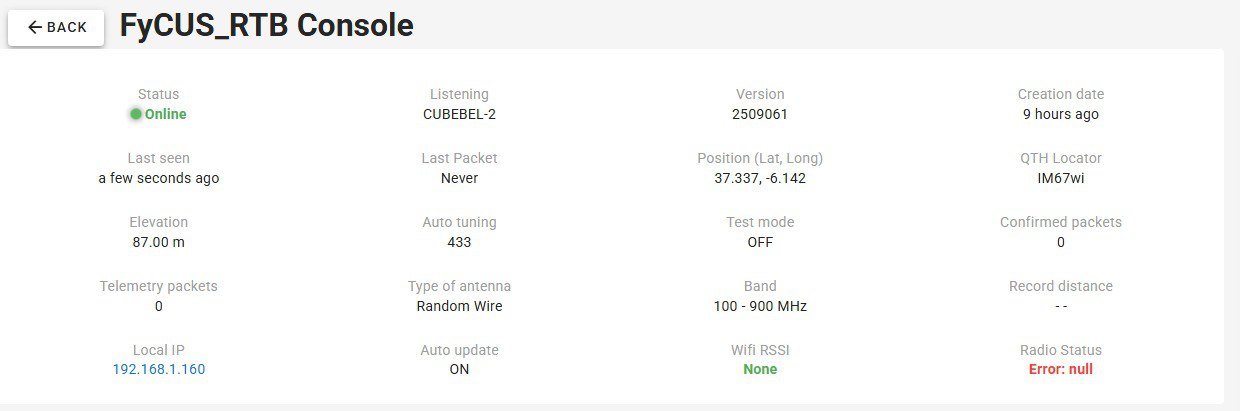
- RubenT17 reported a problem where their radio showed as ready but the modem was not configured, resulting in no packets and a ‘null’ error on the web status. They shared images of their setup and mentioned using a 3dBi 868MHz omnidirectional antenna. After community troubleshooting, they discovered that writing ‘0.0’ instead of ‘0’ in the ITCXOV parameter resolved the radio status error, allowing the station to function correctly. 🔗

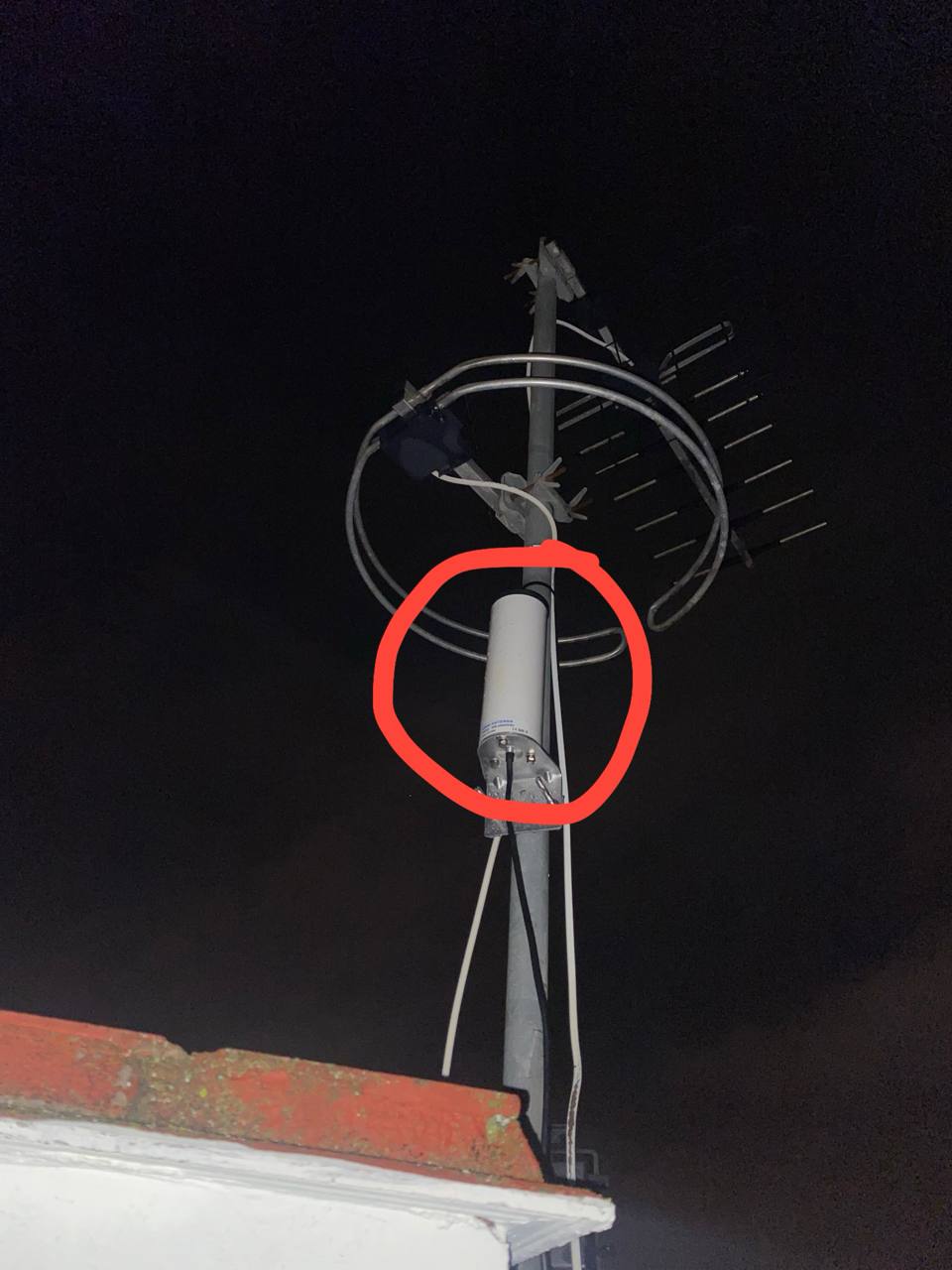
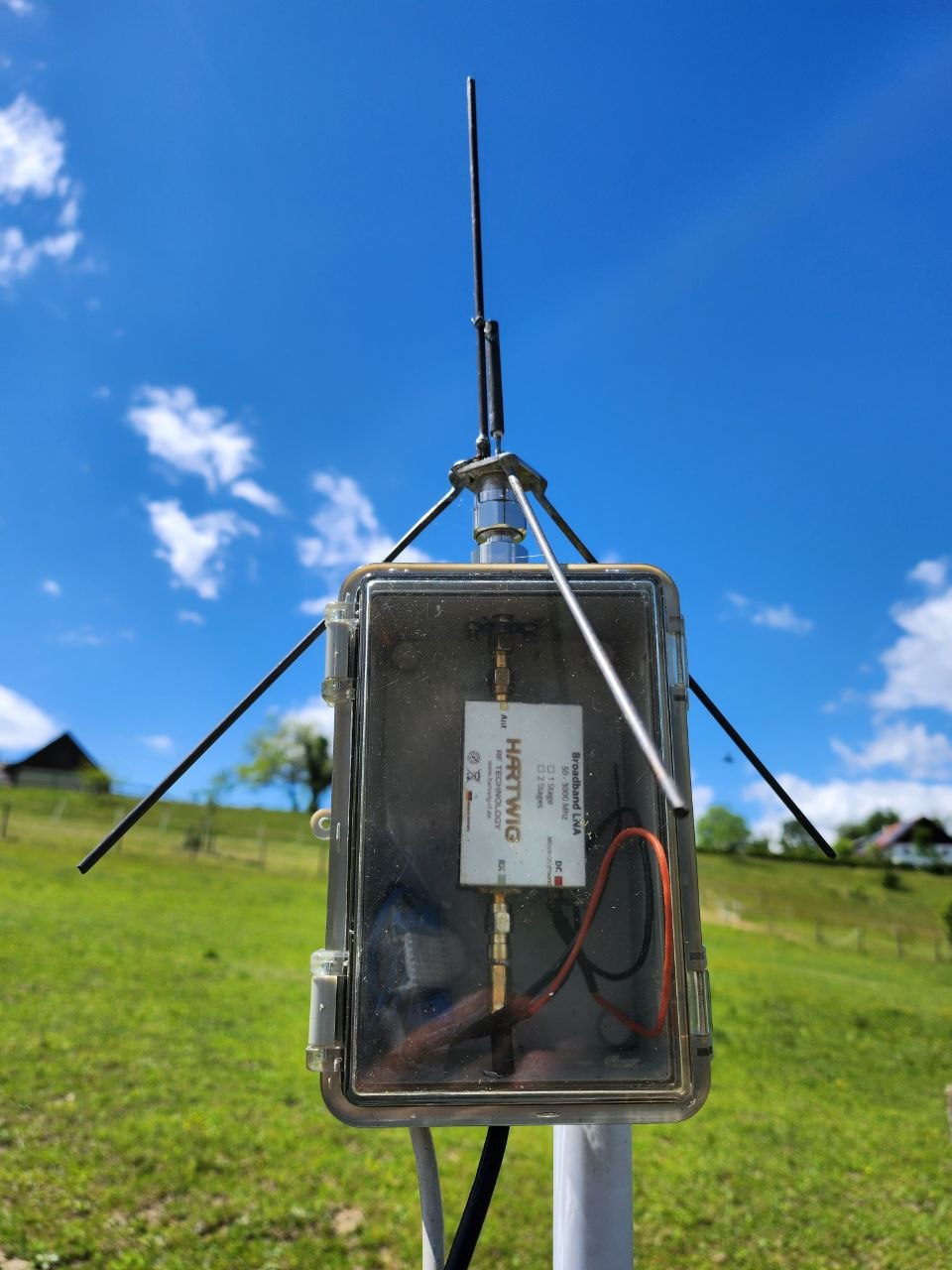
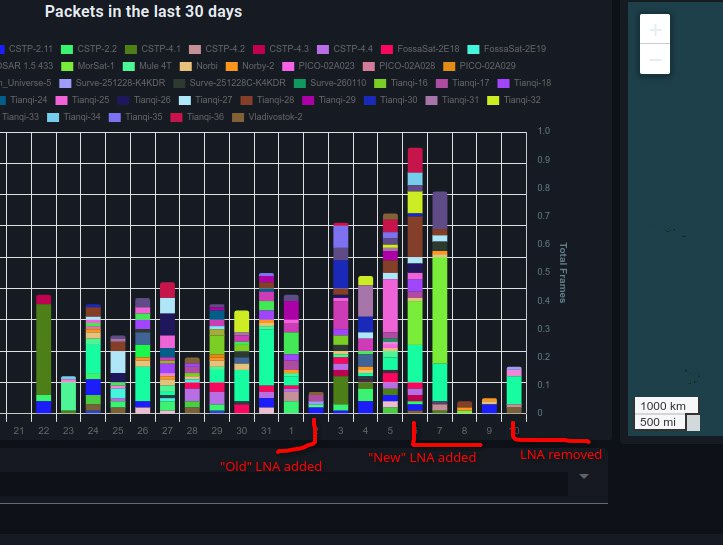
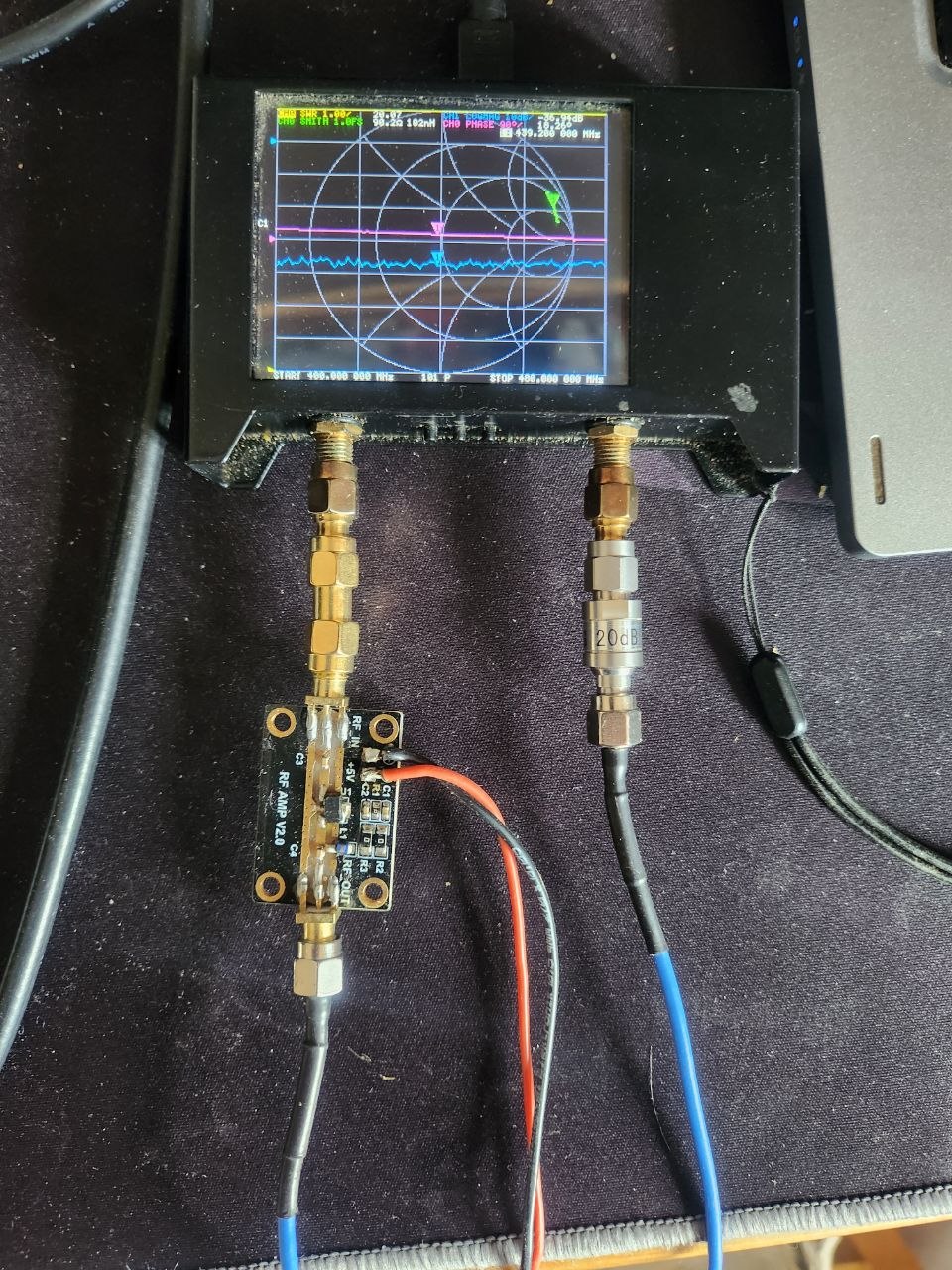
- lllevonnn sought advice on testing the performance of an AB-IOT 433 LNA used with a LilyGo T-Beam after experiencing a drop in received packets. They shared an image of the LNA and asked about using a Nano VNA with an attenuator for testing. Stefan/OE6ISP provided a detailed method for checking LNA gain using a VNA and an attenuator, warning against connecting directly to avoid damage, and shared a photo illustrating the measurement setup. 🔗
- Vee reported not receiving any packets from their station UVAMS_400E despite listening to all satellites. The community advised checking configured latitude and longitude, antenna setup with free sky view, noise level on the dashboard, and ensuring they have the correct board for the frequency they are listening to. 🔗
Antenna Building
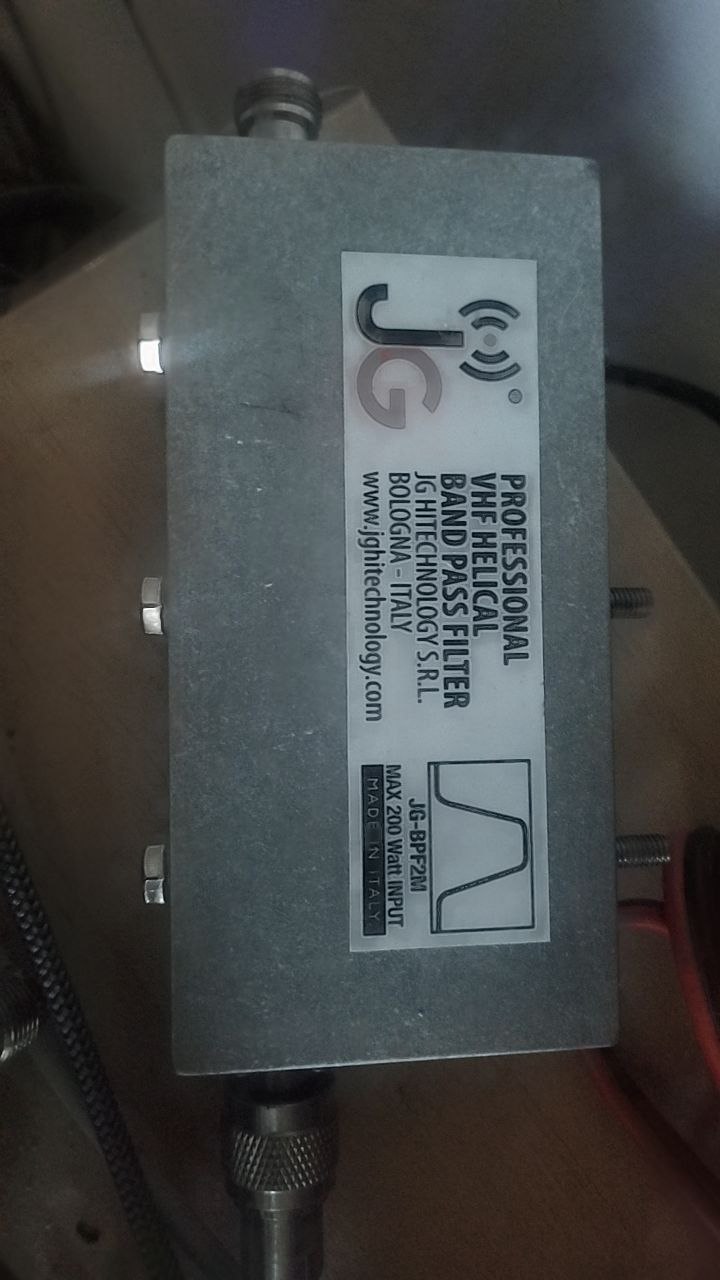
- Stefan/OE6ISP shared their experience of receiving nothing on 137 MHz without a filter and ultimately using a three-stage helical antenna from JG, which they already had from their 2m ham station. They also posted a photo of their setup. jhedtmann confirmed the necessity of a filter for satellite reception at that frequency, especially near interference sources like Berlin airport. 🔗
- Helmi recommended a simpler, lower-loss 3D-printed quadrifilar helix antenna design for satellite reception and shared a link to the build instructions, clarifying that building it requires a 3D printer. Stefan/OE6ISP later commented on preferring antenna designs with less plastic to avoid issues with water and dust accumulation, sharing a photo for reference. 🔗
https://community.libre.space/t/an-easy-3d-printed-quadrifilar-helix-antenna/1487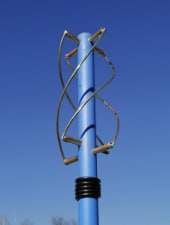
Share your setup
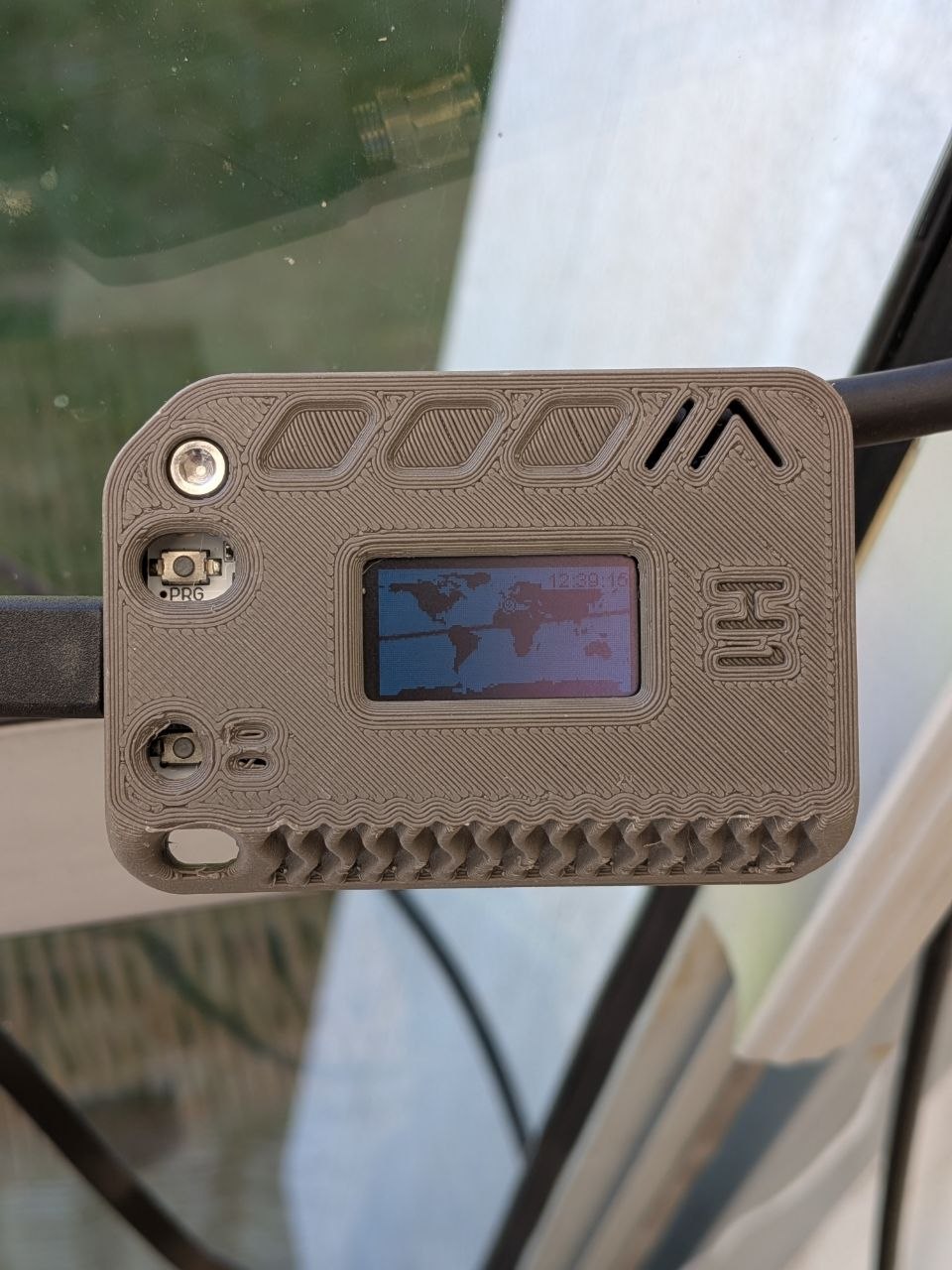
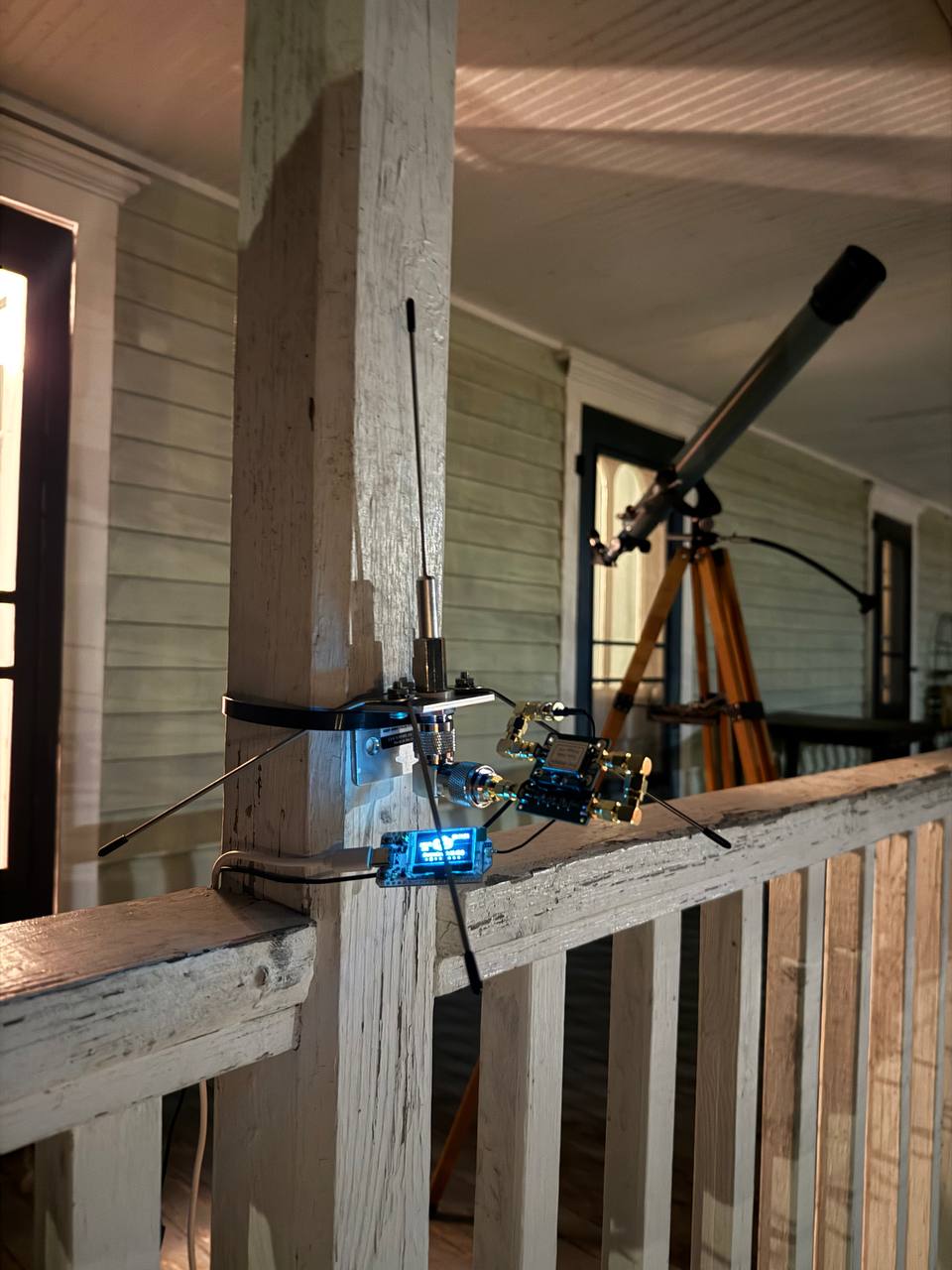
- EmWintle shared a photo of their station setup, providing a visual example of a working TinyGS station. 🔗
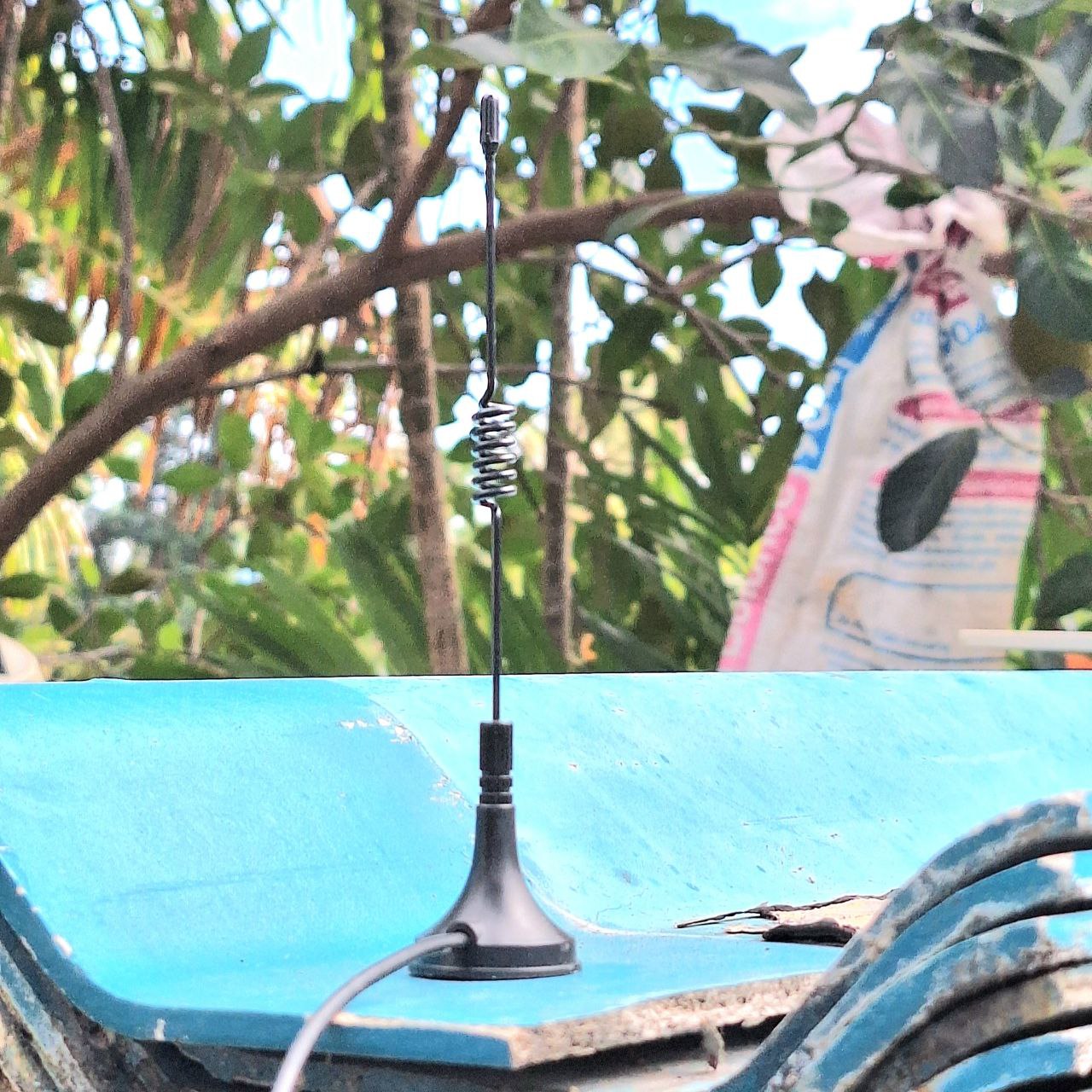
- DK6OC announced the successful activation of station HSØZRE from Phuket, Thailand, using a small magnetic antenna, sharing a photo of the holiday setup and demonstrating the portability of TinyGS stations. 🔗
New Satellites
- G4lile0 announced the deorbiting of PICO-1B-3 and the addition of four new satellites to the network: Lobachevsky (FSK), ANSAT-1, SM-3.1, and VM-3.1 (all LoRa). They also shared an update on Grifon-1 and Grifon-3 satellites, which are transmitting high volumes of data (around 1,000 frames per minute), noting that work is ongoing on the parser and satellite IDs for correct packet allocation. 🔗
https://x.com/tiny__GS/status/2022754173230444576?s=20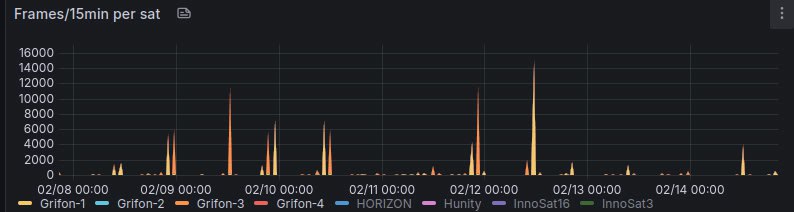
Beta Firmware Testing
- Carbexalide inquired if the SX1278 chip is suitable for TinyGS. It was confirmed that it works for LoRa mode but not for FSK, and it supports frequencies down to 137MHz, whereas the SX1262 supports both LoRa and FSK but not on 137MHz. 🔗
Featured Conversations
- The community emphasized the critical role of filters and proper antenna selection for successful satellite reception, especially on the 137 MHz band where interference from sources like airports can be significant. Members shared practical experiences with helical antennas and filter/LNA combinations to improve signal capture.
- Several technical issues were resolved through collaborative troubleshooting, including a station configuration error fixed by adjusting a specific firmware parameter and guidance on safely testing LNA performance using a VNA with an attenuator to prevent damage to sensitive components.
- The network expanded with new station installations in diverse locations, including Fortaleza, Brazil, and a portable holiday setup in Thailand, showcasing the global reach and flexibility of the TinyGS project for satellite tracking.
- Significant updates were made to the satellite tracking list, with the deorbiting of one satellite and the addition of four new ones. The community is also actively managing high data rates from active satellites to ensure accurate data parsing and allocation.
- Educational initiatives and hardware discussions flourished, with members sharing DIY satellite projects for classrooms and providing clear recommendations for building effective 3D-printed antennas while considering material choices to minimize loss and maintenance issues.
Latest Cubesats News

Tiny Earth Observation Satellites in 2026: How They Track Weather, Crops, and Shipping
Fleets of small satellites, including CubeSats and microsatellites, now provide frequent daily imagery through coordinated constellations. They enhance weather forecasting by offering high-temporal-resolution data for monitoring storms, floods, and droughts. In agriculture, they enable precision farming through frequent crop health and soil moisture monitoring. These satellites also track global maritime shipping via space-based AIS receivers, improving safety and route optimization.

NASA’s CubeSats Are Changing the Future of Space Exploration: Here’s How
CubeSats are small, affordable satellites revolutionizing space exploration by enabling cost-effective Earth observation and technology testing. They provide a global platform for monitoring climate change, natural disasters, and environmental conditions. International collaboration among students and researchers from countries like Mexico and Japan drives innovation in their design and deployment. NASA supports these missions, using CubeSats for rapid prototyping and as secondary payloads to reduce the overall expense of space science.
MApN wants to launch a small-sized satellite - Strategic Umbrella
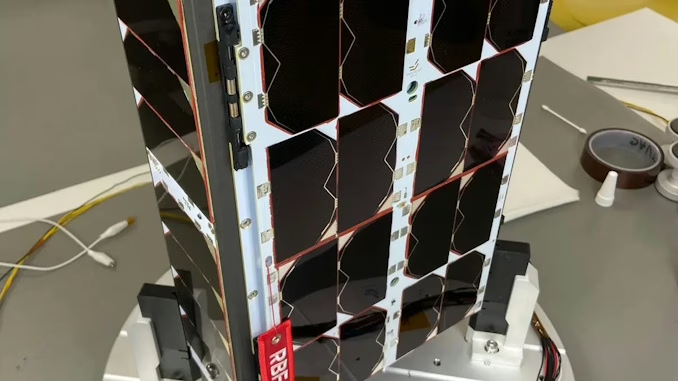
The Romanian Ministry of National Defense plans to launch a small CubeSat 6U-CORVUS satellite into low Earth orbit to intercept and locate terrestrial radio signals. The specialized defense agency has launched a market consultation for a launch service requiring specific conditions, including an altitude between 400 and 600 kilometers. The CORVUS satellite, weighing 8-12 kg, was developed by a consortium led by RISE and includes several Romanian research institutes and agencies. Funding will come from the state budget, with the launch service execution timeline set at a maximum of 18 months from contract signing.

JAXA and UN Congratulate UPAEP for Successful Deployment of Nanosatellite Gxiba-1
The Mexican nanosatellite Gxiba-1 was successfully deployed from the International Space Station’s Japanese Kibo module on February 3rd. Developed by UPAEP students and faculty, it was selected under the joint JAXA-UNOOSA KiboCUBE program. Its primary mission is to monitor volcanic activity and track ash dispersion for risk management and climate research. This milestone demonstrates Mexico’s growing capacity in space technology and international collaboration.

State Adopts CubeSats For Land Surveys And Sustainable Development | Sarawak Tribune
Sarawak is deploying low-cost CubeSat technology for land surveying and long-term economic development planning. These small satellites, costing under 700,000 euros, provide critical data from low Earth orbit far more affordably than traditional satellites. The state’s policy framework prioritizes environmental sustainability, aiming to reduce carbon emissions through seamless digital processes. Sarawak is also advancing hydrogen energy for public transport as part of its broader renewable energy strategy.

Vingroup-backed VinSpace has new CEO in push for small satellite ambitions - Theinvestor
VinSpace, a new aerospace company backed by Vingroup, has appointed Vu Trong Thu as its general director. Thu is a prominent figure in Vietnam’s space technology sector, having contributed to the country’s first nano-satellite. The company aims to develop “Made in Vietnam” CubeSat platforms, entering the small-satellite market. This move is part of Vingroup’s expansion into advanced technology sectors like aerospace and robotics.

The Space Data Layer is Coming, Just Not as Fast or as Small as You Think - SatNews
Industry experts at the SmallSat Symposium project the full Space Data Layer is about a decade away, delayed by fragmented priorities and engineering constraints. The era of small, cheap CubeSats is over, as new optical data relay systems require much larger, more powerful satellites. Visionary concepts like orbital data centers face significant thermal management challenges in the vacuum of space. A lack of industry-wide interoperability and the rise of proprietary networks like Starlink threaten to create walled gardens, pushing others toward open standards.
Thailand successfully deploys KNACKSAT-2 satellite from ISS | Vietnam+ (VietnamPlus)
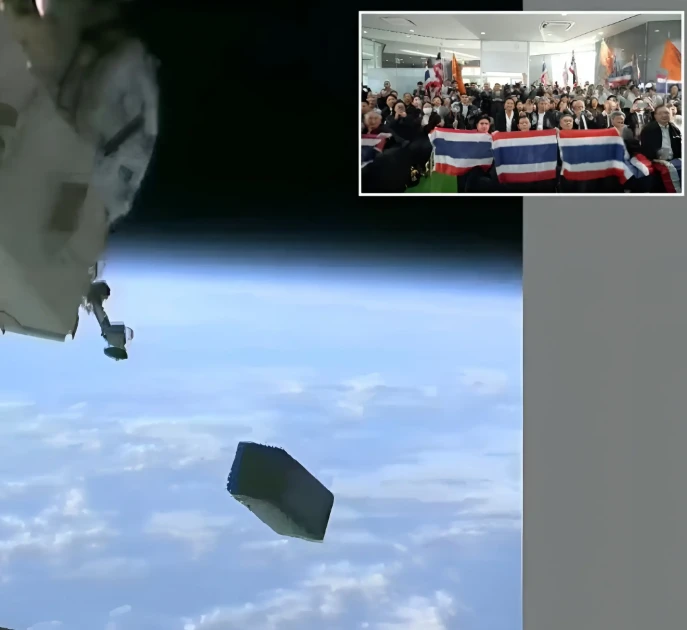
Thailand has successfully deployed the KNACKSAT-2 satellite from the International Space Station. The article also references Vietnam’s institutional steps to modernize its telecommunications sector. This includes implementing a Politburo resolution on science-technology development and digital transformation. These measures aim to create breakthroughs in innovation and national digital infrastructure.

The ATENEA Satellite and International Participation in the Historic Artemis II Mission
NASA’s Artemis II mission will send a crew to orbit the Moon, serving as a precursor to a future human lunar landing. Argentina participates through the ATENEA microsatellite, developed by CONAE, to validate critical technologies for deep space exploration. The CubeSat will be deployed over 70,000 km from Earth, setting a record for an Argentine satellite, and will measure radiation and test components. Artemis II includes CubeSats from Germany, South Korea, and Saudi Arabia, reflecting broad international cooperation under the Artemis Accords.
What’s next
Join the TinyGS Telegram channel to participate in these discussions and contribute to the project. Your experiences and insights can help others build and improve their stations!