· TinyGS Community · 10 min read
Weekly Newsletter - February 8, 2026
Welcome to the TinyGS weekly community newsletter. This week was filled with detailed station showcases, deep technical discussions on antenna performance and hardware, and collaborative problem-solving that exemplifies our global network's spirit. From remote multi-band stations to practical advice for newcomers, here are the most relevant developments from the past seven days.
Highlights
Share your setup
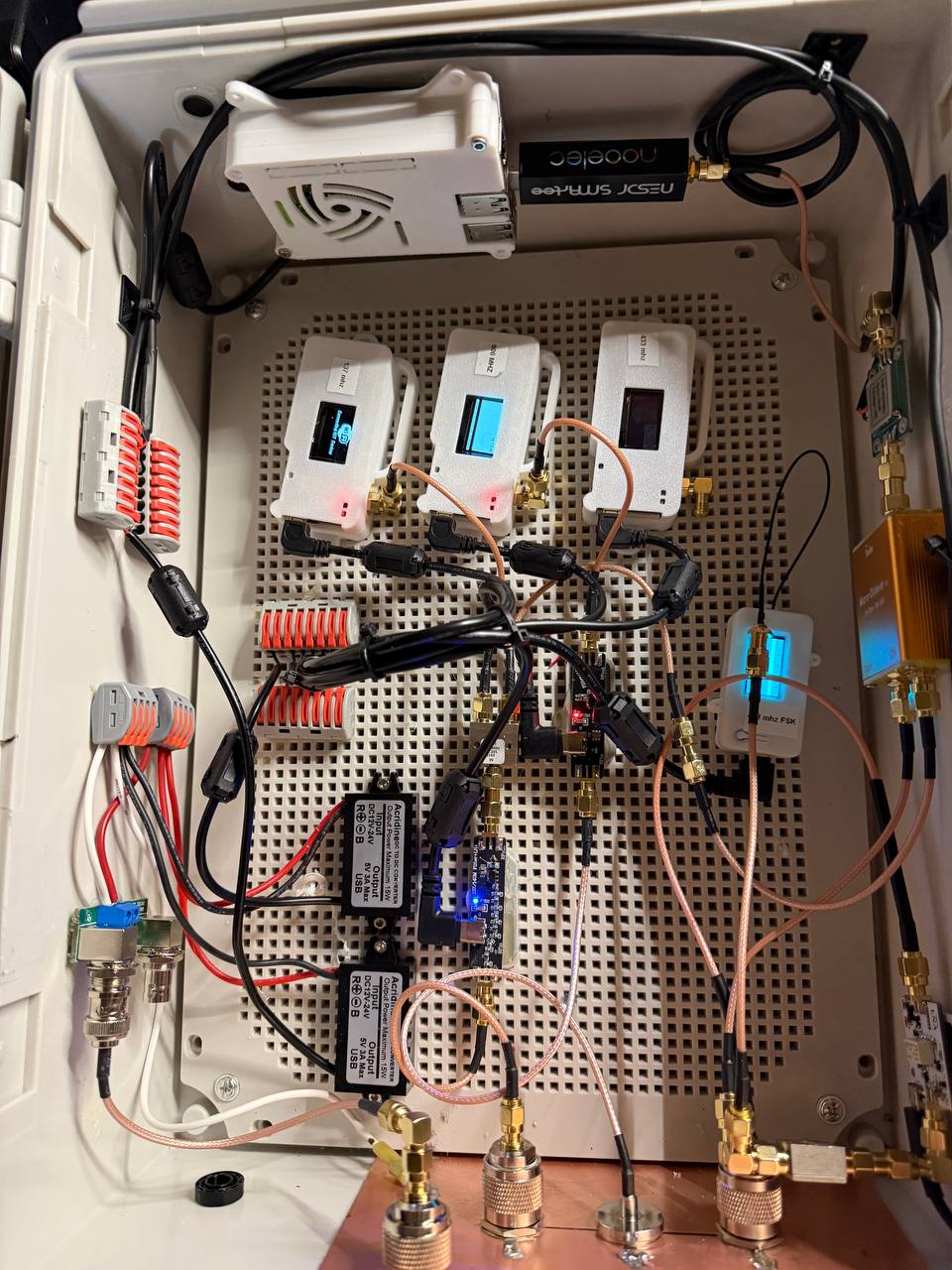
- Wes shared a comprehensive overview of their sophisticated remote station, which had been in development for months. The setup features a weatherproof enclosure housing three active nodes (two LilyGo ESP32 and one Heltec V3) covering 137 MHz, 433 MHz, and 900 MHz bands. It is powered via 12V over LMR-400 cable using custom bias tee injectors and extractors, with power distribution handled by buck converters. Antennas, including homemade QFH antennas for VHF/UHF and a 5/8 collinear for 900 MHz, are fed from beneath the box for a watertight seal, with the entire system grounded to a rod. After 48 hours, all nodes were receiving well. Wes also mentioned future plans to integrate a feed for an IC-9700 transceiver and use coaxial relays for front-end protection. 🔗
- Stefan/OE6ISP responded to Wes, noting the similarity to their own new rack system which includes preamps, two Heltec V3 units, and two Raspberry Pis for SATNOGS in a 15-inch rack. They also have an output for connecting an IC-9700 or Lime SDR for I/Q recording. They later discussed solving equipment protection by using relays for manual switching and grounding, a method originally intended for a LoRa/SDR uplink system. 🔗
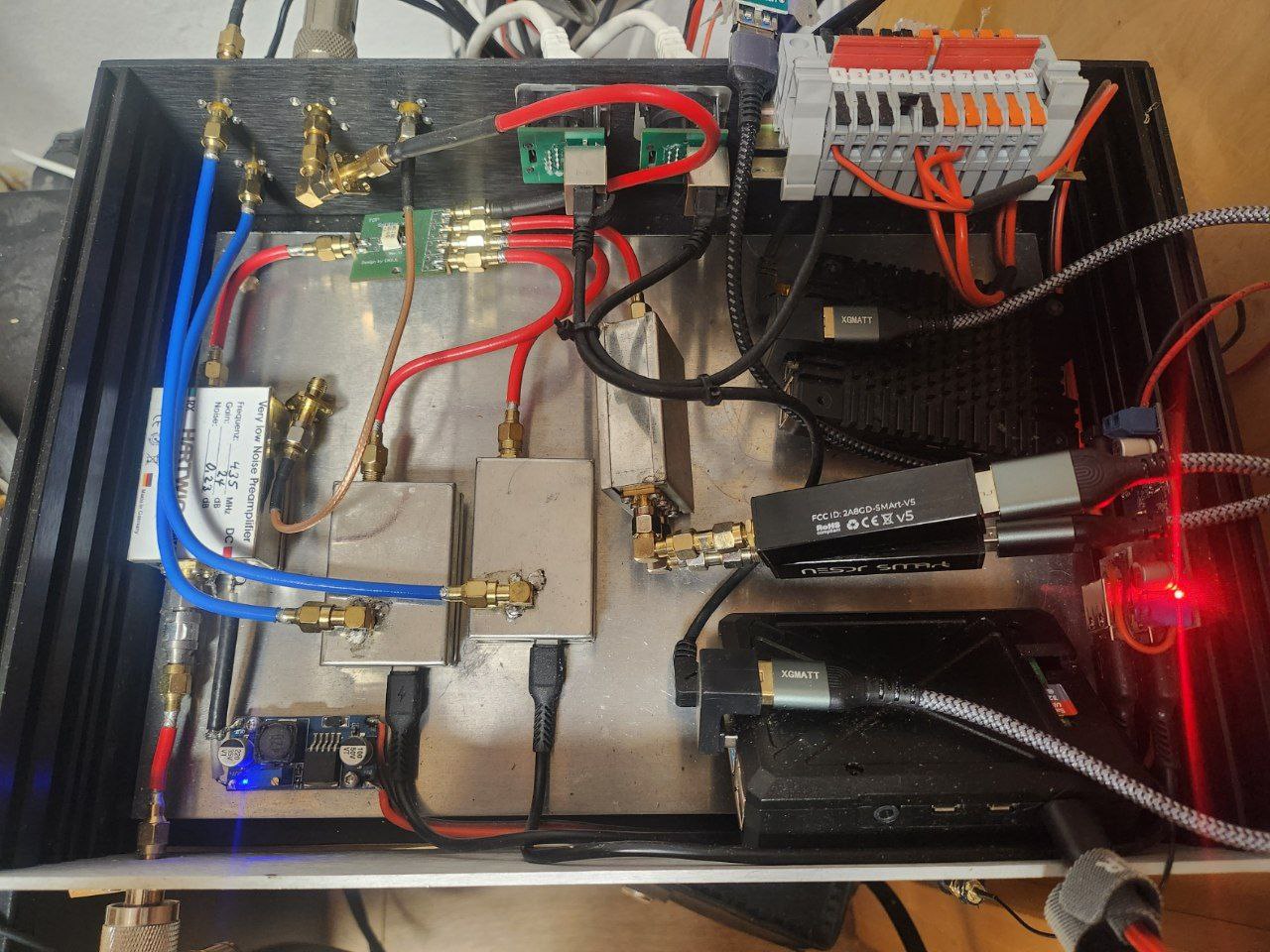
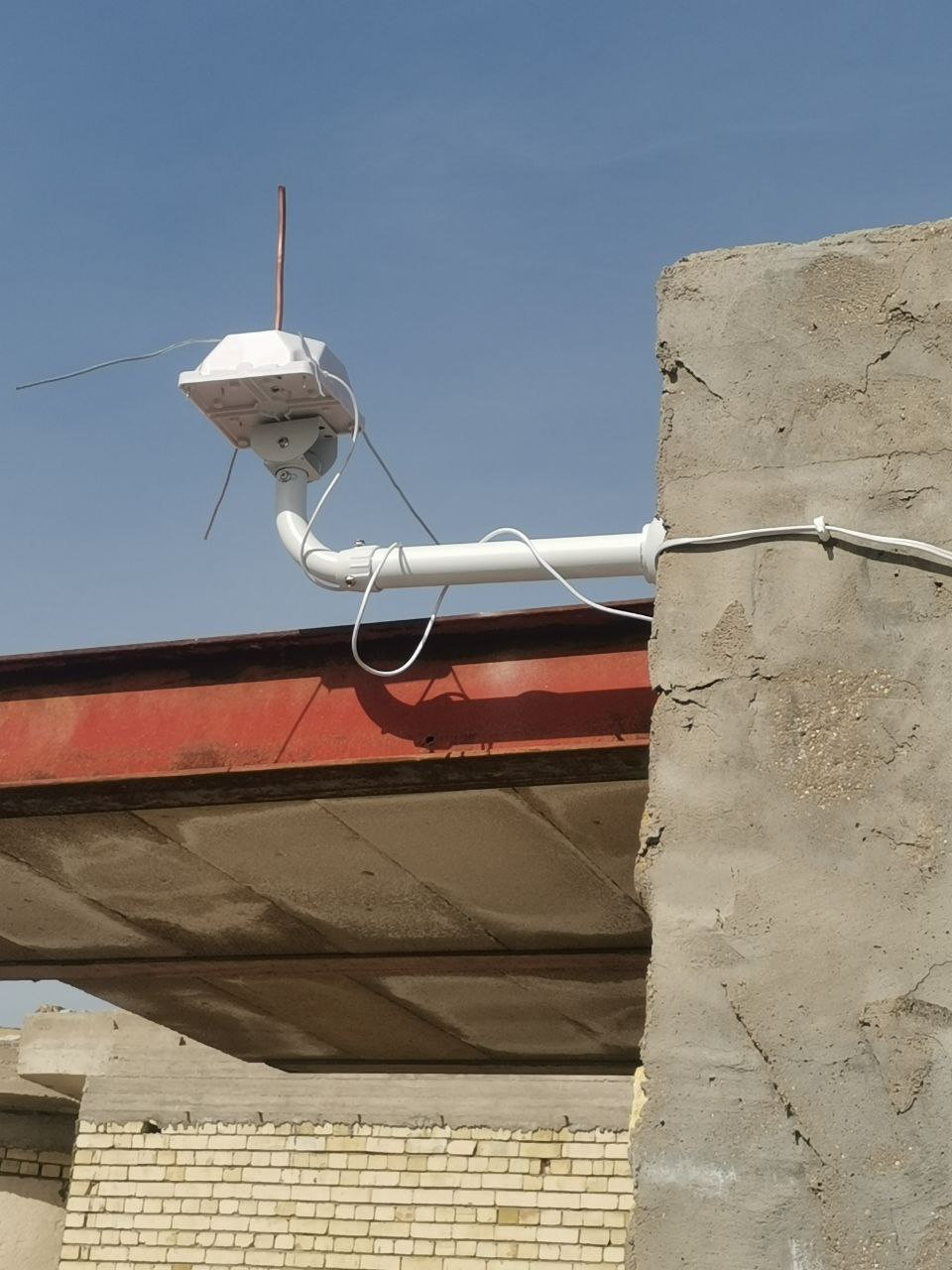
- ahmdidrees shared images of their YI3AA station setup in Iraq, providing a visual look at their configuration. 🔗
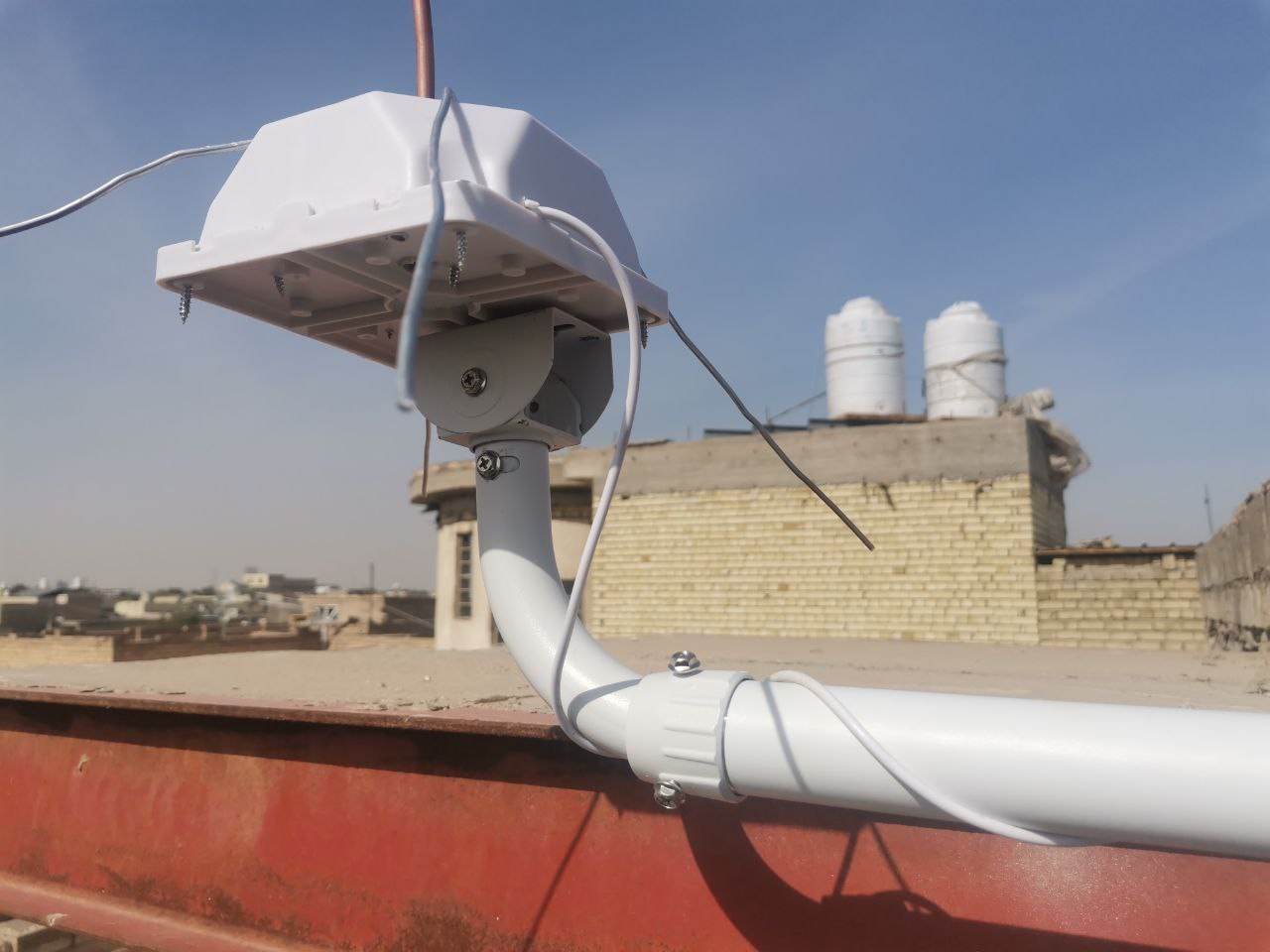
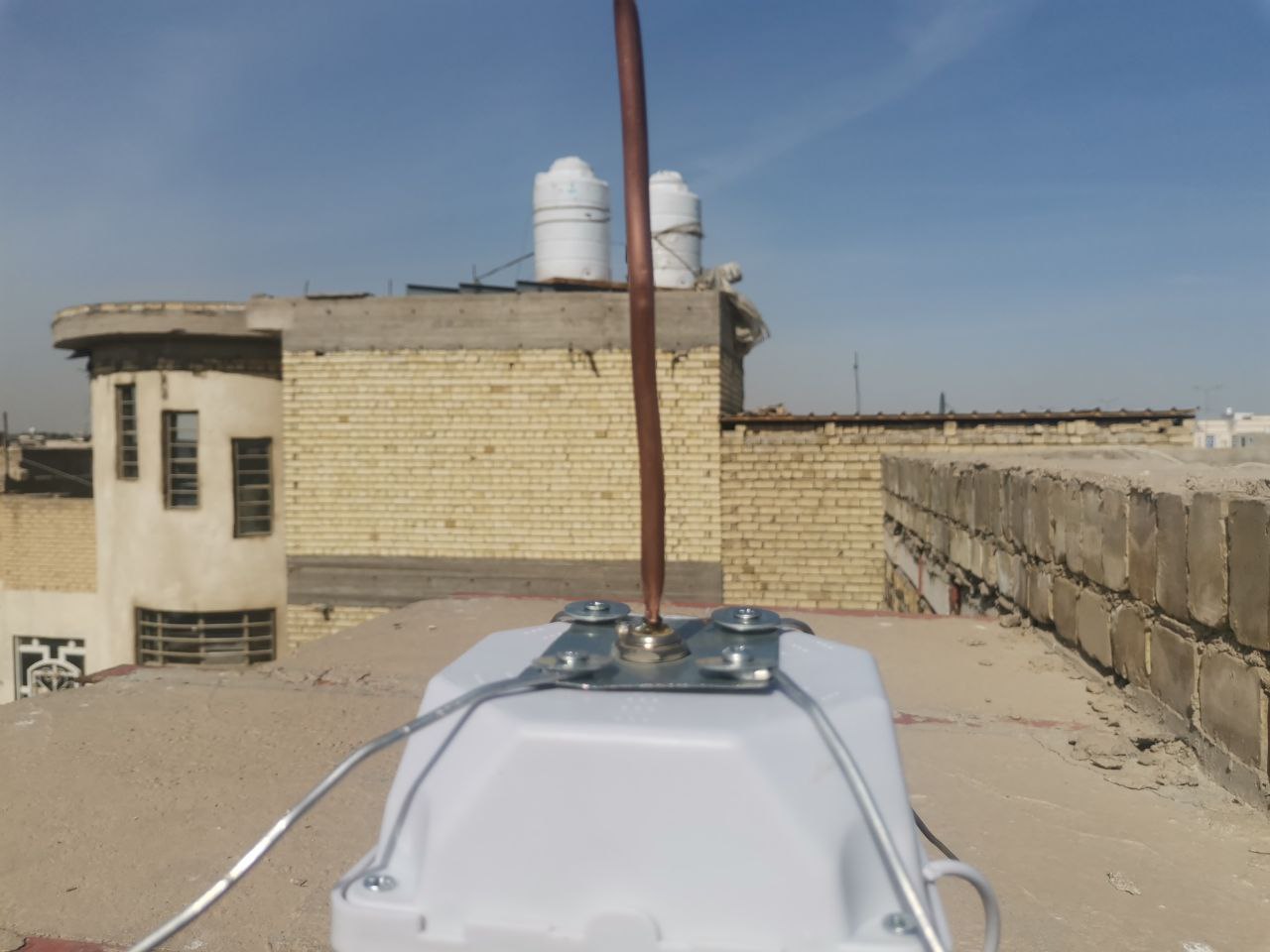
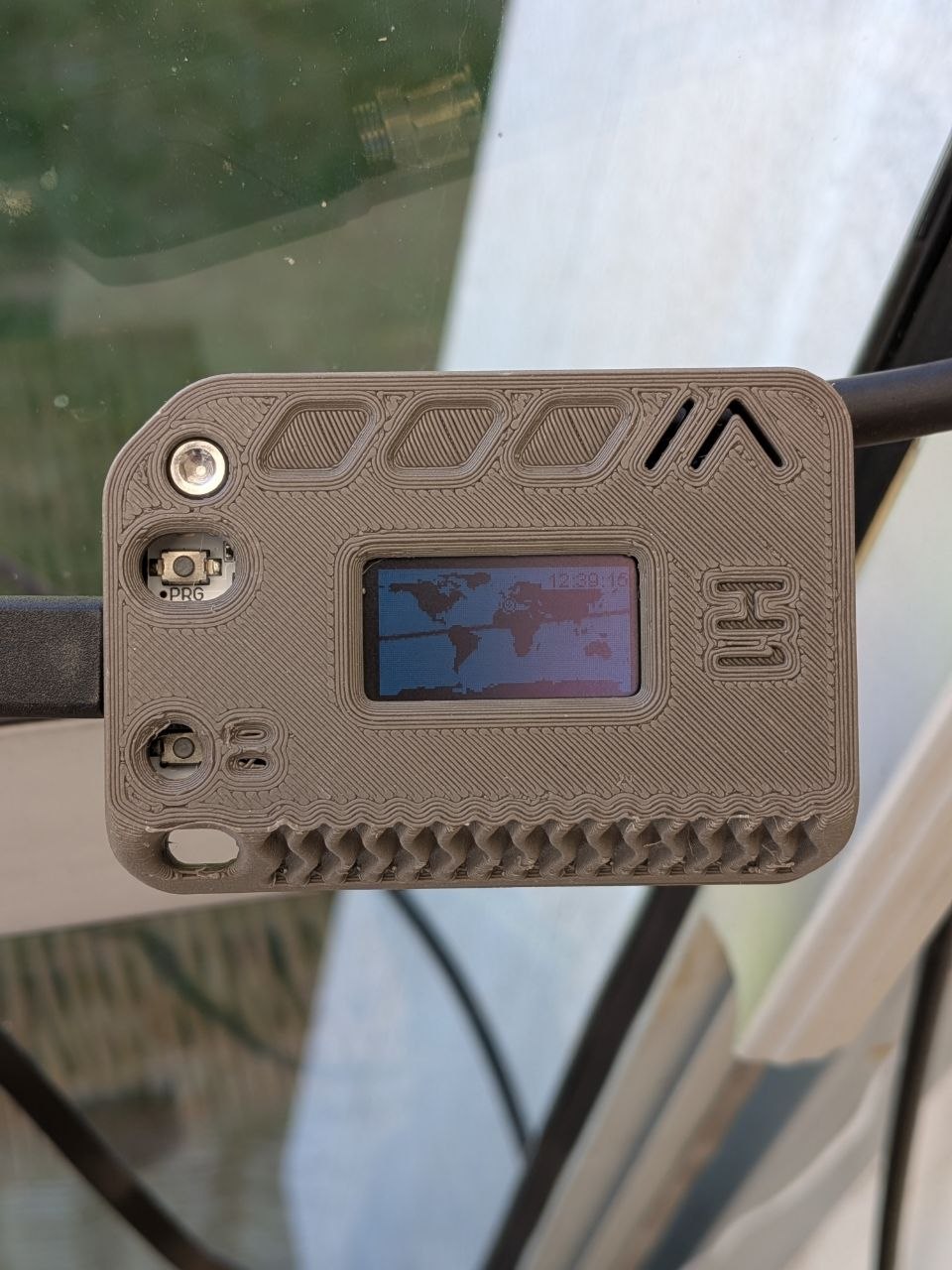
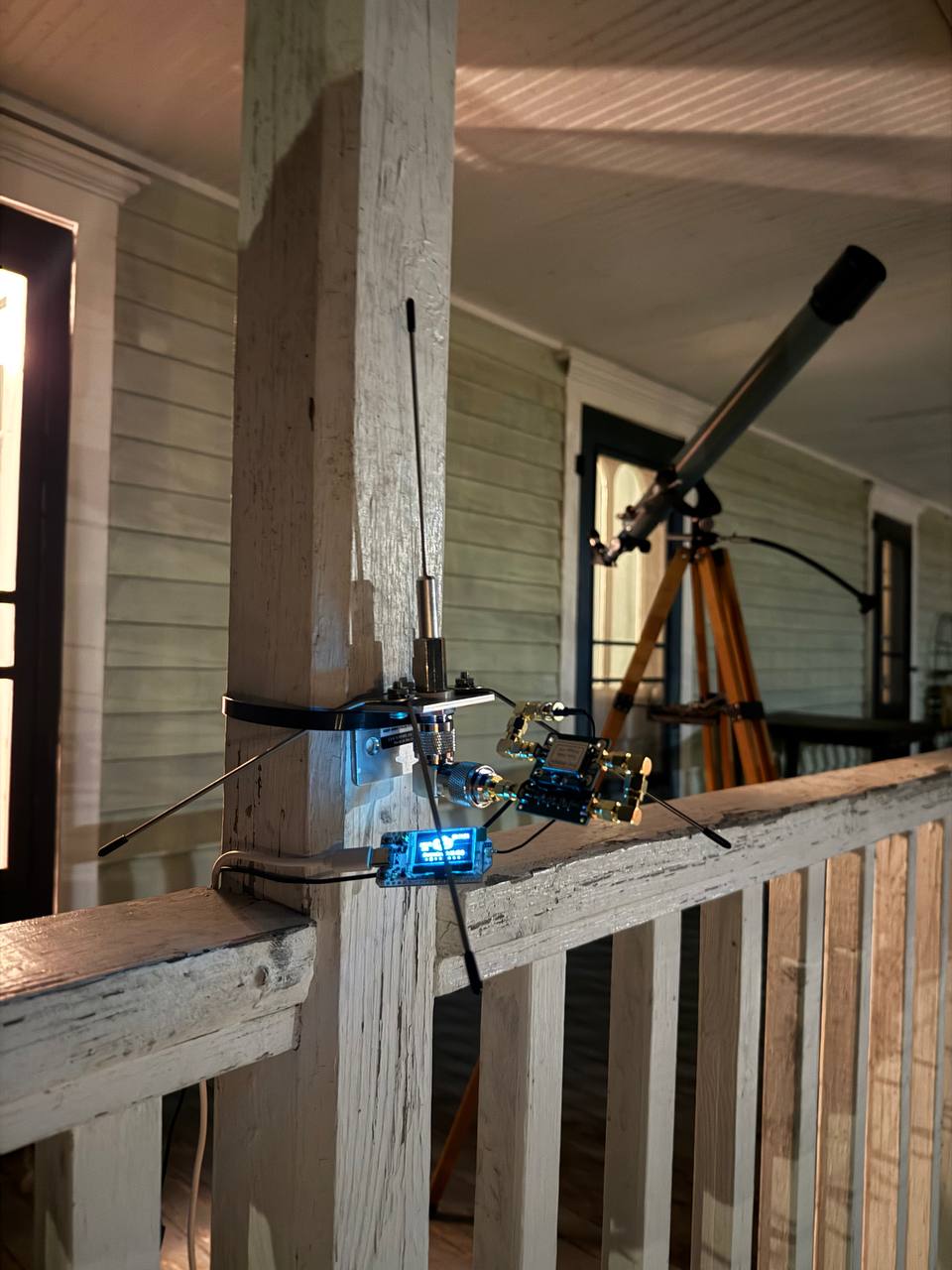
- EmWintle shared a photo of their station setup, contributing to the visual documentation of community deployments. 🔗
Antenna Building
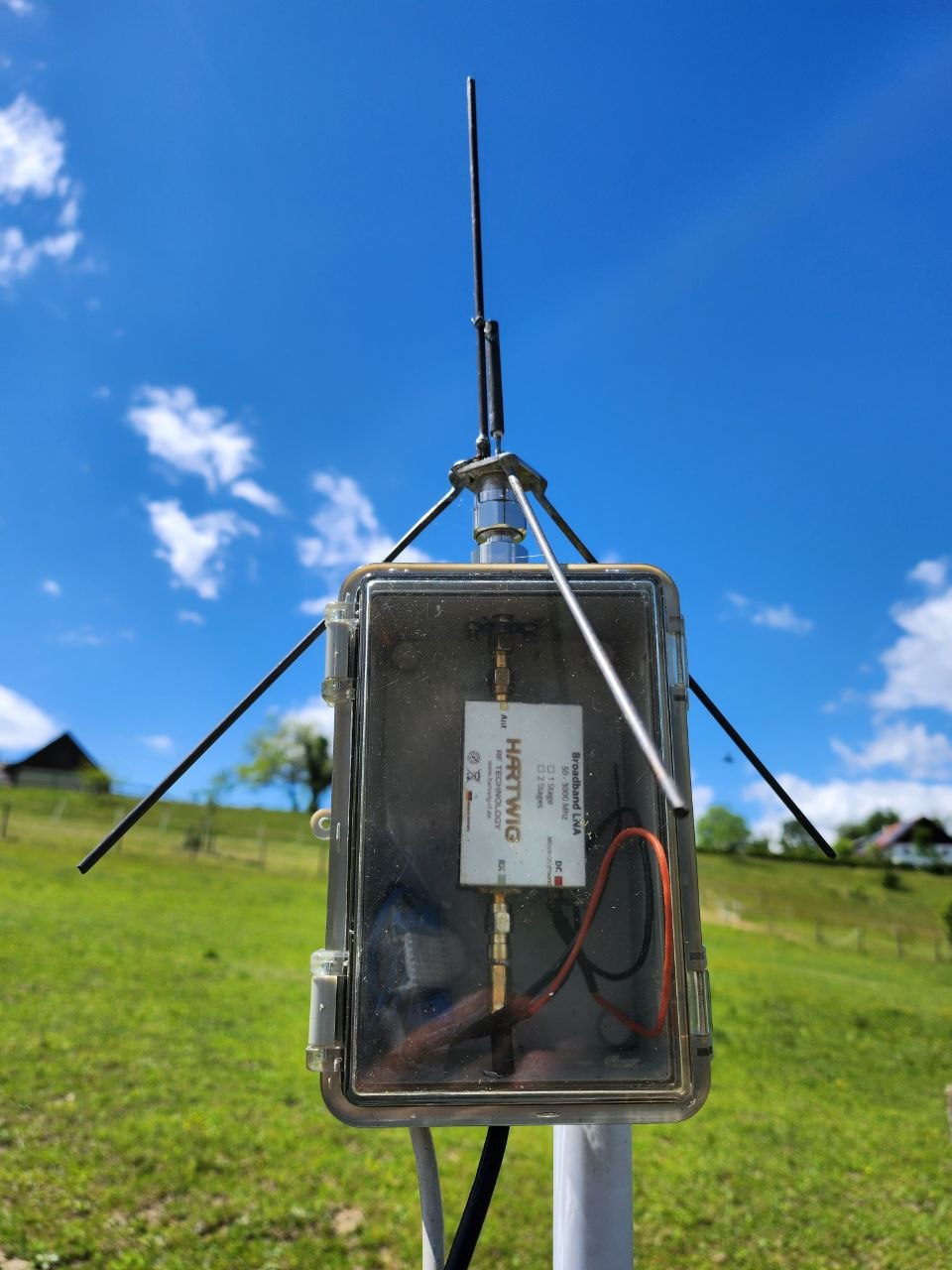
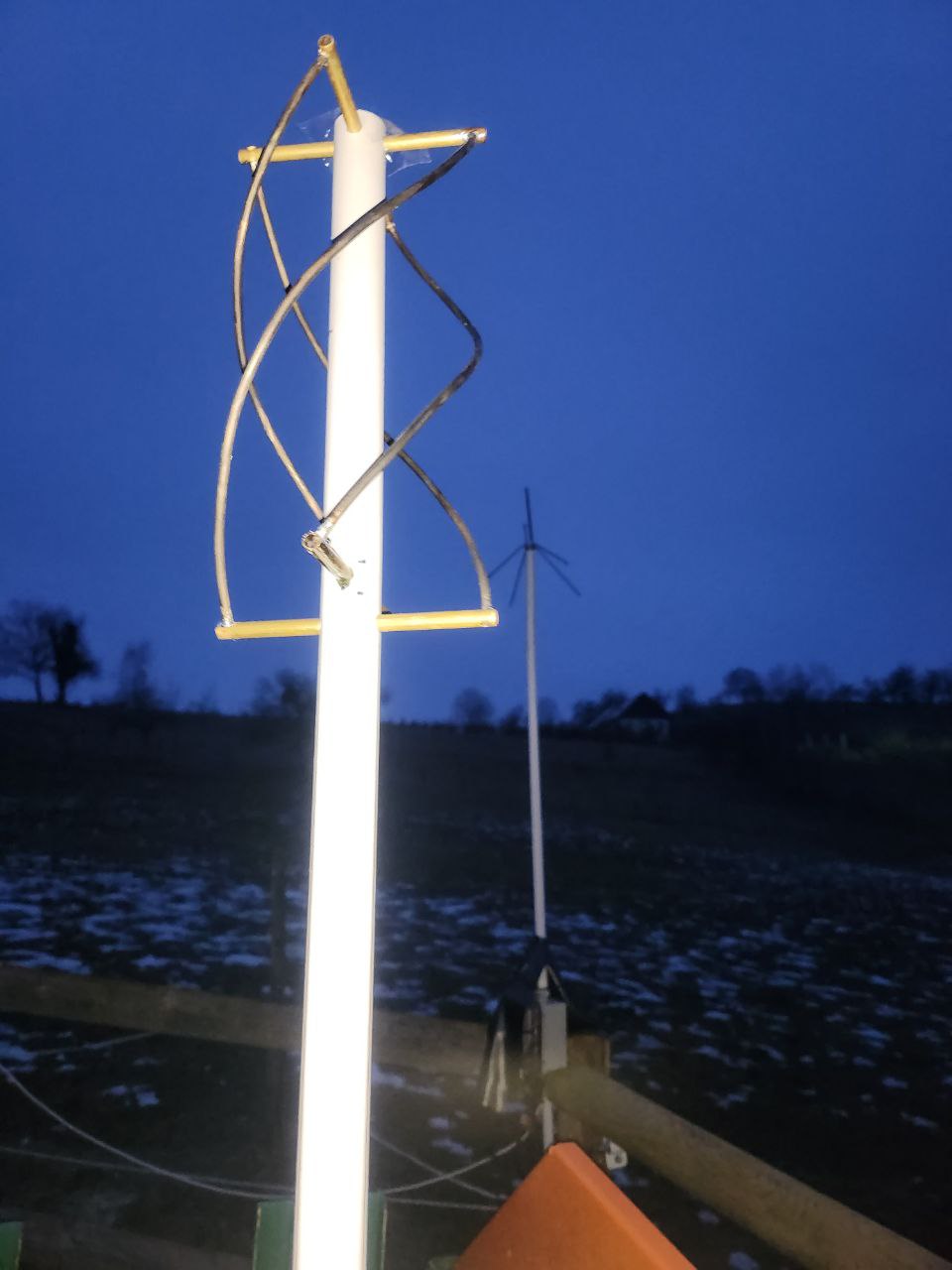
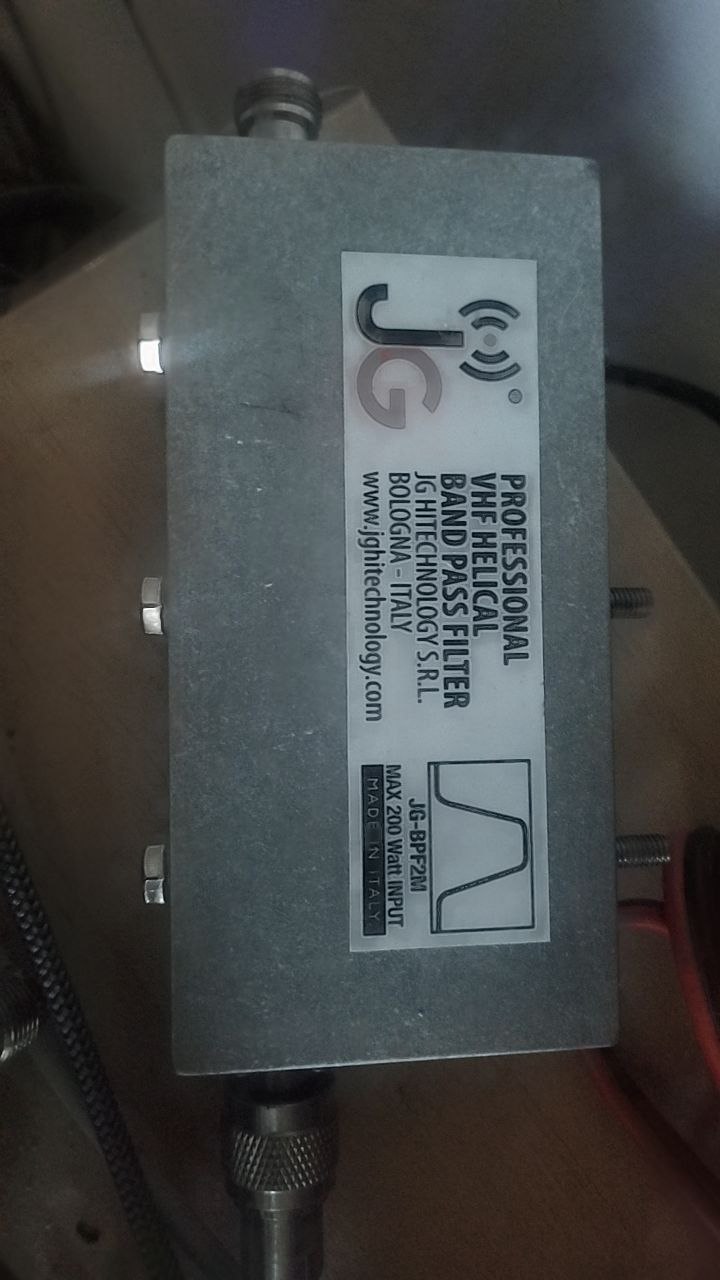
- Stefan/OE6ISP shared a photo of a rebuilt QFH antenna deployed for testing on station OE6ISP_1 and mentioned plans to add a small LNA at the feedpoint to improve performance. Later in the week, they shared their experience receiving nothing on 137 MHz without a filter and ultimately using a three-stage helical antenna from JG, which they repurposed from their 2m ham station, posting a photo of this setup. 🔗
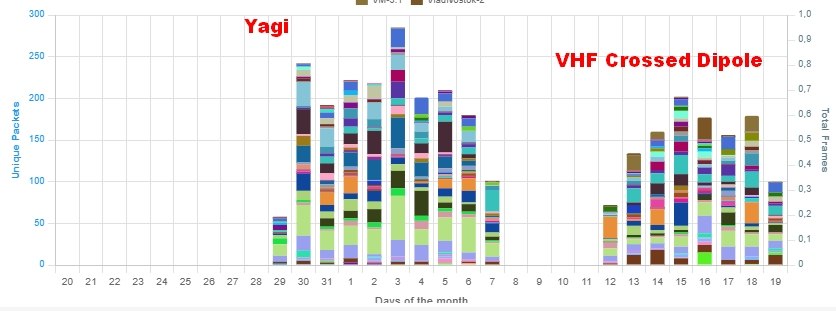
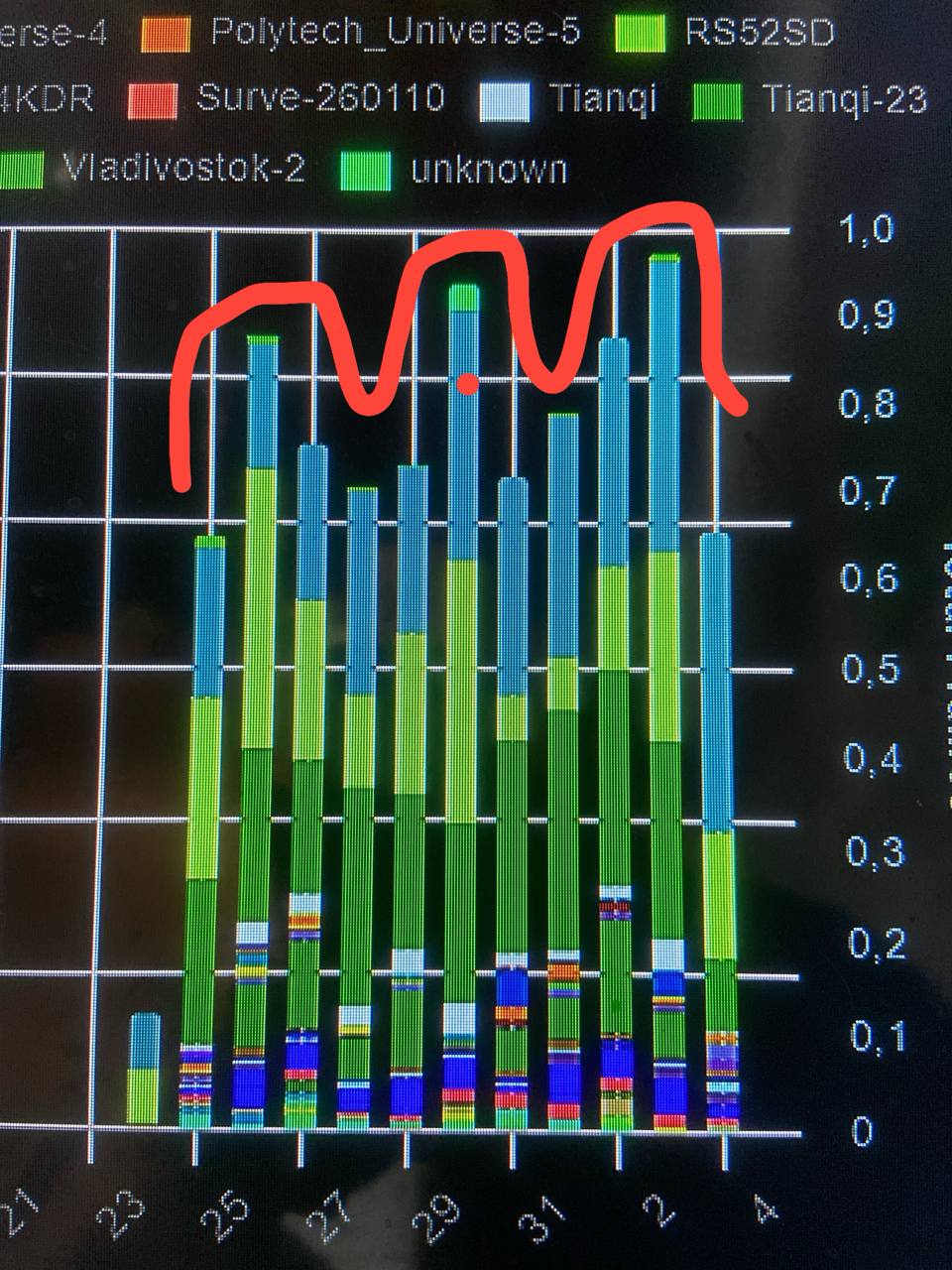
- KH1RU shared a photo related to antenna building and later asked why their station receives more packets every three days, showing 300 packets compared to the usual 200. They expressed excitement about their new station’s 15-day performance and mentioned plans to bring a 915MHz station to Brazil. 🔗
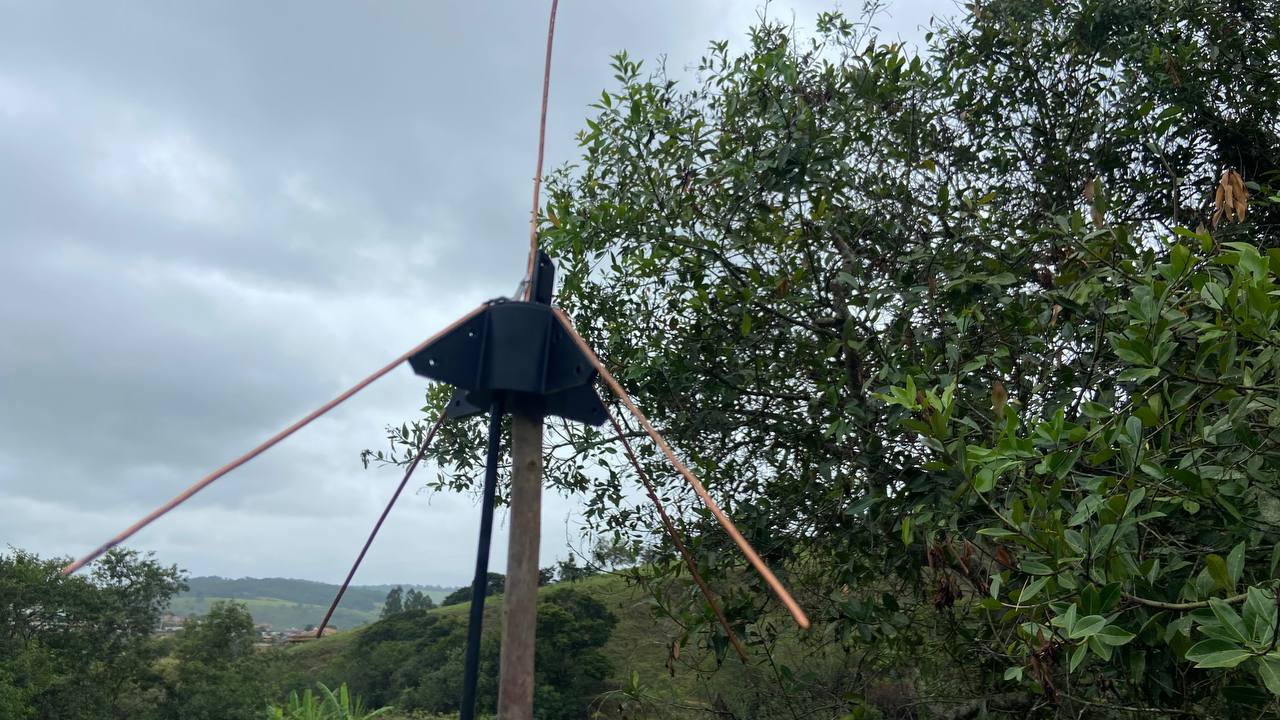
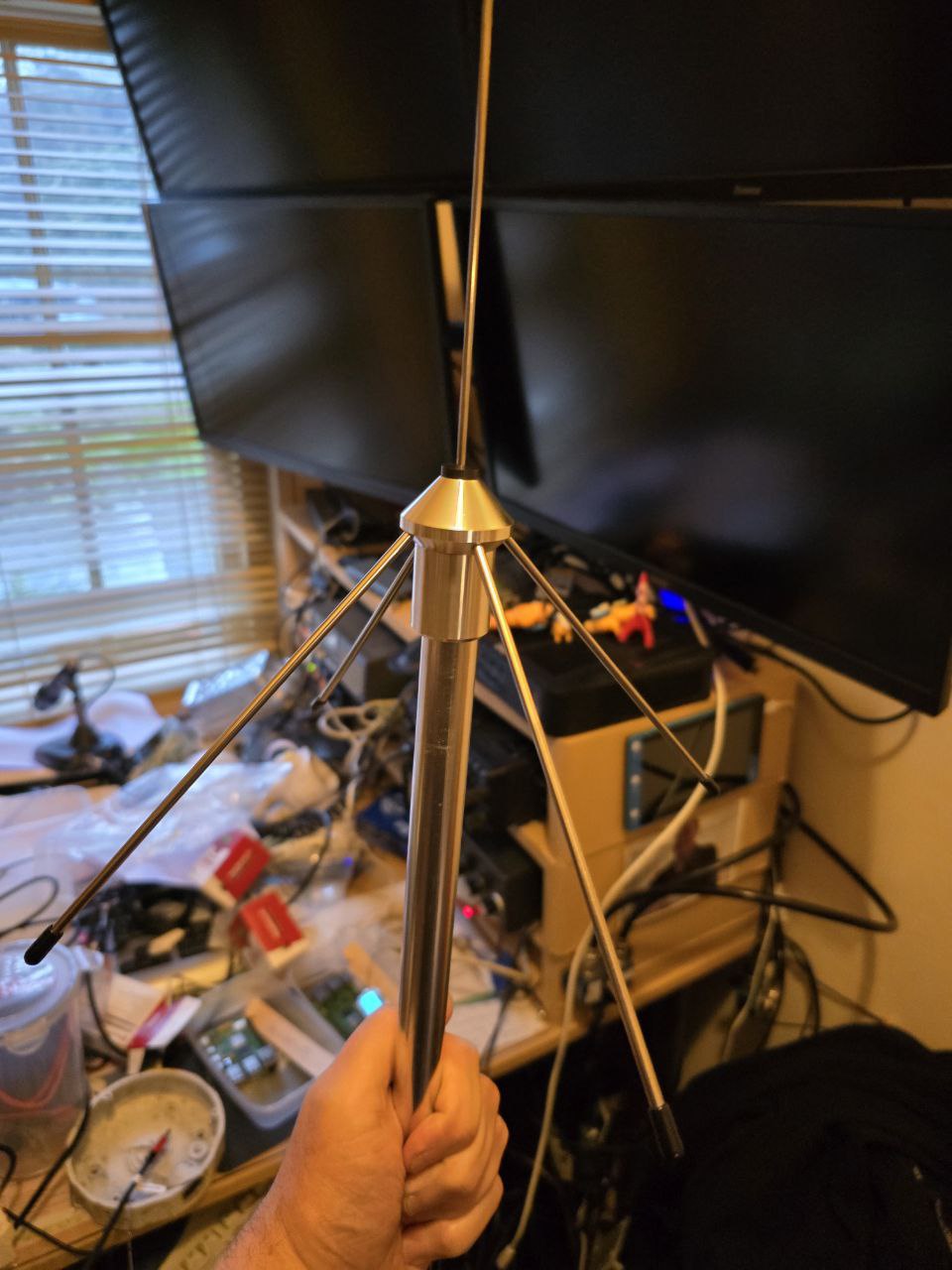
- Ian asked for advice on mounting height and clearance for a new antenna purchased from eBay, sharing a photo. The community advised that a clear view of the sky is more critical than height, with typical placements between 80cm and 2m high and several meters of clearance. They were guided to use the console’s noise floor as an indicator for testing locations, where more negative values are better. Ian later compared noise floor readings between a Diamond antenna (-120) and the new one (-110), seeking a target. It was explained that direct comparison is difficult, but -110 to -120 is generally acceptable, and noise floor is best for comparing the same antenna in different spots. 🔗
General
- grzewik observed that their station with a QFH antenna was performing worse than a simple Moxon antenna placed out a window. The newer station with the Moxon was already capturing signals not previously received, leading them to plan switching to multiple Moxons pointed in different directions. Helmi suggested that if a QFH is underperforming, it might be installed upside down, but grzewik confirmed their antenna was connected correctly at the top. 🔗
- Helmi compared two QFH antennas to a quarter-wave groundplane, noting they are similar and that both are better than a Moxon antenna. Earlier in the week, they had also pointed out the significant technical distinctions between 2m EME communication and receiving satellites on 70cm or 35cm bands. 🔗
- John asked for a good starting point or resource on how to send telemetry into the TinyGS network, expressing interest in beginning with a High-Altitude Balloon (HAB) project. Henriquefchaves agreed on the need for consolidated learning resources and a standardized validation process, suggesting a draft process for hardware validation on the ground, then on balloons, and finally on satellites. 🔗
- Notsure7 discussed challenges with some popular QFH antenna designs, noting they are often reproduced despite not working well due to polished YouTube videos, which can result in undesirable radiation patterns with lobes and nulls. 🔗
Technical Problems
- Xkemikkiran asked about the default password for the TinyGS web interface dashboard. Helmi clarified there is no default password; it’s the one chosen during installation. Xkemikkiran mentioned not having set an admin password and that the web installer didn’t prompt for one. gmag11 explained that the installer automatically fills in a password because the underlying library fails if the password field is left empty. 🔗
- kd7eir reported an issue where attempting to add a station resulted in an error stating the station name already existed. Later, they confirmed that everything was now working fine and thanked the community for the assistance. 🔗
Where to buy
- Bogonek reported positive out-of-the-box performance of a Heltec 433MHz v3 board with standard configuration. They mentioned that the onboard WiFi antenna is always connected but signal improved significantly after connecting an external antenna. They shared a link to an AliExpress listing for the Heltec Wireless Stick Lite V3 and later reported initial success, having set up the station indoors in a dense urban area with a basic monopole antenna and still managing to capture some data packets. 🔗
https://a.aliexpress.com/_EughAao
https://app.tinygs.com/station/HTIT_WSL_433@7927715586
New Satellites
- Network_ne asked about the typical time it takes for a new station to appear in the account page after configuration, noting it had been stuck in a ‘waiting’ status for over 10 minutes without connection errors. Another user clarified that it usually takes no more than two minutes and advised checking if the OTP (One-Time Password) had reset, which can happen if the board is restarted. 🔗
Events
- erm_egor shared a recent success, having installed everything on a homemade device using PlatformIO just the day before. They clarified that a VPN is only necessary for accessing the control panel, not for the core installation and setup process. 🔗
Featured Conversations
- Community members showcased highly advanced, integrated station setups this week, featuring remote multi-band nodes, professional weatherproofing, and custom power solutions. These detailed builds demonstrate a significant evolution in technical execution and serve as valuable blueprints for others.
- Antenna performance was a major topic, with practical comparisons between QFH, Moxon, and groundplane designs. Discussions revealed that optimal performance often depends on correct installation and local environment, with simpler antennas sometimes outperforming complex ones in specific scenarios.
- There was a strong focus on practical guidance for newcomers, covering hardware selection, antenna placement using noise floor measurements, and the critical need for filters—especially for 137 MHz reception in areas with high RF interference from sources like airports.
- The community collaboratively troubleshooted common setup issues, such as web interface passwords and station registration conflicts. These exchanges highlighted the supportive network that helps new users get their stations operational quickly.
- Discussions expanded into orbital mechanics, explaining the natural variation in daily packet counts due to different satellite orbit types like Sun-synchronous orbits. This provided deeper context for interpreting station performance data and planning for future satellite passes.
Latest Cubesats News

Next-generation compact antenna for robust defense and CubeSat communication - Nature
A miniaturized ultra-wideband antenna operates from 3.4 to 14 GHz with a 121.8% impedance bandwidth. The compact design, measuring 10×12×1.5 mm³, achieves a peak gain of 4.56 dBi and 82.9% radiation efficiency. It maintains stable radiation patterns and high performance across Sub-6 GHz and millimeter-wave frequencies. This makes it suitable for resilient, interference-resistant applications in defense systems and CubeSat missions.
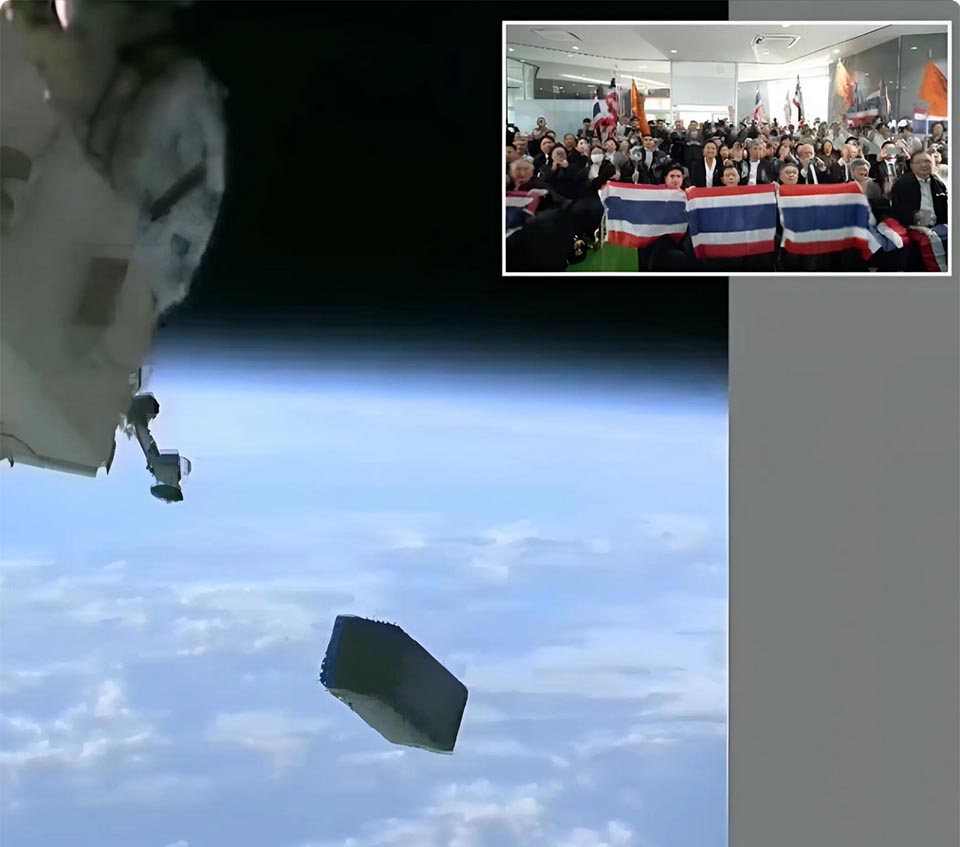
Thailand marks space milestone with successful deployment of KNACKSAT-2 satellite
Thailand successfully deployed the KNACKSAT-2 satellite from the International Space Station, a CubeSat built with 98% Thai-made components. It functions as a shared platform for IoT, Earth observation, and amateur radio services, lowering access barriers. The mission advances domestic space technology and serves as an educational tool for students and researchers. The satellite is now operational, broadcasting signals and supporting Thailand’s growing commercial and technical space capabilities.

Biomedical Research, CubeSat Deployments Top Crew Schedule - NASA
The Expedition 74 crew conducted biomedical research for the CIPHER health study and deployed educational CubeSats designed by international students. NASA Flight Engineer Chris Williams processed body samples and monitored the deployment of satellites for Earth observation from the Kibo module. Crew members also focused on cargo operations, life support maintenance, and prepared for the upcoming SpaceX Crew-12 Dragon spacecraft mission. Roscosmos cosmonauts performed electrical system upkeep, hardware inventory, and safety inspections of equipment in the station’s Russian segment.

Learning by Launch: Inside the CubeSTEP Ambitious Space Mission - Cal Poly Pomona
Cal Poly Pomona’s CubeSTEP program enables students to design, build, and launch a CubeSat for JPL to test advanced oscillating heat pipe technology in space. This hands-on mission provides cost-effective spaceflight validation while transforming students’ careers through real-world systems engineering experience. Students manage the entire project lifecycle, from payload design to mission operations, often leading directly to aerospace industry roles. The program is funded by a NASA grant and emphasizes closing the gap between academic theory and practical engineering execution.

UiTM creates history after launching second nanosatellite into orbit - Malaysiakini
UiTM has successfully launched its second nanosatellite, UiTMSAT-2, into orbit. The 1.1kg CubeSat was deployed from the Japanese Experiment Module using the J-SSOD mechanism. This achievement marks a historic milestone for the university’s space program. The project was led by Fatimah Zaharah Ali.
Mexico deploys university satellite through UNOOSA-JAXA KiboCUBE programme
A student-built CubeSat from Mexico’s UPAEP university was deployed from the International Space Station. The Gxiba-1 satellite will monitor volcanic activity and ash dispersion for disaster risk reduction. It was selected under the UNOOSA-JAXA KiboCUBE program, which supports space projects from developing nations. This deployment marks the sixth satellite launched through this initiative.
Helio Moves Closer to Commercial Production of Government-Funded CubeSat Antenna Technology
Helio has entered the final phase of developing a NASA-funded, 6-meter deployable antenna and boom system for CubeSats. The technology aims to surpass the industry’s current 3-meter limit, enabling advanced communications and Earth observation. Designed for compact storage and mass production, it addresses supply chain gaps for critical satellite components. The system also supports Helio’s long-term strategy for space-based solar power infrastructure.

Undergraduates help steer NASA SPARCS mission after launch - The Arizona State Press
The NASA-funded SPARCS space telescope, launched in January, is now in its commissioning phase. A team of up to 28 undergraduate students from ASU helped build the satellite and now actively command it from a campus mission control center. These students type commands to operate the spacecraft, including tasks like activating heaters to prepare the telescope. The mission provides hands-on aerospace experience and is expected to operate in orbit for about a year.
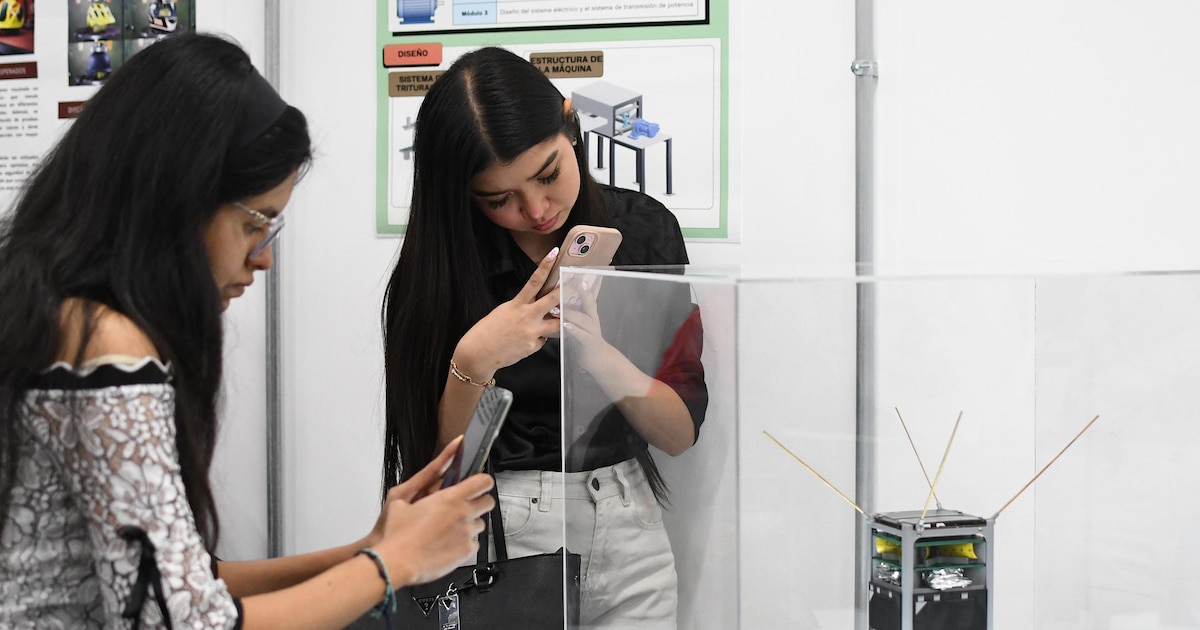
The Guatemalan satellite Quetzal-2: student innovation, artificial intelligence, and the leap…
The Quetzal-2 satellite, developed by Guatemala’s Universidad del Valle, is scheduled for delivery in 2028 and will be launched on a SpaceX Falcon 9 rocket. It is a larger CubeSat that will test a deorbiting system to prevent space debris and features an onboard computer capable of running AI to identify clouds in images. The project involves over 40 students, with a significant increase in female participation compared to the previous mission. Its goal is to inspire a new generation of scientists and position Guatemala within the global satellite industry.
Positron Capital Management Extends USC Satellite Partnership - National Today
Positron Capital Management continues its partnership with USC’s Viterbi School of Engineering for the MAVERIC CubeSat mission, launching in June 2026. The project integrates four innovative payloads and has involved over 60 students, faculty, and industry professionals. This academic-industry collaboration aims to advance satellite technology and provide hands-on learning for future space engineers. The mission’s success could lead to breakthroughs in satellite capabilities and further innovation in the field.
What’s next
Join the TinyGS Telegram channel to share your own station builds, discuss technical solutions, and collaborate with a global community of satellite enthusiasts. Your contributions, questions, and experiences help everyone learn and improve their ground stations!