· TinyGS Community · 14 min read
Weekly Newsletter - February 1, 2026
Welcome to the TinyGS weekly community newsletter. This week, from January 25 to February 1, 2026, was packed with technical discussions, impressive station builds, and collaborative problem-solving. The community delved into antenna optimization, hardware selection, and the intricacies of the new leaderboard system, while also preparing for upcoming events and sharing valuable setup experiences.
Highlights
General
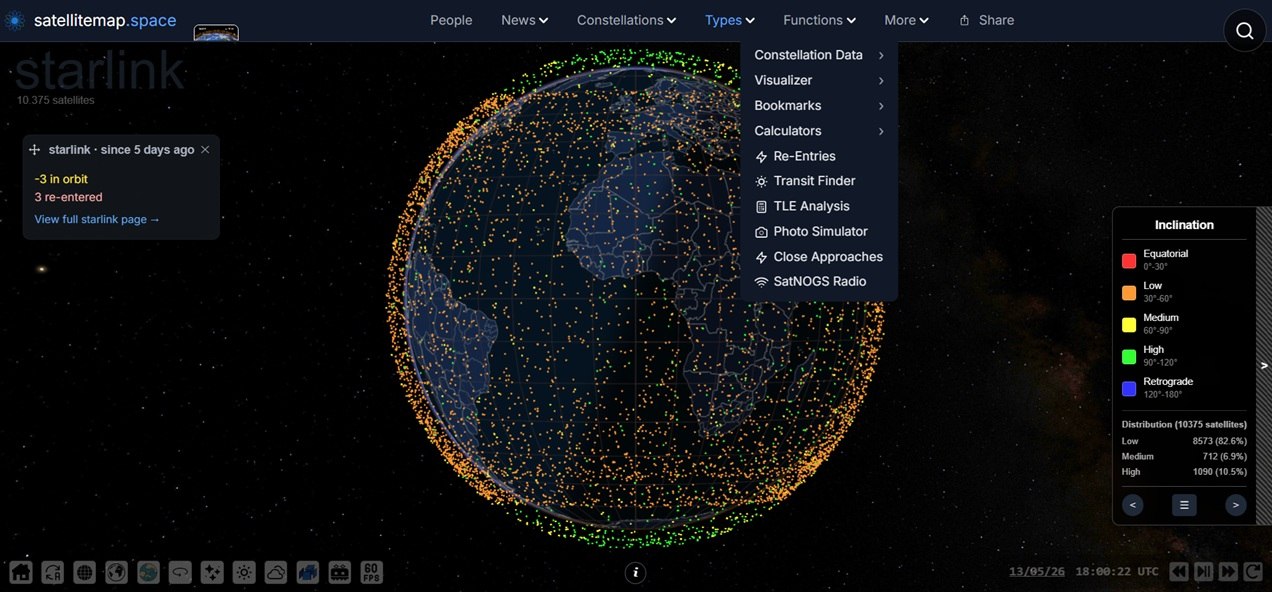
- G4lile0 provided a detailed breakdown of the new telemetry graphs and the ‘Territory’ feature, explaining how coverage hexes are claimed based on packet counts over the last 30 days and daily competitions. Later in the week, they announced updates to the leaderboard algorithm, shifting the focus to ‘Total Reach/Coverage’ and ‘Surface Area’ to better recognize stations with excellent performance and range. They also clarified that ties in contested hexes now award points to all tied users and shared an image of the new Global Orbital Footprint now in production. 🔗
- Dave commented on the recent changes to the ‘Territory’ scoring algorithm, noting a drop in top scores and his own ranking, and inquired about how ties in packet counts for a hex are resolved. Later, they explained that the star on the station statistics indicates the number of packets received exclusively by that station, sharing an image for clarity. They also expressed appreciation for the new leaderboard metrics and suggested that for the leaderboard to be more useful for station optimization, individual stations should be more easily identifiable from user aliases. 🔗

- ubabematrix introduced themselves as Kristoff ON1ARF from Belgium and announced HamConBE26, a local conference on radio technology scheduled for April 25th in Leuven, issuing a call for presentations, workshops, or infostands related to TinyGS. Later, they announced participation at FOSDEM 2026 with an amateur radio infostand and plans to bring a TinyGS node for demonstration, inviting the community to visit and outlining plans to demo TinyGS, receive weather satellites with satdump, and potentially receive the ISS. 🔗
https://hamcon.be/
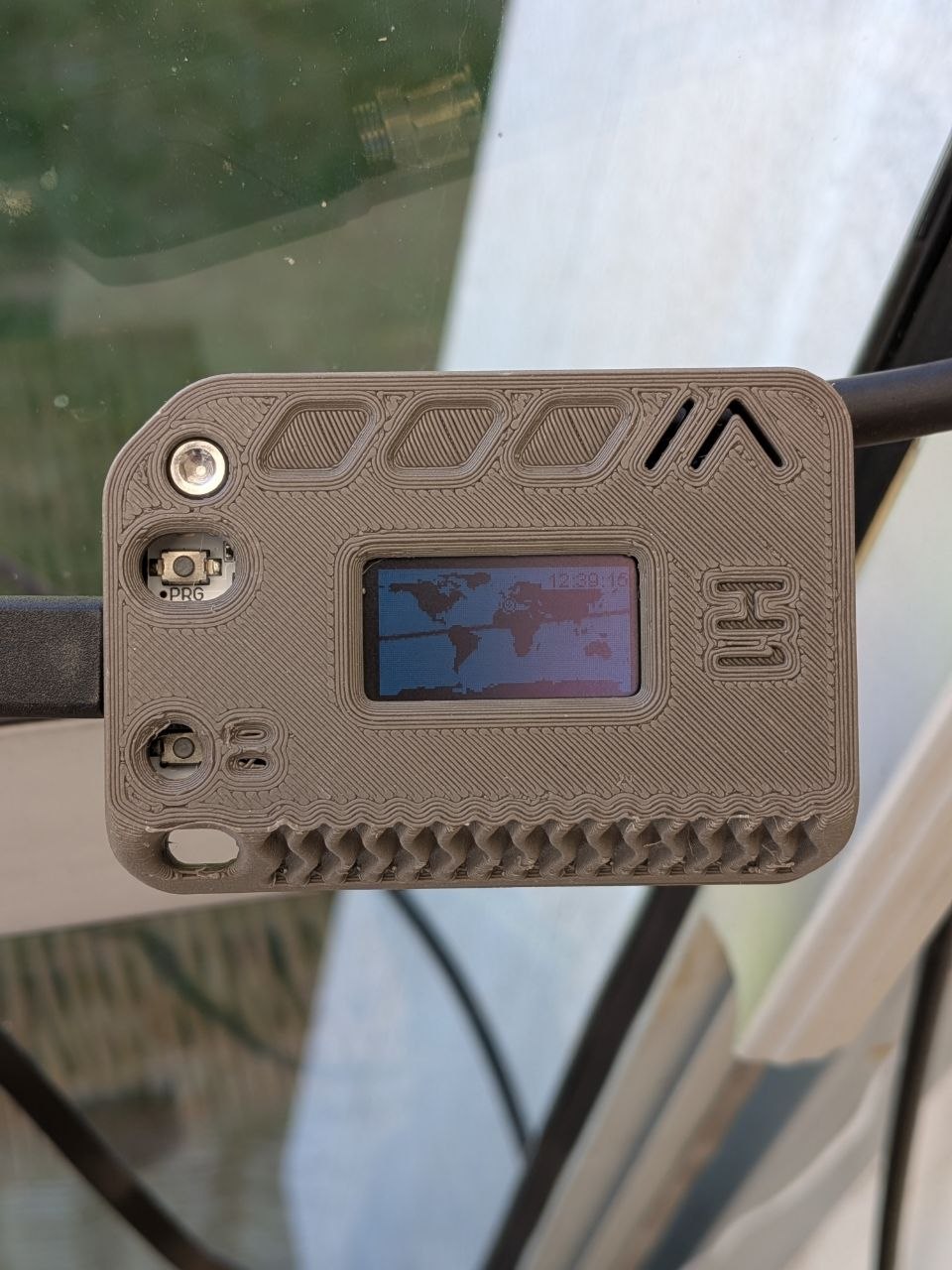
https://fosdem.org/2026/stands/ - Ian inquired if anyone shares their TinyGS ground station data on a personal website, such as one for weather or all-sky cameras, and asked about the process. They later shared details about meteor camera setups, mentioning that one is part of the global meteor network using a Raspberry Pi, while others are based on the AllSky7 project. After receiving a WiFi LoRa 32(V3) board, they sought clarification on the assembly, specifically about where to connect the provided SMA antenna cable. Finally, they discussed their station performance, receiving only a few packets per day with an old Diamond X30 antenna, and agreed with advice to build a ground plane antenna, planning to move the LoRa board to a waterproof enclosure. 🔗
Www.skippyinspace.com
Antenna Building
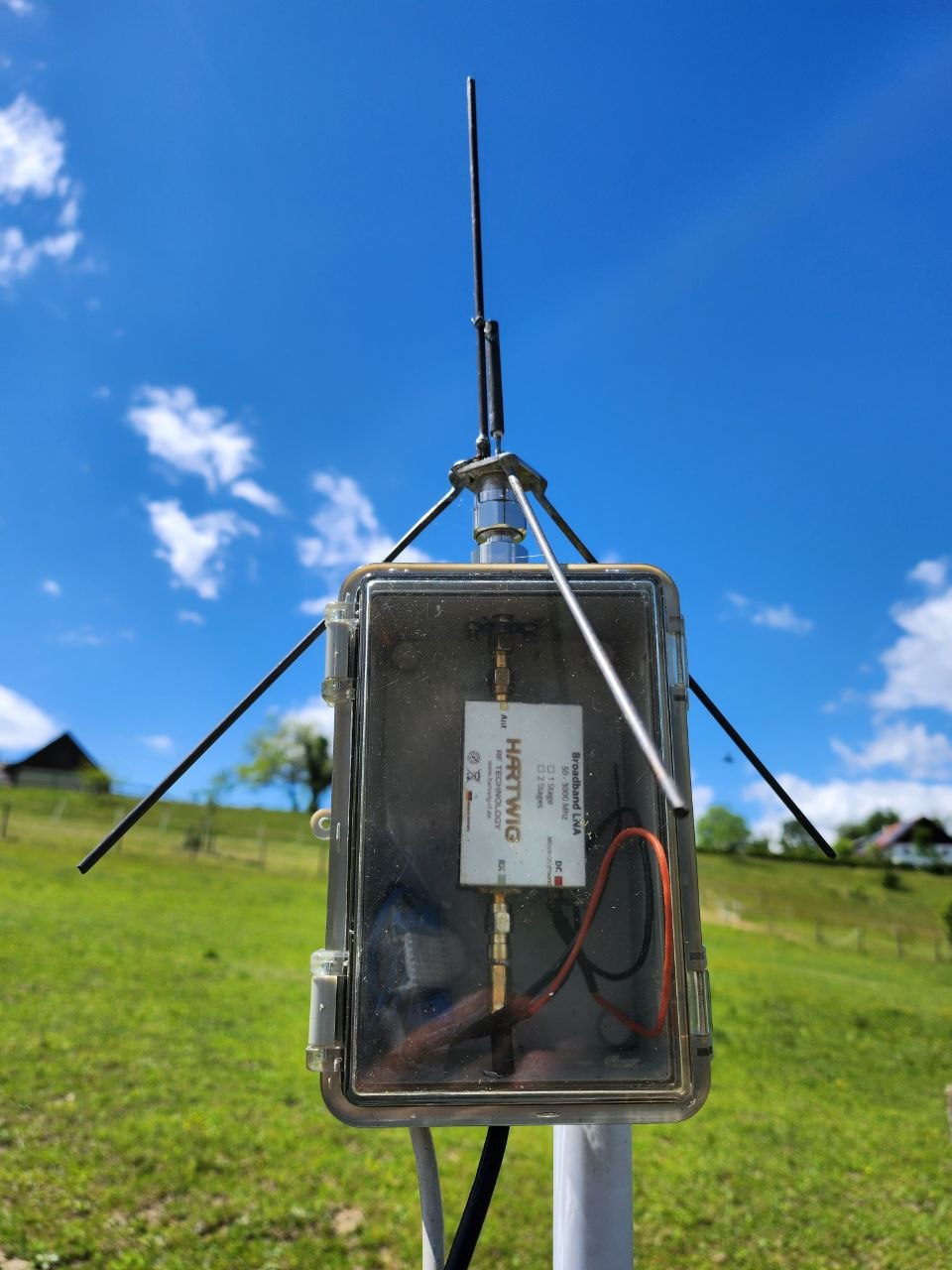
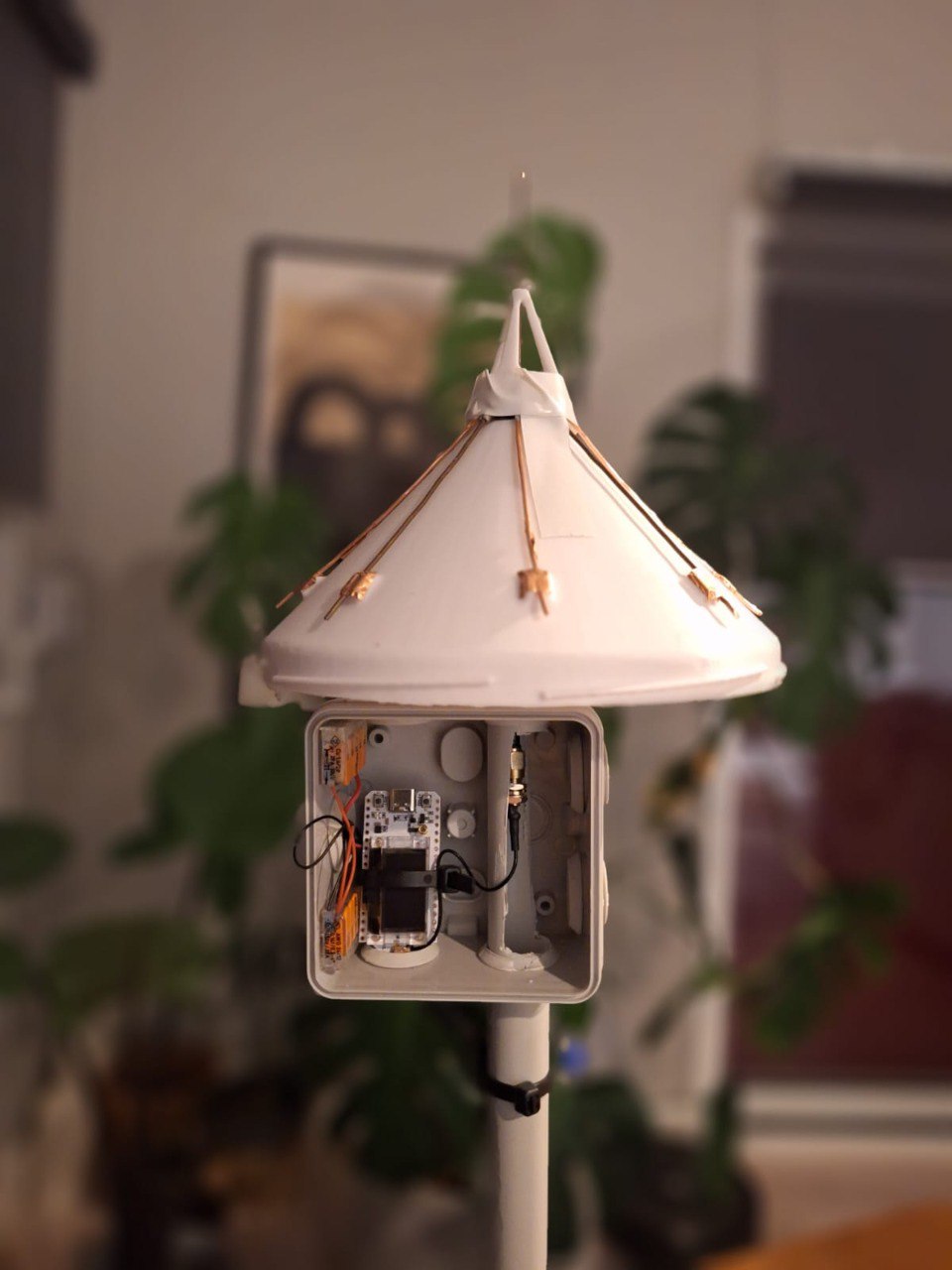
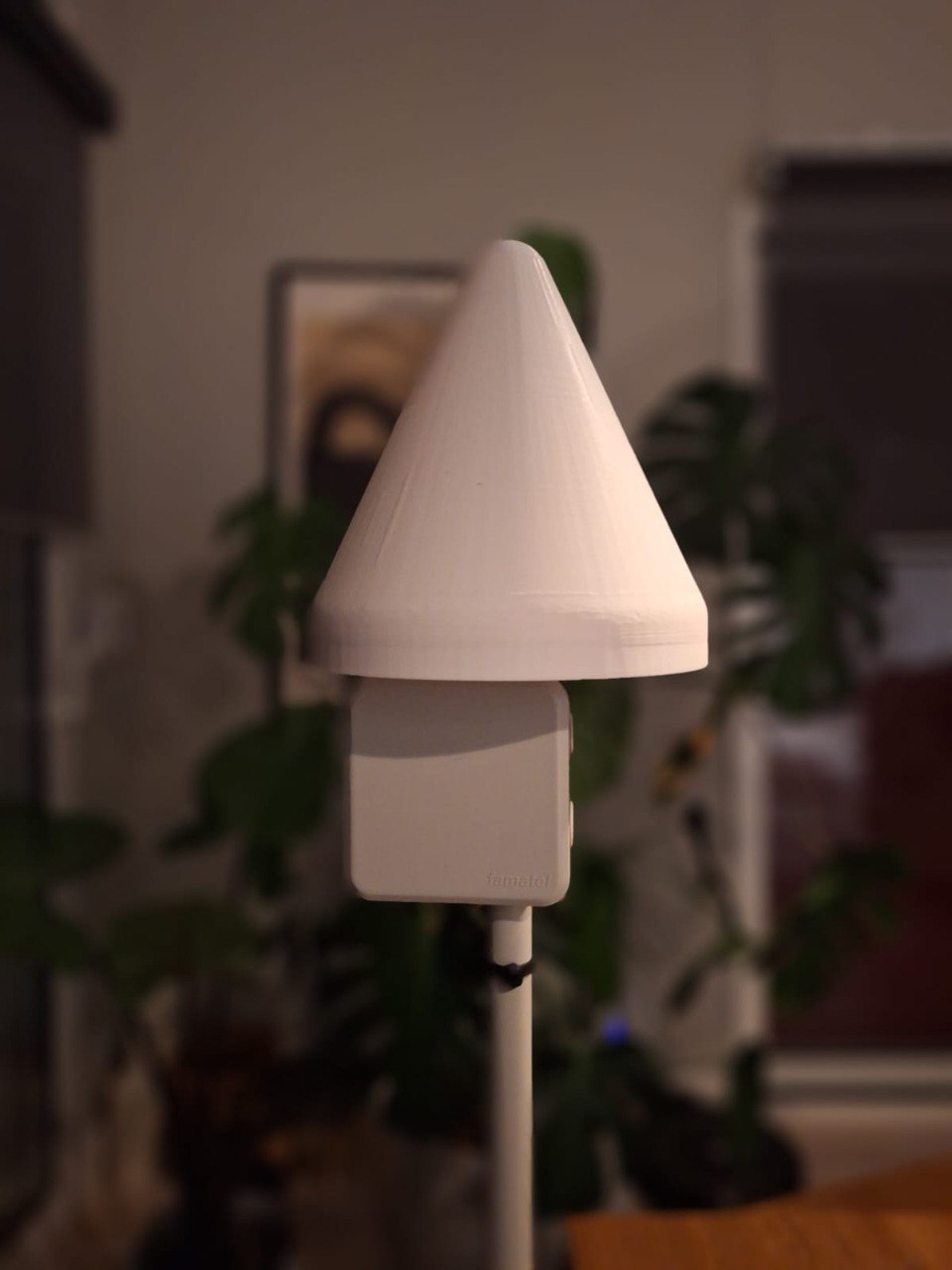
- Adei shared images and details of a new 868 MHz antenna setup, featuring a 3D-printed PETG protective dome. He asked for advice on whether a low-noise amplifier (LNA) would be beneficial and later discussed installation plans on a 3-meter mast, thanking the community for the advice and confirming he lives in a rural area and would consider an LNA. 🔗
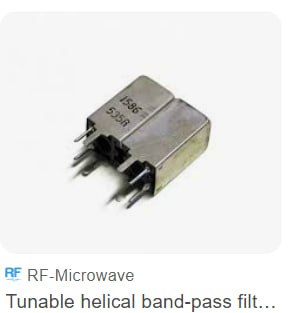
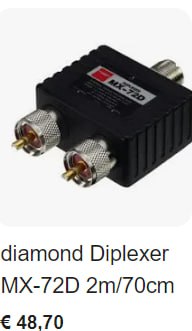
- Stefan/OE6ISP offered experienced advice on antenna setups, stating that high masts are not necessary and that LNAs are most effective in low-noise environments like the countryside. He later recommended a specific filter and suggested using a diamond diplexer as an alternative to narrow bandpass filters. In discussions about antenna types, he explained the trade-offs between ground plane, QFH, and Eggbeater antennas, and later provided detailed advice on achieving proper impedance for ground plane antennas, emphasizing the importance of radial angles. 🔗
https://app.tinygs.com/station/OE6ISP_1@1760298214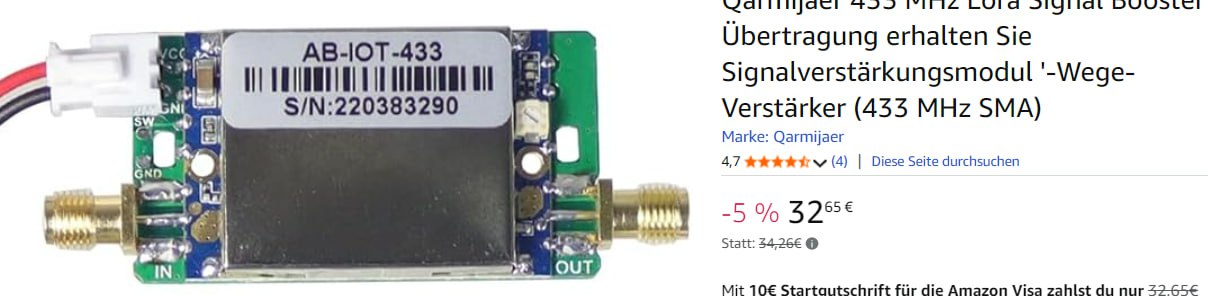
- Helmi provided technical advice to TI2BSH on achieving a 50 Ohm impedance for a ground plane antenna, noting the angle between two radials should be 90° and asking if they had a VNA for tuning. Later, shared his experience using a VNA for trimming his ground plane antennas and noted that the distance to the ground affects performance and noise levels. In a general discussion, he suggested that a high location can increase noise and recommended a simple ground plane antenna for optimal satellite reception, sharing his own setup achieving 100-200+ packets daily. 🔗
- Mike G0MKK explained that for a ground plane antenna, the impedance is about 35 ohms when the radials are at 90 degrees, and bending them down improves the impedance to around 50 ohms, agreeing that for receive-only purposes, the impedance difference is not critical. 🔗
Technical Problems
- Xkemikkiran inquired about the suitability of an RA-01 module (433MHz) for TinyGS, noting it lacked a BUSY pin and asked if it was necessary, later deciding to proceed due to cost. Later in the week, they were troubleshooting their ESP32-S3 and SX1278 LoRa module setup, questioning a log entry and were guided to check the station dashboard’s radio status, which showed ‘READY’. The conversation shifted to antenna quality, where it was suggested the provided antenna might be insufficient, and they were directed to the Antenna Building section for better designs. 🔗
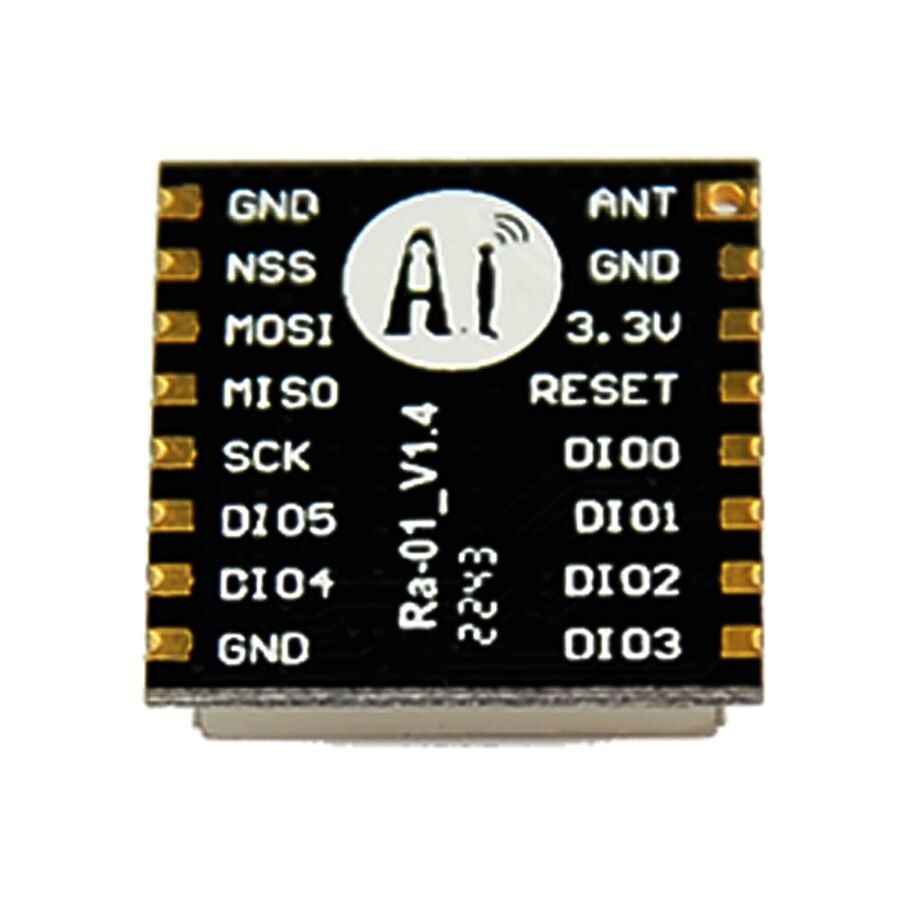

- Helmi advised using a DIO pin instead of BUSY for the RA-01 module and pointed to the ConfigManager source code on GitHub for configuration details. They also clarified that only ‘M’ series Ebyte modules are supported, not ‘T’ series, and recommended unchecking the LNA box to prevent potential damage. Later, they explained that receiving FSK signals requires an SX126x chip, as SX127x chips are not suitable within the TinyGS system, and noted that ConnectaIoT satellites transmit primarily over Europe and Kosar @868 transmissions are very infrequent. 🔗
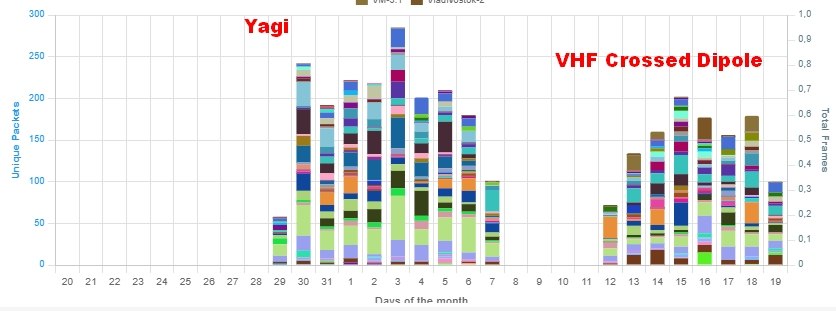
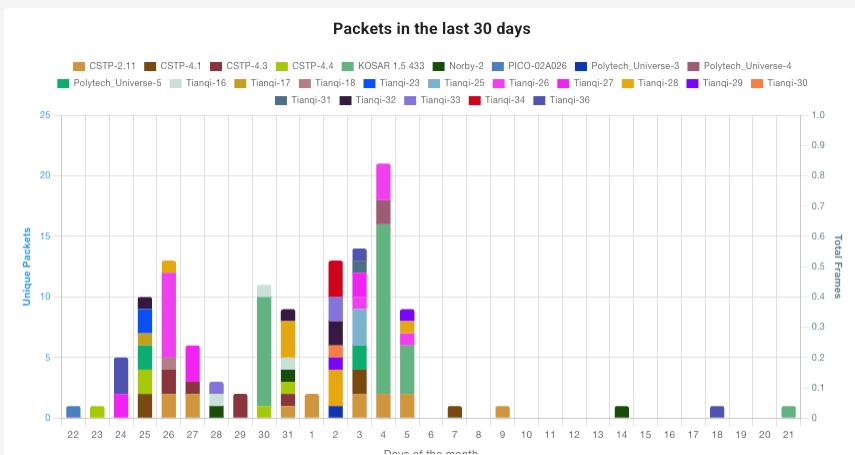
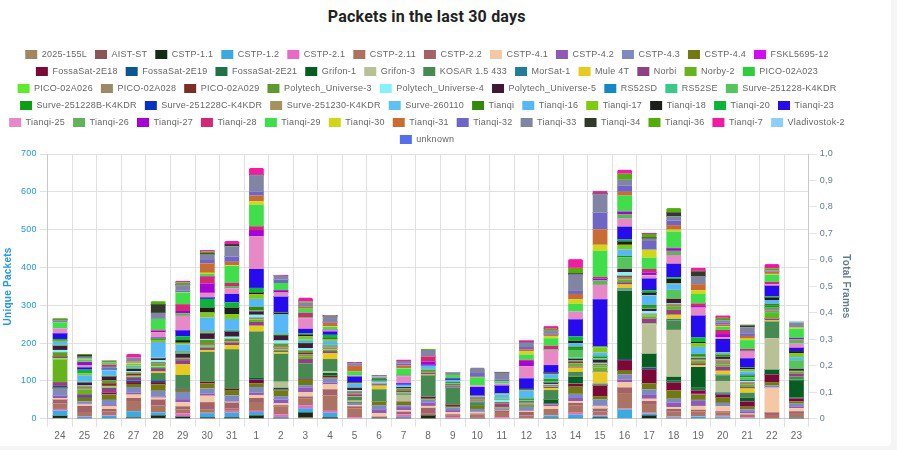
https://github.com/G4lile0/tinyGS/tree/beta/tinyGS/src/ConfigManager - Toggle00 and John reported a strange pattern where their reception boosted significantly around December 24th and then dropped sharply on January 5th, despite no changes to their setup, with John confirming a similar drop from 300-400 to 50-100 packets daily. Gerhard_Hickl suggested the drastic change likely indicates a problem with the antenna, cable, or receiver, advising to check for issues like a ‘wet cable’ where the coax braid may have absorbed moisture, and shared a graph showing their own less drastic reception variations. 🔗
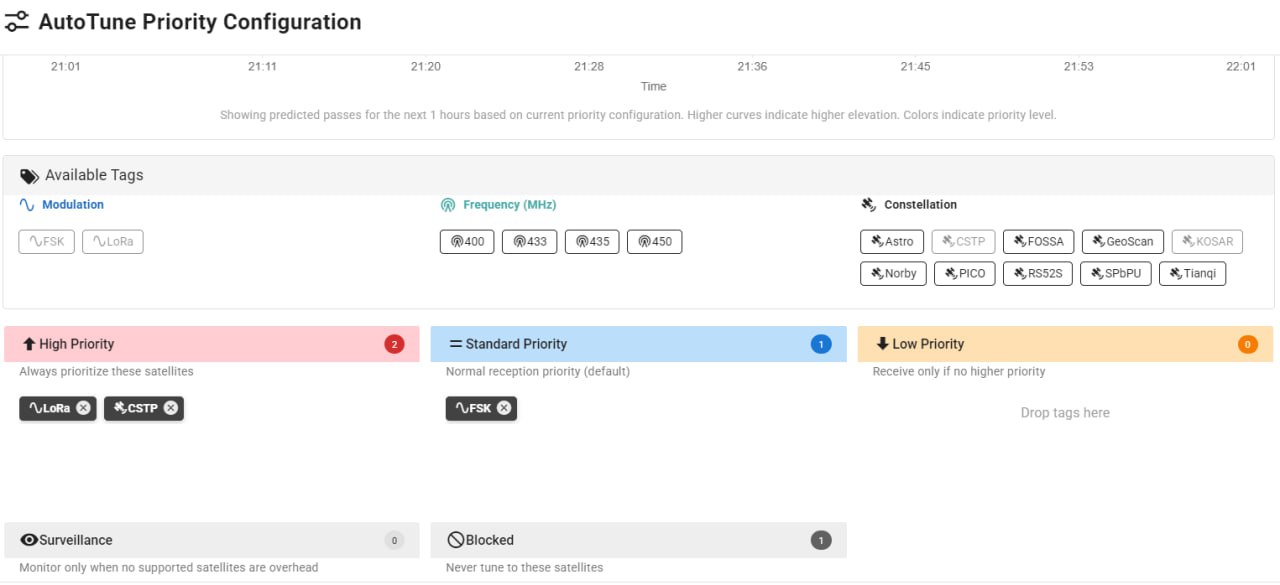
- Stefan/OE6ISP summarized the ongoing technical debate on FSK reception, confirming that SX1262 boards work while SX1276/8 boards do not in the current TinyGS implementation, citing issues with the radio library and lack of a TCXO. Later, provided a detailed solution for covering the 400-450MHz bandwidth for an LNA question, recommending an unfiltered LNA with low noise figure and a Diamond diplexer for low insertion loss, and shared images of his setup. He also explained that configuring satellite priorities depends on the complex autotune algorithm and that personal priorities can be set in the Operate/Customize Priorities tab. 🔗
New Satellites
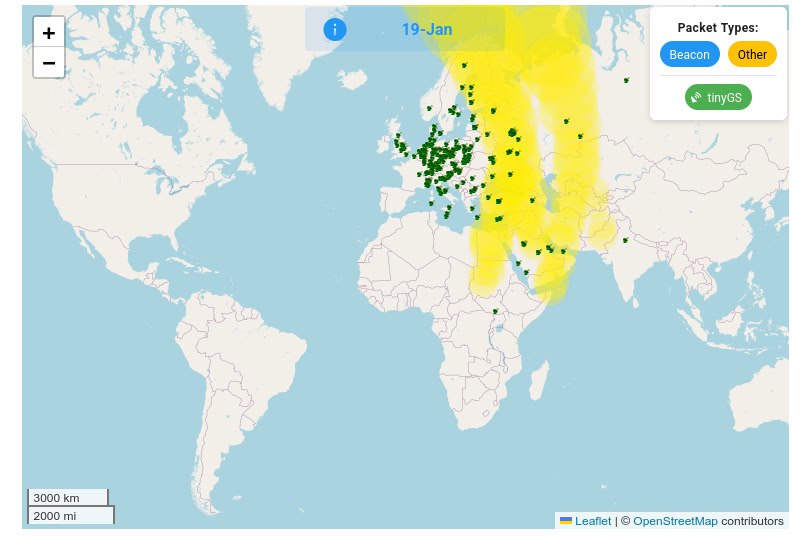
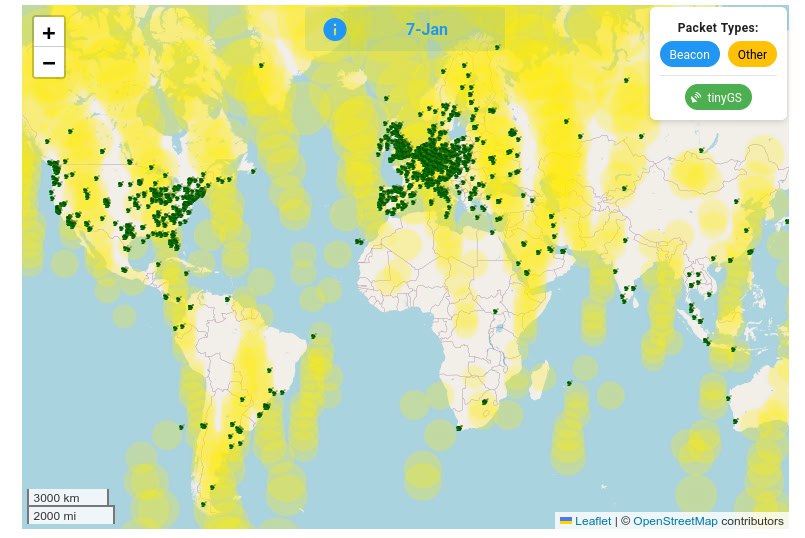
- K4KDR reported a significant drop in decodes from the Kosar-1.5 satellite’s 436 MHz transmitter, speculating on a possible power or component issue, and shared a positive update that he had re-established contact with the Kosar team in Iran. 🔗
- Stephen raised a question about the criteria for including satellites in TinyGS, specifically referencing Grifon-3, which was transmitting many packets but whose data was not yet decoded, expressing concern about enabling tracking for satellites with a lack of transparency. 🔗
- G4lile0 responded to the Kosar-1.5 discussion by pointing to the satellite page for detailed transmission data, sharing supporting images of the satellite’s activity map. Later, responded to Stephen that the primary inclusion criteria is hardware compatibility, aiming to support as many LoRa/FSK satellites as possible, explaining that decoding prioritizes satellites with public telemetry, but for others like Grifon, reverse engineering is sometimes required. They noted that users can filter satellites and that Grifon satellites would be moved to their own category soon. 🔗
Share your setup
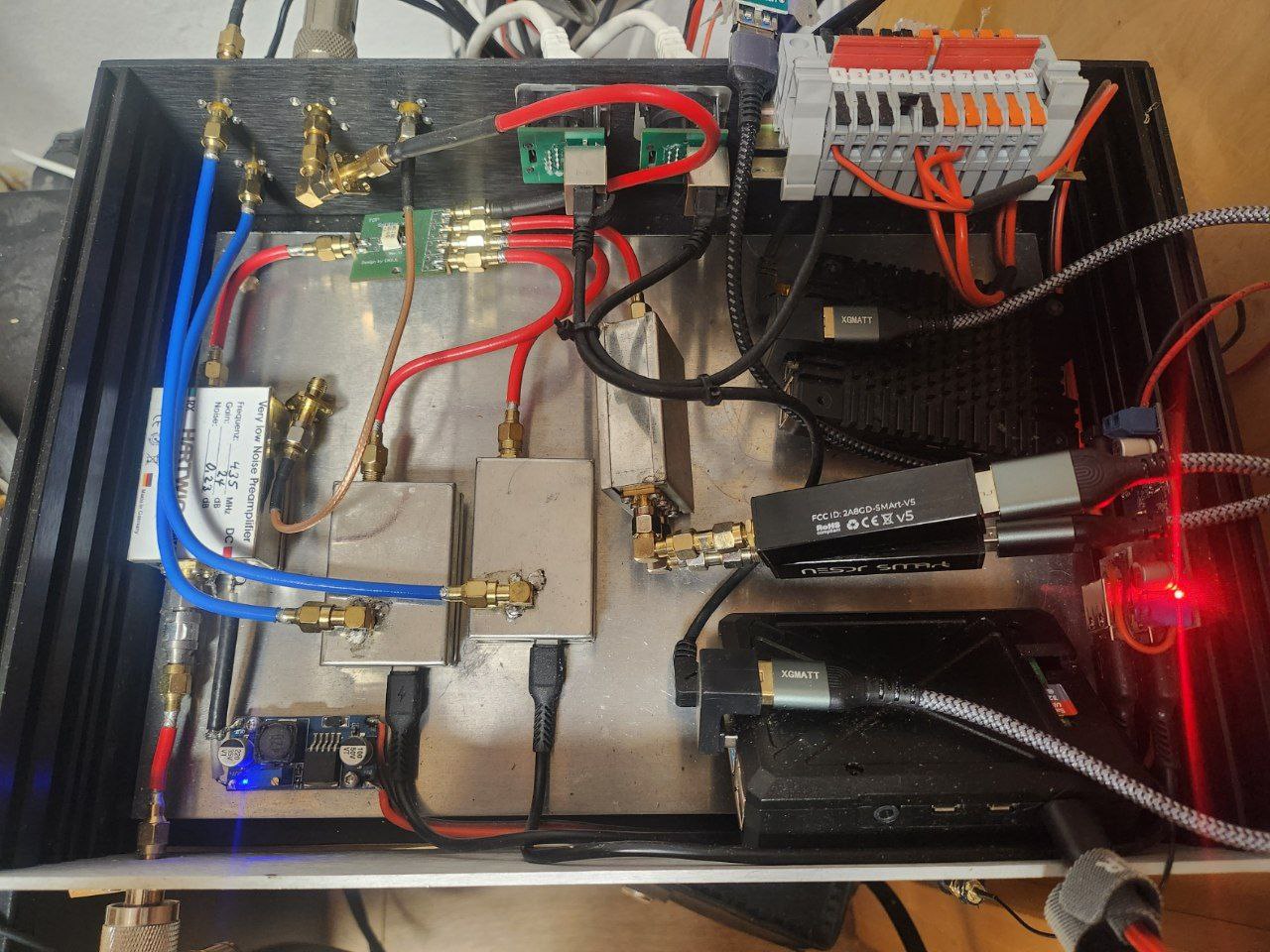
- Wes shared a detailed overview of their remote station setup, which had been in development for several months. The setup features a weatherproof enclosure housing three active nodes covering 137 MHz, 433 MHz, and 900 MHz bands, powered via 12V over LMR-400 cable using custom bias tee injectors and extractors. Antennas, including homemade QFH antennas for VHF/UHF and a 5/8 collinear for 900 MHz, are fed from beneath the box for a watertight seal, with the entire system grounded. After 48 hours, all nodes were receiving well, with future plans to integrate a feed for an IC-9700 transceiver and use coaxial relays for protection. 🔗
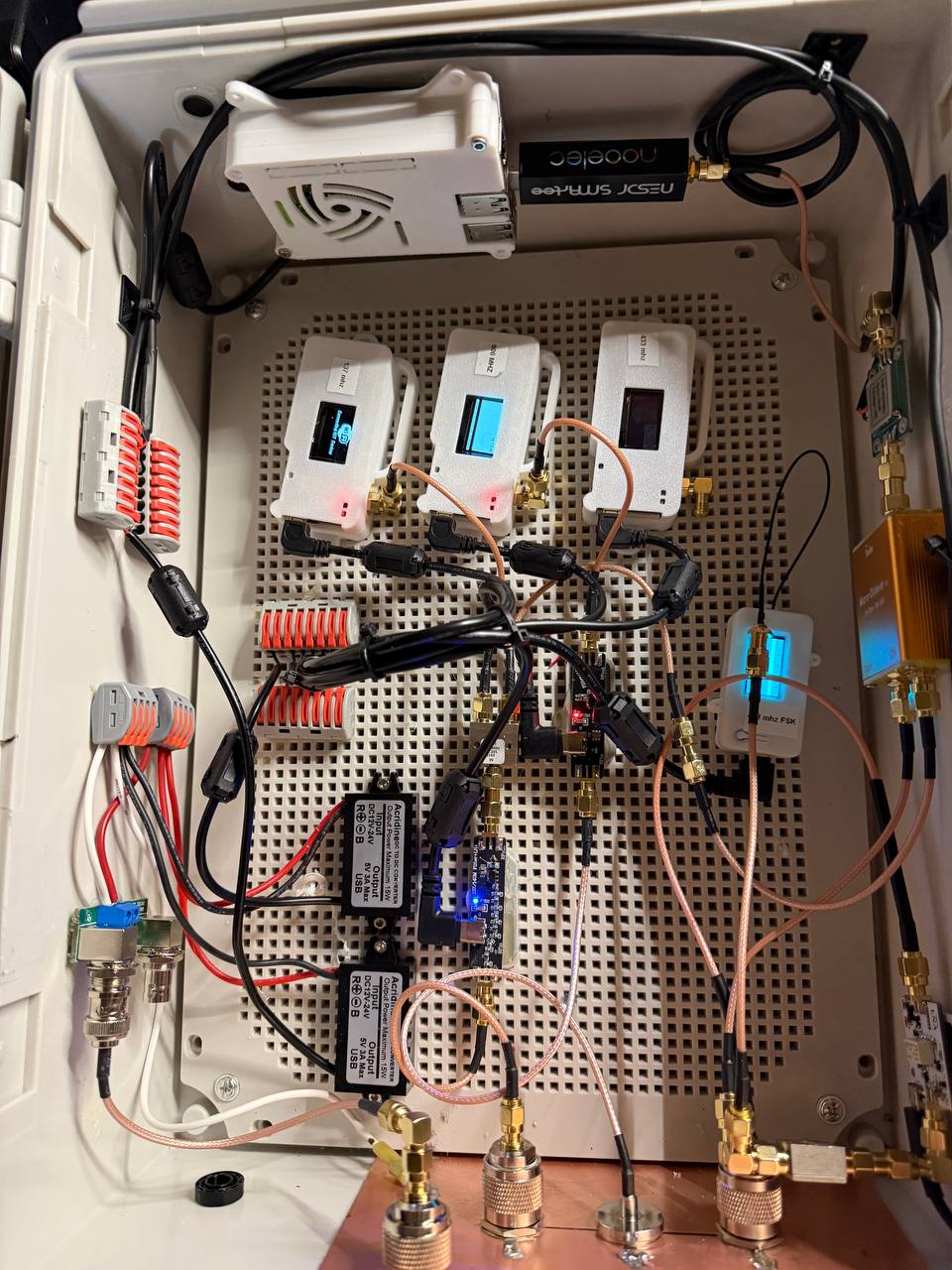
- Stefan/OE6ISP responded to Wes’s setup, noting the similarity to their own new rack system which includes preamps, two Heltec V3 units, and two Raspberry Pis for SATNOGS, all housed in a 15-inch rack, with an output for connecting an IC-9700 or Lime SDR. They also discussed solving the protection problem by using relays for manual switching and grounding, originally intended for direction switching in a LoRa/SDR uplink system. 🔗
Where to buy
- Ian asked for clarification on the preferred LoRa board and supplier for a 433 MHz setup in Scotland, expressing confusion after searching on AliExpress. The community responded with specific board recommendations, including the Heltec LoRa V3 433MHz, and discussed the support status and ease of use of various ESP32 modules. 🔗
- Mike G0MKK recommended Amazon for speed or the Heltec store on AliExpress for buying a Heltec V3/1262 433 MHz board, providing a link, and later advised buying certain components without the case and replacing the included helical antenna with a homemade 1/4λ ground plane wire antenna for 433MHz use. 🔗
https://share.google/ofeDid7mZMJ34JtZW
Announcements
- gmag11 announced the addition of a new news section to the TinyGS newsletter, covering CubeSats, upcoming launches, and related global space topics. The daily newsletter now includes about four recent news items, while the weekly edition features eight to ten of the most relevant stories. They invited community feedback on the usefulness of this new section and reminded users to register their email in the TinyGS console to receive the newsletters. 🔗
Events
- PU1ACJ announced an upcoming satellite tracking event, ‘Misión Artemis II – Atenea’, scheduled for February 2026, and shared links to the event bases and the organizing log. 🔗
https://lda.ar/?page_id=16402
www.lda.ar - G4lile0 shared the announcement for HamConBE26, a local radio technology conference in Belgium on April 25th, calling for TinyGS-related presentations, workshops, or infostands, and also shared a link to an external post on X (formerly Twitter) along with an accompanying image, likely related to a space or satellite event. 🔗
https://hamcon.be/
https://x.com/i/status/2014451548676374678
Featured Conversations
- The community received detailed explanations and updates on the new ‘Territory’ and leaderboard features, with a shift towards metrics that reward total coverage area and surface area, aiming to better highlight stations with superior installation and performance.
- Technical discussions on antenna optimization were a major focus, with advice covering ground plane impedance tuning, the effectiveness of low-noise amplifiers in different environments, and the recommendation to use simple, well-tuned antennas over complex commercial ham antennas for satellite reception.
- Hardware compatibility and selection were clarified, particularly regarding the requirements for receiving FSK satellite signals, with confirmation that SX126x-based boards are necessary while SX1276/8 boards face limitations in the current system.
- Impressive, integrated station setups were showcased, featuring remote power solutions, weatherproofing, and multi-band operation, demonstrating advanced technical execution and planning for future expansions like SDR integration.
- Upcoming events and community outreach were highlighted, including calls for participation in conferences like HamConBE26 and FOSDEM 2026, where TinyGS will be demonstrated, alongside announcements of satellite tracking events and the addition of a news section to the newsletter.
Latest Cubesats News
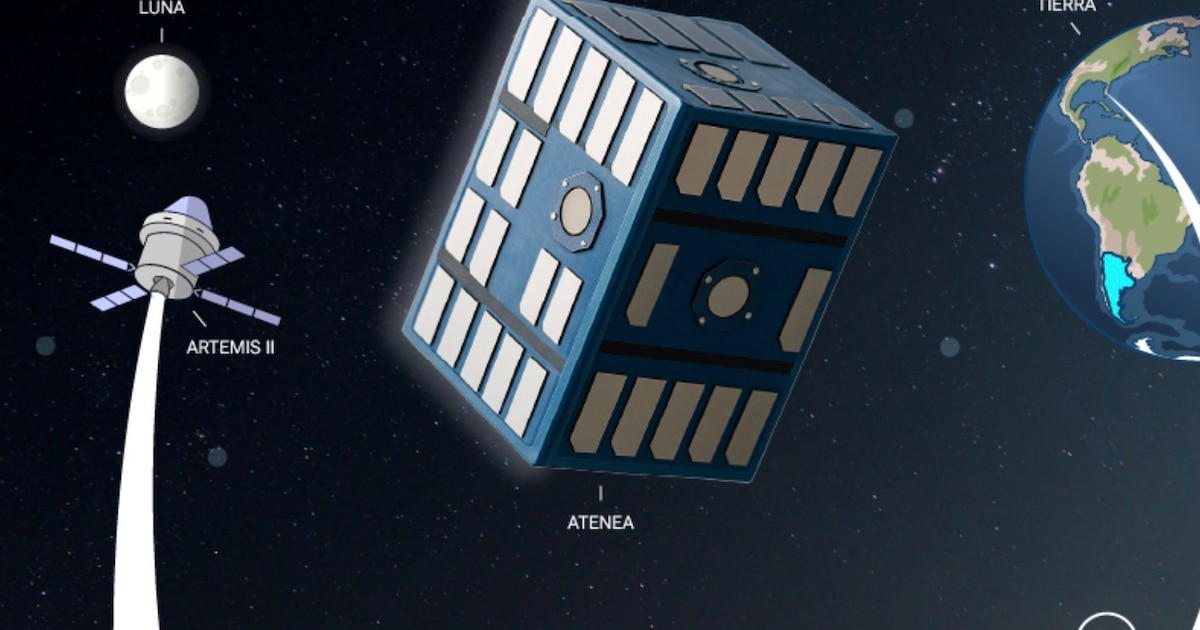
NASA Details How the Argentine Satellite Will Be Deployed During the Artemis II Lunar Mission
The Argentine CubeSat ATENEA will be deployed during NASA’s Artemis II mission, marking the country’s first participation in a crewed lunar flight. It will be the first of four international CubeSats released from the Orion spacecraft’s stage adapter about five hours after launch. The satellite aims to validate critical technologies, including radiation measurement and high-altitude GNSS data collection. This mission represents a significant leap for Argentina’s space program, demonstrating its capability to develop reliable technology for deep-space environments.

Korea’s CubeSat launch nears - YouTube
A Korean CubeSat is scheduled for launch next month to measure solar ultraviolet rays and test domestic aerospace technology. It will be carried aboard the Artemis 2 mission, orbiting to 70,000 km to analyze space radiation effects on astronauts and equipment. The satellite will also test memory semiconductors from Samsung and SK Hynix to develop space-grade components. A successful mission could enhance Korea’s role in international space cooperation, including future lunar exploration projects.
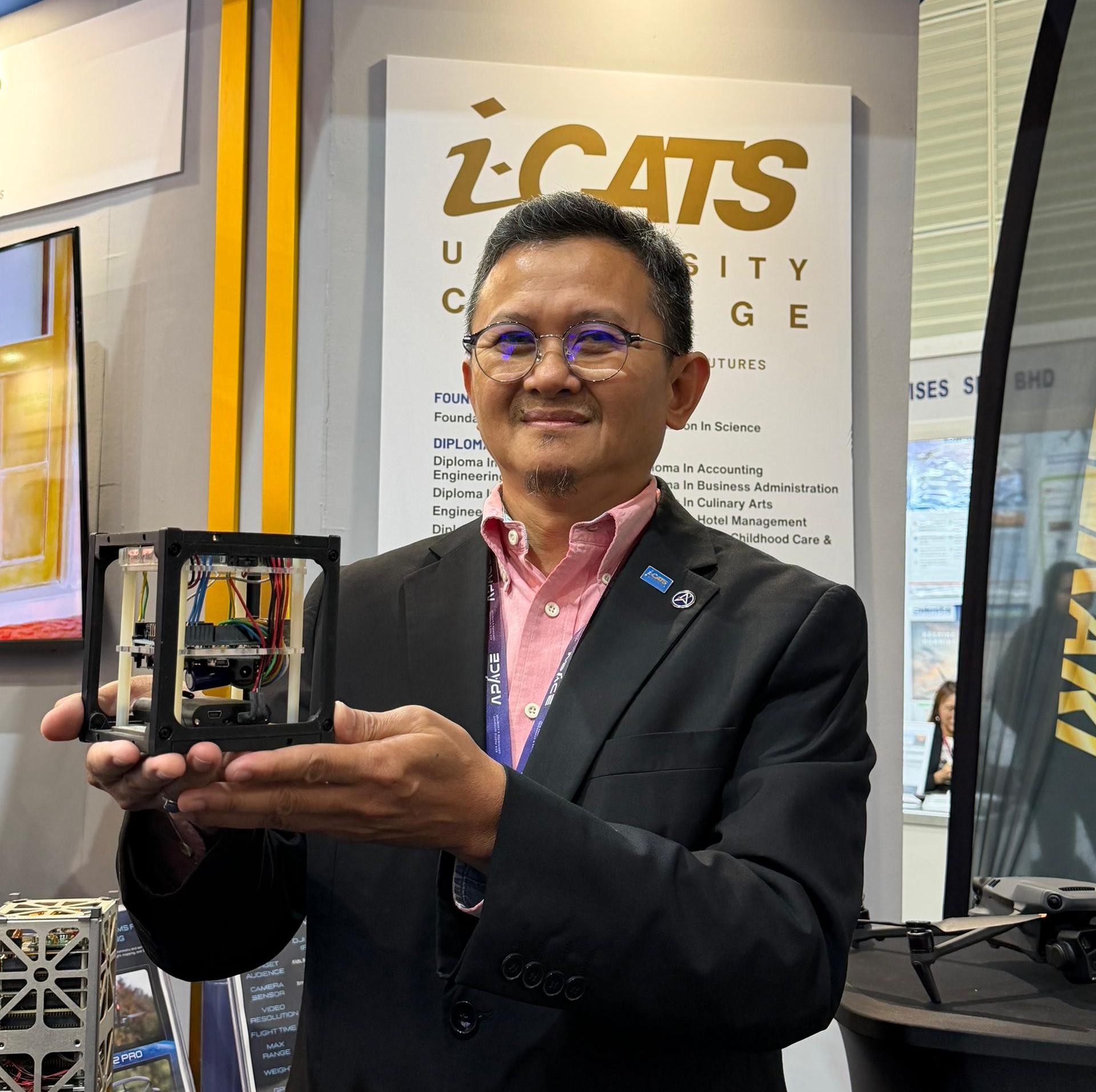
I-CATS Own-designed CubeSats Serve As A Powerful Research Tool | Sarawak Tribune
i-CATS University College uses low-cost, modular CubeSats to provide students with hands-on experience in the full satellite lifecycle. These small satellites support environmental monitoring, disaster response, and telecommunications while linking classroom theory to real engineering. The program builds industry-ready skills through partnerships and aligns with global aerospace standards and regulations. CubeSat projects also drive innovation in data science and AI, supporting Sarawak’s growing space technology ecosystem.
CubeSat Research Report 2025-2033: A $1.43 Billion Market - GlobeNewswire
The global CubeSat market is projected to grow from $466.43 million in 2025 to $1.43 billion by 2033. Growth is driven by demand for low-cost satellite launches and expanding applications in research, education, and commercial communications. These miniaturized satellites are standardized units used for Earth observation, technology testing, and scientific missions. Key challenges include limited payload capacity and concerns over contributing to space debris in low Earth orbit.
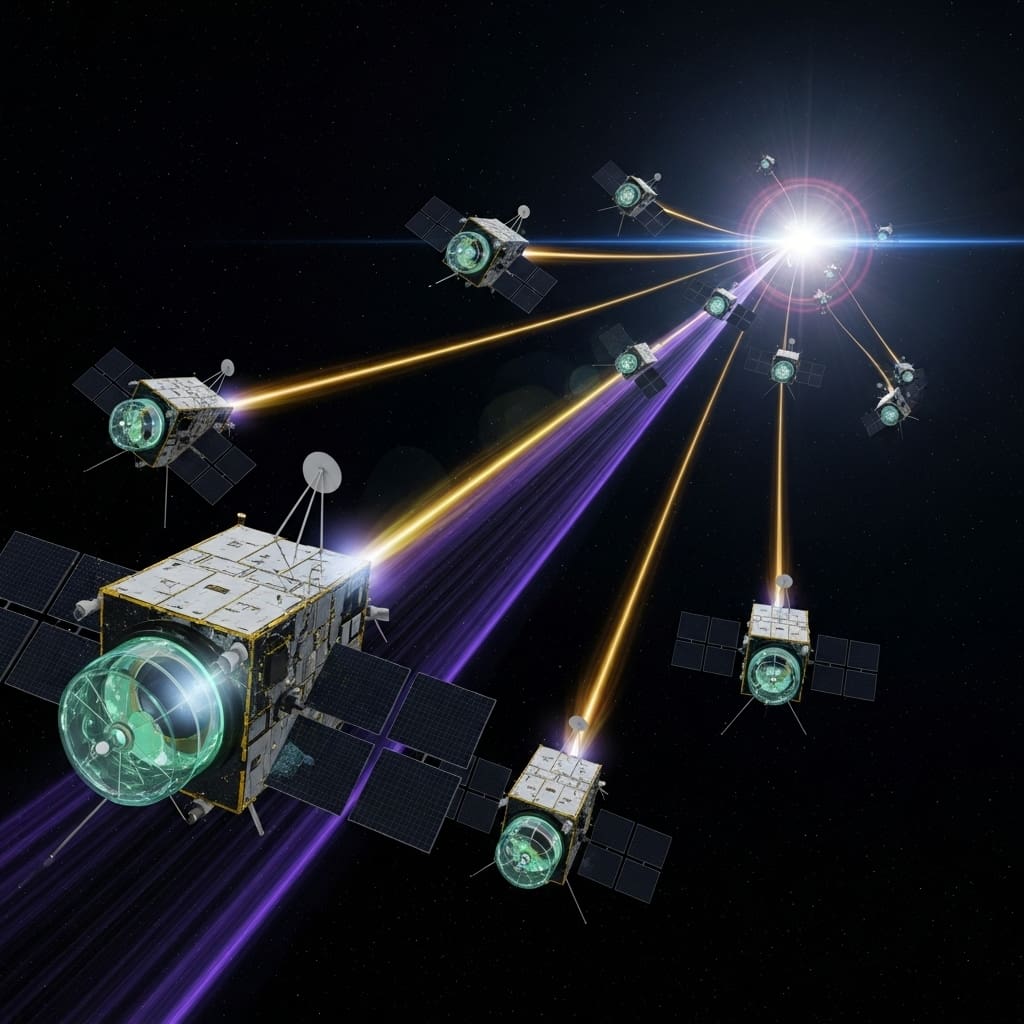
Cubesat Missions Detect 360 Gamma-Ray Transients With GRBAlpha & Vzlusat-2
A network of CubeSats named GRBAlpha, VZLUSAT-2, and GRBBeta has detected approximately 360 gamma-ray transients, including over 170 gamma-ray bursts. These small satellites, equipped with CsI(Tl) scintillator detectors, successfully captured exceptionally bright events like GRB 221009A and GRB 230307A. The missions demonstrate that cost-effective nanosatellites can perform long-duration, routine GRB monitoring from low Earth orbit. The research also provides valuable data on the space radiation environment and the durability of detector components.

Sarawak eyes CubeSat satellites for environmental, land monitoring, says Premier
Sarawak plans to acquire low-cost CubeSat satellites to enhance environmental monitoring, forest conservation, and land data collection. The initiative, costing under €1 million per unit compared to conventional satellites, aims to create jobs and requires developing local expertise in satellite technology. The state will expand research in satellite systems, data analytics, and AI to generate actionable intelligence for agriculture and disaster management. This strategic move leverages Sarawak’s unique geography as a testing ground for space-enabled solutions and anticipates growing demand from telecommunications and environmental sectors.
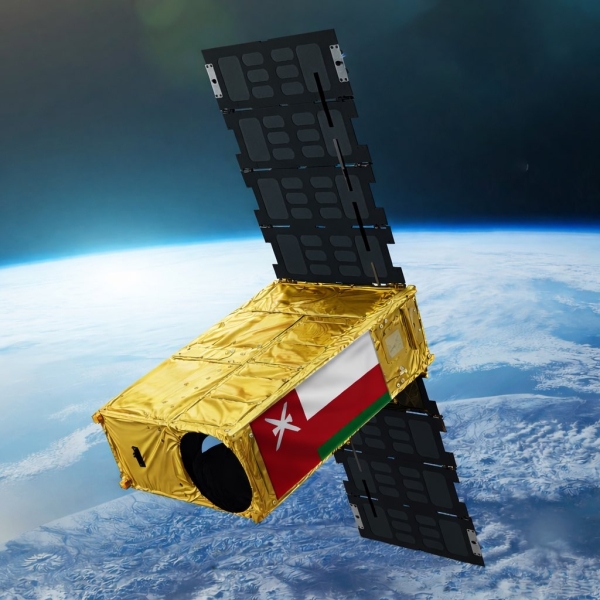
Oman Lens launches national CubeSat programme
Oman Lens announced a national CubeSat programme at the Middle East Space Conference 2026. The project will support space imaging, environmental monitoring, and sustainable development. It aims to build national satellite manufacturing capabilities through an AI-enabled satellite developed with Omani academic institutions. The initiative is part of Oman’s National Space Programme to localize space technology and create a sustainable knowledge base.
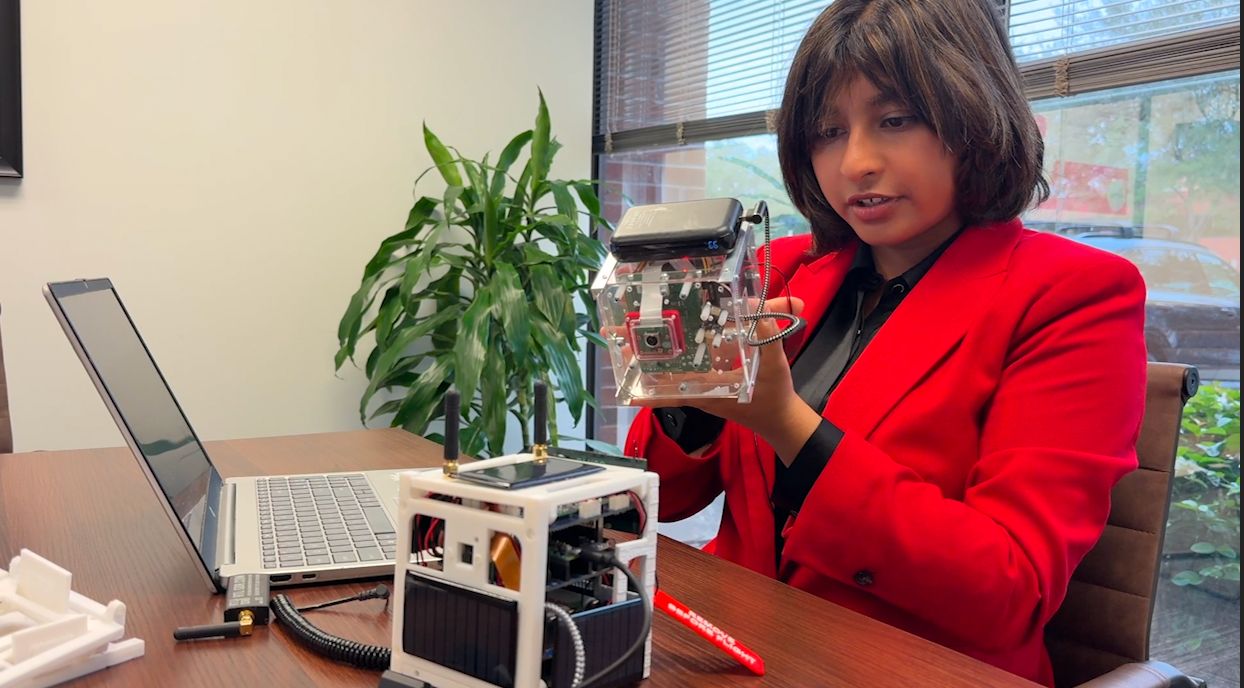
Orlando Science Schools student creates satellite technology to help detect flood damage
A 15-year-old student designed a CubeSat satellite that uses high-resolution imaging and machine learning to detect flooding, assess damage, and locate survivors. The technology aims to direct first responders more efficiently to affected areas, potentially saving lives and reducing infrastructure loss. Her project has gained national recognition, including a spot in MIT’s Beaver Works Build a CubeSat Challenge. The invention addresses frequent local flooding and could be applied to disasters worldwide.
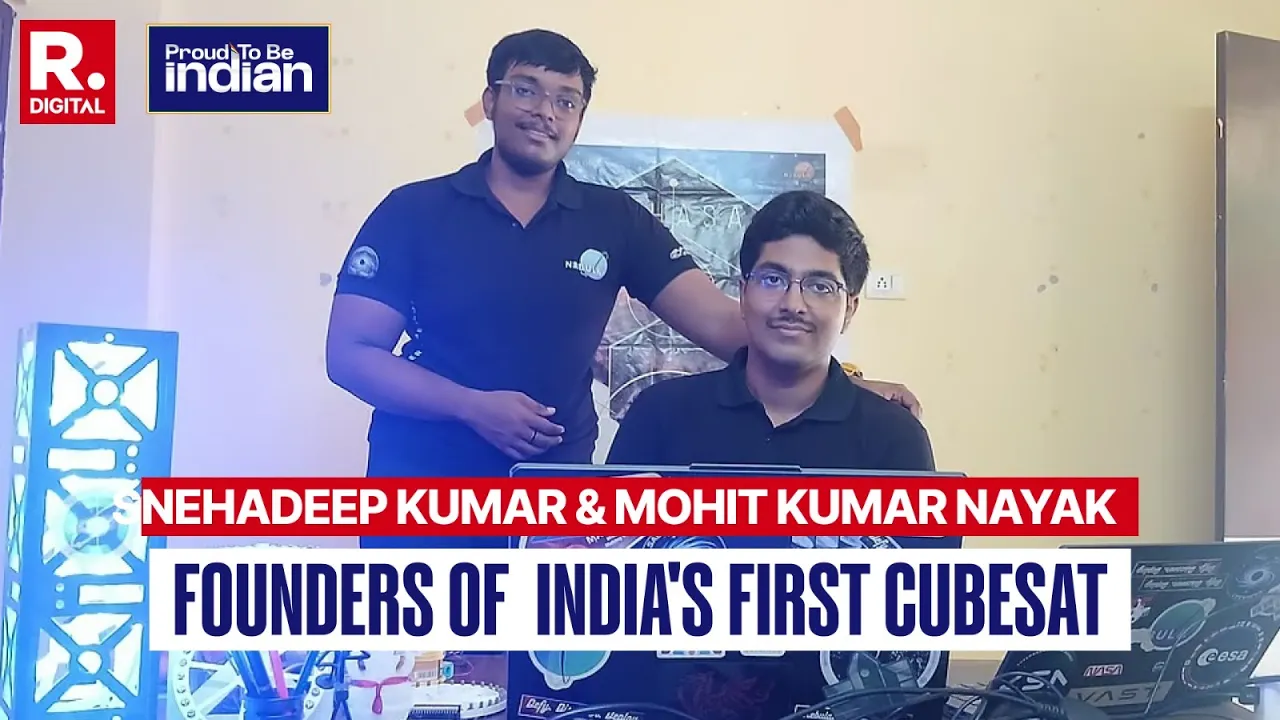
2 College Students Who Led India’s First CubeSat Share Their Inspiring Journey - YouTube
Two college students from India are developing the country’s first gamma-ray detecting CubeSat through their startup, Nebula Space Organization. They are building the satellite using scrap metals and low-cost materials to make space technology more affordable. Their broader mission is to make high-resolution, real-time Earth observation imagery accessible at a fraction of the current cost. This initiative aims to support farmers, students, and researchers by democratizing access to satellite data.

Modulating Retroreflectors Achieve Low-Complexity Optical Inter-Satellite Links For Small Spacecraft
Modulating retroreflectors enable low-power, low-complexity optical links between CubeSats, consuming only 2.5W during transmission. An optimized system outperforms NASA’s OCSD terminal and matches DLR’s OSIRIS4CubeSat performance at ranges under 500km. The architecture eliminates the need for an onboard laser and complex pointing subsystems, reducing size and weight. This provides a practical alternative for high-throughput, reliable short-range communications in small spacecraft.
What’s next
Join the TinyGS Telegram channel to participate in these discussions and contribute to the project. Share your station builds, ask questions, and collaborate with a global community of satellite enthusiasts. Your experiences and insights are invaluable for helping others learn and improve their ground stations!