· TinyGS Community · 12 min read
Weekly Newsletter - January 25, 2026
Welcome to the TinyGS weekly community newsletter. This week was packed with discussions on new platform features, antenna building, hardware selection, and satellite tracking. The community also saw announcements for upcoming events and a new news section in the newsletter. Here's a summary of the most relevant conversations from January 18th to January 25th, 2026.
Highlights
General
- ubabematrix (Kristoff - ON1ARF) inquired about the new email-invitation feature for registering nodes, sharing their experience from a recent workshop in Oostende that resulted in three new nodes. They discussed the challenges of node setup for non-technical participants and their plan for a follow-up session to help users complete their configurations, potentially using a single account for the science center. Later in the week, they introduced themselves and announced HamConBE26, a local radio technology conference in Belgium on April 25th, issuing a call for presentations, workshops, or infostands related to TinyGS. 🔗
https://mastodon.social/@tinygs/115809583421893063
https://hamcon.be/ - Dave expressed appreciation for the Christmas update, particularly the new telemetry graphs, and asked for detailed explanations of the new ‘Territory’ and ‘Global Territory’ gamification features. G4lile0 later provided a detailed breakdown, explaining how coverage hexes are claimed based on packet counts over the last 30 days and daily competitions. Dave later commented on changes to the scoring algorithm and inquired about tie resolution. Towards the end of the week, he explained that the star on station statistics indicates the number of packets received exclusively by that station and suggested improvements for the leaderboard to better identify stations from user aliases. 🔗
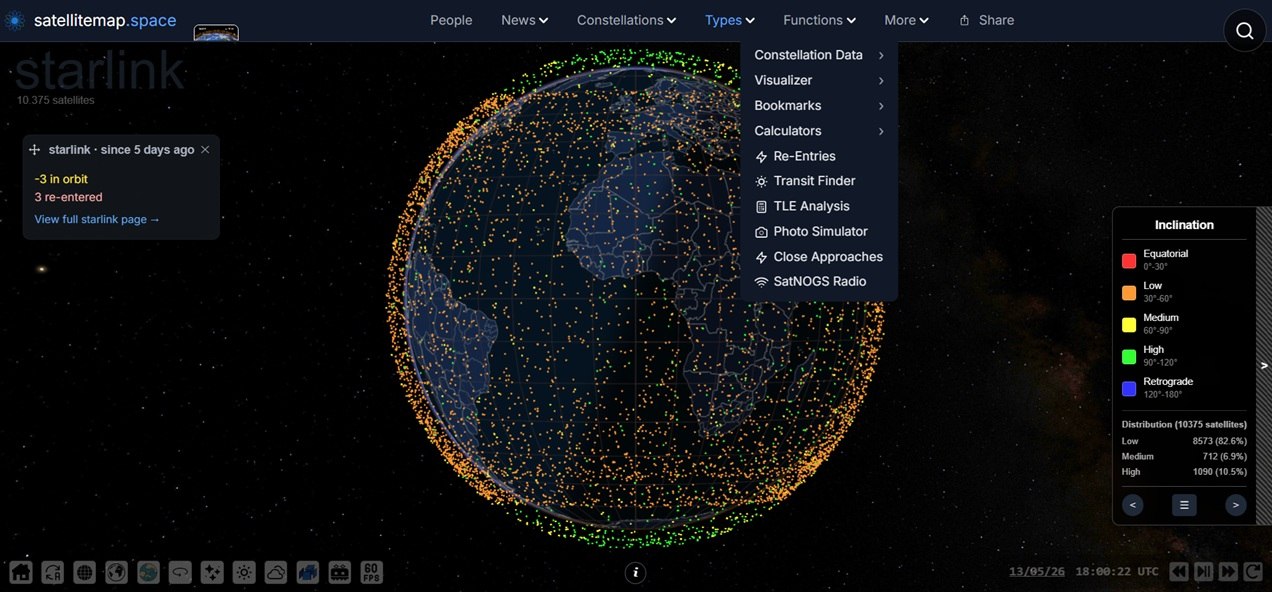
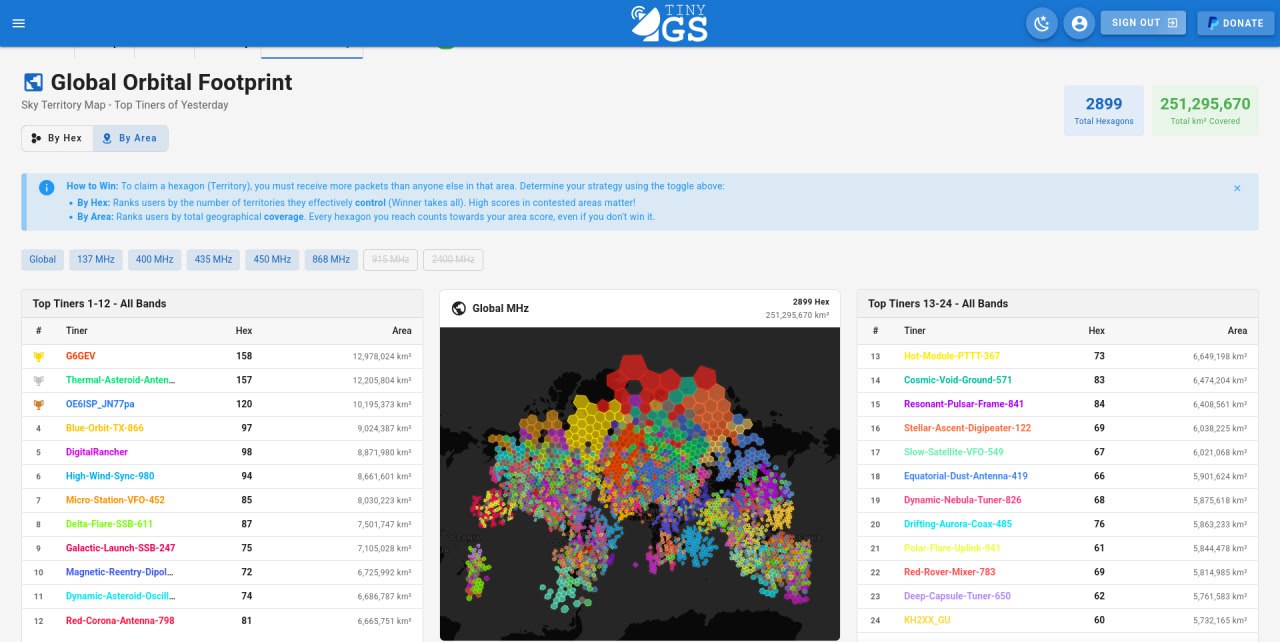
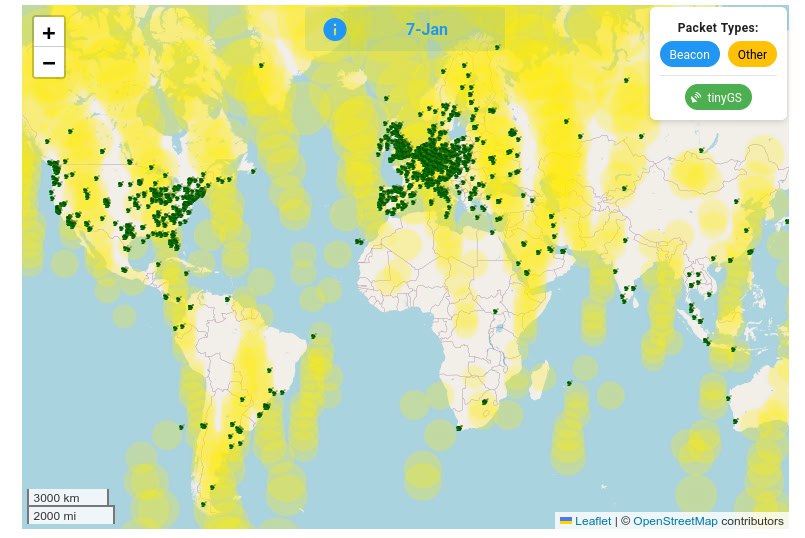
- G4lile0 provided updates on the leaderboard algorithm, explaining that it rewards ‘ownership’ of hexagons and that ties are resolved with internal logic. They announced plans for new leaderboards focusing on ‘Total Reach/Coverage’ and later shared that the logic was updated so all tied users in a hex receive a point, with a ‘Surface Area’ calculation shifting the leaderboard to total coverage area. They also responded to a query about firmware releases, explaining the continuous deployment model, and shared an image of the new Global Orbital Footprint now in production. 🔗
- Stefan/OE6ISP provided extensive advice across multiple discussions. They explained the capabilities of SX1278 and SX1262 modules for a new builder, compared the RX sensitivity and features of Heltec and Lilygo boards (noting the Heltec’s TCXO for better stability), and summarized the hardware requirements for FSK reception, confirming SX1262 boards work while SX1276/8 do not in the current TinyGS implementation. 🔗
https://www.qrz.com/db/OE6ISP
Antenna Building
- Wes shared a video of an antenna they built for their TinyGS station, reporting that it has been performing very well. They also mentioned running a QFH antenna designed by the same person for a 137 MHz station, describing it as an easy build. Later, they reported using a QFH antenna mounted 8 feet high, achieving over 700 packets per day with performance better than expected. 🔗
https://youtu.be/AMrPPIv-bcs?si=h1WJTewWbu2Wj8VD
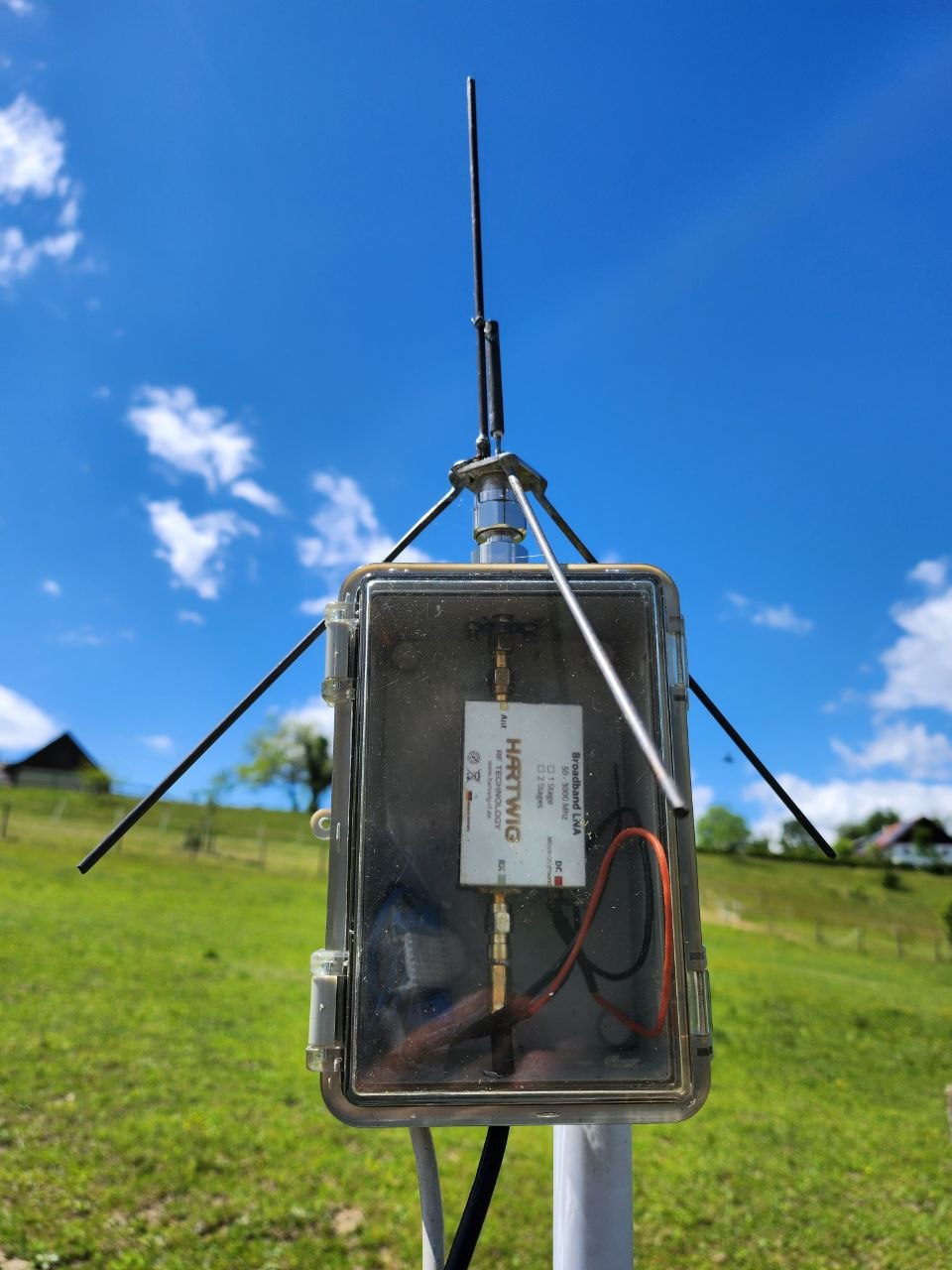
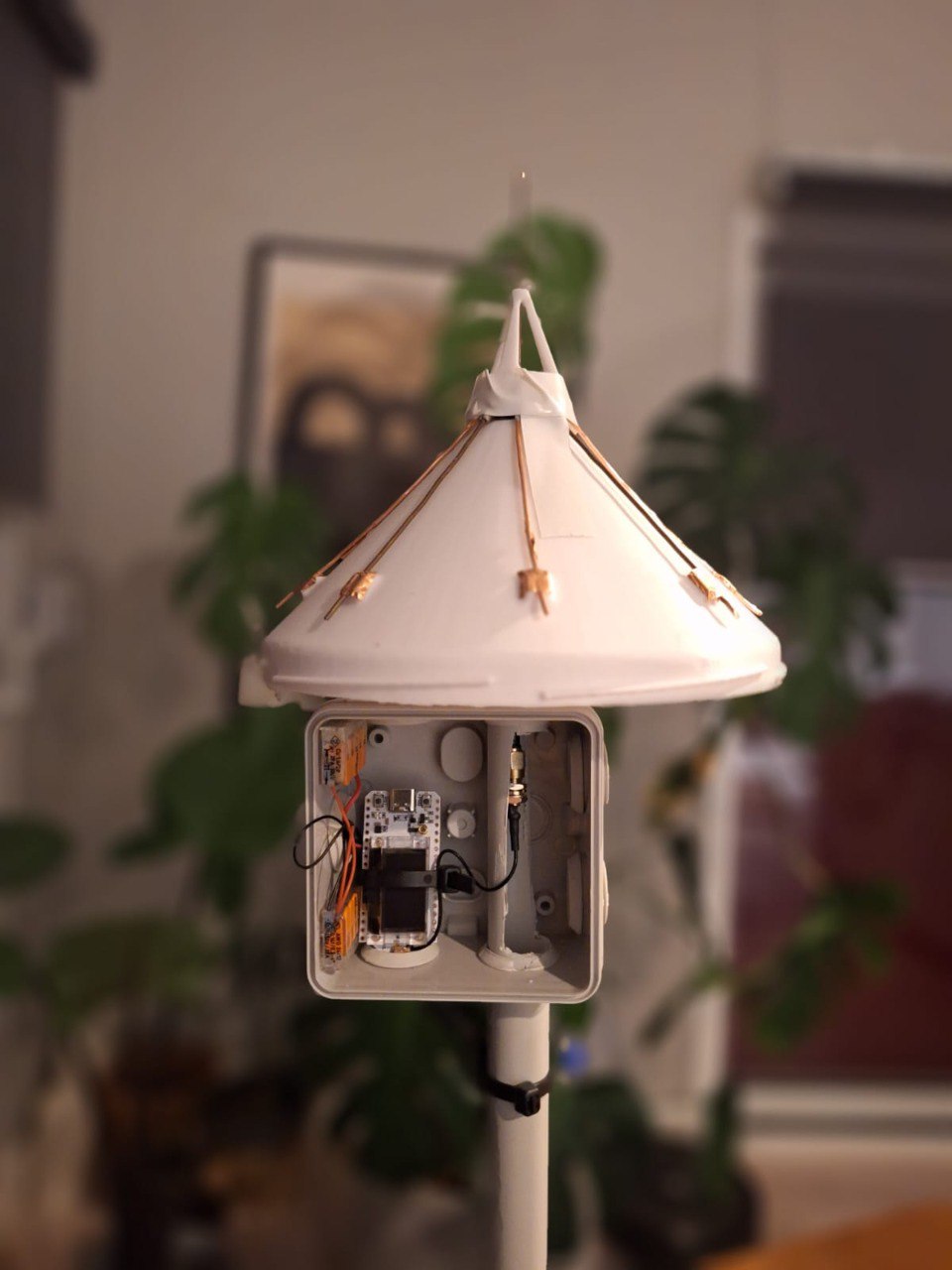
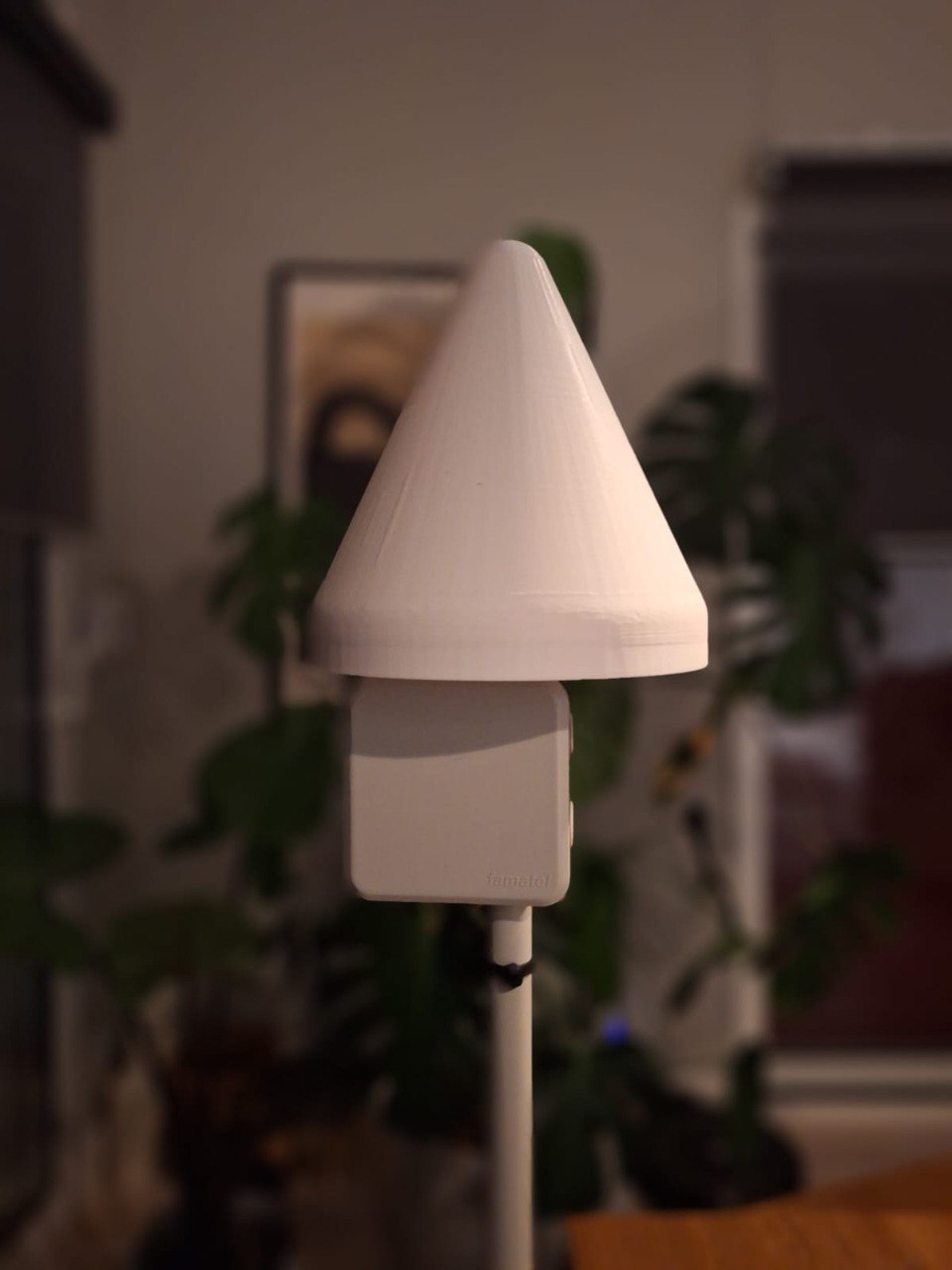
https://youtu.be/EgY1MHaQ_us?si=9aeMGOhiFsCUt4Xe - Adei shared images and details of a new 868 MHz antenna setup, featuring a 3D-printed PETG protective dome. He asked for advice on whether a low-noise amplifier (LNA) would be beneficial and later discussed installation plans on a 3-meter mast. Stefan/OE6ISP offered experienced advice, stating that high masts are not necessary and that LNAs are most effective in low-noise environments like the countryside, also recommending specific filters. Adei thanked the community and provided more details on his plans. 🔗
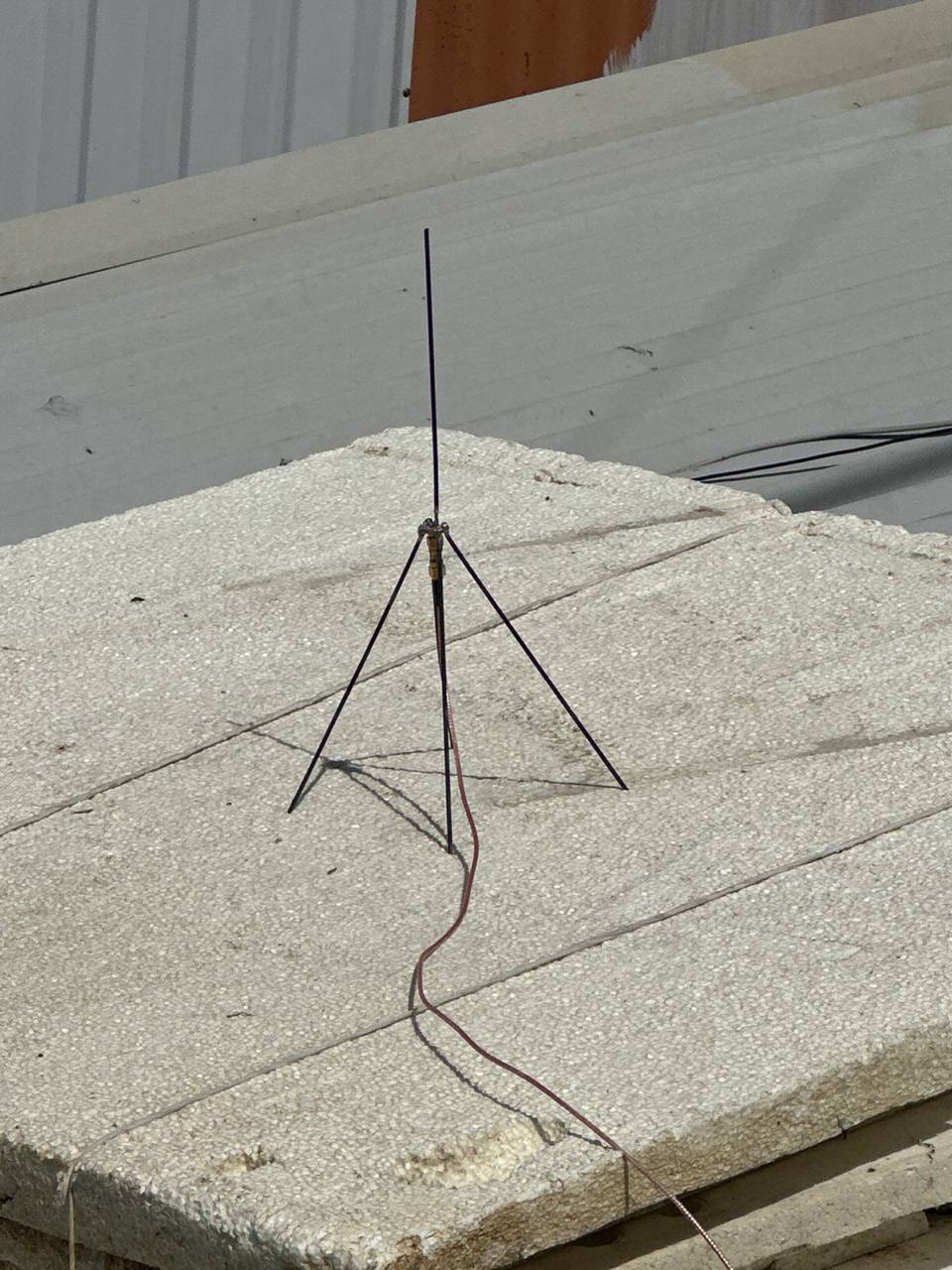
- Gerhard_Hickl and others engaged in a discussion about the best antenna for a TinyGS station. Gerhard shared their experience starting with a 1/4 lambda ground plane and later building an ‘Eggbeater’ antenna. Stefan/OE6ISP discussed trade-offs, noting the ground plane is already excellent while QFH and Eggbeater antennas offer more stable signals but lose performance at low elevation, and mentioned designing a gamma-fed variant. TI2BSH later shared a photo of a ground plane antenna for testing, and Helmi provided technical advice on achieving 50 Ohm impedance. 🔗
Technical Problems
- Xkemikkiran and Helmi inquired about the suitability of an RA-01 module (433MHz) for TinyGS, noting it lacked a BUSY pin. Helmi advised using a DIO pin instead and pointed to the ConfigManager source code for configuration details. They clarified that only ‘M’ series Ebyte modules are supported and recommended unchecking the LNA box to prevent potential damage. 🔗
https://github.com/G4lile0/tinyGS/tree/beta/tinyGS/src/ConfigManager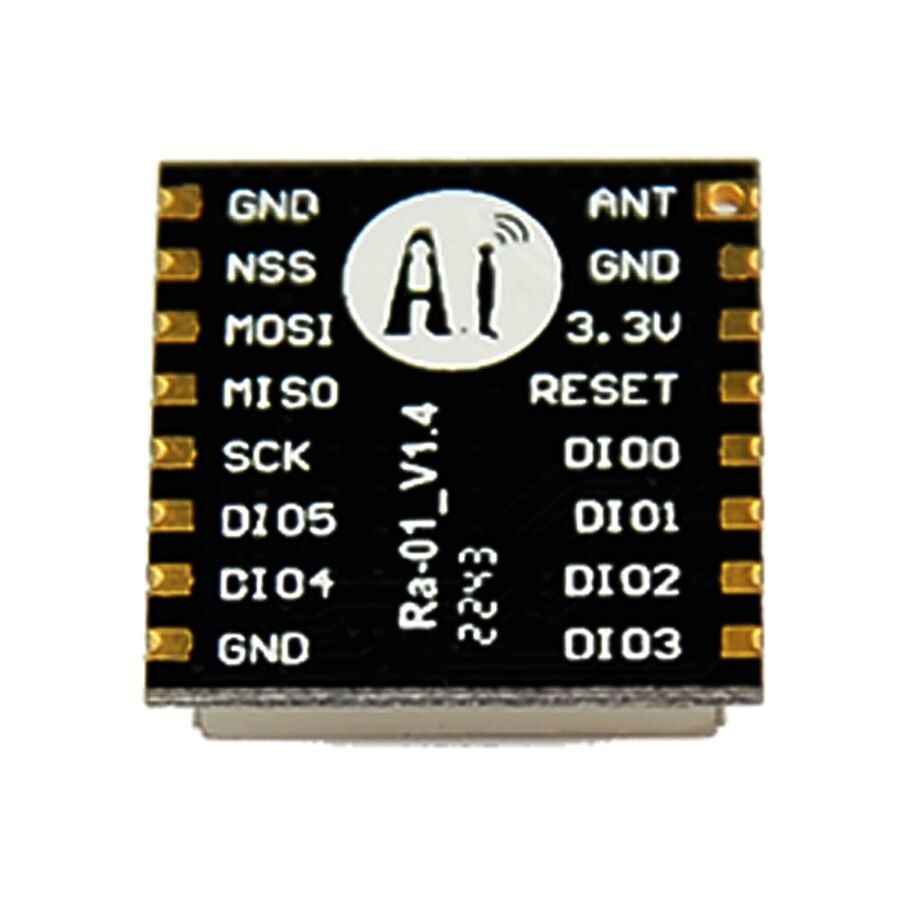

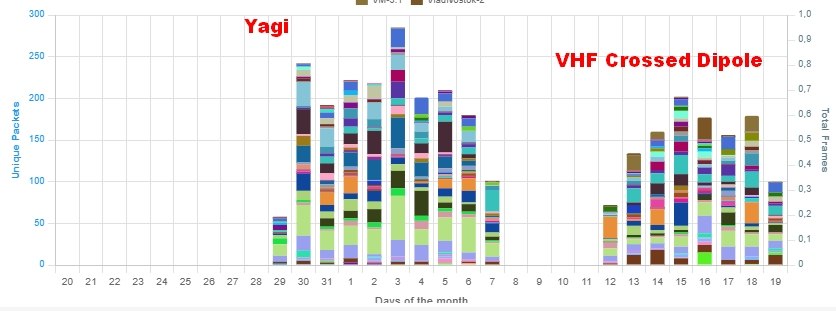
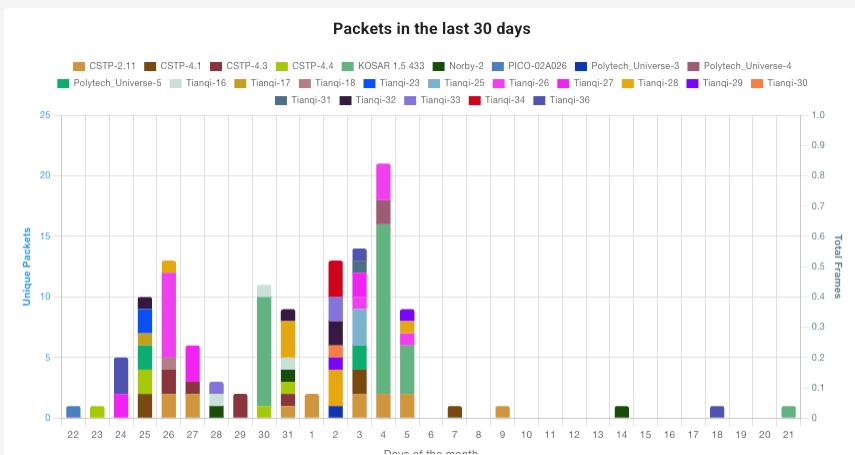
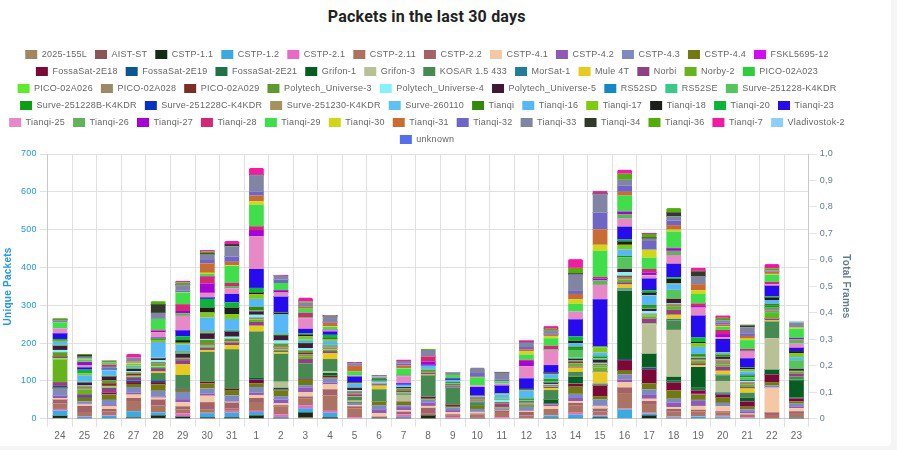
- Toggle00, John, and Gerhard_Hickl discussed unexplained fluctuations in satellite packet reception. Toggle00 reported a significant boost around December 24th followed by a sharp drop on January 5th, sharing an image of their data. John confirmed a similar issue. Gerhard_Hickl suggested the drastic change likely indicates a problem with the antenna, cable, or receiver, advising to check for issues like a ‘wet cable’ and shared a graph of their own variations. 🔗
- Peter, Alfred, Helmi, and Stefan/OE6ISP debated the requirements for receiving FSK satellite signals. Peter asked about receiving Connecta IoT and Kosar satellites. Alfred shared their successful LoRa setup but sought advice on FSK. Helmi explained that receiving FSK requires an SX126x chip, as SX127x chips are not suitable, and noted the geographic limitations of certain satellites. Stefan/OE6ISP summarized, confirming SX1262 boards work for FSK while SX1276/8 do not in the current implementation, citing library and frequency drift issues. 🔗
New Satellites
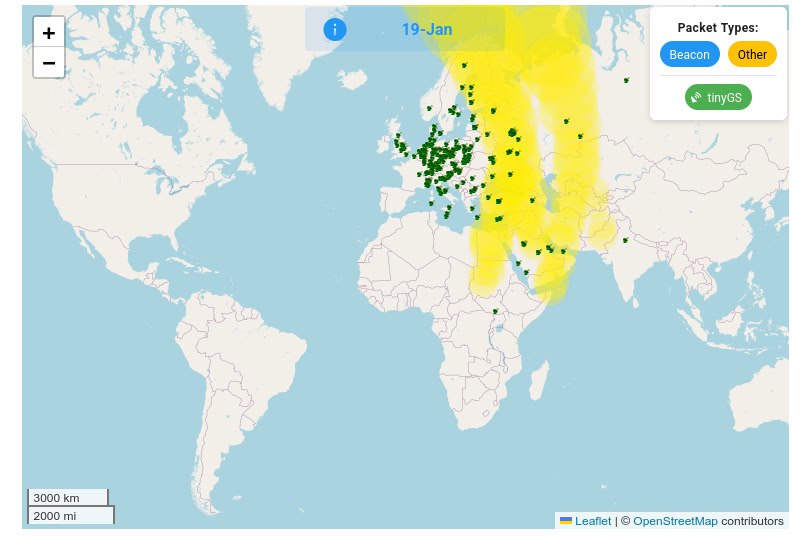
- K4KDR and G4lile0 reported a significant drop in decodes from the Kosar-1.5 satellite’s 436 MHz transmitter, speculating on a possible power or component issue. K4KDR also shared a positive update about re-establishing contact with the Kosar team. G4lile0 responded by pointing to the satellite page for detailed transmission data and shared supporting images of the satellite’s activity map. 🔗
- Stephen and G4lile0 discussed the criteria for including satellites in TinyGS. Stephen raised a question about Grifon-3, which was transmitting many packets but whose data was not yet decoded, expressing concern about transparency. G4lile0 responded that the primary inclusion criteria is hardware compatibility, aiming to support as many LoRa/FSK satellites as possible. They explained that decoding prioritizes satellites with public telemetry, but for others, reverse engineering is required and is a matter of available time, noting that Grifon satellites would be moved to their own category soon. 🔗
Where to buy
- Ian and the community asked for clarification on the preferred LoRa board and supplier for a 433 MHz setup in Scotland. The community responded with specific board recommendations, including the Heltec LoRa V3 433MHz, and discussed the support status and ease of use of various ESP32 modules, noting that the V3 is well-supported. 🔗
- LarsSM0TGU and Mike G0MKK discussed the best store to buy a Heltec V3/1262 433 MHz board. Mike recommended Amazon for speed or the Heltec store on AliExpress, providing a link. Lars asked for confirmation of the correct store link and board version, sharing a screenshot of a store page. 🔗
https://share.google/ofeDid7mZMJ34JtZW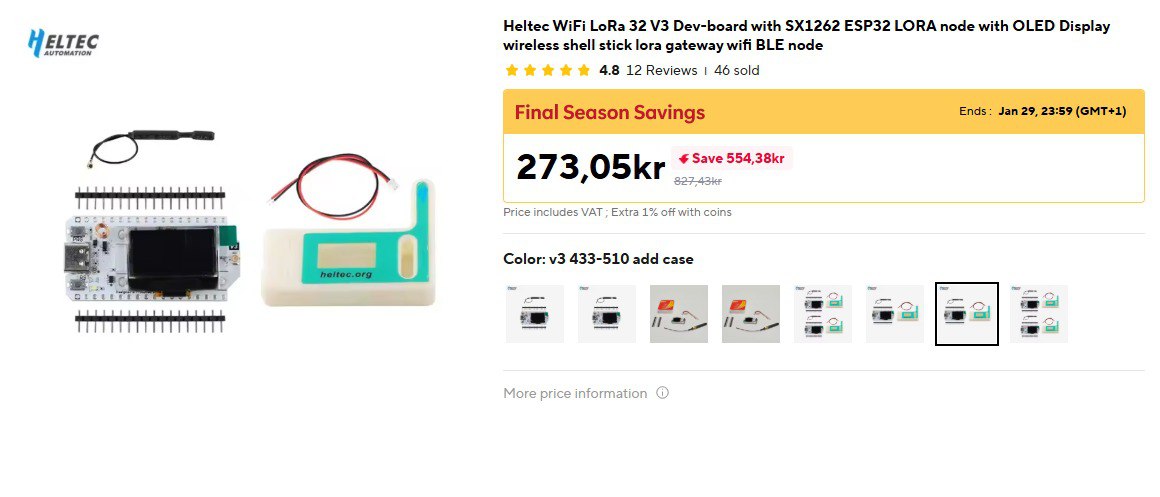
Announcements
- gmag11 announced the addition of a new news section to the TinyGS newsletter, covering CubeSats, upcoming launches, and related global space topics. The daily newsletter now includes about four recent news items, while the weekly edition features eight to ten of the most relevant stories. They invited community feedback and reminded users to register their email in the TinyGS console to receive the newsletters. 🔗
Events
- PU1ACJ announced an upcoming satellite tracking event, ‘Misión Artemis II – Atenea’, scheduled for February 2026, and shared links to the event bases and the organizing log. 🔗
https://lda.ar/?page_id=16402
www.lda.ar - ubabematrix (Kristoff - ON1ARF) and G4lile0 shared the announcement for HamConBE26, a local radio technology conference in Belgium on April 25th, calling for TinyGS-related presentations, workshops, or infostands. 🔗
https://hamcon.be/
Featured Conversations
- The community explored new gamification features on the platform, with detailed explanations provided on how the ‘Territory’ leaderboard works. The algorithm was updated to reward total coverage area and surface area, shifting focus from simple packet counts to recognize stations with superior installation and line-of-sight performance.
- Antenna building remained a hot topic, with members sharing successes using QFH and ground plane designs. Discussions highlighted the trade-offs between omni-directional convenience and the performance of directional antennas, with practical advice given on the use of low-noise amplifiers and filters in different environmental conditions.
- Technical support was actively provided for hardware selection and troubleshooting. Key clarifications were made on the requirements for receiving FSK satellite signals, confirming that SX126x-based boards are necessary while SX1276/8 boards face compatibility issues within the current system.
- Updates were shared on satellite activity, including a reported drop in decodes from the Kosar-1.5 satellite and the re-establishment of contact with its team. The criteria for including new satellites in the network were also discussed, emphasizing hardware compatibility and the ongoing effort to decode telemetry.
- Several announcements were made, including the expansion of the TinyGS newsletter to include a dedicated space news section and calls for participation in upcoming events like HamConBE26 and the ‘Misión Artemis II – Atenea’ satellite tracking event, fostering greater community engagement.
Latest Cubesats News
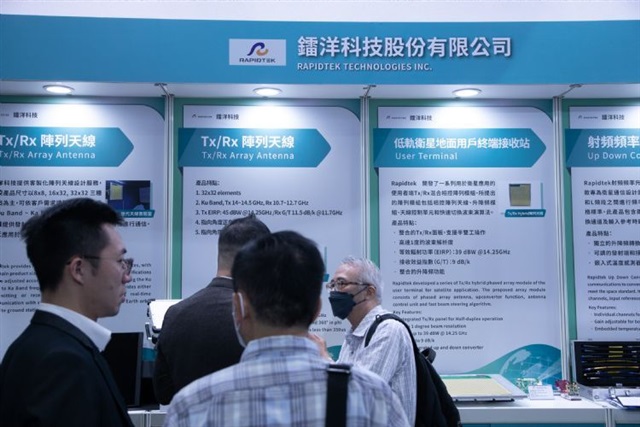
Rapidtek’s Black Kite-1 signals Taiwan’s push into global low-orbit communications
Rapidtek’s 8U IoT CubeSat, Black Kite-1, has successfully established stable communications with multiple overseas ground stations. The satellite completed its first cross-regional contact campaign after entering orbit. This achievement highlights Taiwan’s growing role in global low-orbit communications infrastructure. The mission demonstrates successful satellite-to-ground station connectivity for IoT data relay.

ExLabs and ChibaTech team up to land student CubeLanders on asteroid Apophis
ChibaTech students are developing CubeSat-shaped landers for deployment on asteroid Apophis in a mission led by Dr. Tomoko Arai. The ApophisExL spacecraft will observe the asteroid during its close Earth flyby on April 13, 2029. This mission represents a new commercial, collaborative model for deep-space exploration, lowering costs and barriers to entry. It leverages CubeSat heritage and provides students with hands-on experience in building flight hardware for an asteroid landing.
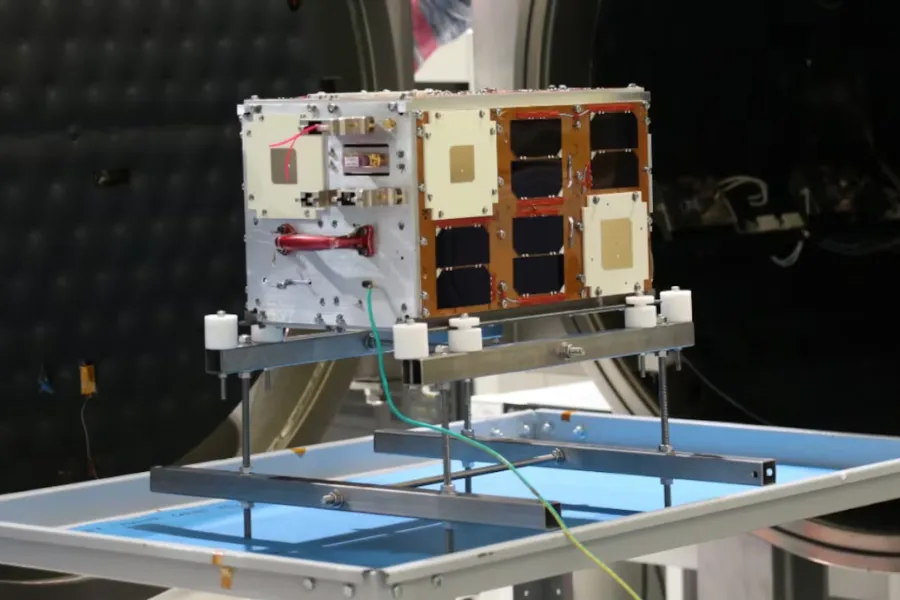
Argentine Technology Travels with Artemis 2: ATENEA to Measure Radiation and Test GPS at High Altitude
The Argentine CubeSat ATENEA will fly on the Artemis 2 mission to validate domestically designed hardware in a high-radiation, high-altitude environment. It will test a GPS receiver above the traditional constellation and carry dosimeters to measure radiation through the Van Allen belts. The project involves CONAE, national universities, and companies, having passed stringent NASA safety standards for crewed missions. After deployment, the team will monitor telemetry to collect real performance data, marking the highest operational altitude for an Argentine device.

This startup will send 1,000 people’s ashes to space — affordably — in 2027 | TechCrunch
Space Beyond’s “Ashes to Space” program plans to launch a CubeSat carrying up to 1,000 people’s ashes on a SpaceX Falcon 9 rideshare mission in October 2027. The service is priced affordably, with an entry cost of $249, leveraging rideshare models to reduce expenses. Each customer can send about one gram of ashes, and the CubeSat will orbit Earth for approximately five years in a sun-synchronous orbit before re-entering the atmosphere. The startup, founded by a former Blue Origin engineer, focuses on accessibility rather than high profits, offering a symbolic, trackable memorial without physically scattering ashes in space.

CubeSats on Artemis II - Space Time 24
Four international CubeSats from Argentina, South Korea, Saudi Arabia, and Germany will deploy from NASA’s Artemis II mission in 2026. They will conduct experiments on space radiation, solar weather, and hardware durability in high Earth orbit. The missions aim to gather critical data to protect future astronauts and equipment for lunar and Mars exploration. This collaboration highlights the role of the Artemis Accords in fostering global space science partnerships.

Optimizing CubeSat Thermal Control with Phase Change Materials - Bioengineer.org
A study introduces an AI-tuned hybrid thermal control system for CubeSats using phase change materials. The system leverages PCMs to absorb and release thermal energy, stabilizing temperatures in extreme space conditions. AI algorithms optimize the PCM deployment dynamically based on real-time data. MATLAB simulations validate the system’s effectiveness in improving energy conservation and satellite reliability.
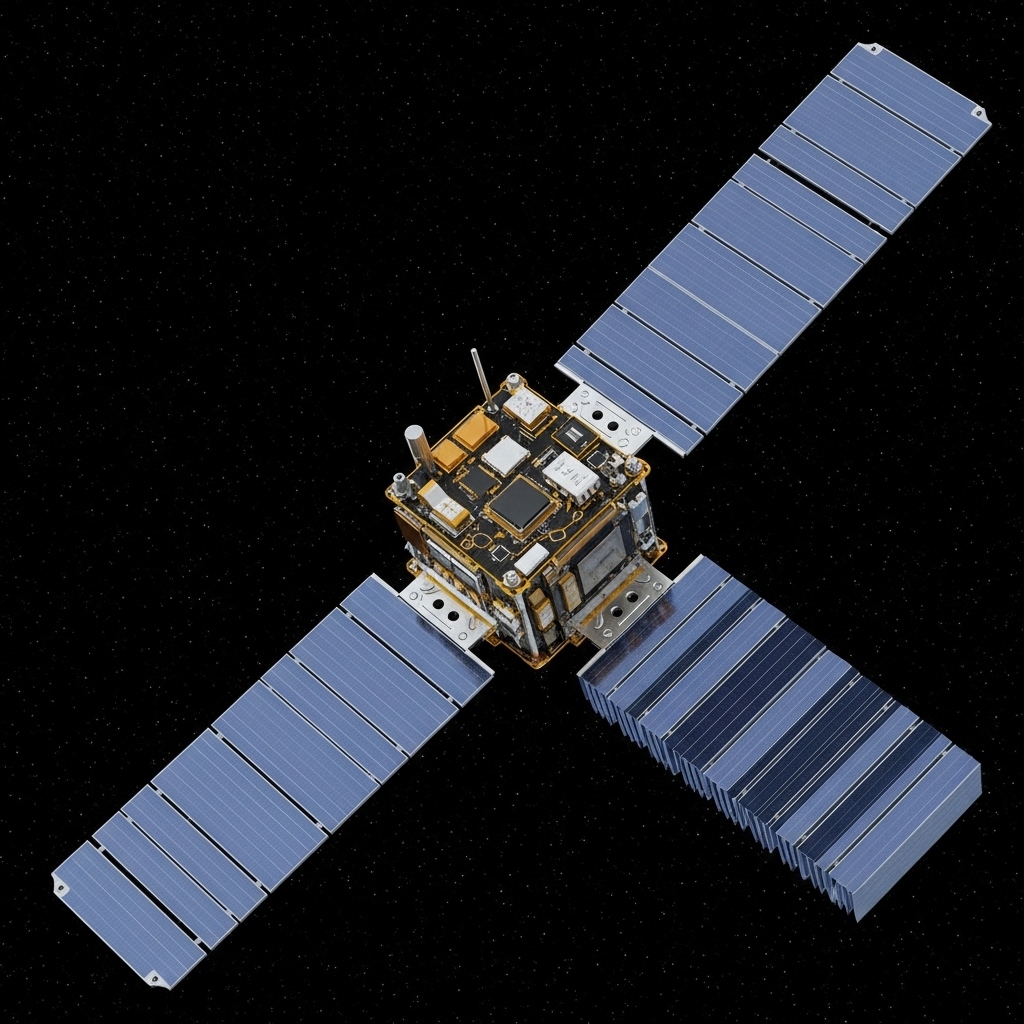
Hokushin-1 CubeSat: Deployable Solar Panels Achieve 3.99kg Mass For Orbit
The HOKUSHIN-1 3U CubeSat, weighing 3.99kg, features deployable solar panels and a compact propulsion system for future lunar missions. Its panels, tested for structural and thermal integrity, can generate over 34W of power, exceeding the satellite’s 16W consumption. The satellite is designed to withstand a 9G launch load and will operate for about 16 months in a 400km orbit after deployment from the ISS. The study confirms the system’s viability for missions requiring high power and precise orbit control.

Teledyne detector arrays power NASAs BlackCAT CubeSat X-ray mission - Space Daily
NASA’s BlackCAT CubeSat mission uses Teledyne’s Speedster HyViSI focal plane arrays as its primary X-ray imager. The detector’s hybrid CMOS architecture provides high efficiency for soft X-rays, low power use, and radiation tolerance for long-duration space observation. The mission aims to study transient X-ray events like bursts from collapsing stars to probe the early universe. This deployment demonstrates the capability of small satellites to deliver valuable scientific data on high-energy cosmic phenomena.

School of Aerospace Engineering partners with Chile for NyxSat nanosatellite - FIRSTonline
Sapienza University’s School of Aerospace Engineering is collaborating with the Chilean Air Force to develop the NyxSat 3U CubeSat. The nanosatellite, scheduled for delivery in March 2026, features an optical payload for monitoring light pollution and an innovative deployable solar panel. Chilean technicians are involved in the Assembly, Integration, and Testing phase in Rome. The project supports international scientific research and provides hands-on experience for advanced engineering students.

TACHELES: German CubeSat on board Artemis II as a testbed for the moon
A German CubeSat named TACHELES will fly on NASA’s Artemis II mission. It will serve as a technological testbed in the lunar environment. The mission is currently scheduled for launch in February 2026. This represents a significant step for small satellite technology in deep space.
What’s next
Join the TinyGS Telegram channel to participate in these discussions and contribute to the project. Your experiences, questions, and insights are invaluable for helping others build, troubleshoot, and improve their satellite tracking stations. Let’s continue to grow this collaborative network together!