· TinyGS Community · 9 min read
Weekly Newsletter - December 28, 2025
Welcome to the TinyGS weekly community newsletter. Here are the most relevant discussions and developments from this week, covering hardware recommendations, troubleshooting, new satellite launches, and festive community spirit.
Highlights
General
- Notsure7 clarified that the heat map already indicates satellite proximity, with closer satellites having high elevation and farther ones having low elevation. Mike G0MKK expressed that while the azimuth heat map is useful, an elevation heat map would be beneficial for visualizing antenna lobes and skyview, especially from a location with antenna restrictions. Stefan/OE6ISP agreed but noted the function is not linear, adding a technical nuance to the discussion. 🔗
- JMJHOX asked for documentation explaining the fields in received telemetry packets (e.g., tinygsRxTime, tinygsTxPower, tinygsBatVoltage), specifically for satellite CSTP211, and inquired whether these values originate from the ground station hardware or the satellite itself. K4KDR explained that telemetry measured by the satellite is transmitted as hex payloads, and human-readable values are either provided publicly by the satellite team or reverse-engineered by the TinyGS admin. They clarified that data like receive time and the number of receiving stations is calculated by the TinyGS system itself. 🔗
- James reported that their receiver shows as online but the band displays ‘null-null’ and no packets have been received in six days, questioning if the station is working. They mentioned using an outdoor discone antenna at 25 feet that successfully works with the ISS. Later, they reported having the receiver up for three days on manual tuning without seeing any signals and asked how to verify if it was working. They received advice to enable Autotune in the Operate window and to check that the board definition matched their hardware. After a suggestion to check for a URL ending in ‘NaN’ and replace it with their MQTT username, they confirmed the fix worked. 🔗
- Mike G0MKK complimented the new website but reported an error ‘X Error loading station data’ when selecting their stations. Other users, including Doug and jp_polito, confirmed experiencing the same issue on multiple browsers and platforms. A suggested workaround of logging out and requesting a new weblogin was provided, but some users reported it did not fix the problem. The developer acknowledged the feedback and later announced a fix in version v2.0.2. 🔗
- EA3FRG wished everyone a Merry Christmas and a Happy New Year in Catalan. Mike G0MKK also wished everyone a Merry Christmas in Spanish. Stefan/OE6ISP shared a link to the NORAD Santa tracker, noting that while Santa isn’t on an orbit for TLEs, an estimated position is available, and wished everyone a Merry Christmas. 🔗
https://www.noradsanta.org/de/map
Where to buy
- Adei asked for recommendations for a good FSK-capable board to add to their setup after successfully receiving 433 MHz LoRa packets with an SX1278 board. They also inquired about a good and cheap wideband filter for the 400-450 MHz range, mentioning they had removed an old one to unblock signals from FOSSA. Stefan/OE6ISP recommended the Heltec V3/1262 as the best current choice for an FSK board, based on use in their OE6ISP-x stations. For a filter, they suggested using a Diamond Diplexer 2m/70cm as a low-pass filter, citing its low cost and very low loss (0.25dB), and provided a link to their station as an example. Adei thanked Stefan for the helpful recommendations. 🔗
https://app.tinygs.com/station/OE6ISP_2@1760298214 - Martin shared a link to a Wallapop listing for an ADS-B starter kit based on a Raspberry Pi 4B, asking if others were interested. gavarres responded that they weren’t familiar with that specific kit but explained how to build a similar ADS-B receiver using a Raspberry Pi 3 or higher, a Nooelec SDR dongle, and a Chinese PCB antenna, noting they can see planes from up to 200 miles away. They mentioned using SD card images from adsbexchange or airplanes.live and clarified that in Spain (and possibly all of Europe) only ADS-B on 1090 MHz is active. 🔗
https://wallapop.com/item/kit-inicio-ads-b-exchange-raspberry-pi-4b-1211668863?utm_medium=AppShare&utm_source=ShareItem
Technical Problems
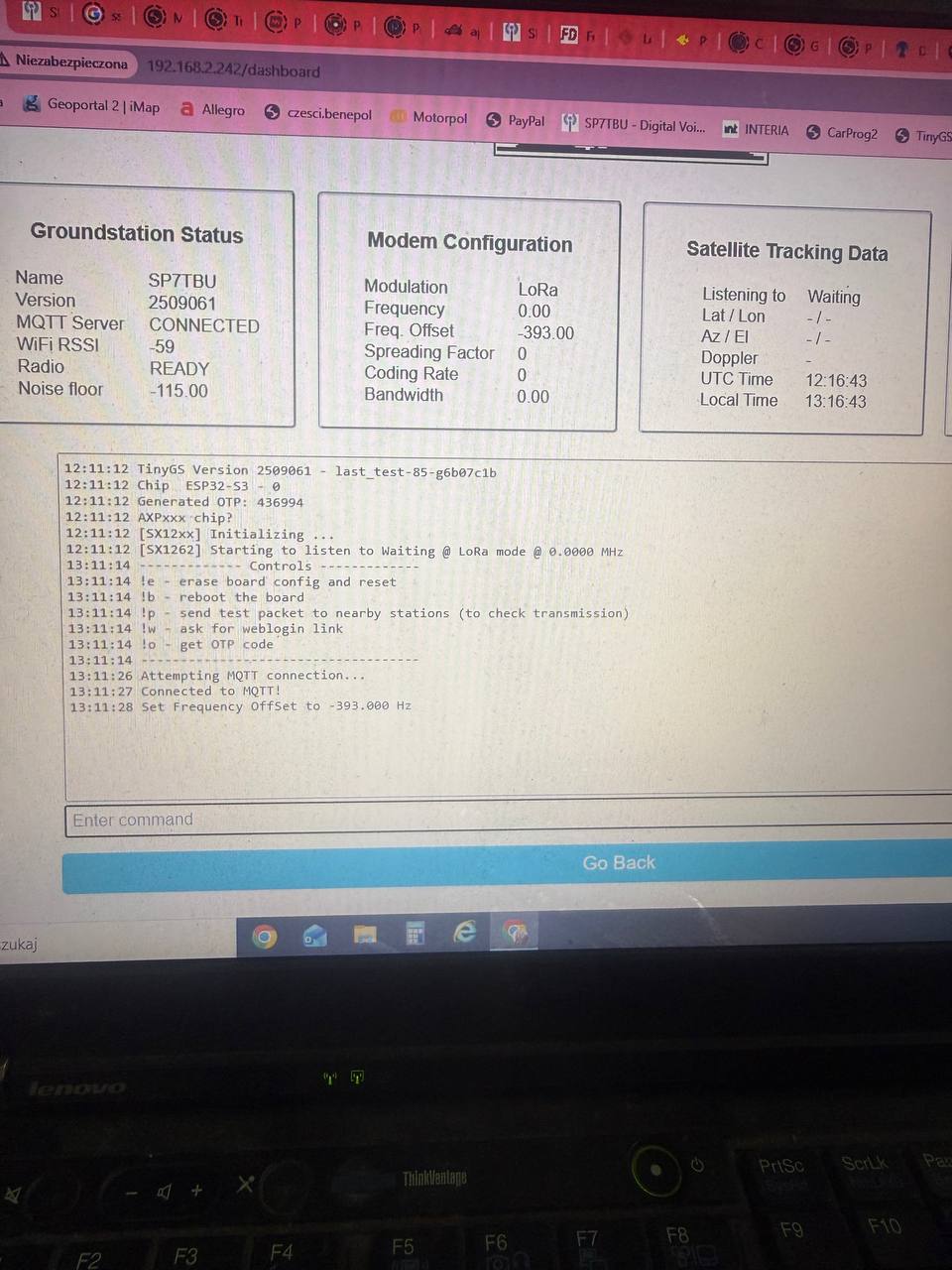
- KrzysiekMM reported an issue after replacing their board with a new Heltec v3 and reinstalling the software, noting that the nearest satellite passes are no longer displayed. They shared an image and asked for guidance on troubleshooting, mentioning that the initial installation had worked immediately. 🔗
- Std inquired about using an SX1278 LoRa module that only exposed a UART interface instead of the required SPI for TinyGS. After community feedback confirmed it was incompatible (specifically a ‘T’ model), they decided to look for a pre-supported module like a Heltec instead. The conversation shifted to recommendations for compatible ‘M’ model modules, with one user suggesting the E22-400M33S, while noting its frequency band limitation starting at 410MHz. 🔗
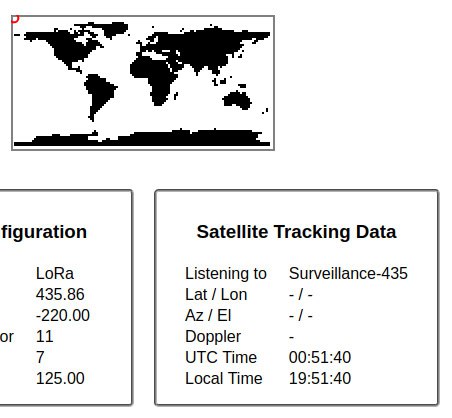
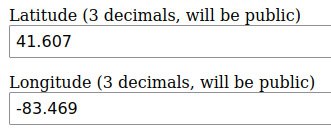
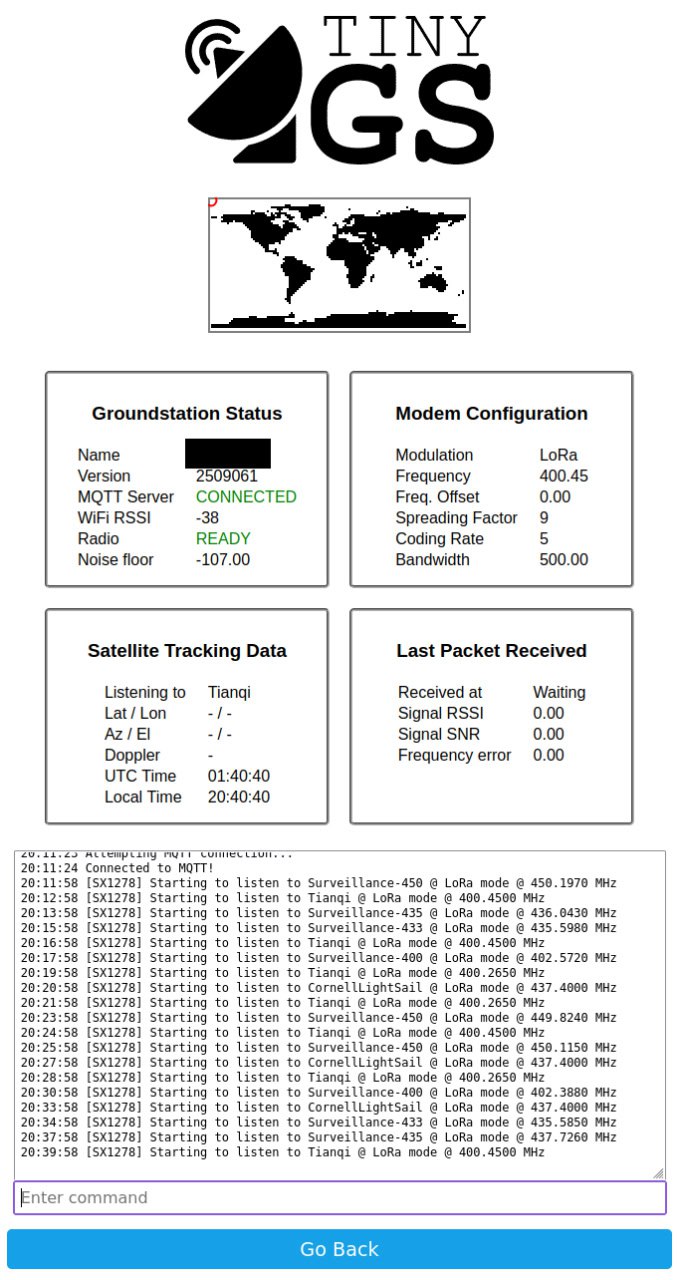
https://m.media-amazon.com/images/I/7111-RwEcLL._AC_SL1500_.jpg - williamruckman reported an issue where the satellite tracking data and map were no longer displaying correctly on their station, with the map stuck in the upper left corner. They mentioned experiencing more CRC errors when Doppler adjustments were not applied, despite trying re-flashing and reprogramming. They shared screenshots of their configuration and tracking data screens for context. 🔗
- nealdoxsee reported being IP banned multiple times despite having a dedicated, static IP from a major ISP, which was being incorrectly flagged as a VPN. They expressed frustration but also offered their engineering expertise to help resolve the issue. The developer explained the bans were a necessary, strict protection against a severe scraping attack and applied a quick fix to prevent further bans, asking for patience while a better solution is developed after the upcoming satellite launch. 🔗
https://t.me/c/1448773154/1/51337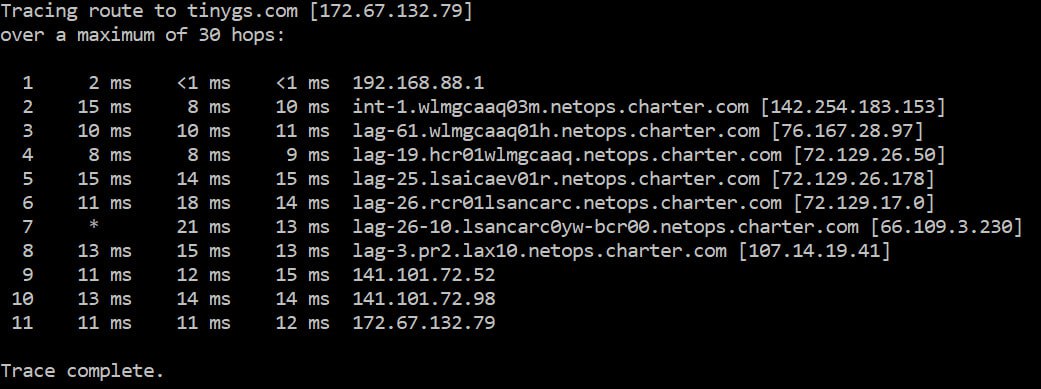
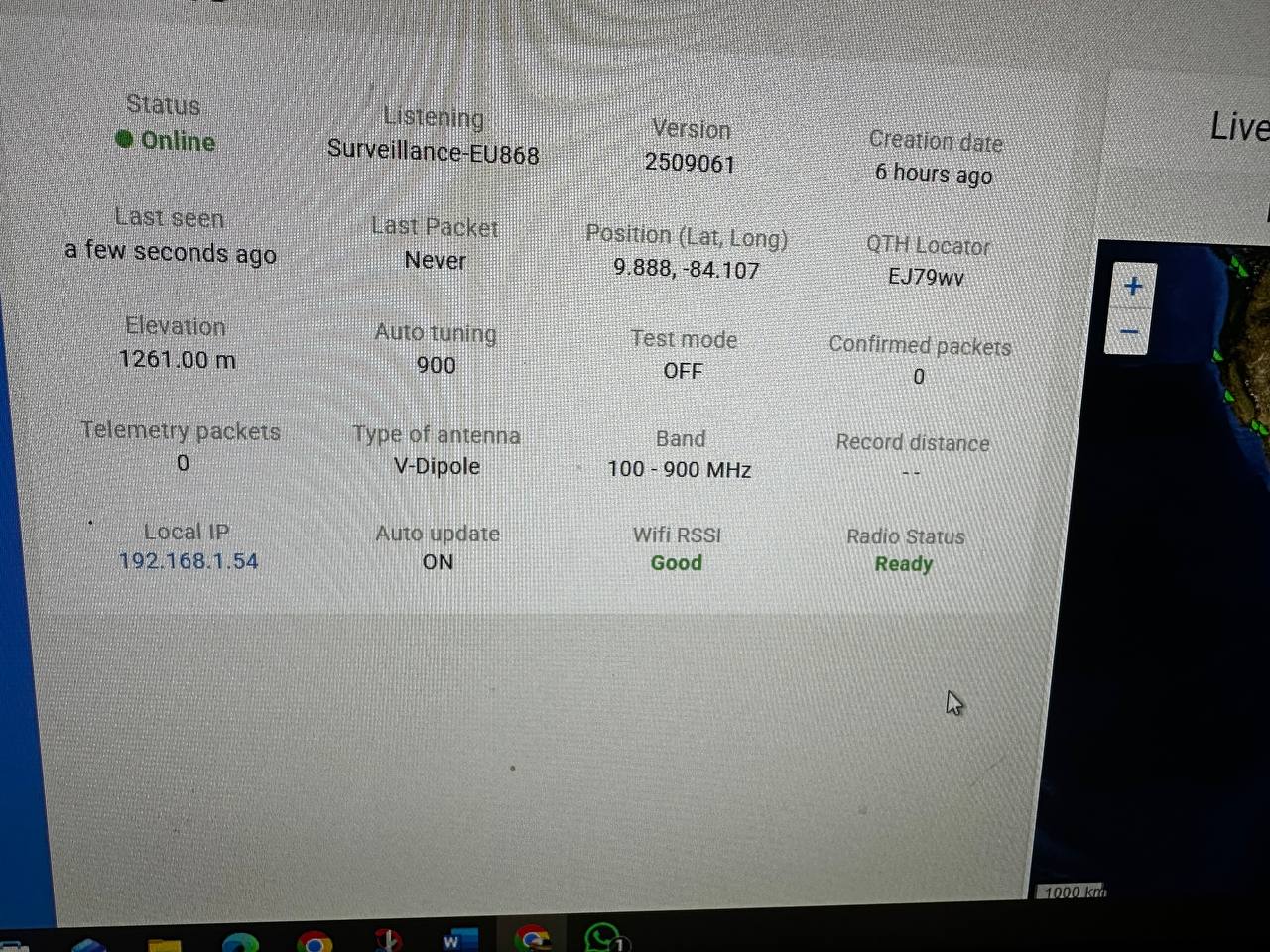
- TI2BSH asked why their station, which seemed well-configured and online, was not receiving any telemetry or transmitted packets. It was clarified that for the 900 MHz band, reception is currently only possible in Europe, but a new satellite launching soon might provide global 868 MHz coverage. The user then considered switching to a 433 MHz board. 🔗
Share your setup
- Doucene requested help creating a ground station, reporting that the TinyGS website subscription wasn’t working. They shared images of their setup. Another user suggested that email registration can sometimes fail and recommended using the personal bot with the /mqtt command to automatically register a station by entering credentials in the board’s console. 🔗
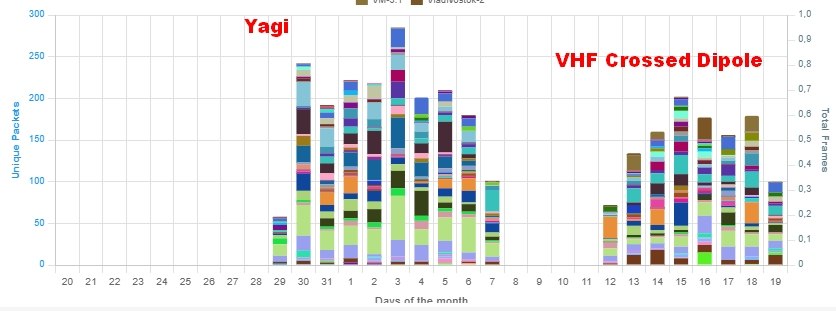
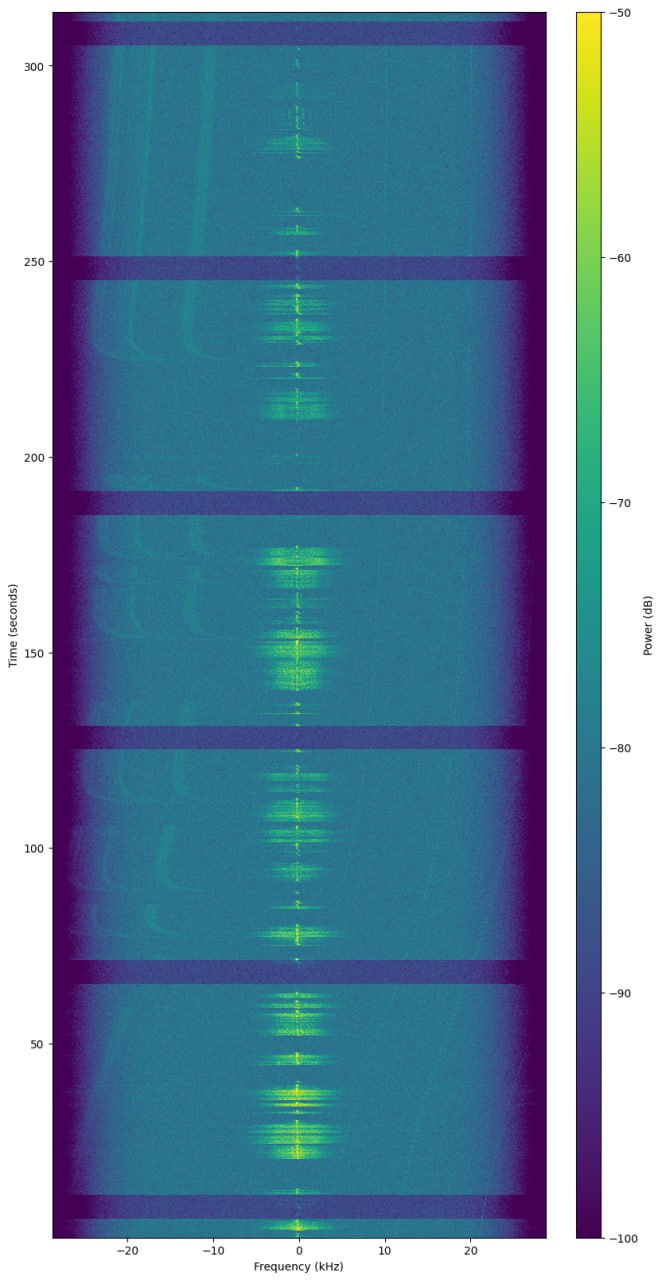
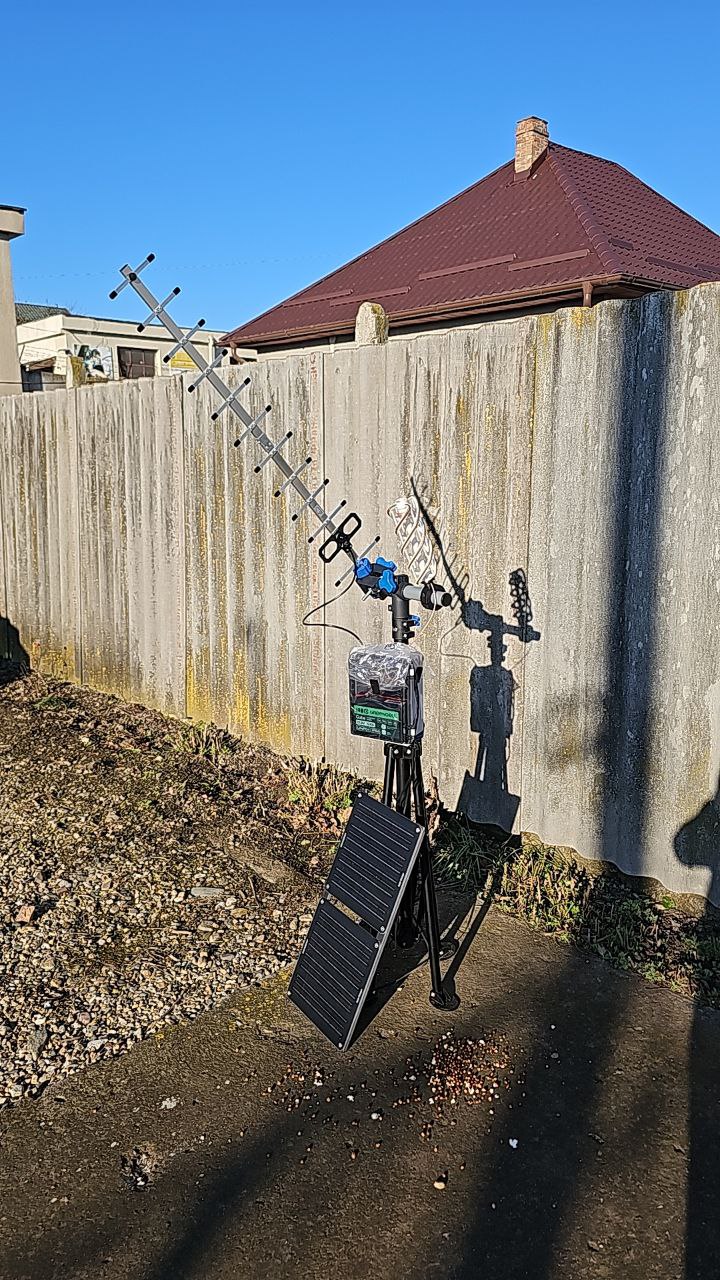
- ha5mi1 recently reconfigured their station to run both SatNOGS and TinyGS, installing a 7-element Yagi antenna pointed at the best available azimuth due to a limited clear view. They shared a photo of the setup and reported that while SatNOGS was performing very well, TinyGS was not receiving any packets. They discussed a strange, periodic noise issue causing an approximate -15dB attenuation in the input signal at regular intervals, which they suspected might not be originating from their own equipment. They provided several SatNOGS observation links showing examples of this anomalous reception pattern, noting it looked as if the VFO was tuning slightly off frequency. 🔗
https://network.satnogs.org/observations/13034980/
https://network.satnogs.org/observations/13035606/
https://network.satnogs.org/observations/13035596/
https://network.satnogs.org/observations/13035589/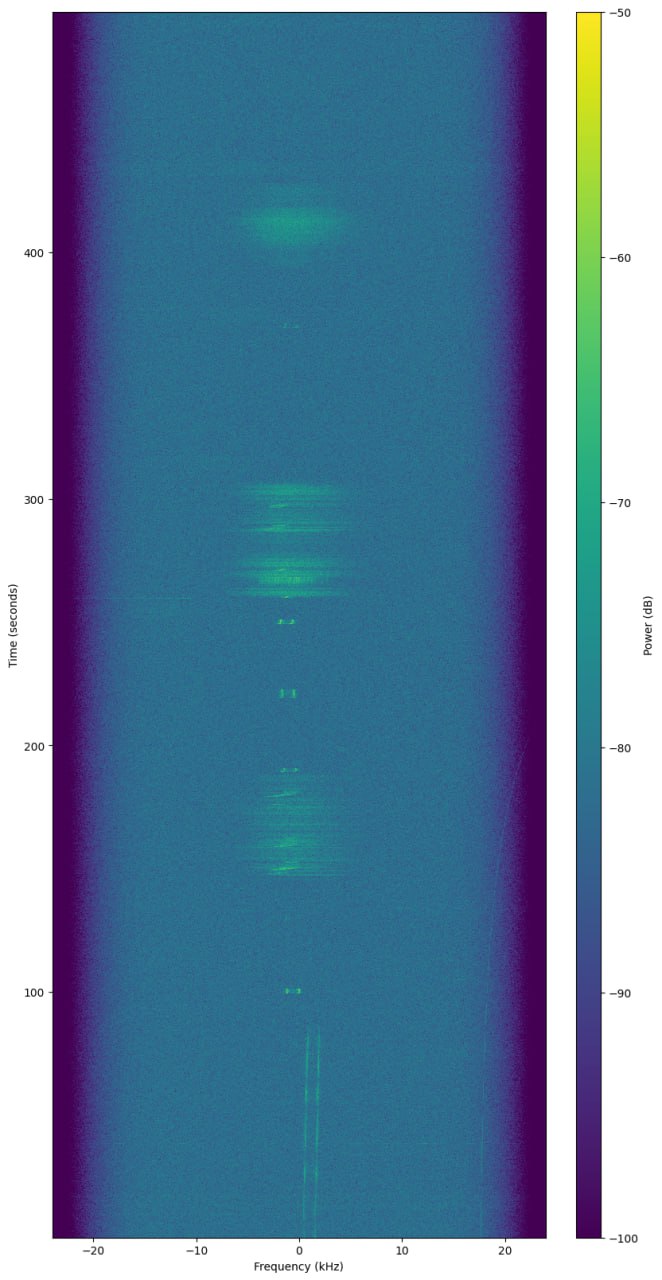
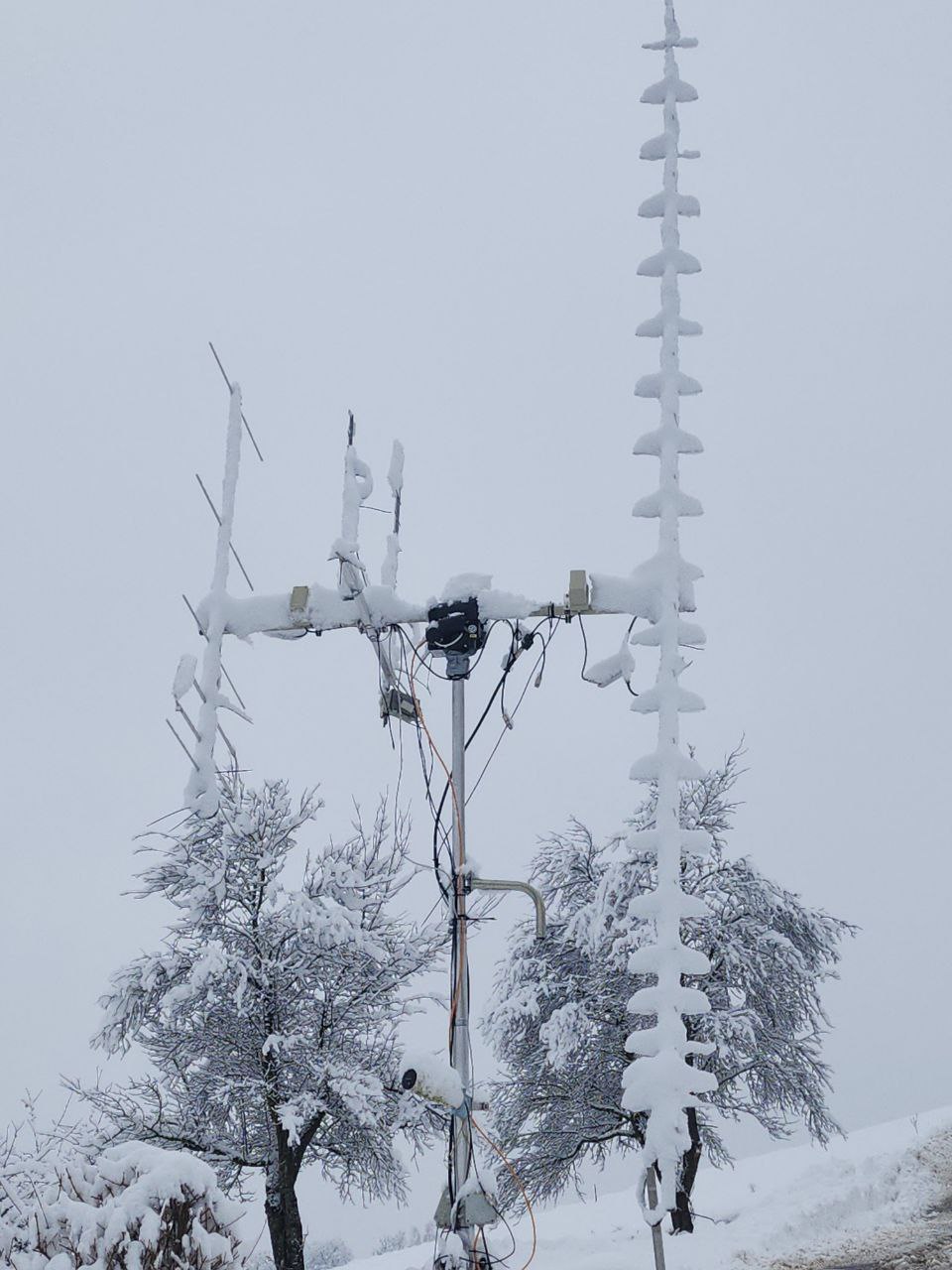
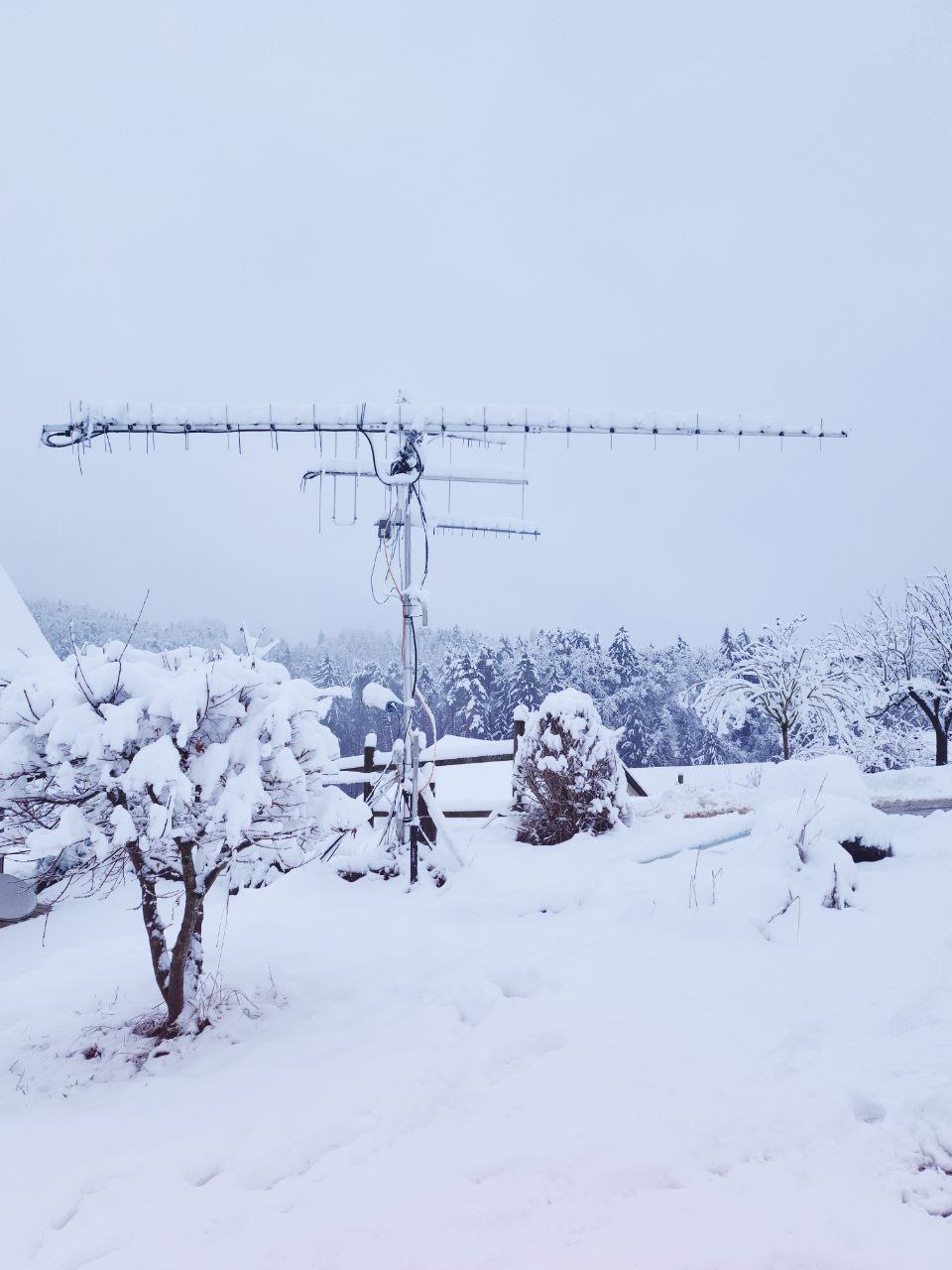
- Stefan/OE6ISP shared that operation of their high-gain antenna was temporarily suspended due to significant snow accumulation on the boom, describing it as looking like a Christmas tree. They mentioned it was a 2x23 cross-Yagi in RHCP configuration and considered lifting it to 90 degrees to mitigate the issue. 🔗
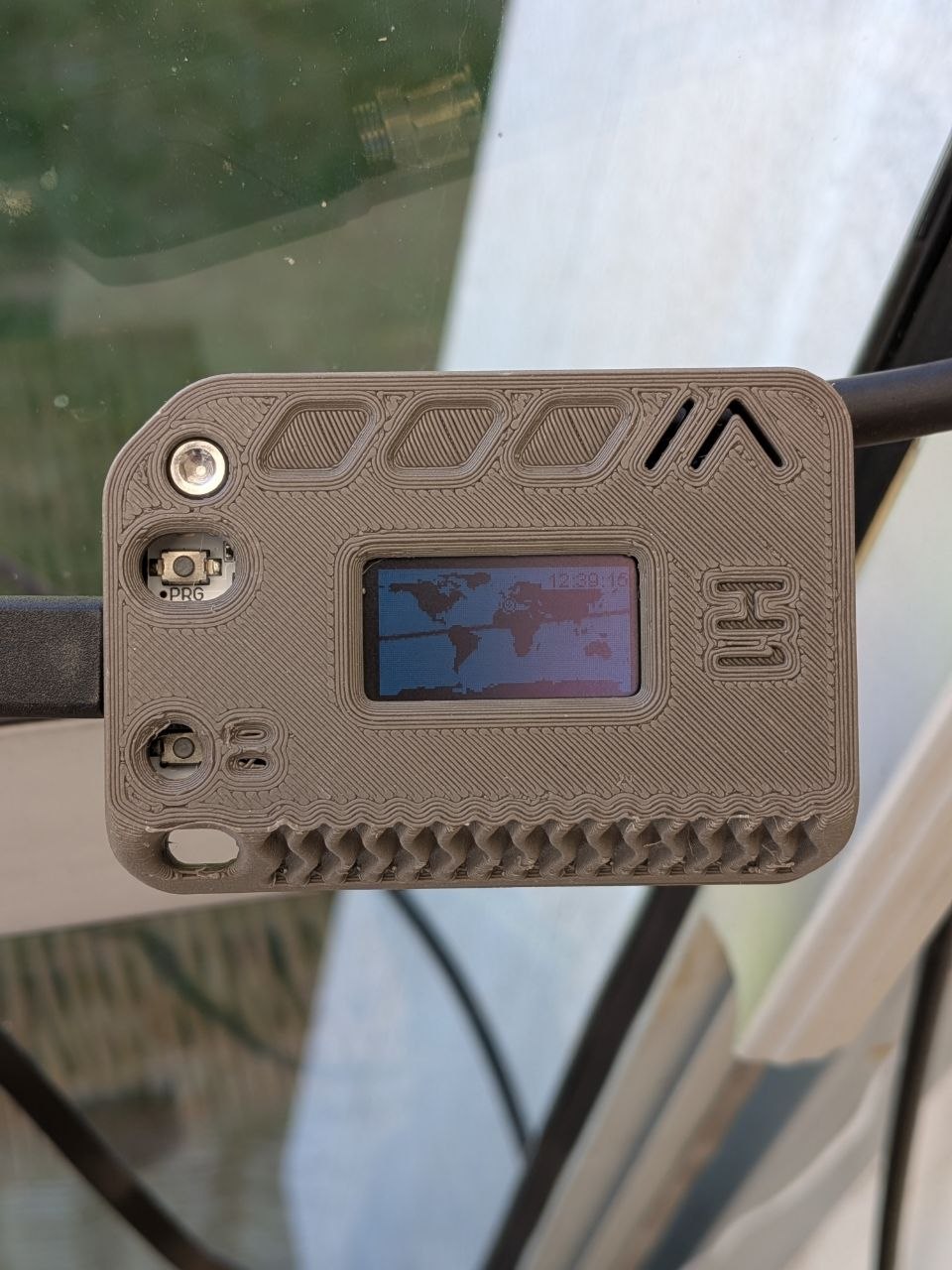
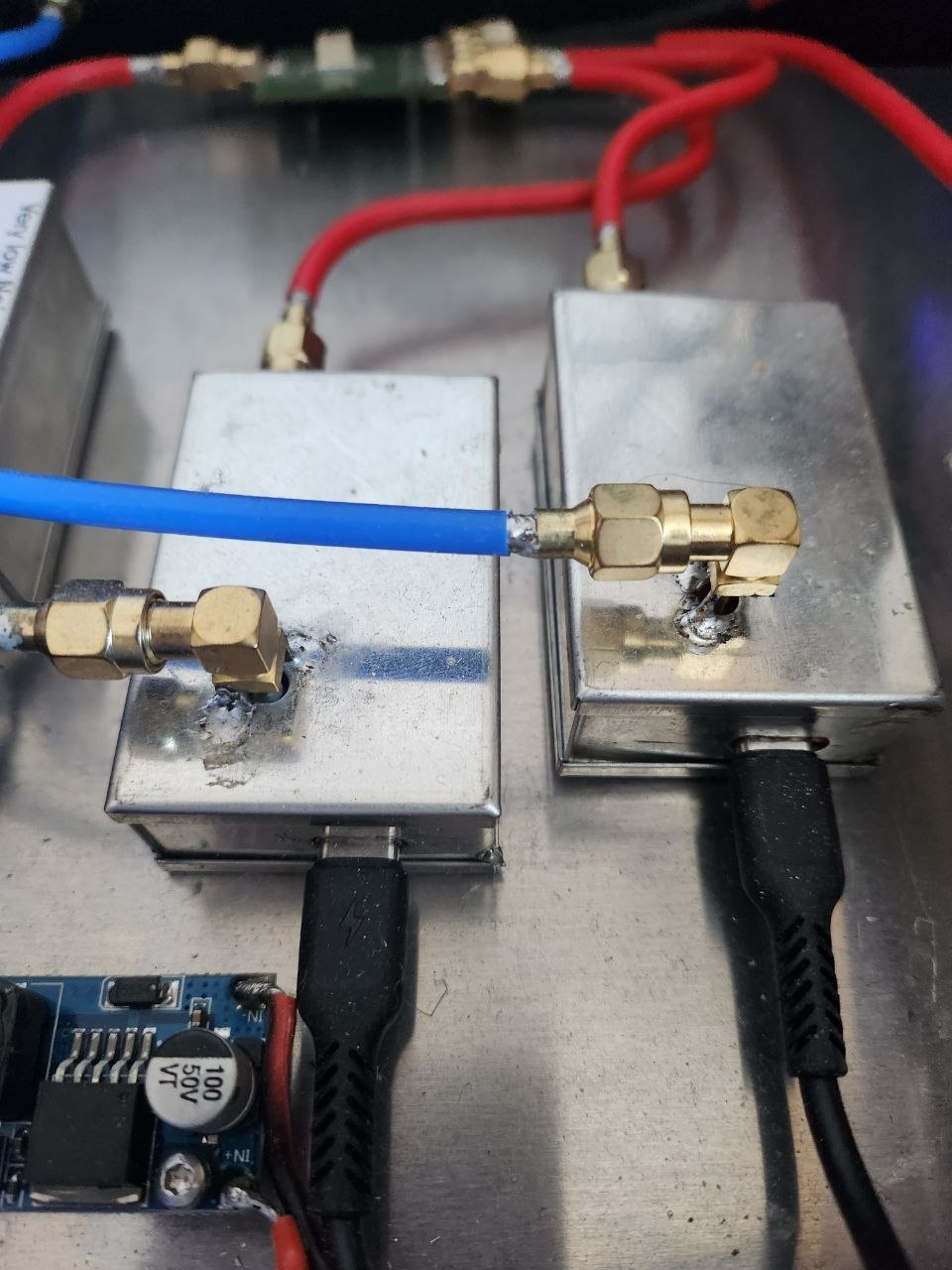
- Bogonek asked Stefan/OE6ISP for more details and photos about a modification to route WiFi signals to an external socket on a Heltec board. Stefan explained the process of cutting the antenna spring and soldering a coaxial cable, and later mentioned an improved version with SMA connectors soldered on the case, but could not provide internal photos as it would require desoldering. The discussion covered the challenges of soldering UFL SMD connectors and the practical solution of using the case for shielding. 🔗
New Satellites
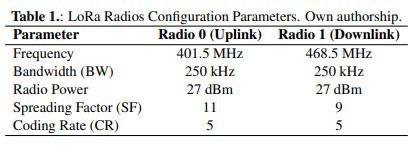
- jp_polito announced the scheduled launch of the Hanbit Nano satellite for the following day at 3:45 PM Brazil time and shared the LoRa radio parameters for the Jussara-K satellite, including an image of the parameter details. 🔗
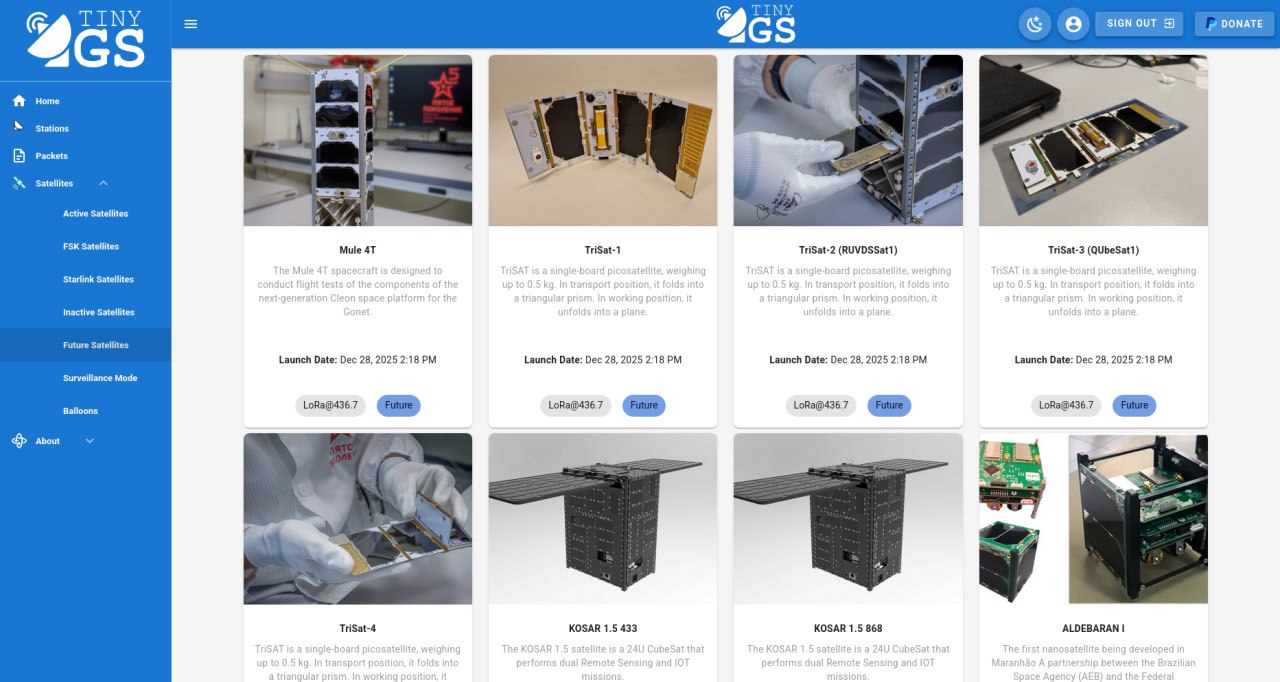
- G4lile0 shared an update on the upcoming launch scheduled for December 28, 2025, from Vostochny. The launch will carry the Aist-2T No. 1 and No. 2 satellites aboard a Soyuz-2-1B/Frigate rocket. Several other potentially compatible satellites were listed, including Kowsar-1.5, Aist-ST 16U, Polytech Yun.-6 16U, CSTP3.1 16U, Vladivostok-2 8U, and Mule 4T. 🔗
- G4lile0 shared a YouTube live stream link for a launch event and indicated it was T-3 minutes to launch. Bruce celebrated a successful launch. K4KDR inquired about the source of a captured signal, and later confirmed with PE2BZ that it was likely from the ICO F2 satellite. They also asked if an I/Q recording of the signal was available and later reported that decodes were starting to appear from Mule-4T and KOSAR 1.5 on 433 MHz. 🔗
https://www.youtube.com/live/lFOWEUSP9Vo?si=i5kb3ncIJp7f11ea
Antenna Building
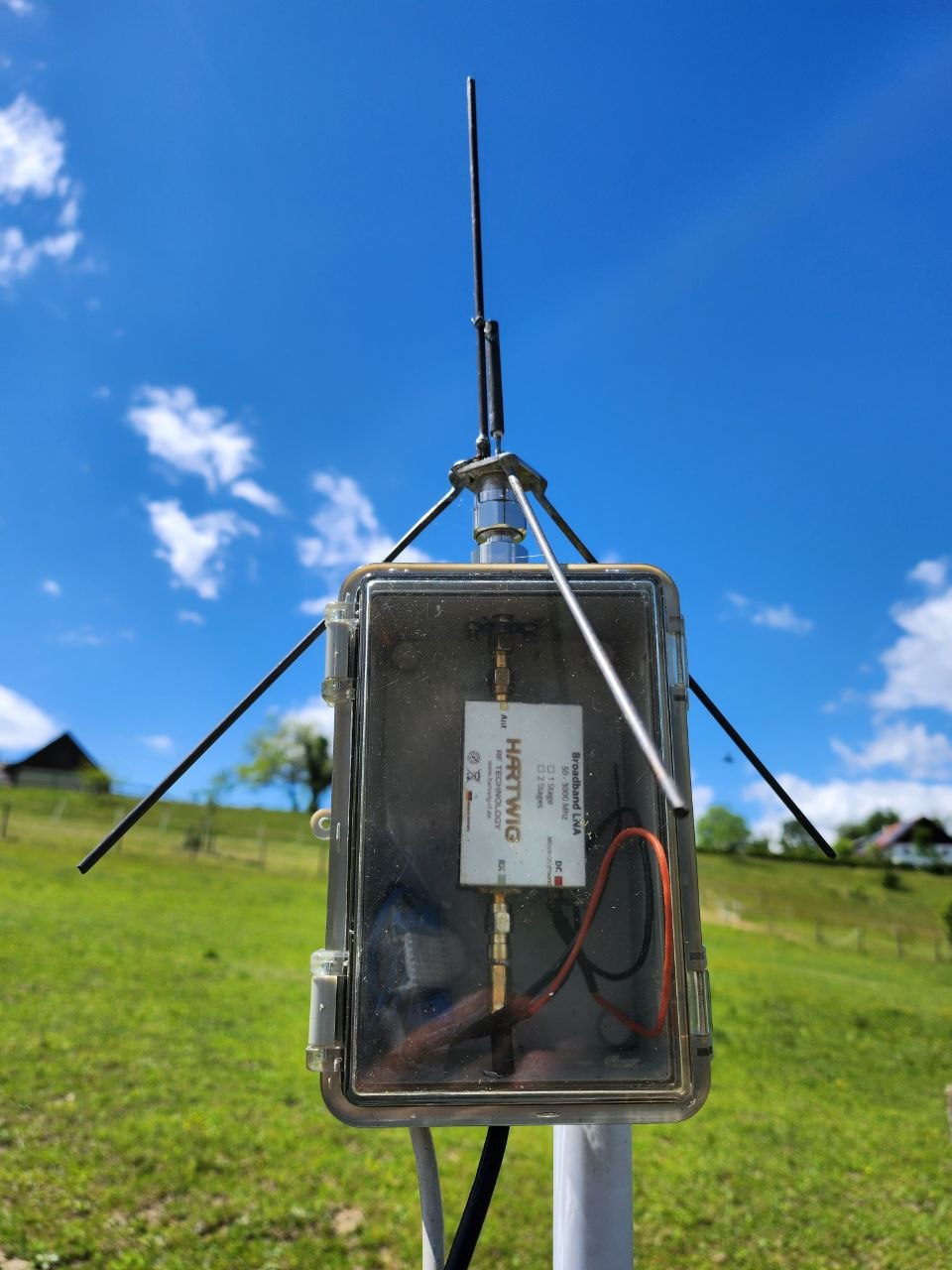
- Massimo asked for recommendations on which antenna to build or purchase for the 900 MHz band to receive ConnectaIoT satellite passes. Stefan/OE6ISP recommended a simple groundplane antenna combined with a good LNA for 900 MHz, sharing a link to a working station as an example. 🔗
https://app.tinygs.com/station/OE6ISP_868_1@1760298214 - DE1CTL announced starting two new stations in Romania: a QFH for 433 MHz and a 14 dB yagi for 868 MHz, pointed south, and sought advice on the optimal orientation angle. Stefan/OE6ISP advised that due to sun-synchronous orbits, there’s no directional preference, but suggested starting at a 45-degree elevation to capture lower passes, which are more numerous, and later clarified that a 20-25 degree elevation covers down to the horizon given the antenna’s beamwidth. 🔗
Featured Conversations
- The community discussed the utility of heat maps for satellite tracking, with suggestions for adding elevation visualizations to better understand antenna coverage and skyview, especially from constrained locations. This highlighted the ongoing desire for more sophisticated data visualization tools.
- Hardware compatibility and recommendations were a key theme, with users seeking advice on FSK-capable boards and filters. Experienced members provided specific suggestions, such as the Heltec V3/1262 and using a diplexer as a low-loss filter, demonstrating the community’s collaborative problem-solving.
- Several users encountered challenges with the new website interface and IP-based security measures, leading to discussions about troubleshooting login issues, expired tokens, and incorrect bans. The development team actively addressed these problems with updates and fixes.
- Excitement built around new satellite launches, with announcements for Hanbit Nano and a major launch from Vostochny carrying multiple potentially compatible satellites. Early decodes from newly launched satellites like Mule-4T and KOSAR 1.5 were successfully reported.
- Antenna setup and optimization were frequently discussed, with members sharing experiences integrating SatNOGS and TinyGS, dealing with environmental challenges like snow accumulation, and seeking advice on antenna types and orientations for different frequency bands.
What’s next
Join the TinyGS Telegram channel to participate in these discussions and contribute to the project. Your experiences and insights can help others build and improve their stations!
Share: