· TinyGS Community · 14 min read
Weekly Newsletter - December 7, 2025
Welcome to the TinyGS community weekly newsletter. Stay informed about the latest discussions, developments, and activities within our collaborative network of ground stations.
Highlights
General
- Helmi explained how to retrieve data from a personal station using the MQTT server mqtt.tinygs.com by logging in with user credentials and subscribing to all topics using #. 🔗
- funinthesun2533 was looking for advice on ordering a suitable board for TinyGS, specifically asking if a linked AliExpress board was correct. stefan/oe6isp confirmed the board would work for 433MHz but suggested considering other options, referencing a previous discussion. funinthesun2533 then inquired about the necessity of GPS on the board. krzysiekmm suggested manual GPS input. saintbyte confirmed the board works fine with the stock antenna. stefan/oe6isp reiterated that GPS is not needed and the Heltec V3 is perfect. helmi cautioned against using the stock antenna and recommended building a ground plane antenna, directing the user to the Antenna Building section. funinthesun2533 later confirmed the order was placed. 🔗
https://www.aliexpress.us/item/2251832685763835.html?spm=a2g0o.cart.0.0.27e638daiqRwl2&mp=1&pdp_npi=5%40dis%21USD%21USD%2026.91%21USD%2015.37%21%21USD%2015.37%21%21%21%402103123917646203237405409e5397%2112000035978368112%21ct%21US%216479108324%21%211%210&_gl=1*b0m79h*_gcl_au*ODQyNjE3NzM0LjE3NjQ2MDcyOTE.*_ga*MTU4MDI5Mzg2NC4xNzY0NjA4NTU4*_ga_VED1YSGNC7*czE3NjQ2MjAzMjAkbzQkZzEkdDE3NjQ2MjAzMjMkajU3JGwwJGgw&gatewayAdapt=glo2usa
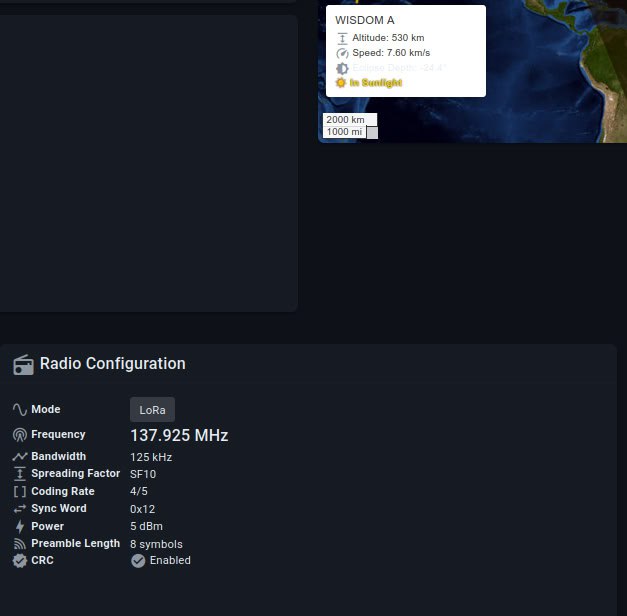
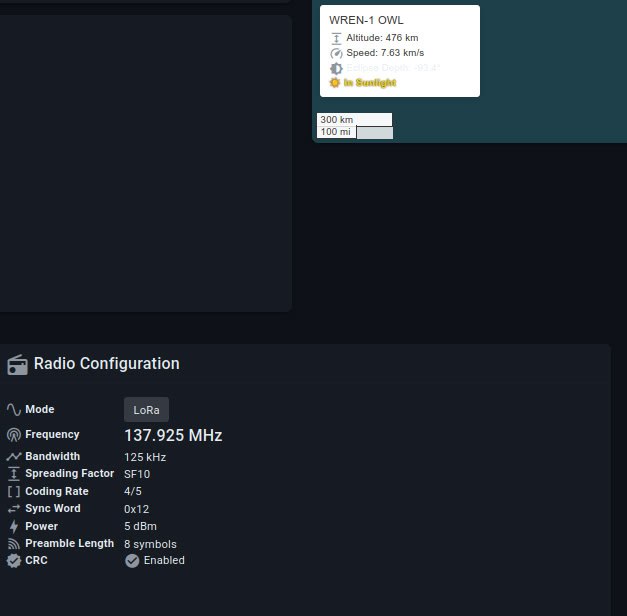
https://t.me/c/1448773154/78471/190413 - G4lile0 explained that WREN-1 OWL and WISDOM A have the same modem config, and he is working on a new decoder to properly identify each satellite, providing satellite IDs. Notsure7 thanked him, mentioning they didn’t have a problem before because they couldn’t hear them. 🔗
- Mike asked if the Cornell Light Sail project has officially ended and mentioned he switched back to regular TinyGS satellite monitoring, requesting a brief update from the project. He later reported setting up another station but noted the elevation was incorrect, asking how to change it without reloading the firmware. G4lile0 offered to change it and requested the correct elevation. Mike provided the correct elevation (76m) and noted that a new Heltec board seemed a bit deaf. Stefan/OE6ISP suggested comparing RSSI and SNR of the same packet on two boards connected to the same antenna using a splitter to determine relative performance. 🔗
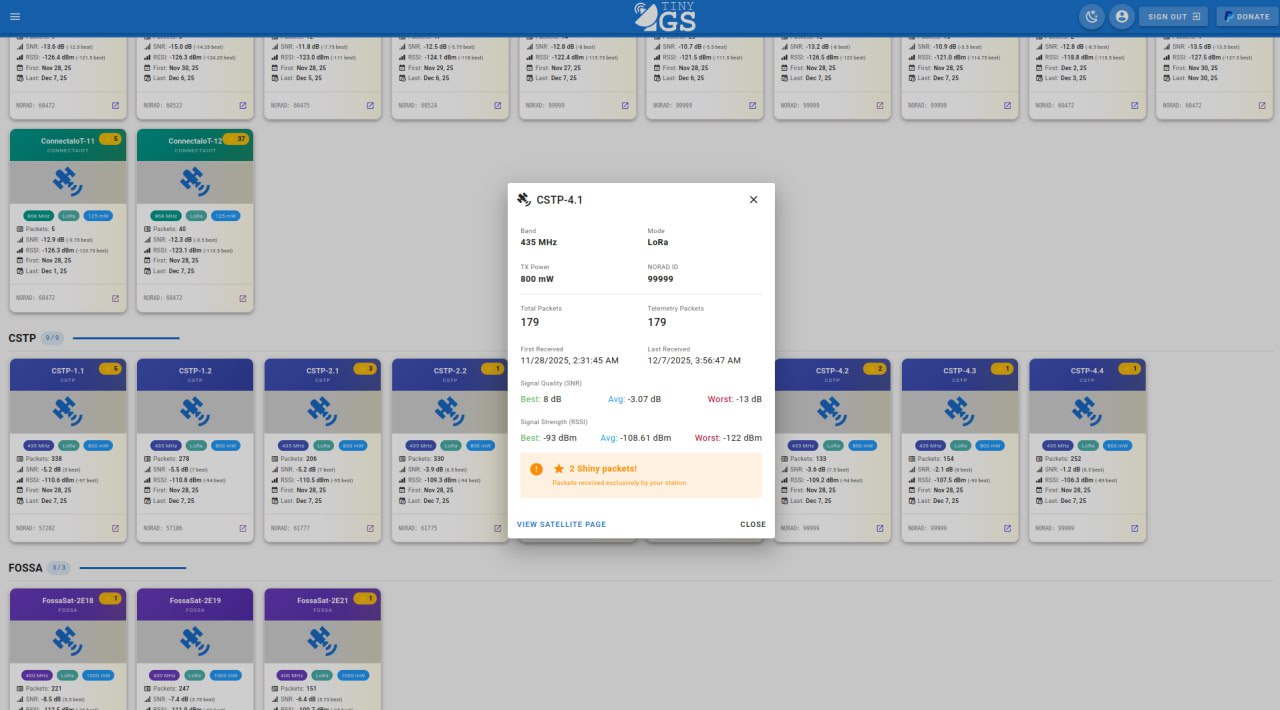
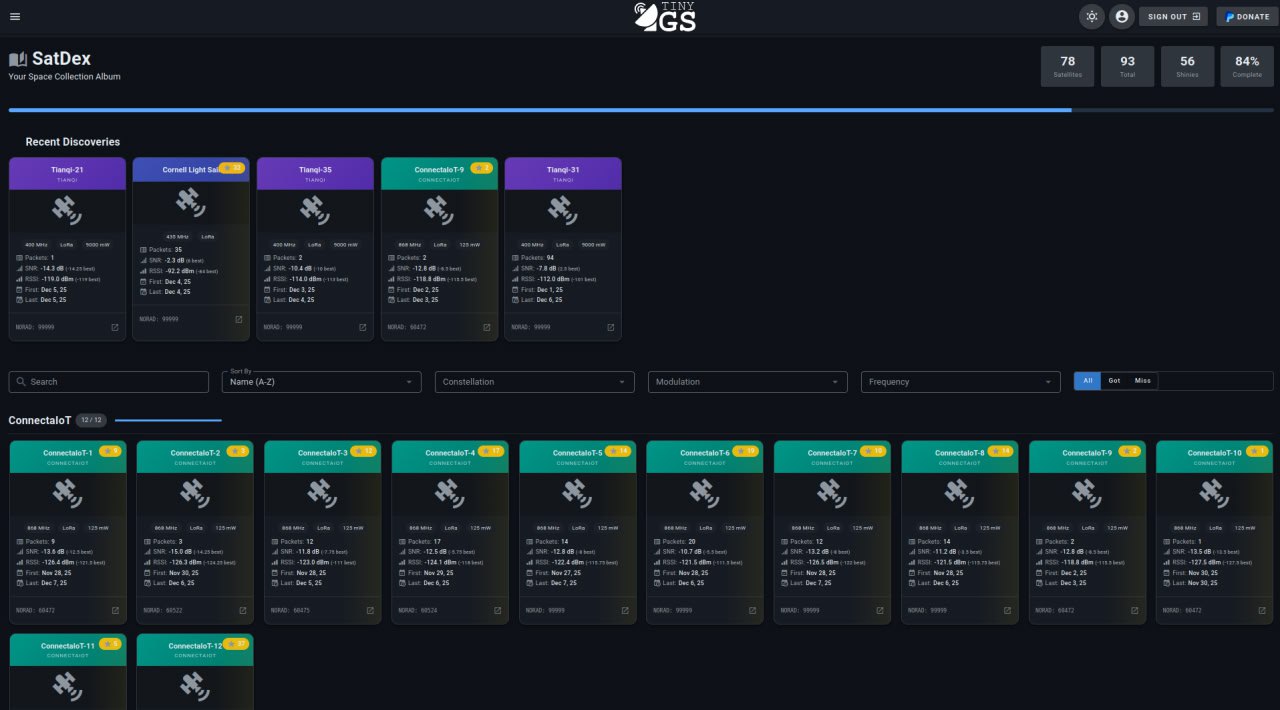
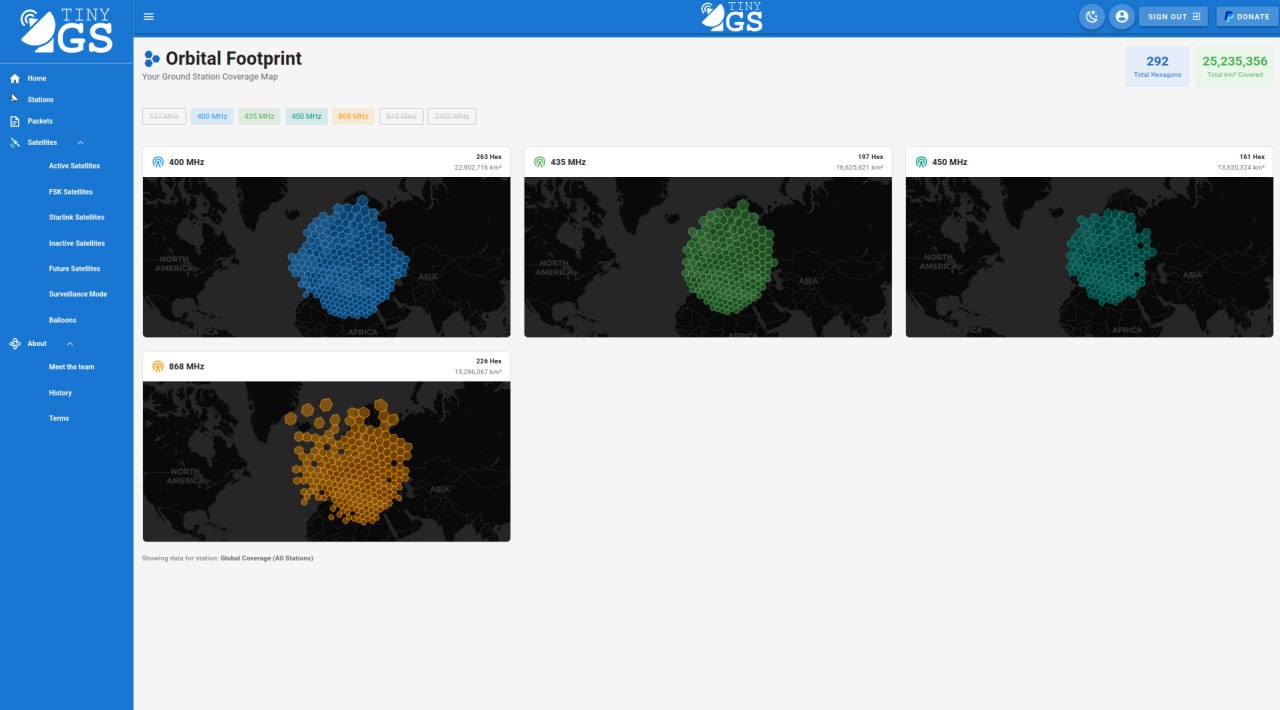
- G4lile0 announced new visualizations coming with the Xmas Release and shared related images. Estbhan asked what ‘Shiny Packets’ were, and then said that the leyenda is little blur. 🔗
Technical Problems
- megazaic reported that the api.tinygs.com was unreachable, showing no station, packets, or satellite information. 🔗
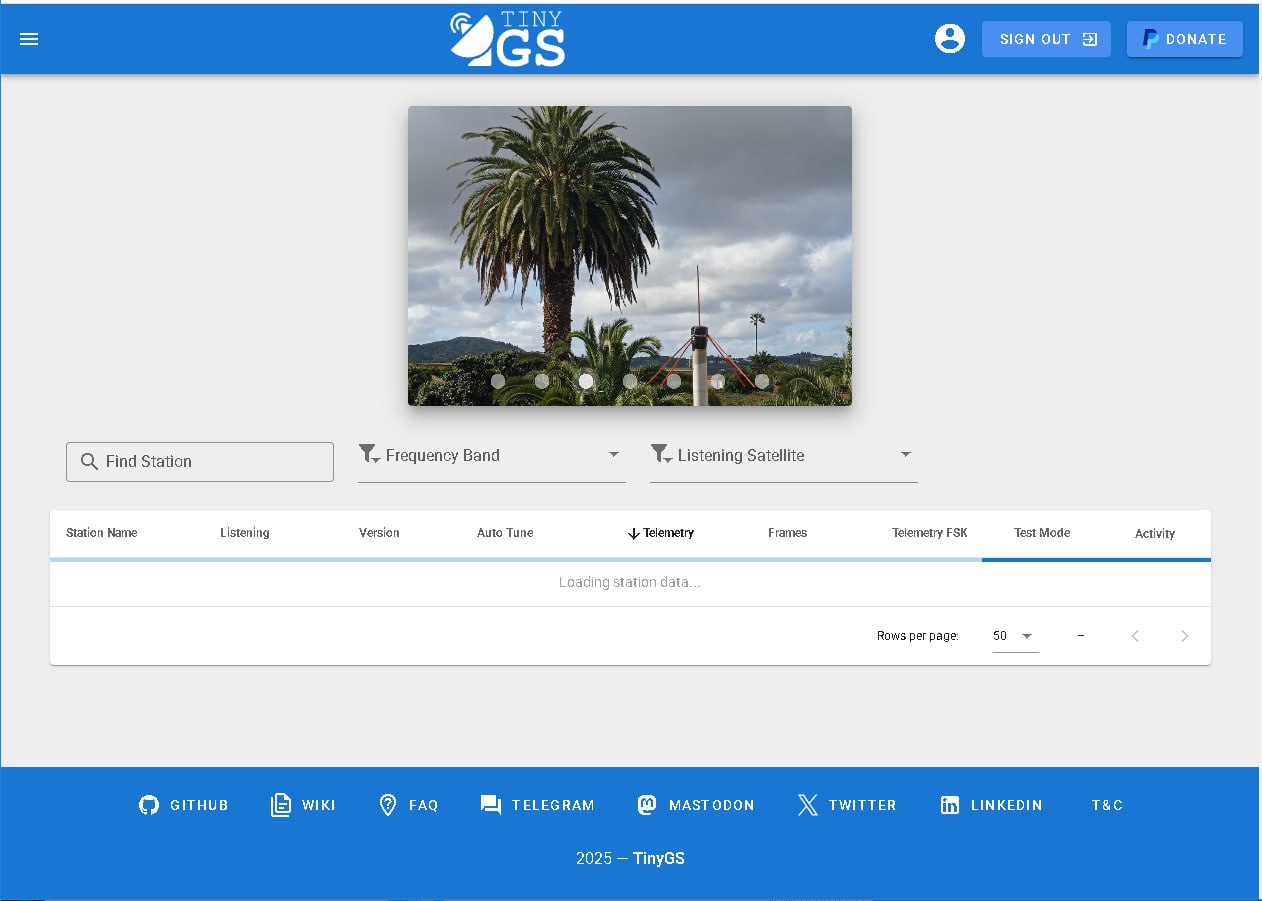
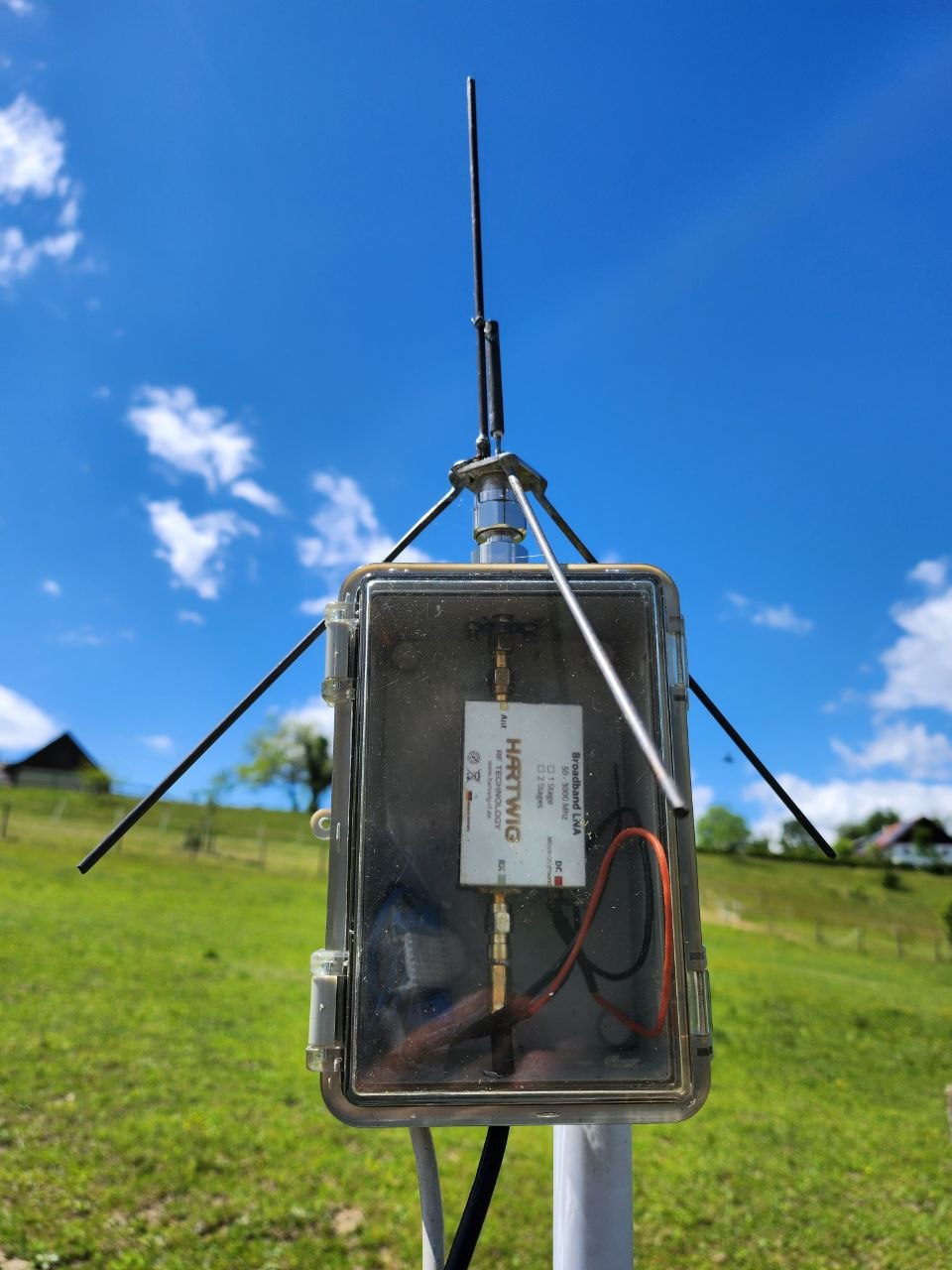
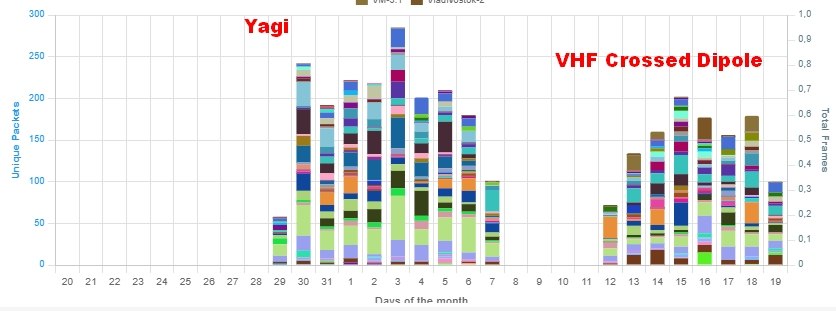
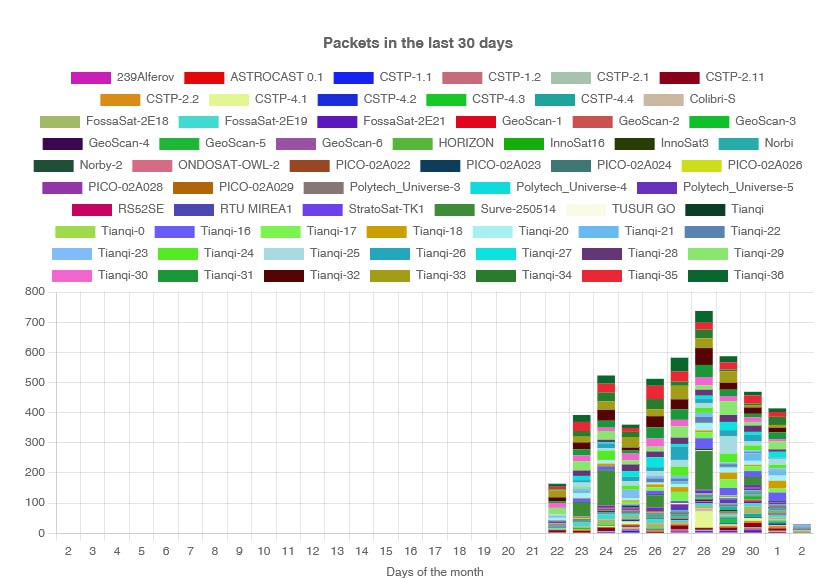
- EODkaboom reported a decrease in received packets after installing an LNA, despite an initial peak. stefan/oe6isp suggested that fluctuations are normal and that consistently low rates might indicate a broken connector or water ingress. megazaic and gotfredsen reported issues accessing information, with gotfredsen noting a ‘Cannot GET /api/’ error. megazaic showed how the API should respond via VPN. gotfredsen confirmed that using a VPN also resolved the issue. dan suggested the issue was due to antibot measures, referencing a previous message and mentioning a potential reset after some time. 🔗
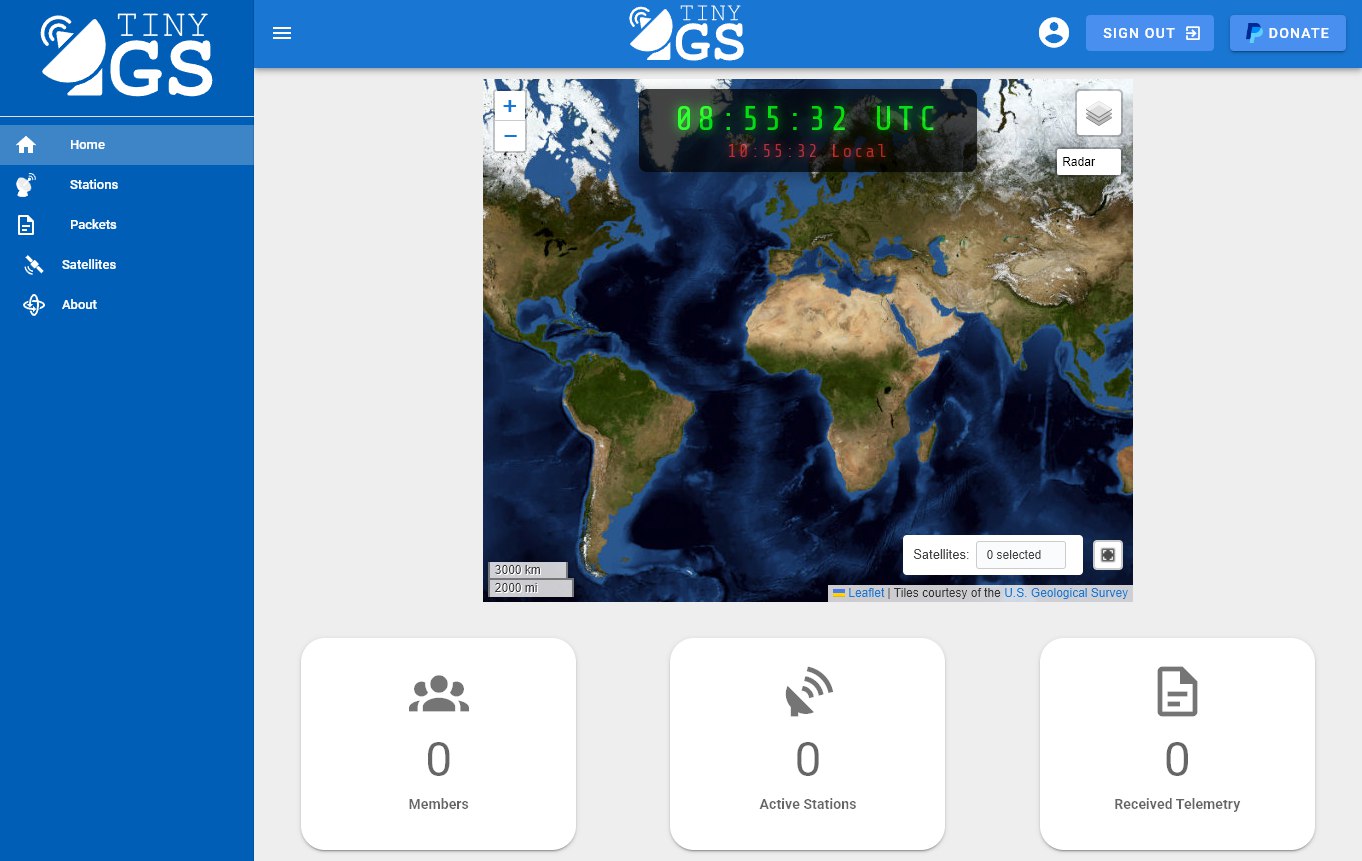
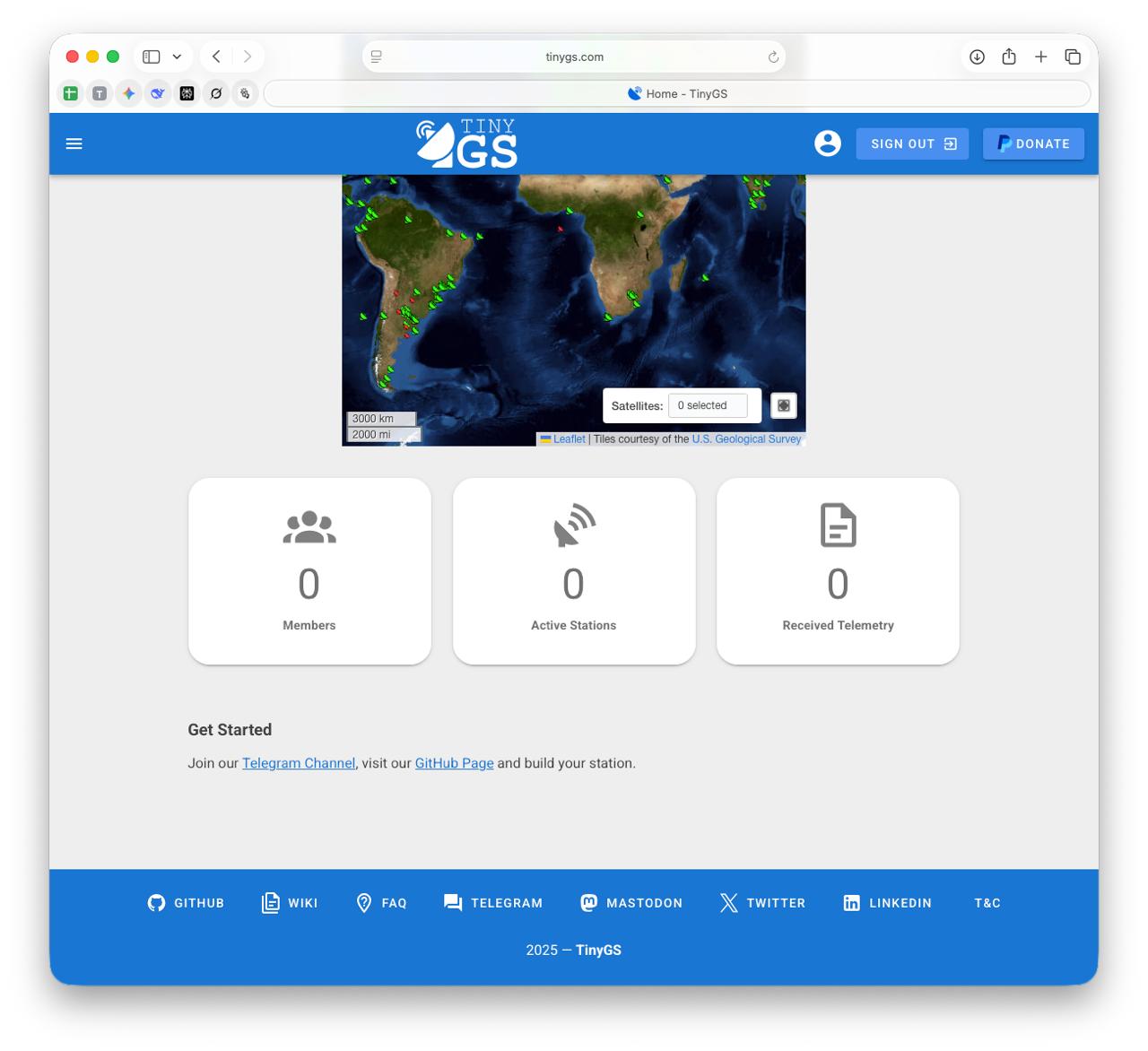
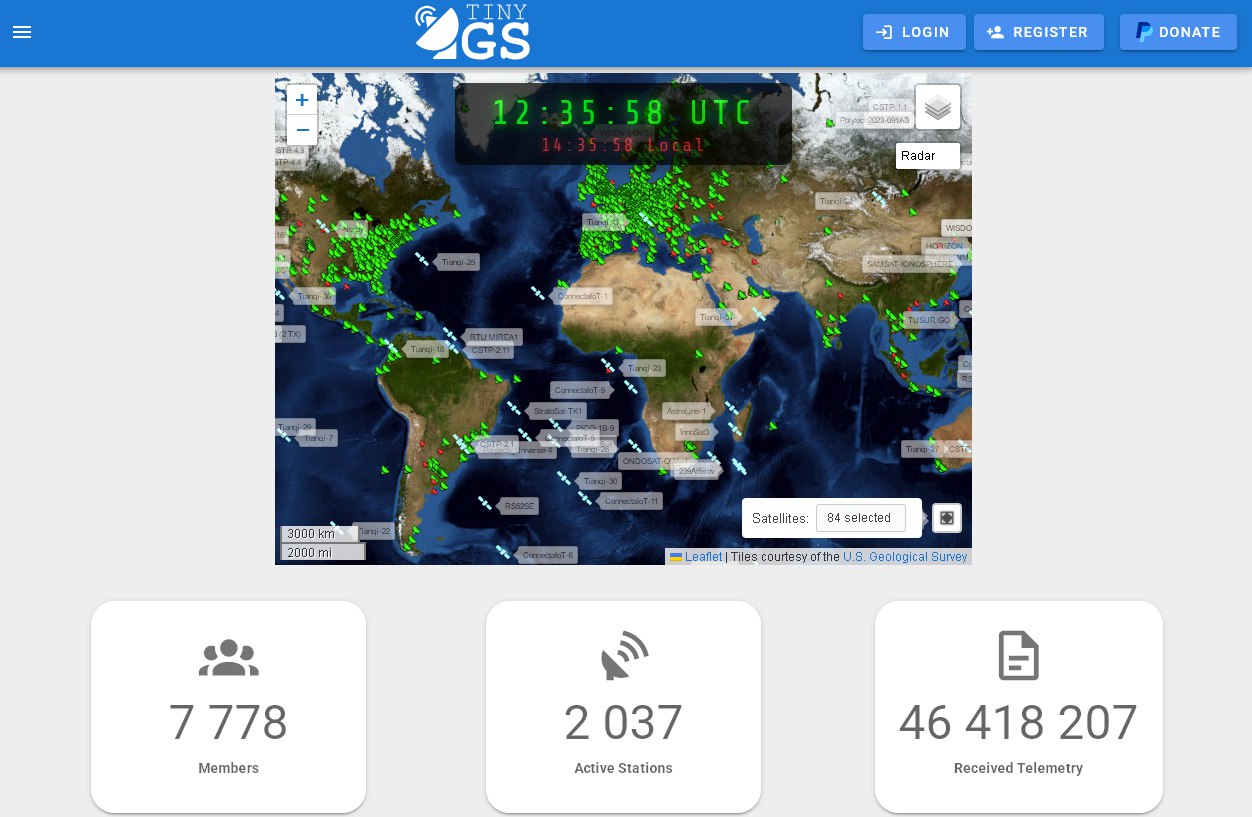
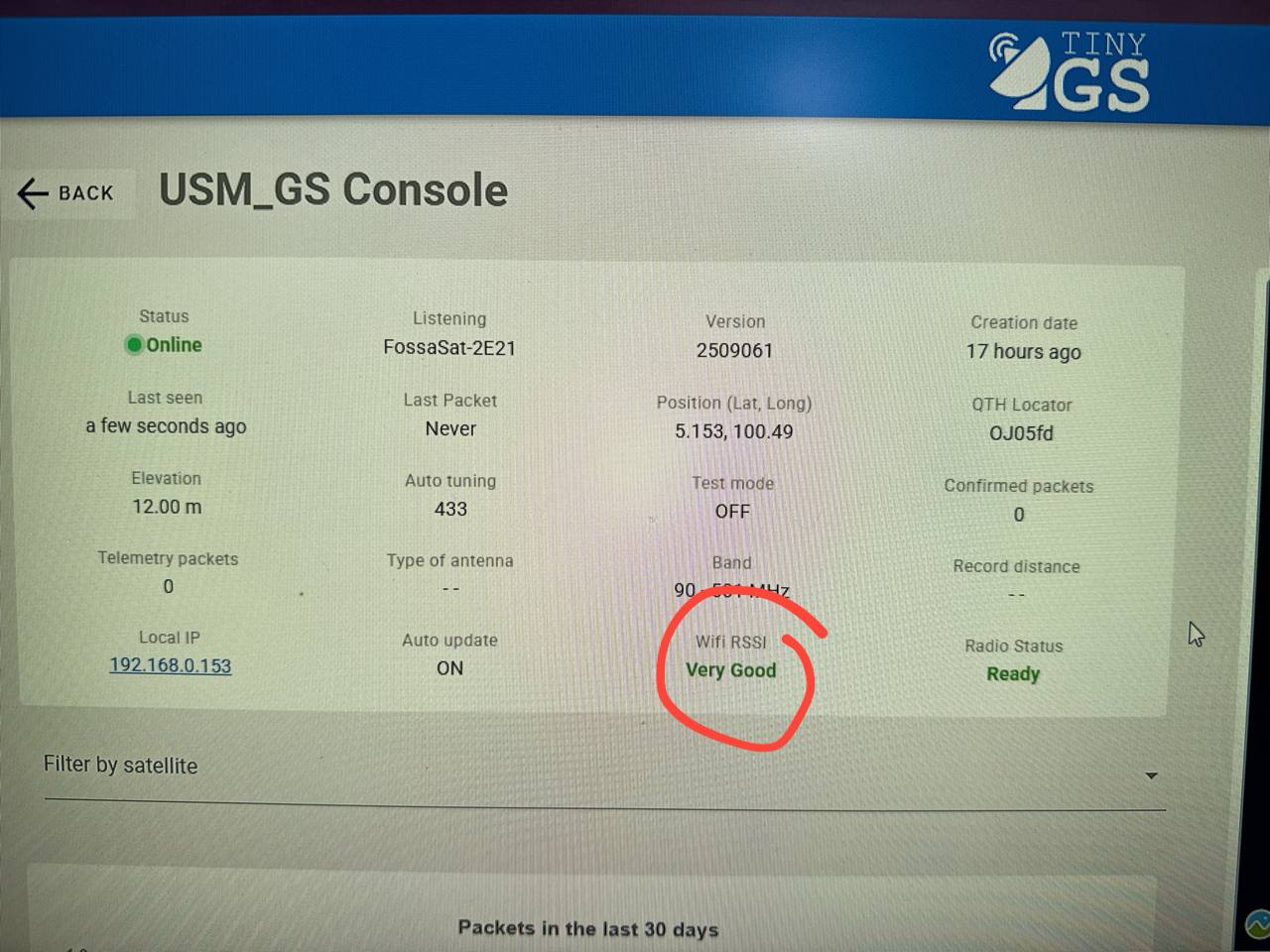
- G4lile0 requested the first two numbers of users’ public IPs to assist with troubleshooting. Dan reported still experiencing the same issue, with the first two octets being 174.101. ufoundme12 inquired about the lack of packet pickup and the quality of their WiFi RSSI. megazaic reported issues with TinyGS not working with specific IP addresses, sharing images of their setup. K4KDR suggested that WiFi connection is unrelated to satellite signal reception, pointing to antenna or local noise issues. Gotfredsen reported their IP address as 41.10.x.x. Andrew reported problems logging in to the web page, despite requesting a login with their registered email and receiving no confirmation emails. Stefan/OE6ISP suggested using the personal bot to get a login link with the /weblogin command. Andrew confirmed trying that but still not receiving verification emails. Stefan/OE6ISP clarified that email verification is unnecessary and the weblogin link from the bot should suffice. Andrew clarified his expectation of a personal dashboard and the need to use the bot every time to log in. Stefan/OE6ISP and Helmi explained that weblogin is typically a one-time process, and the user should remain logged in unless they sign out. Andrew confirmed that closing and reopening the browser retained the login, resolving his confusion. 🔗
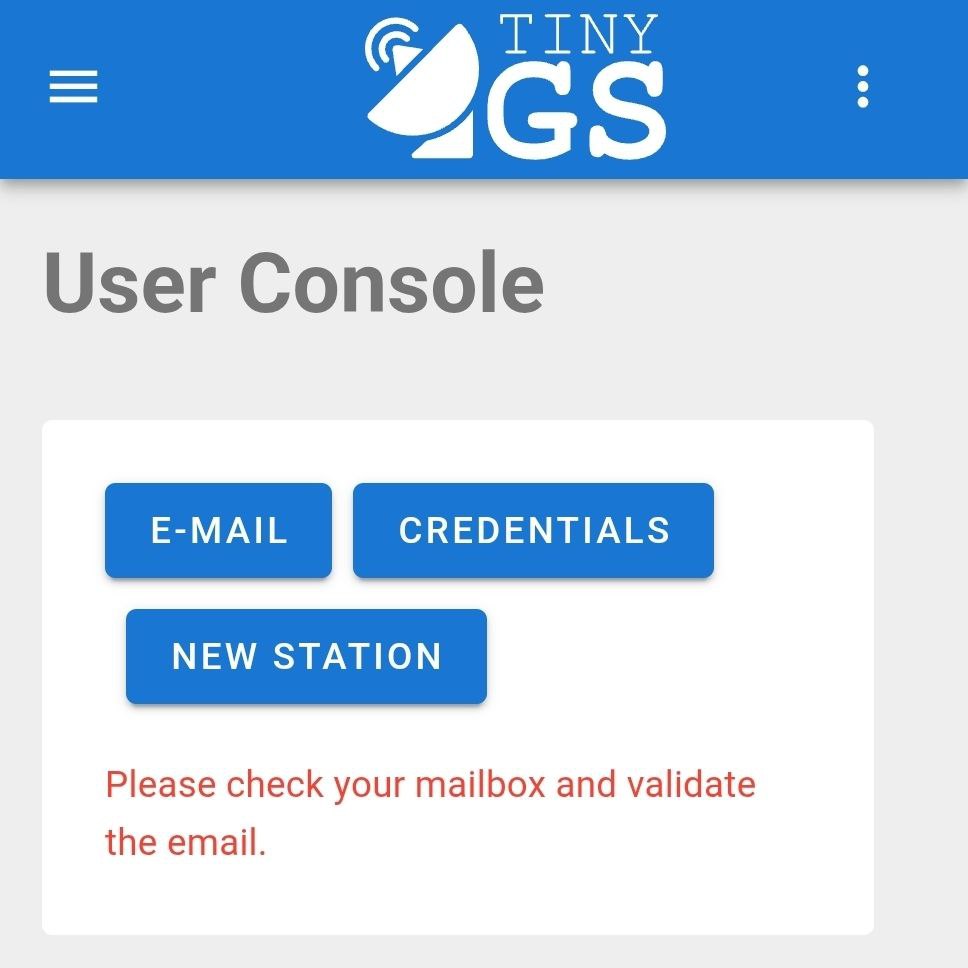
- G4lile0 announced that the email validation issue was fixed. 🔗
- Pat reported that his Heltech V3 was seeing the birds but not receiving any packets, suspecting a bad antenna. Helmi asked about the antenna’s appearance and location. Pat clarified that it was a ‘rubber duck’ antenna outside, and he would be building a ground plane. Doug suggested using a resonant antenna outside, as they are looking for a weak signal. 🔗
- Riley reported issues accessing the 192.168.4.1 address after finding an internet connection. K4KDR suggested checking for a ‘tinyGS’ wifi network and following the ground station configuration guide. Riley confirmed not seeing any tinyGS network. K4KDR suggested restarting from scratch. Riley later reported getting the wifi working but getting stuck on a ‘waiting for station’ status, sharing a photo of the issue. 🔗
https://github.com/G4lile0/tinyGS/wiki/Ground-Station-configuration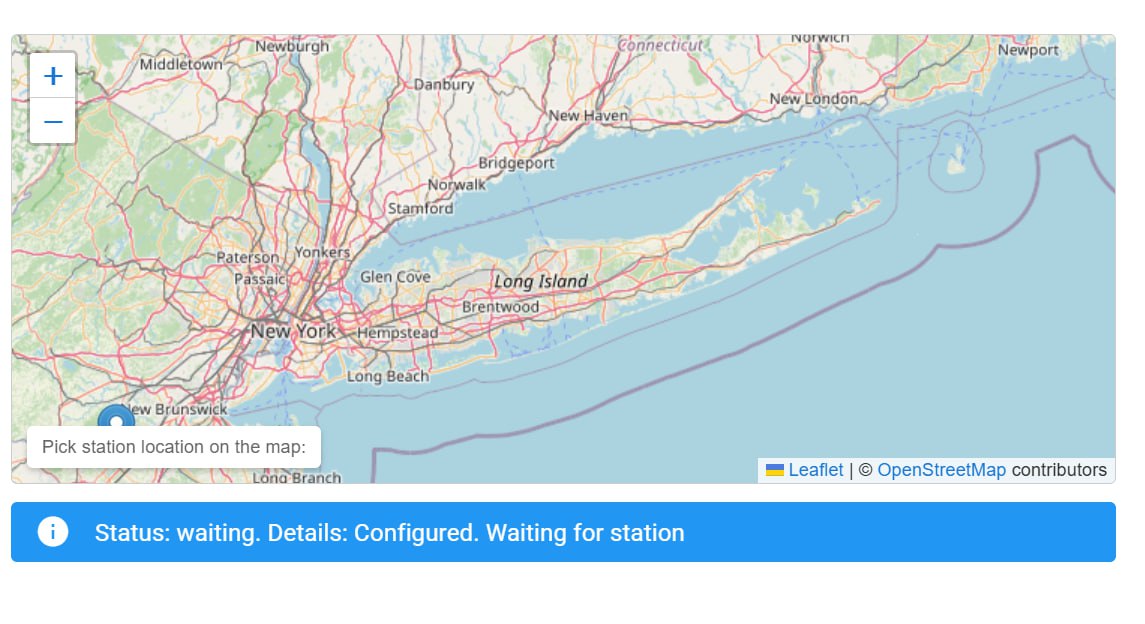
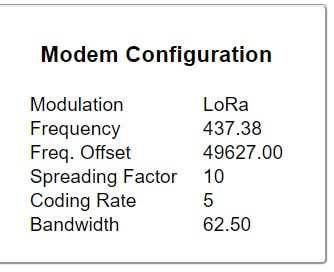
- Stefan/OE6ISP shared an image showing an odd offset, and G4lile0 replied that the offset is now 0, and that he needs to re-work the offset algorithm. Stefan/OE6ISP thanked him. G4lile0 then said that he just implemented a quick fix, and that currently, only FSK satellites and LoRa transmissions above 800 MHz will receive Doppler compensation, and that this temporary change will allow him to focus on creating a new algorithm to properly compensate for the frequency offset. 🔗
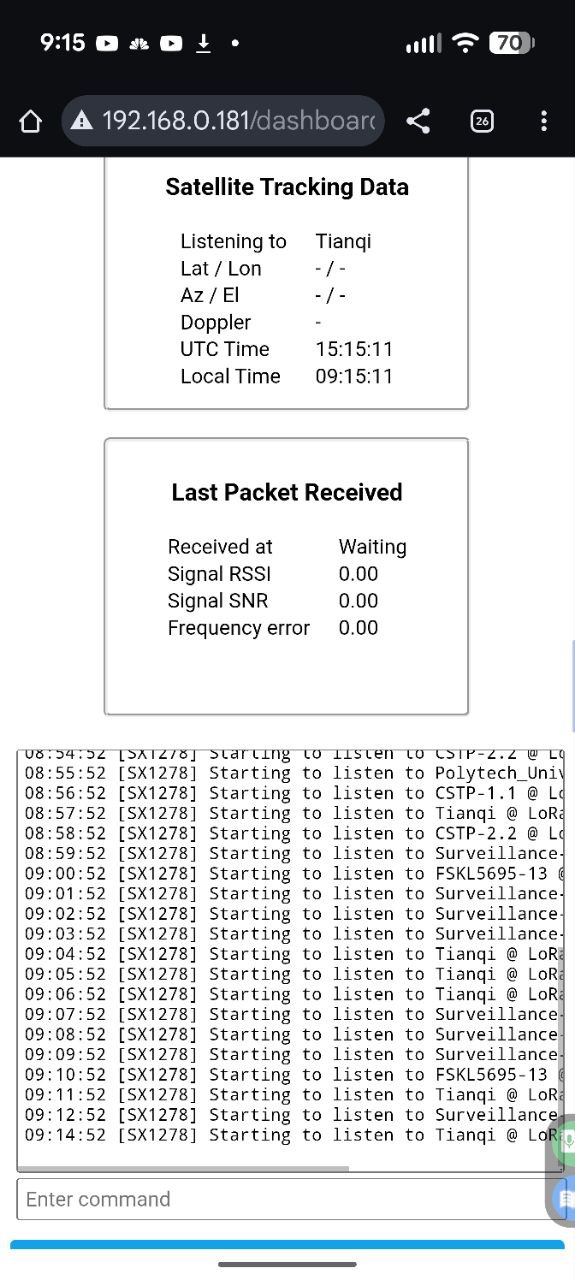
- Yor reported issues with a new receiver, including not getting packets and a blank display. Helmi suggested the blank display might be due to a wrong board configuration, asking which board was configured and which antenna was in use. Yor specified using a LILYGO TTGO MySondy GO LoRa32 V2.1_1.6.1 ESP32 LoRa 433MHZ board with a discone antenna mounted 20ft up outside, previously used for weather balloon data. Helmi asked which board was selected during installation and suggested connecting to the board’s IP to configure parameters. Yor later reported that the config was set for V1 of the board instead of V2, so the display is now working but the board is still not decoding packets. Helmi then asked which type of antenna cable is being used and how long it is, explaining that the sat signals are very weak, so a short cable is a must. 🔗
Share your setup
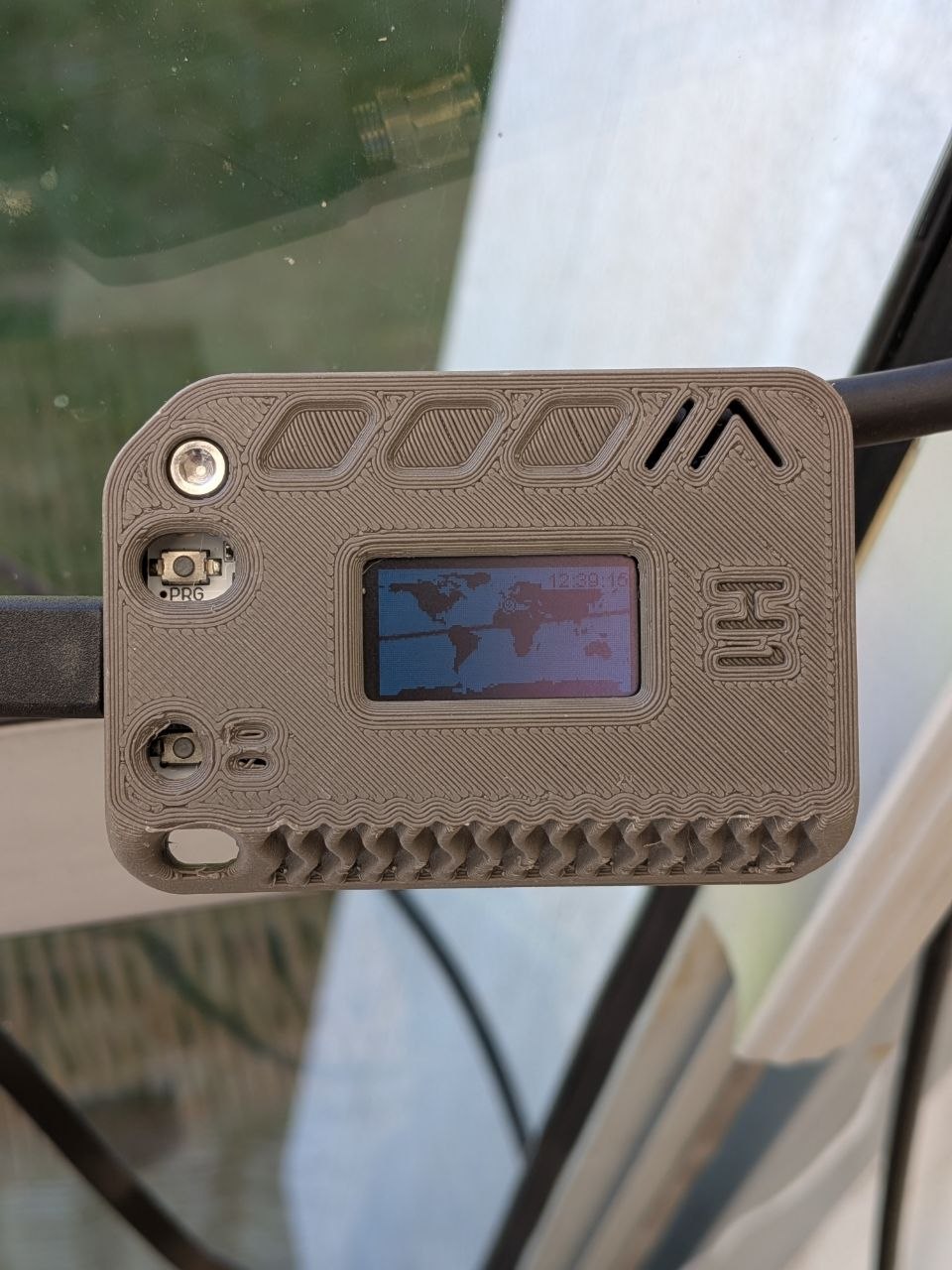
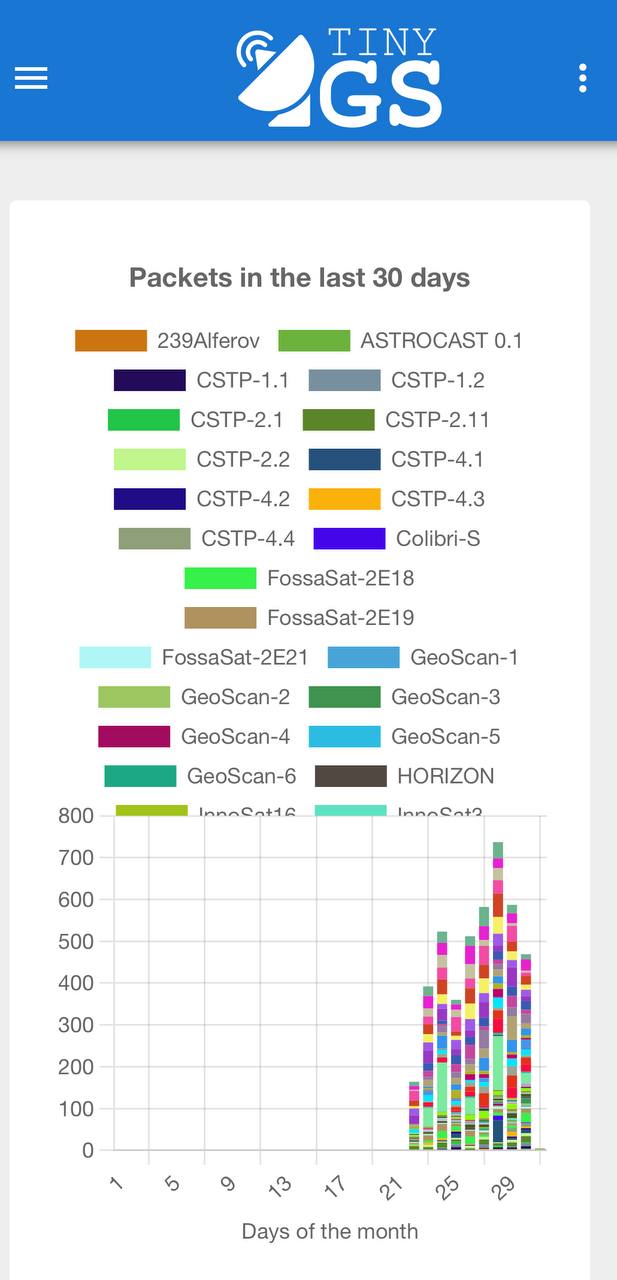
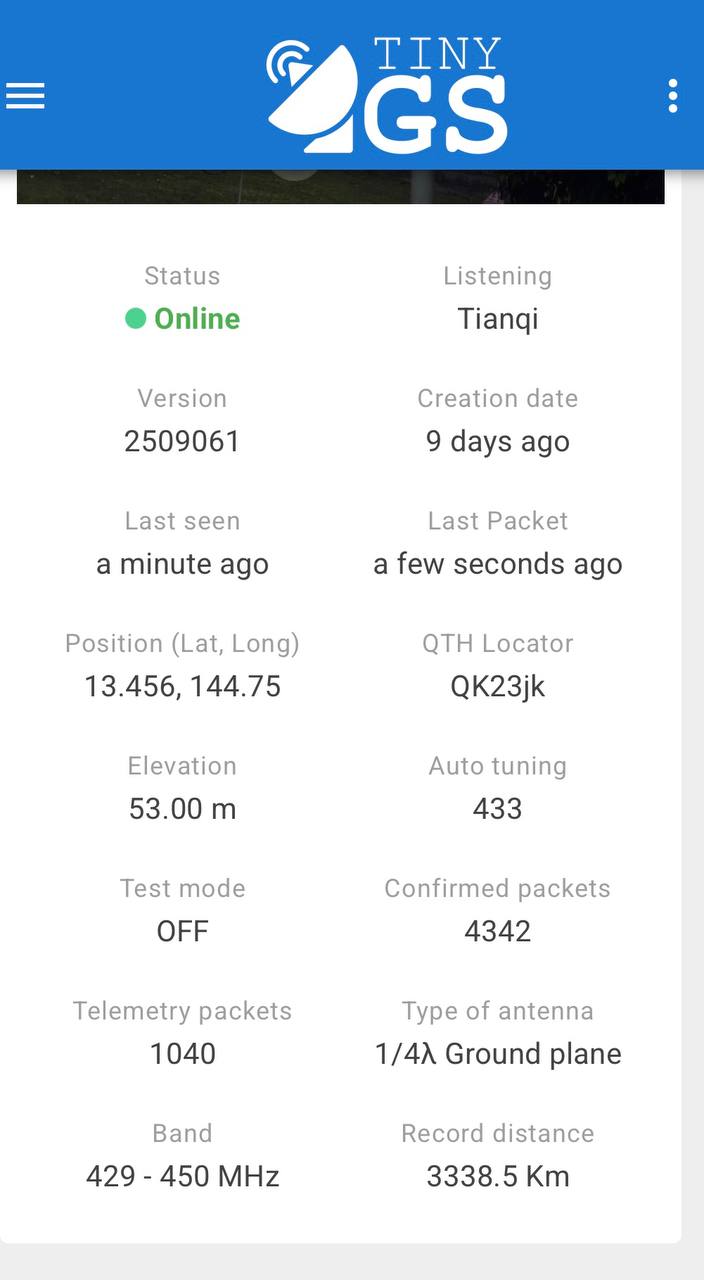
- EODkaboom shared multiple images of their setup. 🔗
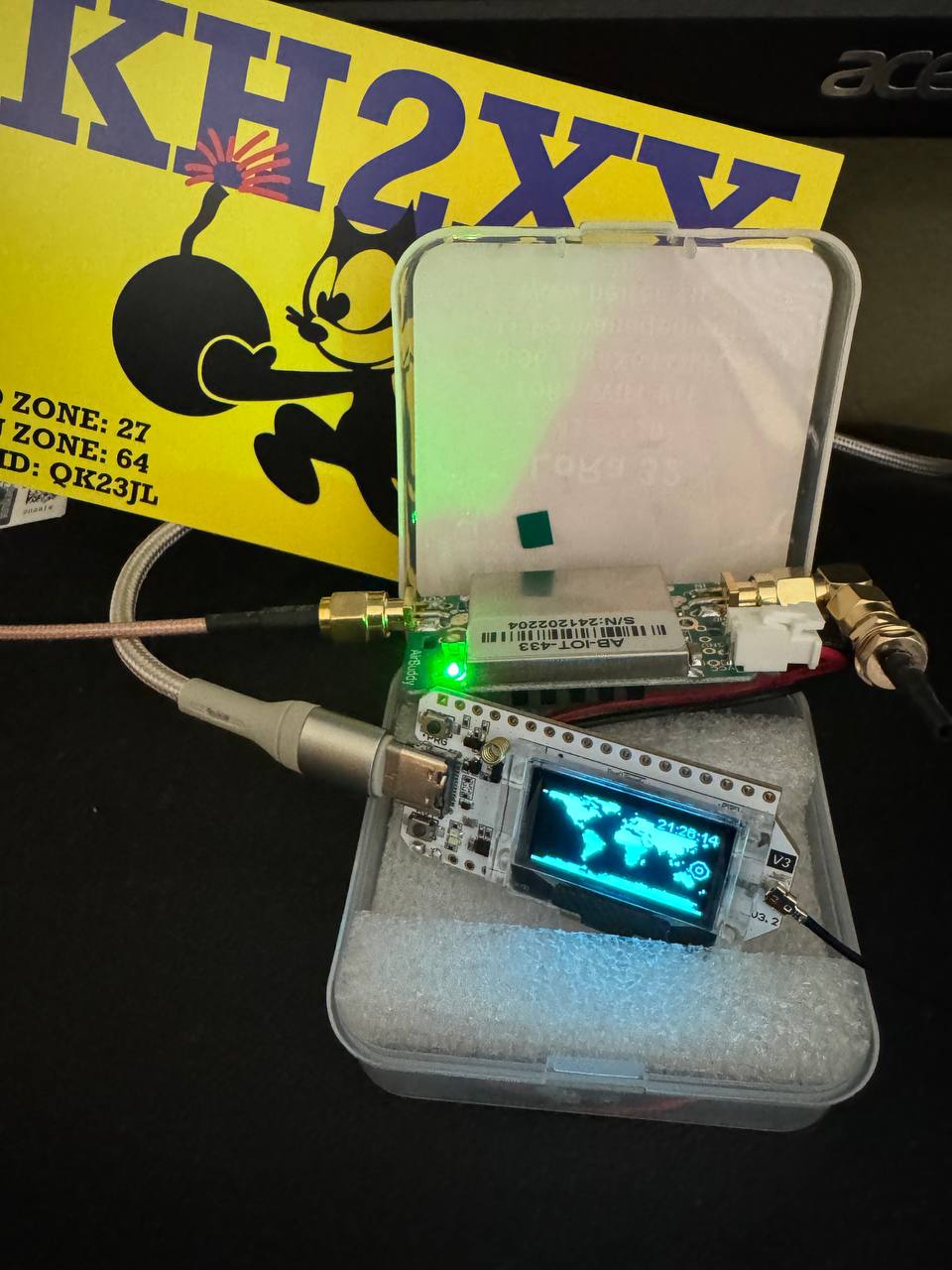
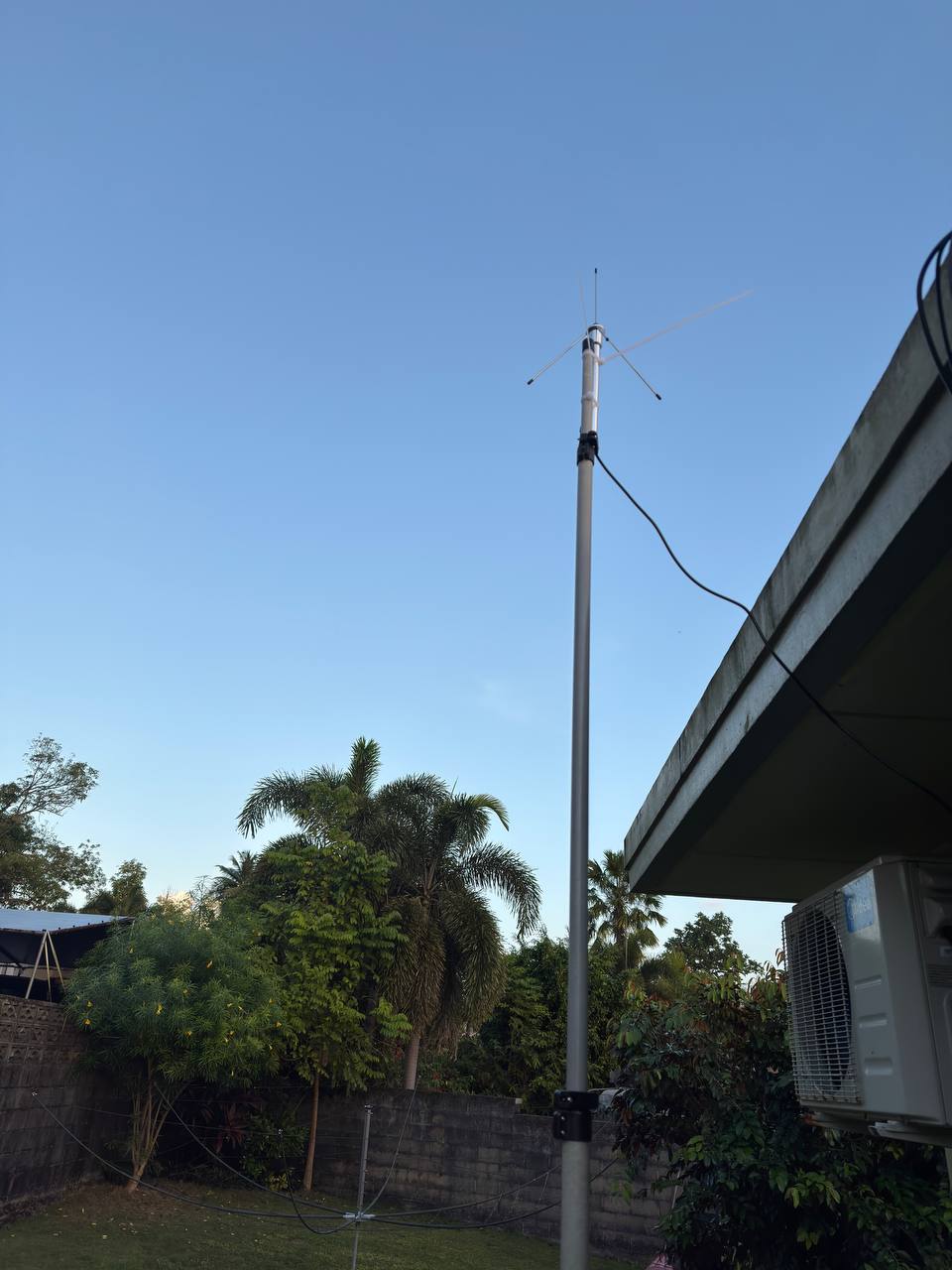
- Stefan/OE6ISP recommended the SX1262 chip (used on Heltec V3) for its versatility across 400MHz FSK and LoRa, with the exception of 137MHz. They noted that their 400MHz stations are now equipped with Heltec V3. 🔗
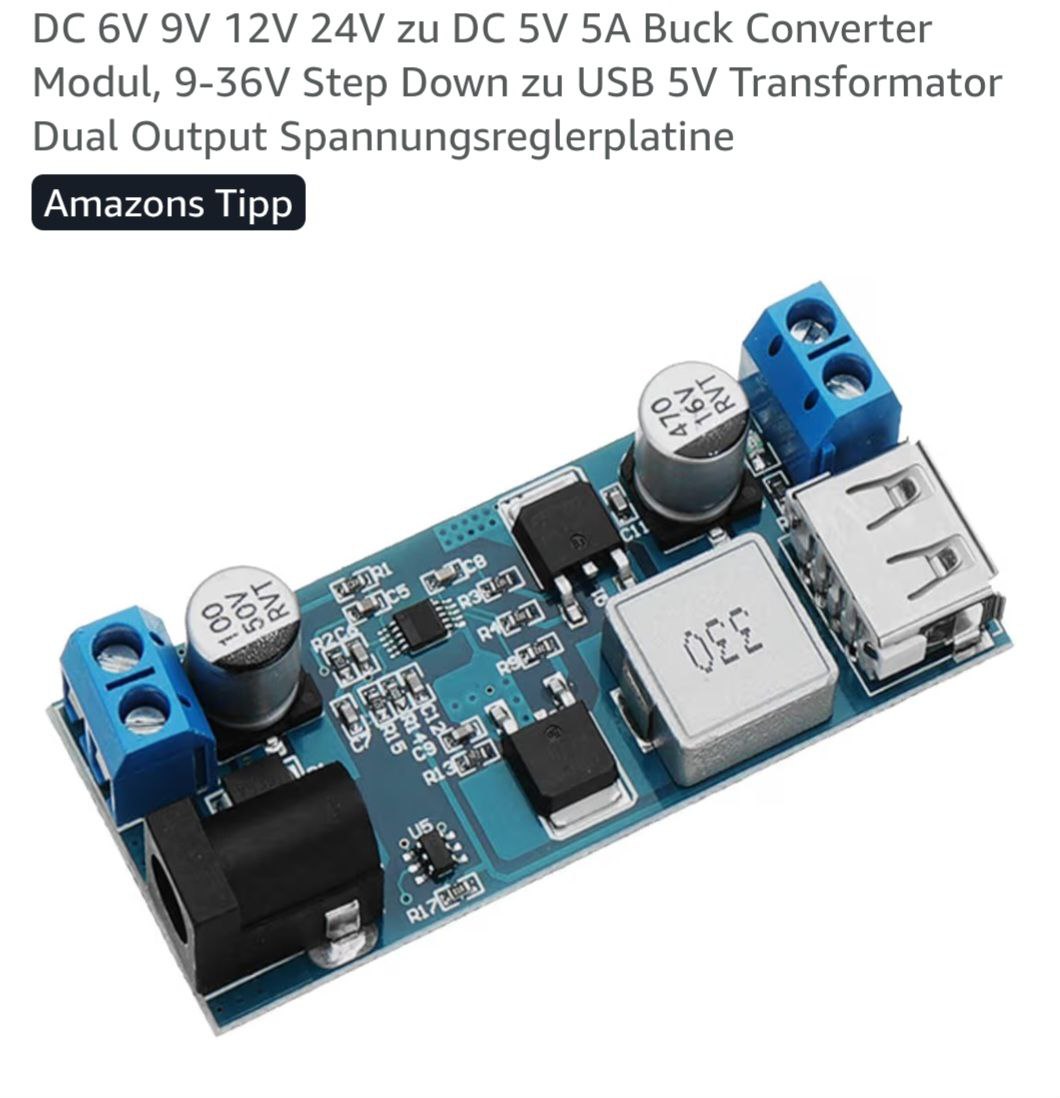
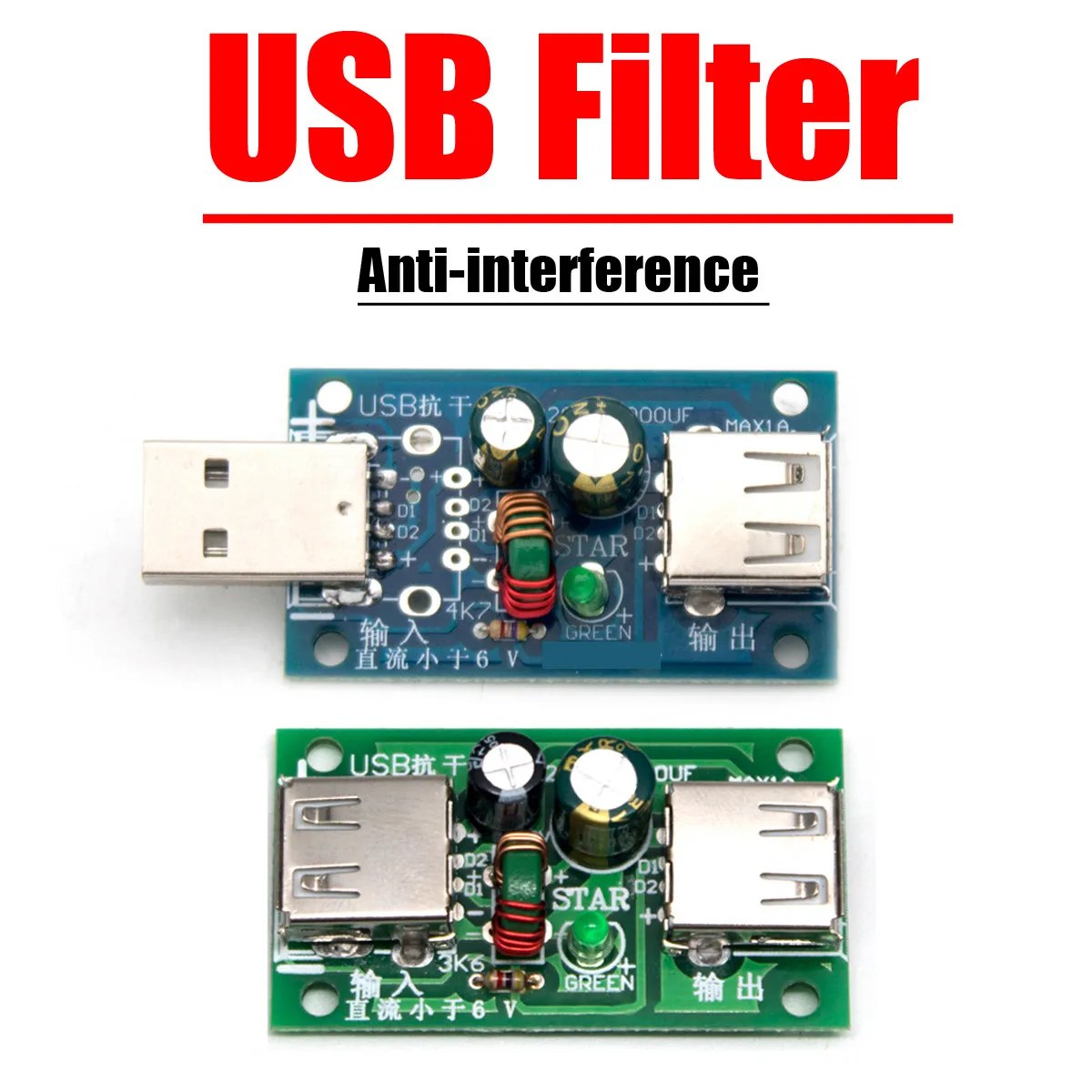
- C shared a picture of their EggNOGS setup with a WiFi antenna and asked for advice on powering the LillyGo LoRa module, mentioning a 24000 mAH battery. K4KDR suggested a USB power supply from Amazon. Stefan/OE6ISP recommended using voltage regulators to make 5V from a 12v LiFePO battery, emphasizing the modules’ sensitivity to incorrect voltage. megazaic shared a picture of a filter board from the China market, asking for opinions. Stefan/OE6ISP responded that ferrites are a cheap substitution and are usually blocking long usb cables using ferrites and sometimes optocoupled isolators to avoid RF from nearby shortwave station/antenna. 🔗
https://www.amazon.com/dp/B0DC5Y7YXJ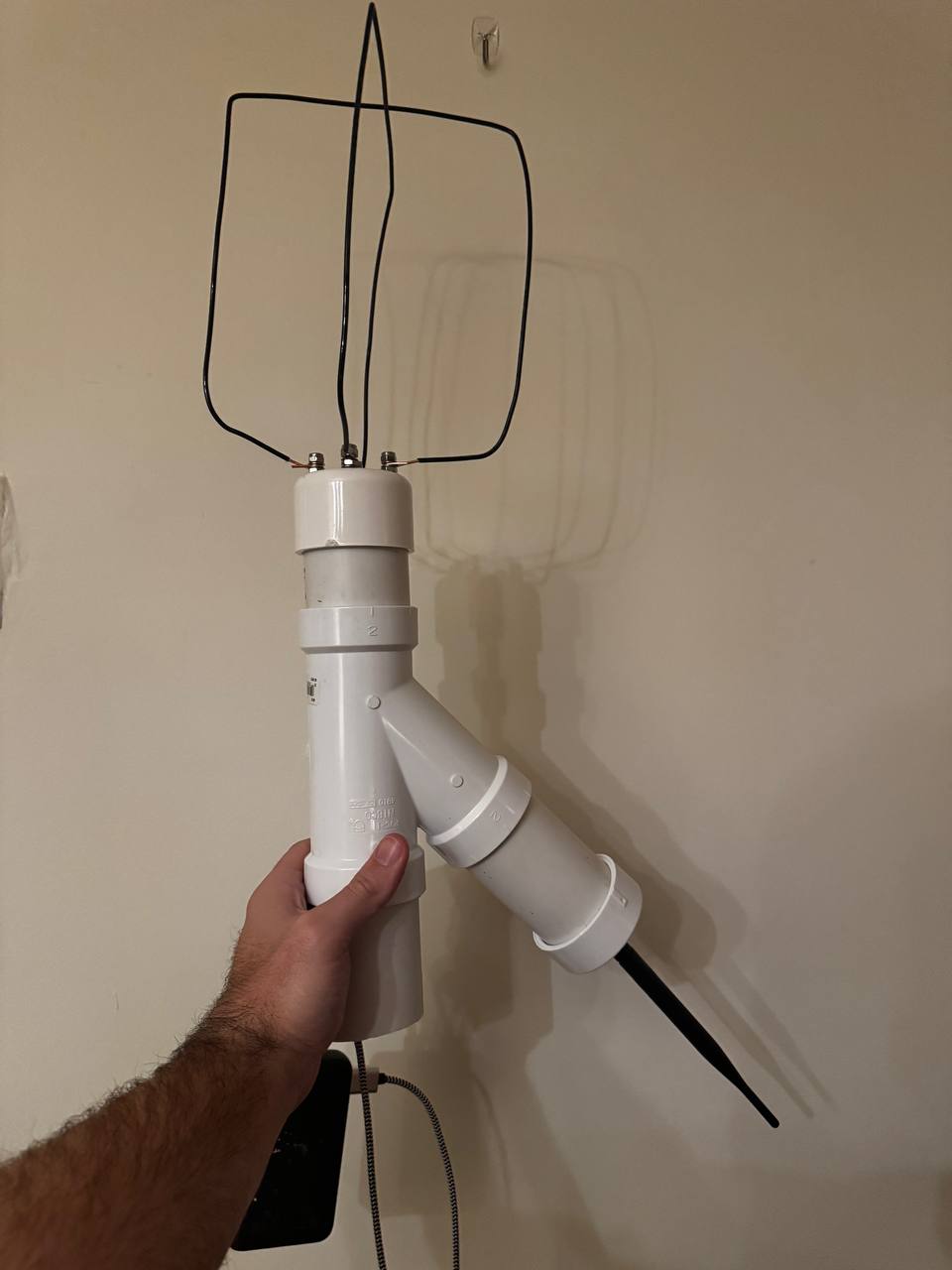
New Satellites
- Joshua announced that Alpha CubeSat was scheduled to deploy from the ISS, providing a link to its iridium telemetry. the cubesat was planned to release a light sail payload with four ChipSat spacecraft with LoRa transmitters. the sail was expected to deorbit quickly due to atmospheric drag. later, joshua reported that the cubesat had deployed, shared TLE information, and confirmed the spacecraft was alive and transmitting packets. the team is aiming for a light sail release soon. 🔗
https://alphacubesat.cornell.edu/dashboard.html
https://app.tinygs.com/satellite/CornellLightSail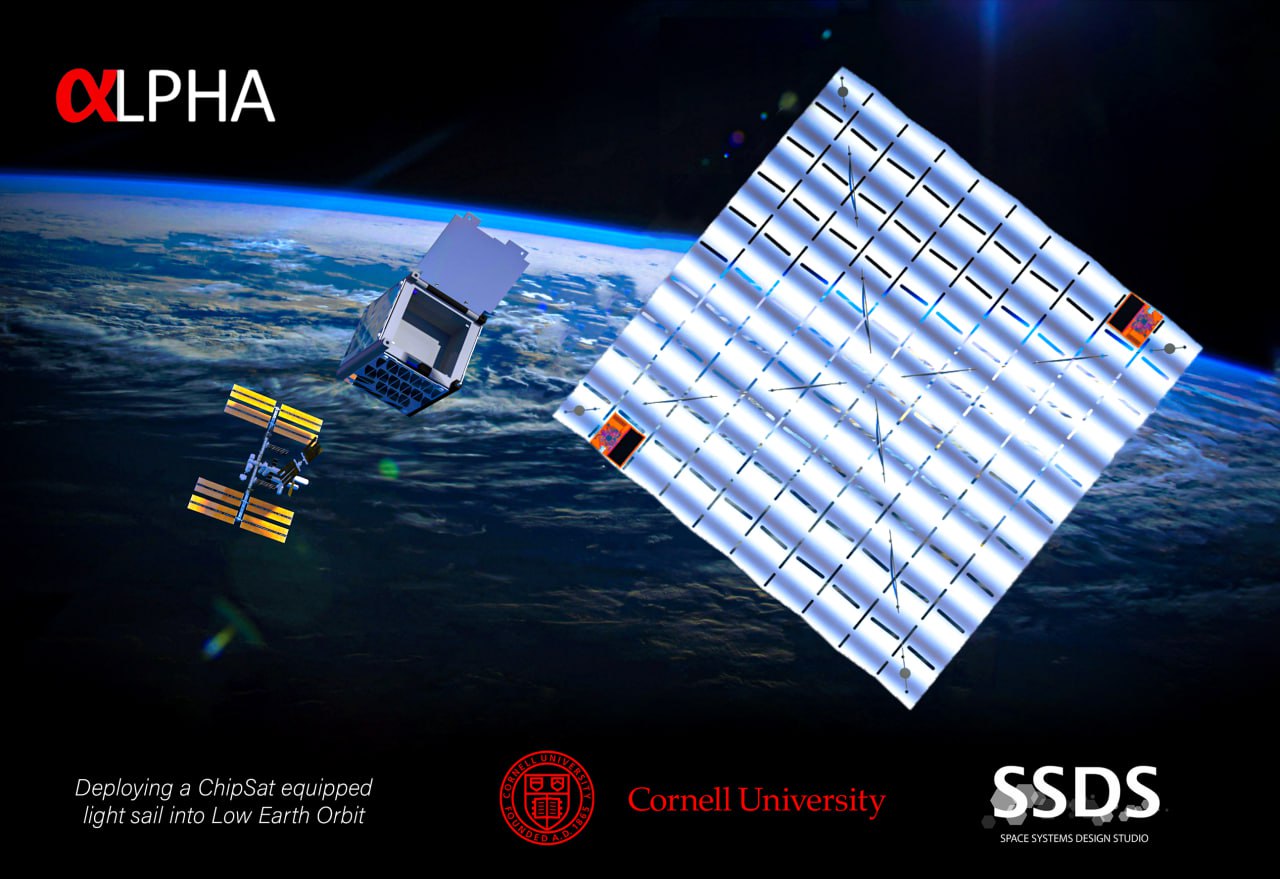
- Estbhan highlighted the excellent IARU application for the Alpha CubeSat. estbhan then pointed out discrepancies between the LoRa parameters listed on TinyGS and the IARU application for the CornellLightSail. joshua acknowledged that the IARU information was outdated. 🔗
https://iaru.amsat-uk.org/finished_detail.php?serialnum=956 - Caden expressed interest in registering a satellite with TinyGS, offering a .KSY file for packet decoding. g4lile0 provided instructions on how to add a satellite, including providing a description, photos, communication details, and a kaitai decoder. g4lile0 also mentioned the possibility of posting received frames to external servers via an endpoint. 🔗
https://app.tinygs.com/satellite/Norbi
https://github.com/4m1g0/tinygs-decoders/blob/master/ksy/norbi.ksy - Andrew mentioned the deployment time for Cornell Alpha Cube LightSail and later clarified it was launched on December 2nd, but there was no announcement yet if the sail deployed successfully. Estbhan confirmed they were listening for the satellite. Dan noted the dashboard showed 1348 minutes since the last downlink, expressing concern about the lack of status updates. Joshua clarified that the command to deploy the sail was sent and queued, awaiting contact with the Iridium constellation. Bruce shared a link to the Cornell Alpha CubeSat dashboard and Andrew added that he was monitoring the TinyGS packets page. Joshua confirmed that the ephemeris was roughly the same as the ISS and provided estimated TLEs. 🔗
https://alphacubesat.cornell.edu/dashboard.html
https://app.tinygs.com/packets - Caden provided information about the Foras Promineo satellite, including its mission to engage the public in space technology with a robot arm, its deployment date (12/1/25), LoRa frequency (437.4MHz), and other parameters. He also shared a GitHub repository with a kaitai decoder and an image of the satellite. 🔗
GitHub.com/Sierra-Lobo/foras-promineo-beacon-decoder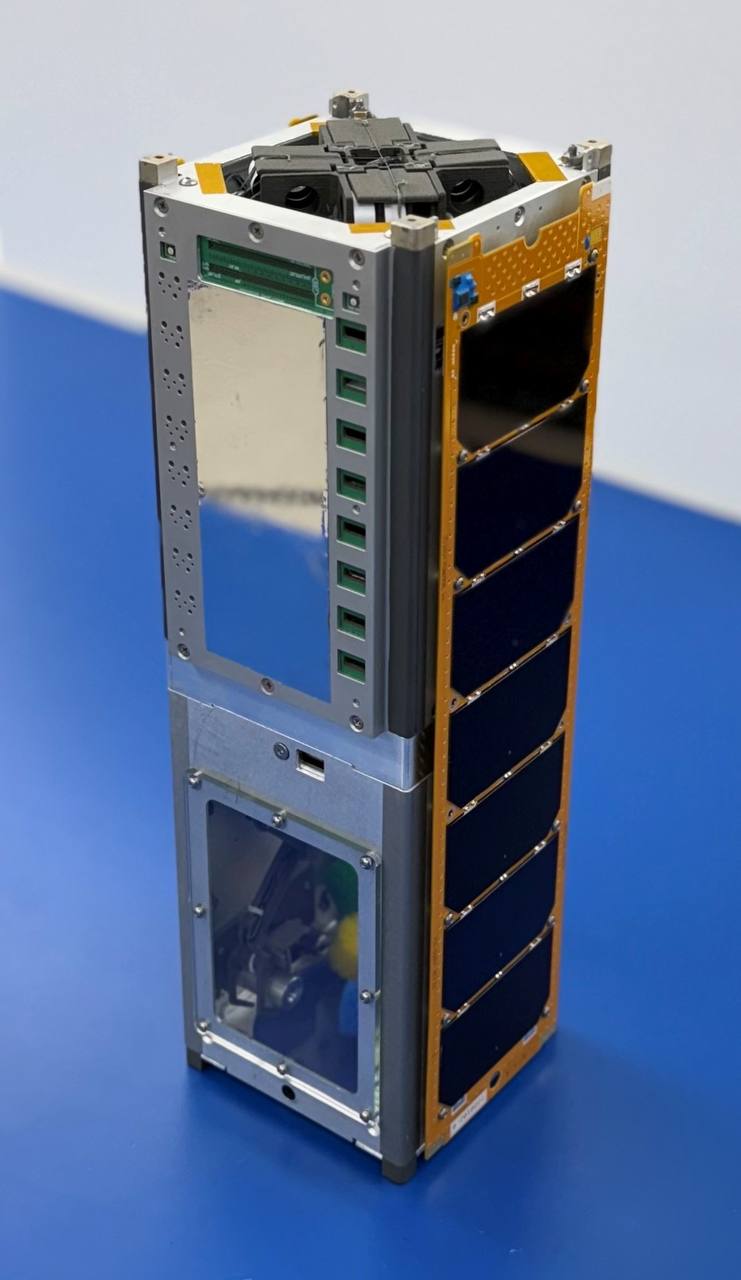
- Joshua reported that Cornell’s Alpha CubeSat is still alive and likely received the command to deploy its sail. He suggested listening for LoRa signals from Cornell Light Sail. Later, he clarified that frequent comms activity was sacrificed to maintain power, and a low-voltage threshold could further slow down the comms rate. He also noted the difference between the CubeSat and the ChipSats on the light sail, which will transmit LoRa packets frequently with solar power. He provided updates on the ChipSats, noting GPS limitations and IMU functionality. He also mentioned that the TLE accuracy filter was removed to avoid filtering packets with wrong distance and that the filter is currently off. He confirmed that the bandwidth for Light Sail is 62.5kHz and for Foras Promineo is 125KHz. He also explained that chipsats 1 and 3 required less unfolding of the sail to be exposed to sunlight. 🔗
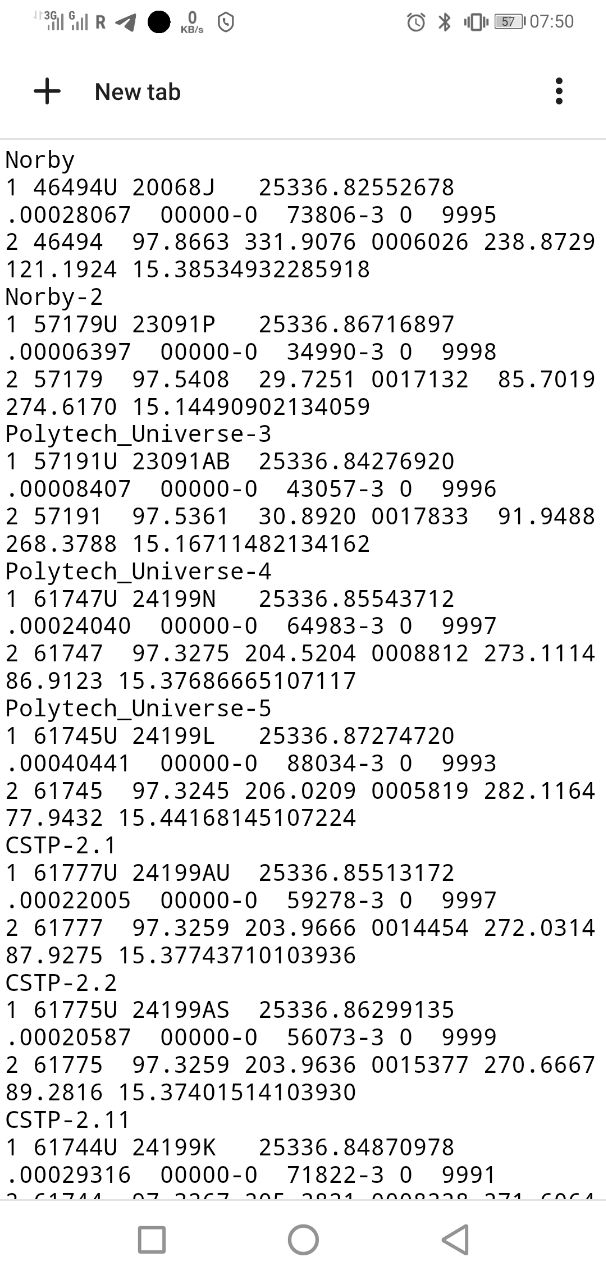
- Stefan/OE6ISP shared TLE data and images of successful Cornell Light Sail decodes. He also inquired about using ISS-TLE for locating packets and noted a frequency bias, suggesting a possible tuning adjustment. He later observed that the frequency error was not consistently biased. 🔗

- G4lile0 mentioned that the TLE accuracy flag was removed to avoid filtering packets with wrong distance and shared images related to the satellite’s orbit and decode status. He confirmed that the filter is off. 🔗
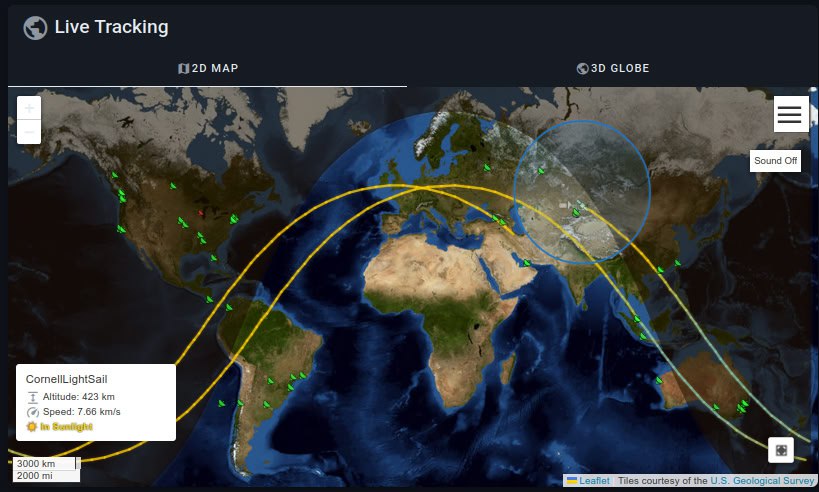
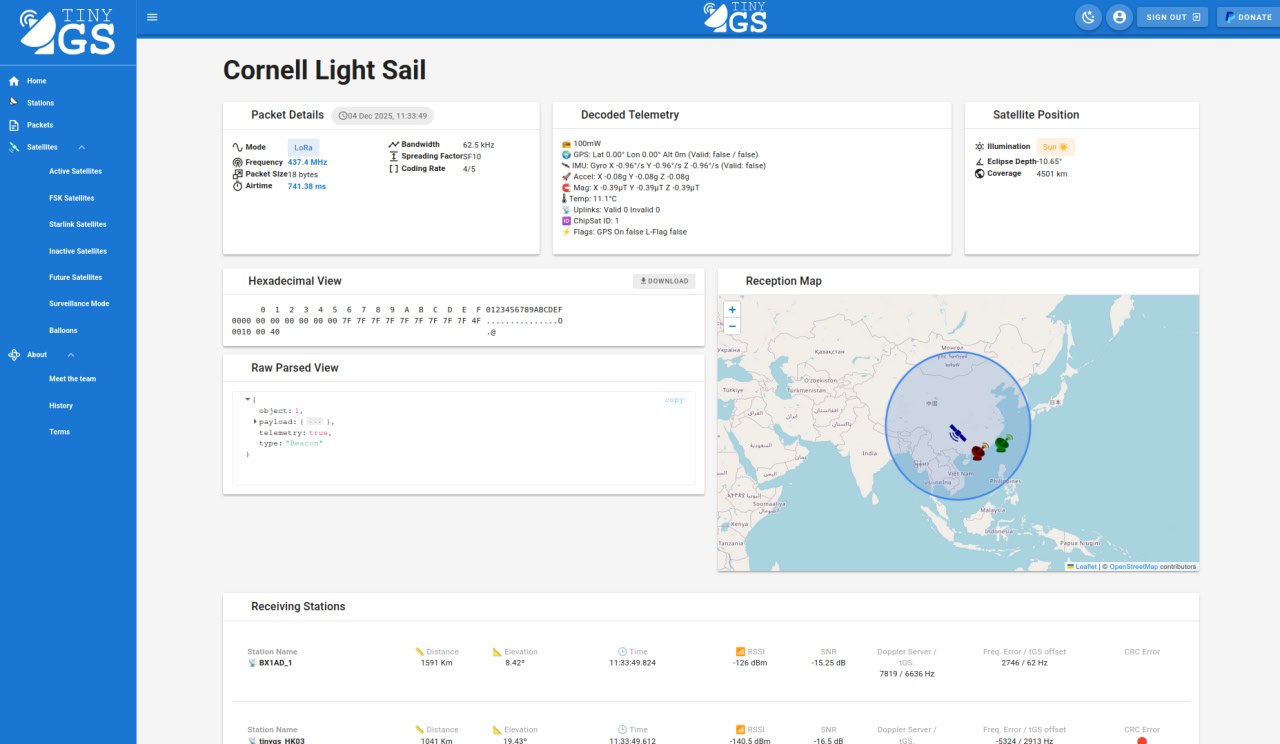
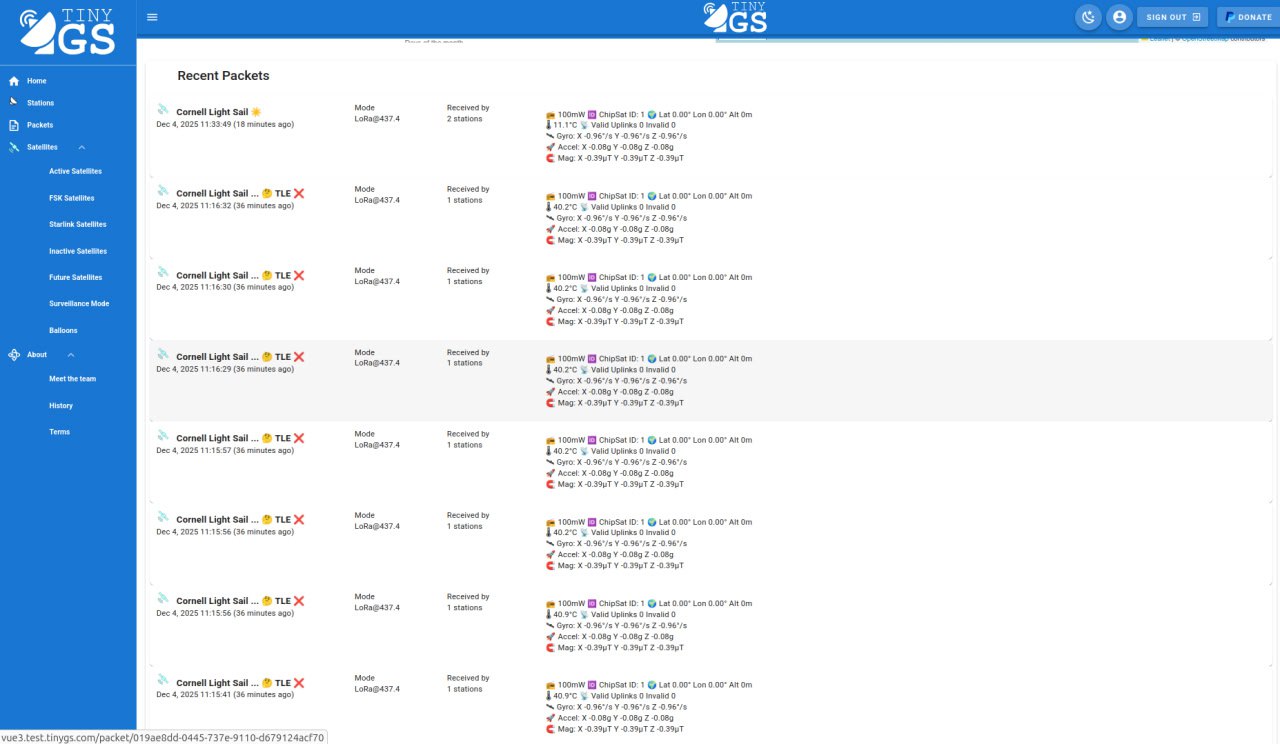
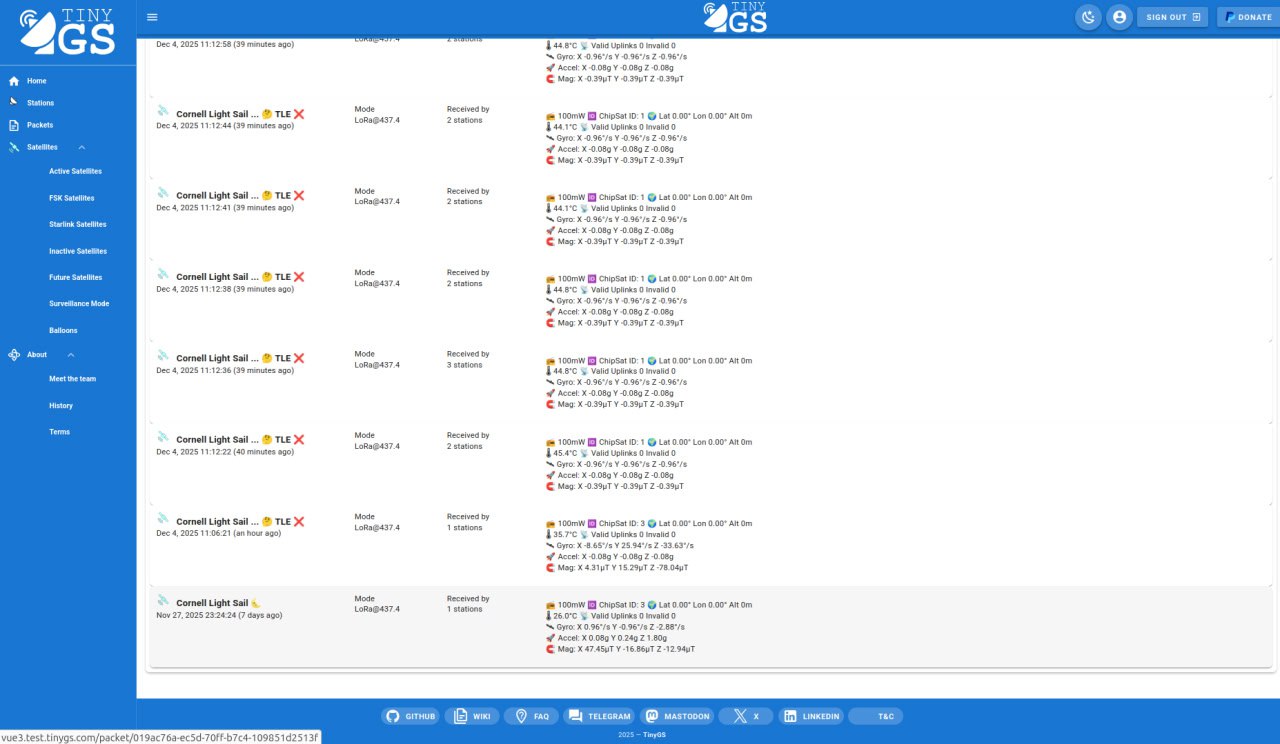
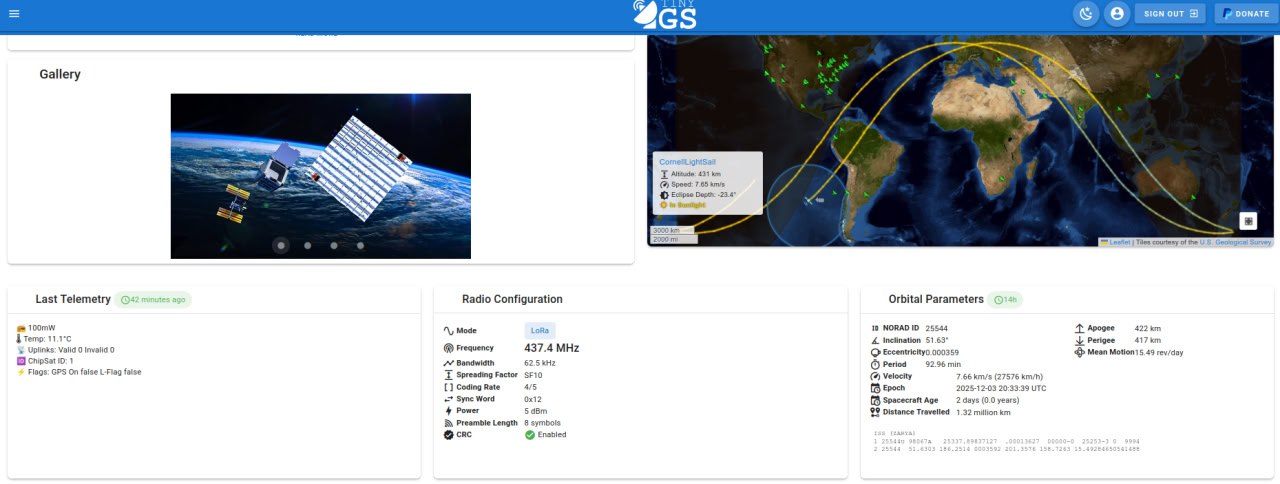
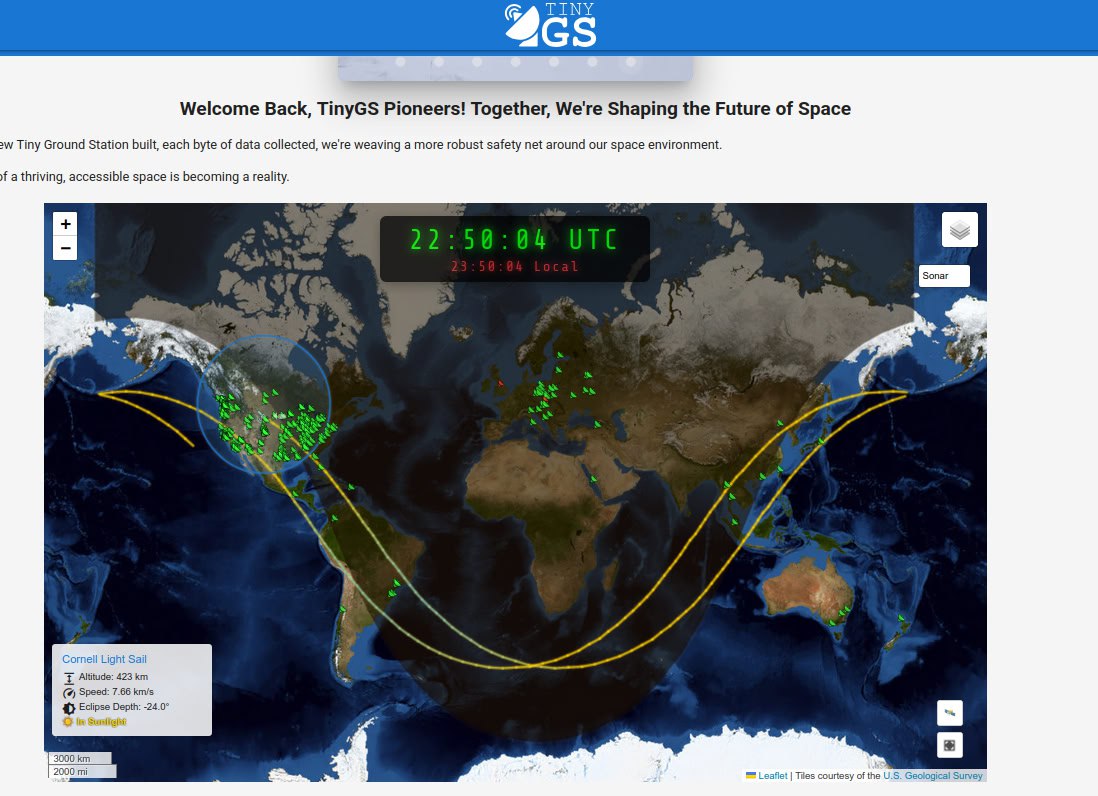
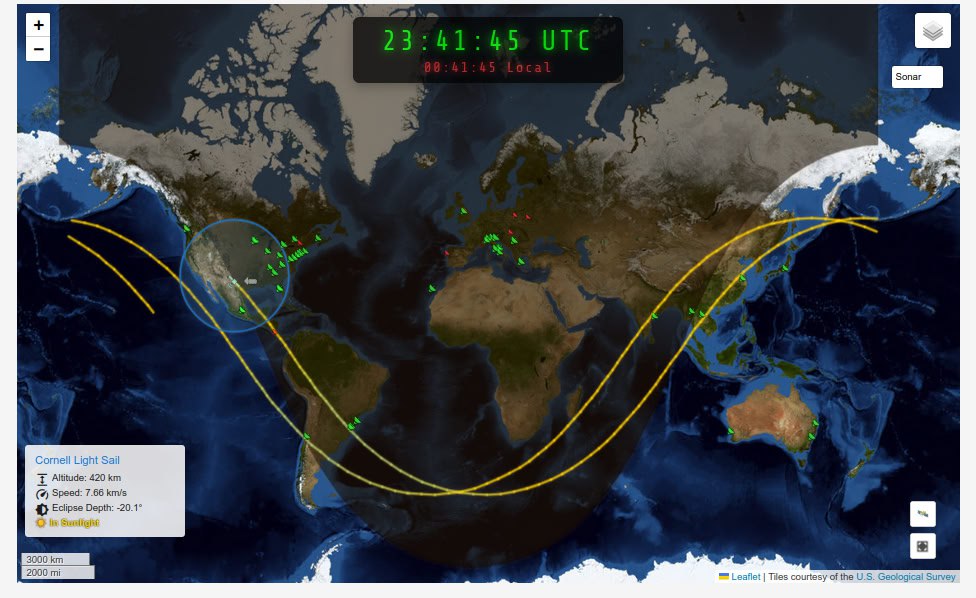
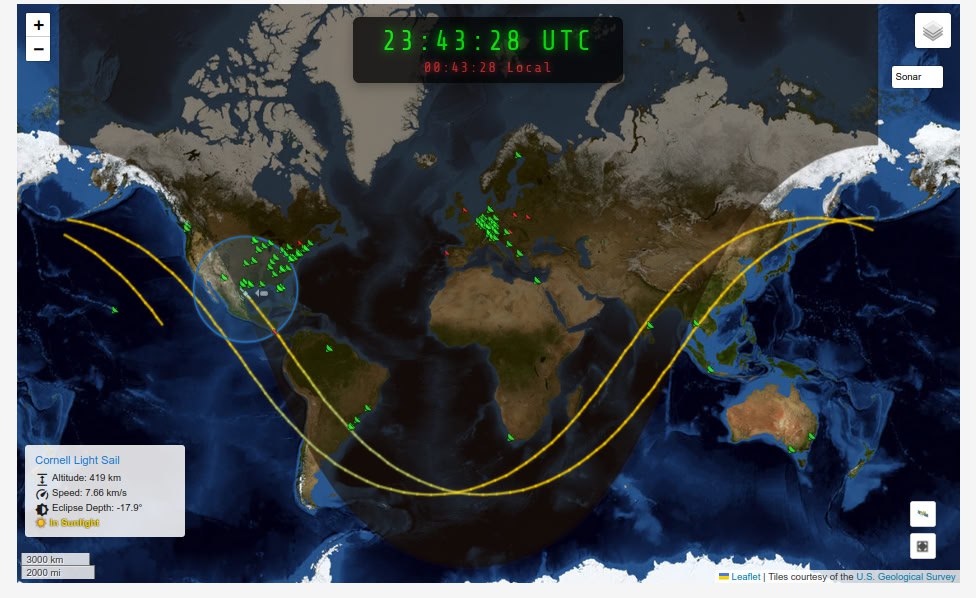
- G4lile0 announced the removal of autotune and the associated TLE for Cornell Light Sail and provided instructions on how to view its real-time position and listening stations on the TinyGS homepage. They confirmed that the satellite is now being monitored in surveillance mode and by stations manually listening for it. 🔗
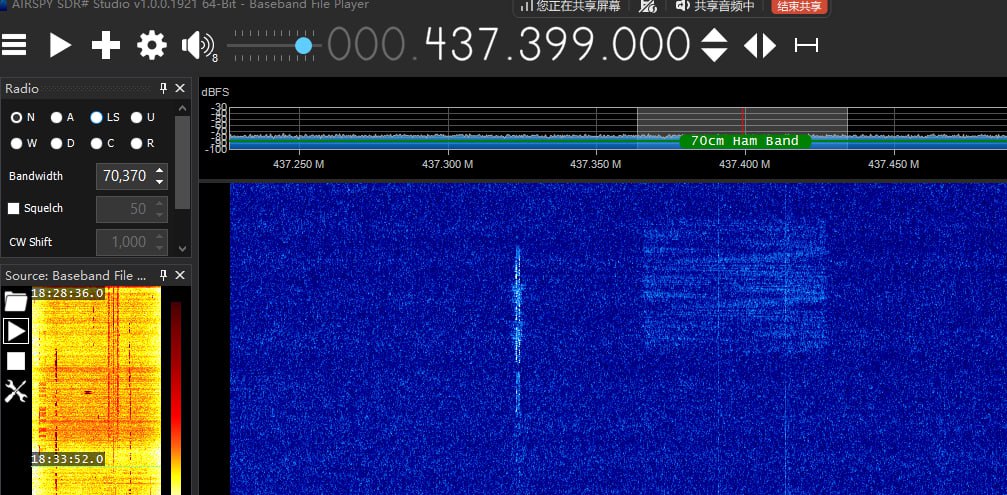
- saoriskawaii shared a photo indicating a potential chipsat signal on 04-Dec-2025. Joshua confirmed the correct bandwidth, and noted that the airtime of their transmissions should be roughly 650ms. Joshua also asked if the frequency offset changes as the sail decelerates and lowers altitude, and if TLEs should be restored. David confirmed the last packet received matched the timestamp and location. 🔗
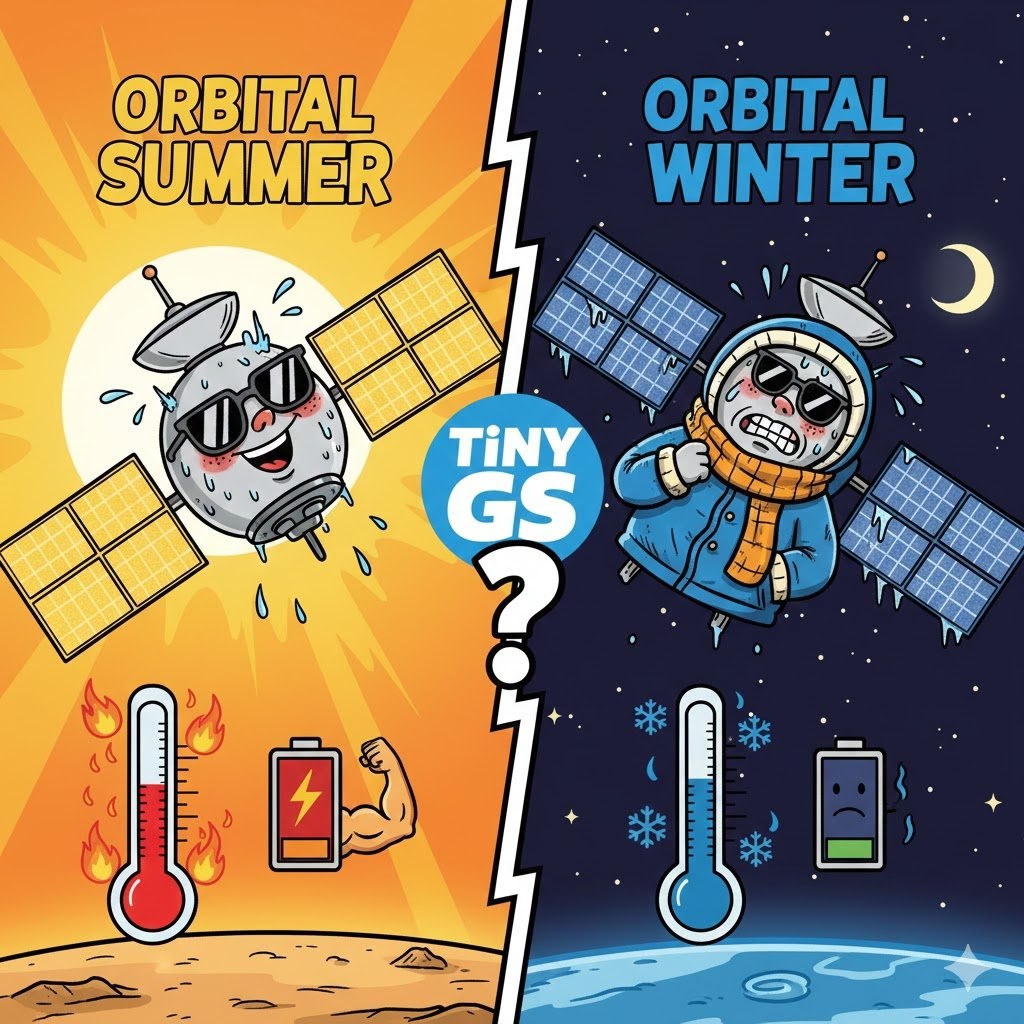
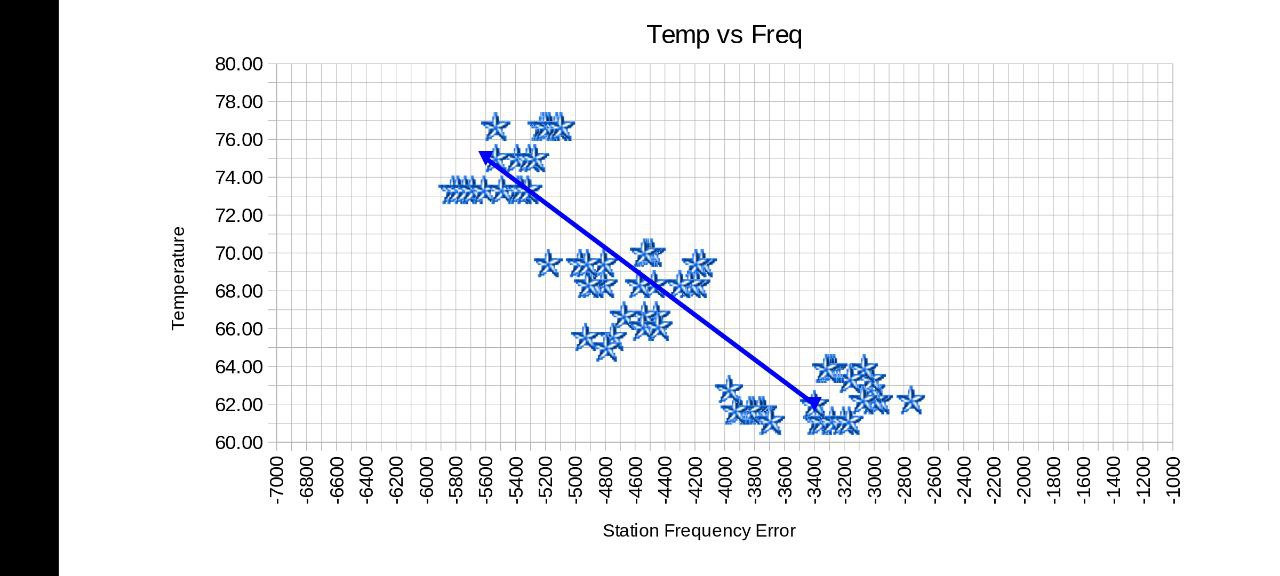
- Stefan/OE6ISP mentioned that their station was in correct manual mode. They experienced a frequency error and speculated about temperature drift. Joshua shared thermal-vacuum cycle testing results and high-altitude balloon launch data. Stefan/OE6ISP noted the existence of xtal and tcxo variants. Estbhan mentioned a constant drift of about 4000 Hz in their station and the impact of temperature variation. Stefan/OE6ISP confirmed their station uses a tcxo heltec v3. 🔗
- G4lile0 corrected an earlier statement, clarifying that data wasn’t from CU-ALPHA. Subsequently, Joshua agreed, based on decoded data and packet length, while adding that the team had been excited for a moment. 🔗
- G4lile0 added the TLE again so users can pick it on the map and see in “real time” the stations that are listening for it, clarifying that the TLE will not be used for Doppler or autotune. He also mentioned it helps to understand how surveillance mode works. Joshua thanked him for the useful information. 🔗
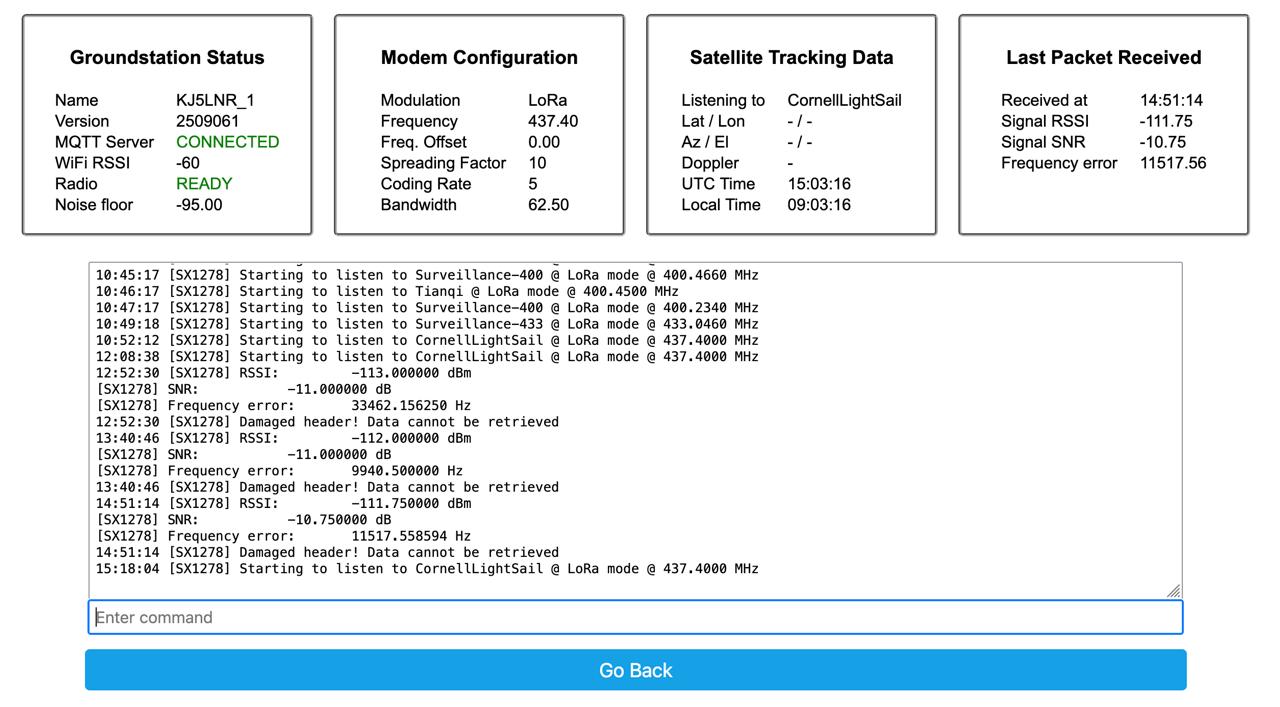
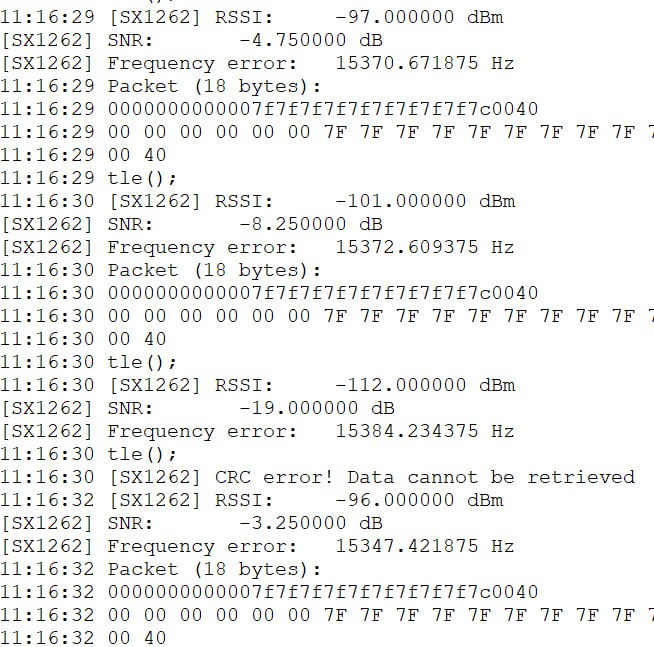
- Ben shared some broken headers received, including an approximated location and frequency error. Stefan/OE6ISP confirmed the location and frequency error looked good and compared it with his log. Ben asked what CRC error means, and Stefan/OE6ISP replied that it means checksum error and the data cannot be seen. Ben suggested figuring out the velocity with the shift in frequency errors, and Stefan/OE6ISP explained how frequency changes during a pass can help identify the correct TLE. 🔗
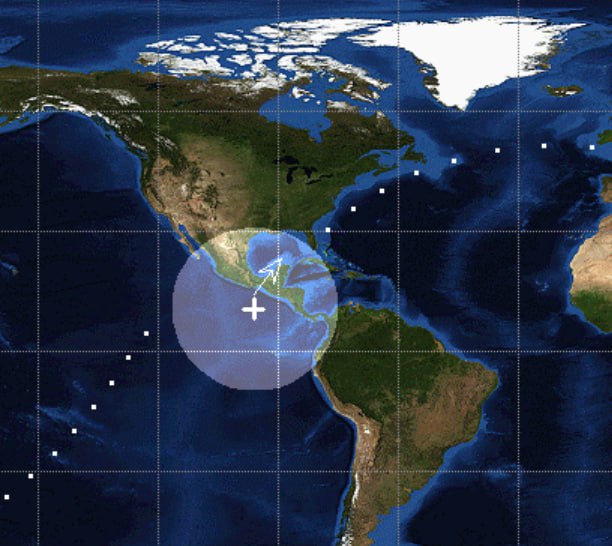
- G4lile0 shared future launch details, including the Aist-2T mission in December 2025, and listed possible compatible satellites such as Kowsar-1.5 and Lobachevsky 16U Geoscan 2. 🔗
- Joshua asked if it is recommended to disable CRC when selecting LoRa parameters for future missions. G4lile0 responded, advising against removing the CRC error check, citing previous issues with inaccurate data from satellites without it. 🔗
- Joshua explained that the goal of the mission was primarily to establish both sail deployment from the CubeSat and RF communications for the ChipSats on board, and that now that they have demonstrated a basic comms link, launch providers might actually trust them enough to put this in higher orbits with less drag. The next steps would then be to develop steering capabilities for true space sailing. Joshua also mentioned that he asked the listeners he’s been in direct contact with to check their logs as well just in case, and that it appears that one user in the UK heard the ChipSats one orbit prior to everyone else. 🔗
- KrzysiekMM said that maybe cornell is bad tle, and that he is not receiving it. Joshua clarified that the TLE is just a placeholder, as the sail drifted far from ISS during it’s deorbit trajectory due to high atmospheric drag. Stefan/OE6ISP asked what the expected deorbit time was, and Joshua replied that it’s very hard to predict as it depends on how much the sail unfolded, it’s angle relative to the velocity vector, and any solar activity happening this week. Joshua also said that he will personally keep his temporary station up for a little longer just in case, but there’s a good chance that it deorbited already. Stefan/OE6ISP replied that solar activity was pretty high. G4lile0 said that if the sail is aligned parallel to the incoming solar rays, we might experience less drag because it could be ‘floating’ in that orientation, and that they have received some satellites below 170 km. They hope to receive more ChipSat packets, and since this is an important research, they will keep surveillance mode active until the end of the year. 🔗
Antenna Building
- Jan reported that after a week on RHCP, they could not see a significant difference, maybe a slight change in satellite population, with a max range of 2584 km. They also added a radome over the antenna. 🔗
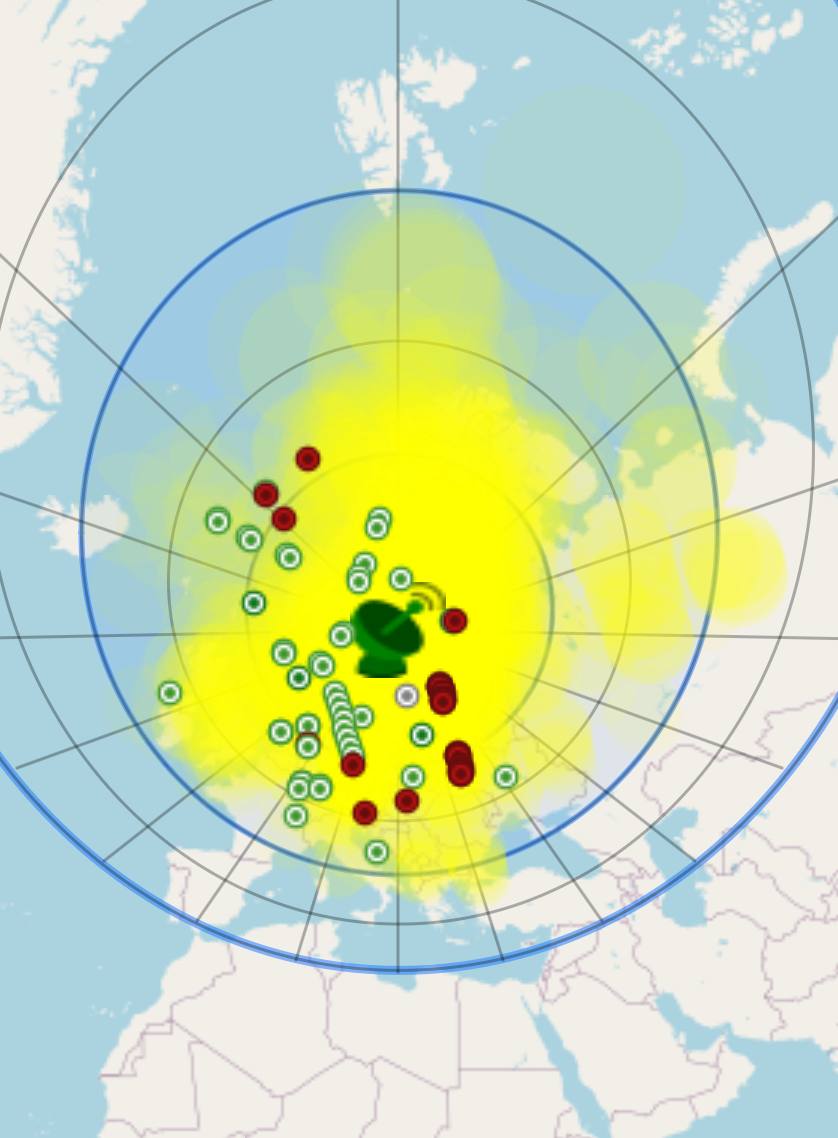
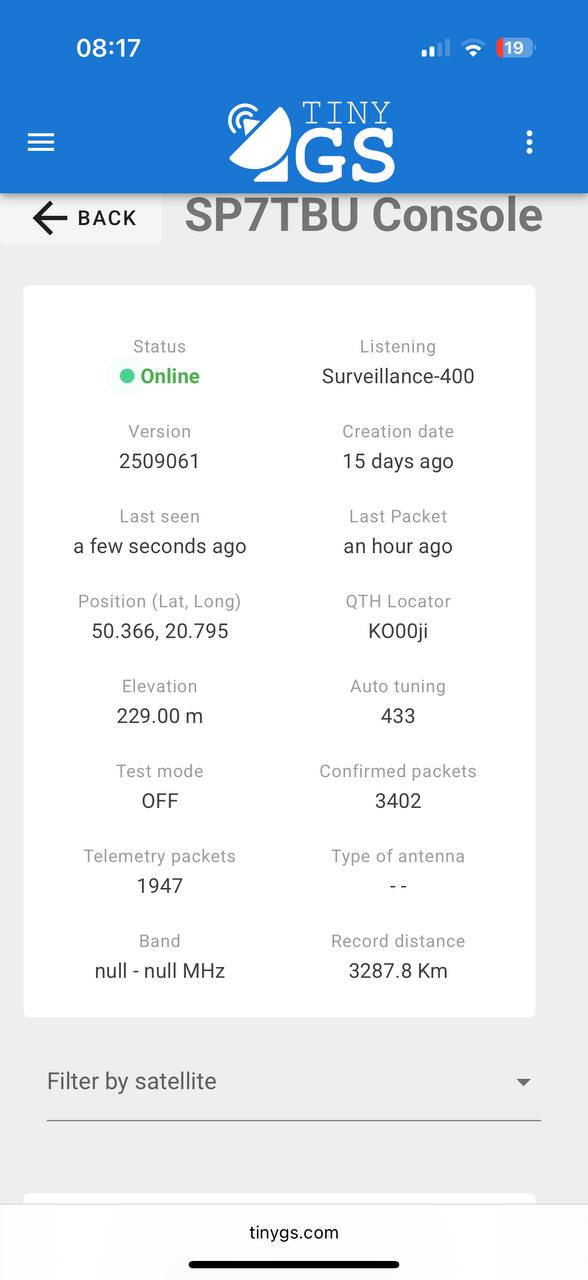
- KrzysiekMM shared a photo related to antenna building, mentioning a maximum distance of 3287km. Stefan/OE6ISP commented that more is not possible according to the laws of physics. 🔗
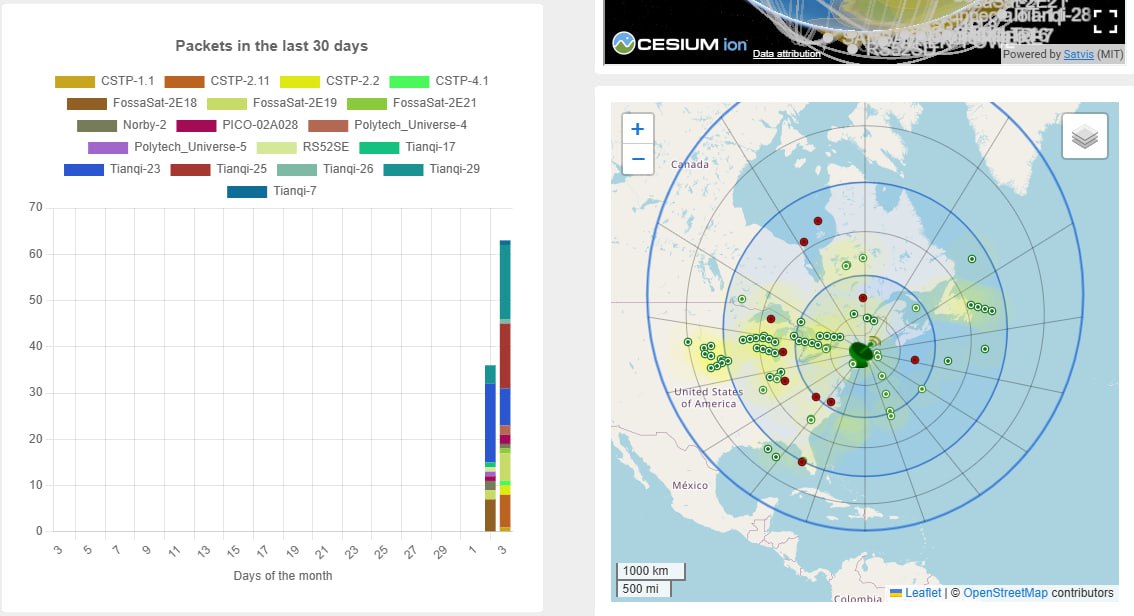
- Charles mentioned his node is running with a Ham UHF/VHF rooftop antenna and that he is building a Halibut EGGNOGS to put in the attic soon. 🔗
Featured Conversations
- The community actively tracked the Cornell Light Sail and Foras Promineo satellites, sharing updates on signal reception across different geographic locations and discussing optimal LoRa parameters.
- Users troubleshooted issues related to station elevation data, email validation, and login procedures, with community members offering assistance and solutions.
- Discussions revolved around challenges in receiving LoRa downlinks from the CU-ALPHA satellite, including potential issues with ground station configurations and the satellite’s deorbiting.
- Members exchanged advice on receiver configurations and antenna setups, emphasizing the importance of short antenna cables for weak satellite signals and discussing antenna performance.
- The community investigated potential causes for frequency errors in received signals, considering factors such as temperature drift and the type of oscillator used in the LoRa module.
What’s next
Join the TinyGS Telegram channel to participate in these discussions and contribute to the project. Your experiences and insights can help others build and improve their stations!
Share: