· TinyGS Community · 11 min read
Weekly Newsletter - November 30, 2025
Welcome to the TinyGS community weekly newsletter! Stay informed about the latest discussions, developments, and satellite deployments within our collaborative network.
Highlights
Antenna Building
- Notsure7 suggested that PETG might be a better material for outdoor antenna builds than PLA due to its different dielectric number and better outdoor capabilities, potentially requiring compensation for the dielectric. Jan agreed, noting PETG’s longer lifespan outdoors compared to PLA, and mentioned PP’s lower loss but greater printing difficulty, recommending UV protection via covers or polyurethane paint. Stefan/OE6ISP added that more LHCP polarized Tianqi’s should be expected. 🔗
- KrzysiekMM shared details about an 8*5/8 430MHz UHF antenna with 11.7 dBi gain and a maximum distance of 3287km, and also shared a picture of a Diamond x-510 antenna. 🔗
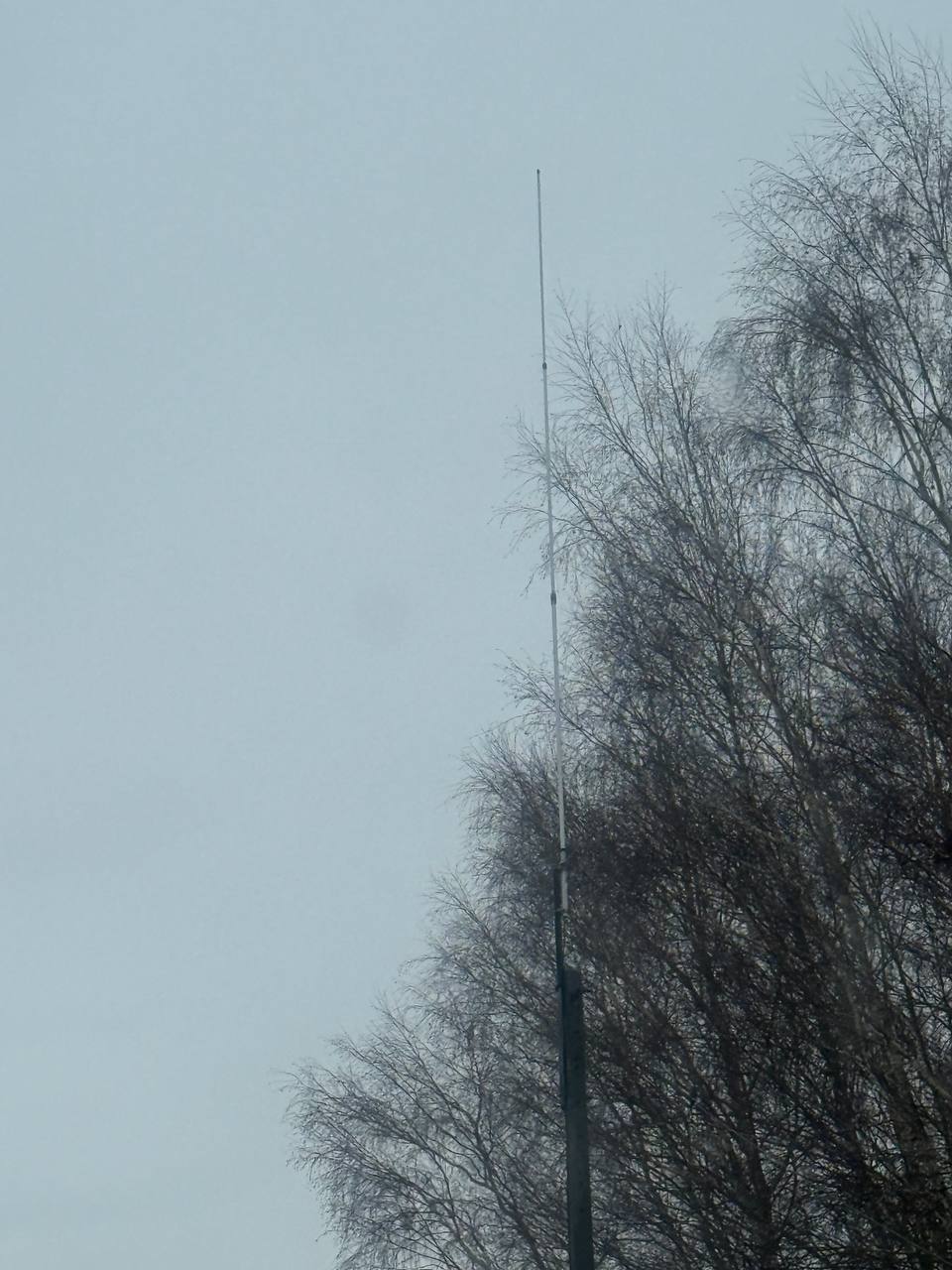
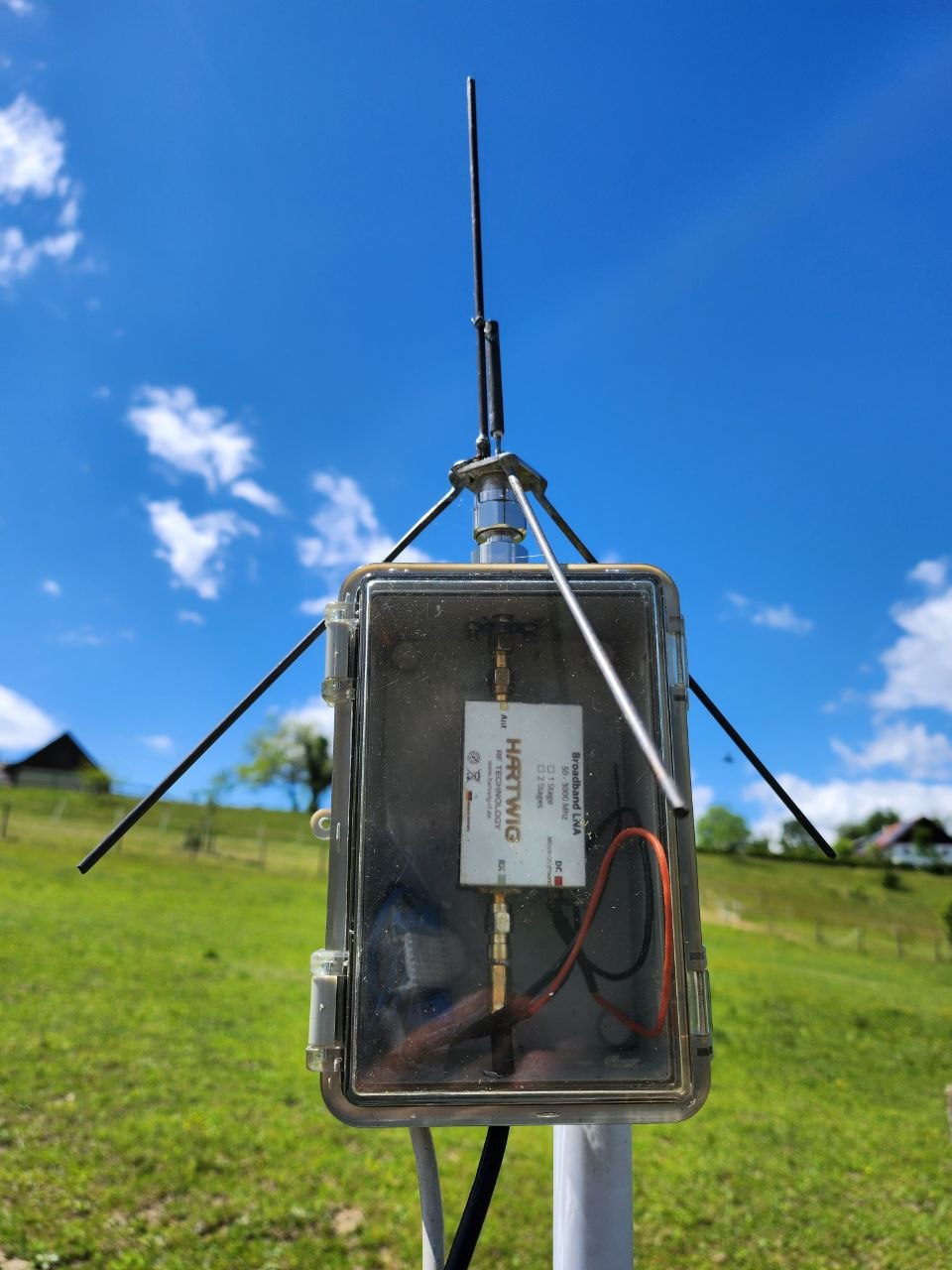
- Stefan/OE6ISP explained that collinear antennas receive low passes due to their low radiation profile, also picking up packets from zenite due to sidelobes at 60 and 80 degree elevation, which benefits satellite communication. 🔗
- Helmi reported a maximum distance of 3499km with a simple QFH antenna, noting it performed better than their ham radio X7000 due to its more semi-hemispherical radiation pattern. 🔗
Balloons
- Joshua shared a link to Cornell Light Sail mission data and proposed keeping the ‘ChipSats’ page for future balloon launches while creating a new ‘Cornell Light Sail’ satellite page for the orbital mission data. 🔗
https://cornell.box.com/s/ziy280xbwf29c6hpm7vno1y1jjdw2r23 - G4lile0 indicated that several stations are manually tuned to Chipsats and suggested updating instructions to reflect the new satellite, CornellLightSail. They also offered to re-route received packets to the satellite for the duration of the Cornell Light Sail mission and shared an image related to the configuration. 🔗
https://app.tinygs.com/satellite/CornellLightSail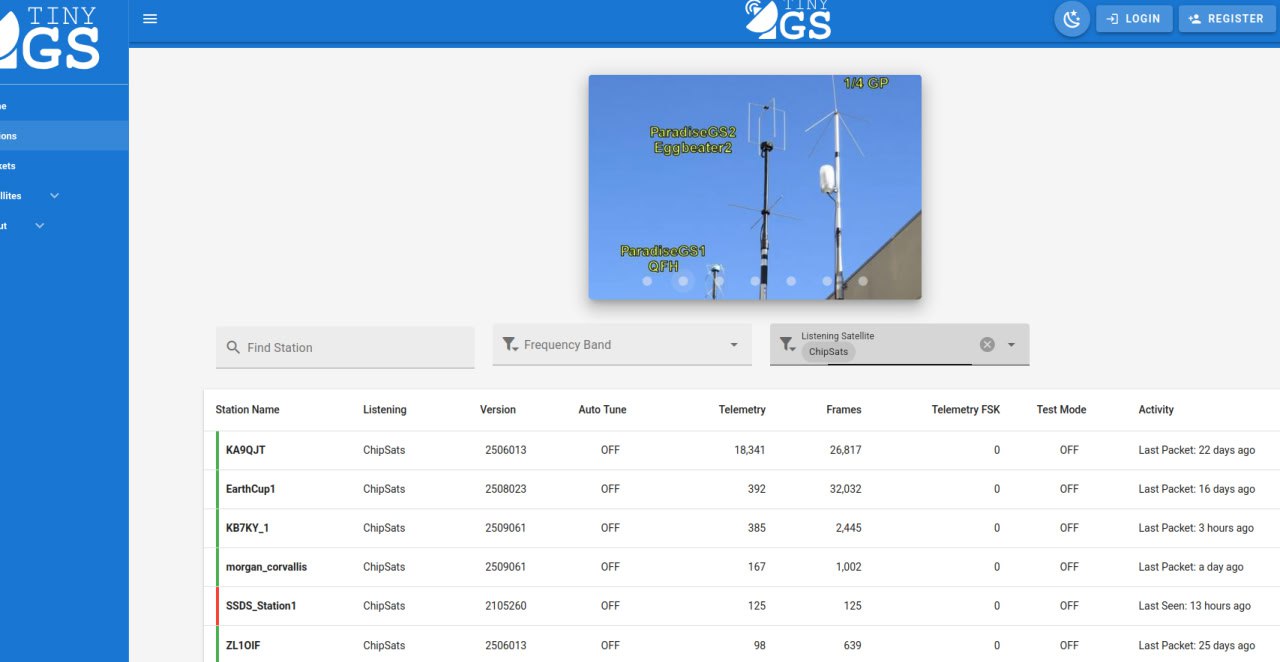
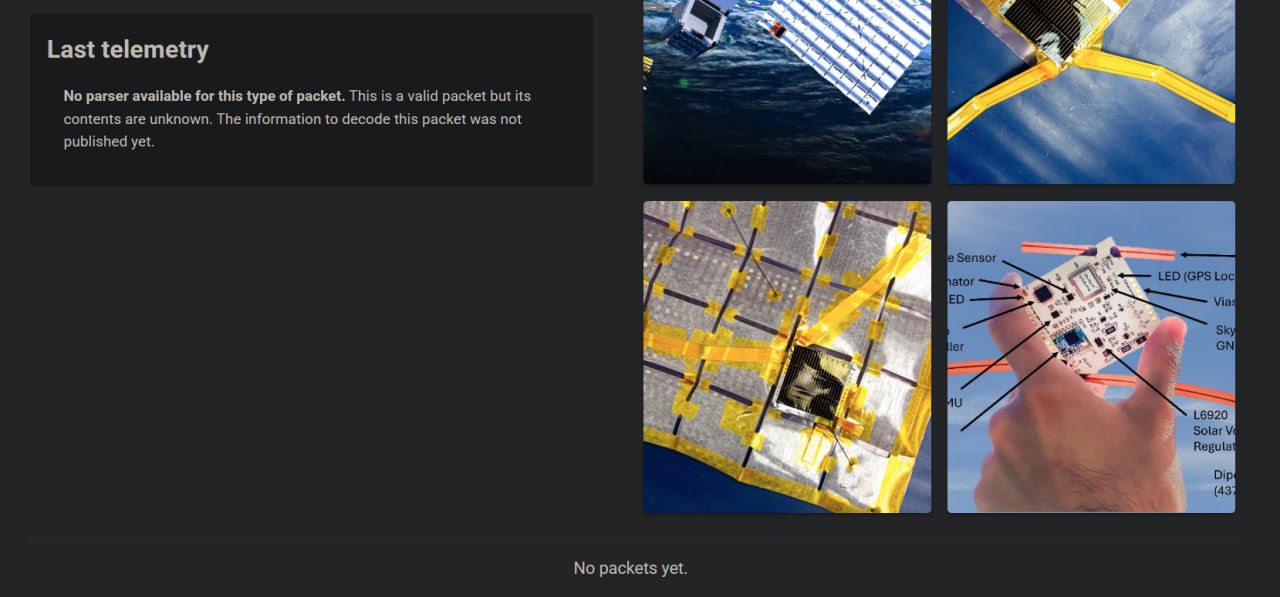
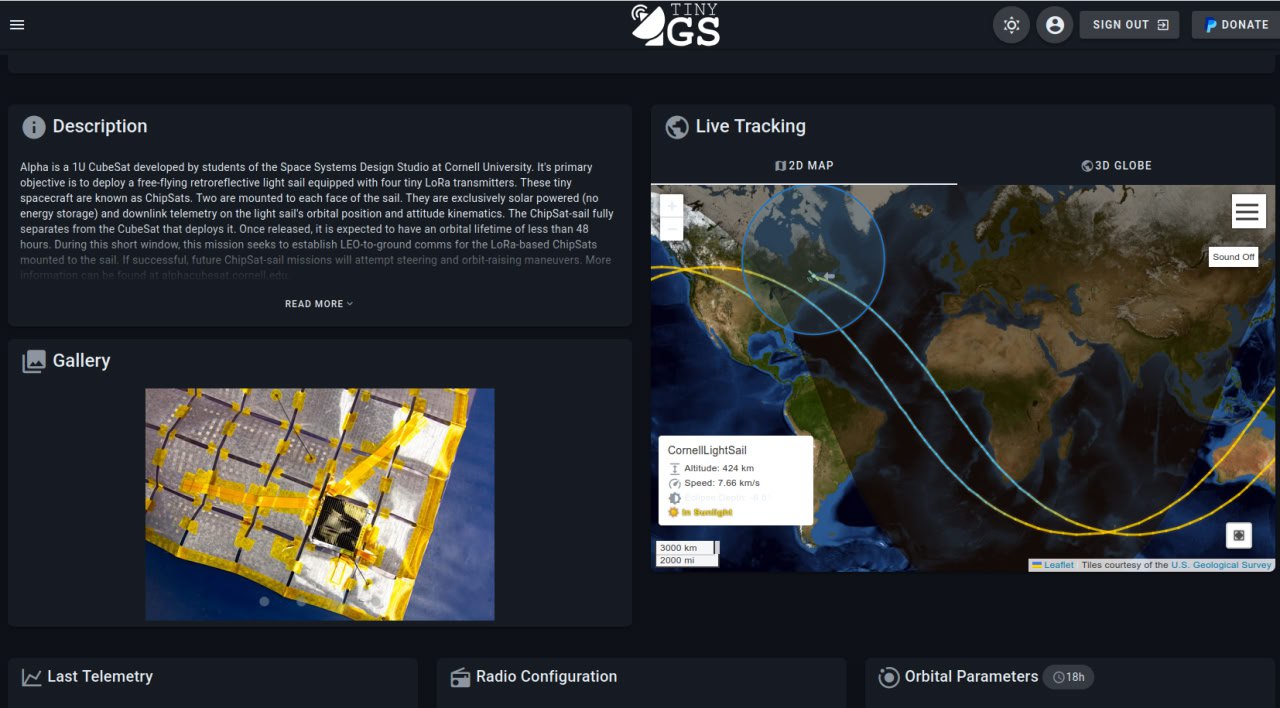
- Joshua thanked G4lile0, mentioned being in contact with most people involved, and stated they would update instructions for the mission and send test packets while listening for Cornell Light Sail. Later, they reported that packets were not being recognized despite listening for Cornell Light Sail and questioned if there was a possible issue with the KSY for the new satellite page, sharing an image related to the issue. Joshua also mentioned a TinyGS user pointed out that the Preamble Length (PL) listed for their satellites might be incorrect, with a payload length of 18 bytes but a preamble of only 8, questioning if this could cause an issue and shared an image. 🔗
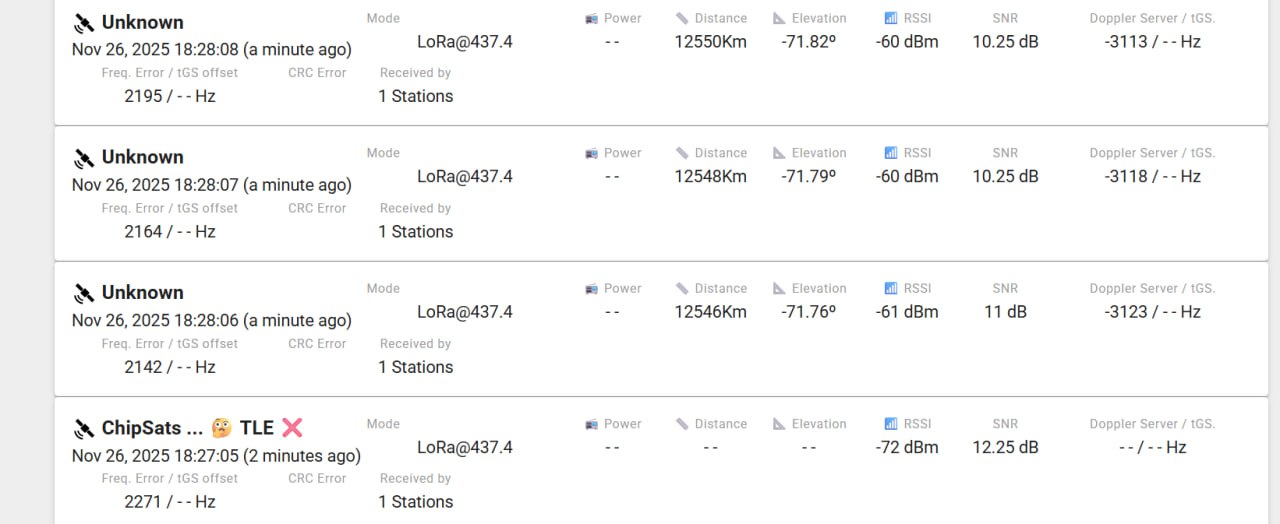
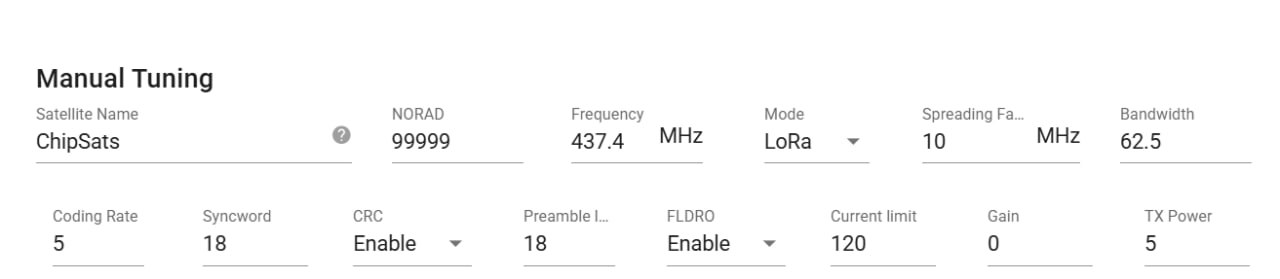
- G4lile0 confirmed that the issue related to CornellLightSail should be fixed. 🔗
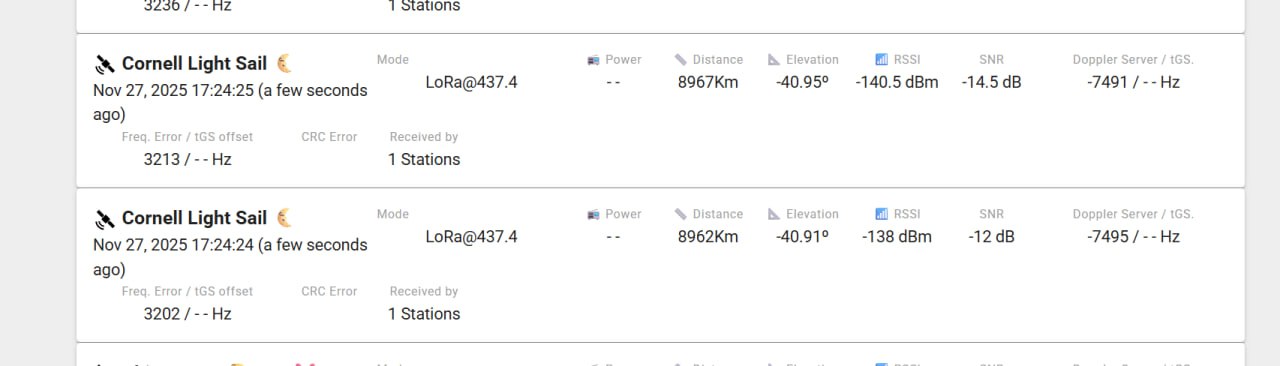
- Joshua thanked the community for recognizing Cornell Light Sail with test packets. He then inquired about a message he was seeing after turning off test mode, questioning if there was an issue or if the signal strength was too strong. G4lile0 responded that the packets had been sent to the server, and the team could check them. The issue was that due to the high RSSI and wrong distance, the server avoided consolidating it within the satellite page. G4lile0 added that they are currently using the ISS TLE, which will be useful at the beginning, but later they will remove the TLE and just use the stations with manual tuning and surveillance mode. Joshua acknowledged the information. Joshua then sent more packets with poor antenna reception to generate low RSSI and SNR, but noticed it still didn’t appear on the CornellLightSail page, wondering if ISS TLEs also factored in. G4lile0 confirmed that only satellites within range would be shown and removed the TLE accurate flag, suggesting Joshua try again. G4lile0 later mentioned that the packets weren’t coming through due to the anti-scrapping delay filter, which he removed for it. Joshua tested again and confirmed everything worked well, appreciating the help. 🔗
- Joshua mentioned prepping two ChipSats for balloon launches for US northeast stations to practice listening, but launches were delayed due to cloudy/snowy weather in Ithaca, NY. If the orbital chipsat deployment is delayed, they may try to launch the balloon ones. 🔗
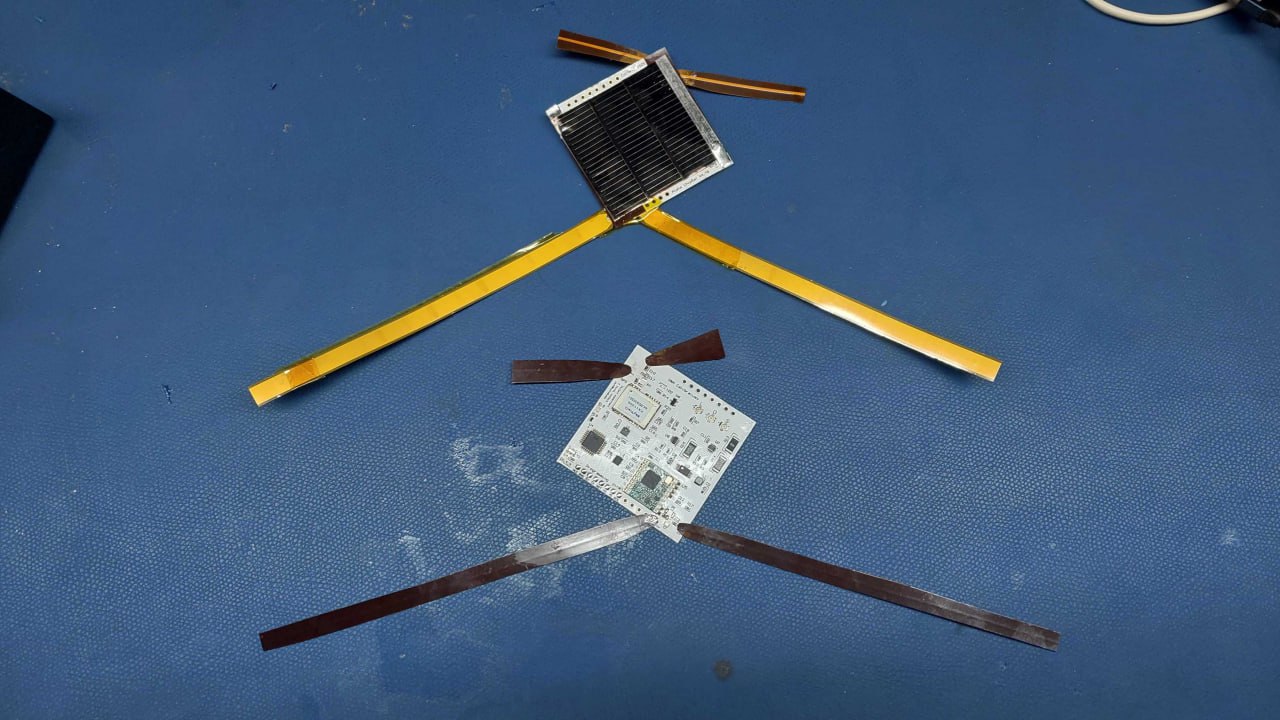
Technical Problems
- Notsure7 believes the stability difference between sx1278 and 1262 boards is due to the former only having a crystal oscillator (XTAL) while the latter mostly uses a temperature compensated crystal oscillator (TCXO). They also mentioned modifying their 137 station with a TCXO and RF filter bypass, which has been running indoors successfully for months, and shared a link to their station. In response, megazaic mentioned having cheap 1262 modules without TCXO, noting their frequency fluctuates similarly to the 127x. 🔗
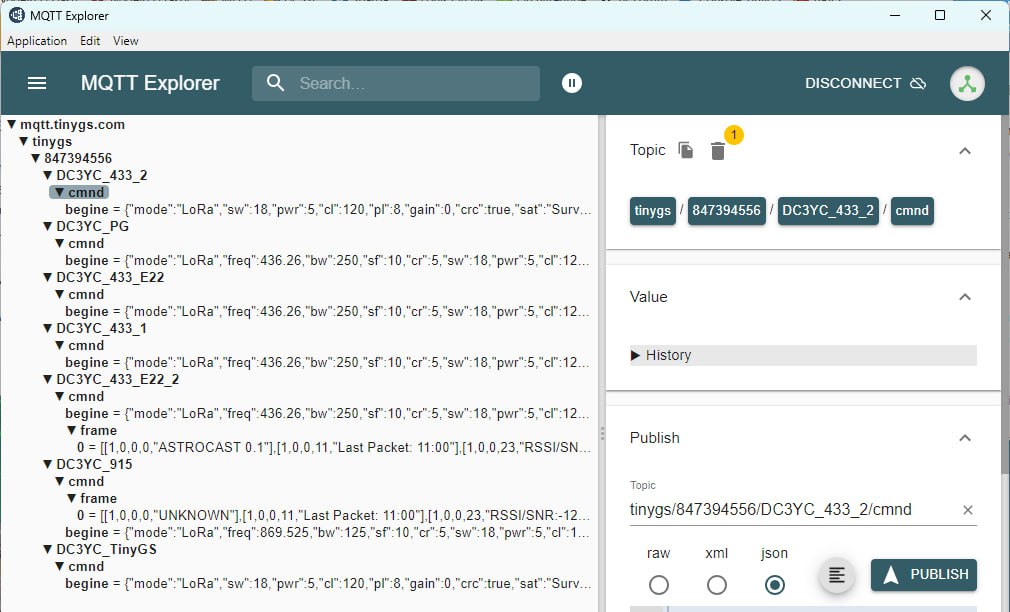
https://app.tinygs.com/station/CR7BTM_137MHz - Dan reported receiving MQTT Explorer errors related to invalid password hash types and world-readable permissions on the aclfile, and inquired if these issues require fixing on their end. 🔗
- Dan reported being unable to view station information on the website from their home IP, suspecting it might be related to their attempts with MQTT Explorer. G4lile0 shared a link related to the issue. Dan inquired about the cause and the duration of the potential ban. Later, Dan shared images of their MQTT configuration, seeking advice on certificate settings and potential issues. 🔗
- Helmi shared an image of their setup, noting they never received $SYS topics, in response to a previous message. Dan then replied with another image asking for ideas. 🔗
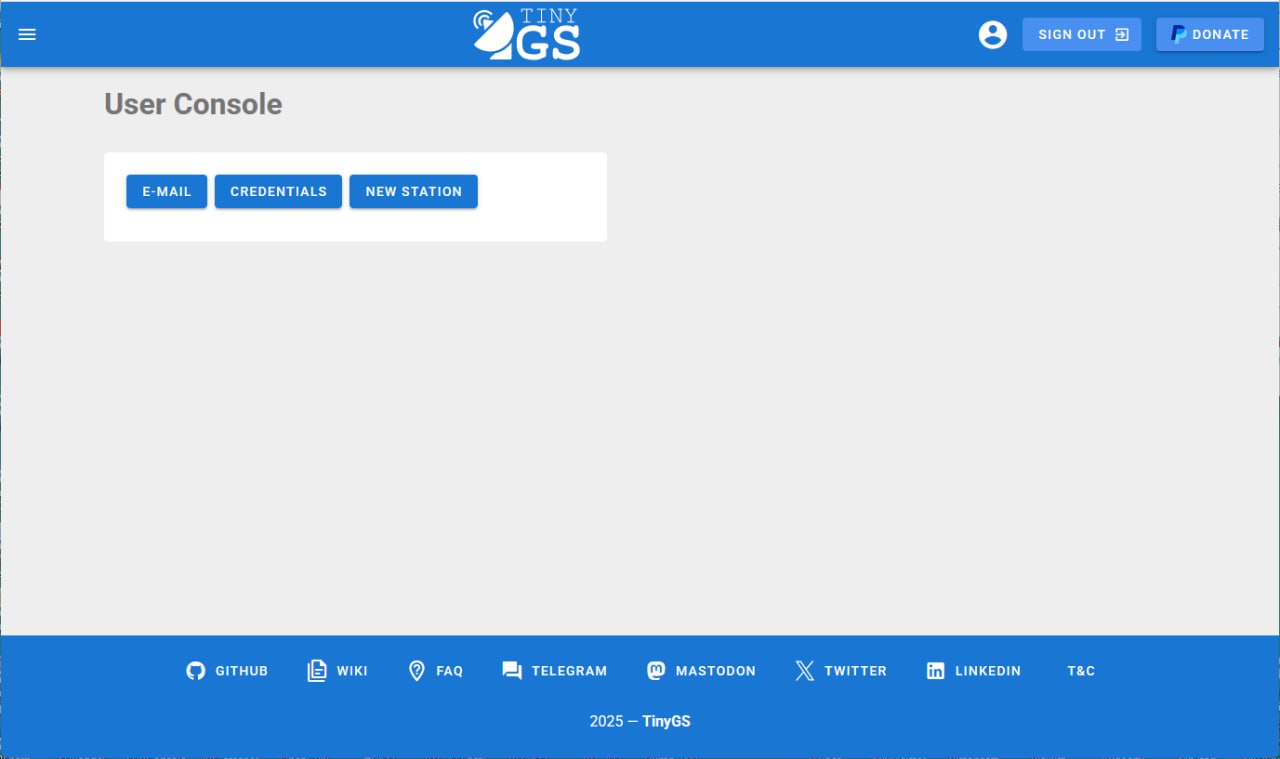
- Helmi reported an issue where the TinyGS website console appeared empty upon first connection each day, requiring a page reload to display the stations. G4lile0 explained that this was a side effect of a security measure implemented to mitigate a recent botnet attack, which forces the main page to load completely before the console can be accessed. Helmi acknowledged the explanation and thanked G4lile0 for their work. 🔗
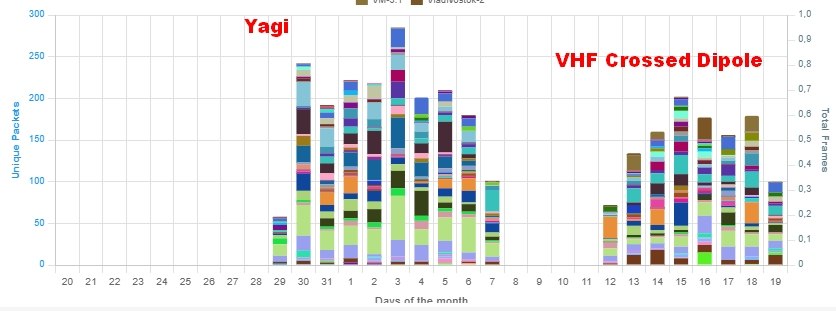
- Leonardo reported experiencing a significant drop in traffic and, after checking the antenna, had not yet recovered it. They shared an image related to the issue. Leonardo also noted receiving a maximum of 2k km, whereas previously getting >3.0k from Tianquis at about zero elevation wasn’t rare. 🔗
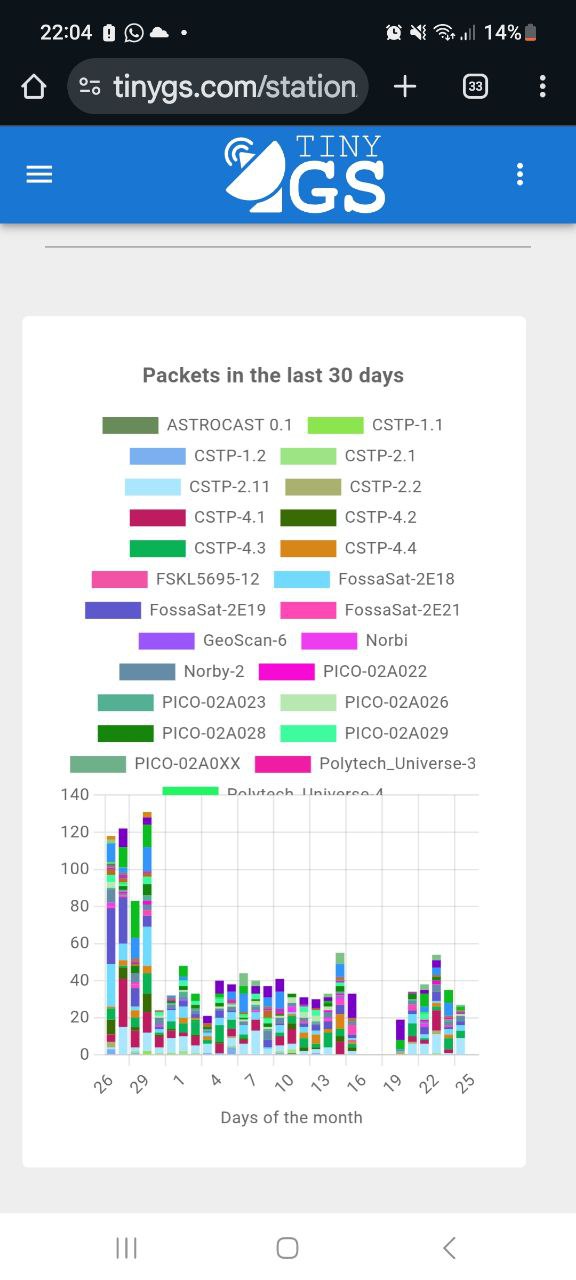
- mki9q reported experiencing the same drop over the last two days. 🔗
- Stefan/OE6ISP suggested that the drop might be a peak at the beginning caused by bulk-data-transfer, and 40 seemed normal but very low. They mentioned that usually, at least 200 should be expected with a simple groundplane under average conditions, but signal loss or nearby noise sources can cause significant reduction. They concluded that without knowledge of the exact circumstances, it was difficult to diagnose. 🔗
- G4lile0 acknowledged Leonardo’s catch regarding bad frequency offsets, confirming the discovery of 8 stations with such issues. He implemented a quick fix and planned to investigate the algorithm further over the weekend. Leonardo then thanked him. 🔗
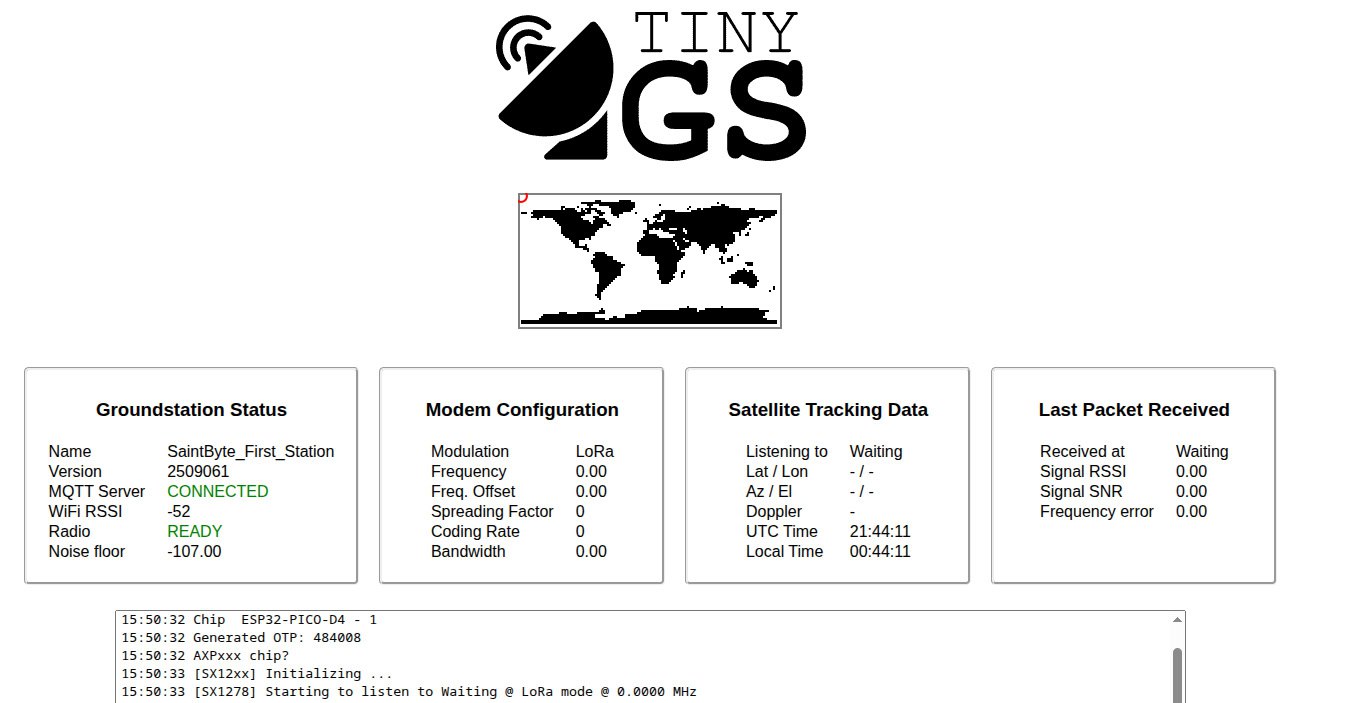
- saintbyte asked if a frequency of 0.00 was normal, showing a screenshot of the system waiting. Helmi responded that it displays ‘waiting’ because there is no satellite in reach. 🔗
Share your setup
- M6LSJ2 was looking to install TinyGS on a V3 433 board and Bogonek suggested following the instructions on the TinyGS wiki. 🔗
- M6LSJ2 reported issues logging in after configuring the firmware and getting an IP address, mentioning being prompted for a username and password that didn’t work. Bogonek later suggested that after configuration (password change and wifi setup) the user needs to switch back to their WiFi to be in the same network as their TinyGS. 🔗
General
- edilsonfilho congratulated the community on their excellent work on TinyGS and inquired about antenna information for academic research, specifically seeking data on manufacturing, maintenance, and energy costs. 🔗
- HK4THN asked for help because the screen was not displaying anything. Helmi suggested checking the antenna and using a ground plane antenna outside. HK4THN clarified the antenna was not the problem and the question was about the screen. Helmi suggested it might be a configuration problem and to choose the right board. 🔗
- JMJHOX suggested checking if the OLED was set to 0 in the configuration parameters to a user, and then clarified it was on the device’s local website, not the public TinyGS site. They offered to assist privately to avoid saturating the group. 🔗
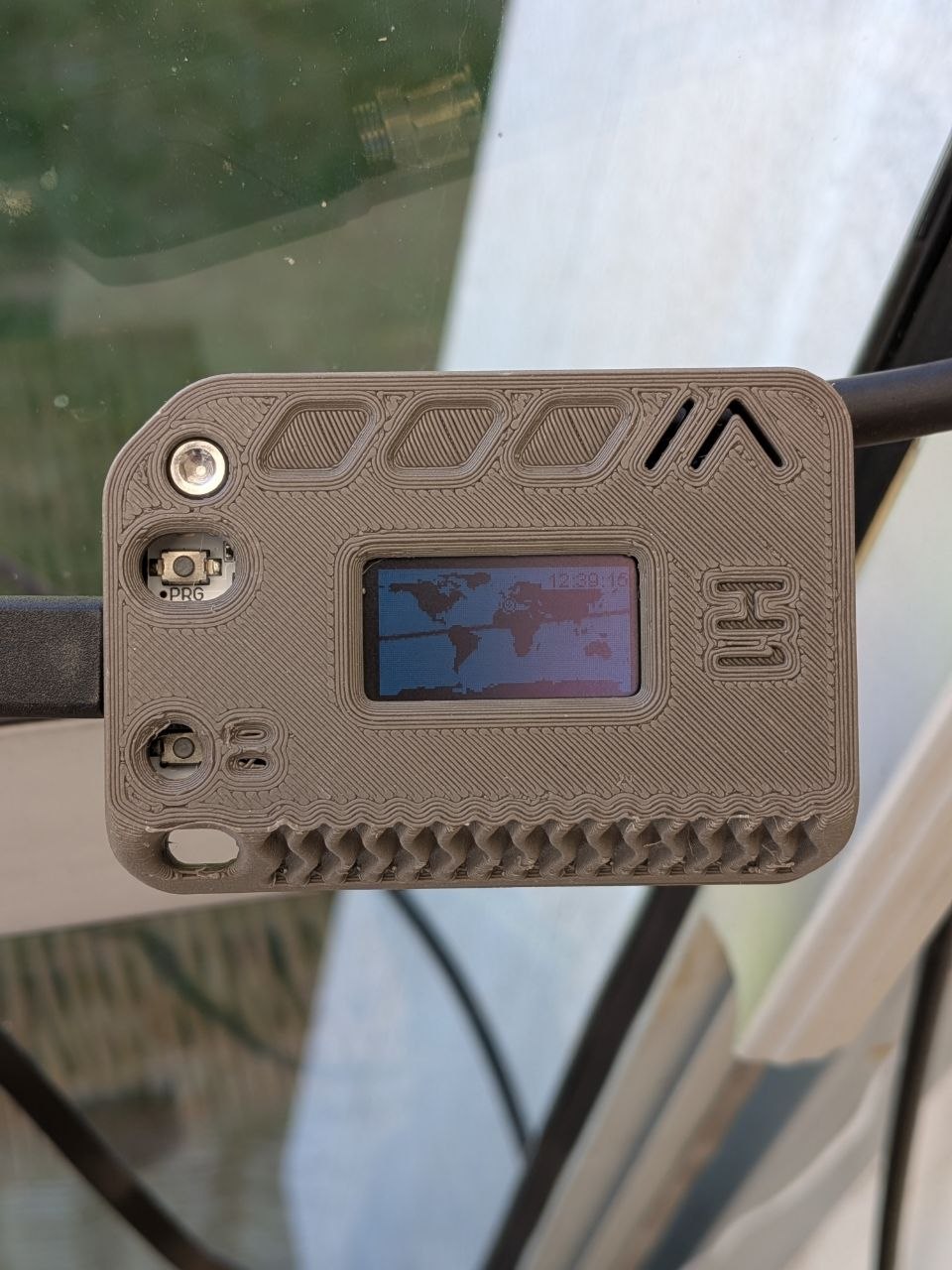
- Timothy inquired about adding a larger screen to the Heltec V3 board, specifically looking at the TFT dev board for aesthetic purposes. 🔗
- arbitraryuser asked if there were any plans to add support for radiosondes eventually. Helmi responded by suggesting alternative receivers and linking to GitHub repositories. arbitraryuser acknowledged the suggestions but expressed a preference for a single neat solution. 🔗
https://github.com/dl9rdz/rdz_ttgo_sonde
https://github.com/dl1nux/dxlAPRS-radiosonde-rx - Don reported issues with the account verification system, receiving an ‘invalid validation link. Malformed data’ error. G4lile0 offered to investigate if Don sent a personal message with the link. 🔗
- G4lile0 shared links to previous discussions and mentioned that they already support several balloon-based missions and are studying dedicating surveillance time to radiosondes/balloons, but dedicated support won’t be in the Christmas release. 🔗
https://t.me/c/1448773154/1/113513
https://t.me/c/1448773154/1/113769 - Toggle00 asked about experiences with the Heltec 868–915 MHz v3 board and antenna recommendations. 🔗
- G4lile0 mentioned that a quarter antenna is enough, but there won’t be a global 868-915 satellite until the end of December, and the current satellites only transmit over the EU. However, it’s good to have stations on that band because they look for new satellite signals during their surveillance time. 🔗
- Stefan/OE6ISP shared their setup: lambda/4 groundplane+LNA on https://app.tinygs.com/station/OE6ISP\_868\_1@1760298214. 🔗
https://app.tinygs.com/station/OE6ISP_868_1@1760298214 - Brian asked if LoRa devices are used specifically to benefit from their onboard radio tuned to satellite frequencies, and if the LoRa radio is used for satellite RX with WiFi for sending packets back to MQTT. G4lile0 clarified that LoRa chips are cost-effective, accessible, and function as efficient FSK/GMSK receivers in ISM bands used by small satellites. They also confirmed the data flow understanding and shared a link to the TinyGS wiki. 🔗
https://github.com/G4lile0/tinyGS/wiki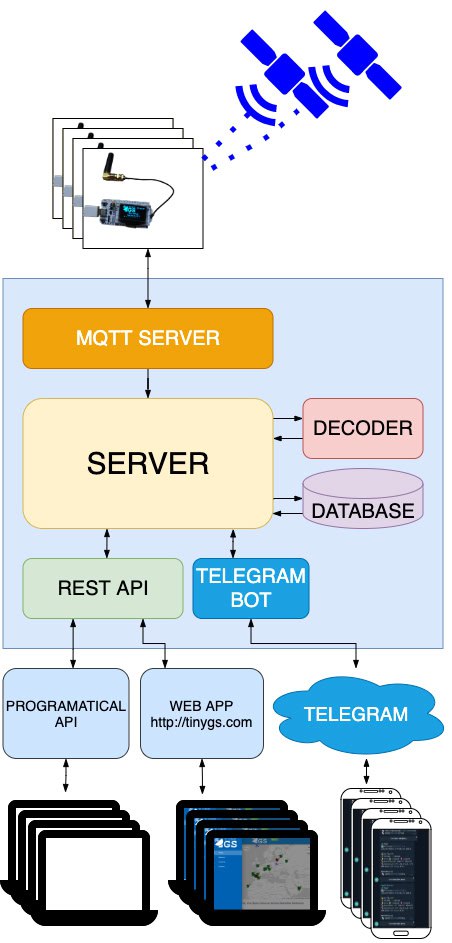
- Pravinkumar asked how to change the WiFi password on their Lilygo Lora32 board after changing their home WiFi router. Estbhan explained that the board should open a WiFi Access Point with the board’s name, allowing access to the web dashboard at 192.168.4.1 to change the settings. 🔗
- VK2NP inquired about changing the station description in the web interface, mentioning they couldn’t find the green dot that was previously used for this purpose. 🔗
- madspectator asked for clarification on whether satellites use LoRa modulation. Helmi clarified that while some satellites use LoRa or FSK modulation, many others use different modulations. Stefan/OE6ISP added that decoding LoRa with an SDR is difficult, especially in the negative SNR range typical for satellites, and that hardware modems have a significant advantage. Brian expressed interest in learning more about LoRa modulation techniques. 🔗
- JMJHOX asked if it’s possible to set up a webhook to send the received packets from their Ground Station directly to their server for further study. 🔗
New Satellites
- Estbhan mentioned a delay to the next Friday and shared an image from SpaceX, along with a link to a SpaceX tweet regarding a launch. 🔗
https://x.com/SpaceX/status/1993714666456113363?t=PwNzUwidKYV3CUtc7zIktw&s=35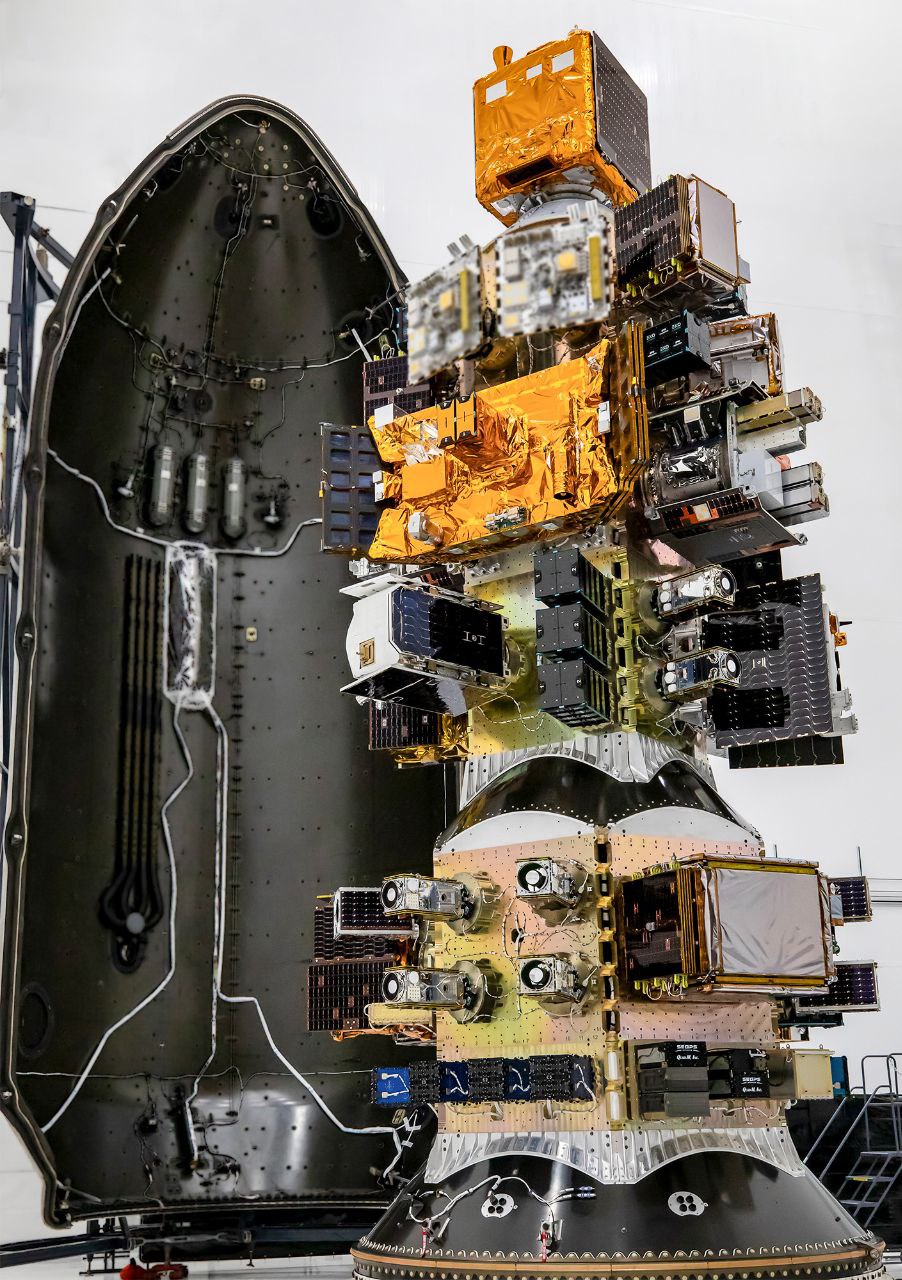
- Charly51 shared an image indicating a launch on 28.11.25 at 08:15. 🔗
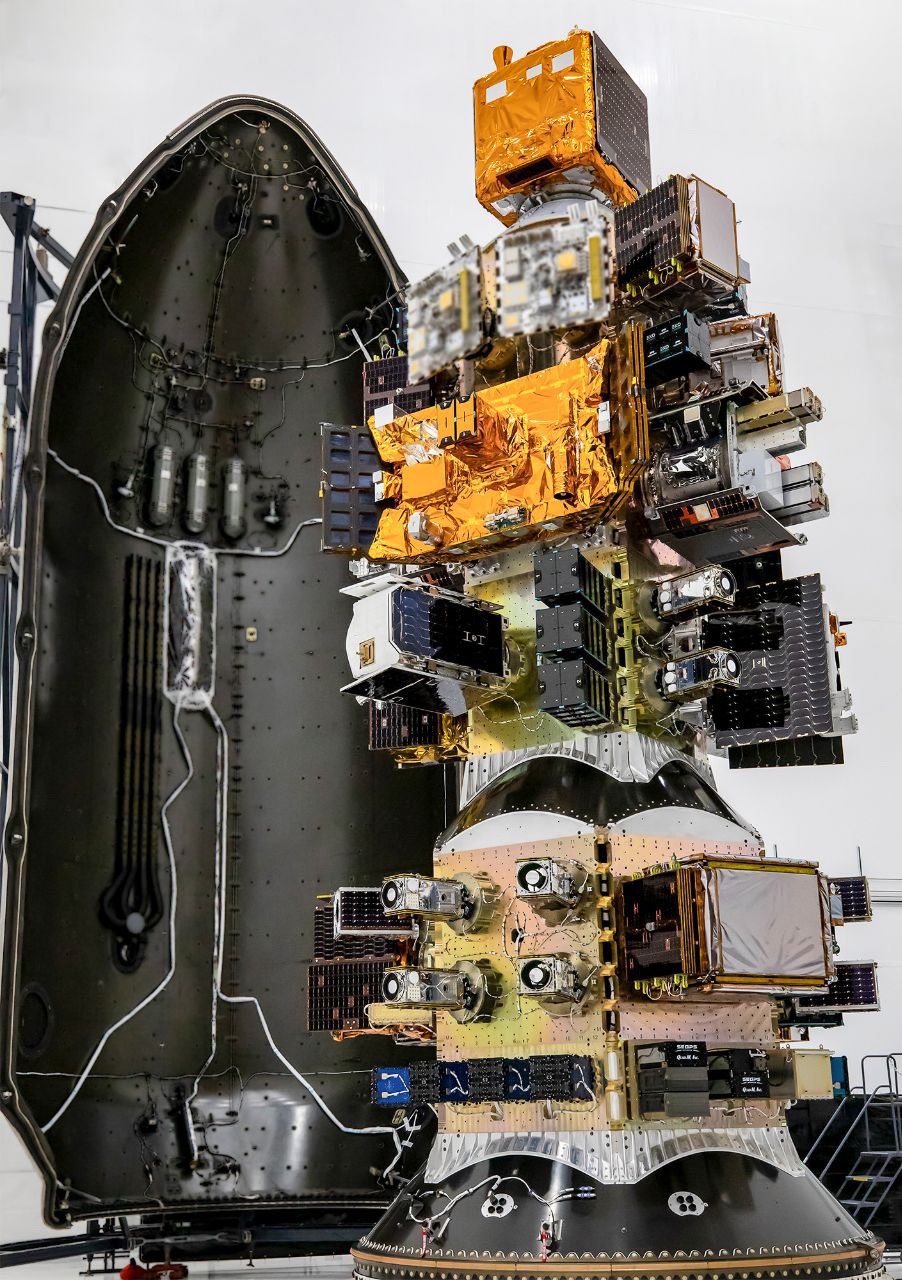
- Mike reported that the next launch date is November 28th at 18:18 UTC, as the previous launch was aborted. 🔗
- gmag11 provided updates on the Transporter 15 launch, including countdown milestones, the release of ‘clams’, and confirmation that the launch was a ‘go’. 🔗
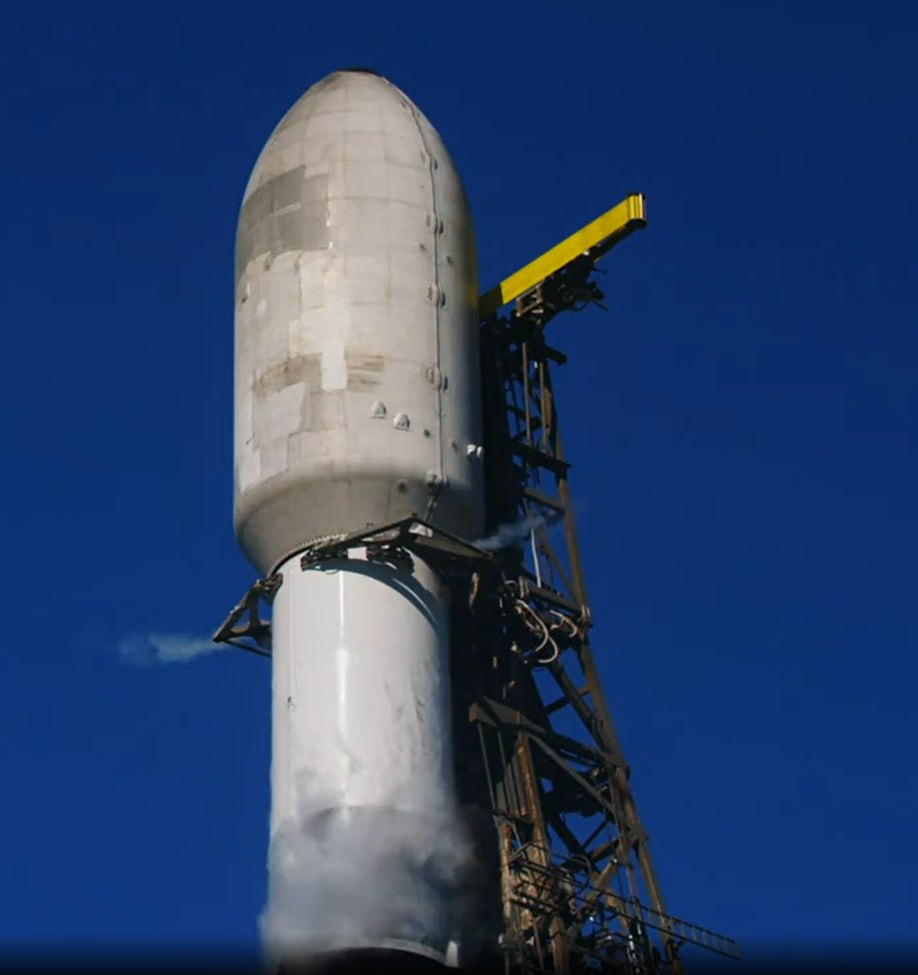
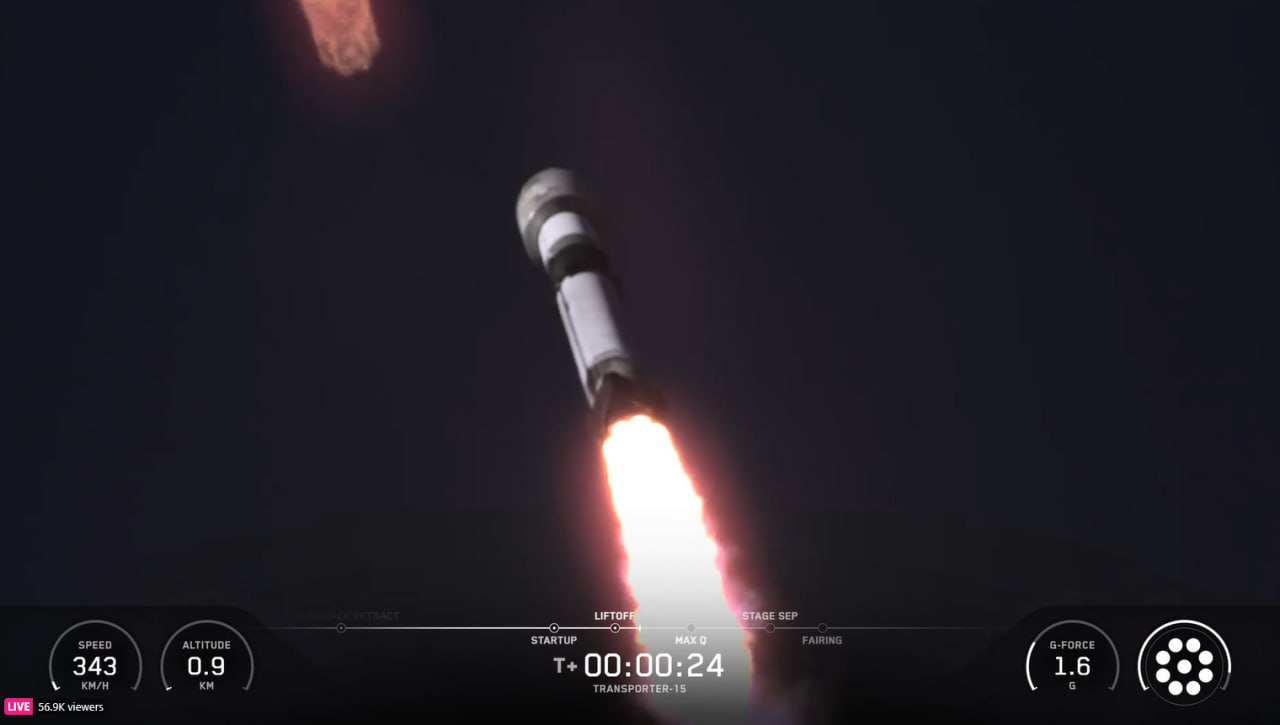
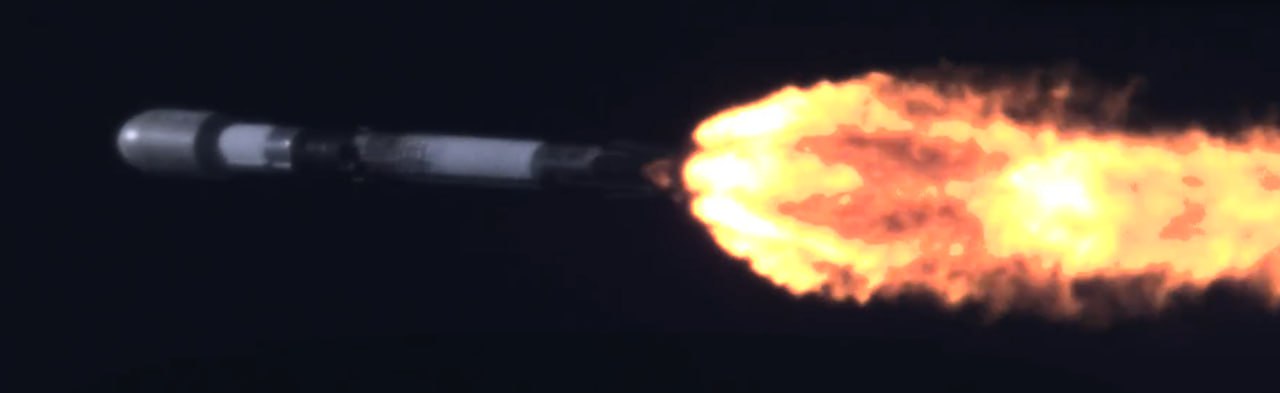
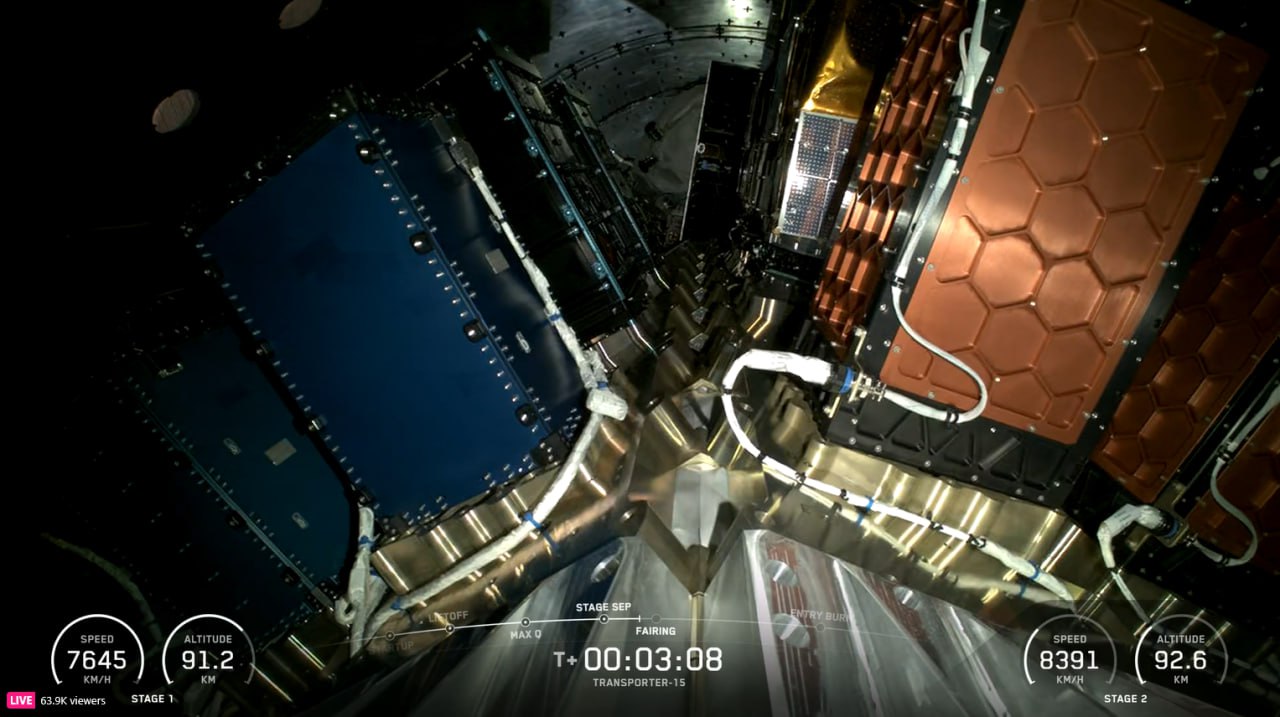
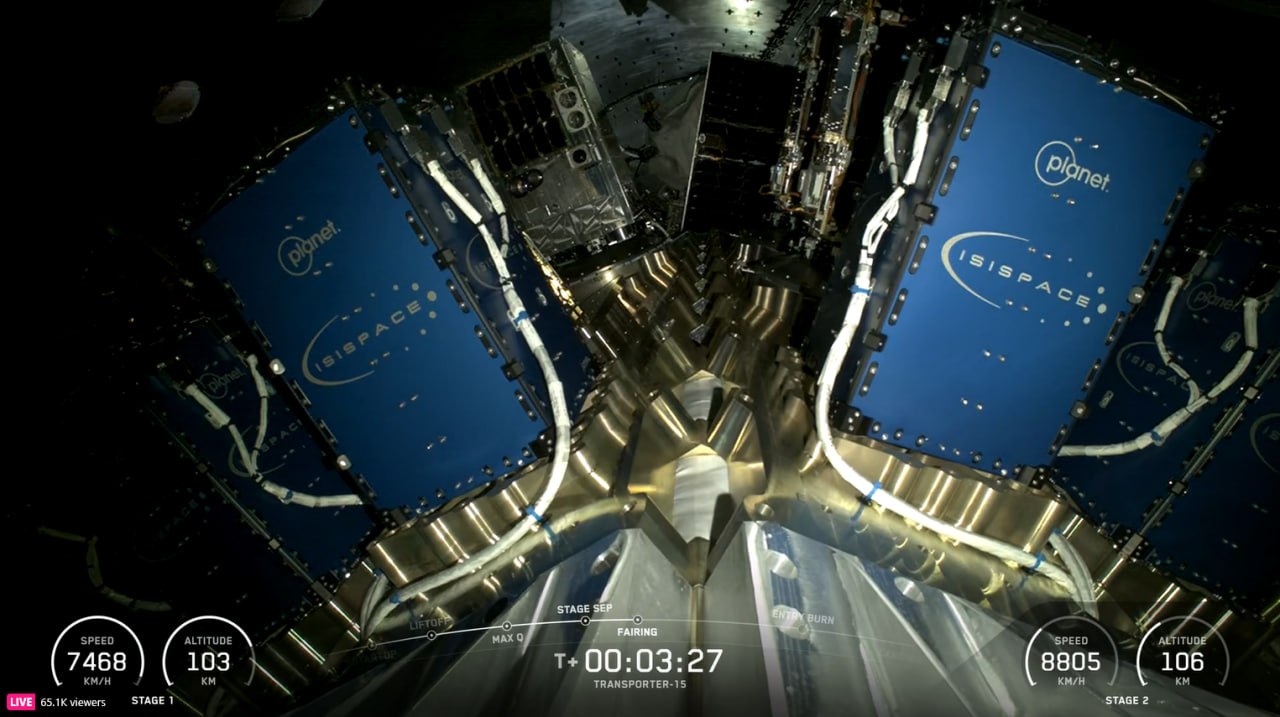
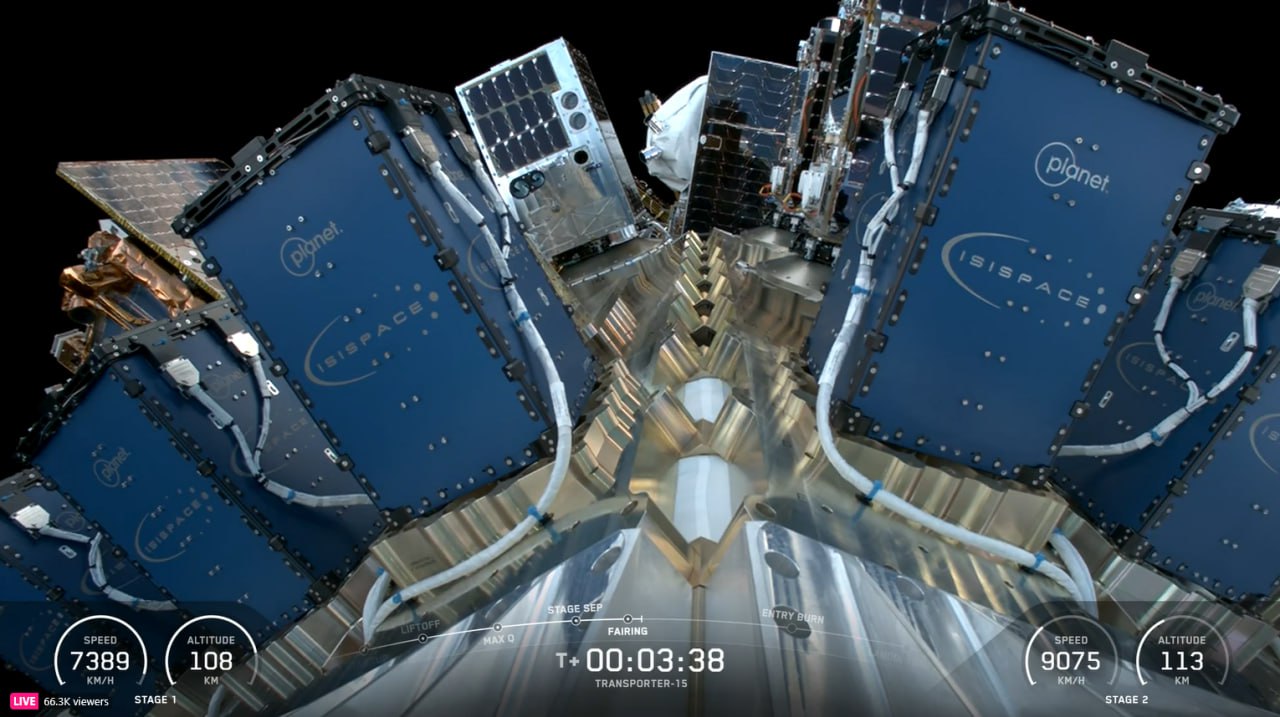
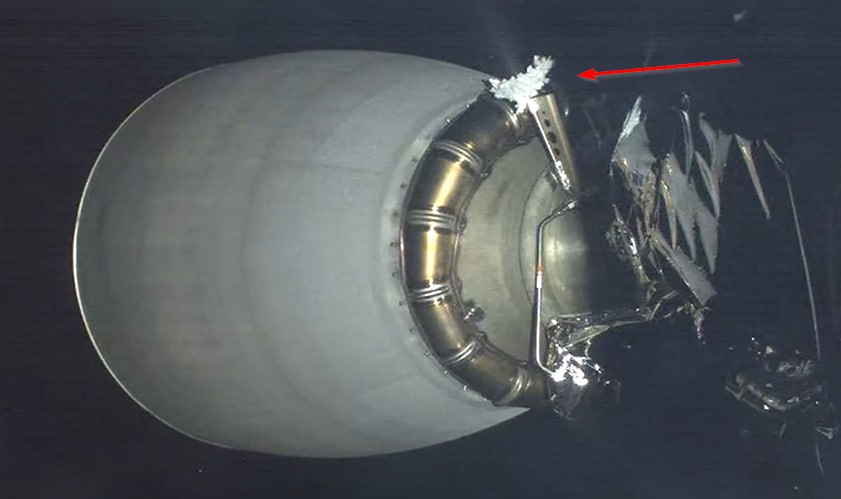
- Estbhan shared a YouTube link for the launch and noted that satellite deployment was in progress. 🔗
https://www.youtube.com/live/KVwK8GkDfow?si=kHPXbxcbtAFzID6z - G4lile0 mentioned that satellites were released in umbra. 🔗
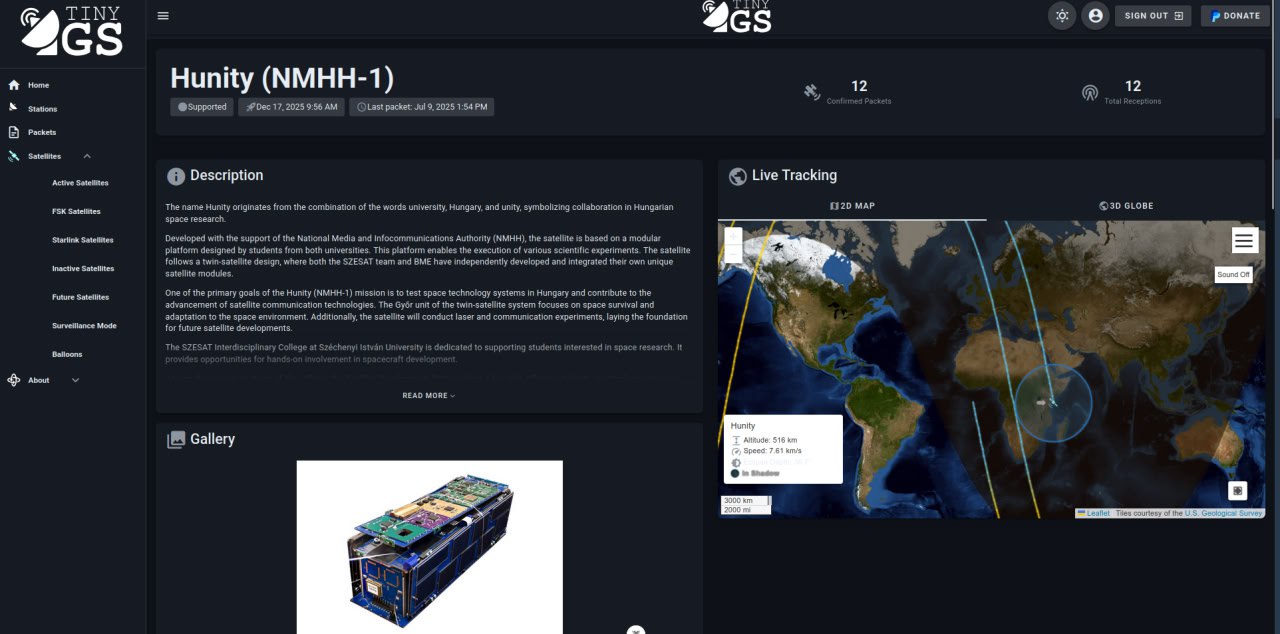
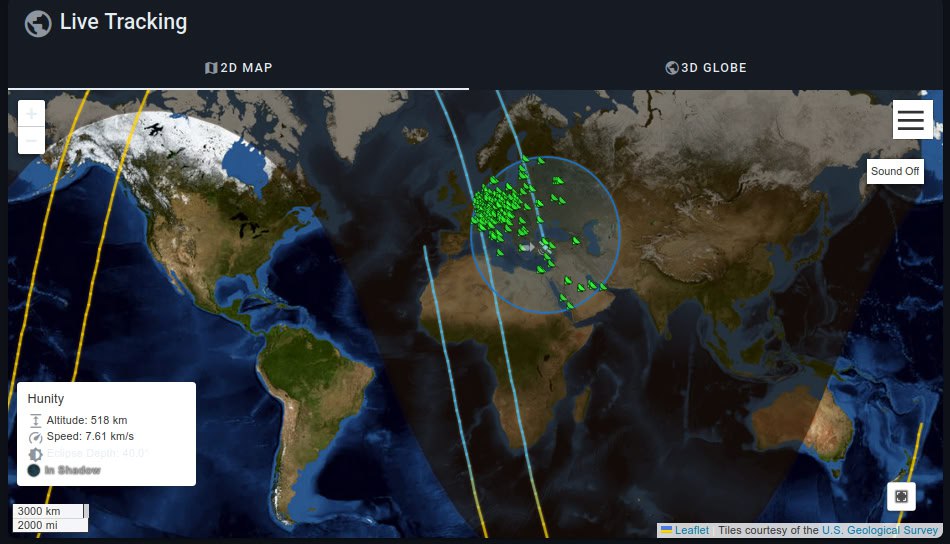
- K4KDR deployments went well and is waiting to see all the decodes. They noted it’s odd to see a satellite use SF-11 with LDRO disabled (Hunity), suggesting an incorrect LDRO setting could lead to CRC errors. They hope everything is correct and EU stations will see it shortly. 🔗
- G4lile0 surveillance mode identified the frequency of one of the Wisdom (OWL) satellites. Later, they confirmed that surveillance mode successfully identified the two WISDOM-A and WISDOM-B satellites. 🔗
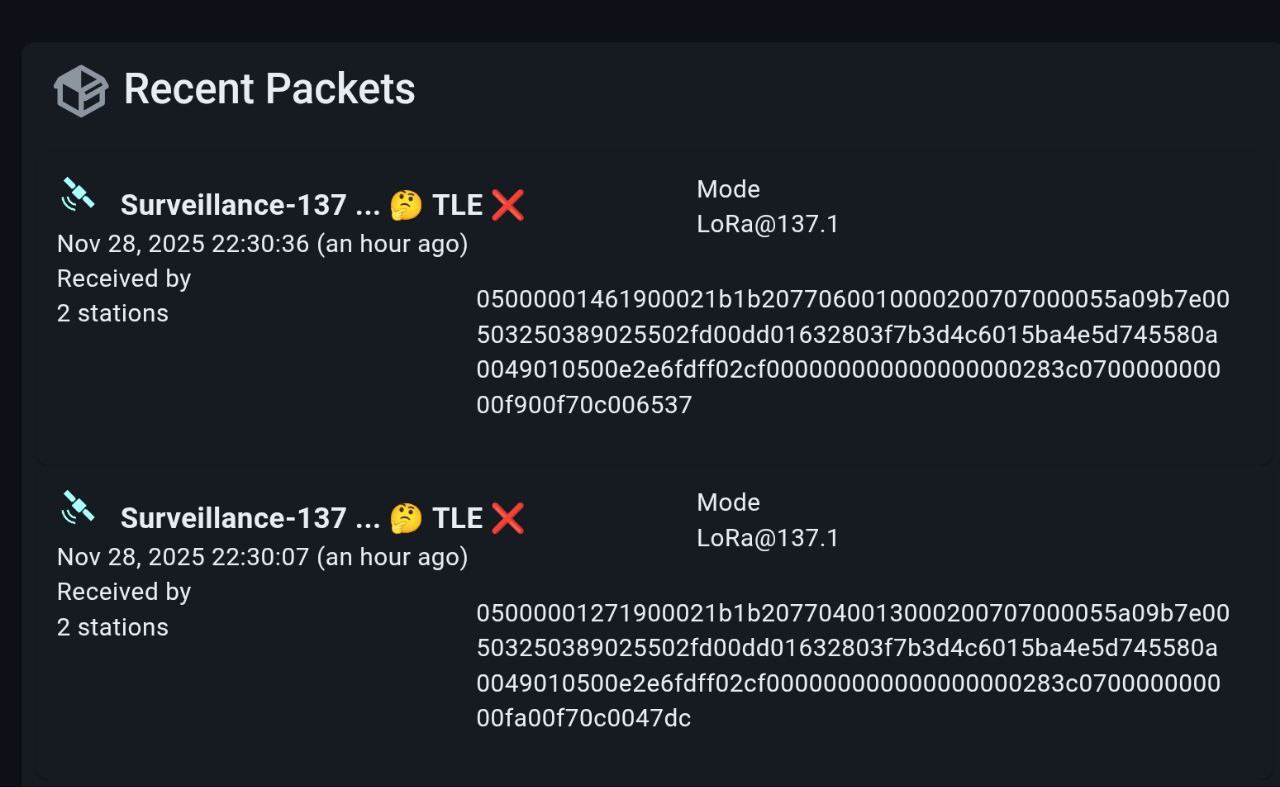
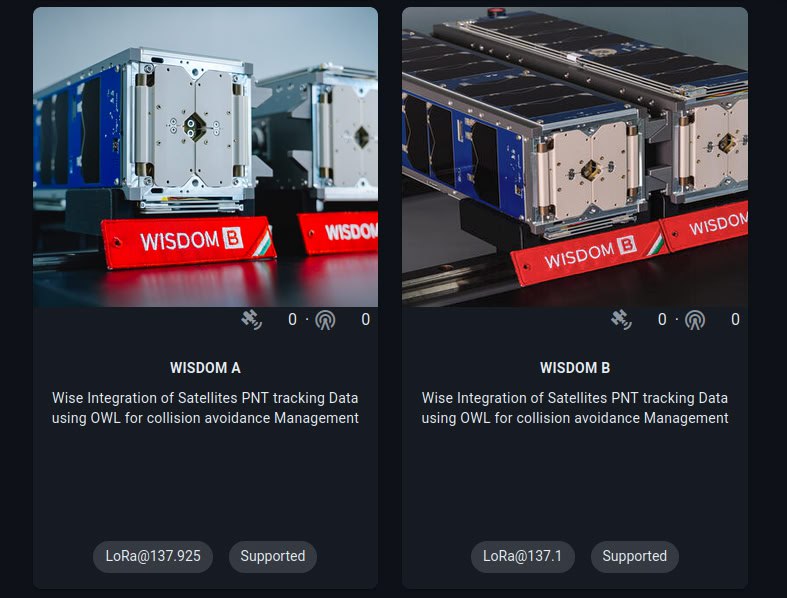
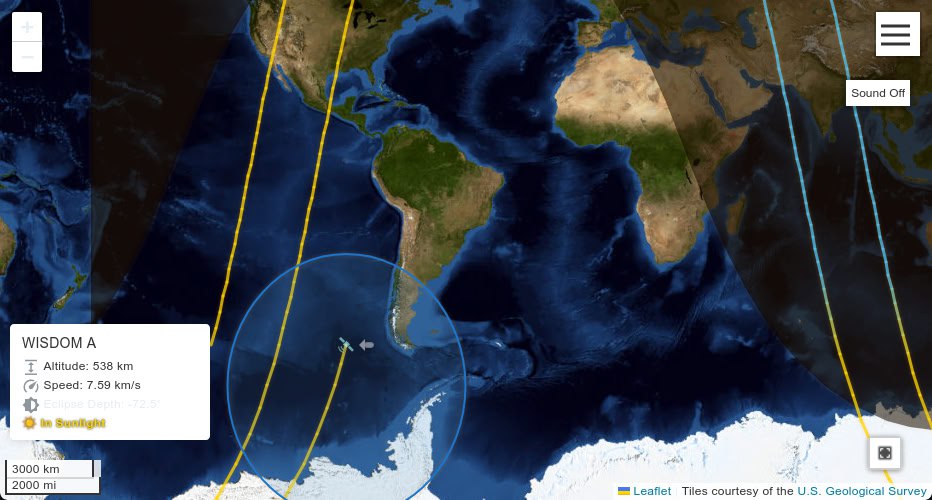
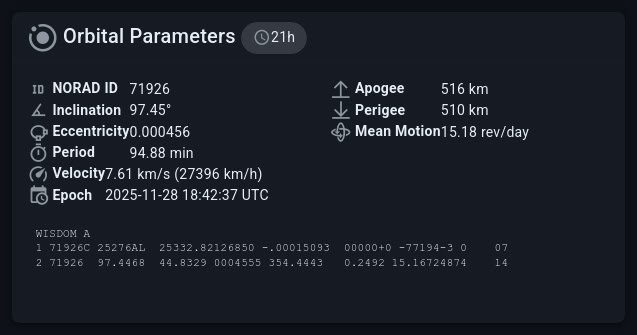
- G4lile0 removed autotune and kept the system running only in surveillance mode to help find other LoRa satellites on the launch. 🔗
Beta Firmware Testing
- anas_z15 asked if it would be possible to add a TX enable GPIO to the board template for controlling an RF switch, as their university plans to perform TX from their station. Stefan/OE6ISP pointed out the existing RXEN and TXEN entries in the template. Anas_z15 then inquired about the impact of custom firmware on future auto-updates. Stefan/OE6ISP mentioned a missing TX-delay, which they had hardcoded. gmag11 asked about a reasonable generic TX delay value. Stefan/OE6ISP suggested a delay of at least 25ms for LNAs with mechanical relays, recommending 100ms for testing and 50ms for most common scenarios. 🔗
Featured Conversations
- The community discussed the suitability of PETG versus PLA for outdoor antenna construction, highlighting PETG’s superior weather resistance and the importance of UV protection for other materials.
- Users are exploring options for enhancing their ground station setups, such as adding larger screens to Heltec V3 boards for improved aesthetics and monitoring.
- The TinyGS community assisted in troubleshooting Cornell Light Sail packet recognition, addressing issues related to RSSI, distance calculation, and anti-scrapping filters to ensure successful data transmission.
- Deployments of new satellites are progressing, with the community actively monitoring decodes and sharing observations regarding satellite configurations.
- The architecture of TinyGS was clarified, emphasizing the cost-effectiveness and accessibility of using integrated LoRa devices for satellite reception, as opposed to more complex SDR setups.
What’s next
Join the TinyGS Telegram channel to participate in these discussions and contribute to the project. Your experiences and insights can help others build and improve their stations!
Share: