· TinyGS Community · 12 min read
Weekly Newsletter - November 2, 2025
Welcome to the TinyGS community weekly newsletter. Stay up-to-date with the latest discussions and developments within our collaborative network.
Highlights
Where to buy
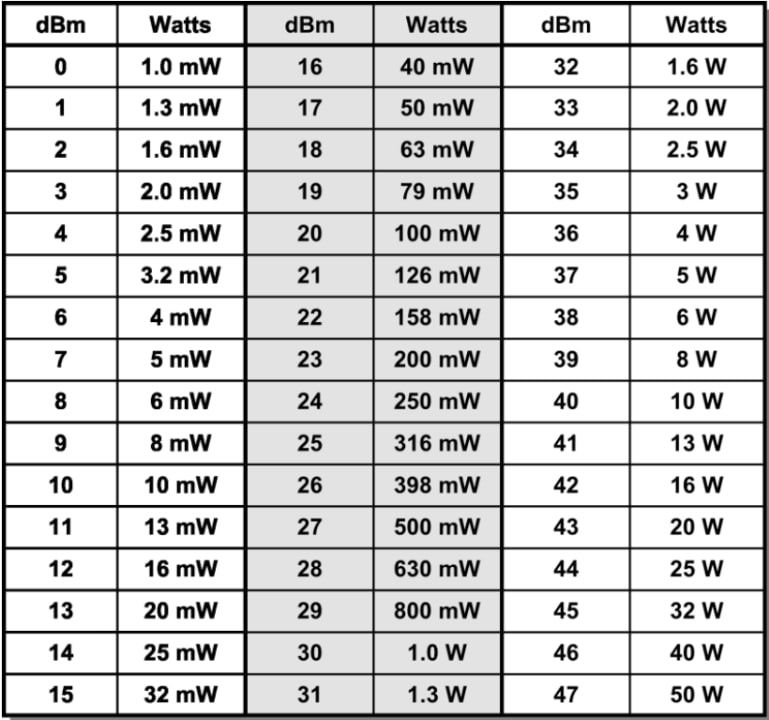
- K5MPH1 discussed the V4 version, noting it has a bad Rx but puts out more Tx than the V3, estimating the V4 output at 28dbm (around 500 milliamps or 1/2 watt) compared to the V3’s 22dbm. 🔗
- megazaic shared information about a device, noting its potential power output based on the description and power consumption during transmission, showing that V4 can reach 28+/-1 dBm, and the power amplifier in the added IC can reach +30 dBm. megazaic confirmed the 28+1dBm output. 🔗
Share your setup
- Stefan/OE6ISP shared progress on a new “magic box” setup, featuring 4 receivers: 2x heltec v3/sx1262 for TinyGs and 2x Nooelec nesdr sticks for satnogs, mentioning that the RF part is finished and all receivers are active, and noise measurements will determine if the PIs are properly shielded or need a separate housing. 🔗
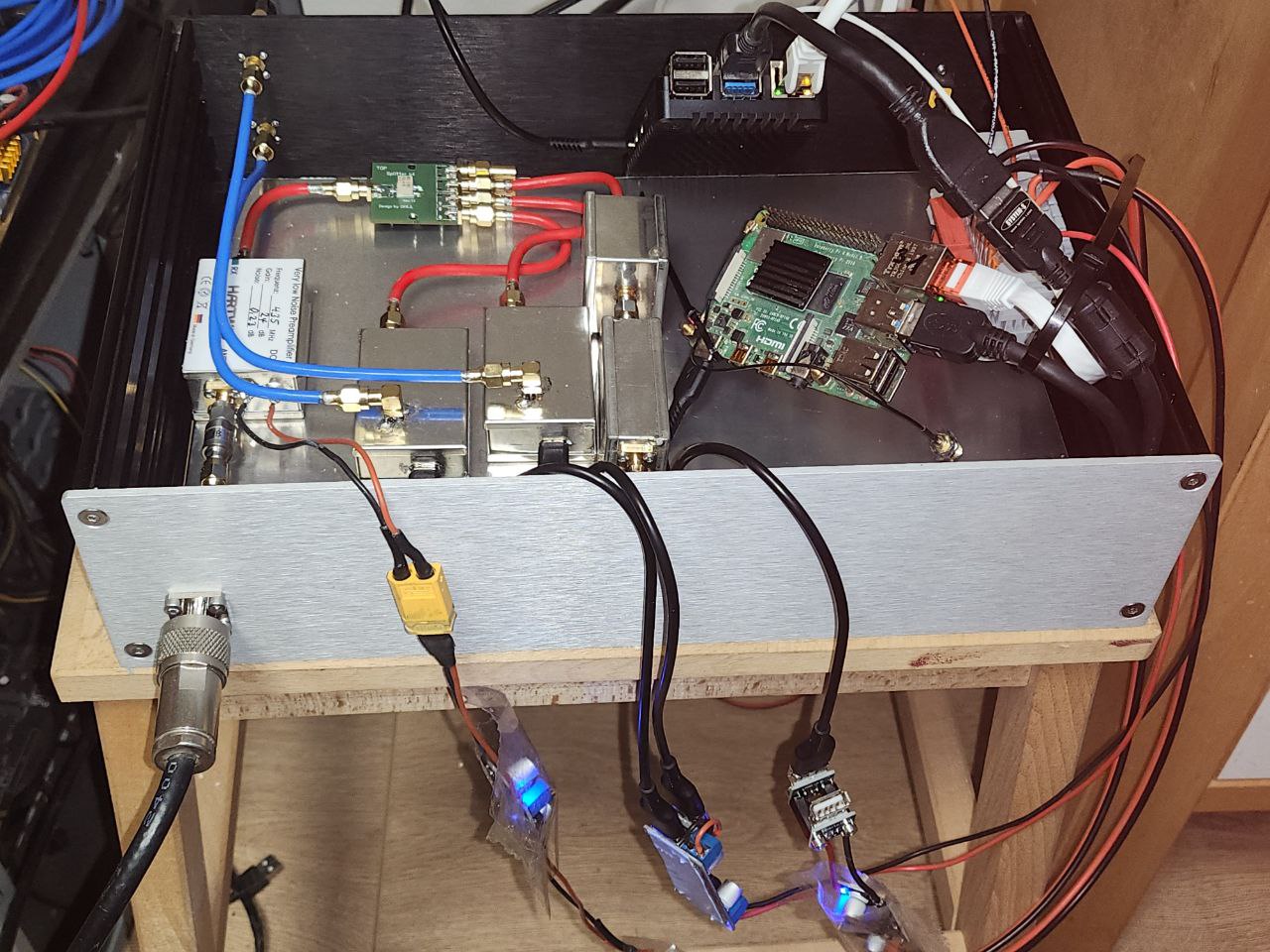
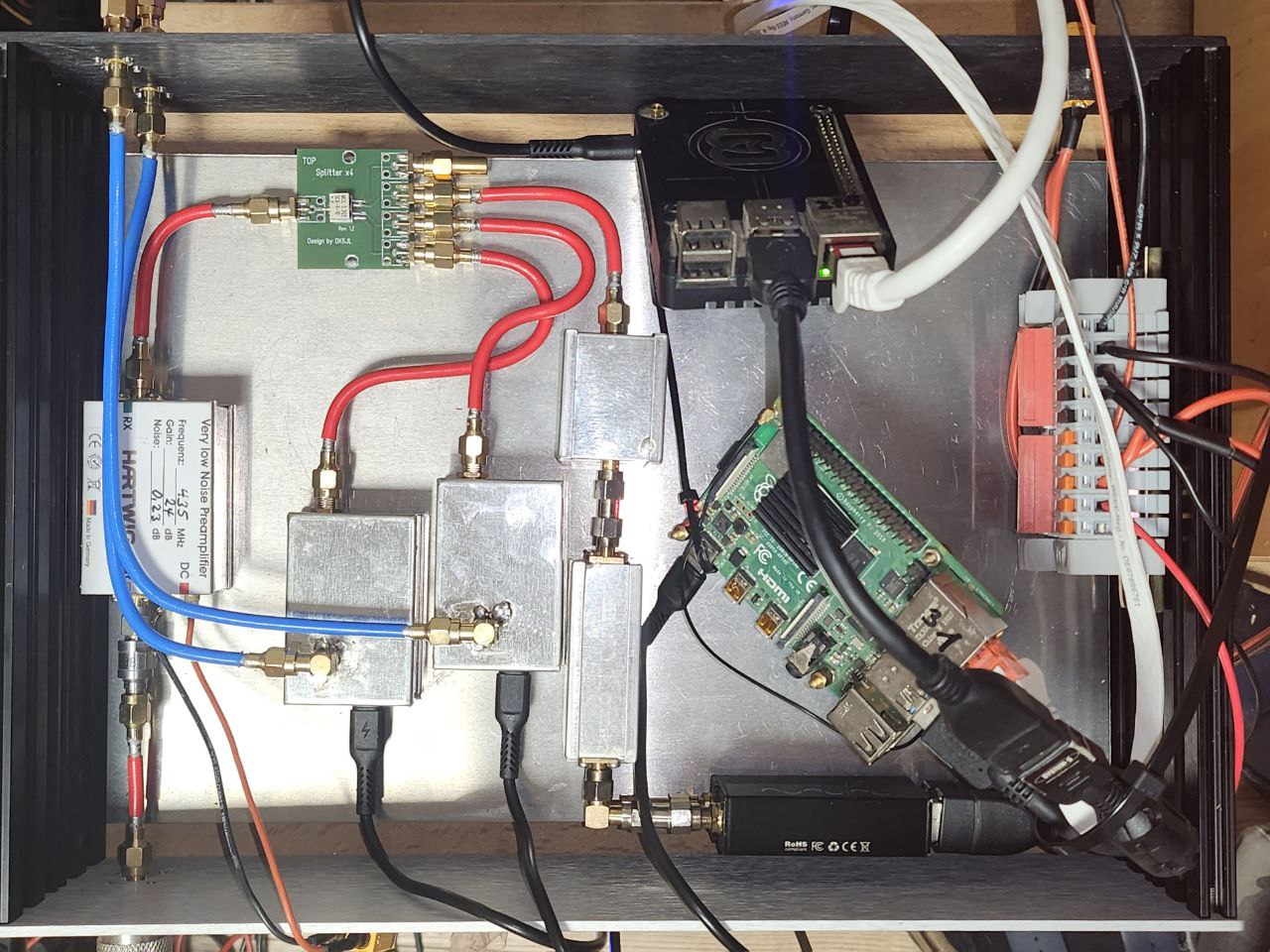
- Notsure7 asked why using two SDRs and two PIs instead of one PI with two SDRs. Stefan/OE6ISP responded that Satnogs assumes 1 SDR per PI, as did the PY4 groundstation, and it provides redundancy. 🔗
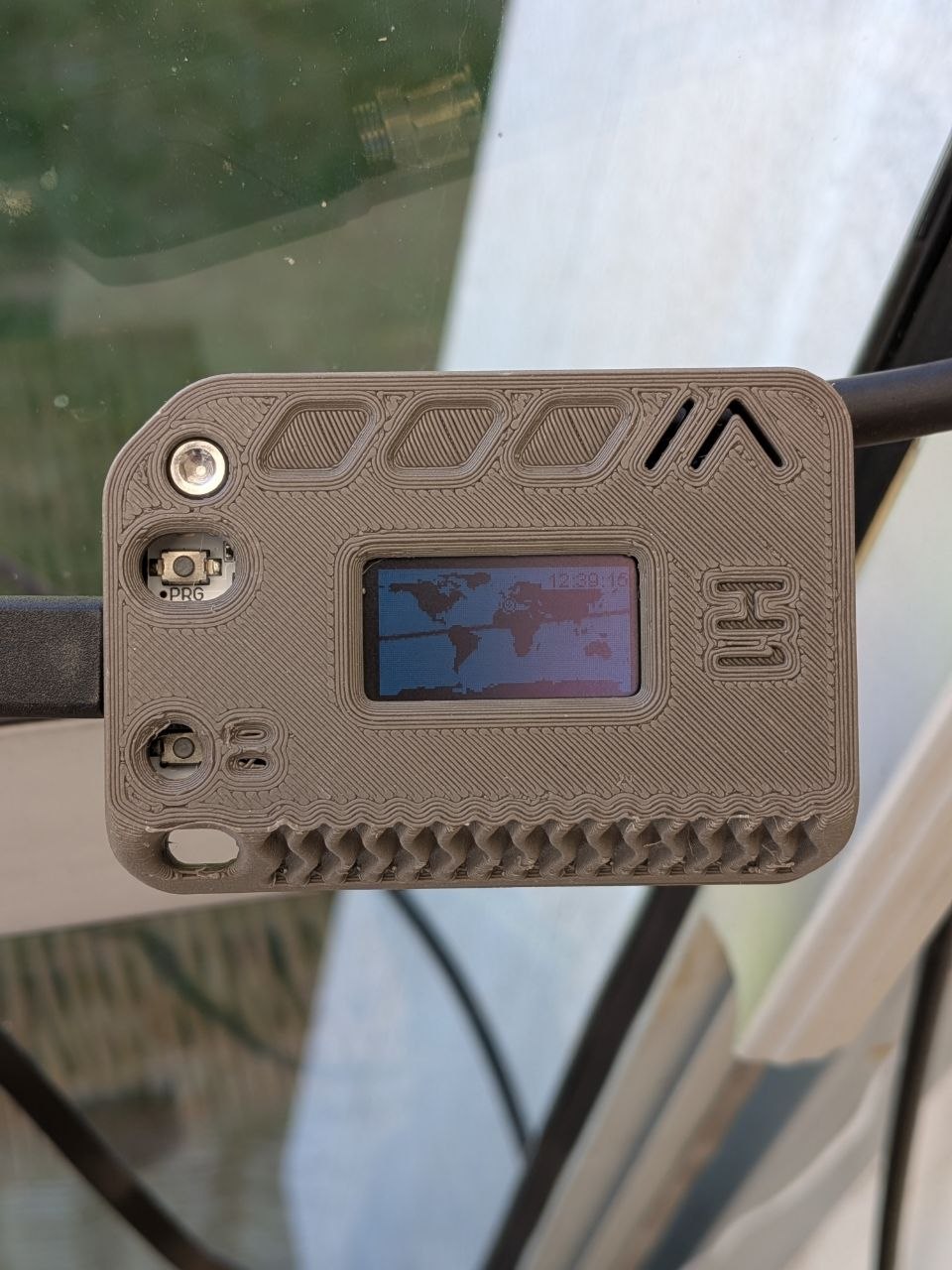
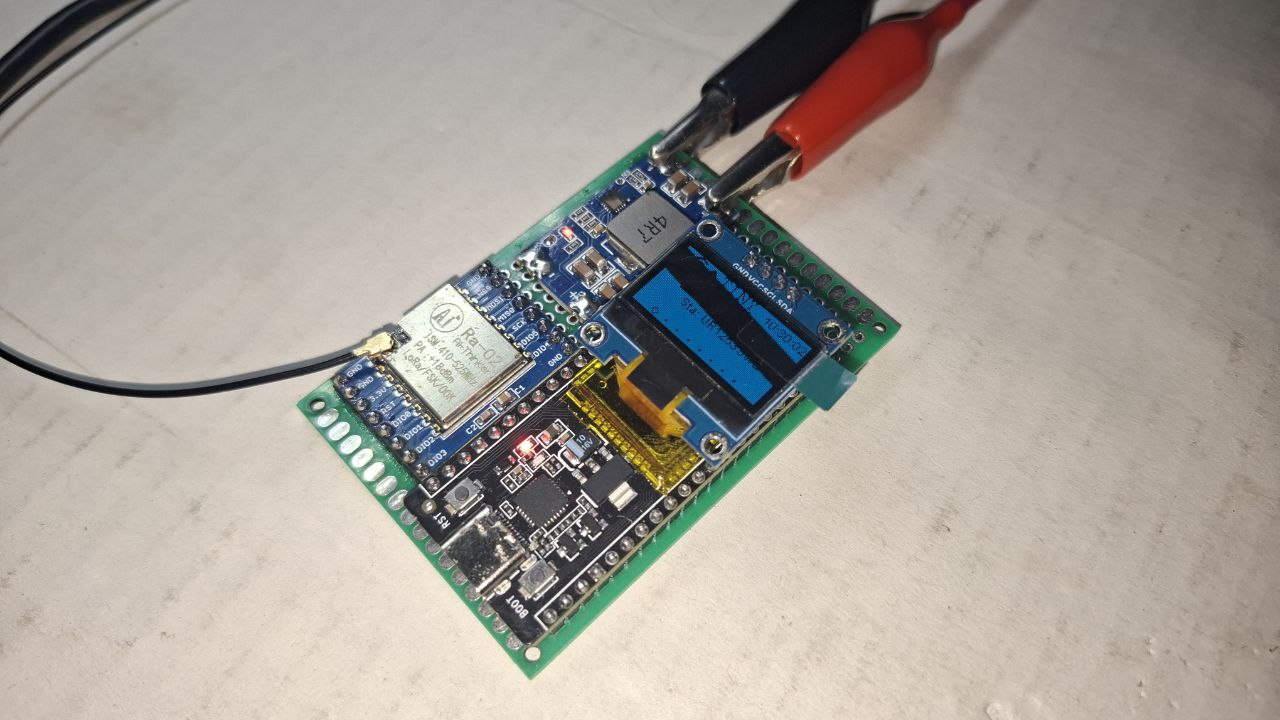
- S̅u̅s̅h̅i̅ m̅a̅s̅t̅e̅r̅ shared a photo of custom, Meshtastic-compatible DIY v1 hardware, but megazaic commented that the presence of a switch stabilizer next to the radio module is a significant drawback due to reduced sensitivity and increased interference. 🔗
- adamM_PL asked about adjusting the WiFi power of a TTGO device in the TinyGS console. Stefan/OE6ISP clarified that this isn’t possible, suggesting using a better WiFi antenna if the RSSI is too low, but anything above -80dBm should be fine. adamM_PL then inquired whether lowering the WiFi power on the TTGO itself would improve LoRa reception, similar to ESPHome’s capabilities. Stefan/OE6ISP responded that, based on experiments, it doesn’t significantly help and that keeping the antenna away from the router and ensuring low router power are more critical. He also noted that T-Beams have a built-in noise generator (power-manager) that can interfere with reception if the unshielded board is close to the antenna. 🔗
- adamM_PL mentioned that their TTGO is a few cm below the antenna and is considering adding a shield. They currently receive 300-400 packets a day with a best reception distance of 3500km. Stefan/OE6ISP suggested that the antenna’s position might be affecting reception and that a preamp might not be effective in this situation, while still acknowledging that 400 packets a day is a good number. 🔗
- Massimo was hoping to see some packets soon, sharing a photo of the setup. 🔗
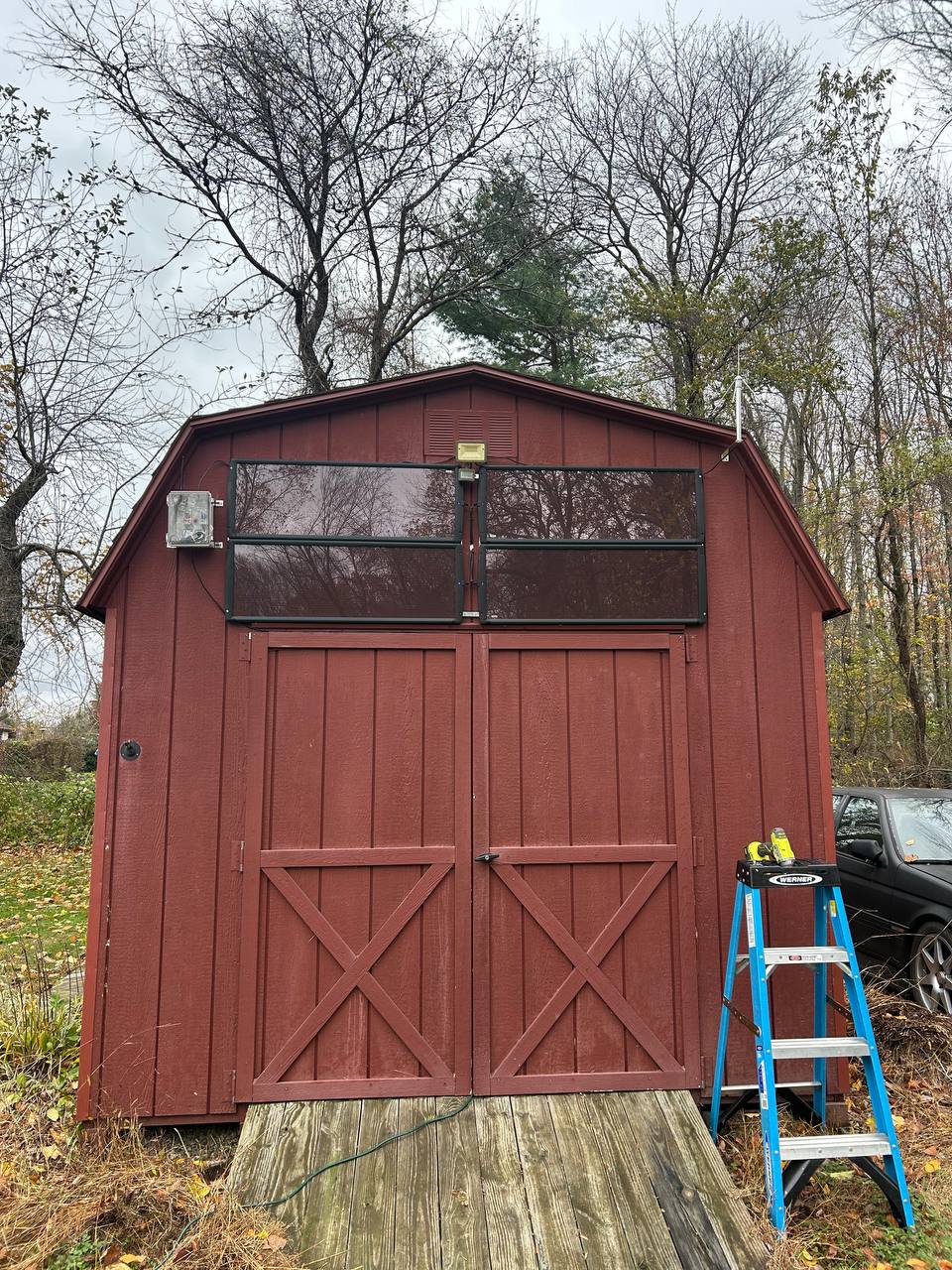
Technical Problems
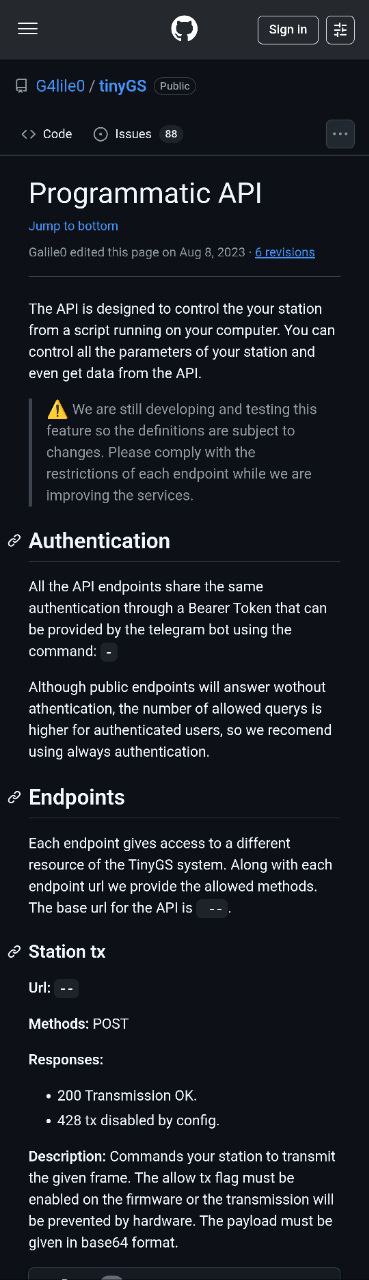
- rj45jack sought information on the API to build a connector from TinyGS to Home Assistant, noting the documentation seemed incomplete. Helmi suggested connecting to the MQTT server to display received data, providing details on how to connect using user number, password, and the certificate from the GitHub source code, and subscribing to # to get all packets. 🔗
- r4 reported a significant drop in satellite reception (around 75%) over the past week and wondered if it was a station-specific issue. Stefan/OE6ISP responded that it was most likely a connector or cable problem, such as broken or shorted cables, or water ingress, noting that board failures are rare. 🔗
General
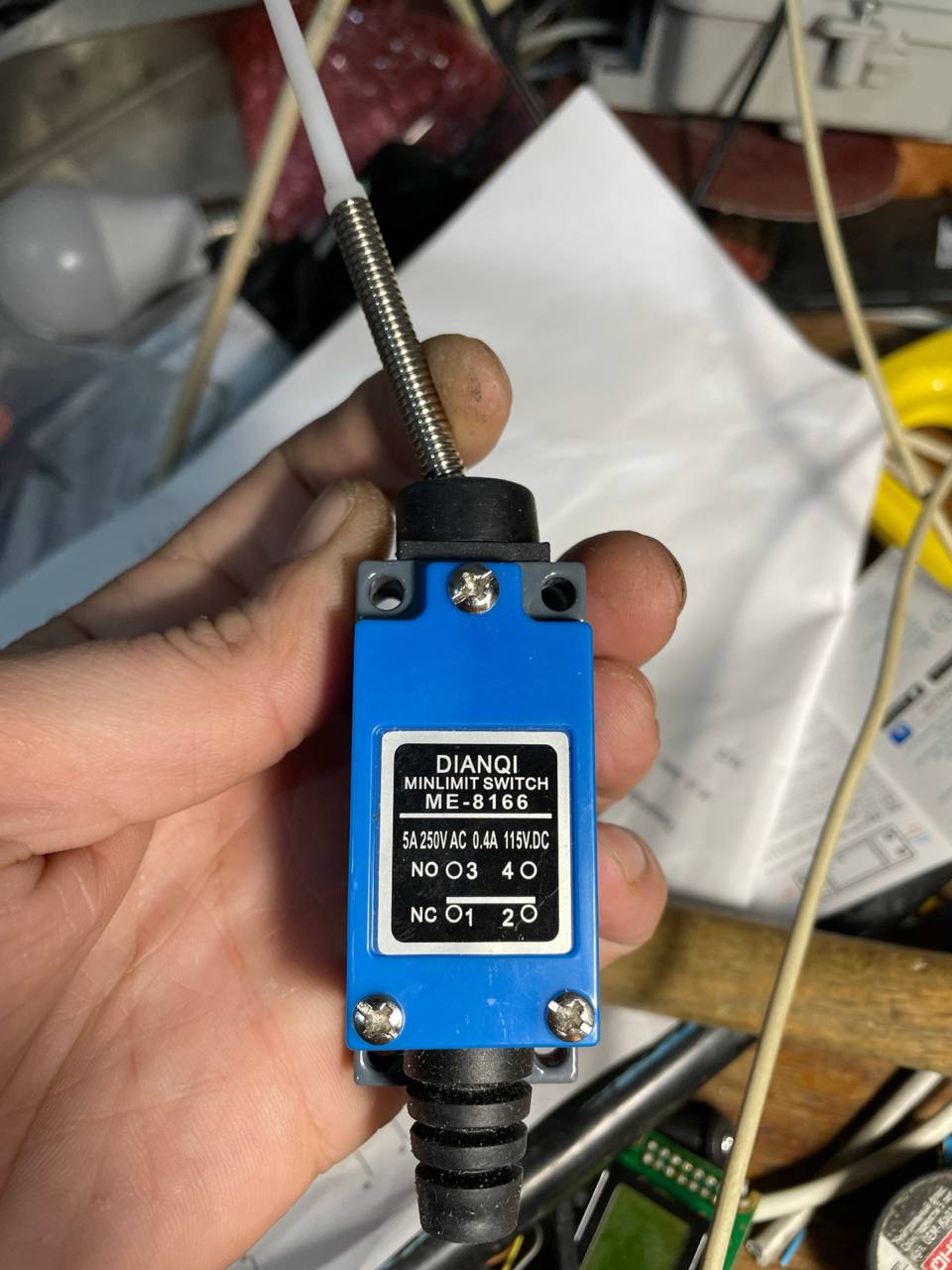
- kreatif asked about homing the position, and brdwifi replied that they are using a limit switch and just bought it, but haven’t integrated it yet. 🔗
- David asked if it’s possible to receive signals using the small antenna included with the 433MHz Heltec V3. Helmi suggested that this antenna is not suitable and recommended building a ground plane antenna, providing a brief description. David then mentioned ordering a flanged SMA adapter, and Helmi advised using a good, short antenna cable. Later, Martin asked for a reputable website to buy the Heltec ESP needed to get started. Stefan/OE6ISP shared an AliExpress link, cautioning to select the 433MHz version, and mentioned having three active units. Martin expressed difficulty finding the right version from a reputable source, and Stefan/OE6ISP suggested checking a major online retailer and shared a positive experience with orders from China. 🔗
https://de.aliexpress.com/item/1005008451687223.html - jhedtmann asked if there was a guest access to view the dashboard readonly. Stefan/OE6ISP replied that logging in is not required to view the stations, although logging in provides more detailed information about one’s own station, and provided a link to the stations page. 🔗
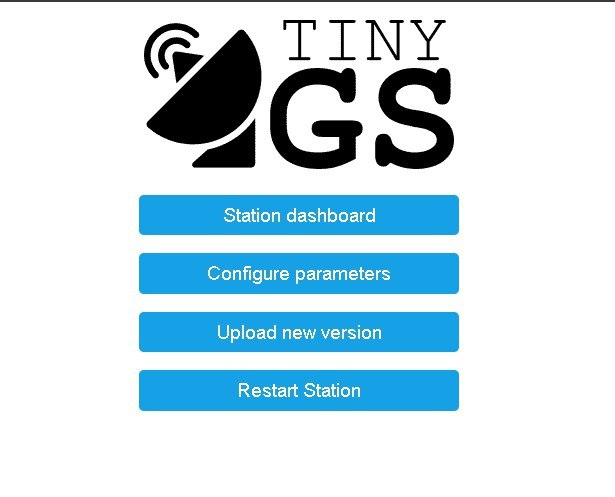
https://app.tinygs.com/stations - IU2UFQ a new user, reported having problems with the OLED screen connected to their Lora AXP2101 board. K4KDR suggested checking the configuration after flashing, as the OLED might be black until configured via the 192.168.4.1 connection. IU2UFQ mentioned that 192.168.4.1 didn’t work for them, but http://admin:[email protected]/ did, and that they used the online configurator method. IU2UFQ also shared a photo of their setup. 🔗
- ubabematrix shared plans to conduct a TinyGS workshop for young people at a local science/space center in December, focusing on satellites and their functions. They are looking for resources and examples of using TinyGS telemetry data to teach about satellite construction and operation, particularly for Cubesats, and are seeking information on suitable satellites with available data and those that transmit scientific data via TinyGS. 🔗
- Daimon asked about porting the code to an Adafruit Feather LoRa board. Helmi indicated that RadioLib isn’t available for the 32u4 or M0. Daimon noted that SAMD M0 Adafruit boards ARE supported, but lack ESP32 for reporting. megazaic questioned what was stopping the use of RadioLib with a 32u4 or M0 controller and shared an image. Daimon then noted that Radio Lib is compatible with both the SAMD M0 and Leonardo board, referencing the TinyGS Board Templates wiki, but noted the lack of ESP32 support. megazaic compiled it for Leonardo to show RadioLib can work with a 32U4 controller, but 87% of the memory is already used. Helmi pointed out the memory limitations of the 32u4, while megazaic argued about what can be done with the remaining memory. Helmi clarified the topic was about using TinyGS on 32u4, which isn’t possible. megazaic rebutted Helmi’s statement. 🔗
https://github.com/jgromes/RadioLib
https://github.com/G4lile0/tinyGS/wiki/Board-Templates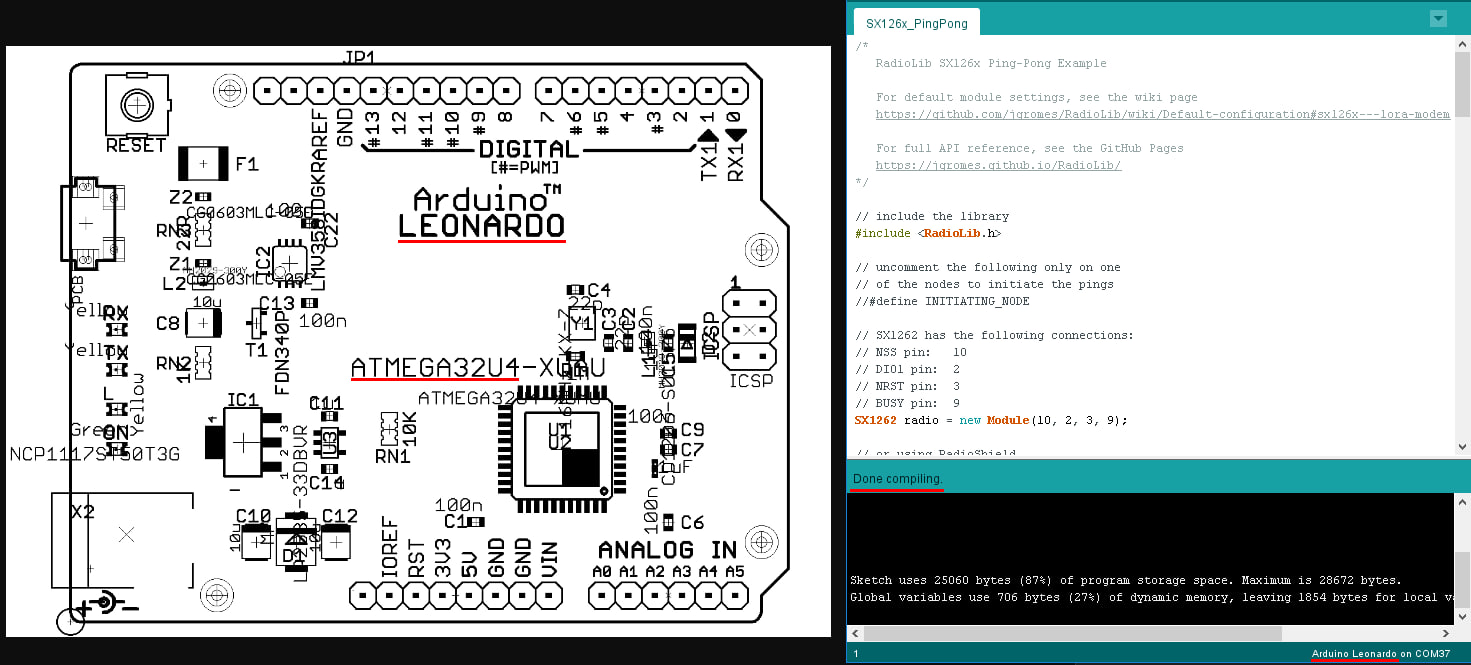
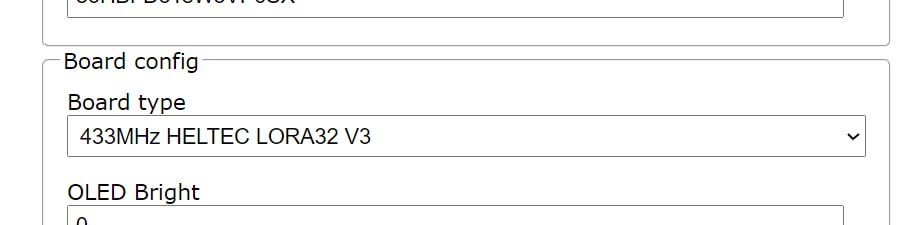
- Hugo HVS wanted to experiment with TinyGS and asked for a template for a Heltec V3 board, mentioning compatibility issues with the V2 version. 🔗
- Stefan/OE6ISP shared a configuration for Heltec V3 boards. 🔗
- G4lile0 shared a link to a TinyGS-related post on X (formerly Twitter) along with related images. 🔗
https://x.com/tiny__GS/status/1984324409411162556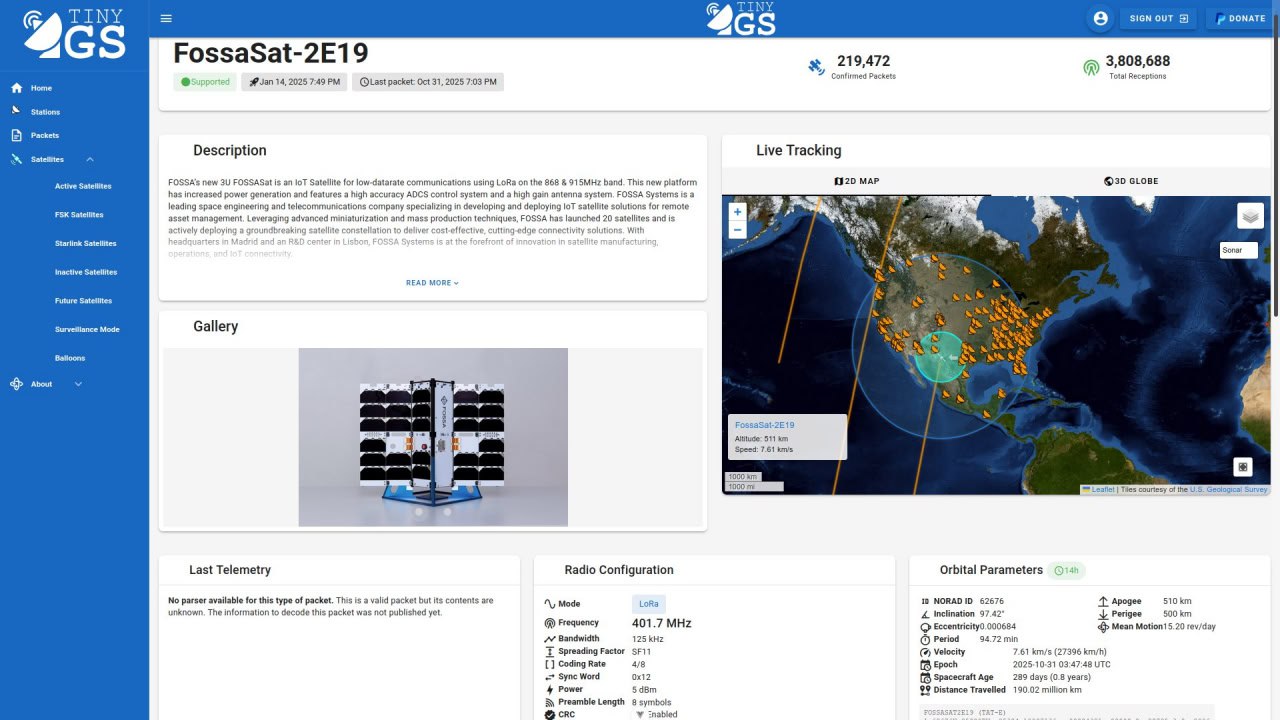
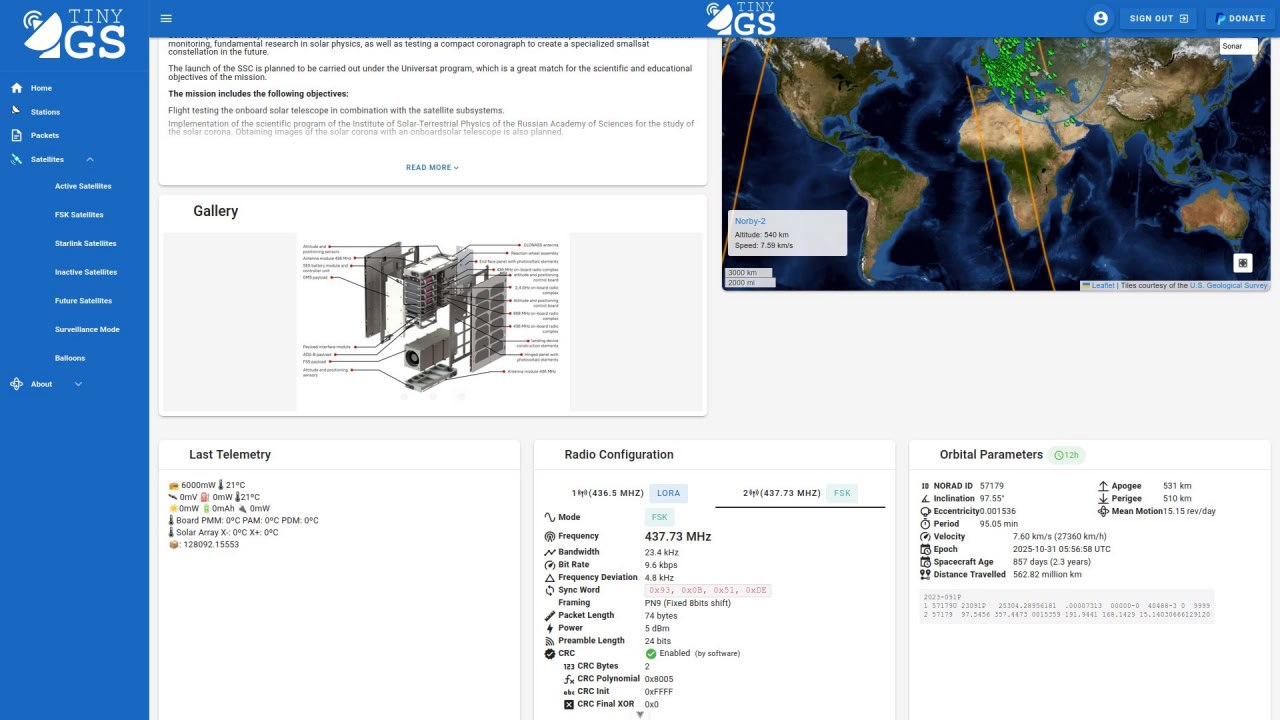
- G4lile0 mentioned that they are working hard on a new TinyGS web release and asked for feature requests for Christmas. Stefan/OE6ISP wished for a mode-filter for autotune to select FSK only, LoRa only, or LoRa+FSK. Andre suggested an option to exclude tianqui/gaofen. Stefan/OE6ISP replied that they already have a patch running that blocks tianqi-tuning. 🔗
- Notsure7 suggested filtering by frequency, splitting 433 into three ranges: 400, 430, and 450. Notsure7 then noted that it is harder to make good filters for such a wide range. Stefan/OE6ISP mentioned solving this problem by using high-pass filters. 🔗
- Solpiplog asked G4lile0 about getting telemetry packets via MQTT. 🔗
New Satellites
- Stefan/OE6ISP inquired about success with BOTAN, mentioning the ability to decode GMSK/AX.25 beacons with Satnogs but lacking the appropriate settings for the SX1262. 🔗
- Estbhan reported difficulties in receiving data from the BOTAN satellite, noting that it transmits only one packet per pass, making configuration checks challenging. Stefan/OE6ISP agreed that the limited opportunities are problematic and mentioned the decoder’s functionality in Satnogs, expressing intent to find more information. Estbhan later examined data from Observation#12624945 (LimeSDR), suggesting an audio file could reveal the raw data stream. 🔗
- K4KDR shared information about potential LoRa satellite missions on ‘Transporter-15,’ expected no earlier than November 10, 2025. Mentions included ‘SZESAT’ and ‘Hunity (NMHH-1),’ with links provided to IARU AMSAT-UK for details. K4KDR noted that while commercial IoT/LoRaWAN satellites will likely be encrypted, receiving the hex bytes could still be interesting for observation. 🔗
https://iaru.amsat-uk.org/finished_detail.php?serialnum=1000
https://iaru.amsat-uk.org/finished_detail.php?serialnum=988 - Massimo asked for tips regarding a setup that isn’t currently receiving packets, providing photos of the setup. Stefan/OE6ISP responded that the antennas appear unsuitable for the task, being designed for handheld devices and lacking a ground plane, possibly not even for the correct frequency. Stefan/OE6ISP suggested a ground plane antenna with clear sky visibility and pointed out the discussion belonged in a different thread. brdwifi suggested a quadrifilar antenna for 433 MHz, reporting an average of 500-700 packets received and advising against placing antennas too close to obstacles. 🔗
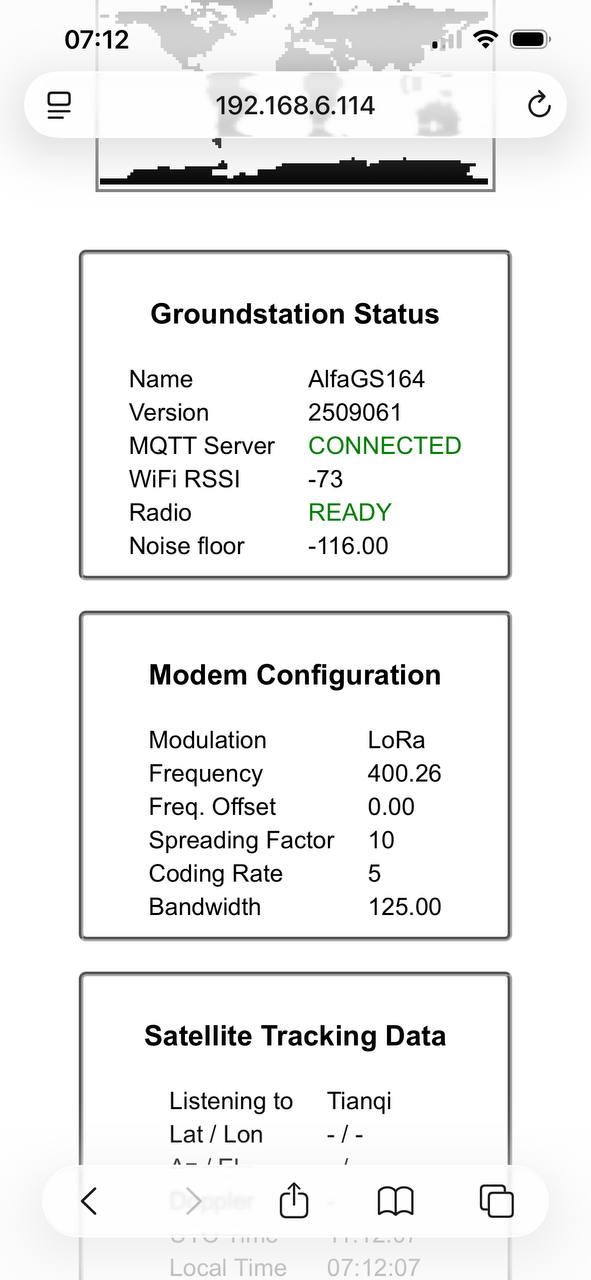
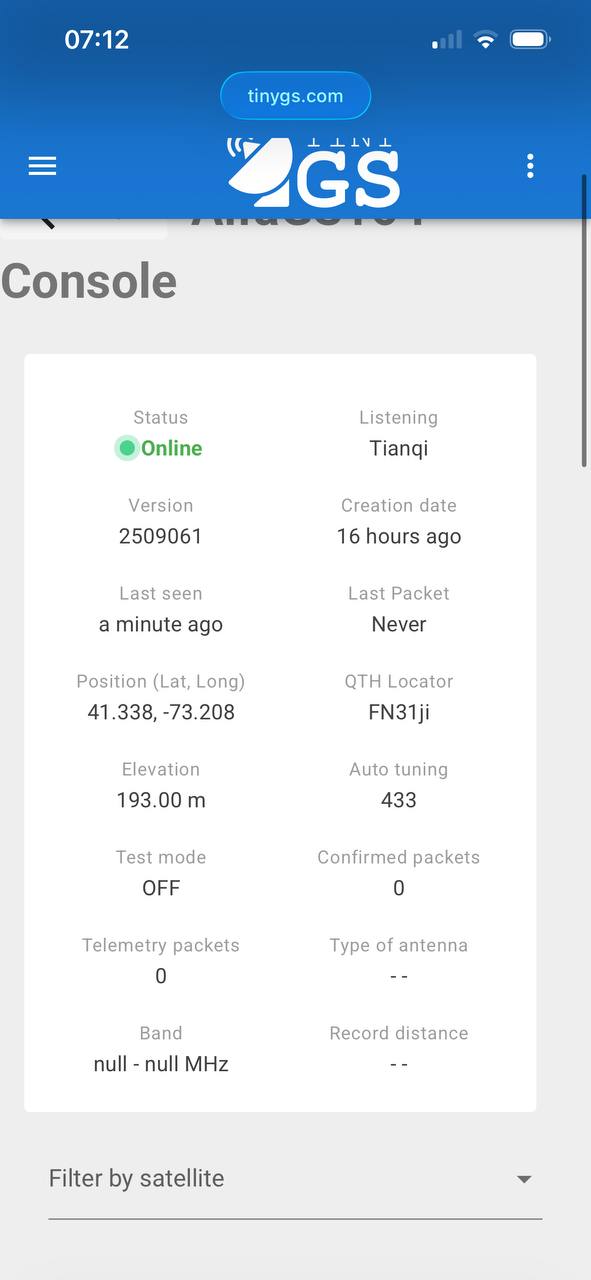
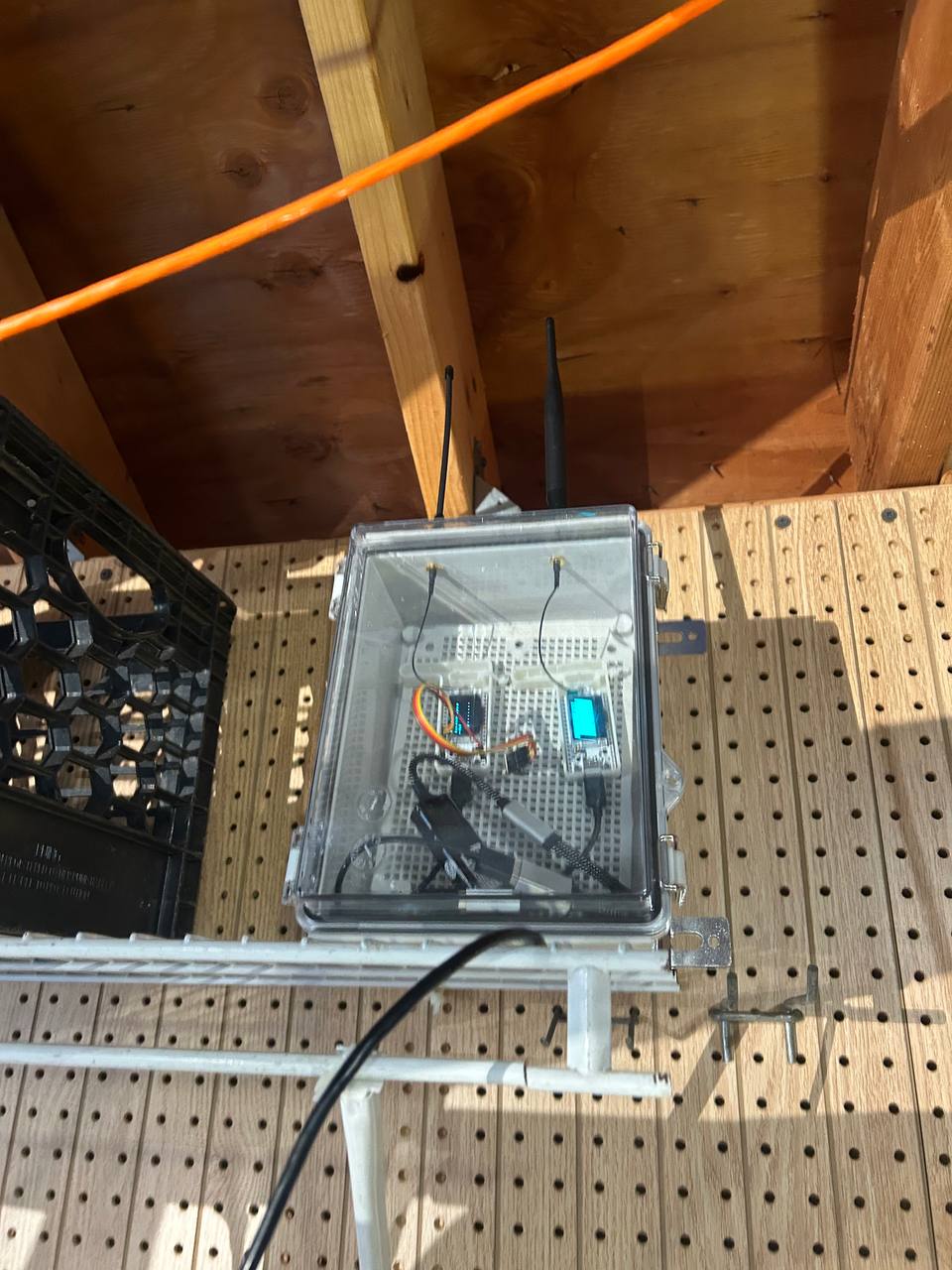
- Estbhan and Stefan/OE6ISP discussed the encoding and decoding process for a satellite signal. Stefan/OE6ISP shared an image that looks like NRZ. Estbhan explained the potential complexity involving NRZS coding, HDLC framing, and X^17+X^12+1 scrambling, noting that the AX.25-HDLC-NRZS part is already integrated in TinyGS. Estbhan mentioned that the work for the de-scrambling is in progress. Stefan/OE6ISP acknowledged the complexity, and Estbhan suggested decoding three bytes by hand to get a synchword. 🔗

- G4lile0 shared upcoming launch details for potential compatible satellites, including the Bandwagon 4 Rideshare launch on 25-11-02, Transporter-15 Rideshare launch on 25-11-10, and Cornell’s Alpha CubeSat Mission (Lora) on 25-12-01. 🔗
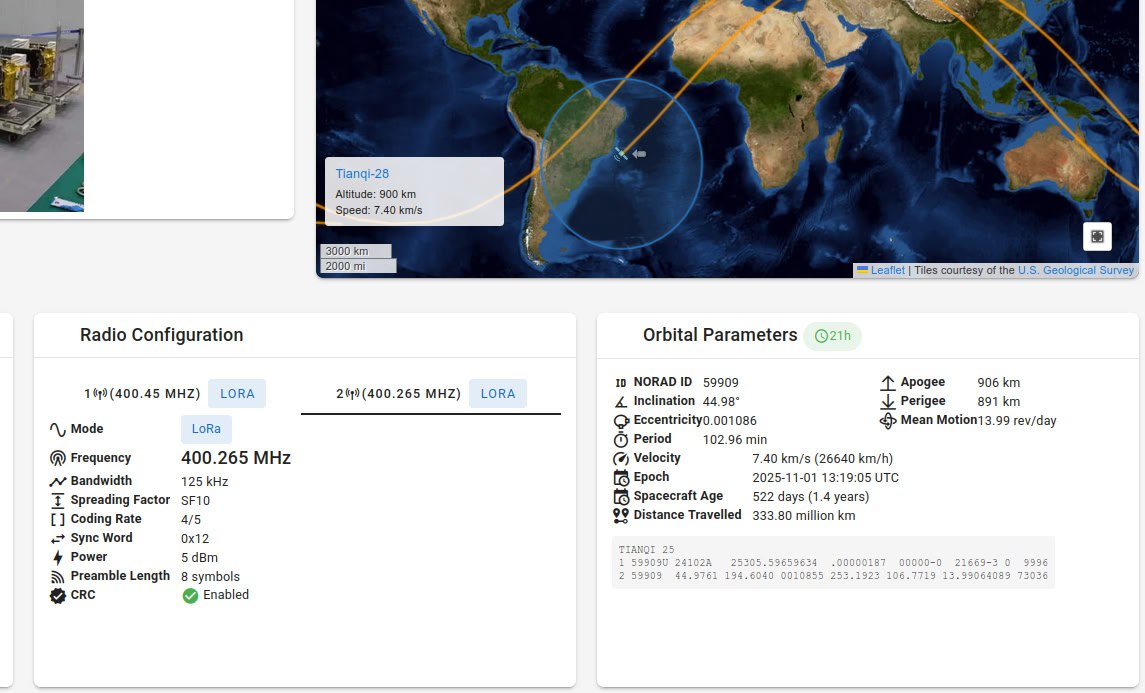
- PE2BZ asked about 63174 QIANFAN-88 on 400.265 MHz, noting it appeared to be 125 kHz LoRa based on strf results, and included an image of the signal. 🔗
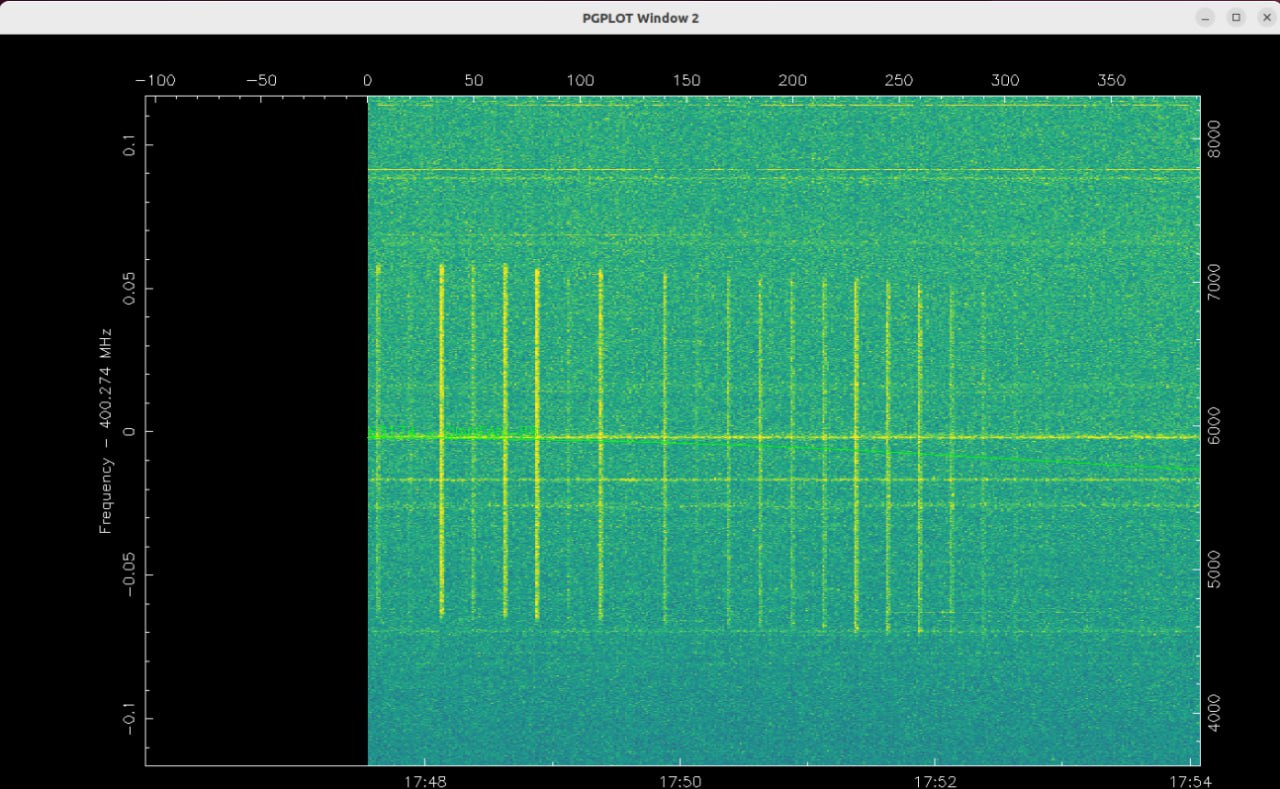
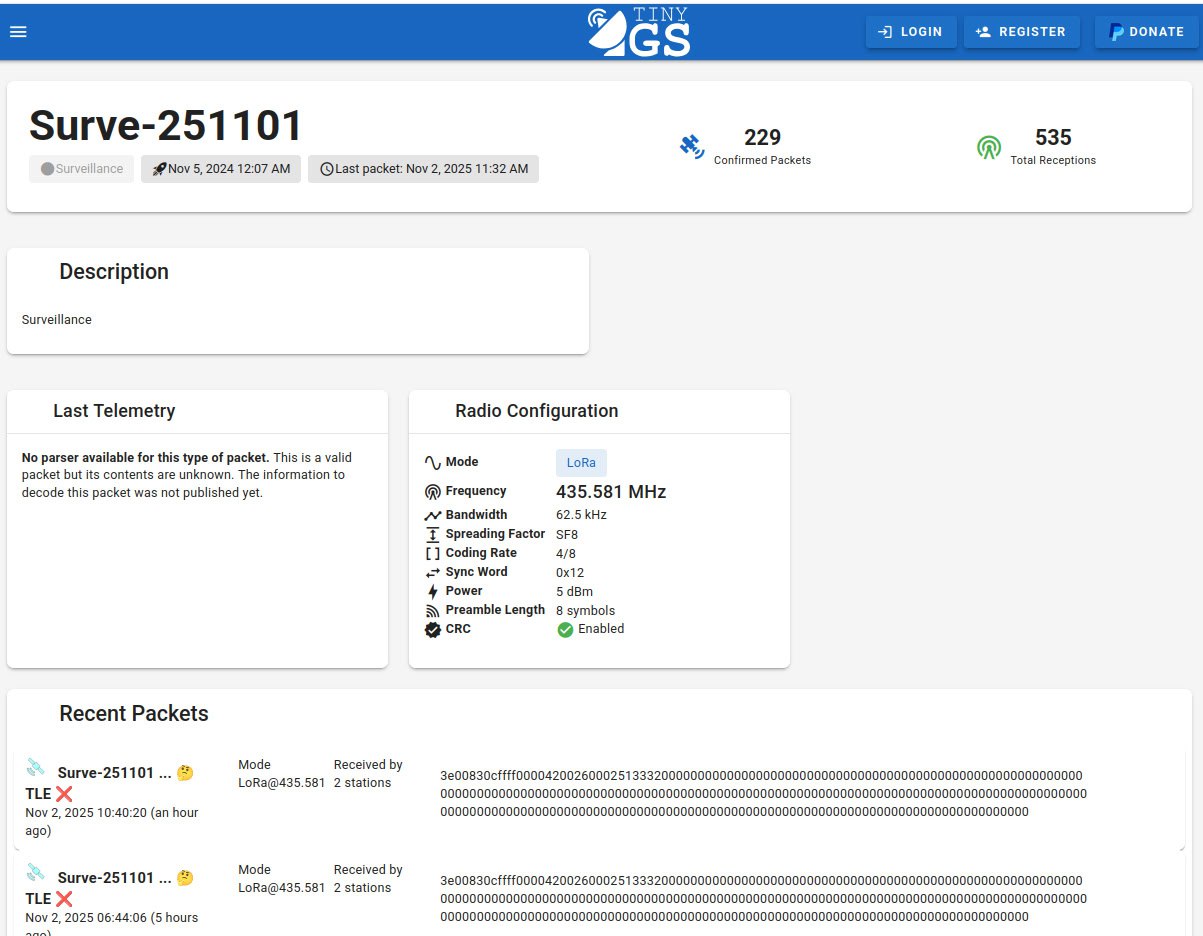
- G4lile0 confirmed that the signals matched the Tianqi 2nd modem configuration, and shared an image. G4lile0 also reported that Surveillance Mode found a possible new satellite signal and is tracking it closely, noting the initial TLE match failed, suggesting multiple objects, and included an image. 🔗
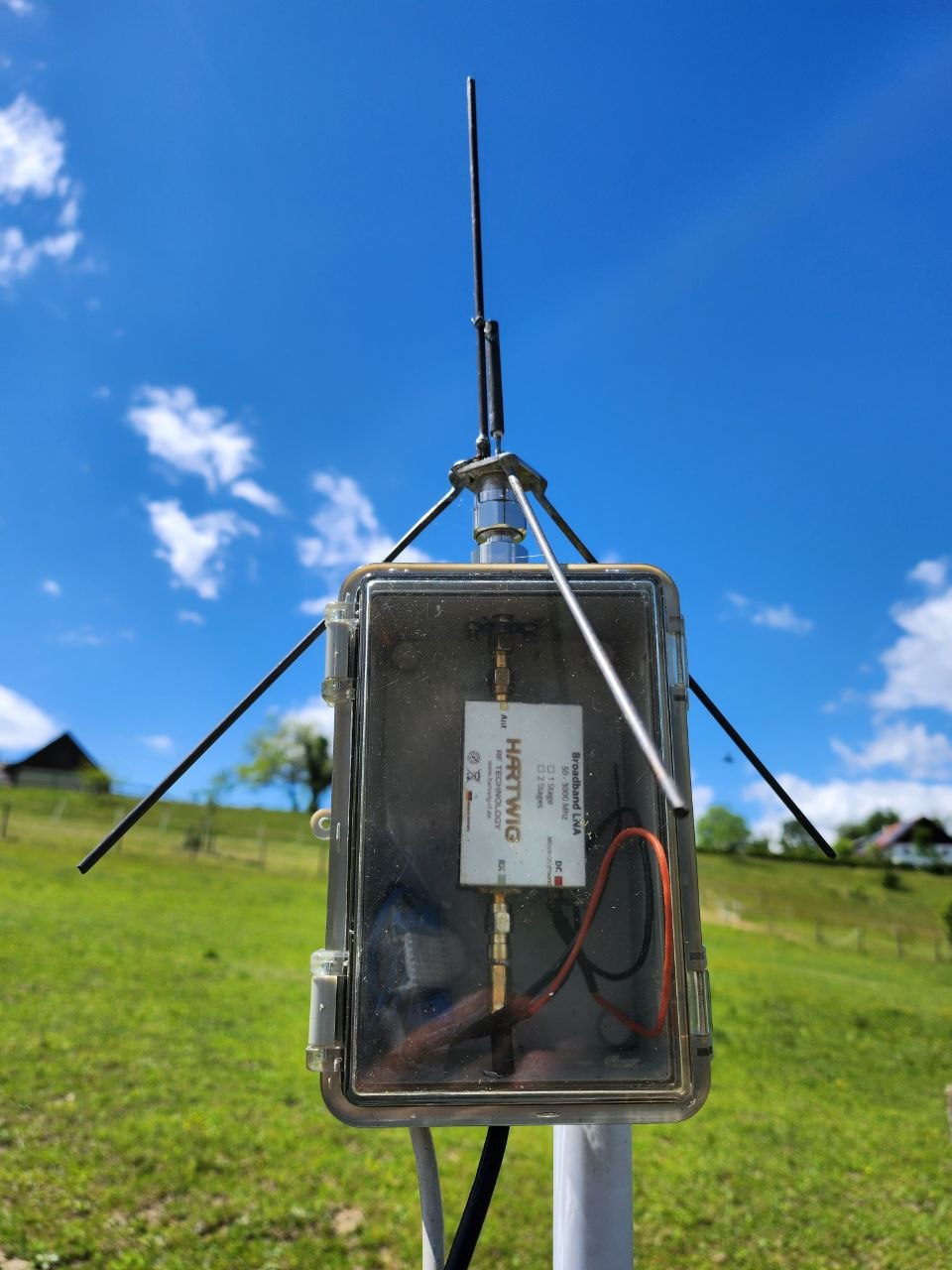
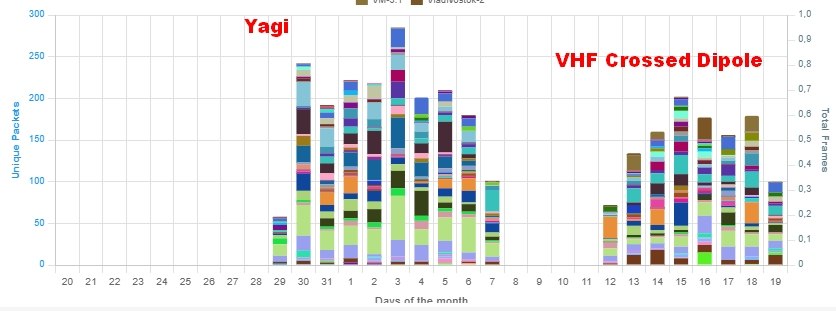
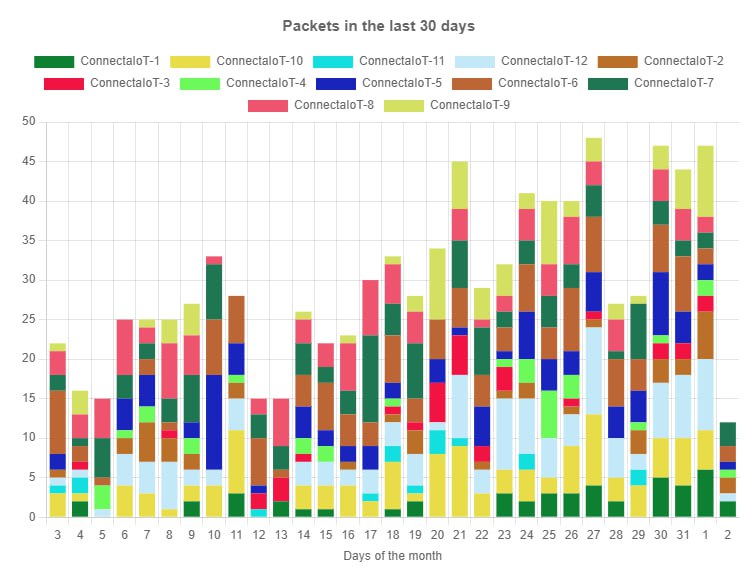
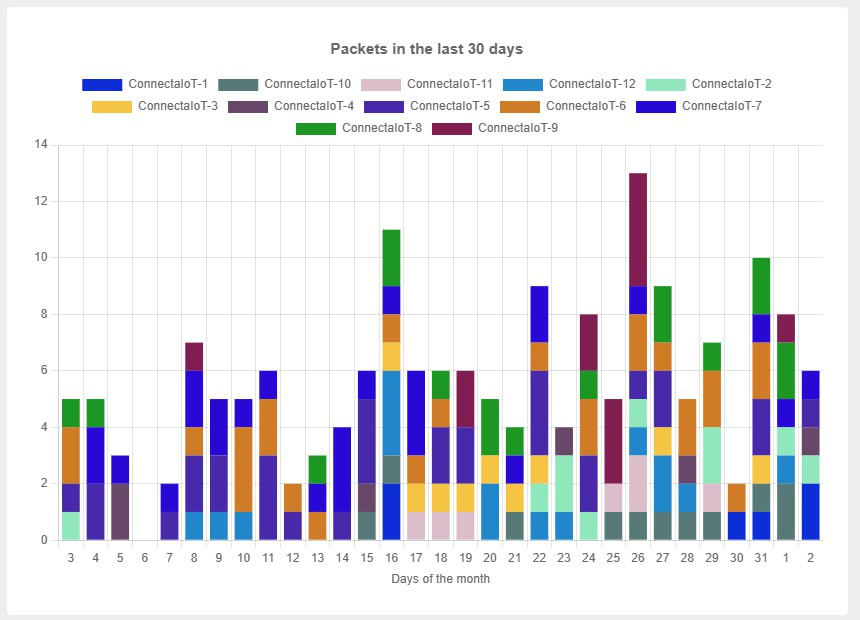
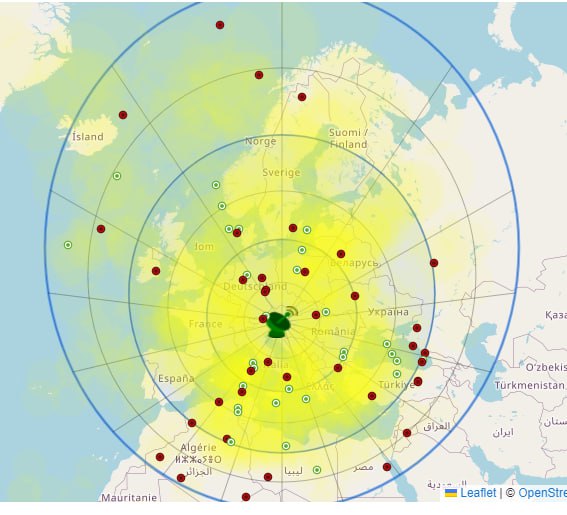
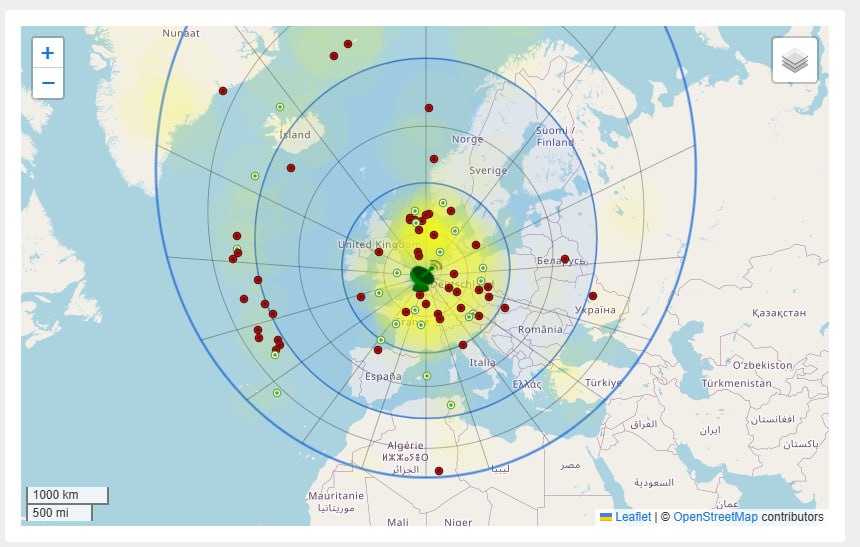
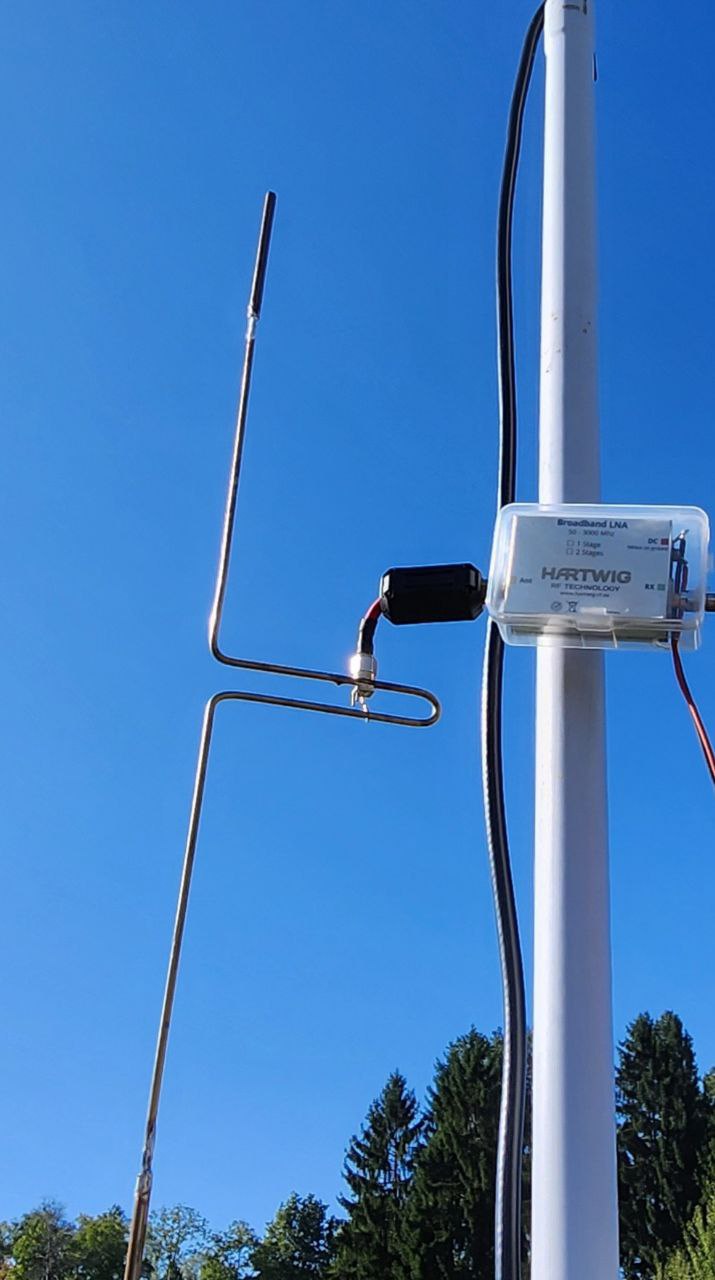
- Stefan/OE6ISP reported increasing activity on 800MHz over the last two weeks, with packet counts nearly doubling, and included an image. PE2BZ then mentioned that their filtered preamp improved reception, but didn’t get the same numbers, and shared an image indicating when the preamp was changed. PE2BZ also mentioned using a Helical antenna. Stefan/OE6ISP responded that they did a lot of testing with a SAW filter and are now running without filtering due to insertion loss, suggesting trying a groundplane antenna, and shared a heatmap image. PE2BZ shared an image of the helical antenna setup. PE2BZ asked if any satellites above 890 MHz were being received. Stefan/OE6ISP theorized that heatmaps of all stations on 800 look similar with a hotspot at high elevations, a ring at 1700km range without reception, and some packets at very low elevations, suggesting interferences and reflections. PE2BZ considered testing a small LoRa yagi pointing upward. Stefan/OE6ISP suggested a 2x5/8 collinear antenna, noting it works well with gain at low elevation, and included an image. 🔗
Balloons
- Joshua requested an update to the “ChipSats” page with a new ksy file containing more conversions for decoding satellite telemetry. 🔗
https://cornell.box.com/s/l01wn9u4ii9lpfz1lq16bgs8cxdesmrv - Joshua mentioned they didn’t change the KSY beyond the conversions at the end and can take a new recording. They also tested a spare ChipSat, but the data only appeared on their station dashboard and not the satellite page. K4KDR suggested that the admin might need to enable it as an ‘active’ object. G4lile0 confirmed that the ChipSats packets are now coming through after fixing an anti-scrapping delay filter and will update the kaitai this weekend. Joshua confirmed that he can see the data now and retested successfully. 🔗
Antenna Building
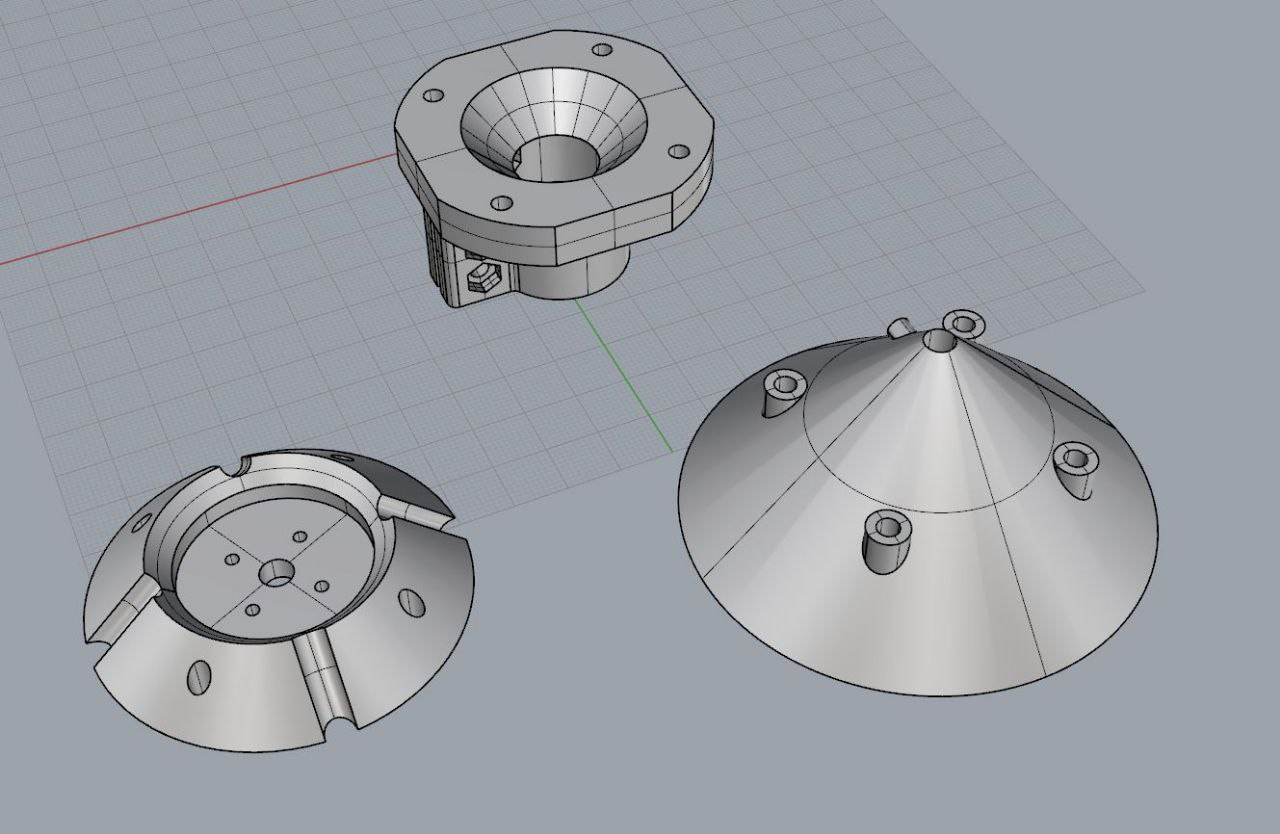
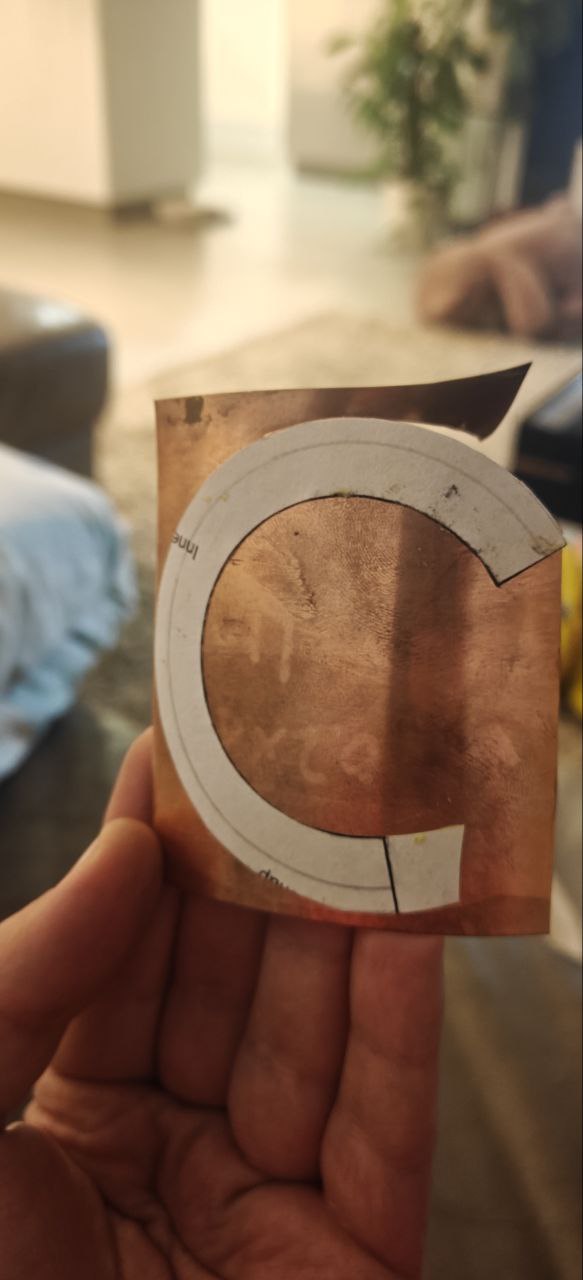
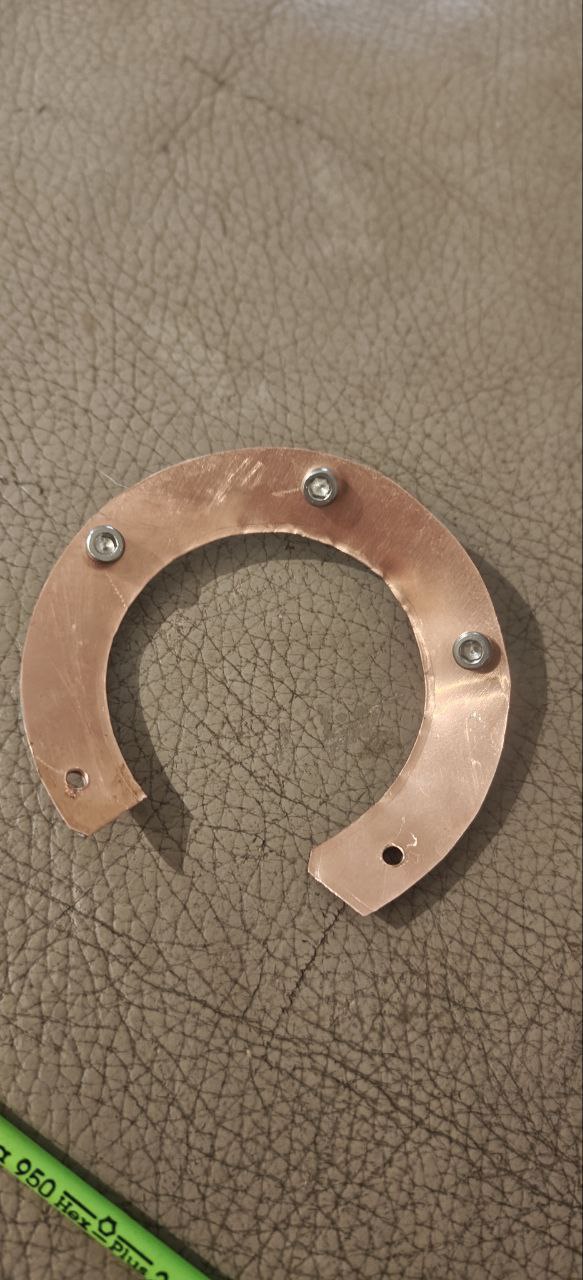
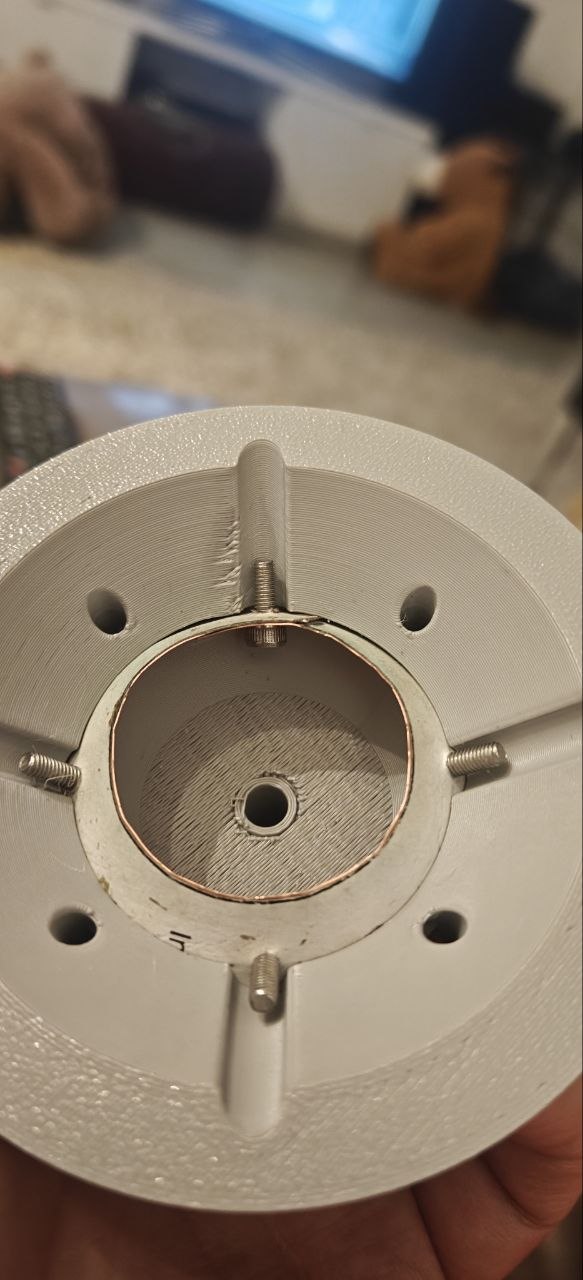
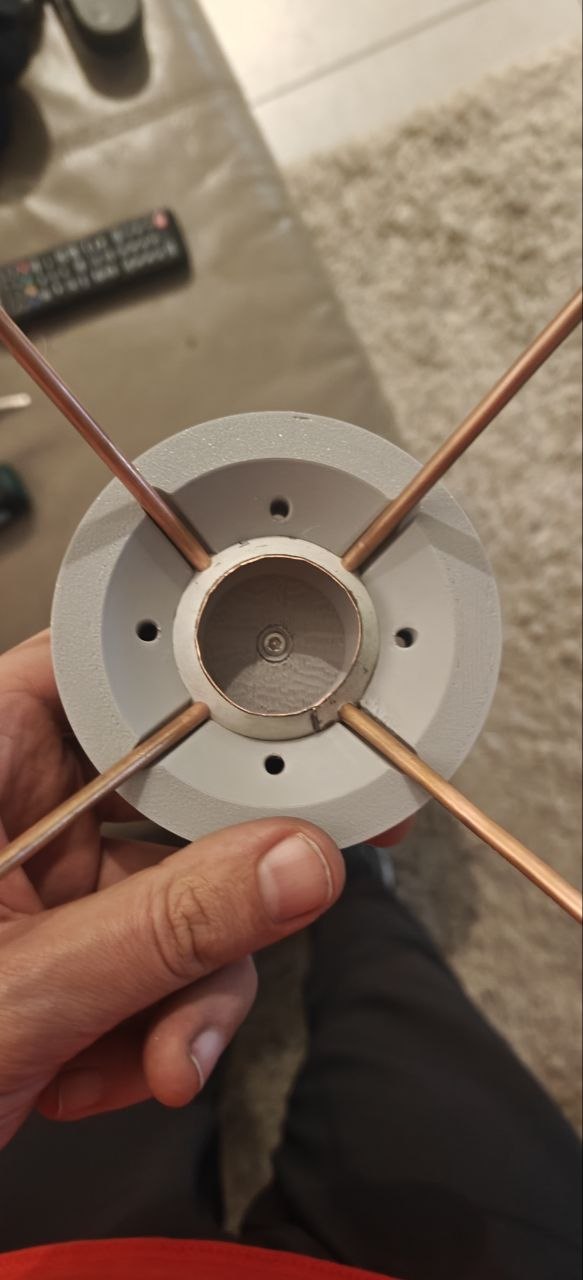
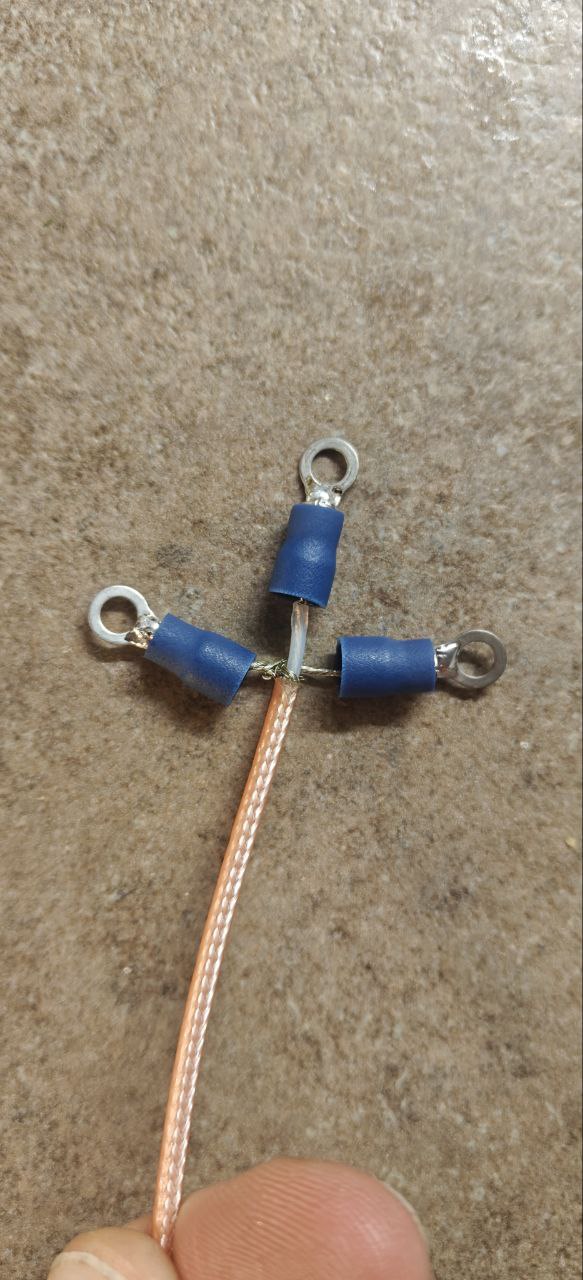
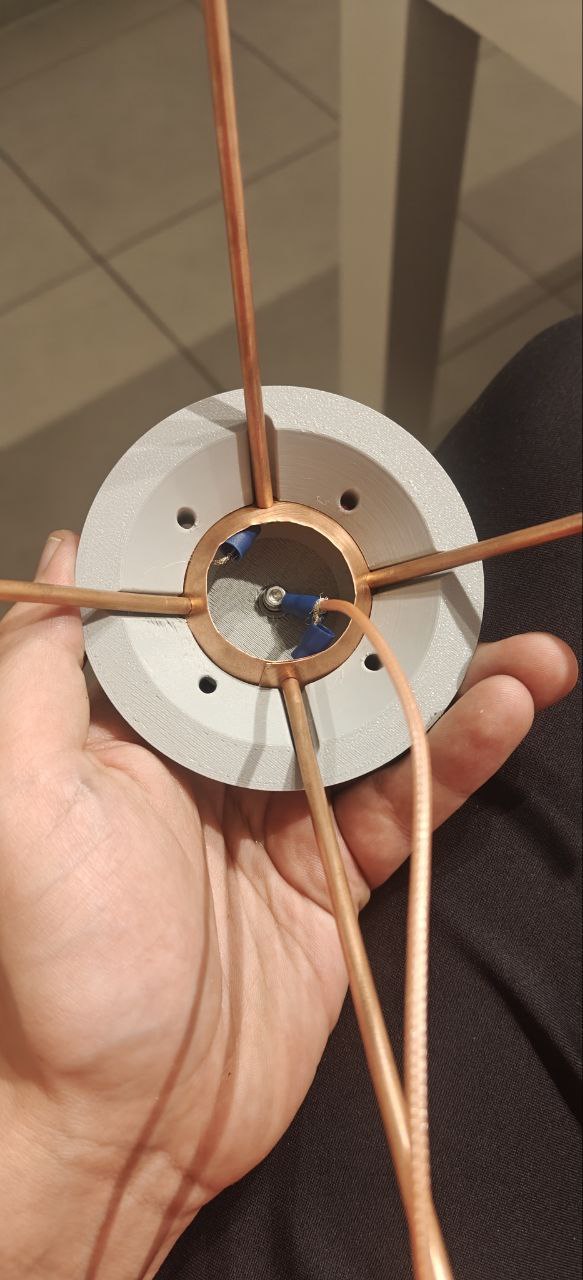
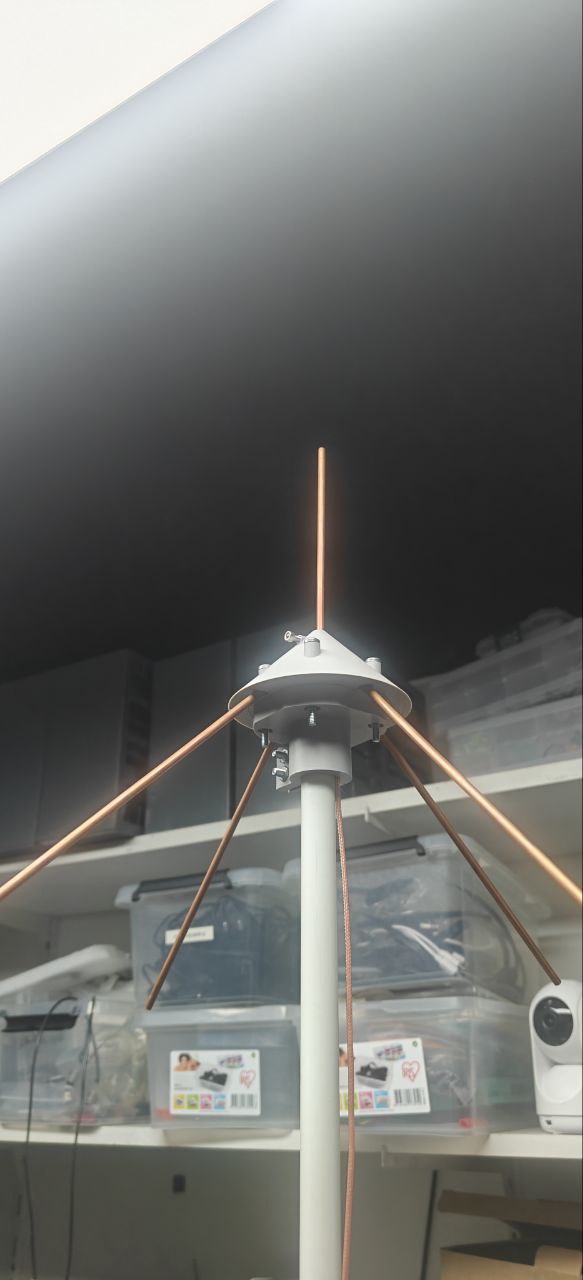
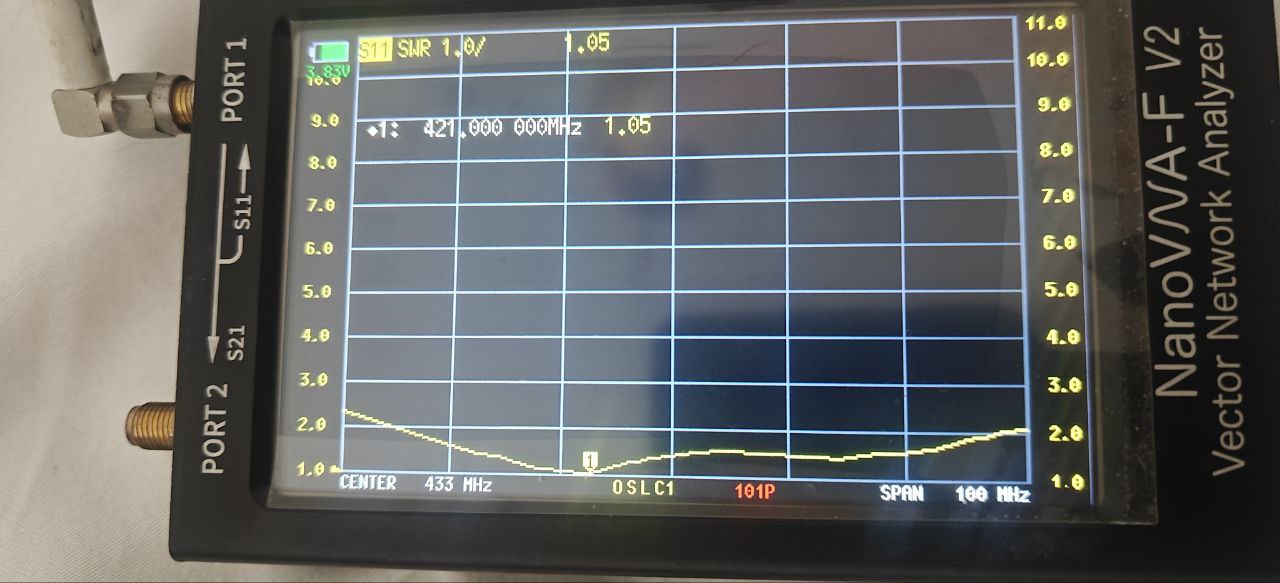
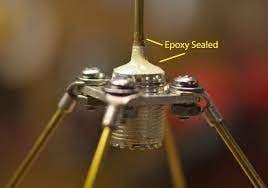
- Tiberius shared photos of a new 3D-printed 70cm ground plane antenna, mentioning the conductors were made from soft copper tubing and tuned to 420MHz for APRS testing. He also provided a link to the model and described the challenges faced during assembly, including soldering terminals and breaking one in the process. ra3tox questioned the complexity, suggesting it’s easier to use a connector, to which Helmi responded that Tiberius likely wanted to test the new 3D printer. 🔗
https://makerworld.com/models/137049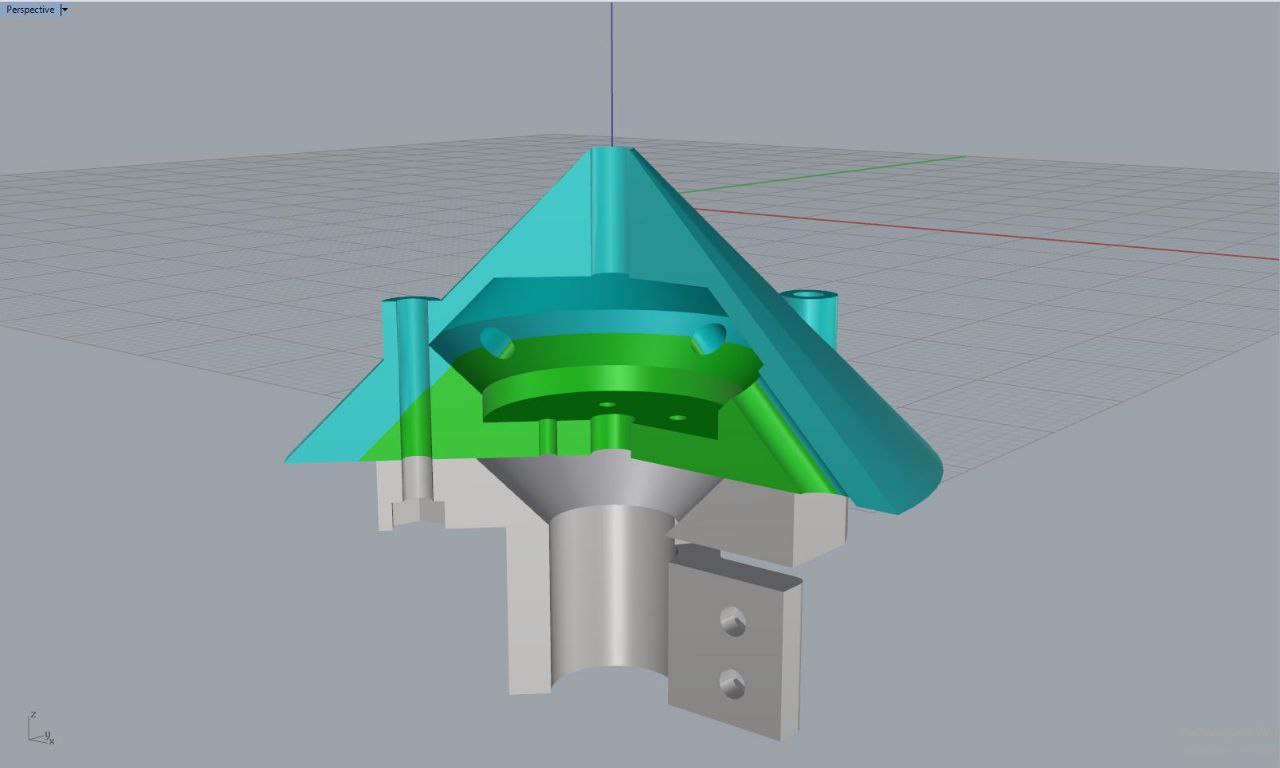
- riftron asked if anyone in the Bay Area has access to an Adalm Pluto SDR for an emergency. 🔗
- Tiberius discussed the challenges of antenna building, including the need to get creative due to a lack of spare chassis connectors. They found ring terminals not rigid enough and are using a 3D-printed enclosure for 45° radials, which are protected from the elements. Helmi suggested that the radials don’t need to be at 45 degrees and offered alternative construction methods using spare RF connectors, soldering, epoxy, or wire. Helmi also suggested soldering the radiation rod directly to the coax conductor and the ground rods directly to the shield, prioritizing function over aesthetics. Tiberius mentioned needing a good SWR because they also use it for APRS. 🔗
Announcements
- G4lile0 announced that the service would be down for maintenance for a few minutes. 🔗
Featured Conversations
- The community discussed filtering options for antenna setups, exploring ways to limit reception to specific UHF ranges to improve signal capture and reduce interference from unwanted frequencies. High-pass filters were suggested as a solution.
- Updates on satellite tracking were shared, including the identification of signals matching the Tianqi 2nd modem configuration. Additionally, a possible new satellite signal was detected and is being closely monitored.
- Increased activity on 800MHz was reported, with packet counts nearly doubling. This surge in activity suggests potential new satellites or increased usage of existing ones in that frequency range.
- Antenna configurations and their impact on signal reception were discussed, with users sharing their experiences with helical, ground plane, and collinear antennas, as well as the use of SAW filters and preamps.
- A user is planning a TinyGS workshop for young people, focusing on using telemetry data to educate about satellite construction and operation, particularly for Cubesats.
What’s next
Join the TinyGS Telegram channel to participate in these discussions and contribute to the project. Your experiences and insights can help others build and improve their stations!
Share: