· TinyGS Community · 14 min read
Weekly Newsletter - October 26, 2025
Welcome to the TinyGS weekly community newsletter. Here are the most relevant discussions and developments from this week.
Highlights
General
- wifibrd noticed that the TinyGS web interface shows tracking data from the received satellite and inquired about outputting this data via GPIO to build an automatic Yagi antenna positioning system for azimuth and elevation control. 🔗
- Z followed up on a previous question, asking if tinyGS is open source to allow users to build more complex projects. 🔗
- igordutra reported issues configuring an old LoPy (ESP 32 + sx1272), mentioning that it crashes when trying to update the advanced settings, and asked for tips or recommendations. Helmi suggested checking if Python is active after installing the TinyGS firmware and recommended connecting a terminal program to the USB to check. igordutra confirmed being able to connect to the USB. 🔗
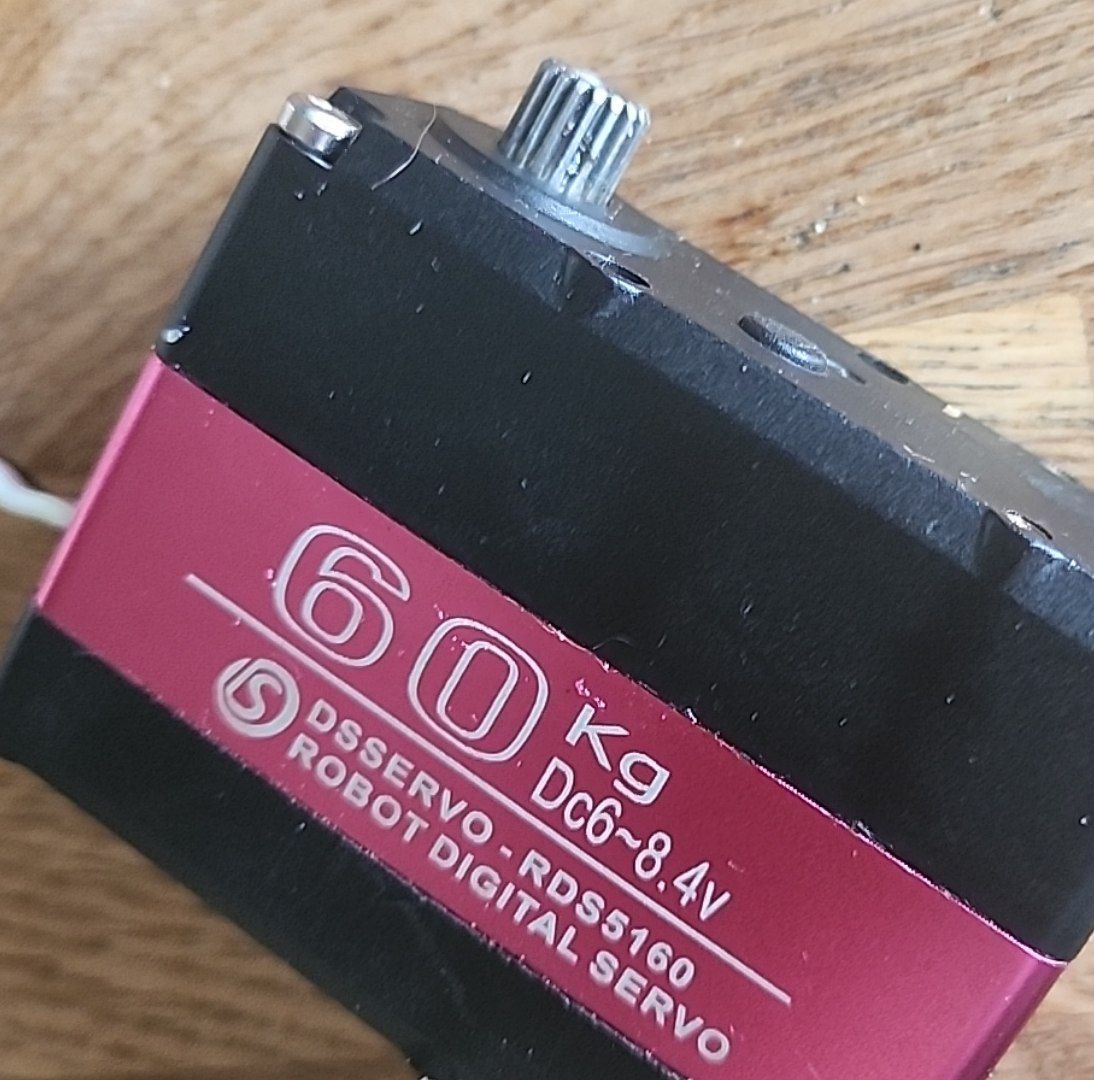
https://www.farnell.com/datasheets/2571932.pdf - Stefan/OE6ISP mentioned a simpler method for controlling a servo directly using 2 GPIO-pins for outputting the positioning pulses for 2 digital servos, computing the pulse-width from the tinyGS az/EL values. He added that digital servos only need a single pulse to get into position and hold it. He also shared a photo of cheap servos used for his arrows crossyagi rotator and linked his QRZ page for more details. 🔗
https://www.qrz.com/db/OE6ISP - Daimon a new TinyGS user from the UK using a Heltec v2 board and an external 2m/70cm antenna, reported not receiving any packets. He included a screenshot showing errors and asked if the large frequency error could be the cause and if the LoRa chip could be calibrated. Dennis suggested manually selecting the board in the config panel if auto-detection failed. 🔗
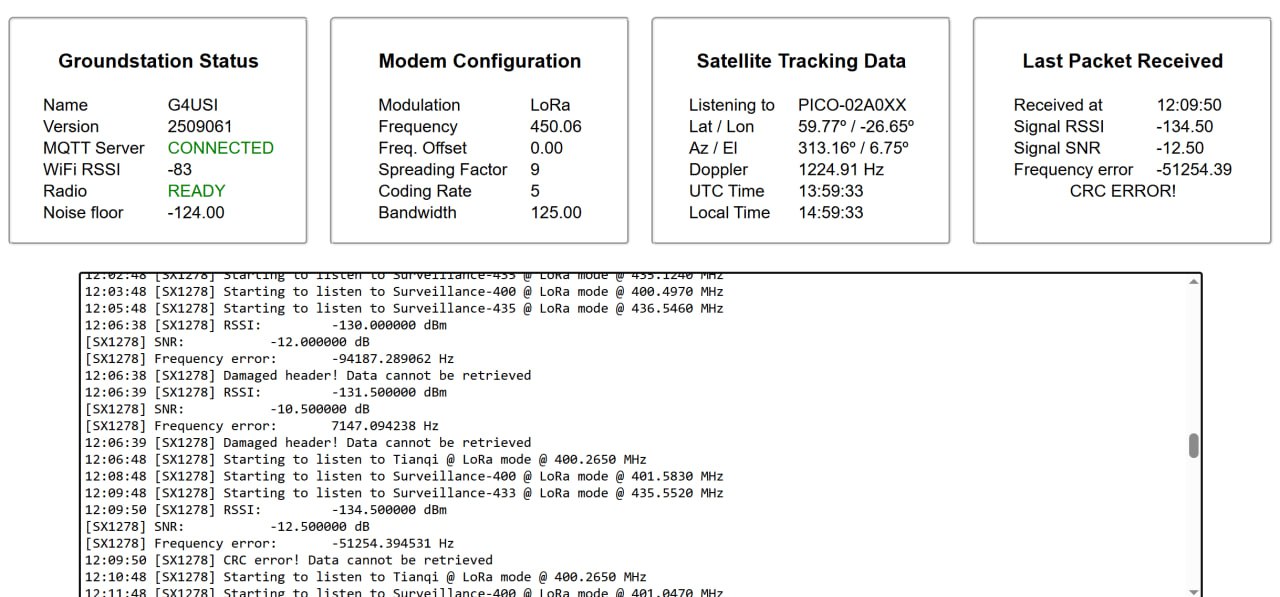
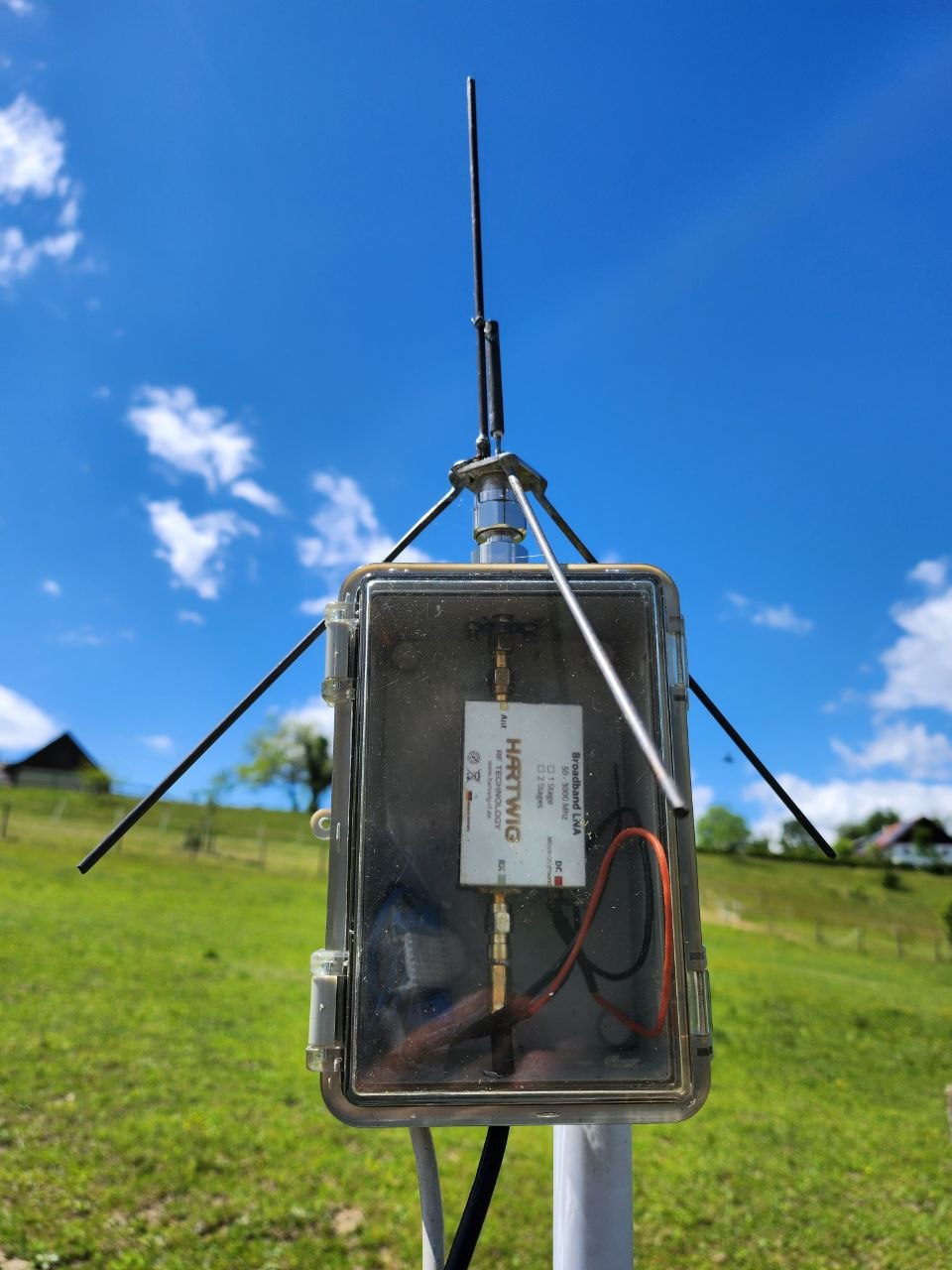
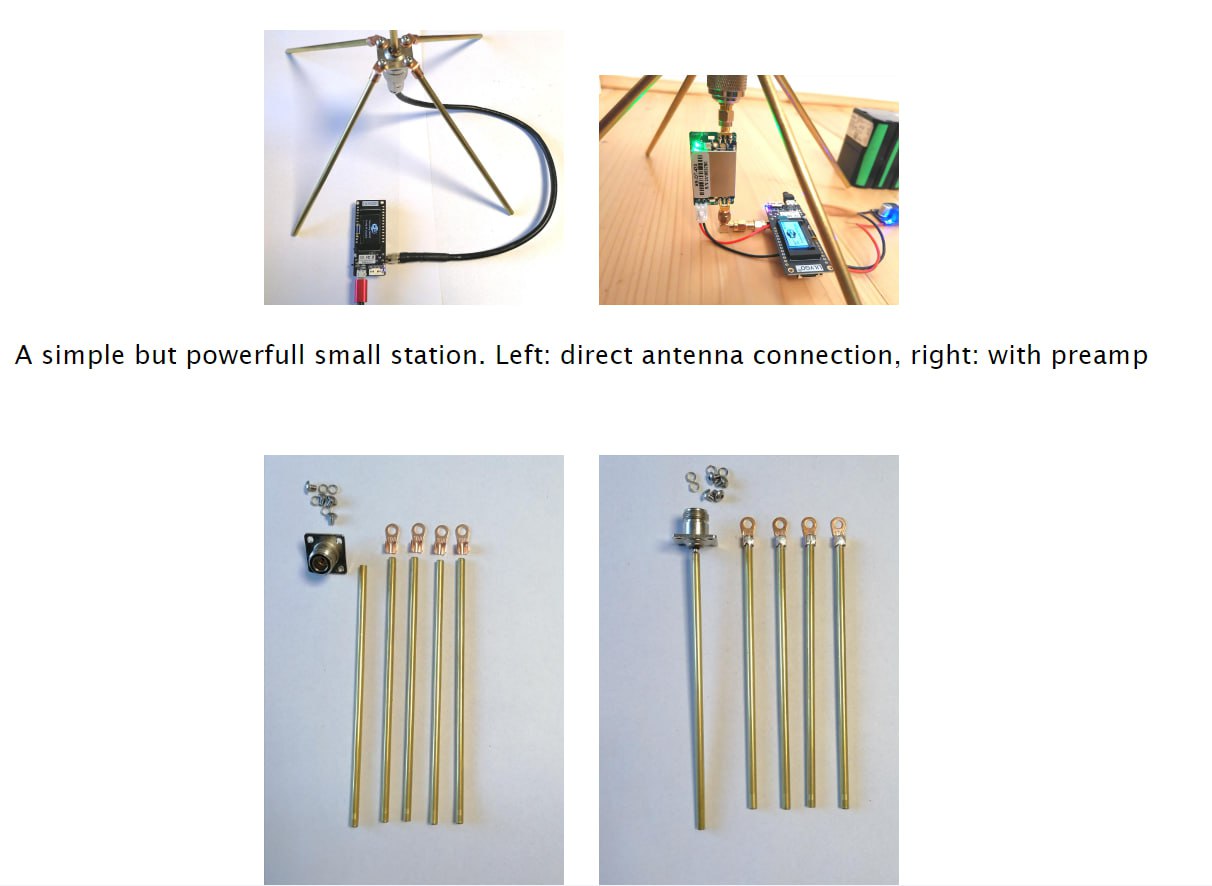
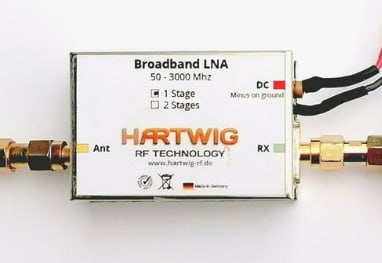
- Stefan/OE6ISP responded to Daimon, explaining that the frequency error is mainly due to doppler and the board should handle it. He suggested checking cables and connectors due to a high noise floor of -124dB, indicating a possible broken connection. He also mentioned that packets with large frequency errors are likely caused by noise. Daimon mentioned using 10m of RG58 cable to a home-made slim Jim antenna and planned to test with a shorter cable and different antenna setup. Stefan/OE6ISP advised that 10m of RG58 is too long and causes unacceptable signal loss, recommending shorter, low-loss cables. He shared his setup as a reference and noted that some HAM antennas might cut off lower frequencies, causing issues. Daimon then inquired about preamp recommendations and noise floor levels, to which Stefan/OE6ISP responded with his noise floor measurements with and without a preamp, and suggested some preamp options, including a cheap LNA with HP-filter and more expensive low-noise amplifiers requiring an external filter. Daimon asked about antenna choices (eggbeater vs 1/4 GP), and Stefan/OE6ISP recommended a GP antenna for general purposes, noting its versatility and sharing his groundplane setup. 🔗
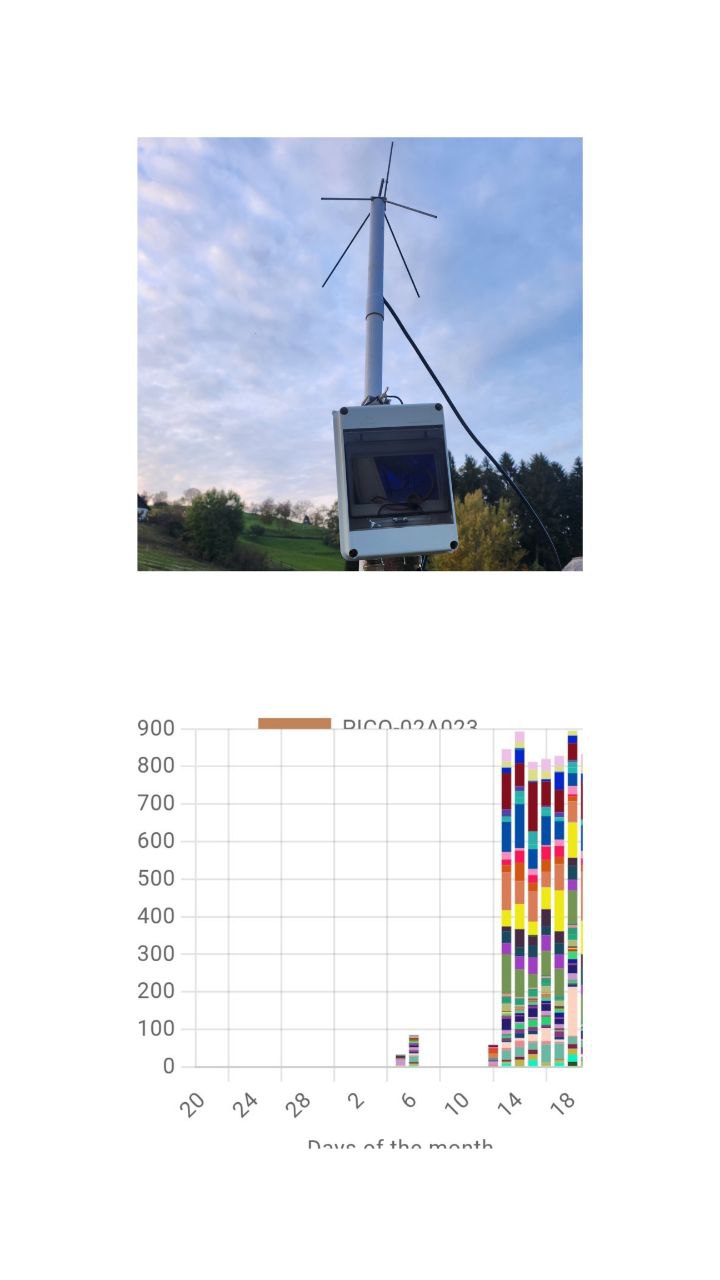
- wifibrd asked about servo control within the TinyGS web interface, specifically where the az/el values are available for output in the TinyGS code, if there’s an example or function for generating servo pulse width from these values, and whether to connect servos directly to ESP32 GPIO pins or use a driver board. They also inquired if a Yagi antenna is optimal for satellite tracking compared to helix or patch array antennas. 🔗
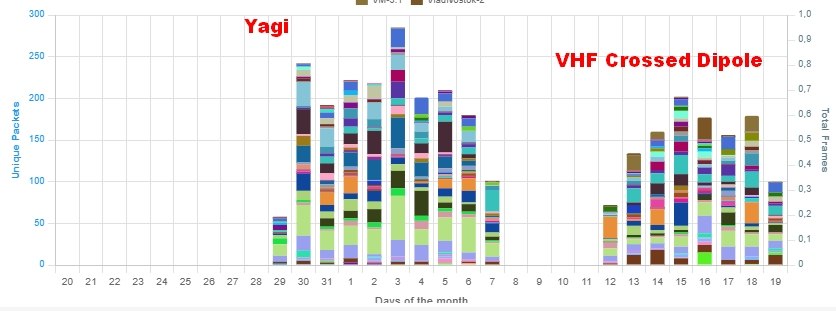
- Stefan/OE6ISP answered the antenna question, suggesting a GP antenna for general use, highlighting its performance with LNA and filter, achieving up to 1000 packets a day. They mentioned Yagi antennas are only necessary for satellites with weak signals and circular antennas can help stabilize weak signals, but some signals of tumbling sats might be lost. They shared their antenna setup and a link to their QRZ page for advanced setups, recommending the GP station for everyday use due to its simplicity, cost-effectiveness, performance, and robustness. Later, provided details on using Radi.cpp for servo control, explaining how to send Az and El to the COM port or generate pulses, mapping angles to pulse widths for servo control, and decoupling servo lines from the Lora board with an optocoupled driver. 🔗
https://www.qrz.com/db/OE6ISP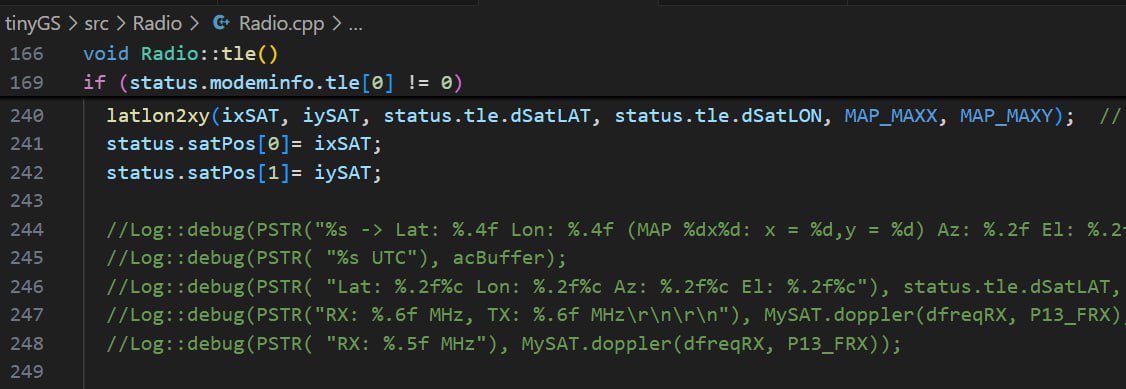
- Helmi reminded users to consider Stefan/OE6ISP’s quiet surroundings when comparing received packet numbers, emphasizing the absence of disturbances and noise in their location. 🔗
- fparodo asked about the maximum cable length between a LilyGO 433Mhz and a DELOCK-12565 433 MHz SMA male antenna at 3 dBi for TinyGS configuration. 🔗
- Stefan/OE6ISP advised on cable length, suggesting a maximum of 1-2m of RG58 (though not recommended) or 3-4m of low loss AIRCELL 7 or M&P hyperflex 5,7 for good results without an LNA at the antenna. They recommended low-loss cables due to their affordable price, suggesting M&P sma-connectors for 7mm cables to avoid N to SMA adapters and highlighting 5mm M&P as a good affordable solution. 🔗
- fparodo asked for LNA suggestions for their setup, as they are just starting out. 🔗
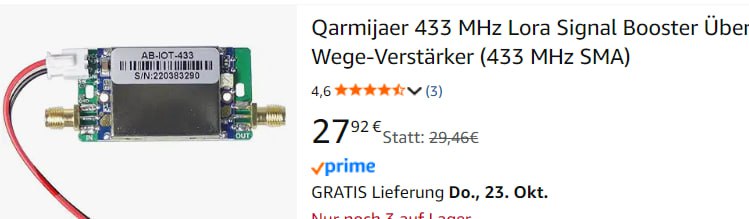
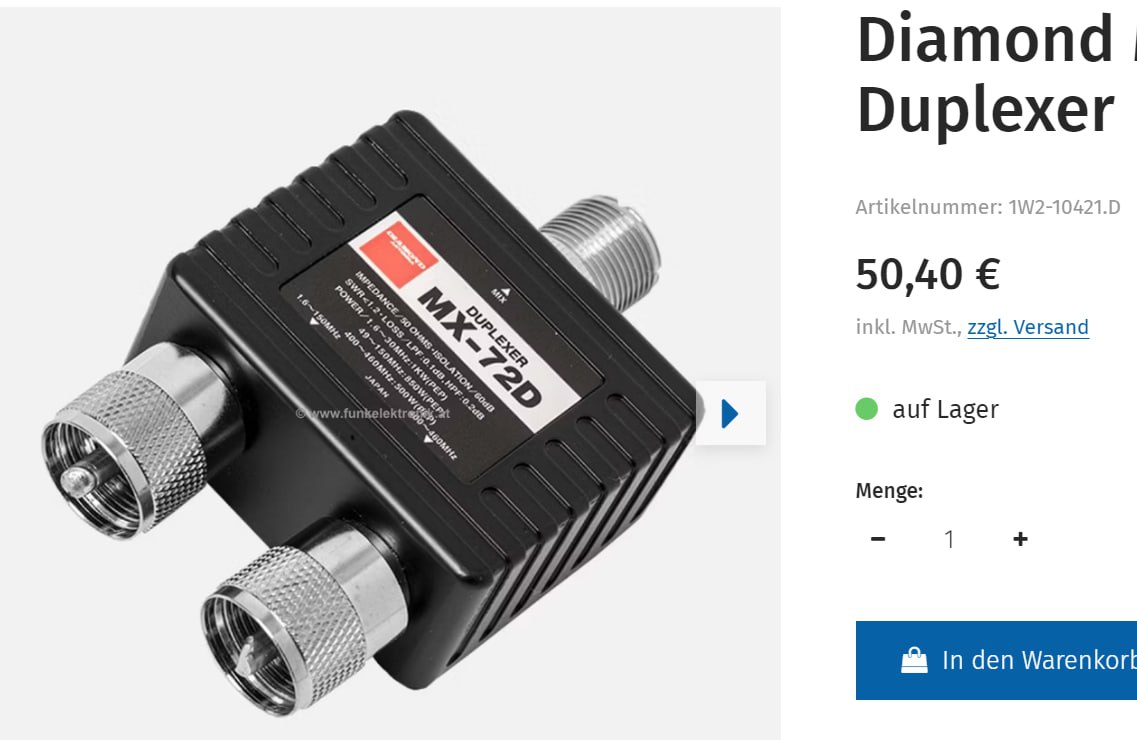
- Stefan/OE6ISP suggested a Lora-booster near the antenna as an easy solution, noting its good performance but limited durability. They also mentioned a cheap CN amp with noise less than 1dB and a Diamond-diplexer as a low-loss HP-filter as a better but more expensive solution, advising that LNAs only work in quiet areas, not in urban environments. 🔗
- Helmi pointed out a small error in Stefan’s snippet comment, noting that 360° is equivalent to 0°. 🔗
- Stefan/OE6ISP responded to Helmi and explained the inaccuracies in servo travel and angle mapping, stating that even high-end systems struggle to achieve perfect 360° accuracy. He noted that a deviation of +- 2° is generally acceptable due to the wide beamwidth of the antennas used. 🔗
- gavarres asked why step motors aren’t used for antenna rotators, questioning if it’s due to pin availability or the complexity of adding another library to the source code. He mentioned building an antenna rotator with step motors controlled by MQTT. 🔗
- Stefan/OE6ISP discussed the use of servos versus stepper motors for antenna positioning, noting that while servos were simpler to implement initially, stepper motors might introduce complexity with asynchronous tasks and position feedback. A key consideration was noise emission, where Arduinos and Raspberry Pis were identified as significant sources of QRM (radio frequency interference), leading to the placement of the Arduino away from the antenna with servos connected via coax cable. Stefan also highlighted the importance of considering 359° vs. 360° in advanced AZ solutions that handle more than 360° rotation, especially for calculating quadrant boundaries and optimizing rotor movement while avoiding mechanical limits during satellite passes. 🔗
- Cole asked about the meaning of ‘stationNumber’ in satellite packets, specifically if it indicates the number of ground stations that received the packet. 🔗
- Stuart was experiencing frequency and CRC errors, suspecting a setup issue. Helmi suggested a better antenna, explaining that the frequency error is the deviation between the satellite signal and the receiver, while the CRC error indicates a weak signal. Stuart considered adding an LNA and trying a helical antenna. Helmi advised against an LNA if no packets are being received and recommended a ground plane antenna, also asking about the antenna cable length and type. Stuart later reported resolving the issue. 🔗
- Stefan/OE6ISP inquired whether a device used a stepper motor or servo, to which brdwifi confirmed it was a stepper motor using a ULN2003A driver. 🔗
- Pauly P reported re-flashing their board but not appearing on the map, despite the board functioning properly and MQTT being on. G4lile0 initially said they could see the station on the map, but Pauly P still couldn’t. G4lile0 then suggested searching for the station on the TinyGS stations page. 🔗
https://app.tinygs.com/stations - kreatif asked about homing the position, and brdwifi replied that they are using a limit switch and just bought it, but haven’t integrated it yet. 🔗
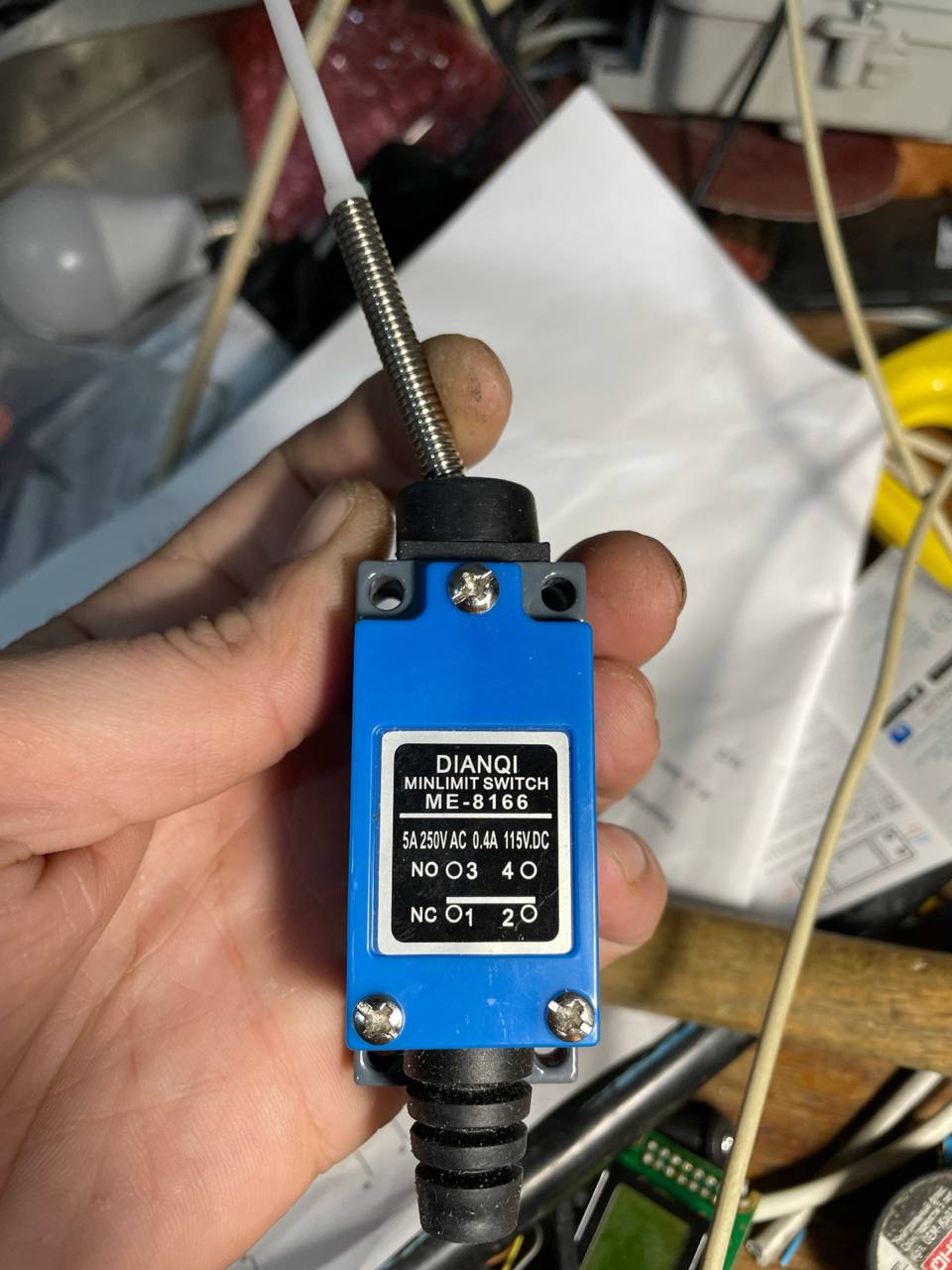
Where to buy
- K5MPH1 asked if Stefan/OE6ISP had checked out the hel-tec V4 board yet. Stefan/OE6ISP replied that he was happy with the v3 sx1262 on 3 stations and inquired about the improvements on the v4. K5MPH1 mentioned the power output, specifying 28dBm, about a 1/2 Watt. Stefan/OE6ISP said it was not important for him, but maybe other features would be. He added that from the RF-perspective it’s the same with SX1262 and the most important new features are the solar-interface and an ipex for wifi antenna. Megazaic added that it is only for 868-915, external RF chip with PA + LNA. Stefan/OE6ISP thanked for the info. Megazaic shared some photos and a video related to the topic. Stefan/OE6ISP commented that it is a nice board with interesting features, intended for use with IoT applications in the LPD band. Megazaic mentioned having bought a few and that they’re currently being tested, noting the increased output power and the noticeable effect of the LNA. Stefan/OE6ISP asked if the LNA was similar to the E-BYTE modules. Megazaic shared a photo of LNA in GC1109. Stefan/OE6ISP commented that 2dB noise is not trailblazing, but the input is bullet-proof. 🔗
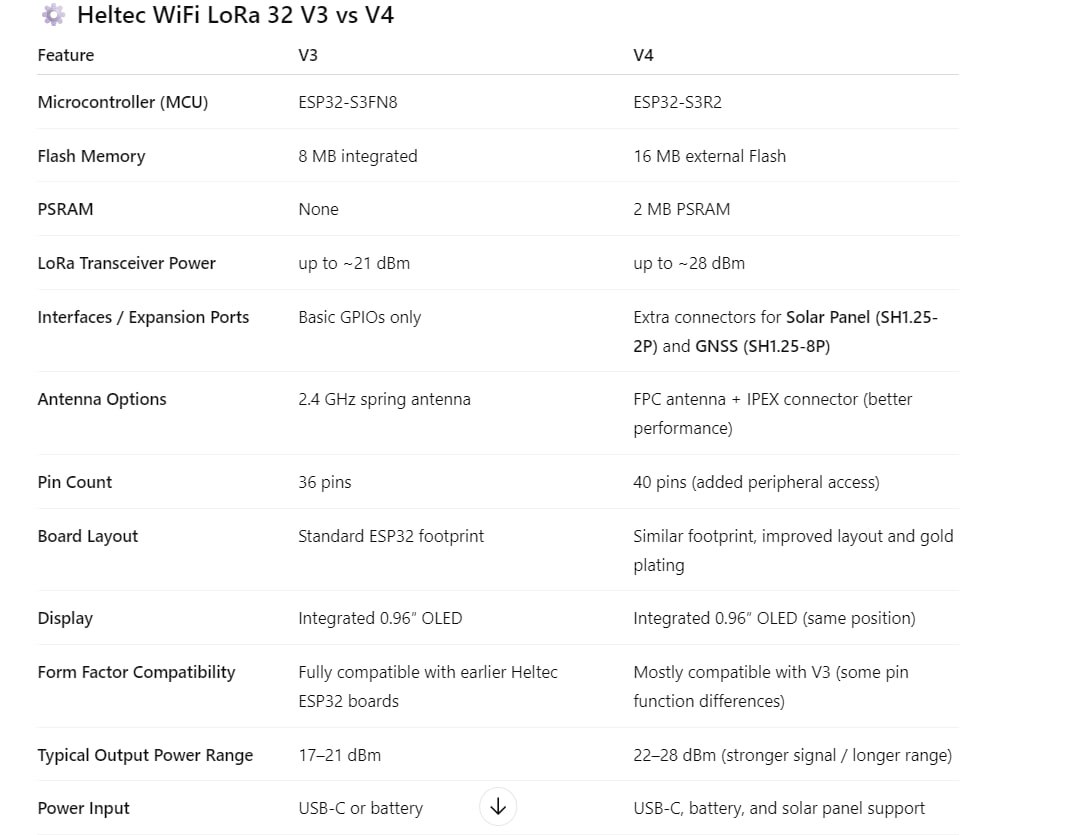
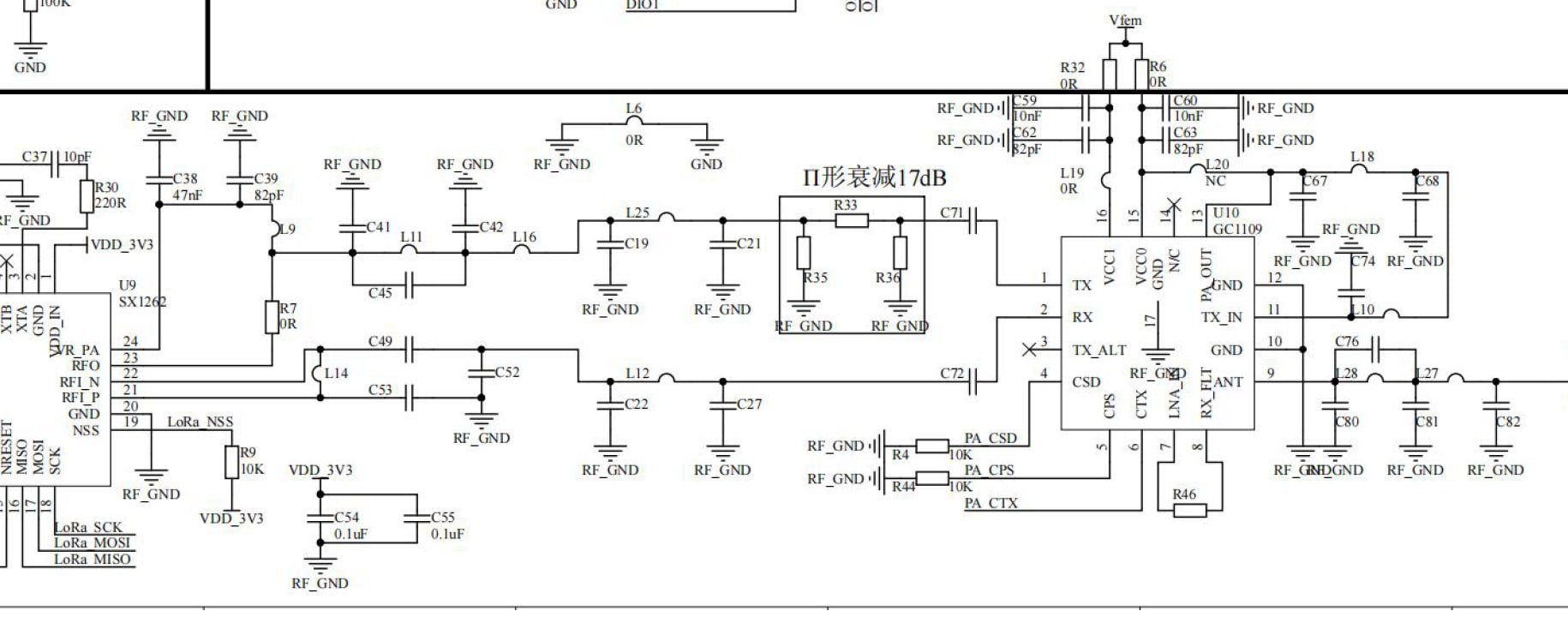
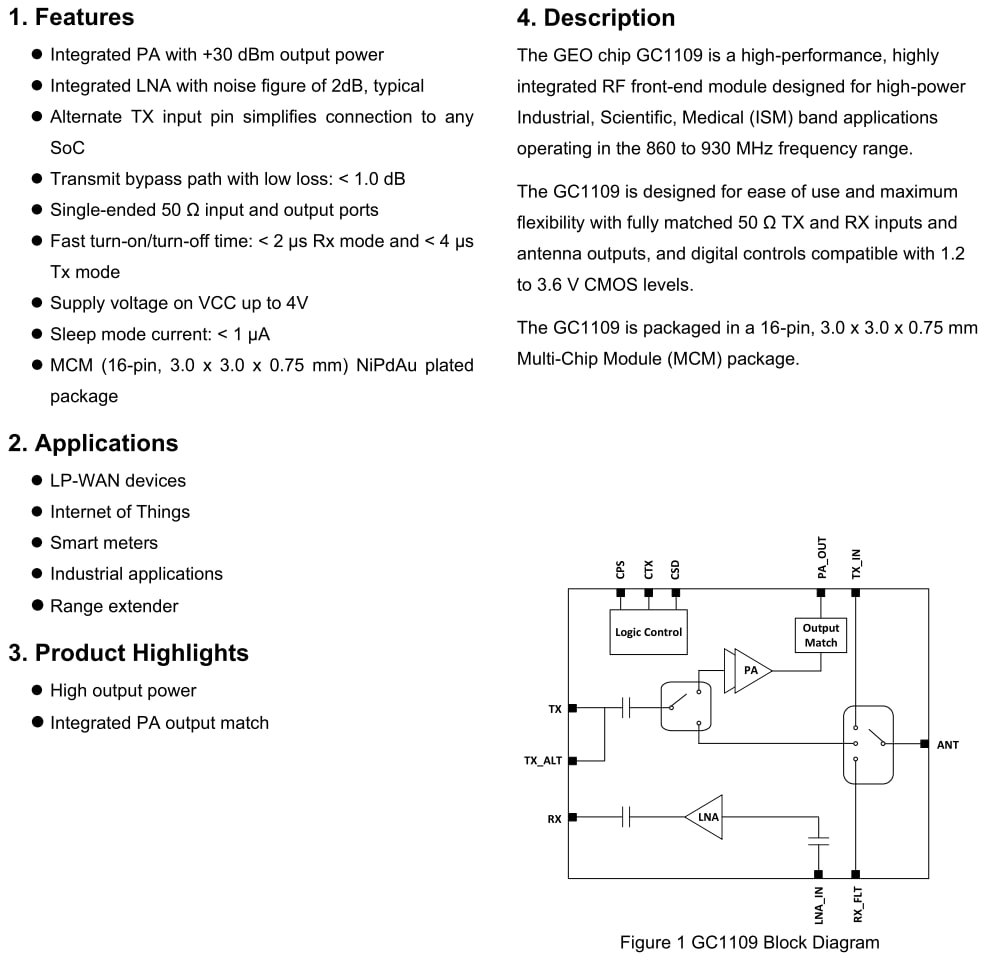
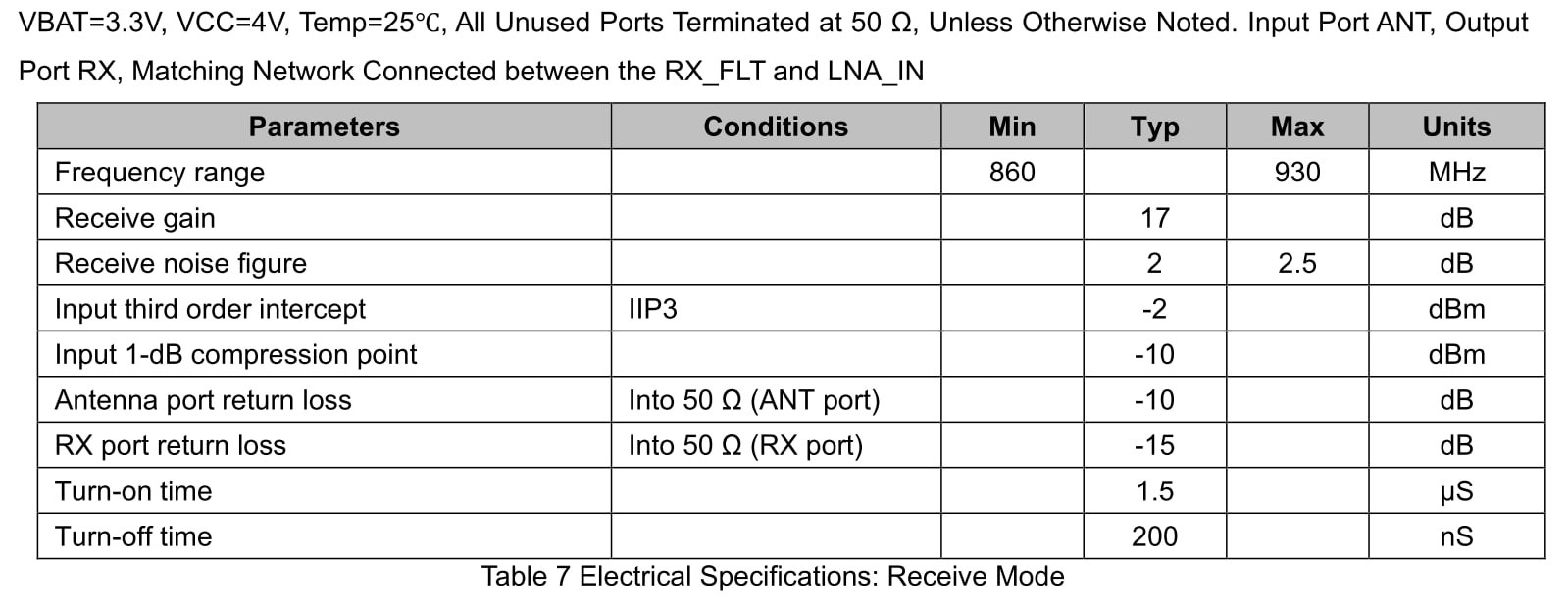
- megazaic asked about the type of LNA installed in E-Byte modules, specifically its gain and noise level, suggesting that these modules might be designed more for terrestrial communication range extension than weak satellite signal reception. They mentioned the V4 results in a 13 dB gain in signal transmission and 17 dB in LNA, which significantly improves communication with similar modules. 🔗
- Stefan/OE6ISP discussed integrated LNAs, noting that the Heltec V4 LNA’s 2dB noise figure suggests it’s not optimized for weak signals. He mentioned that these amps improve utilization of the modem’s dynamic range, where weak satellite signals typically only use the lowest 30% without a preamp, making noise less critical. He prefers a 0.5dB noise external LNA and a Diamond 2m/70cm diplexer as a high-pass filter. 🔗
- K5MPH1 discussed the V4 version, noting it has a bad Rx but puts out more Tx than the V3, estimating the V4 output at 28dbm (around 500 milliamps or 1/2 watt) compared to the V3’s 22dbm. 🔗
Technical Problems
- K4KDR reported difficulties flashing the latest 2.4 GHz LilyGo LoRa boards (T3S3) with tinyGS, tried both the web flasher and loading from VSCode. The web flasher resulted in endless rebooting, while VSCode loaded the latest BETA version successfully but the device was not added to tinyGS. He confirmed using the ‘Boot’ button to put the device into flash mode and verified the hardware functionality with another product’s web flasher. 🔗
https://lilygo.cc/products/t3s3-v1-0 - K4KDR updated on resolving a device creation issue via VSCode by holding the BOOT button during power-on. However, an invalid radio config (-2 error) persisted. Despite examining LilyGO, tinyGS, RadioLib repositories, and PIN diagrams, a solution remained elusive. The user promised to share the correct string for future reference upon discovery. 🔗
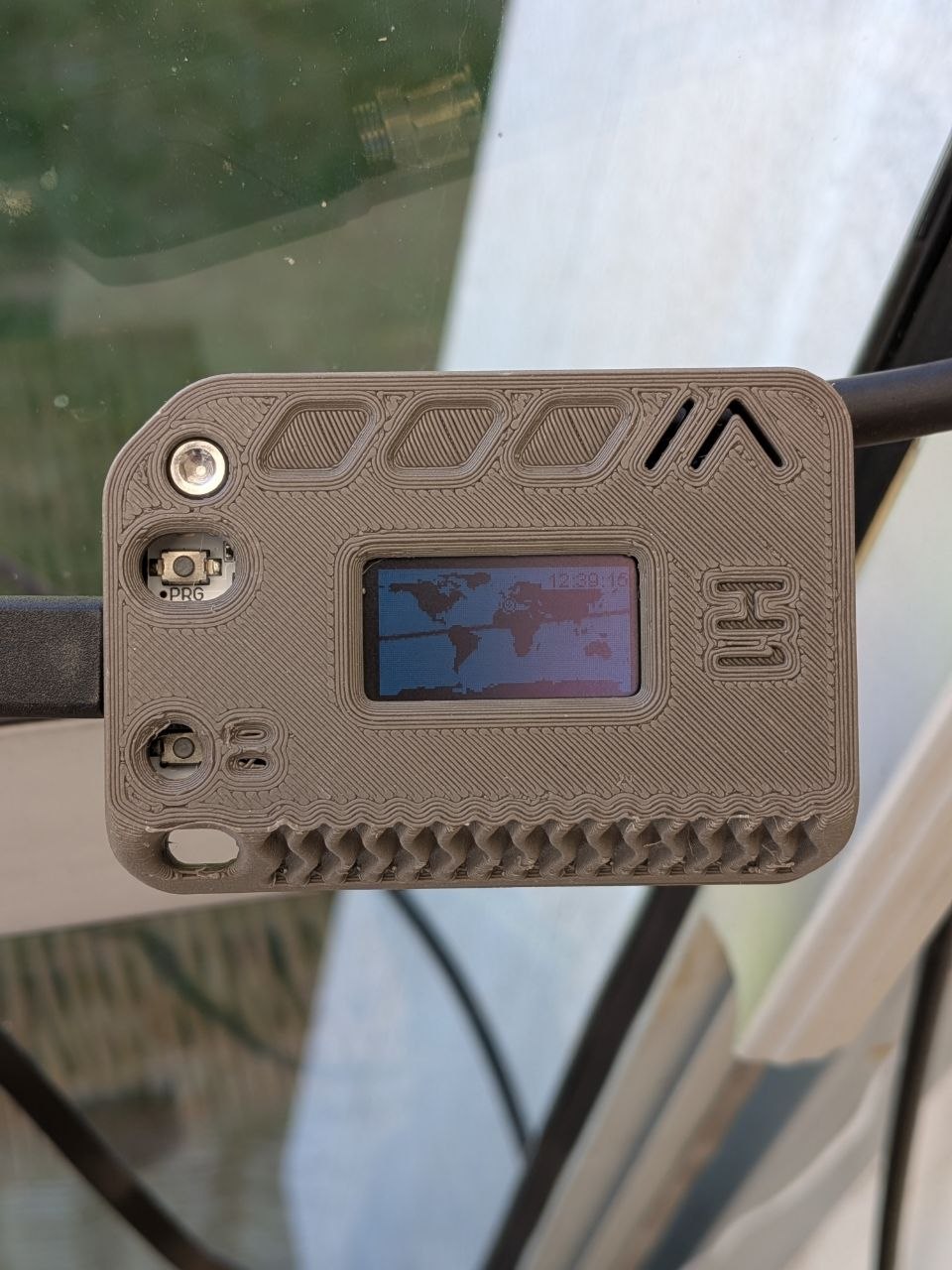
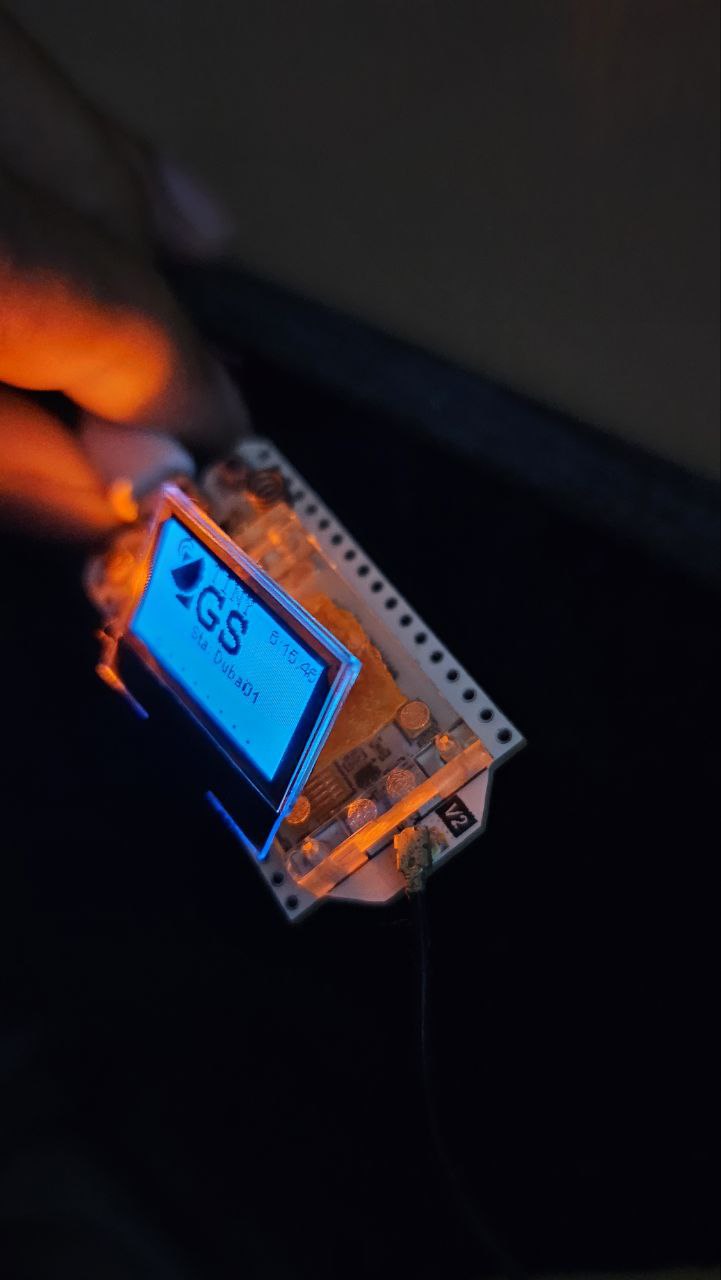
- Randy reported that the display is blank after loading the software, after showing boot info initially, and asked if this is normal and for hints to get the display working. 🔗
- Helmi asked if the right board was configured. 🔗
- Randy confirmed that the board is running and receiving packets, but Helmi inquired about the specific boards configured and used, suggesting a potential difference in GPIOs. Randy then shared photos of the board and Helmi asked which board was selected. Randy admitted to not knowing and said they would try configuring another board, as they didn’t recall seeing a board selection option. 🔗
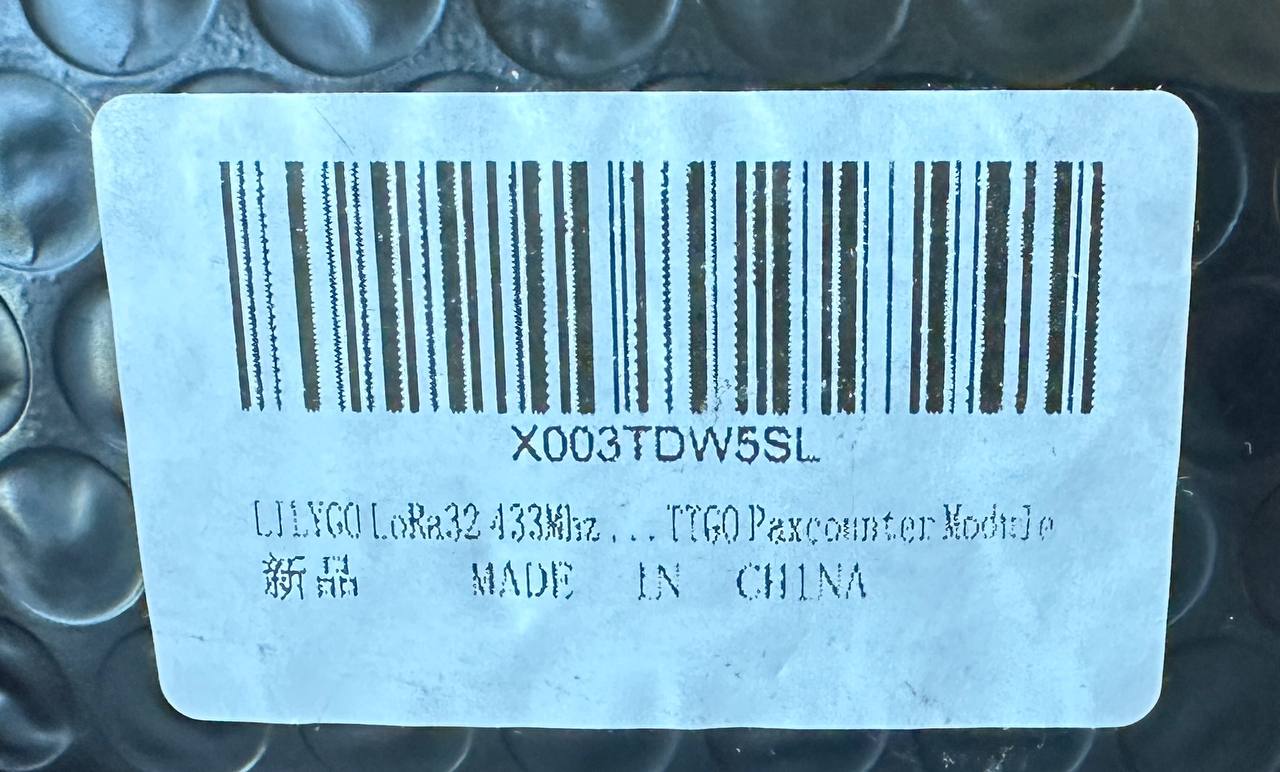
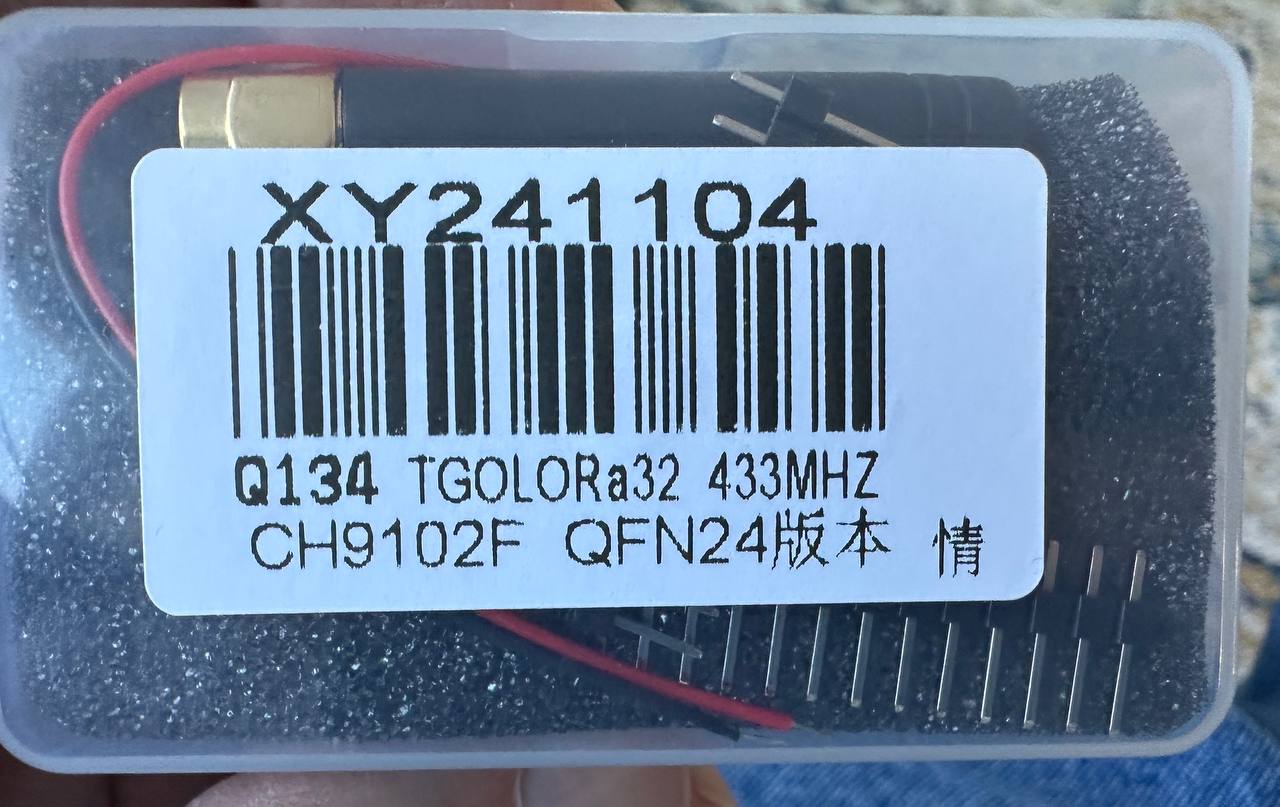
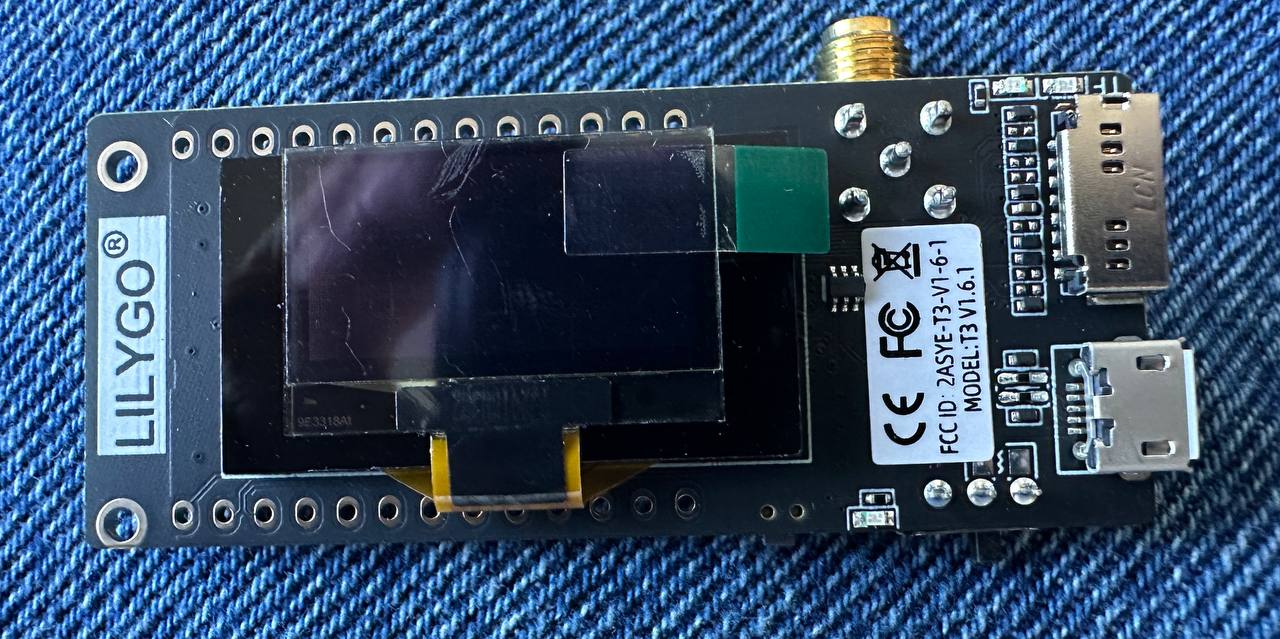
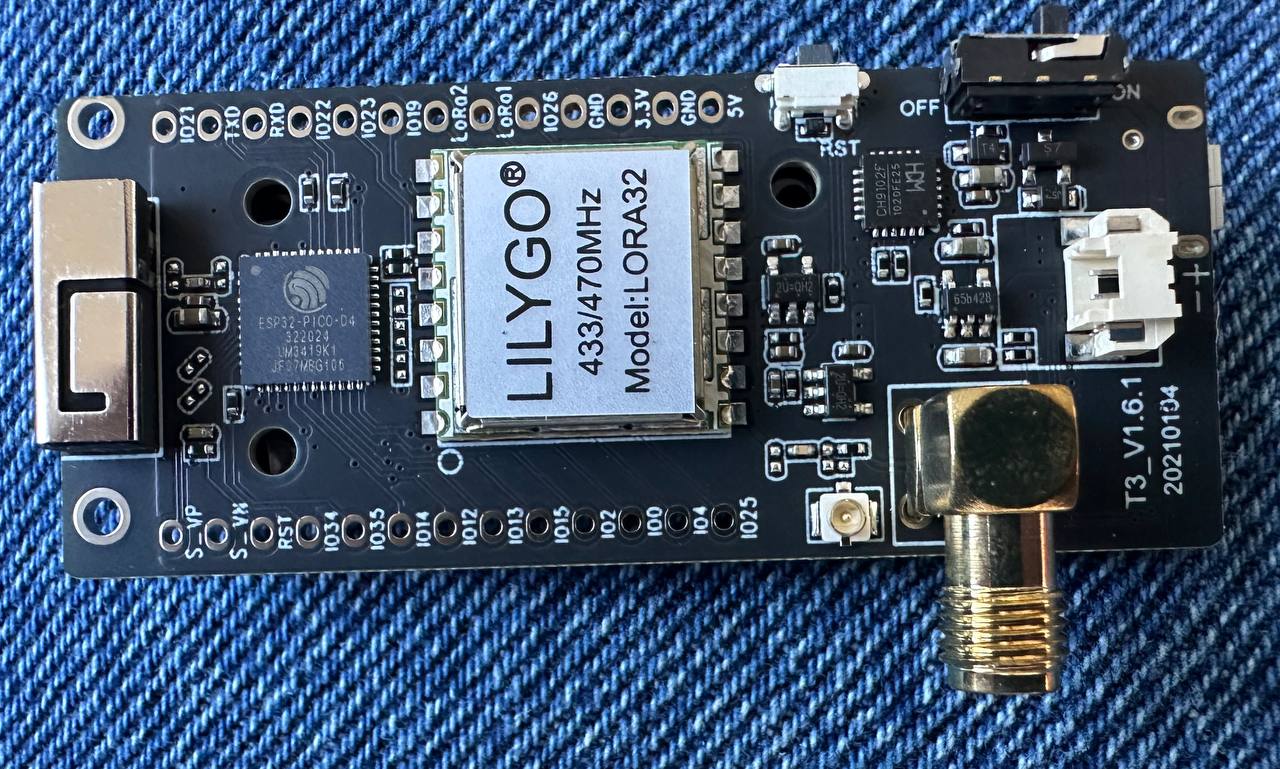
- Stefan/OE6ISP specified that the correct configuration for this setup is 433MHz TTGO Lora32 V2. 🔗
- Randy programmed a second board using the tinygs installer but the display was blank, even though it had information before loading tinygs. Helmi suggested checking the ground station configuration wiki. Randy later confirmed it was resolved and appreciated the ‘fancy display’. 🔗
https://github.com/G4lile0/tinyGS/wiki/Ground-Station-configuration - kreatif suggested a solution for a non-technical problem related to cheap displays peeling off, advising to heat it up with a hair dryer to peel the screen off the PCB and reattach it with double-sided tape. Kreatif also shared that their own display peeled off after years of operation. 🔗
- vwjlee shared that their tinygs ‘bv3ue’ setup (Liligo T-beam v1.1 in 433MHz band) received around 50 to 100 packets daily after one week and asked for suggestions on improving it, considering antenna, LNA, and filter. They also inquired about the possibility of a Meshtastic gateway to relay packets through the Meshtastic network to the MQTT server. 🔗
- Notsure7 advised using a short antenna cable (1m max) and suggested that the need for an LNA depends on the environment; it can be beneficial in quiet, rural areas but might worsen performance in urban settings with interference. 🔗
- Stefan/OE6ISP shared a link to previous posts for reference and later suggested that changing the location of the station/antenna can significantly impact performance. He recommended experimenting with different locations, keeping noise from sources like PV plants away, as even a few meters can make a big difference. 🔗
https://t.me/c/1448773154/1/185564 - vwjlee thanked Stefan and mentioned trying a Yagi antenna on the balcony, which reflected the antenna’s directivity but didn’t significantly increase packet reception. He planned to experiment with different antenna locations to improve performance. 🔗
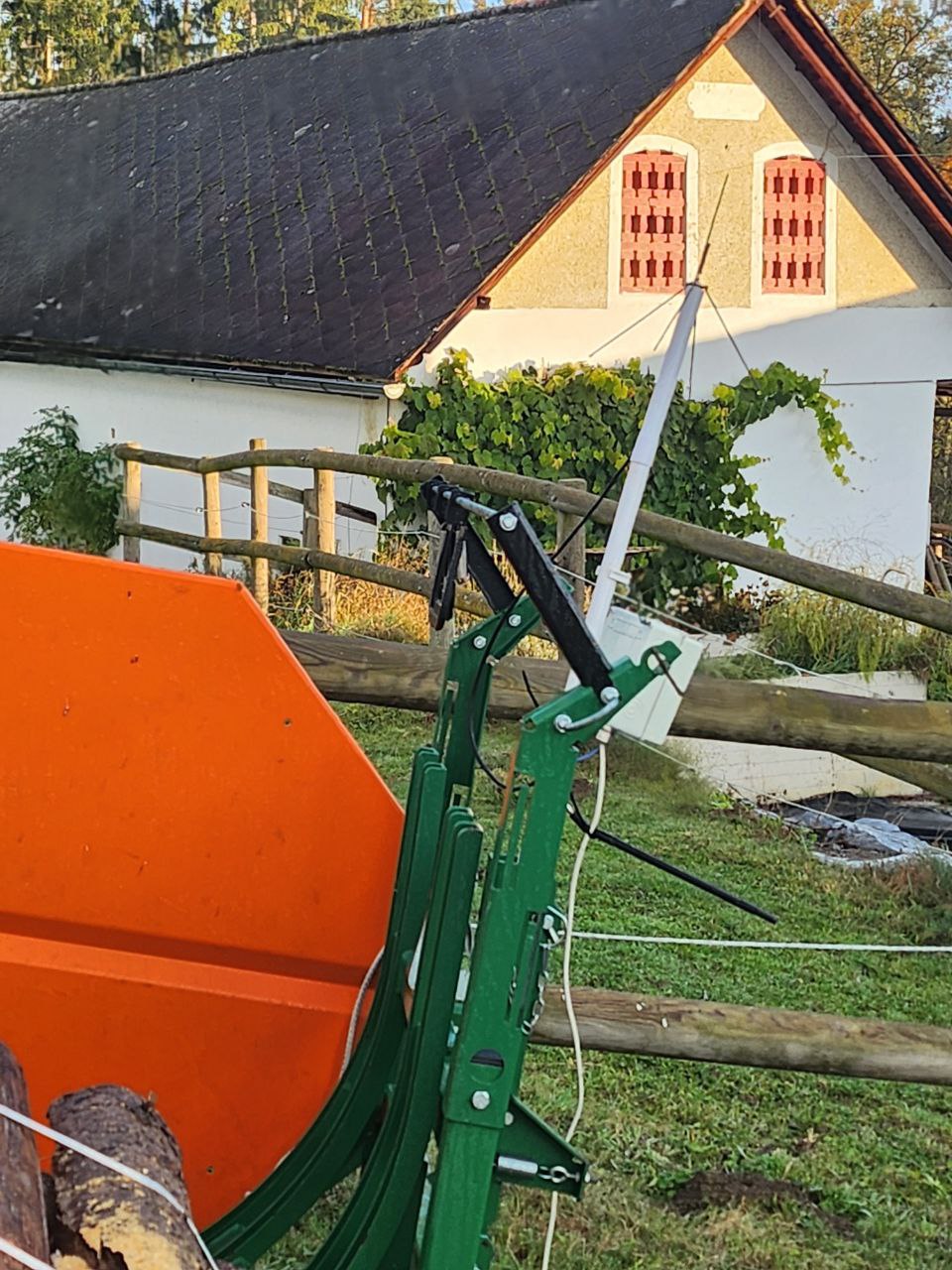
- Stefan/OE6ISP explained that antennas near walls suffer from the Fresnel zone effect, where even objects behind the antenna affect reception. He noted that while balconies often provide poor reception, using the wall as a reflector can sometimes improve gain if reflections and interferences are beneficial. He added that even unusual setups can sometimes yield unexpected performance, sharing a photo of a test setup that unexpectedly received 900 packets after repair. 🔗
- K4KDR reported successfully initializing LilyGo ‘T3S3’ boards and shared code snippets for pin numbers and settings to program the 2.4 GHz LilyGo T3S3 devices, providing a resource for others using these boards. The code is available on GitHub. 🔗
https://github.com/jgromes/RadioLib/discussions/1631#discussioncomment-14767112 - Uzzzio reported experiencing issues accessing the tinygs.com website from Russia, with the site freezing during loading. The problem occurred on both landline and mobile networks. Uzzzio shared a screenshot from Opera for Android over WiFi. 🔗
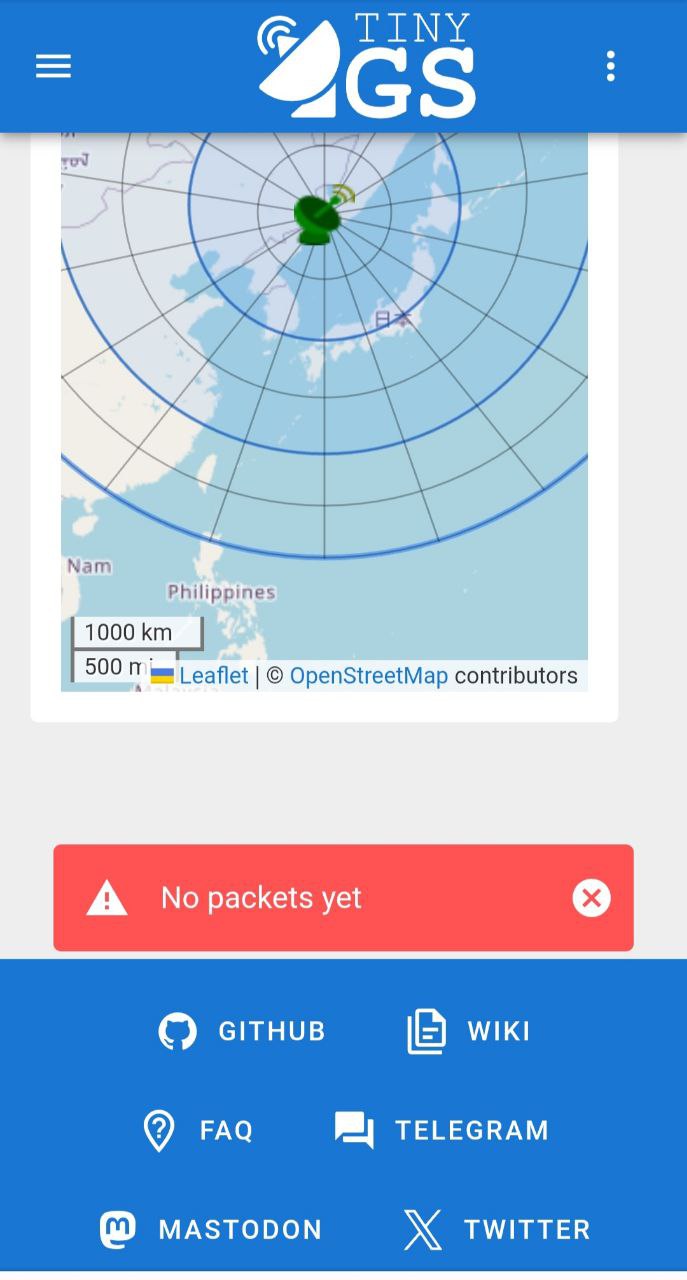
- Pauly P reported re-flashing their board but not appearing on the map, despite the board functioning properly and MQTT being on. G4lile0 initially said they could see the station on the map, but Pauly P still couldn’t. G4lile0 then suggested searching for the station on the TinyGS stations page. 🔗
https://app.tinygs.com/stations - rj45jack sought information on the API to build a connector from TinyGS to Home Assistant, noting the documentation seemed incomplete. Helmi suggested connecting to the MQTT server to display received data, providing details on how to connect using user number, password, and the certificate from the GitHub source code, and subscribing to # to get all packets. 🔗
Share your setup
- John announced the creation of a new TinyGS station named ‘Wiverton’ in southwest UK, near Plymouth. The station is operational and has already received its first packets. The setup includes a Slim Jim antenna at approximately 5 meters and 80 meters above sea level. John also shared a photo of the antenna and mentioned plans to upgrade to a better collinear antenna in the future. Additionally, John provided information on building a Slim Jim antenna from 300 Ohm ladder line, referencing a website with dimensions and noting the importance of tuning for the lowest SWR, especially for transmitting. 🔗
https://m0ukd.com/calculators/slim-jim-and-j-pole-calculator/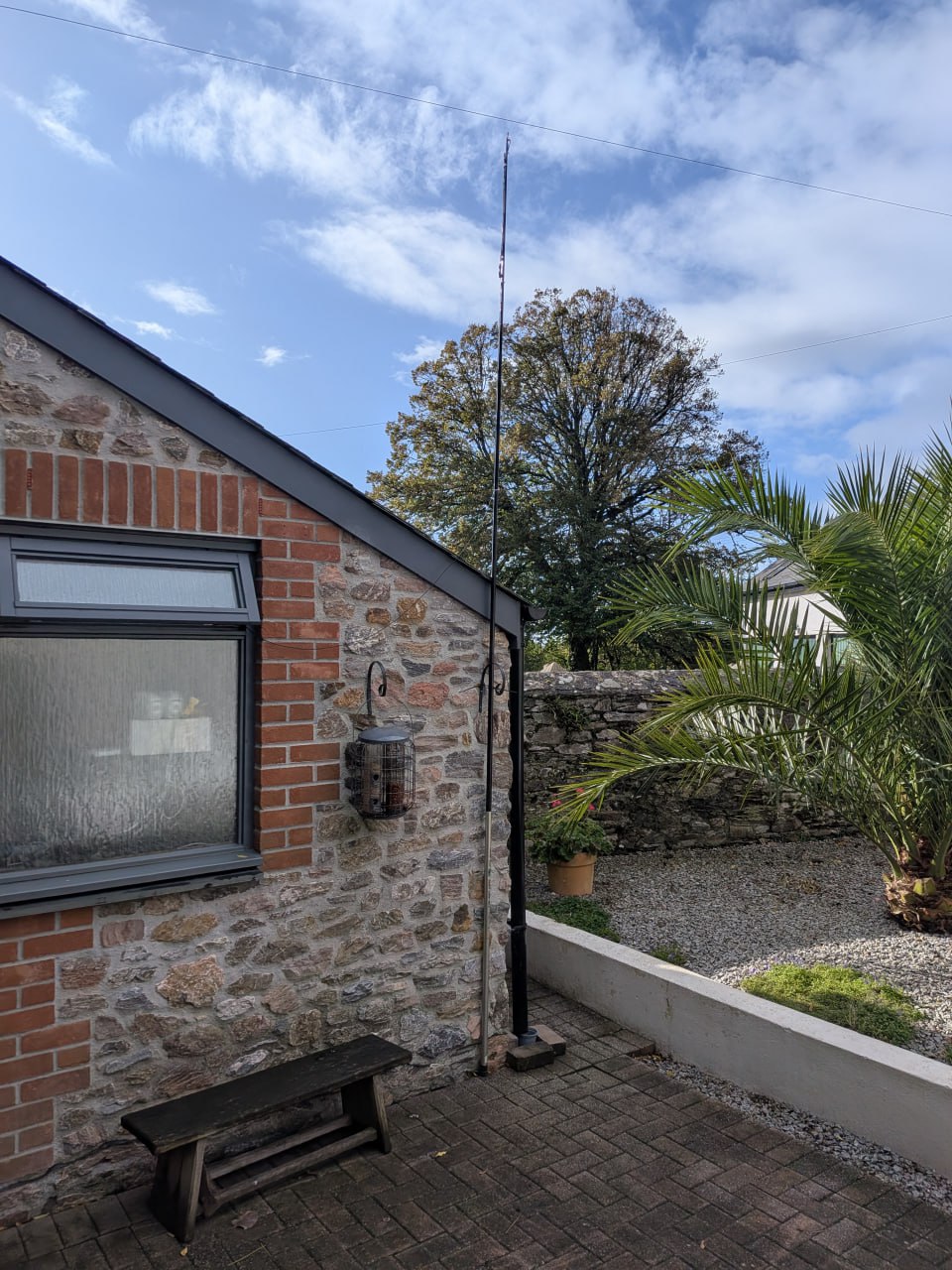
- Stefan/OE6ISP acknowledged that tuning Slim Jim antennas can be tricky. 🔗
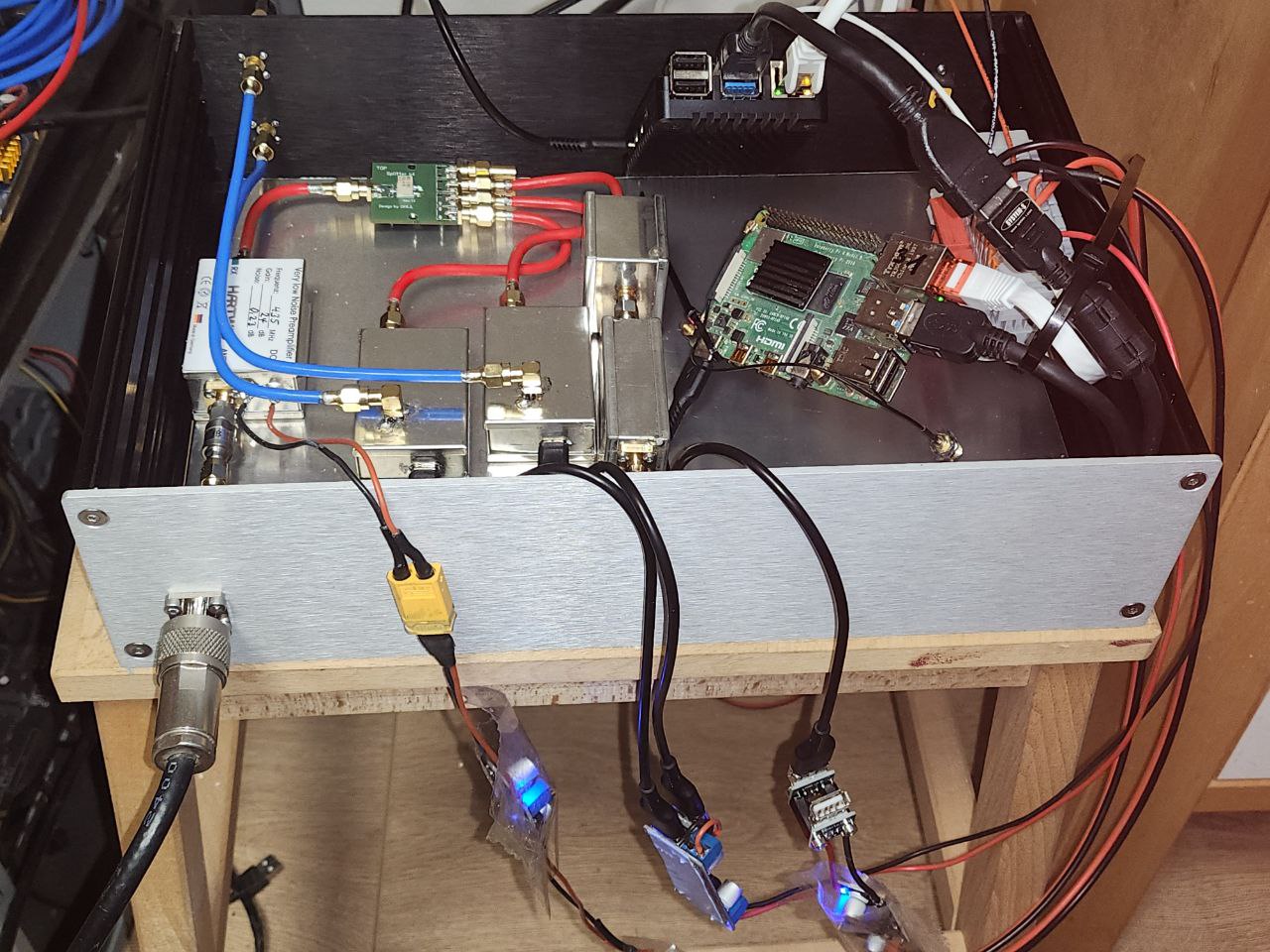
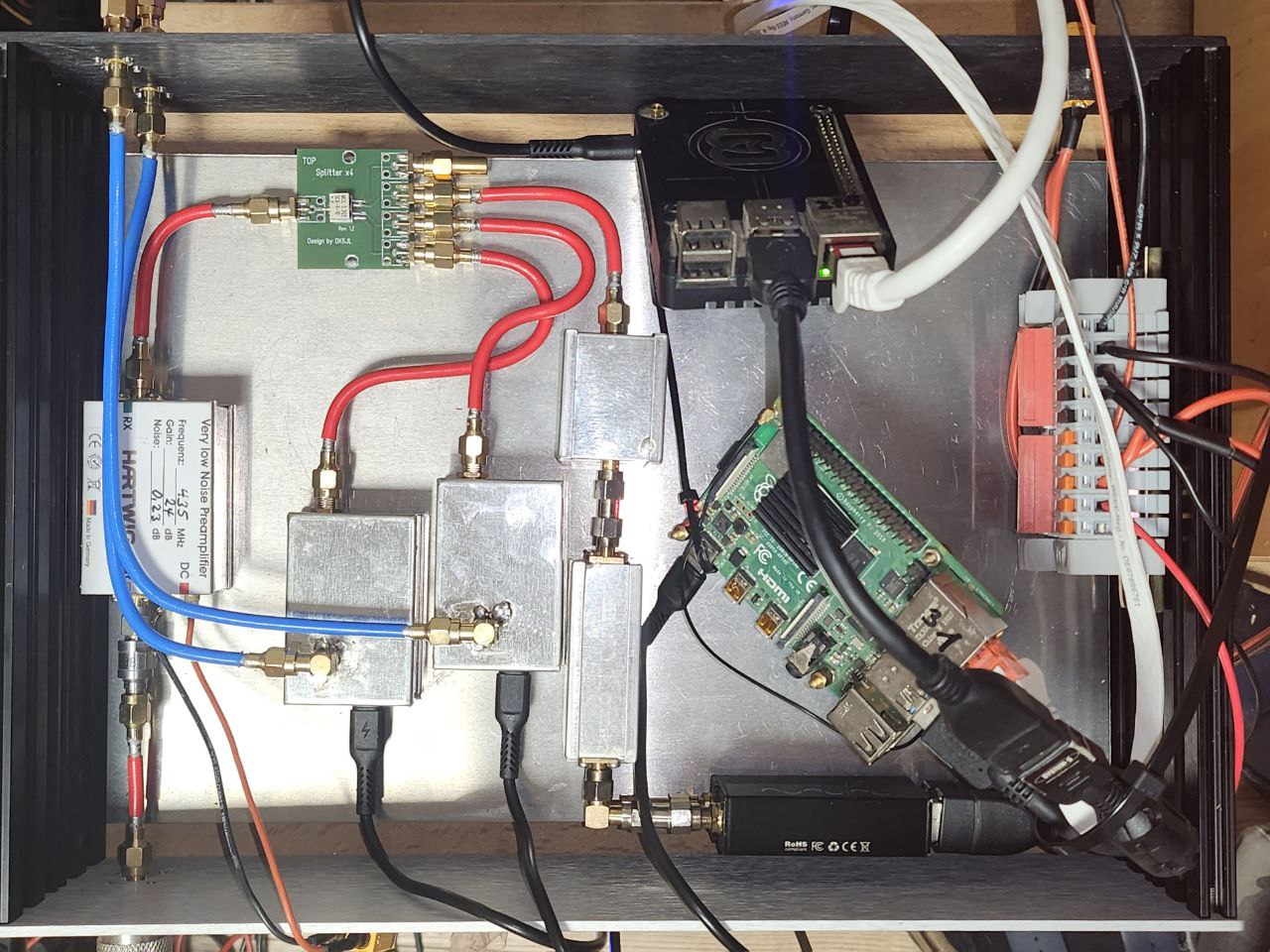
- Stefan/OE6ISP shared progress on a new “magic box” setup, featuring 4 receivers: 2x heltec v3/sx1262 for TinyGs and 2x Nooelec nesdr sticks for satnogs, mentioning that the RF part is finished and all receivers are active, and noise measurements will determine if the PIs are properly shielded or need a separate housing. 🔗
Featured Conversations
- The community discussed outputting tracking data via GPIO for automatic antenna positioning, exploring methods to control azimuth and elevation.
- A new user sought advice on packet reception problems, leading to a discussion on cable quality, antenna types, and noise floor levels.
- Users explored options for LNAs (Low Noise Amplifiers), including Lora-boosters and CN amps with Diamond-diplexers, while also considering the impact of environmental noise in urban areas on LNA effectiveness.
- A user shared their “magic box” setup, which includes multiple receivers for both TinyGS and SatNOGS, sparking interest in multi-system setups.
- The community discussed connecting TinyGS data to Home Assistant via the MQTT server, offering a streamlined method for displaying received data and integrating with home automation systems.
What’s next
Join the TinyGS Telegram channel to participate in these discussions and contribute to the project. Your experiences and insights can help others build and improve their stations!
Share: