· TinyGS Community · 10 min read
Weekly Newsletter - October 19, 2025
Welcome to the TinyGS weekly community newsletter. Here are the most relevant discussions and developments from this week.
Highlights
General
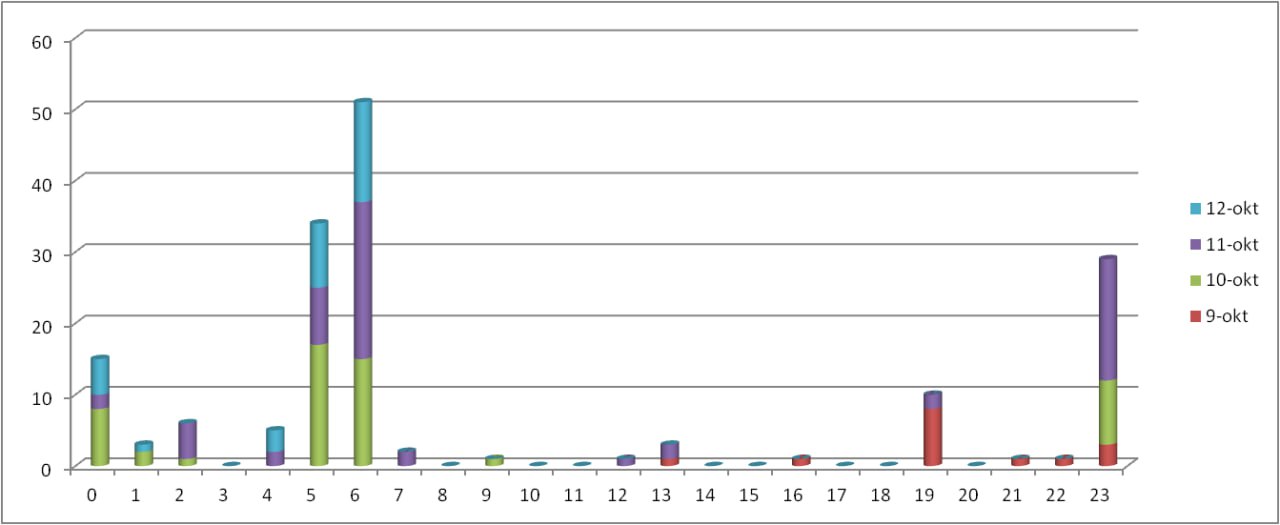
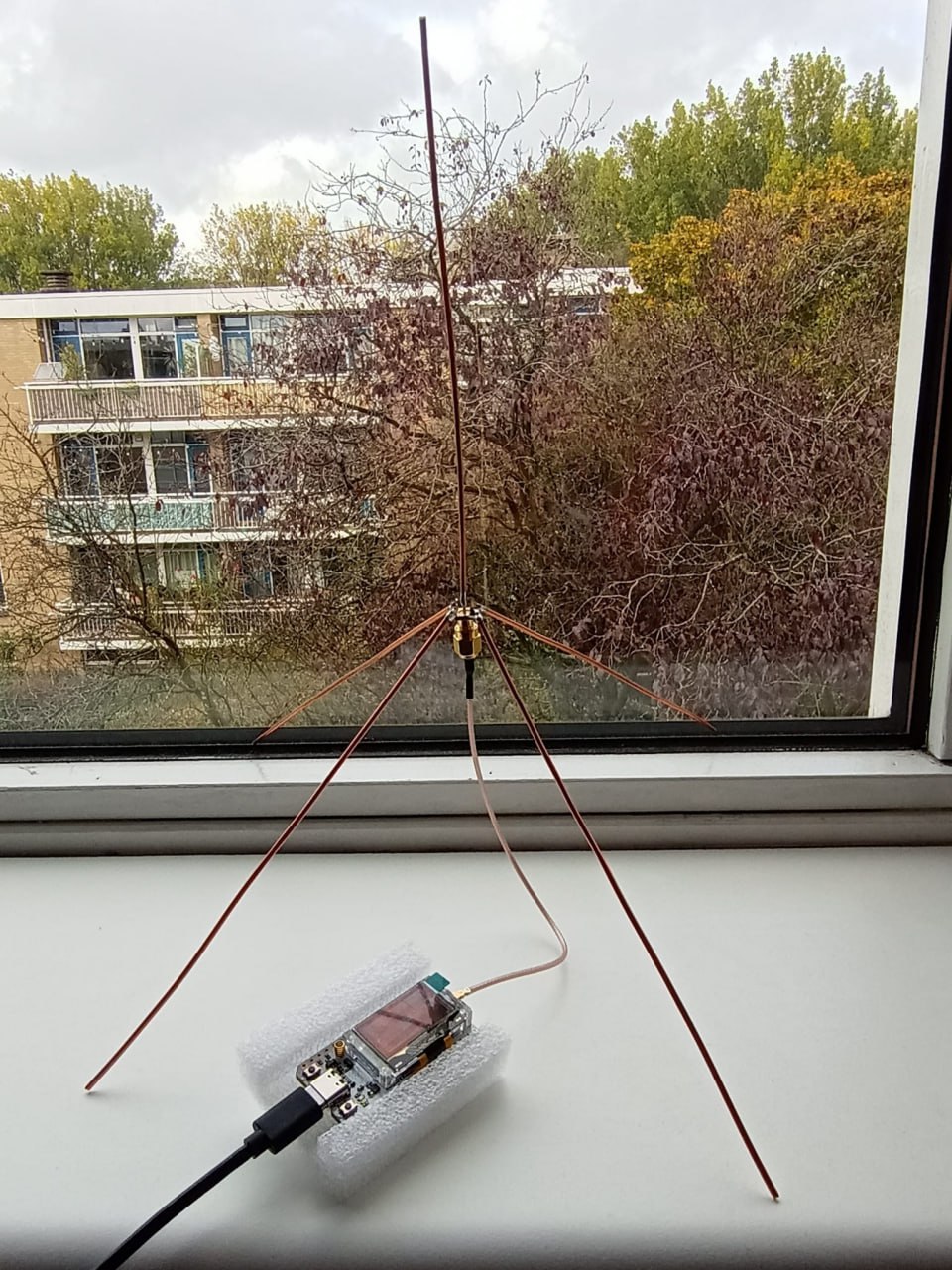
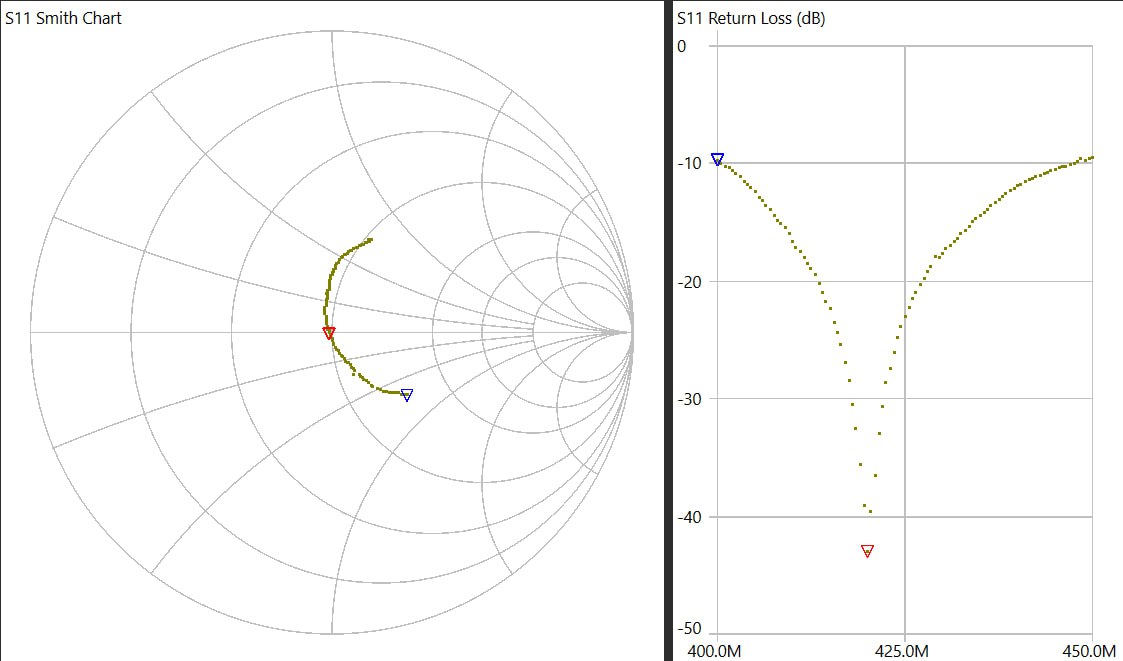
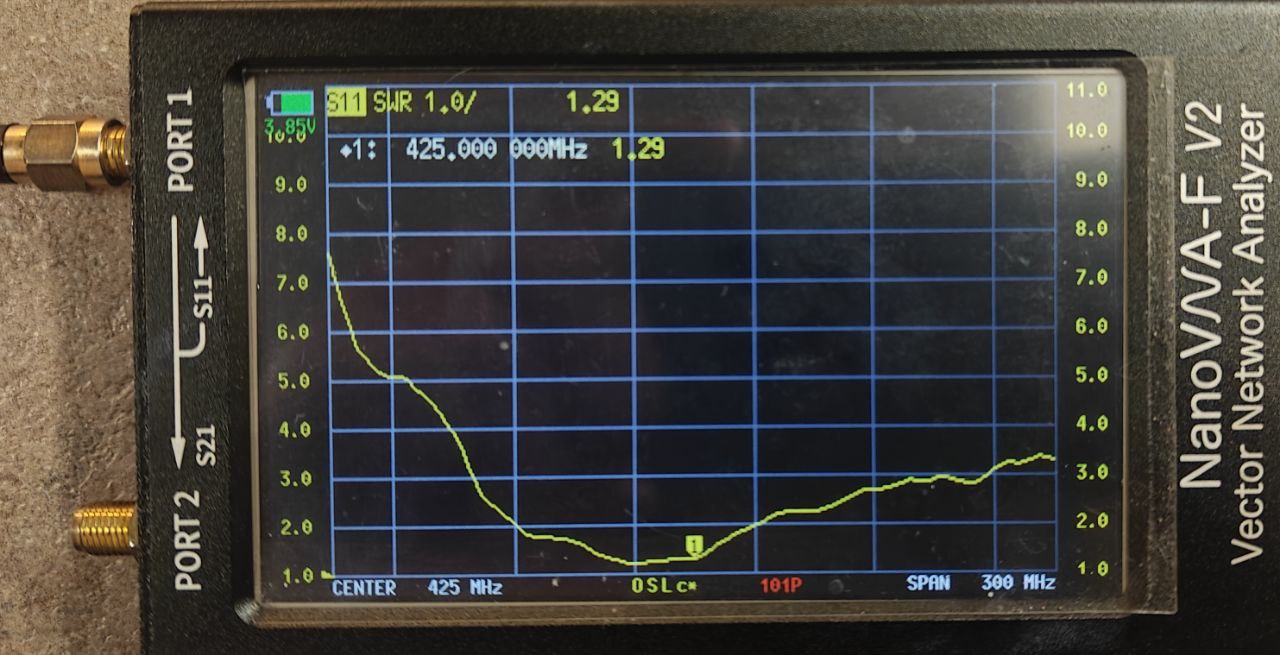
- Steve noticed that packet collection was lower during the daytime and higher at the end of the evening and night with an indoor antenna facing west. stefan/oe6isp suggested that this is normal and recommended placing the antenna outdoors, away from the wall, or putting the entire station in a waterproof box. they also mentioned that thin coax cables can be lossy when going through windows. steve later inquired about the reason for fewer daytime packets, and stefan/oe6isp confirmed it’s normal, possibly due to more favorable satellite passes at night. steve shared details about the antenna’s dimensions, mentioning the use of the m0ukd site for calculations, and acknowledged being new to the field. stefan/oe6isp suggested that the radiator might be a little short for 400mhz and advised on tuning the antenna by adjusting the radiator length, also sharing a link to their qrz.com page for antenna information. steve shared a photo of the nanovna being used to tune the antenna. 🔗
https://www.qrz.com/db/OE6ISP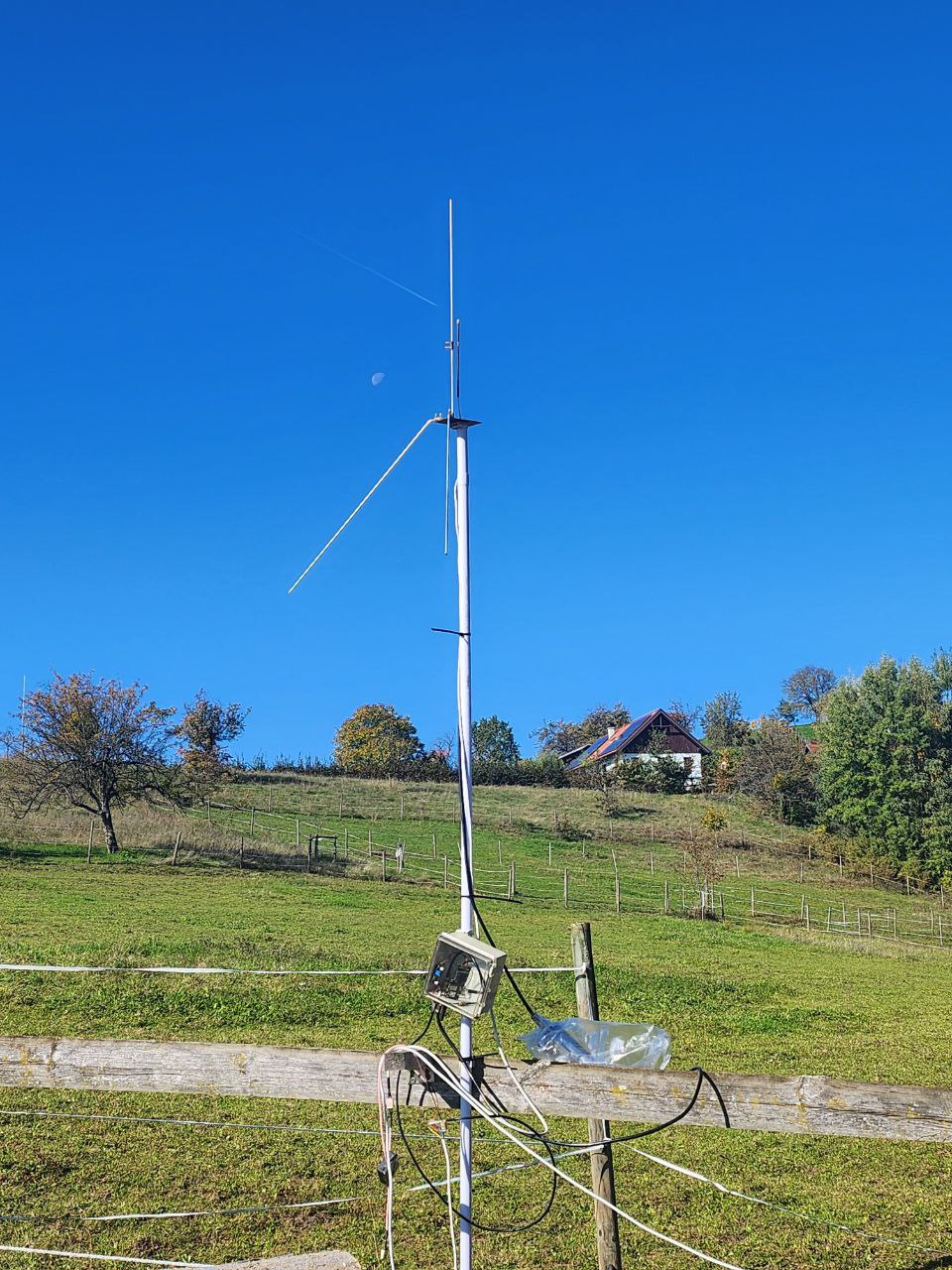
- John asked about including battery voltage in the telemetry data for a solar-powered, 24/7 setup using 4x18650 batteries and wanting to avoid external leds to prevent attracting attention. 🔗
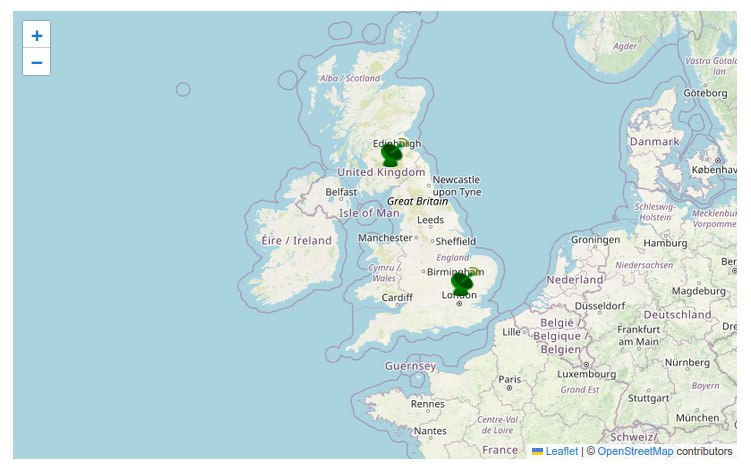
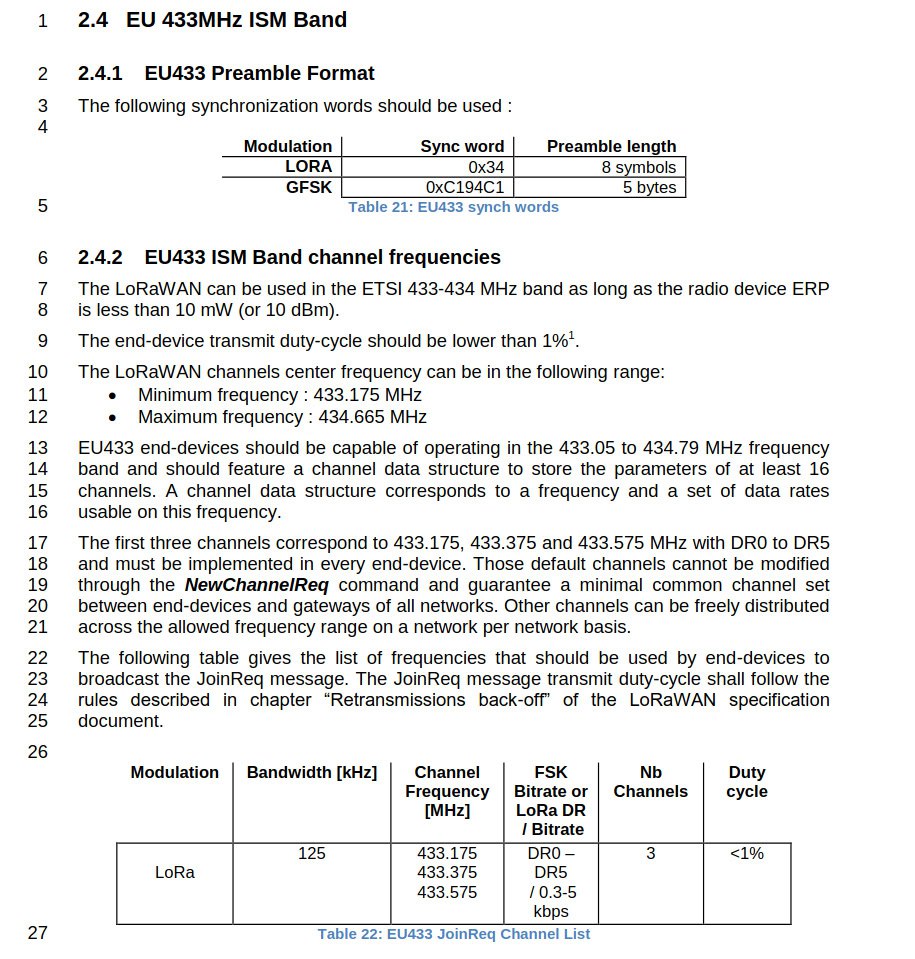
- G4lile0 reported that the tinygs surveillance mode algorithm, tweaked to show packets received by more than one ground station, detected a persistent, mysterious signal over the uk and ireland at lora 433.133mhz±30khz, sf: 7 | cr: 6 | bw: 125khz, and provided a link to the surveillance page. stefan/oe6isp noted positive snr at wrkptinygs. g4lile0 then suggested the signal might be from multiple transmitters sending the same payload and shared images showing receptions with and without the two-station filter. stefan/oe6isp suggested meshcom nodes with repeater function could be the cause. g4lile0 clarified the signal was only being picked up in the uk/ireland. k4kdr shared a link to a packet decode and inquired about preamble symbols and syncword. helmi suggested the encrypted packets were not meshcom, and stefan/oe6isp added that it looks like something specific for uk. g4lile0 mentioned receiving many crc-errors and attempted changing the syncword from 0x12 to 0x34, but still encountered errors. 🔗
https://app.tinygs.com/satellite/Surveillance
https://app.tinygs.com/packet/0199d949-6fa2-76b5-816b-697addc91136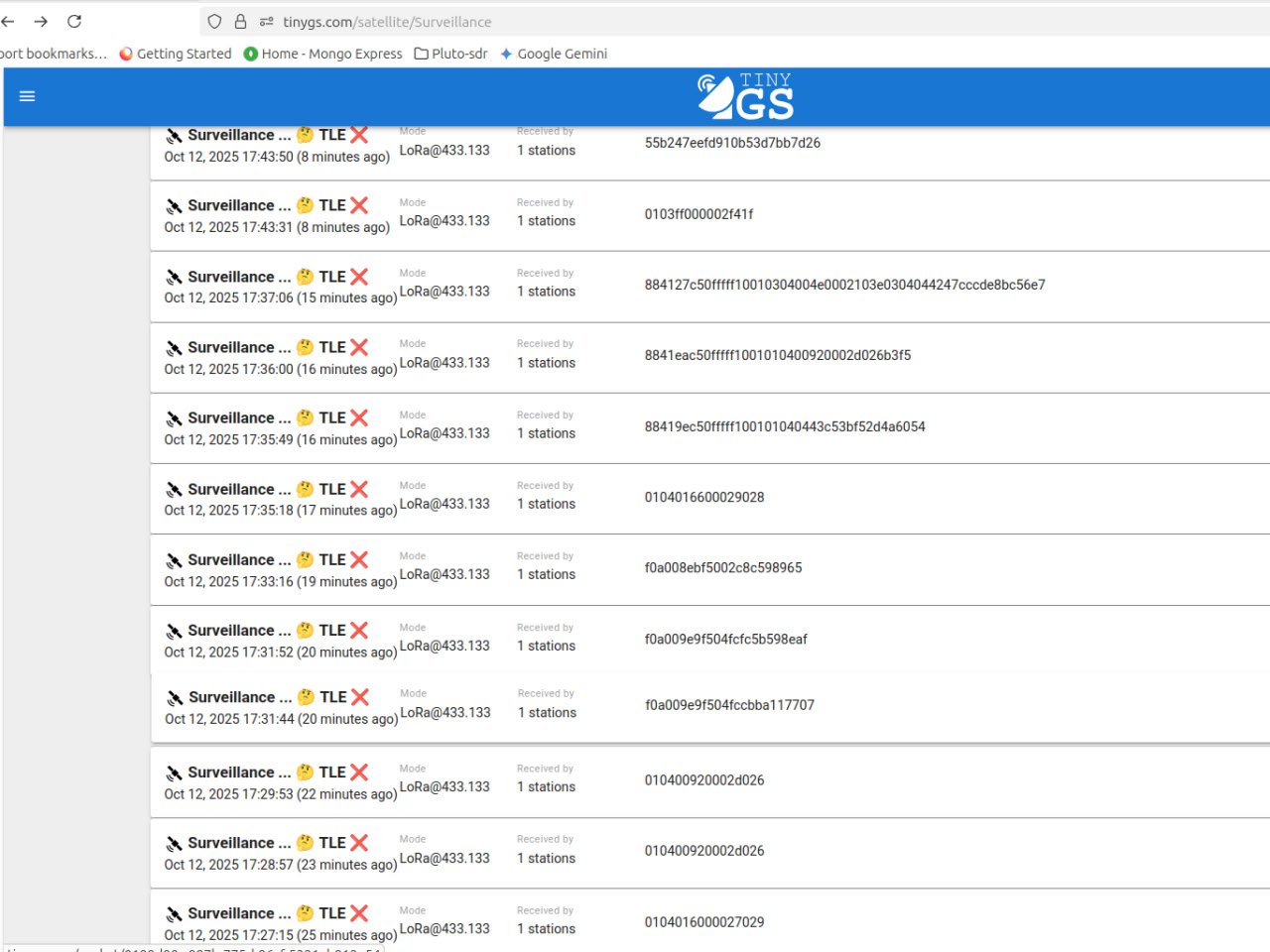
- Stuart struggled to pick up 800-900mhz signals due to interference from trunked cell frequencies in north america and wondered if anyone else had success with 900mhz in the region. notsure7 asked if there were any packets to pick up in na on 900 and noted the signal was weaker, also inquired about stuart’s setup. 🔗
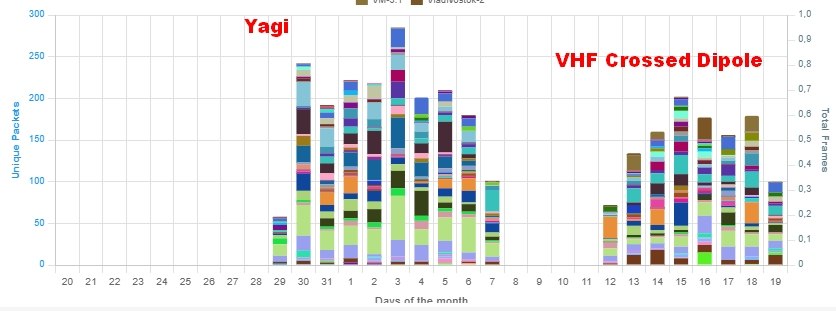
- Neil mentioned that the stats had a massive spike in the data received and offered to check his sdr setup near london. 🔗
- G4lile0 indicated that a new global 868/915mhz satellite is expected in december. also, the objects ‘surveillance’ / ‘surveillance-433’ were removed from the stats, and surveillance was disabled for them. 🔗
- Stuart asked what software is used to track satellites, mentioning that he uses satdump for other satellites and sdr## with gpredict. stefan/oe6isp recommended satpc32 for its integration of rig and rotator, sattrack from moonbounce.dk as a free tracker, and noted the special features of gpredict and satdump. stefan/oe6isp also shared an easy way to control the rotator by tinygs by sending the az/ez values on the log to the win pc via usb and forwarding them to the rotator using a short python program. stuart thanked stefan/oe6isp for the help, mentioning he was struggling with incorporating tinygs into his arduino-controlled rotator. stefan/oe6isp mentioned having code snippets available and shared a link. 🔗
https://t.me/c/1448773154/78484/169570 - Andrew reported an issue when registering a new lora board, encountering an “an error occurred during validation” message and inquired if the system was down. 🔗
- Steve asked if the satellite information available on the console page of the ground station, could be downloaded as a csv file for statistical analysis. 🔗
- brdwifi inquired about operational satellites on the tinygs network that allow users to transmit their own telemetry. stefan/oe6isp responded that there are currently no such satellites, but any future possibilities would be announced in the ‘new satellites’ section, including technical requirements. they also noted that transmissions are only allowed with an amateur radio license. 🔗
- wifibrd noticed that the tinygs web interface shows tracking data from the received satellite and inquired about outputting this data via gpio to build an automatic yagi antenna positioning system for azimuth and elevation control. 🔗
- Z followed up on a previous question, asking if tinygs is open source to allow users to build more complex projects. 🔗
- igordutra reported issues configuring an old lopy (esp 32 + sx1272), mentioning that it crashes when trying to update the advanced settings, and asked for tips or recommendations. helmi suggested checking if python is active after installing the tinygs firmware and recommended connecting a terminal program to the usb to check. igordutra confirmed being able to connect to the usb. 🔗
https://www.farnell.com/datasheets/2571932.pdf - Stefan/OE6ISP mentioned a simpler method for controlling a servo directly using 2 gpio-pins for outputting the positioning pulses for 2 digital servos, computing the pulse-width from the tinygs az/el values. he added that digital servos only need a single pulse to get into position and hold it. he also shared a photo of cheap servos used for his arrows crossyagi rotator and linked his qrz page for more details. 🔗
https://www.qrz.com/db/OE6ISP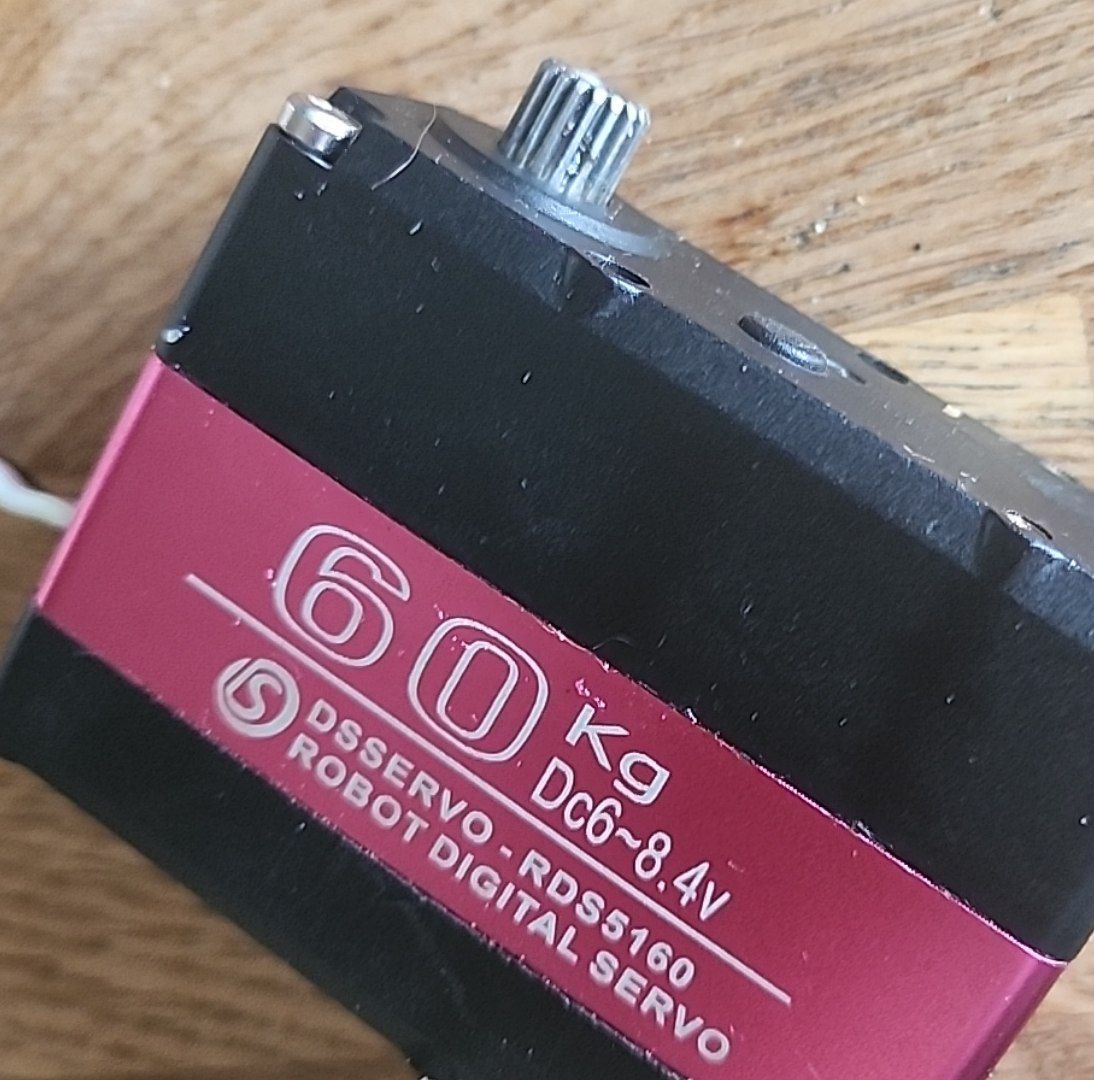
Antenna Building
- Enzo220 from uruguay, asked for steps to assemble a lora antenna, and helmi responded that it looks like a lorawan antenna, which is not ideal for satellite reception, recommending a ground plane antenna instead. 🔗
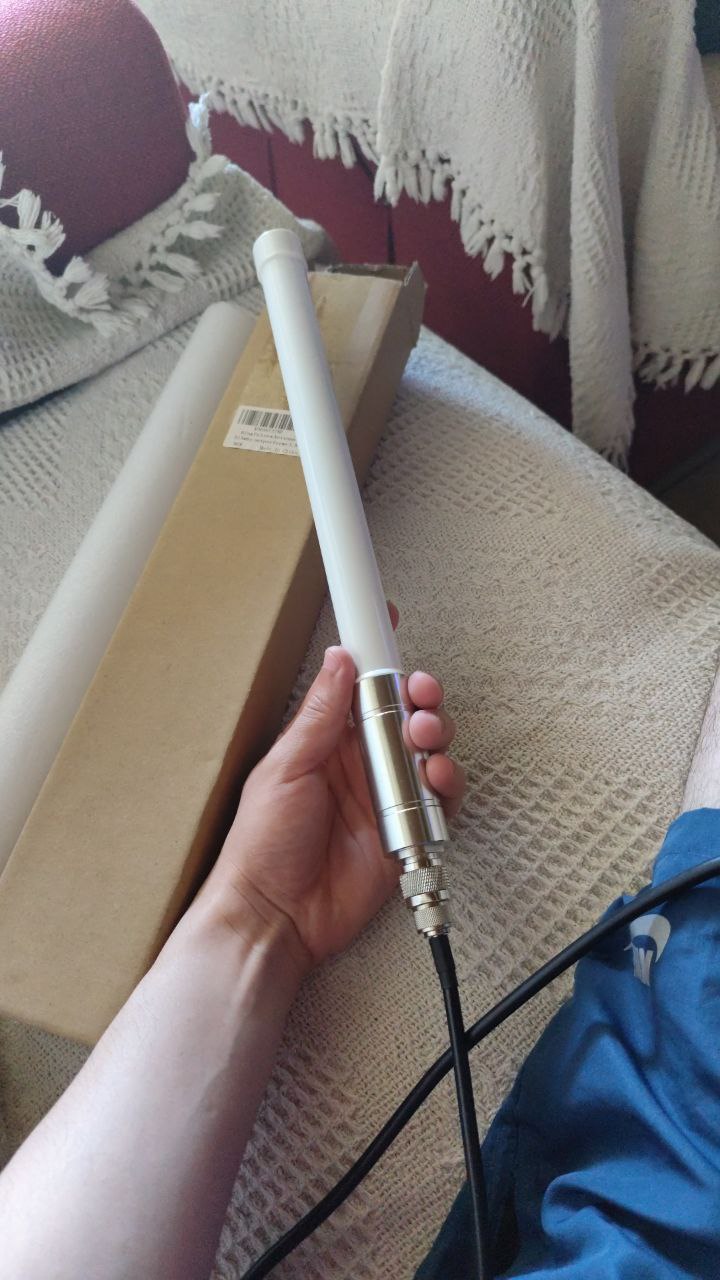
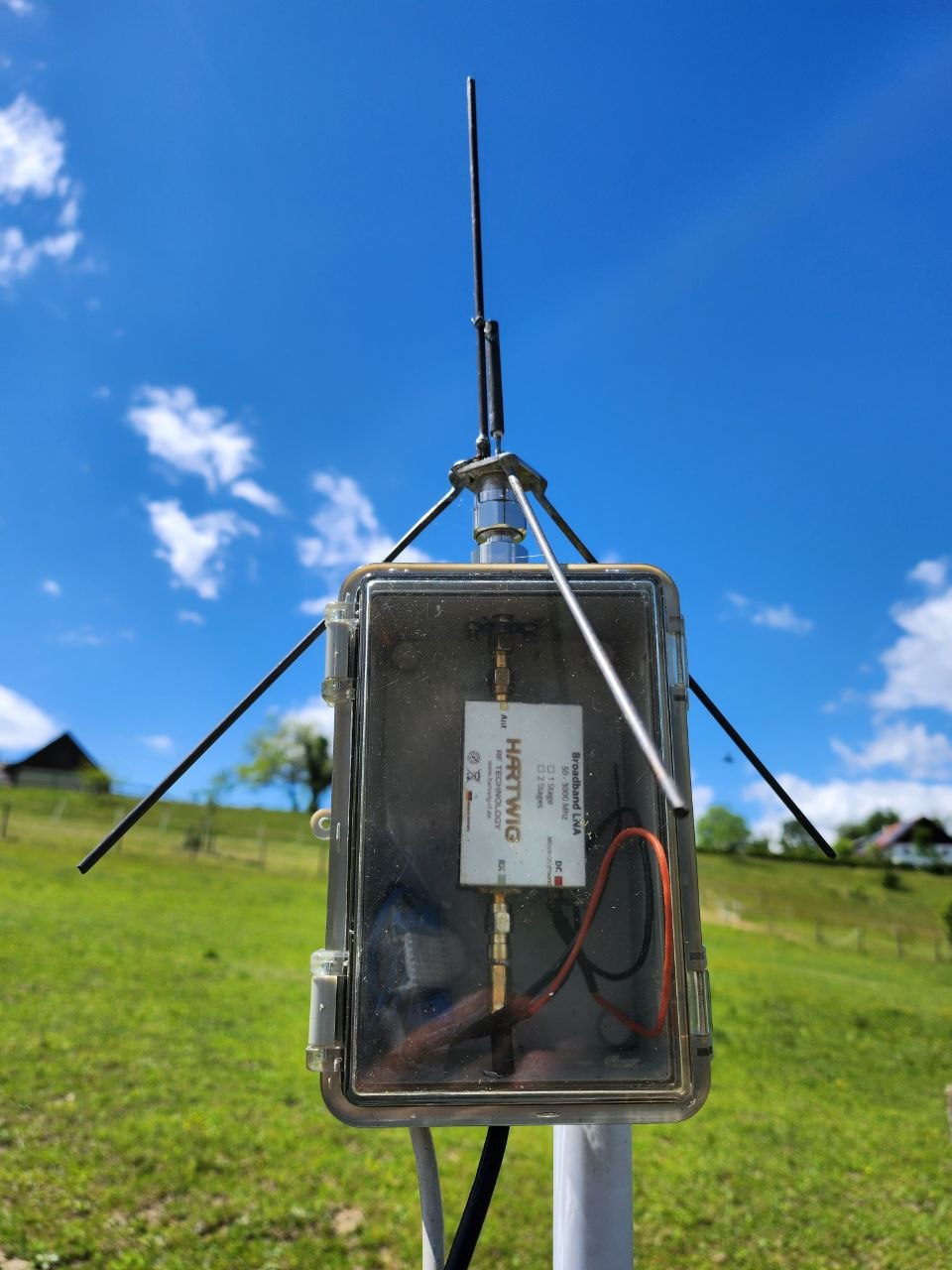
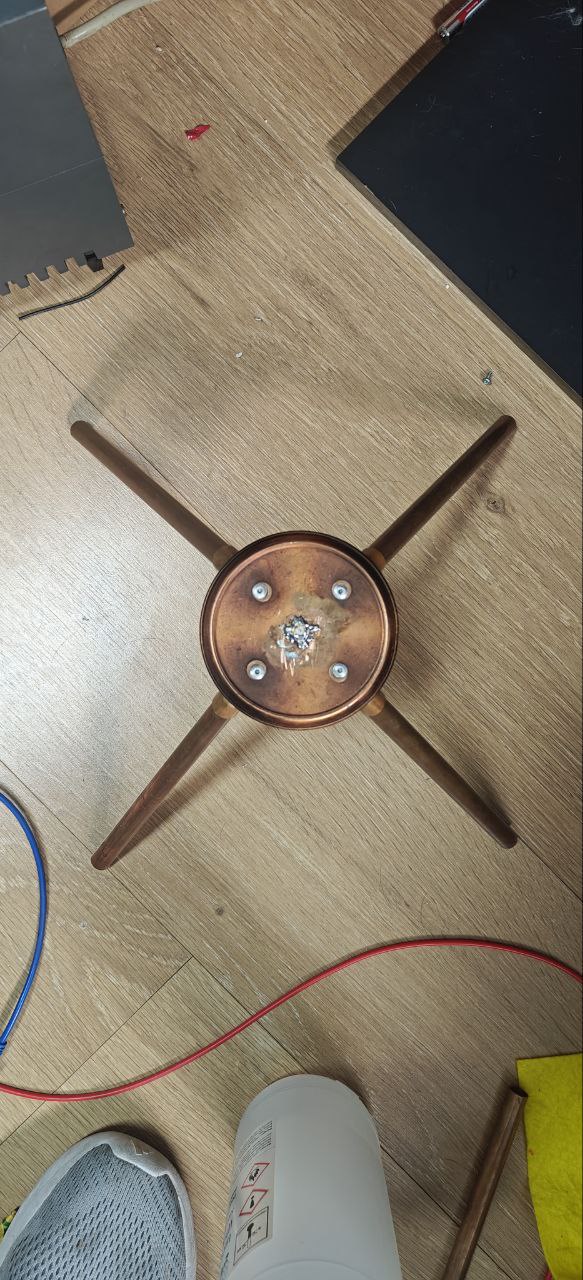
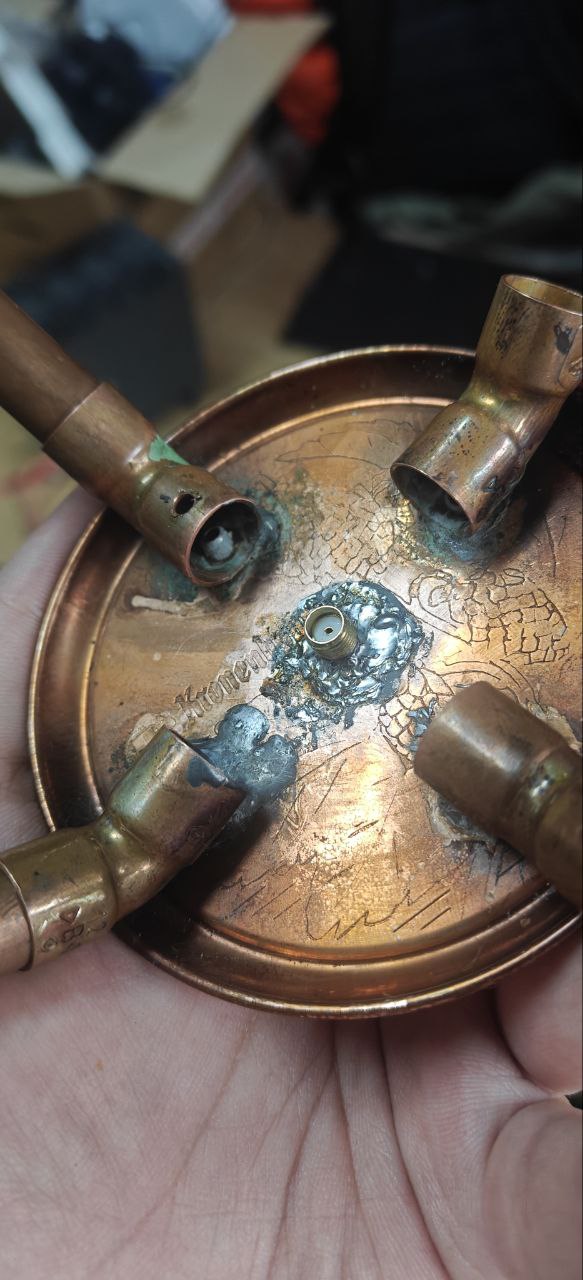
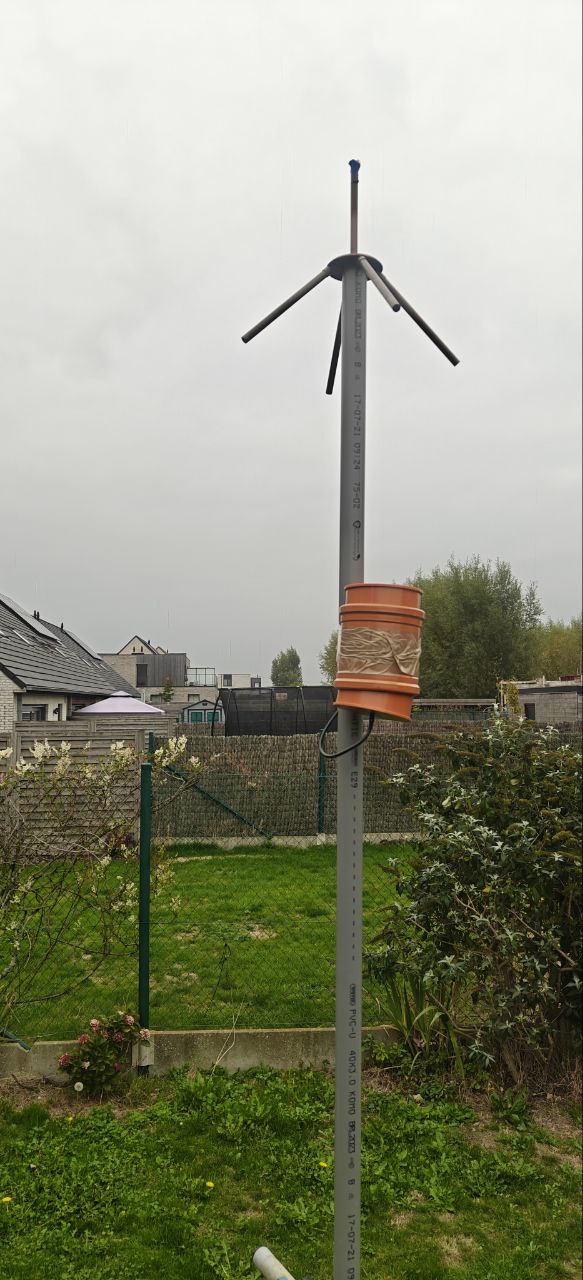
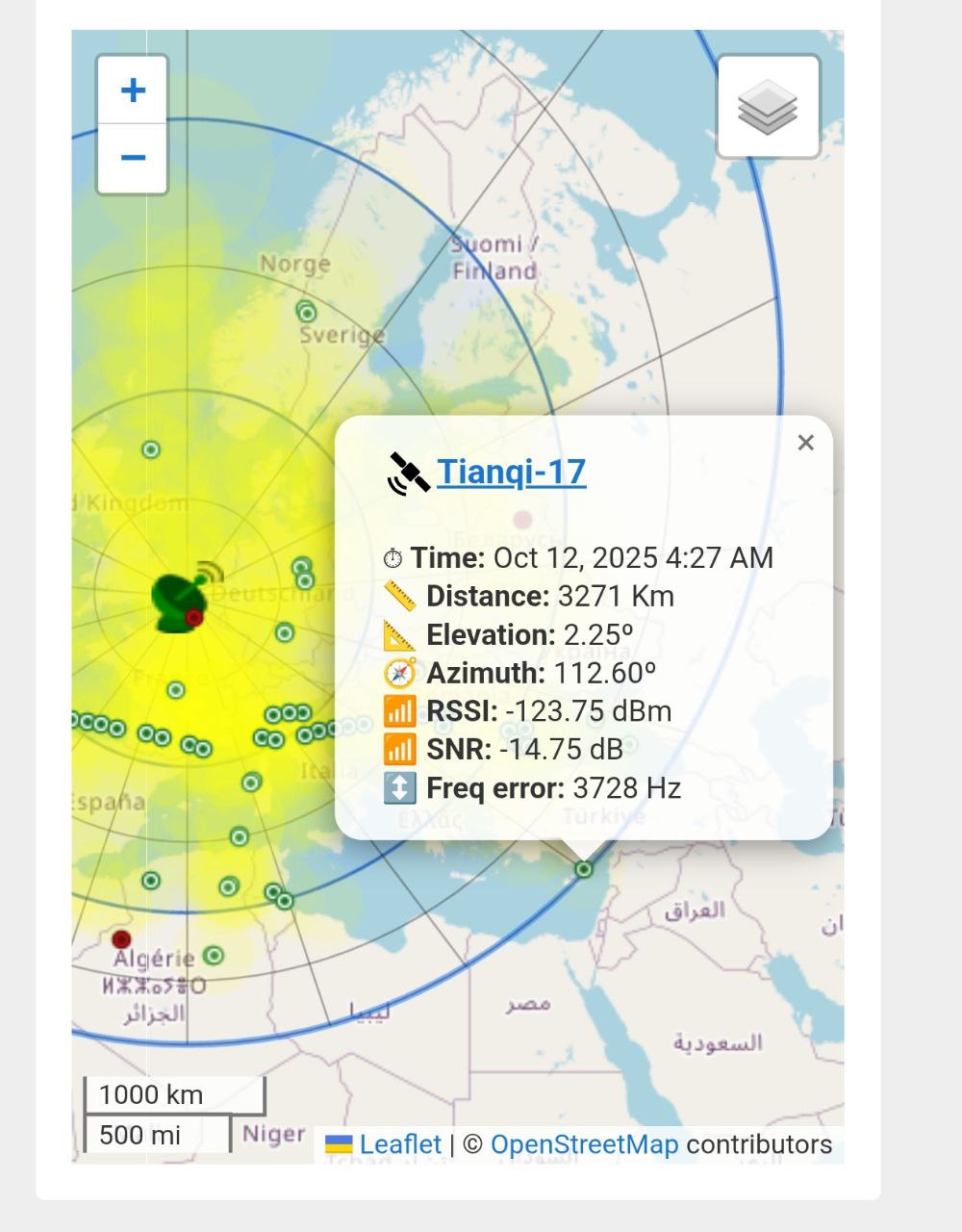
- Tiberius shared their challenge of creating a broadband ¼ lambda groundplane antenna using a copper kronenburg coaster as a base. they used rivets and solder, facing challenges with heat dissipation when attaching the sma connector. despite not achieving perfect resonance, they reported 3270km reception in their temporary setup and shared multiple photos of the build. stefan/oe6isp complimented the setup and shared insights on radiator diameter for optimal bandwidth and suggested preheating copper parts for soldering. 🔗
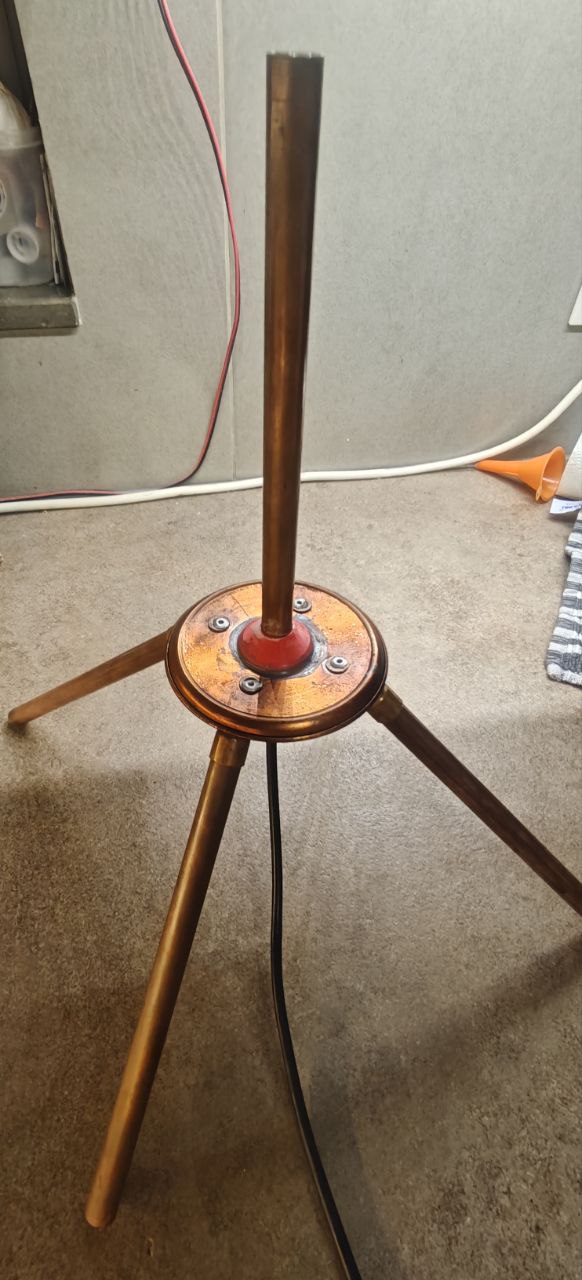
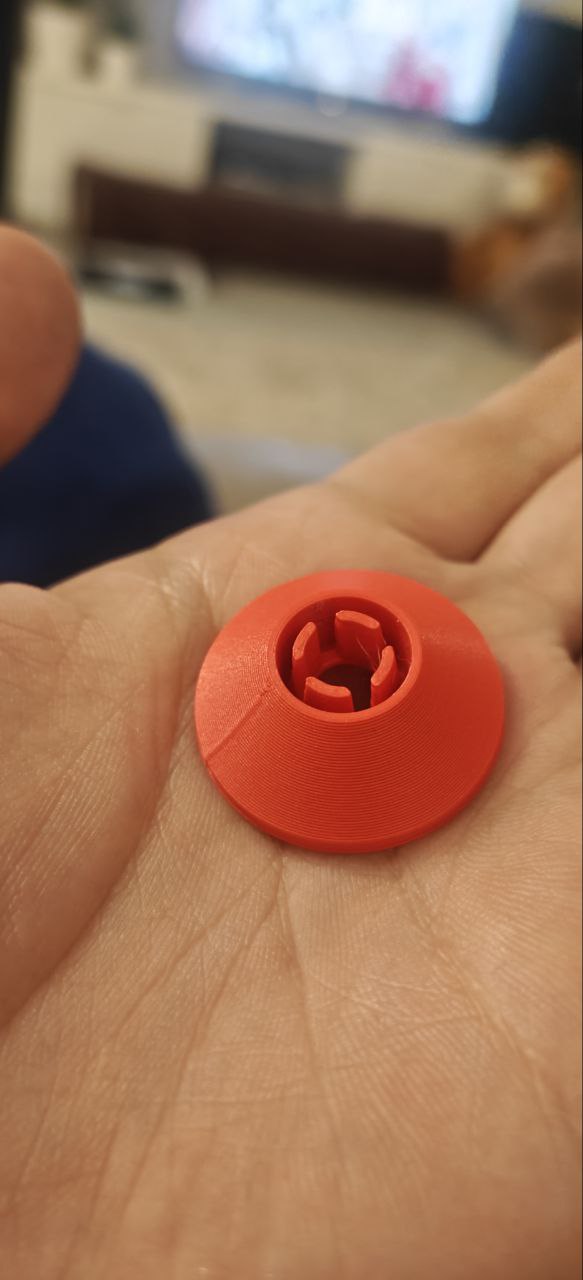
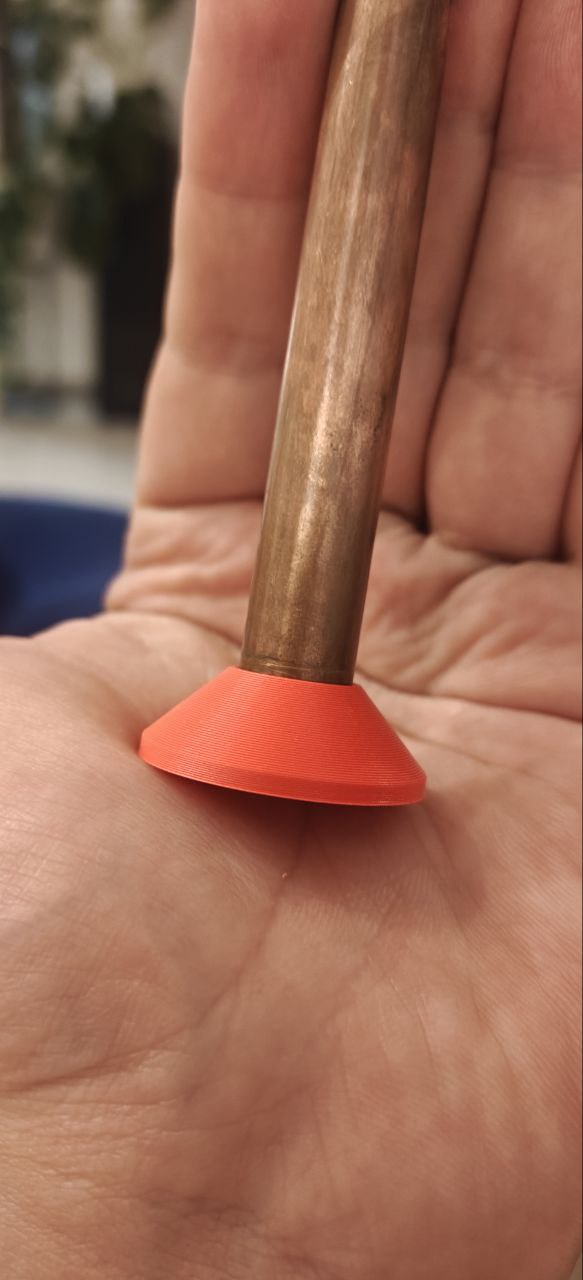
- Stefan/OE6ISP shared a comparison of two groundplanes, one with radials 10% longer than the radiator, noting that while the radiation profile remained similar, the swr was slightly improved, and the frequency was lower with the longer radials due to better impedance matching. an image illustrating the setup was provided. 🔗
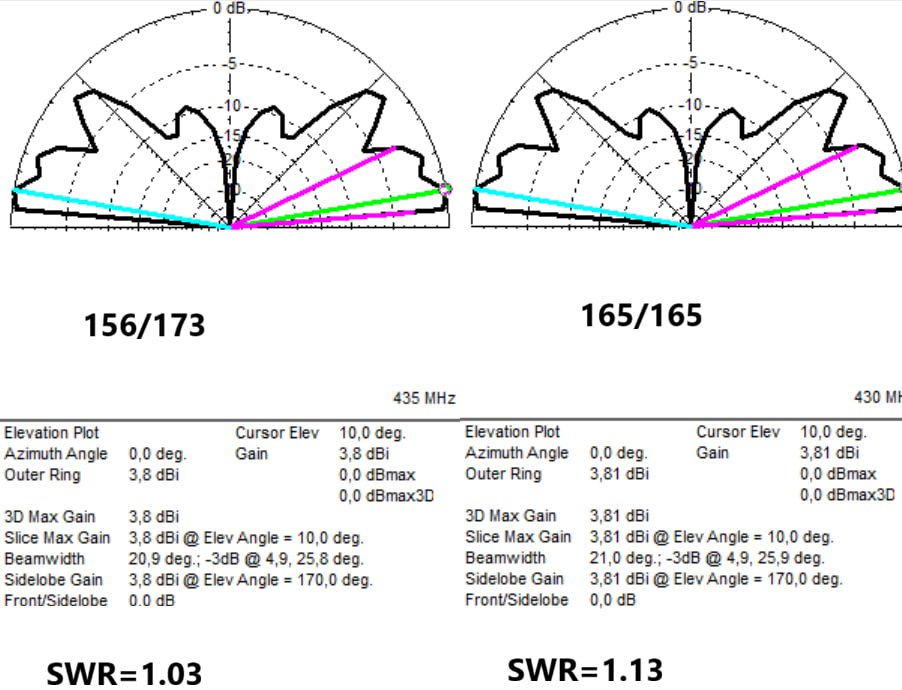
- Tiberius commented on stefan’s simulations, mentioning the use of 10mm tubes and the challenges of achieving a better swr. he also inquired about the potential effects of wrapping the radials in a copper mesh to create a ‘skirt’ or discone. 🔗
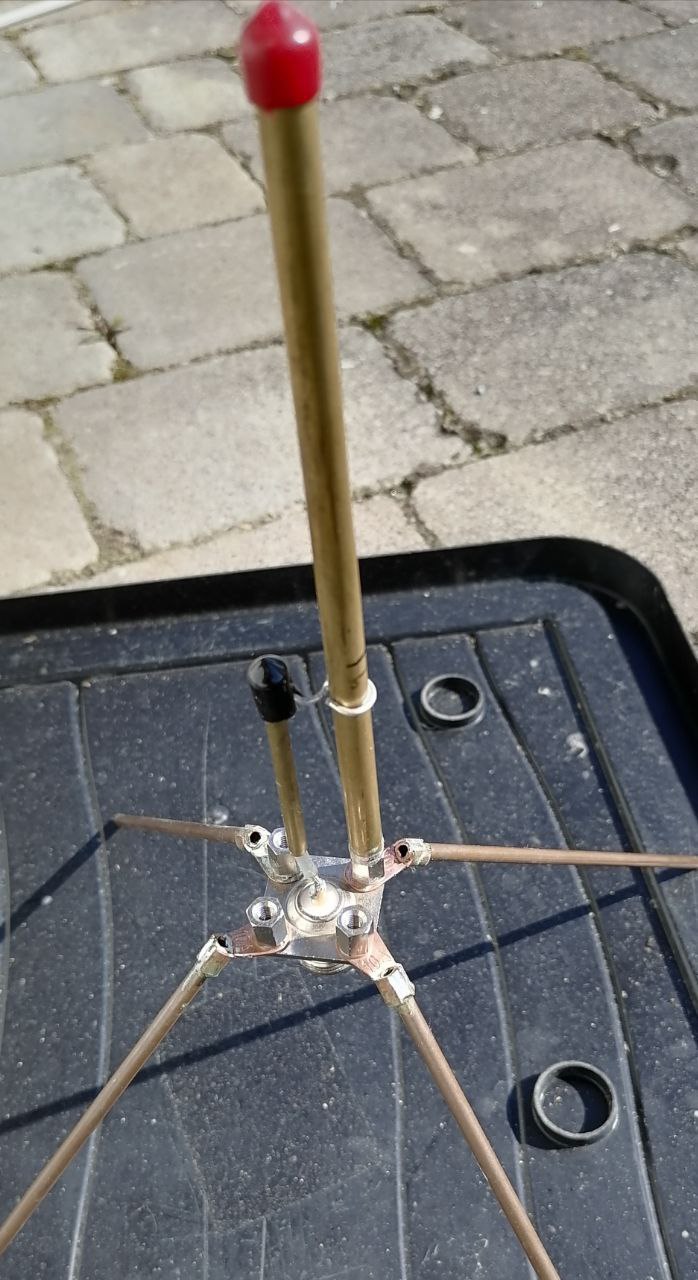
- Stefan/OE6ISP responded to tiberius, explaining that a copper mesh would likely alter bandwidth, impedance, and radiation characteristics, but not significantly improve tinygs performance. he suggested that a gamma match could improve bandwidth and protect the preamp by grounding the radiator. he then provided details on his gamma-matched ground plane antenna, including the dimensions of the gamma tube (48mm long, 4mm diameter, with a 7mm gap to the radiator) and its positioning, also sharing a construction detail image. 🔗
- brdwifi asked if there were assembly instructions or a printer template available for a specific antenna build, referencing a previous message. 🔗
- Tiberius responded to the query by providing a link to the stl file and mentioning that instructions are available in the video. 🔗
https://www.thingiverse.com/thing:5878204 - Notsure7 shared their experience building the antenna, noting it didn’t work as expected and detailing the impact of plastic loading on antenna performance, including dimensional inaccuracies and dielectric constant variations. they advised against the design, suggesting it’s not worth the time. as an alternative, they recommended a more forgiving qfh antenna design, providing a link and specific dimensions for a 425mhz setup using a 50mm pipe. 🔗
https://www.ea5wa.com/antenas/antena-qfh - Helmi shared a positive experience with a 3d-printed quadrifilar helix antenna design, mentioning they built it twice for different frequencies and it worked well, providing a link to the design. 🔗
https://community.libre.space/t/an-easy-3d-printed-quadrifilar-helix-antenna/1487/7 - Notsure7 confirmed that a particular antenna design looks promising due to minimal plastic interaction and ease of tuning the loop length. later, they mentioned that their antenna still lacks proper hemispherical behavior and requires further work. 🔗
- fparodo inquired about participating in the project from cagliari and requested recommendations for a good 433mhz antenna, asking for steps to assemble the device with a lilygo ttgo t3 lora32 v1.6.1 sx1276 433mhz. 🔗
- Helmi replied to francesco, suggesting that buying an antenna isn’t necessary and that he could build a ground plane antenna himself using a rf connector and 5 rods, referencing the antenna section for more information. 🔗
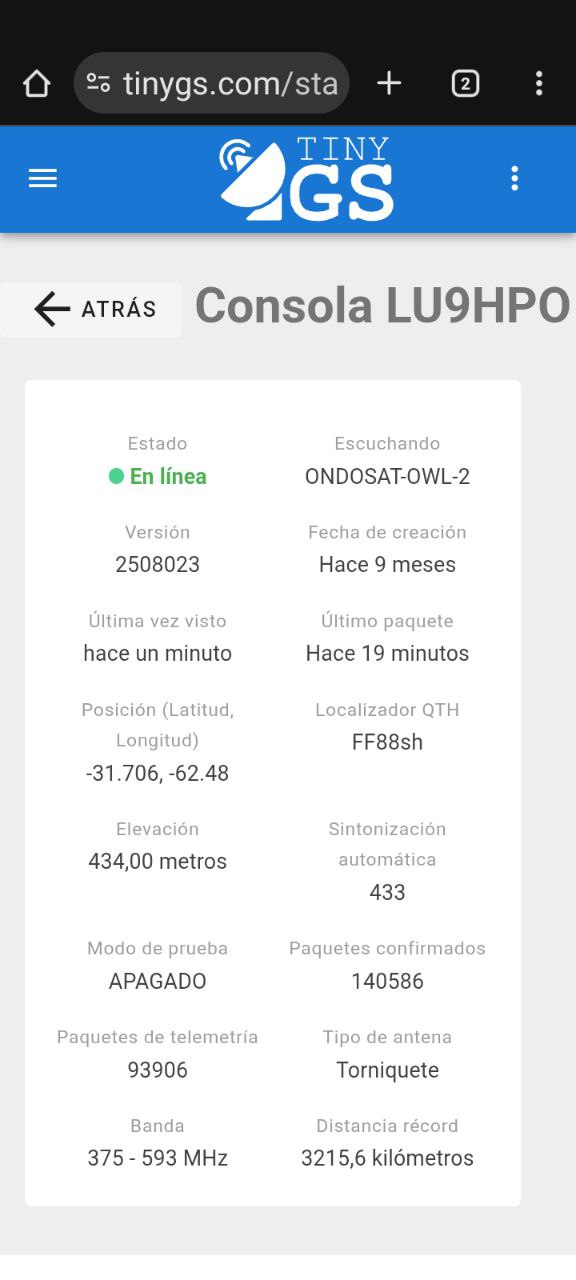
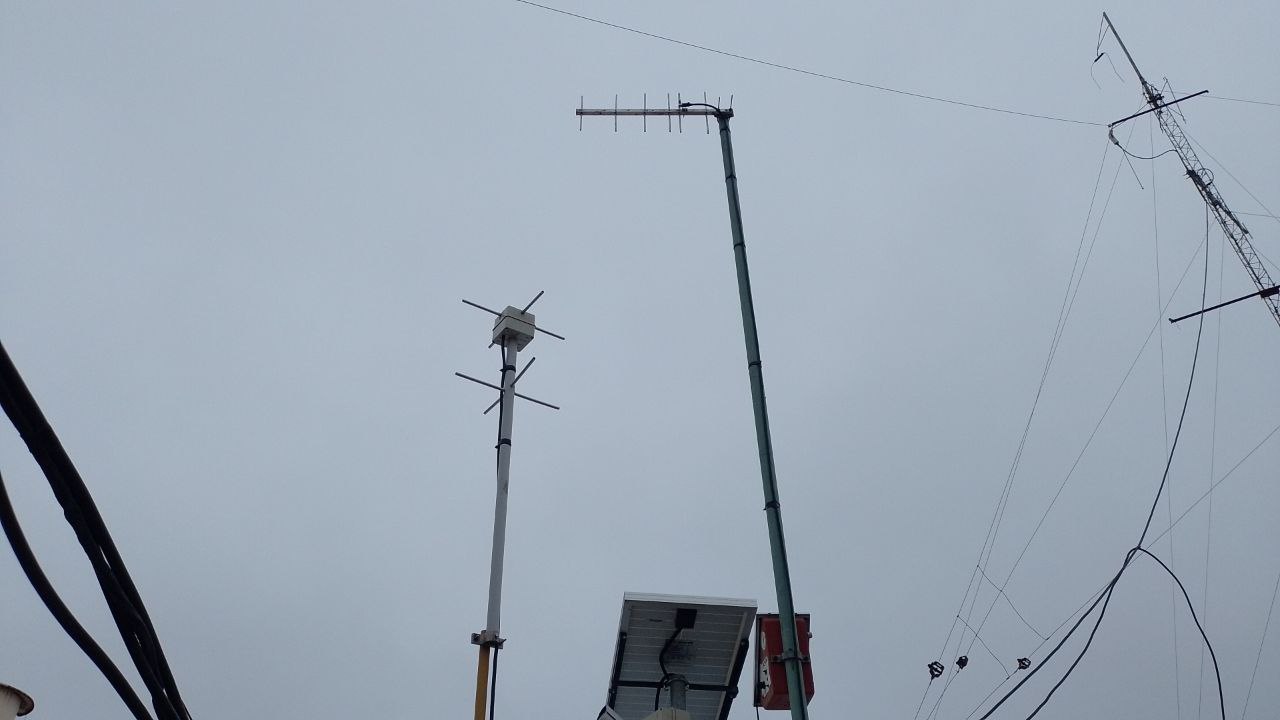
- LU9HPO shared two images related to antenna building. 🔗
Share your setup
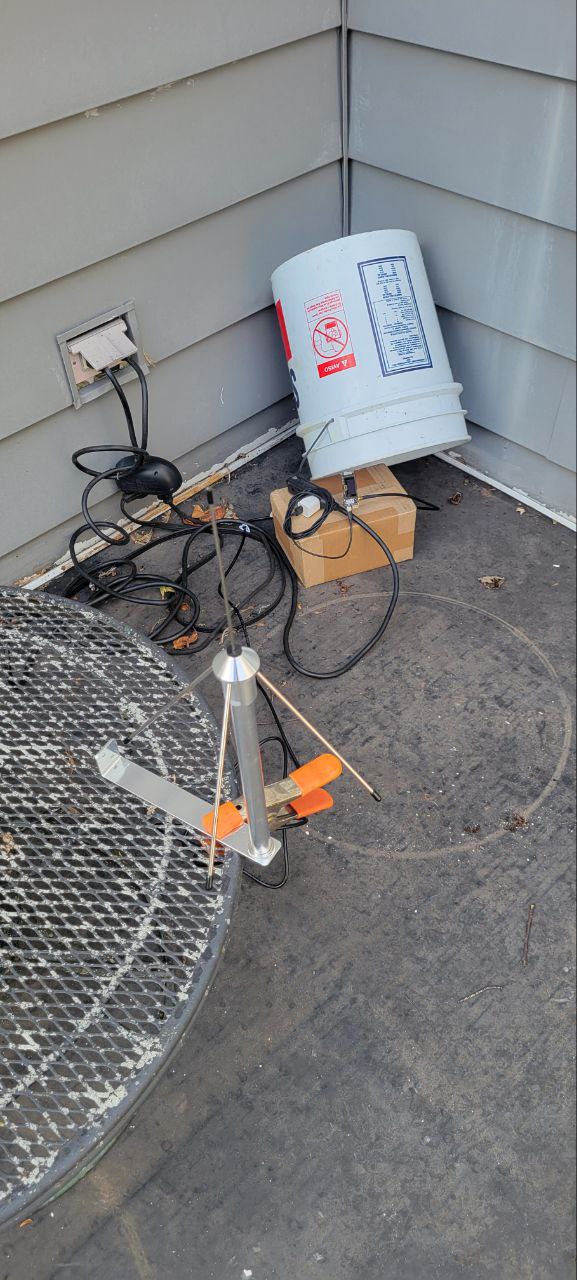
- fritzhurst shared photos of their setup on the back porch and mentioned looking forward to helping out with the cornell alpha cubesat mission. 🔗
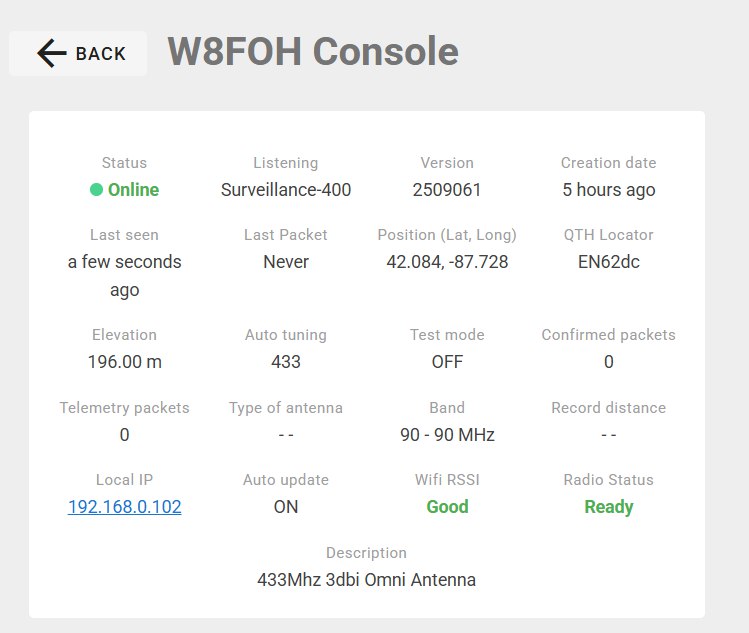
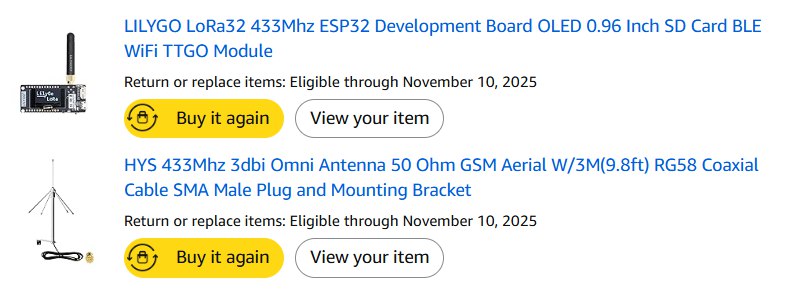
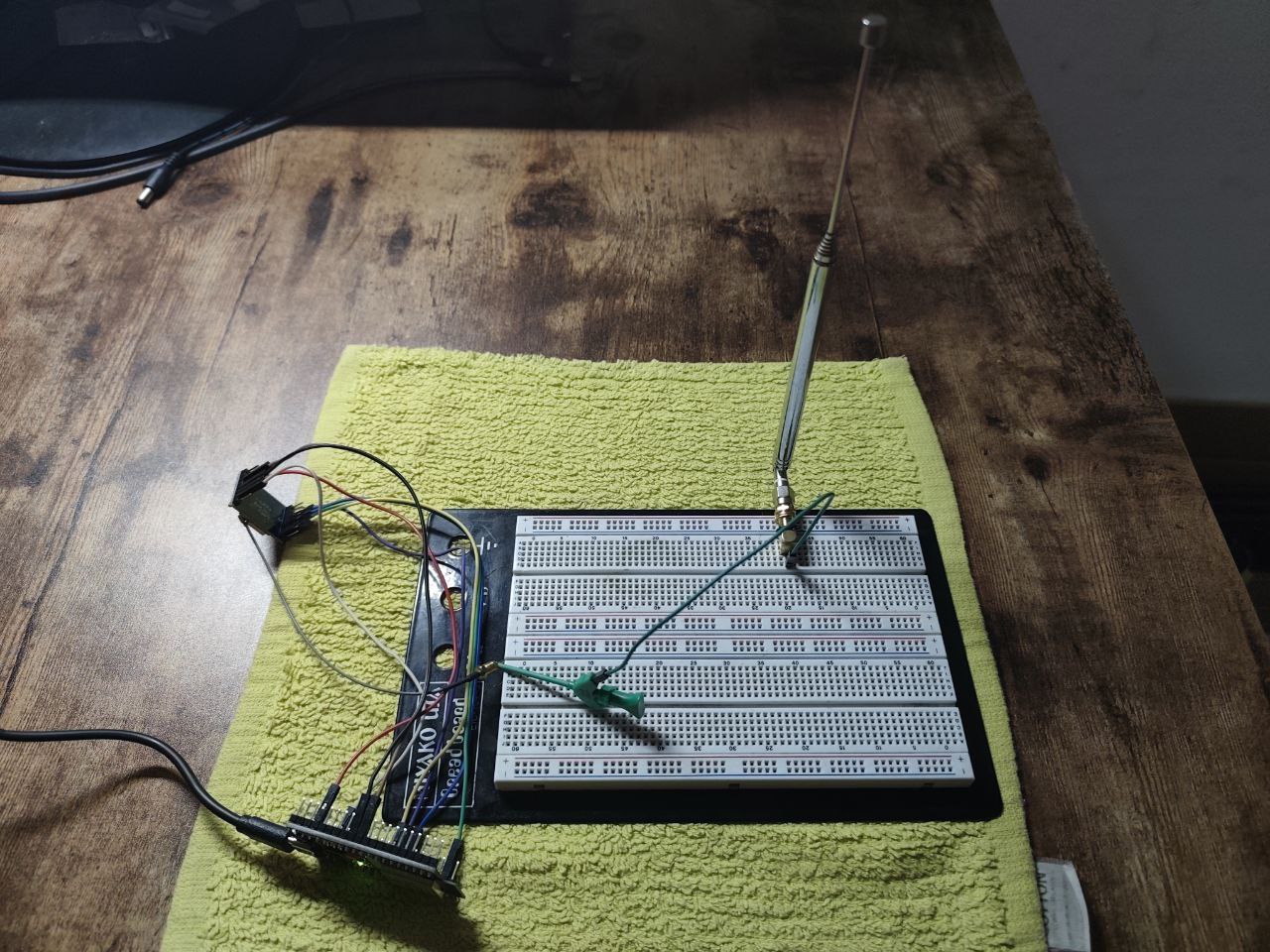
- JL shared a photo of station sentis01, which is described as an extremely low-cost setup. notsure7 commented that it won’t work as an antenna and suggested adding radials to make a proper quarter wave ground plane. stefan/oe6isp added a concern about the wire from the board to the antenna and suggested using a coax cable. 🔗
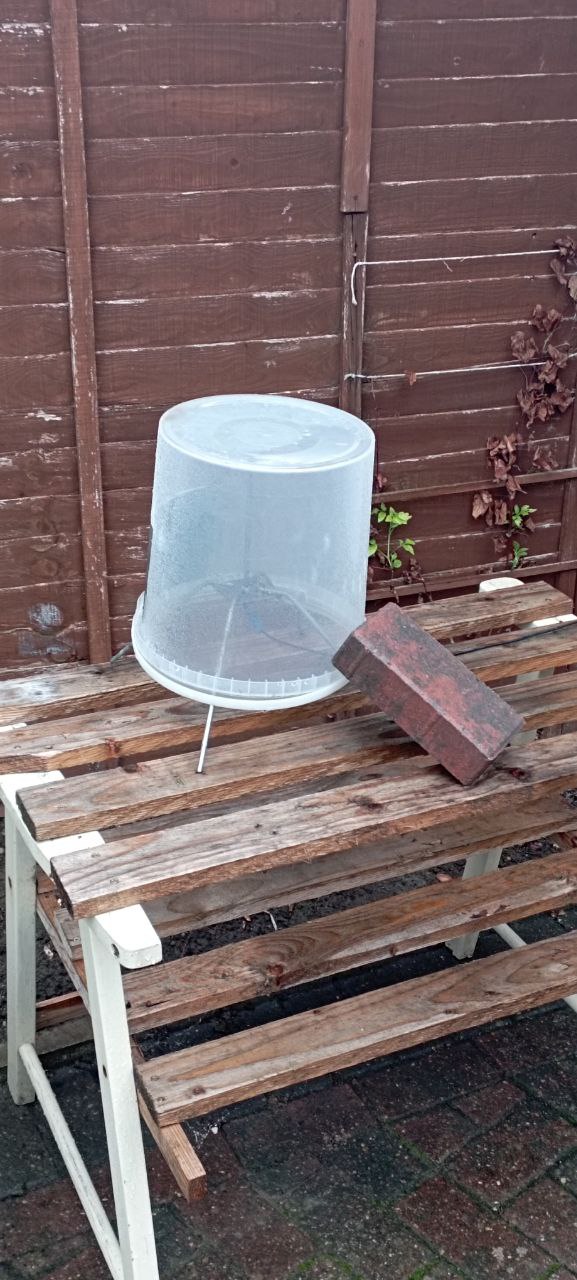
- Dennis shared a photo with the message ‘nothing wrong with buckets! 😁’ 🔗
Technical Problems
- HB9ODI reported that a feature works only on mobile. 🔗
- K4KDR reported difficulties flashing the latest 2.4 ghz lilygo lora boards (t3s3) with tinygs, tried both the web flasher and loading from vscode. the web flasher resulted in endless rebooting, while vscode loaded the latest beta version successfully but the device was not added to tinygs. he confirmed using the ‘boot’ button to put the device into flash mode and verified the hardware functionality with another product’s web flasher. 🔗
https://lilygo.cc/products/t3s3-v1-0
Where to buy
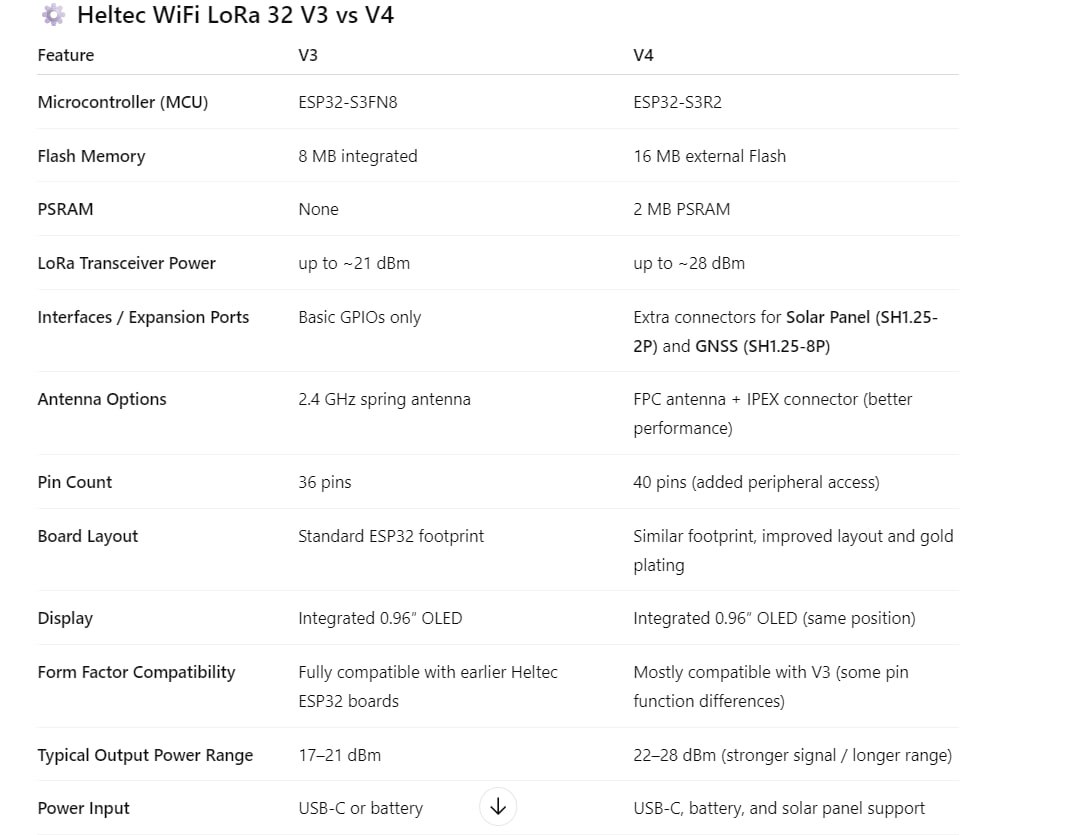
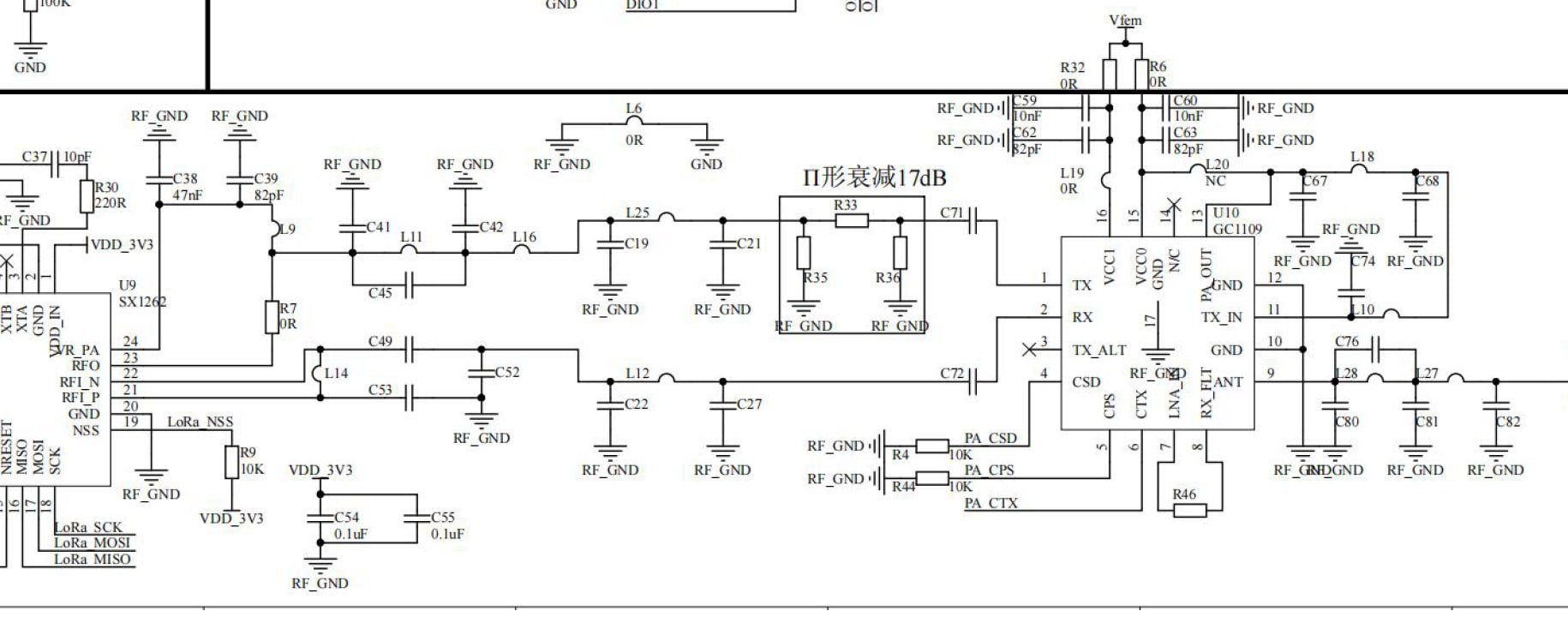
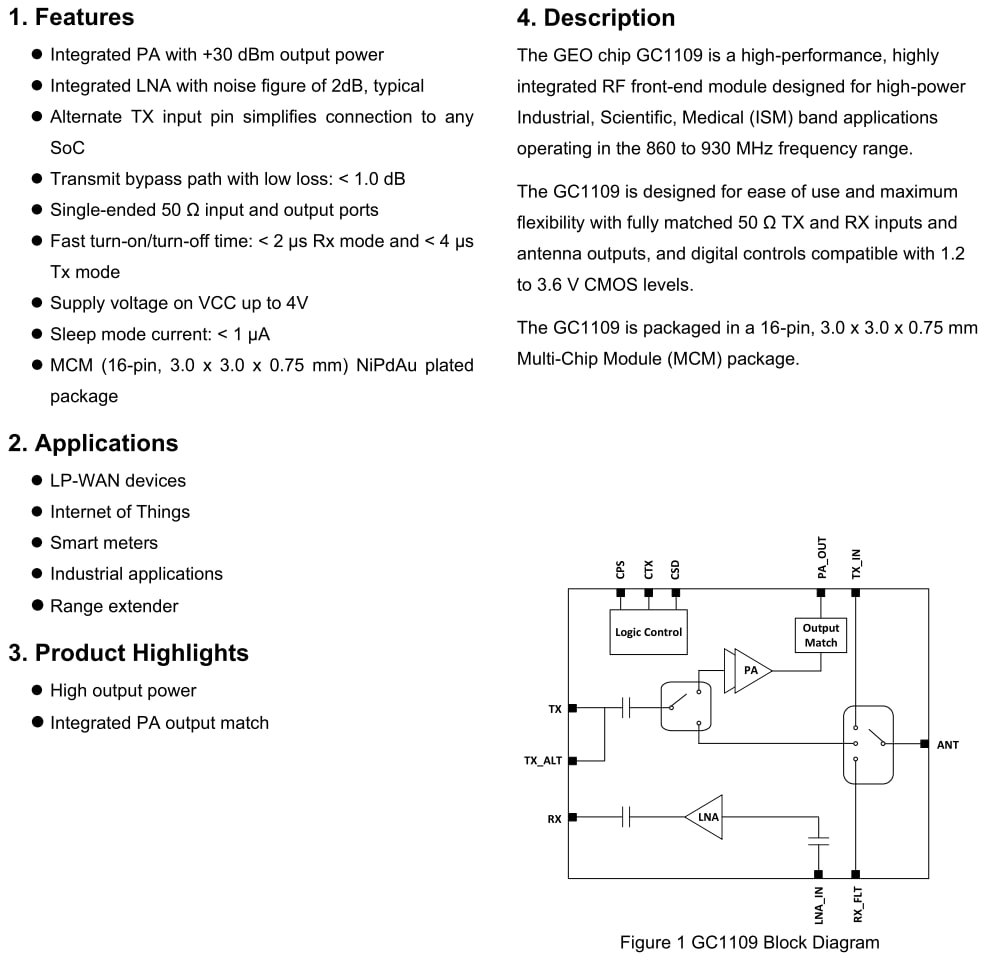
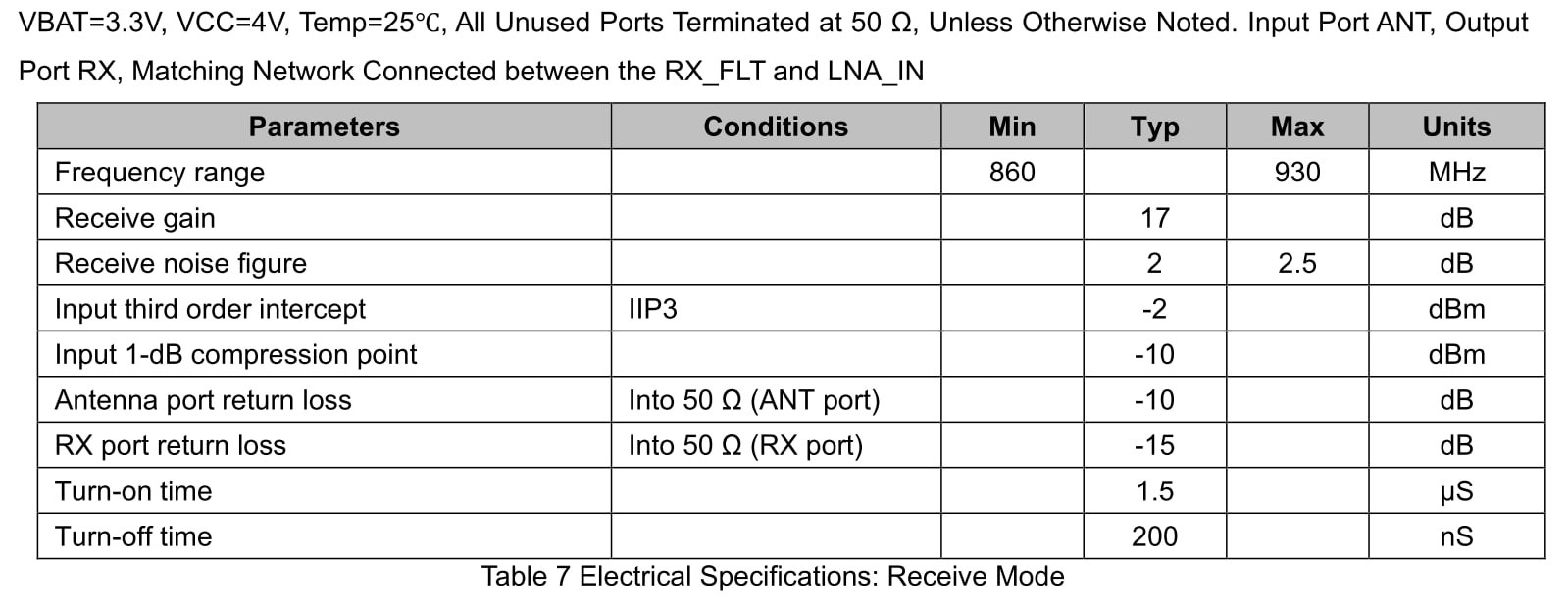
- K5MPH1 asked if stefan/oe6isp had checked out the hel-tec v4 board yet. stefan/oe6isp replied that he was happy with the v3 sx1262 on 3 stations and inquired about the improvements on the v4. k5mph1 mentioned the power output, specifying 28dbm, about a 1/2 watt. stefan/oe6isp said it was not important for him, but maybe other features would be. he added that from the rf-perspective it’s the same with sx1262 and the most important new features are the solar-interface and an ipex for wifi antenna. megazaic added that it is only for 868-915, external rf chip with pa + lna. stefan/oe6isp thanked for the info. megazaic shared some photos and a video related to the topic. stefan/oe6isp commented that it is a nice board with interesting features, intended for use with iot applications in the lpd band. megazaic mentioned having bought a few and that they’re currently being tested, noting the increased output power and the noticeable effect of the lna. stefan/oe6isp asked if the lna was similar to the e-byte modules. megazaic shared a photo of lna in gc1109. stefan/oe6isp commented that 2db noise is not trailblazing, but the input is bullet-proof. 🔗
Featured Conversations
- The community discussed challenges in receiving 800-900MHz signals in North America due to interference from trunked cell frequencies, with some users sharing their experiences and potential solutions.
- Updates were shared regarding the removal of ‘Surveillance’ objects from the TinyGS stats, and a new global 868/915MHz satellite is anticipated to launch in December.
- Users exchanged advice on satellite tracking software, with recommendations for SatPC32, Sattrack, Gpredict, and Satdump, along with tips for integrating TinyGS with rotator control systems.
- A user showcased a low-cost station setup, sparking a discussion on antenna design and the importance of using coax cables for optimal performance.
- A community member detailed their project of building a broadband ¼ lambda groundplane antenna from a copper coaster, sharing photos and receiving feedback on design and soldering techniques.
What’s next
Join the TinyGS Telegram channel to participate in these discussions and contribute to the project. Your experiences and insights can help others build and improve their stations!
Share: