· TinyGS Community · 9 min read
Weekly Newsletter - October 12, 2025
Welcome to the TinyGS weekly community newsletter. Here are the most relevant discussions and developments from this week.
Highlights
New Satellites
- K4KDR expressed interest in listening for the new ChipSats and inquired about their specifications, including the number of satellites, frequency, and payload differences. Joshua clarified that there are four ChipSats in total, all using the same frequency and packet information, with a unique identifier byte. Two ChipSats on each face of the sail are oriented to face the sun, and downlinks are staggered to minimize interference. 🔗
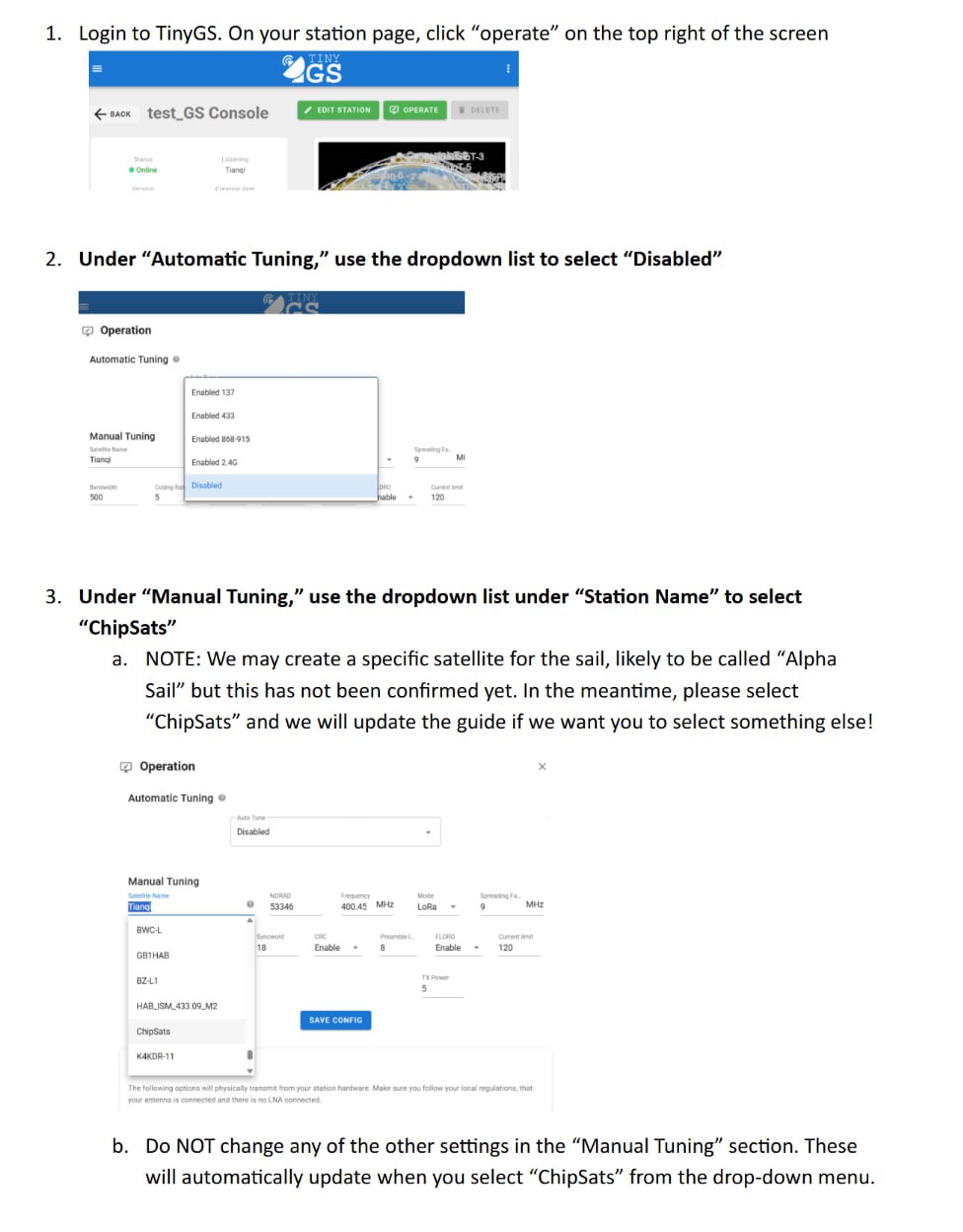
- Joshua shared a guide for newcomers to set up TinyGS stations to support the ChipSats mission and provided a link. For existing users, they highlighted the importance of temporarily setting stations to exclusively listen for ChipSats to maximize chances of establishing a comms link during the 48hr window, sharing a related image. 🔗
https://cornell.app.box.com/file/2006121124710?s=n4se5ku0ltjb1of2piagfz1y7xa92n47 - G4lile0 a mode for object without tle call surveillance was activated as soon as the sail it’s released. 🔗
- Estbhan shared a screenshot and reported that UPMSAT-2 is passing away, with the last packet received two days prior. The satellite is still listed in Celestrak and appears on the TinyGS screen at about 180 km height. Orbital data is available at: https://satcat.com/sats/46276. 🔗
https://satcat.com/sats/46276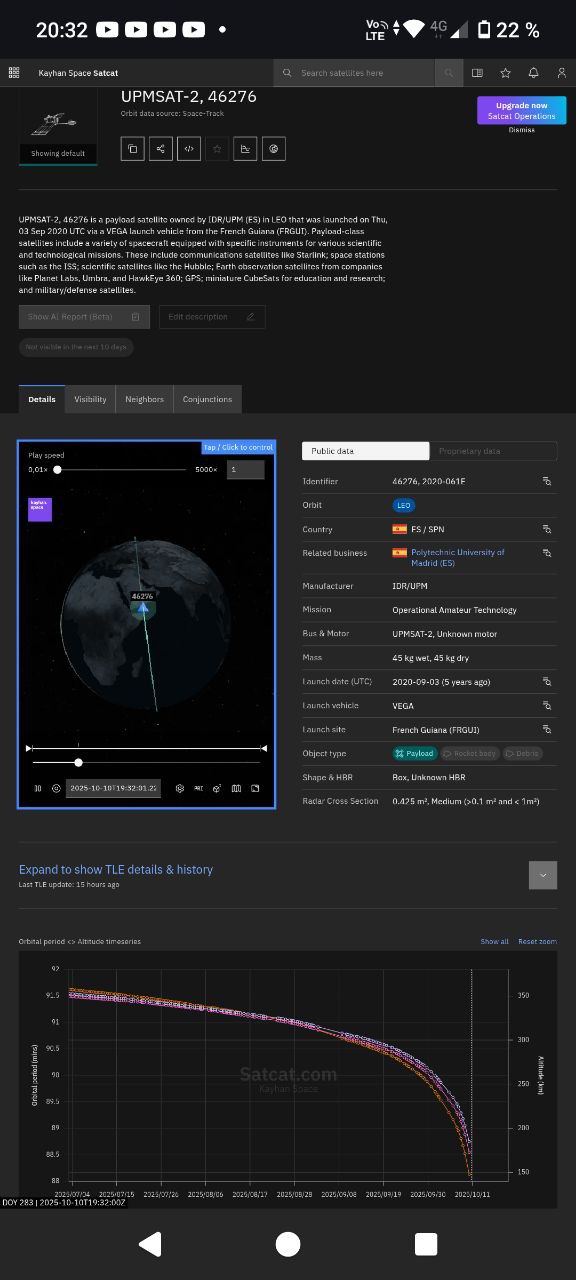
- G4lile0 the reception footprint of UPMSAT-2 was getting smaller, suggesting it might be destroyed soon due to its relatively large size. However, thanks to community contributions, over 6,000 FSK telemetry packets had been successfully received from UPMSAT-2. 🔗
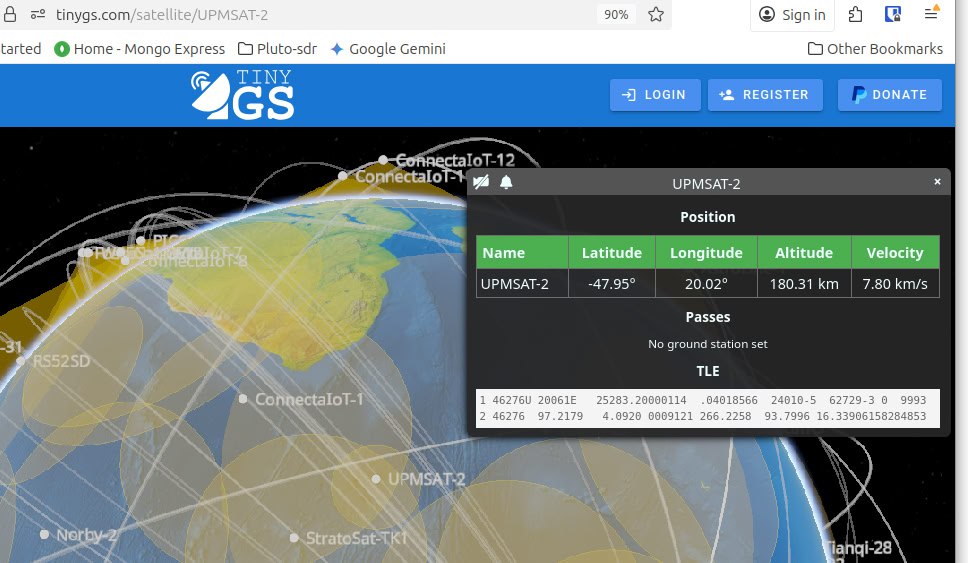
- Estbhan the user reported receiving a packet from UPMSAT-2 after noticing it was active on the TinyGS website. Later, the user shared that they got a packet with errors, noting a Doppler shift and manually tracking it. 🔗
https://app.tinygs.com/packet/0199ce27-af29-74ba-80ce-841b264008ff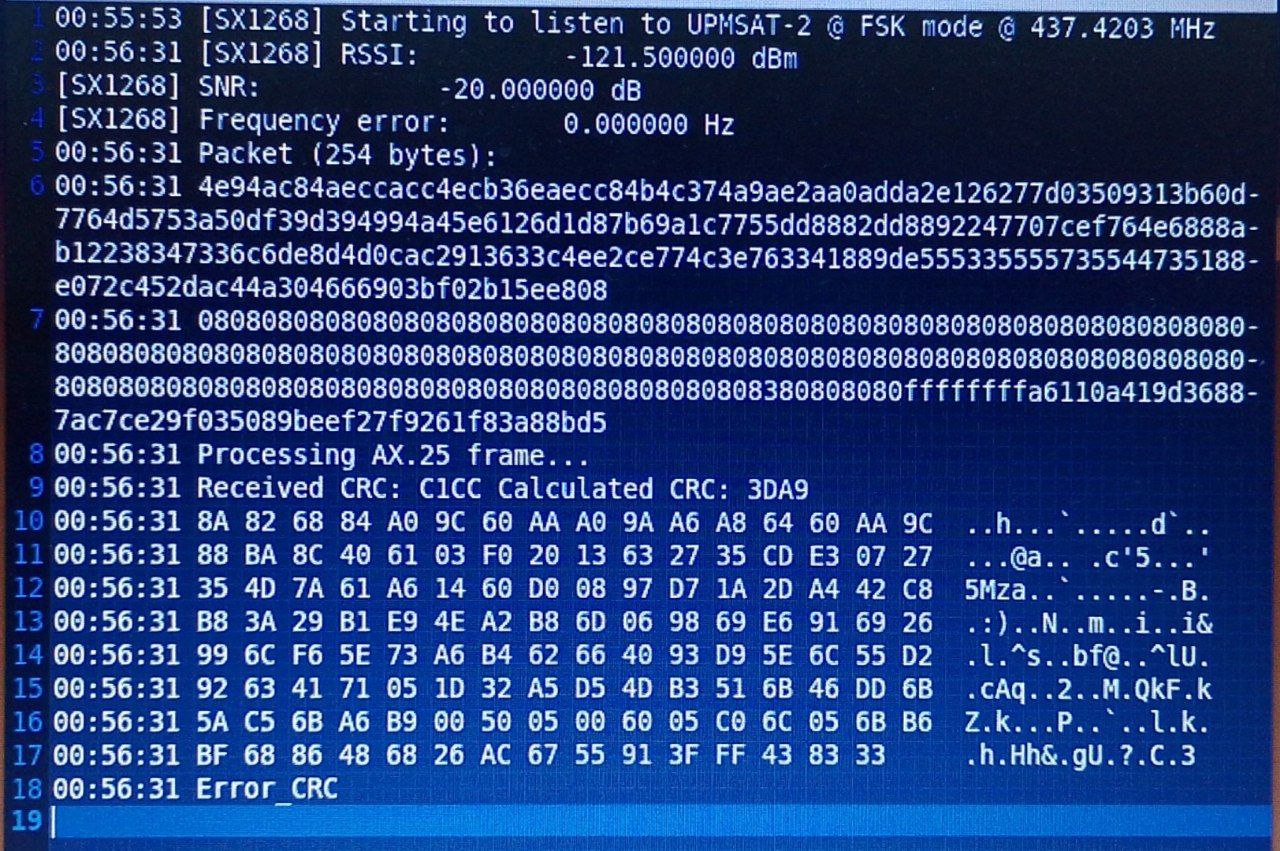
- Estbhan the user inquired about the encoding used by the BOTAN satellite for an upcoming FSK attempt, specifically whether it uses any encoding beyond NRZS, such as G3RUH, or just plain AX.25. K4KDR responded that it’s plain AX.25 4800 FSK/GMSK and that they decoded it with Direwolf using a 2.5-turn helical omni with a wideband LNA. Estbhan thanked K4KDR and mentioned trying a simple Synchword, calculating it as the NRZ version of the NRZS(HDLC(AX.25 Paquet))). 🔗
Technical Problems
- Craig inquired about updating his older ground station via OTA, mentioning the availability of a newer release through the web installer compared to the GitHub releases. Helmi suggested checking the Beta Firmware thread or provided a direct link to a relevant discussion. 🔗
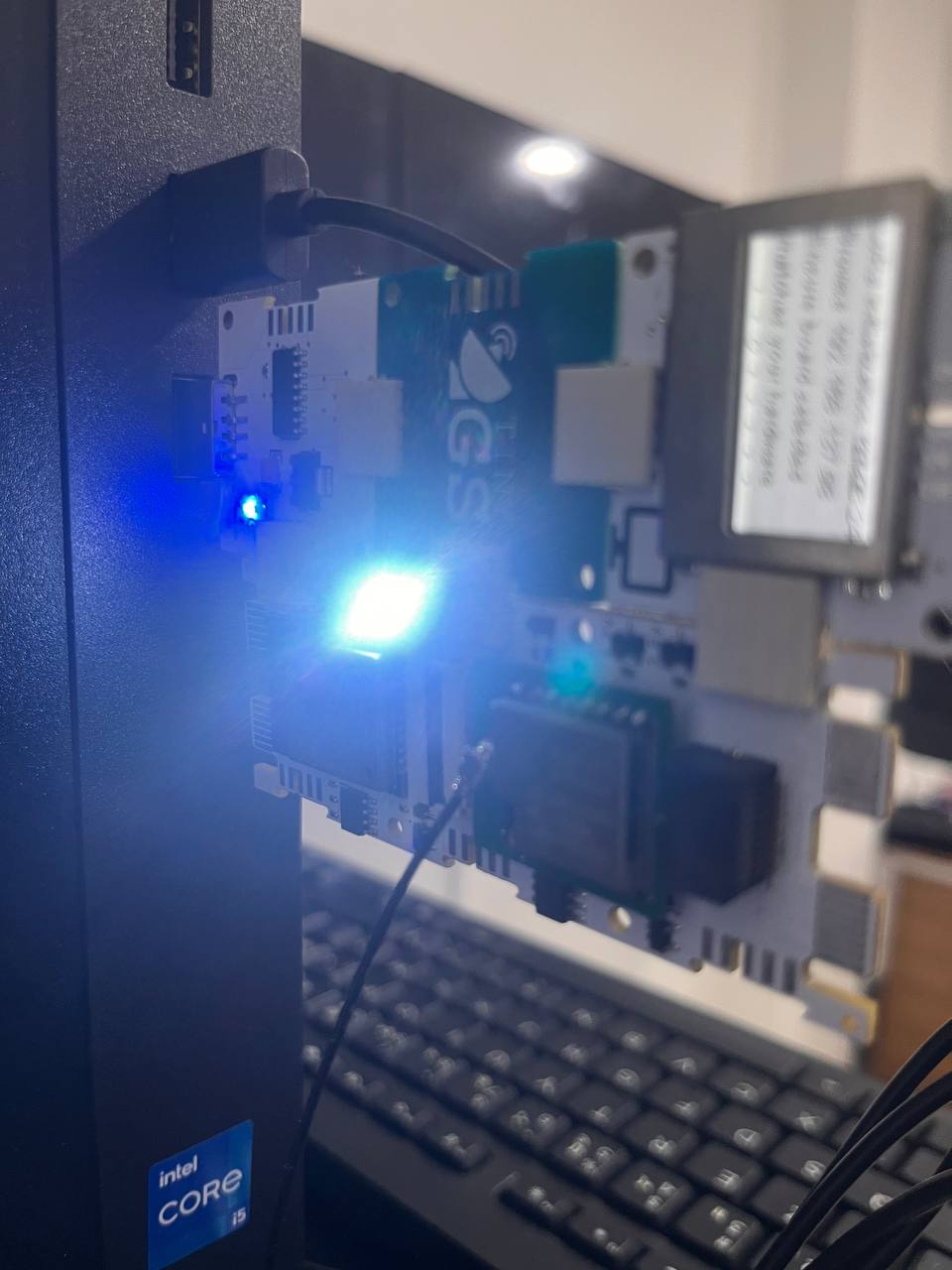
https://t.me/c/1448773154/78484/176478 - K3D_Print reported an error indicating ‘lora-chip not found’ and shared details about the kit and configuration being used, including a photo. Stefan/OE6ISP suggested the issue might be due to an incorrect pin assignment or an outdated firmware. K3D_Print confirmed that the problem was solved quickly after following the provided tips. 🔗
- Michael_Mrak asked if there were any current issues with the TinyGS website. Stefan/OE6ISP responded that there weren’t any major issues, but they had to re-login. 🔗
- Michael_Mrak reported that the embedded data on the website wasn’t loading, despite being able to access the website itself. He noted that this issue didn’t occur with other websites and that data transmission from his stations appeared normal on his smartphone. Later, ViatorAudax_dk suggested clearing the browser’s cookie history, which resolved the problem. 🔗
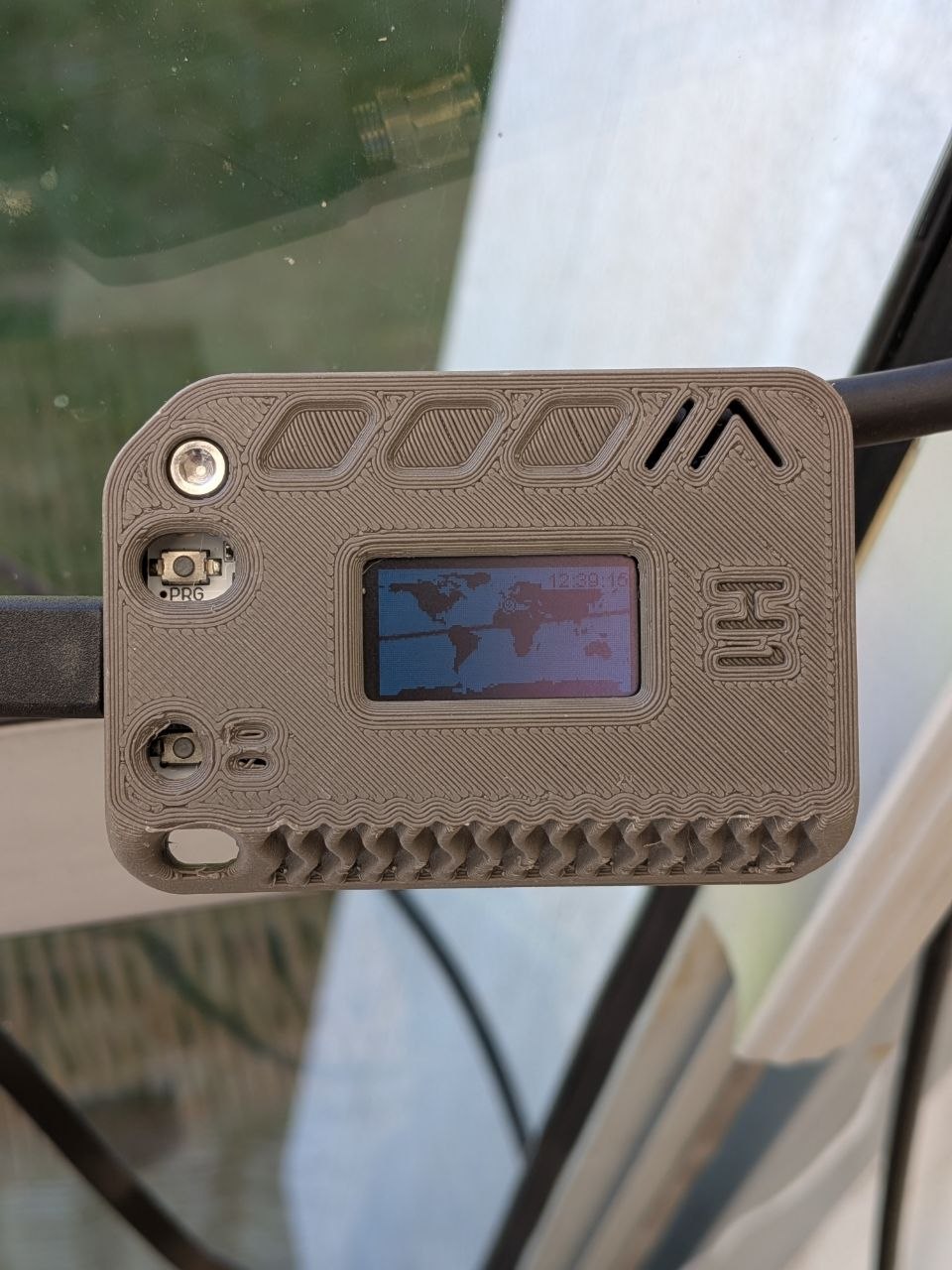
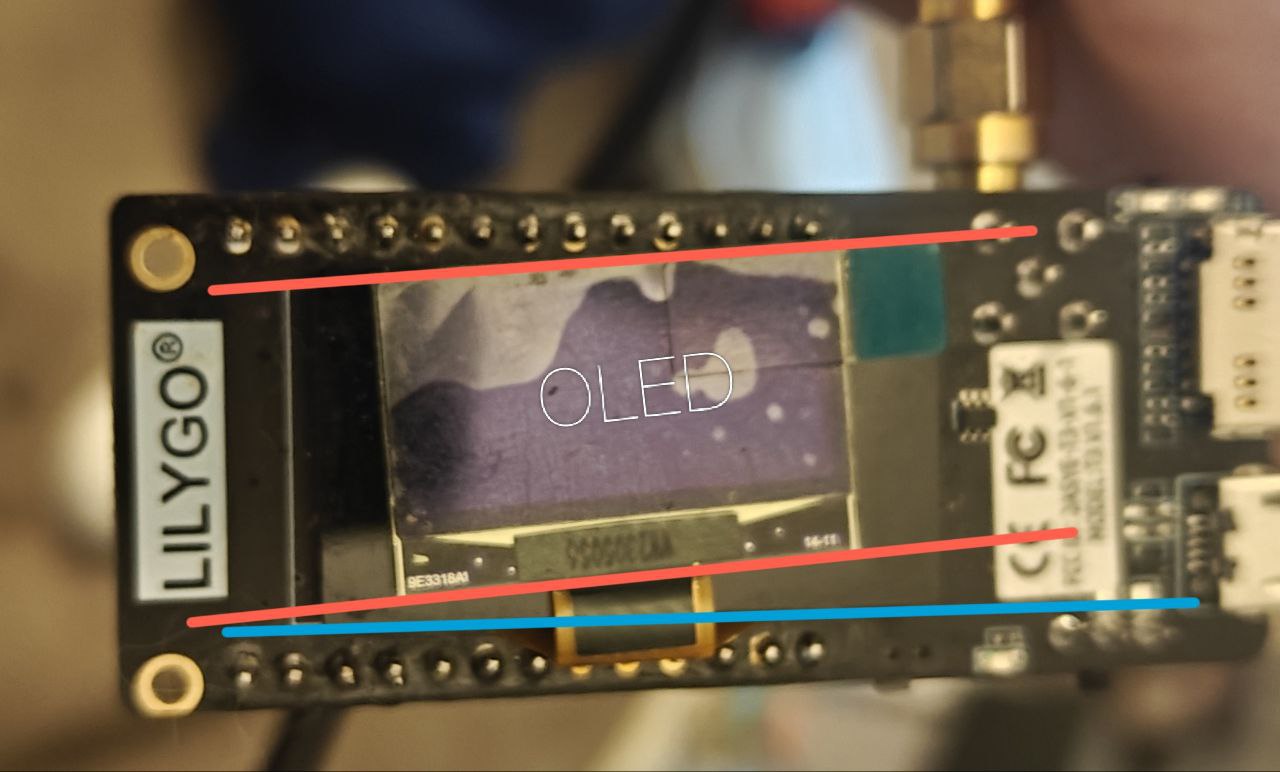
- Tiberius described an issue with the OLED screens on his Lilygo boards being poorly glued and asked for advice on how to reglue them, noting the thinness of the glass. 🔗
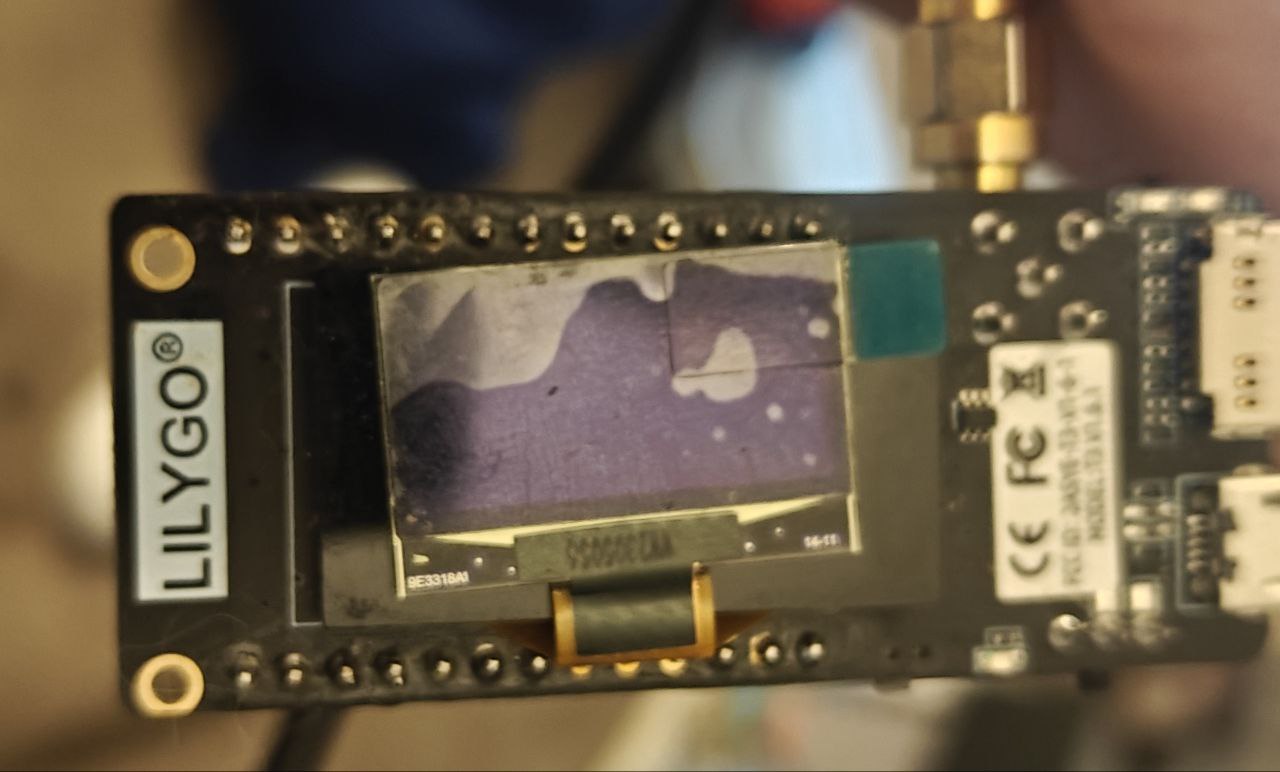
- Tiberius reported that the OLED screen on their device was glued on crooked, providing a photo for clarity. K4KDR responded, noting that many of these devices have slight imperfections and attempting to correct it could cause damage. Tiberius acknowledged the risk and decided to live with it. 🔗
- CTascon reported a significant drop in signal reception. Stefan/OE6ISP suggested checking cables and connectors for damage or moisture, pointing out that such issues are common causes. CTascon mentioned using a DIY ground plane. Stefan/OE6ISP elaborated that water ingress in connectors or cables could be the reason, leading to low RSSI and poor SNR. CTascon thanked for the help. 🔗
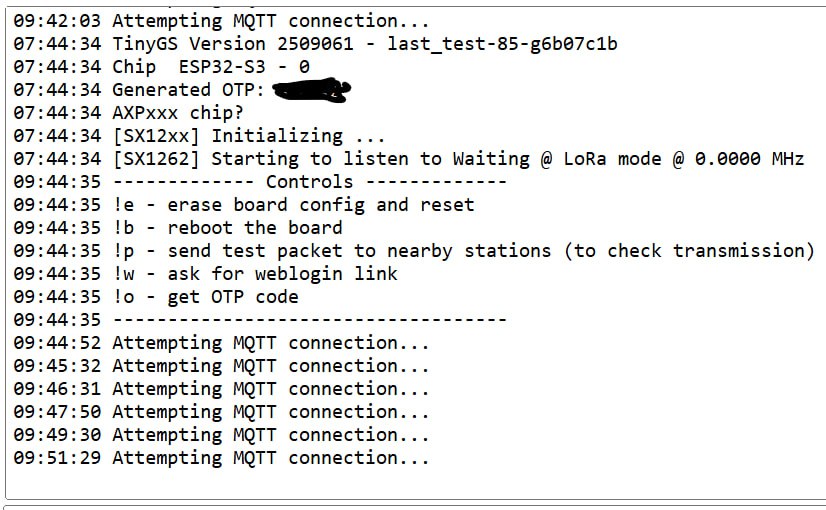
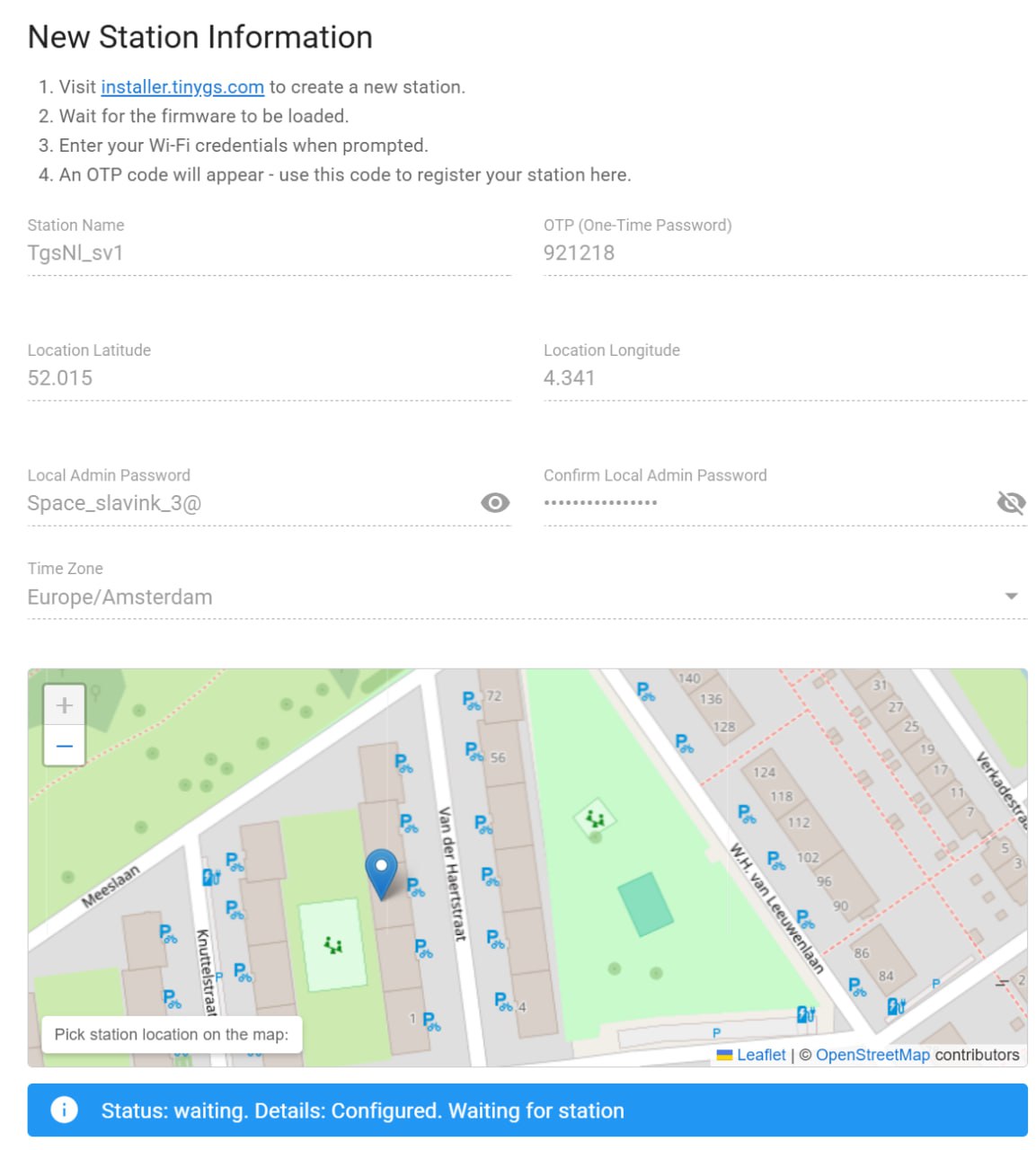
- Steve set up a Heltec V3 sx1262 and loaded the firmware, but it wouldn’t connect to MQTT. After opening port 8883 in the router, it was still trying to connect. Also, adding a new station didn’t work. Stefan/OE6ISP suggested double-checking the MQTT credentials and trying a phone’s hotspot as a workaround. Stefan/OE6ISP also mentioned that the antenna that came with the Heltec doesn’t work well and suggested building a ground plane. Steve confirmed the wifi connection was ok. After some troubleshooting, using a phone’s hotspot allowed the station to be added to the system. Switching back to the normal network caused connection issues again, indicating a potential blocking issue. After editing the settings on the router/modem and restarting it, things started working. 🔗
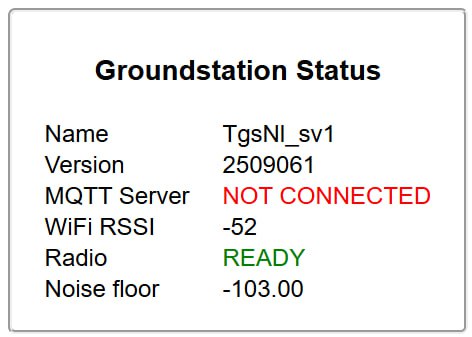
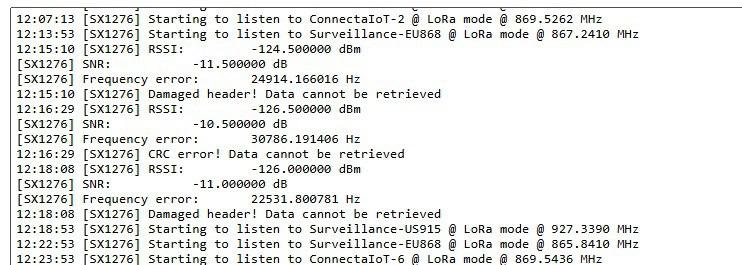
- Jeremie asked about an error message and having no decoded satellite for the moment. Stefan/OE6ISP explained that the message wasn’t an error but information about the receiver’s tuning, and that the damaged header seemed to be noise. Stefan/OE6ISP also asked if Jeremie had received any packets assigned to a Connecta satellite. Jeremie mentioned changing the antenna to a Discone due to CRC errors but still hadn’t decoded any packets. Stefan/OE6ISP suggested a directive antenna with a preamp. Jeremie is located in south-est of France (Near Geneva, CH). 🔗
Beta Firmware Testing
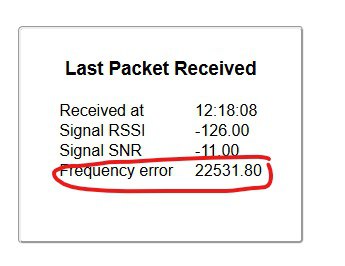
- Helmi proposed changing the words from “frequency error” to “frequency deviation”, so nobody thinks of an error in his equipment, referring to a previous message in the technical problems topic. 🔗
https://t.me/c/1448773154/78482/184375
Balloons
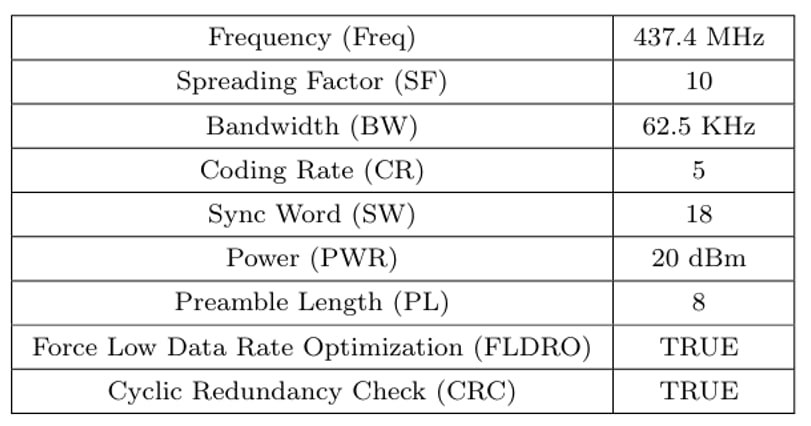
- Joshua requested an update to the “ChipSats” balloon page with specific settings and a KSY file, sharing a related image. They mentioned plans for another picoballoon flight using those parameters in anticipation of the orbital mission. 🔗
General
- ViatorAudax_dk asked about receiving Telegram notifications when his setup receives data from a satellite. Stefan/OE6ISP responded that it’s not possible directly but suggested connecting a custom Telegram bot to the COM interface using Python code. ViatorAudax_dk then asked for resources on how to do this, and Stefan/OE6ISP offered to look for some old Python code for COM2telegram. 🔗
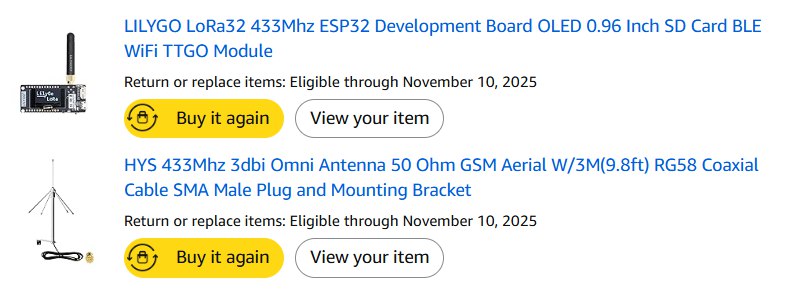
- matrix_cat asked if an antenna from Amazon would work for TinyGS: https://www.amazon.com/dp/B00HVGOAAM. 🔗
https://www.amazon.com/dp/B00HVGOAAM - OE9SAU introduced themself to the group and mentioned they are starting with an easy turnstile antenna: https://www.oe1cgs.at/easy-turnstile-antenne-fuer-den-satellitenfunk/. 🔗
https://www.oe1cgs.at/easy-turnstile-antenne-fuer-den-satellitenfunk/ - Helmi responded to the question about the Amazon antenna, suggesting it might not work very well without a counterweight and noting its radiation pattern is optimized for terrestrial communication. Helmi added that they built the turnstile antenna and found that a simple dipole or groundplane performed a little better, depending on local circumstances. 🔗
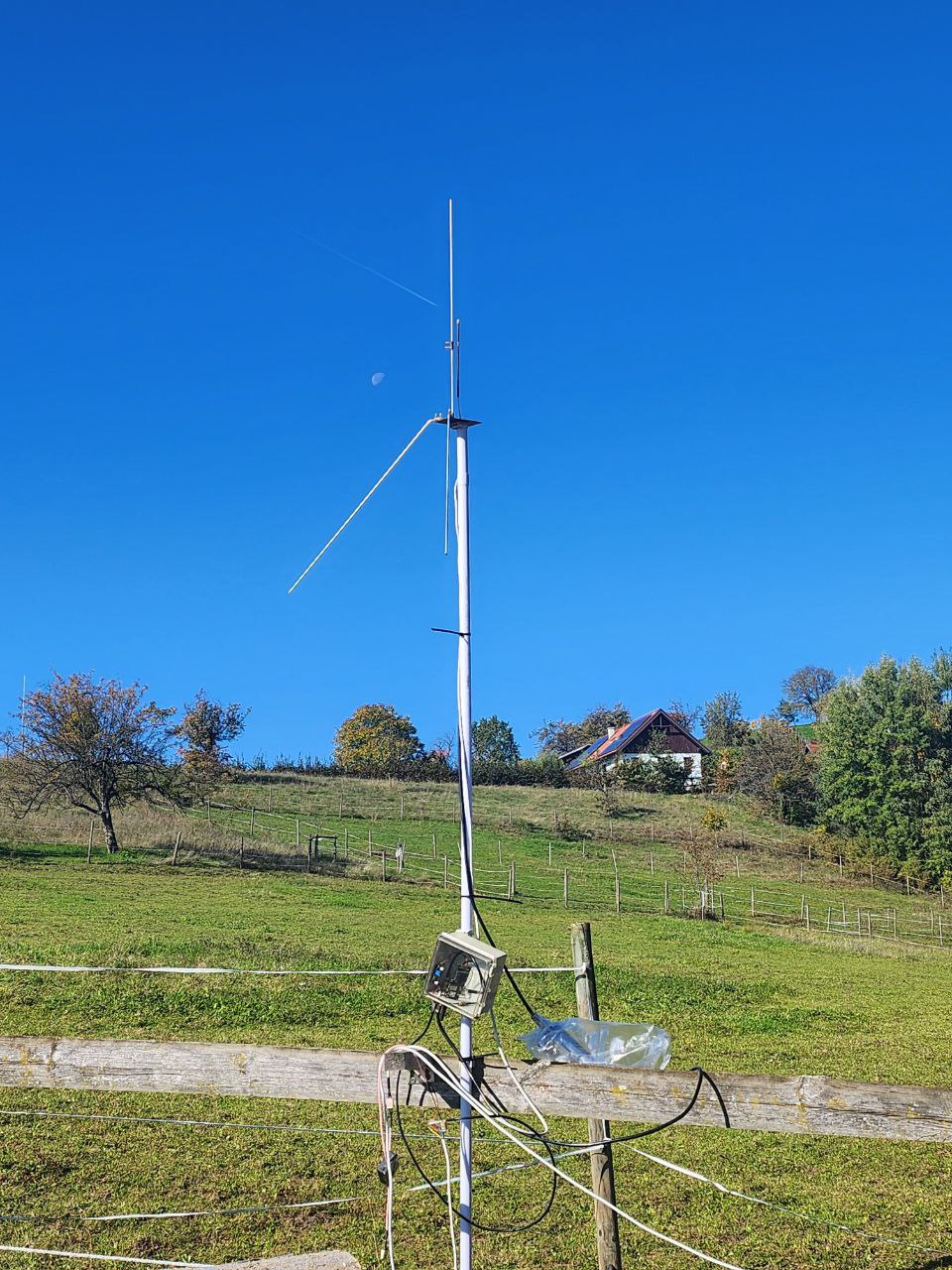
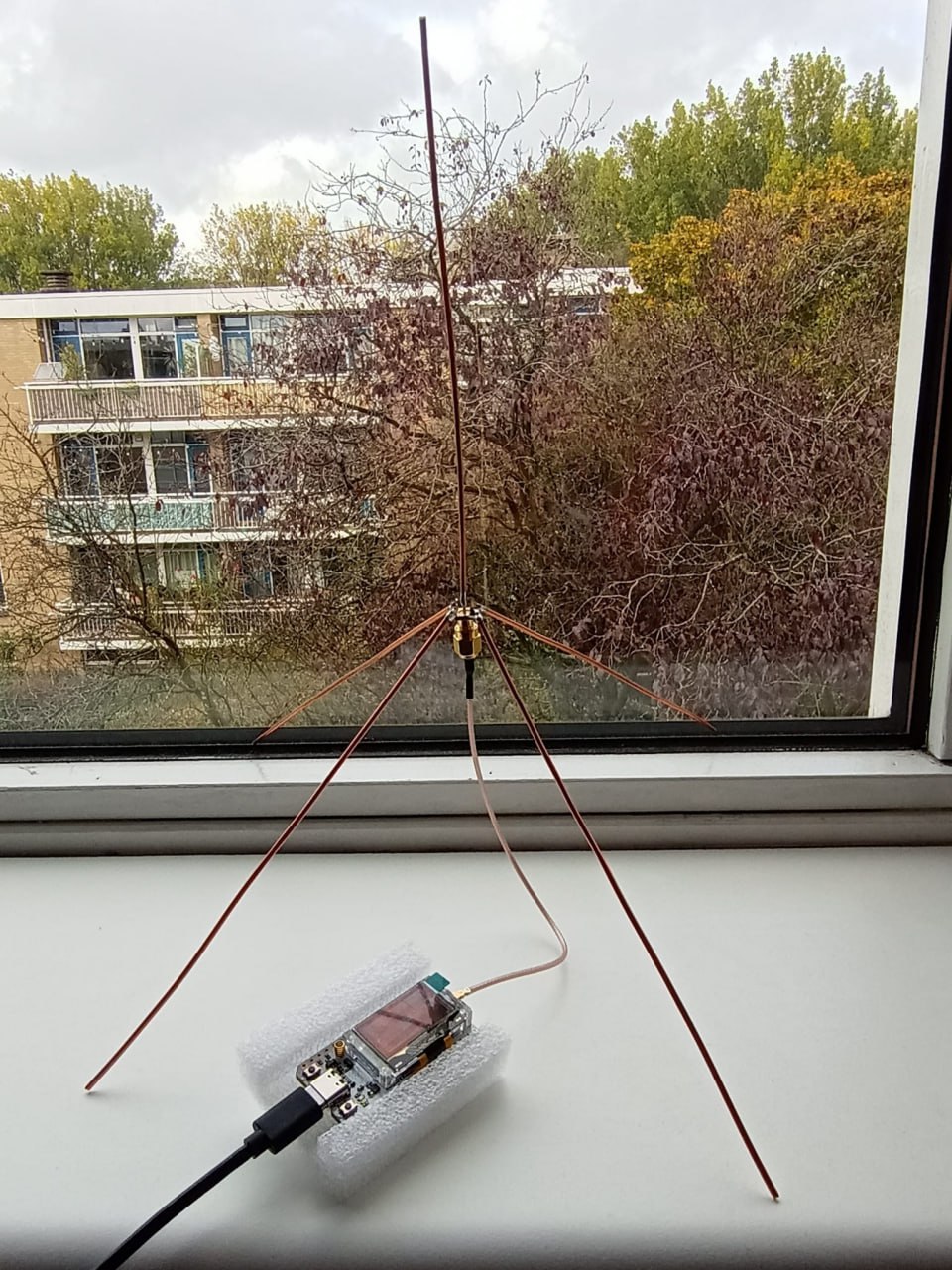
- Steve noticed that packet collection was lower during the daytime and higher at the end of the evening and night with an indoor antenna facing west. Stefan/OE6ISP suggested that this is normal and recommended placing the antenna outdoors, away from the wall, or putting the entire station in a waterproof box. They also mentioned that thin coax cables can be lossy when going through windows. Steve later inquired about the reason for fewer daytime packets, and Stefan/OE6ISP confirmed it’s normal, possibly due to more favorable satellite passes at night. Steve shared details about the antenna’s dimensions, mentioning the use of the M0UKD site for calculations, and acknowledged being new to the field. Stefan/OE6ISP suggested that the radiator might be a little short for 400MHz and advised on tuning the antenna by adjusting the radiator length, also sharing a link to their QRZ.com page for antenna information. Steve shared a photo of the NanoVNA being used to tune the antenna. 🔗
https://www.qrz.com/db/OE6ISP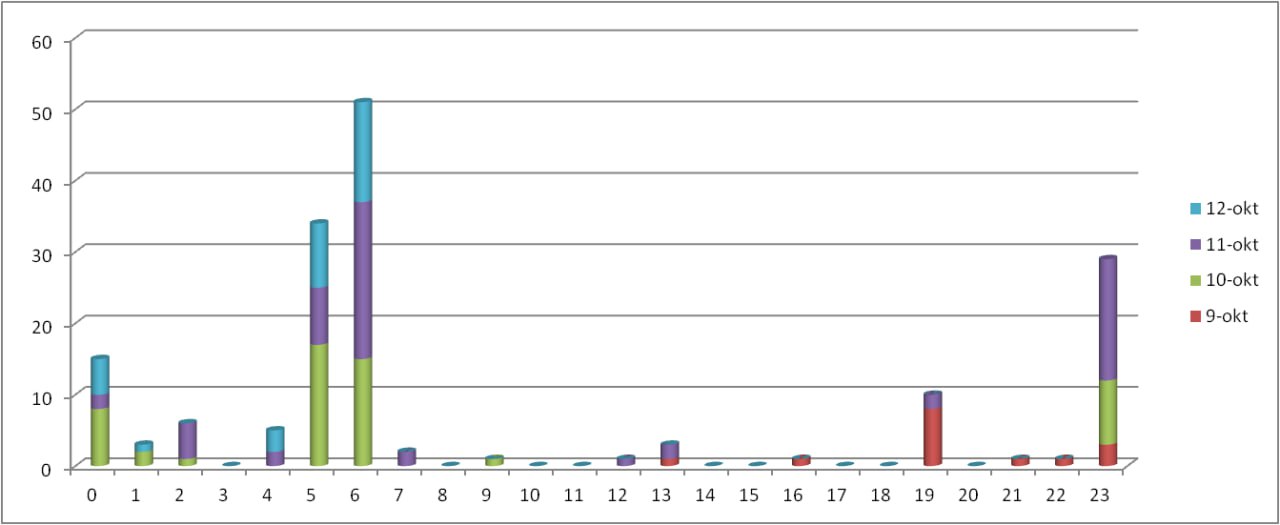
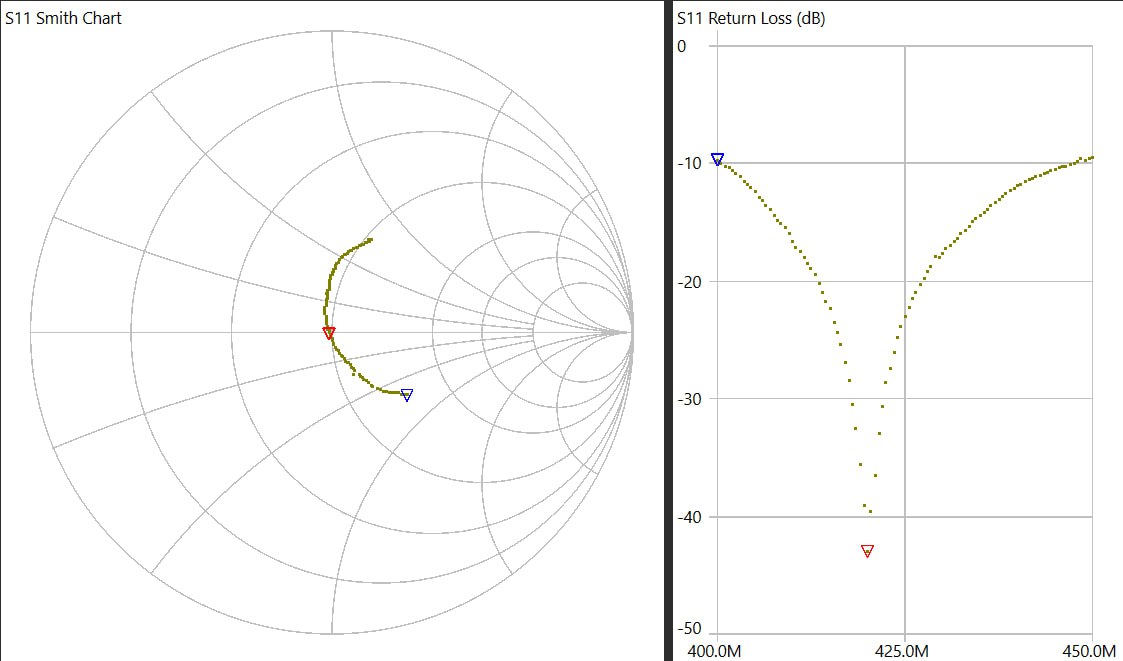
- John asked about including battery voltage in the telemetry data for a solar-powered, 24/7 setup using 4x18650 batteries and wanting to avoid external LEDs to prevent attracting attention. 🔗
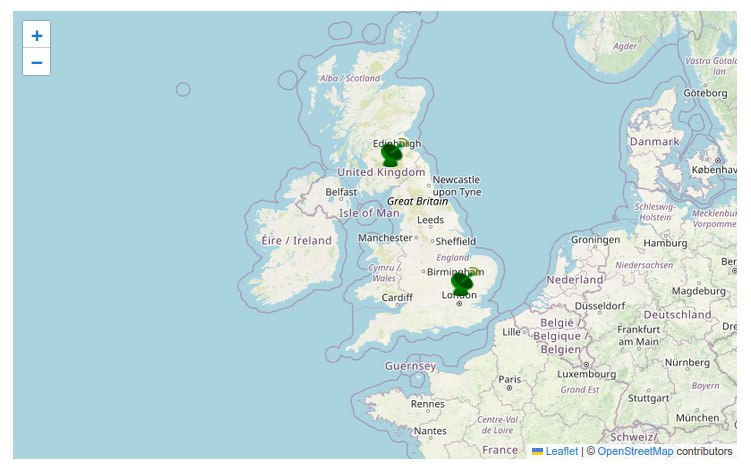
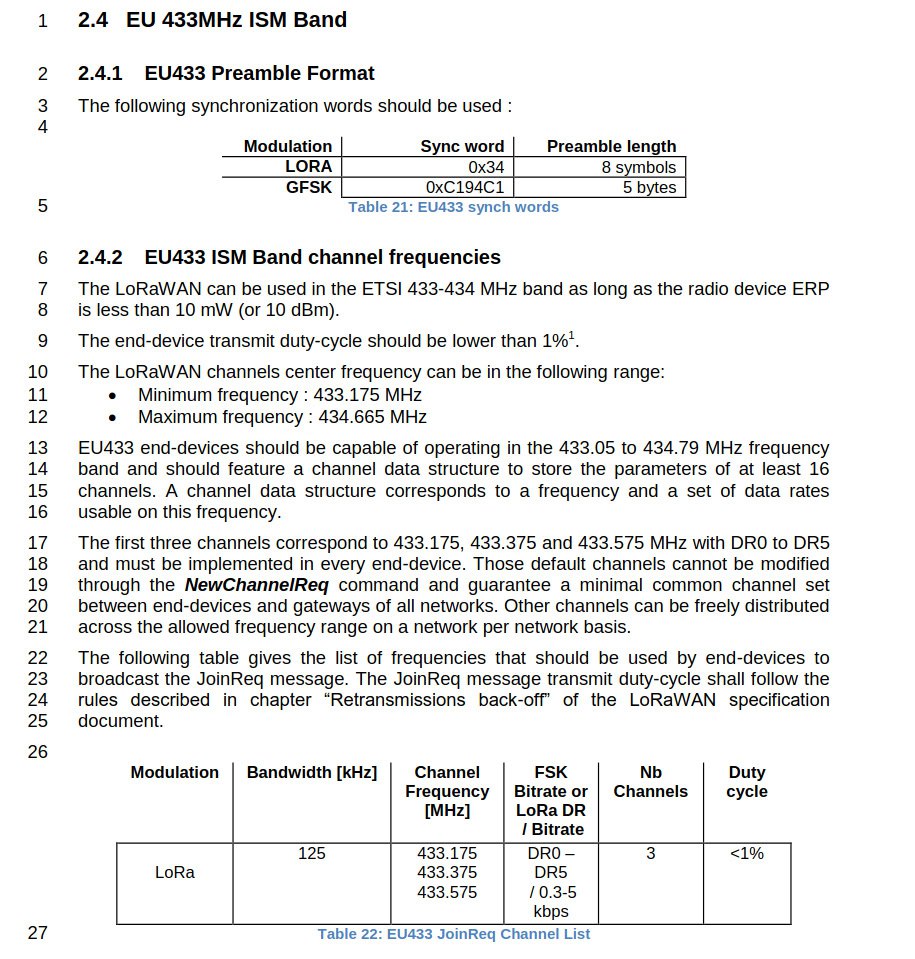
- G4lile0 reported that the TinyGS Surveillance Mode algorithm, tweaked to show packets received by more than one ground station, detected a persistent, mysterious signal over the UK and Ireland at LoRa 433.133MHz±30kHz, SF: 7 | CR: 6 | BW: 125kHz, and provided a link to the surveillance page. Stefan/OE6ISP noted positive SNR at wrkpTinyGS. G4lile0 then suggested the signal might be from multiple transmitters sending the same payload and shared images showing receptions with and without the two-station filter. Stefan/OE6ISP suggested Meshcom nodes with repeater function could be the cause. G4lile0 clarified the signal was only being picked up in the UK/Ireland. K4KDR shared a link to a packet decode and inquired about preamble symbols and SyncWord. Helmi suggested the encrypted packets were not MeshCom, and Stefan/OE6ISP added that it looks like something specific for UK. G4lile0 mentioned receiving many CRC-ERRORs and attempted changing the syncword from 0x12 to 0x34, but still encountered errors. 🔗
https://app.tinygs.com/satellite/Surveillance
https://app.tinygs.com/packet/0199d949-6fa2-76b5-816b-697addc91136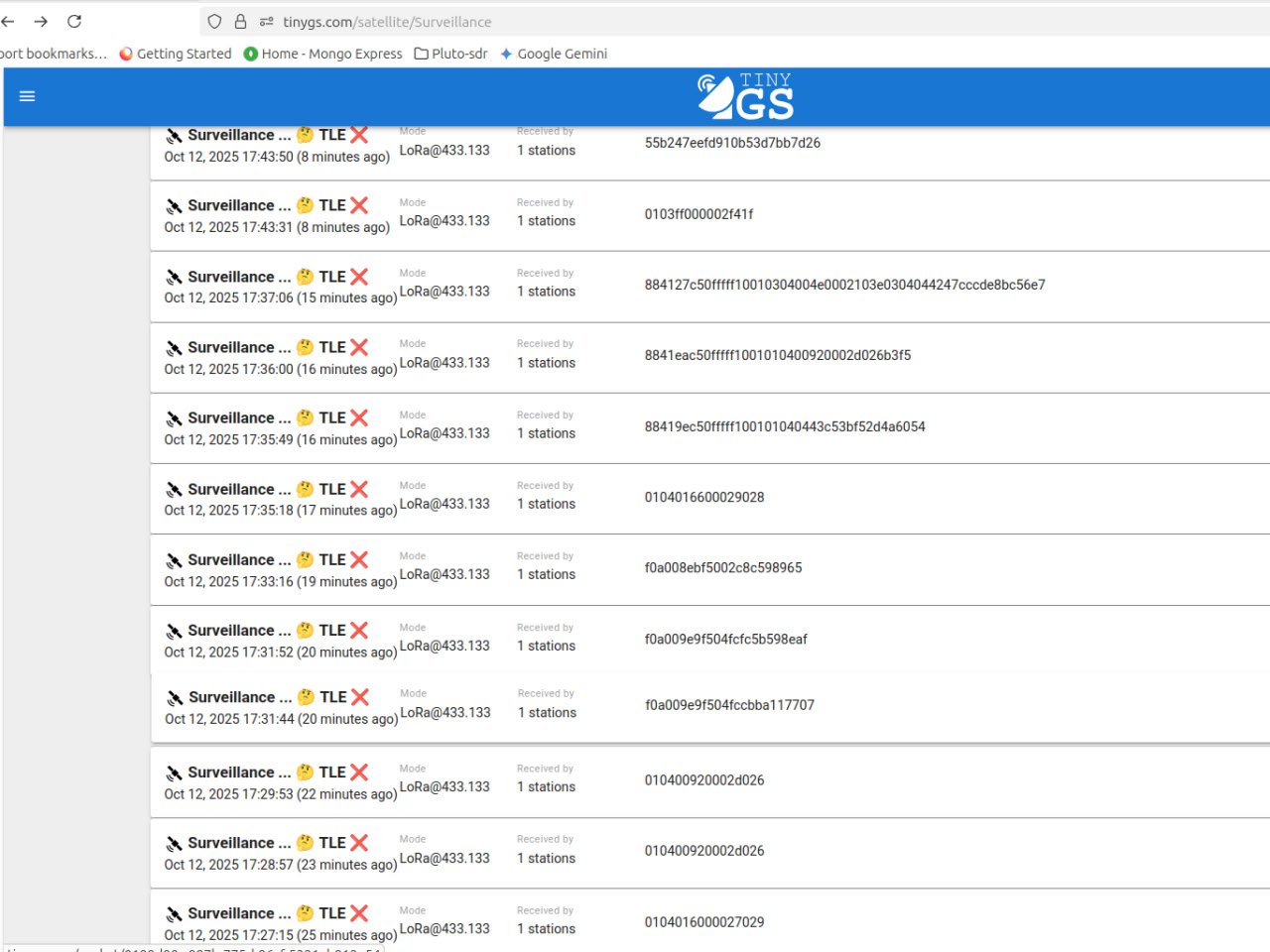
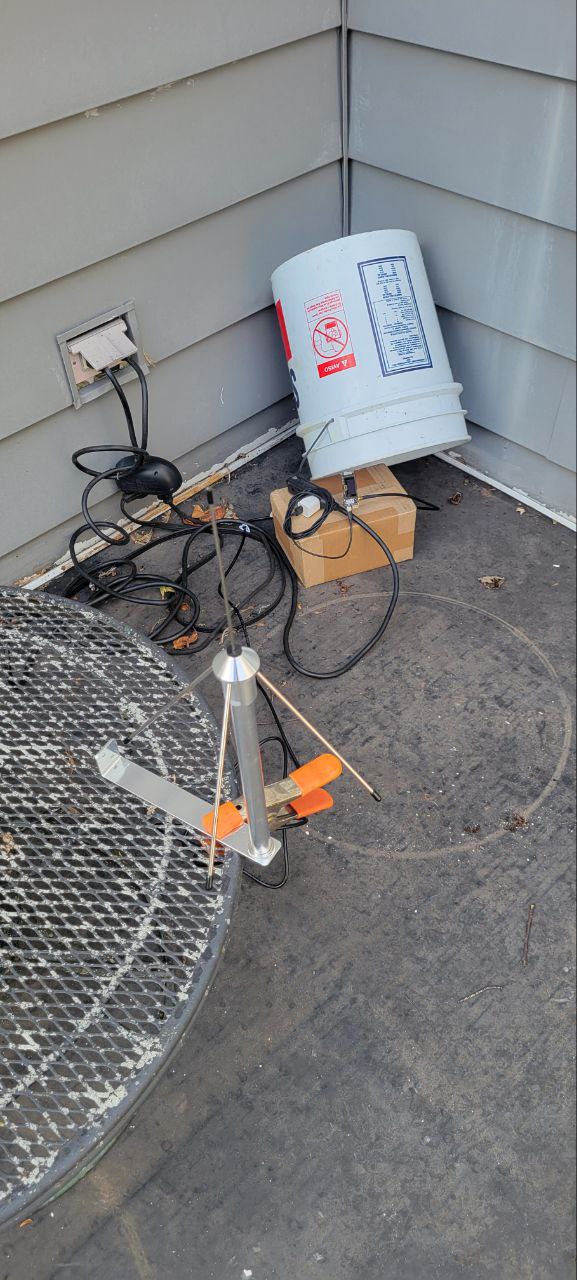
- fritzhurst shared a photo of a temporary setup, describing it as a ‘bucket enclosure for the cheap win’. 🔗
Antenna Building
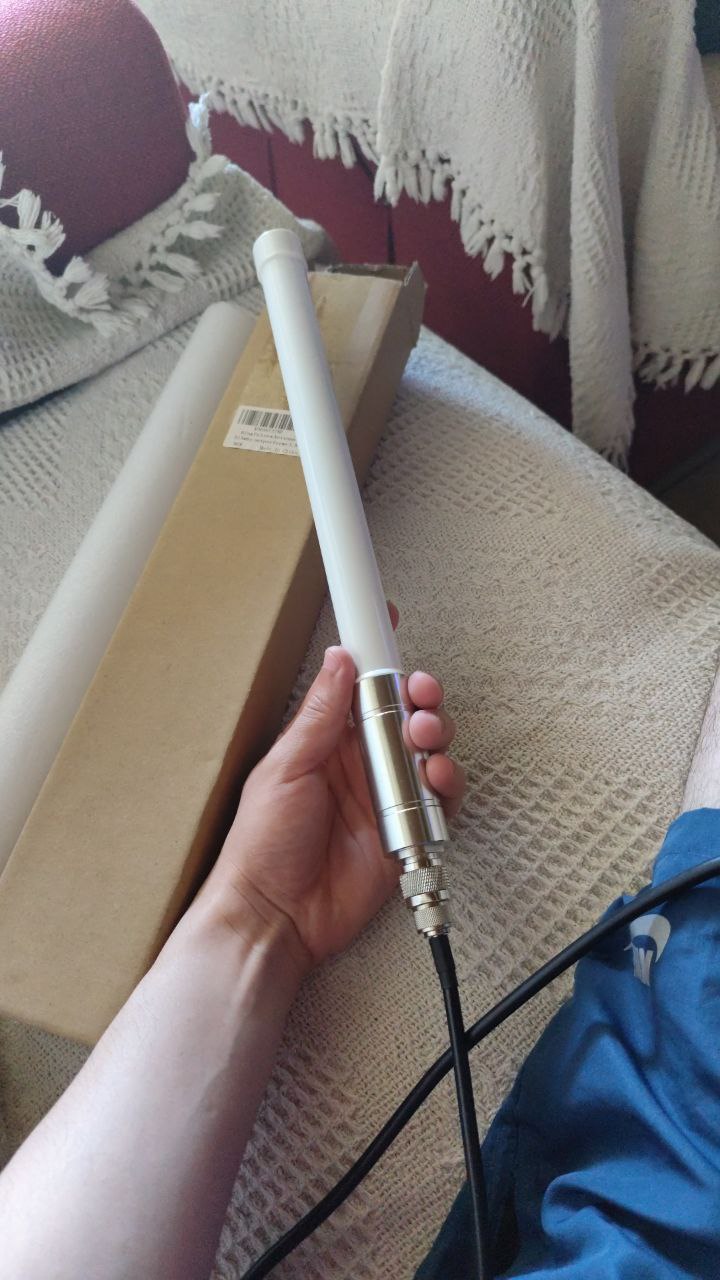
- Enzo220 from Uruguay, asked for steps to assemble a LoRa antenna, and Helmi responded that it looks like a LoRaWAN antenna, which is not ideal for satellite reception, recommending a ground plane antenna instead. 🔗
Share your setup
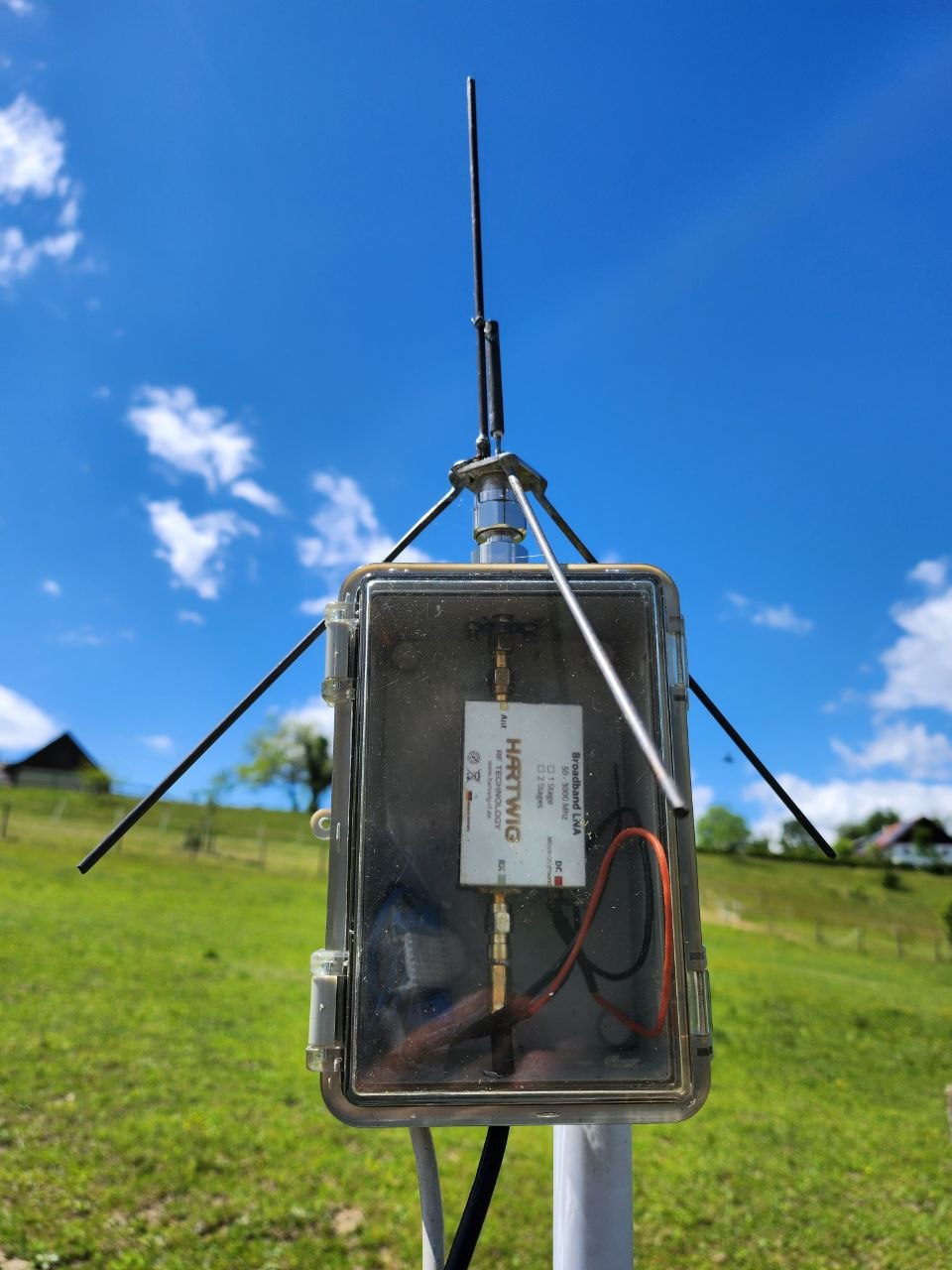
- fabianzoon shared a photo of their antenna setup, noting that moving it from the floor to a box made a major change in receiving, and thanked #why2025 for the project. 🔗
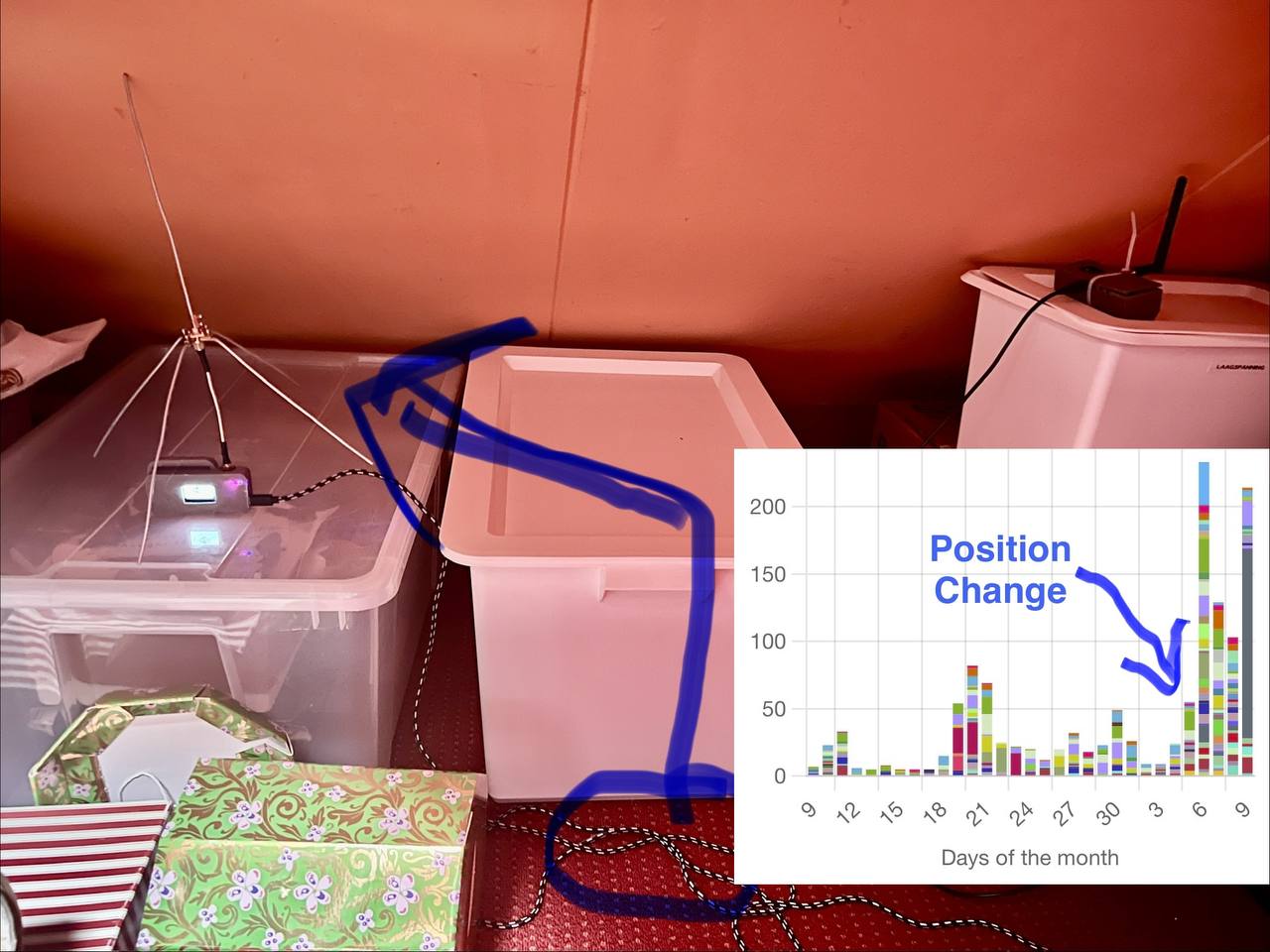
- Stefan/OE6ISP the user appreciated a “low-loss” setup with the board close to the antenna, noting that even minimal changes in location can significantly affect performance. They experienced a 50% packet loss after moving their station approximately 4 meters, despite having the same noise floor. 🔗
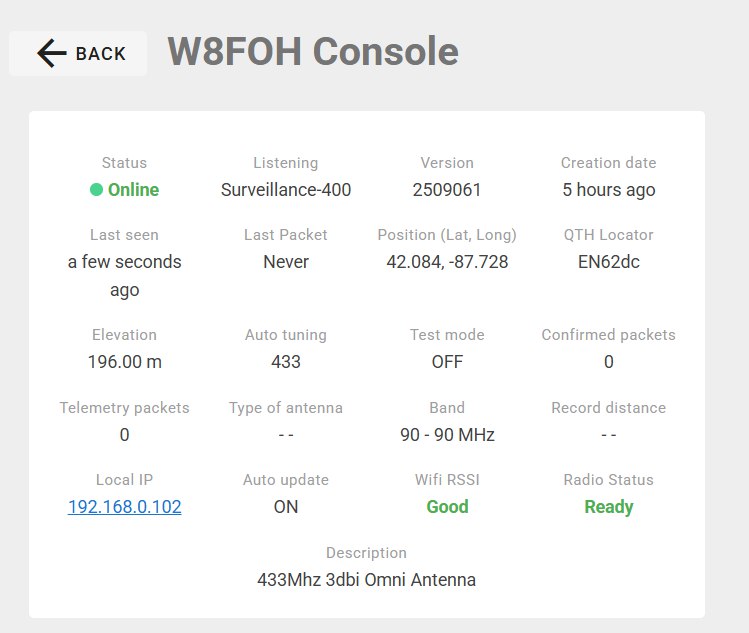
- fritzhurst shared photos of their setup on the back porch and mentioned looking forward to helping out with the Cornell Alpha CubeSat Mission. 🔗
Learning Resources
- gmag11 shared a photo. 🔗

Featured Conversations
- The community discussed the upcoming ChipSats, clarifying their specifications, including the number of satellites, frequency, and payload differences, ensuring community members were prepared to listen for them.
- Users addressed ground station update issues, particularly discrepancies between web installer releases and GitHub versions, highlighting the importance of using the correct firmware and update methods.
- A user encountered a ‘lora-chip not found’ error and received guidance on troubleshooting pin assignments and firmware versions, demonstrating the community’s responsiveness in resolving technical challenges.
- The TinyGS community successfully received over 6,000 FSK telemetry packets from UPMSAT-2, showcasing the power of collaborative efforts in satellite data collection.
- The TinyGS Surveillance Mode identified a persistent, mysterious signal over the UK and Ireland, prompting community investigation into its source and characteristics.
What’s next
Join the TinyGS Telegram channel to participate in these discussions and contribute to the project. Your experiences and insights can help others build and improve their stations!
Share: