· TinyGS Community · 7 min read
Weekly Newsletter - September 28, 2025
Welcome to the TinyGS weekly community newsletter. Here are the most relevant discussions and developments from this week.
Highlights
Technical Problems
- Miguel asked about registering a satellite in the TinyGS database, as they are testing a link on a payload to be deployed on a satellite and want to register it on TinyGS. 🔗
- Gilles inquired about configuring SX1262 for auto FSK only. stefan/oe6isp responded that it could only be done by patching the source code and suggested it as a feature request to add a mode-selection to the autotune menu. Gilles then asked Stefan/OE6ISP to explain how to patch and use the source code or send a copy of the binary file. 🔗
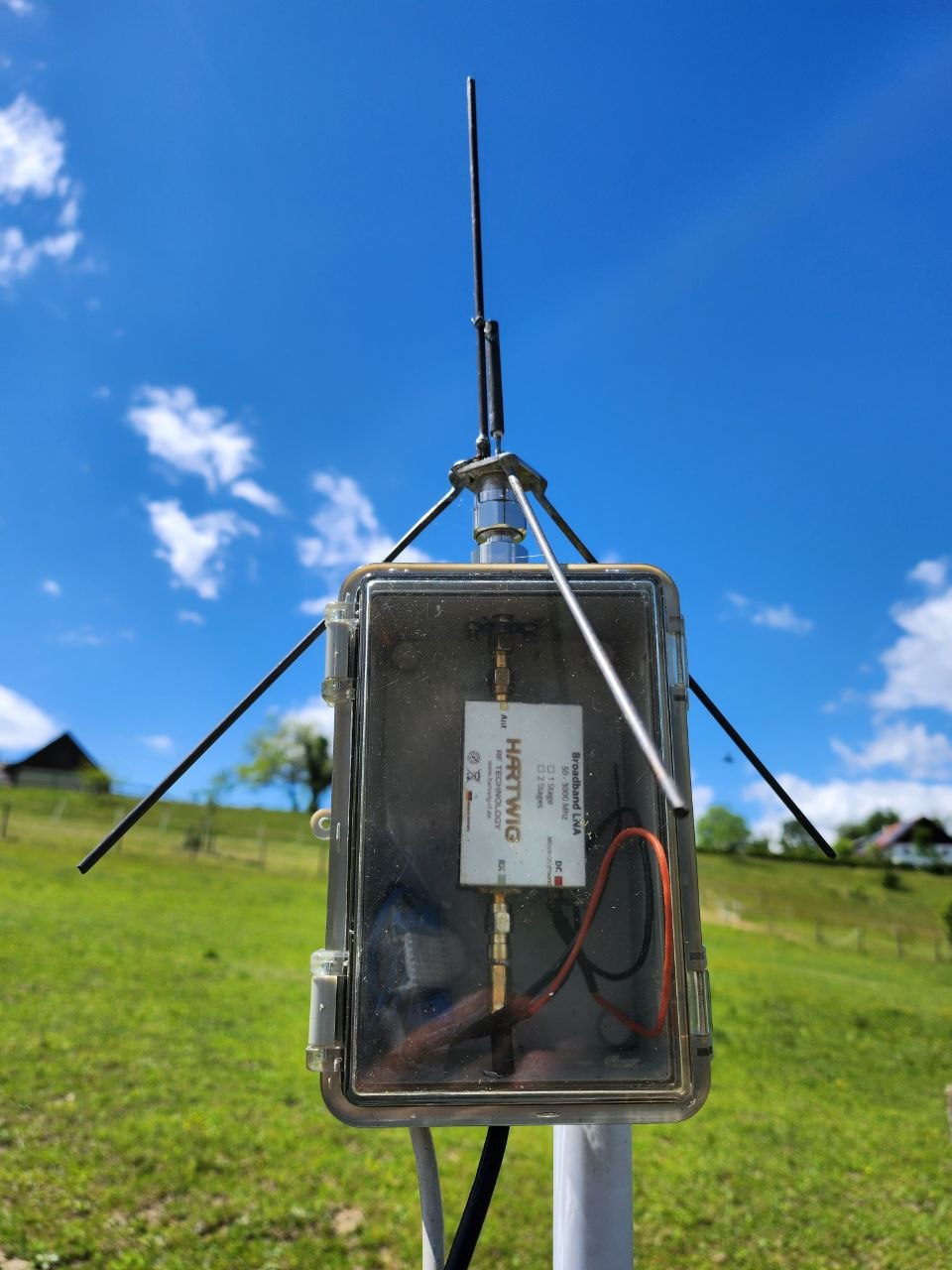
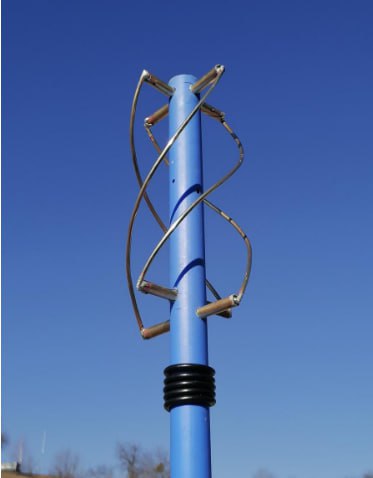
- Crapulard asked for help with a jcoppens calculator for a qfh antenna, mentioning issues with SWR and frequency. stefan/oe6isp explained the critical dimensions and tuning difficulties of QFH antennas, suggesting tuning each loop separately and connecting the feed in the right orientation. he also mentioned that a groundplane antenna is easier to build and tune for general purpose use. crapulard sent a dm and stefan/oe6isp shared a photo of his built antenna. 🔗
- thelovebug reported that a heltec v3 flashed using the web flasher insisted it was 433, despite being the 868 variant. stefan/oe6isp suggested it might be a memory issue and recommended erasing the flash memory before reflashing. thelovebug tried erasing, but the issue persisted. g4lile0 suggested changing autotune to 868-915mhz via weblogin, which thelovebug then did. stefan/oe6isp clarified the difference between config and tuning. thelovebug confirmed setting the tuning to 800/900, but encountered a “radio failed, code -2” error. 🔗
- Lucky reported having issues with two heltec wifi lora 32 v3 boards, as no confirmed packets were received during local testing. he shared the command used for sending test packets. stefan/oe6isp suggested checking if both stations were tuned to the same frequency/mode and if tx-allowed was enabled. lucky confirmed both were at 433 mhz and tx was enabled. brian shared a photo related to the discussion. stefan/oe6isp advised against using autotune 433, recommending tuning to a specific satellite and setting the rx station to test mode. 🔗

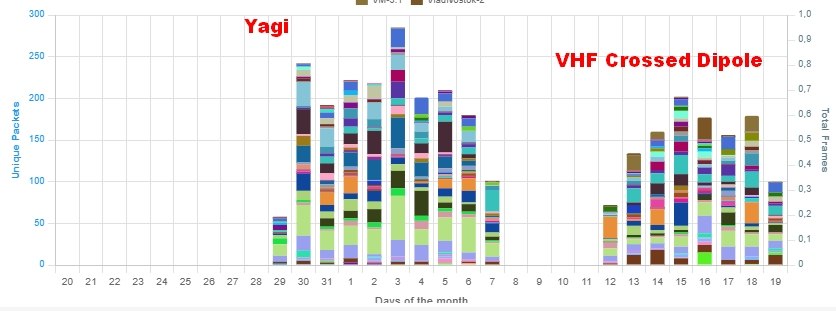
- Dirk Schimmelpfeng was experiencing issues with satellite reception on two stations, dj2ds and dj2ds_e32, since august 18th. after replacing receivers, cables, and amplifiers without improvement, flashing a new receiver (dj2ds_1) temporarily resolved the issue, but the reception dropped again. he suspected the old station names might be blocked. 🔗
General
- Crapulard was looking for information about stations and packet counts per day to compare performance. notsure7 suggested manually tracking high-performing stations to understand their setups and conditions for tuning purposes. later, henriquefchaves was welcomed to the community. 🔗
- johnwhlee asked if it was normal that not all satellites are listed on the “tinygs telemetry” channel, and stefan/oe6isp clarified that only satellites with decodeable telemetry are listed, excluding tianqi satellites. 🔗
- Steve inquired about naming conventions for ground stations, and stefan/oe6isp suggested using callsigns with a suffix for numbering stations, or names related to location or station type. steve then asked for suggestions for a ground station in the netherlands, and stefan/oe6isp recommended using a shortcut of the town’s name or a school’s name if it’s a school station. 🔗
- Steve found the deepwiki very nice but couldn’t find information about what antenna to use to get started. notsure7 suggested a diy quarter wave ground plane, and mentioned that you can buy a basic one that still needs to be fixed. steve found it odd that the antenna part of the story doesn’t have a chapter in the deepwiki. cole pointed out that there is a lot of info on the official wiki, providing a link to the antenna section and another link with more info. 🔗
https://github.com/G4lile0/tinyGS/wiki/Antenna
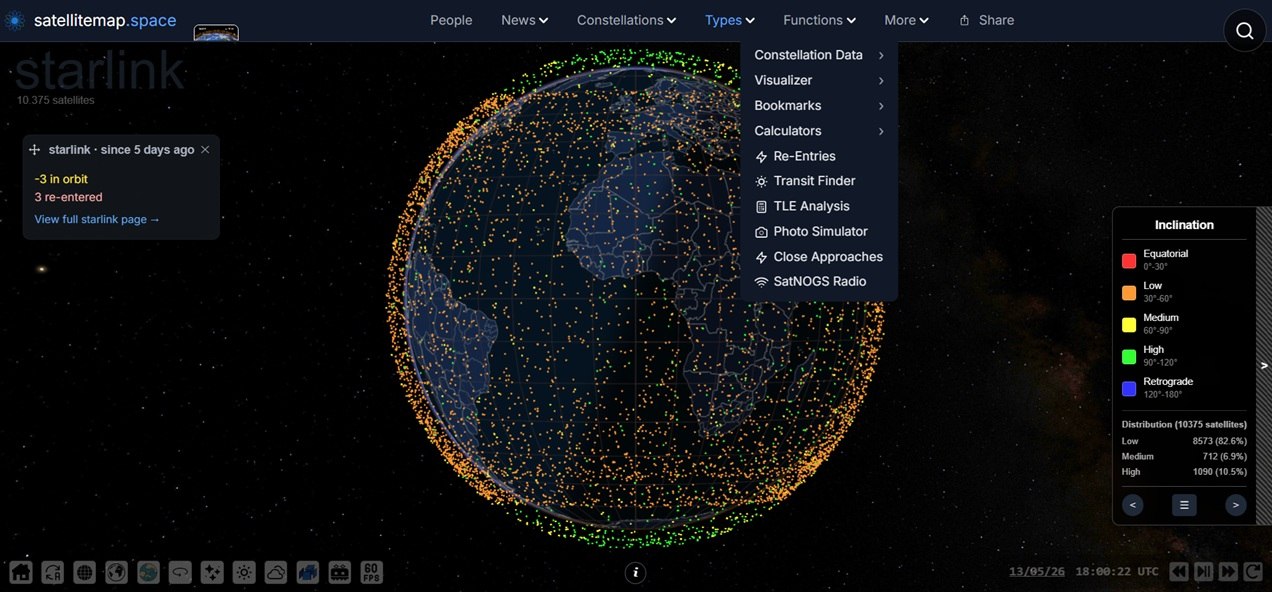
https://www.qrz.com/db/OE6ISP - Tom shared a link to an interesting program for visualizing satellites across the earth: https://www.stoff.pl/ along with an image. 🔗
https://www.stoff.pl/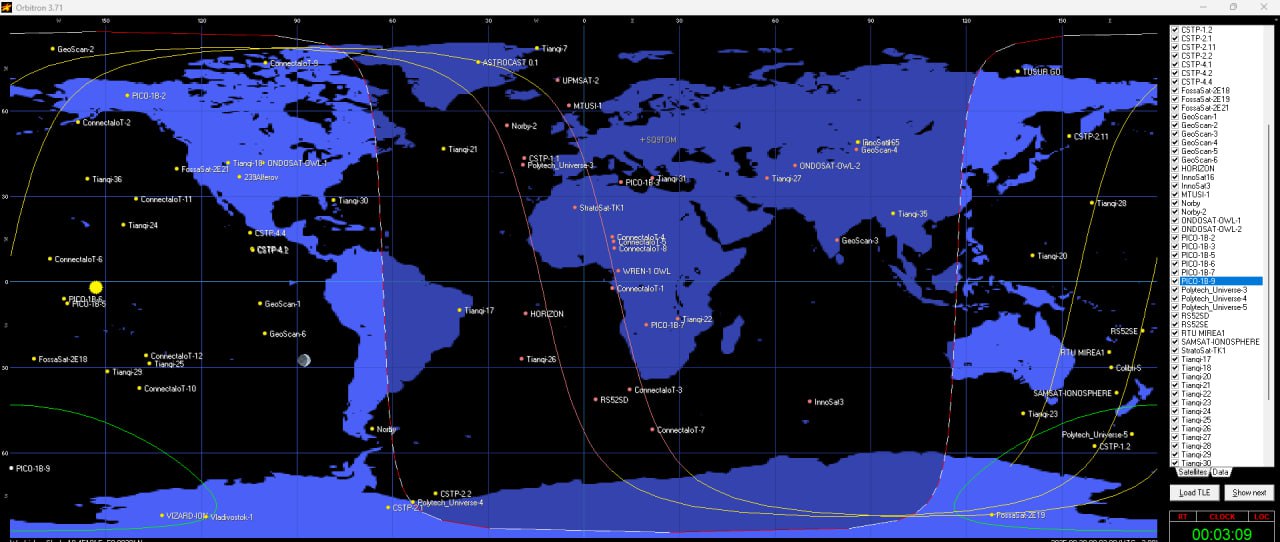
Beta Firmware Testing
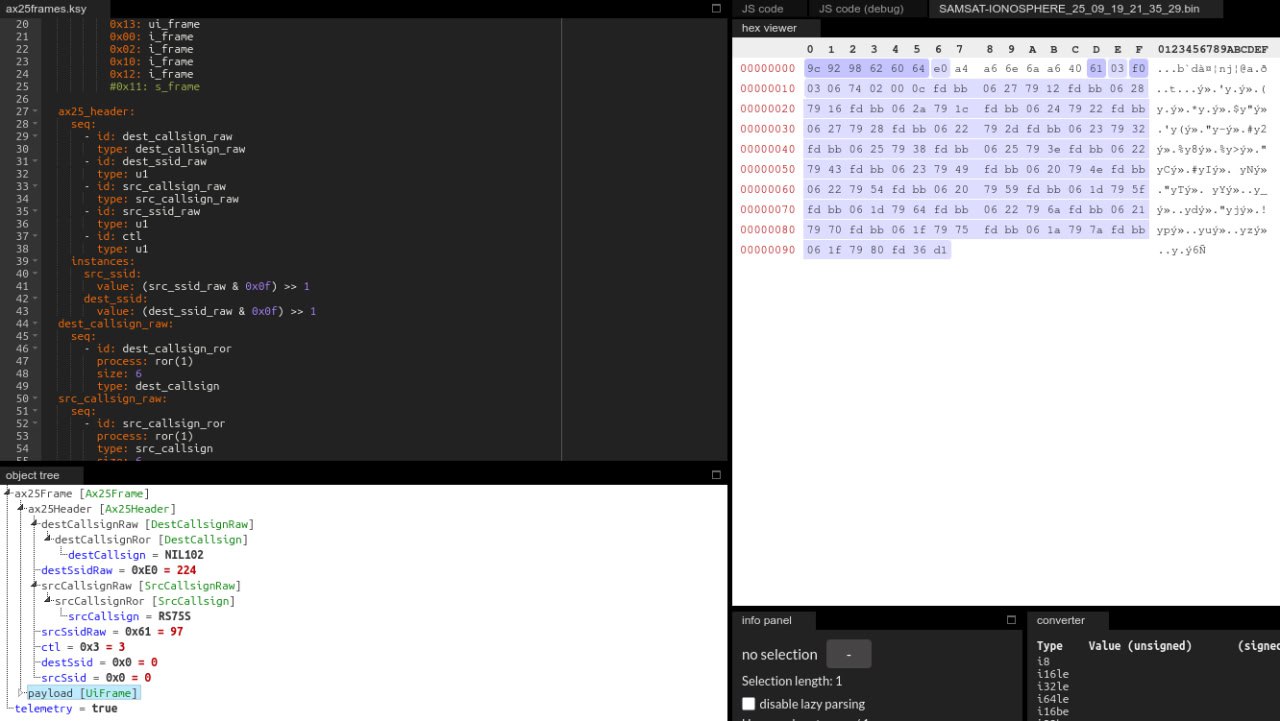
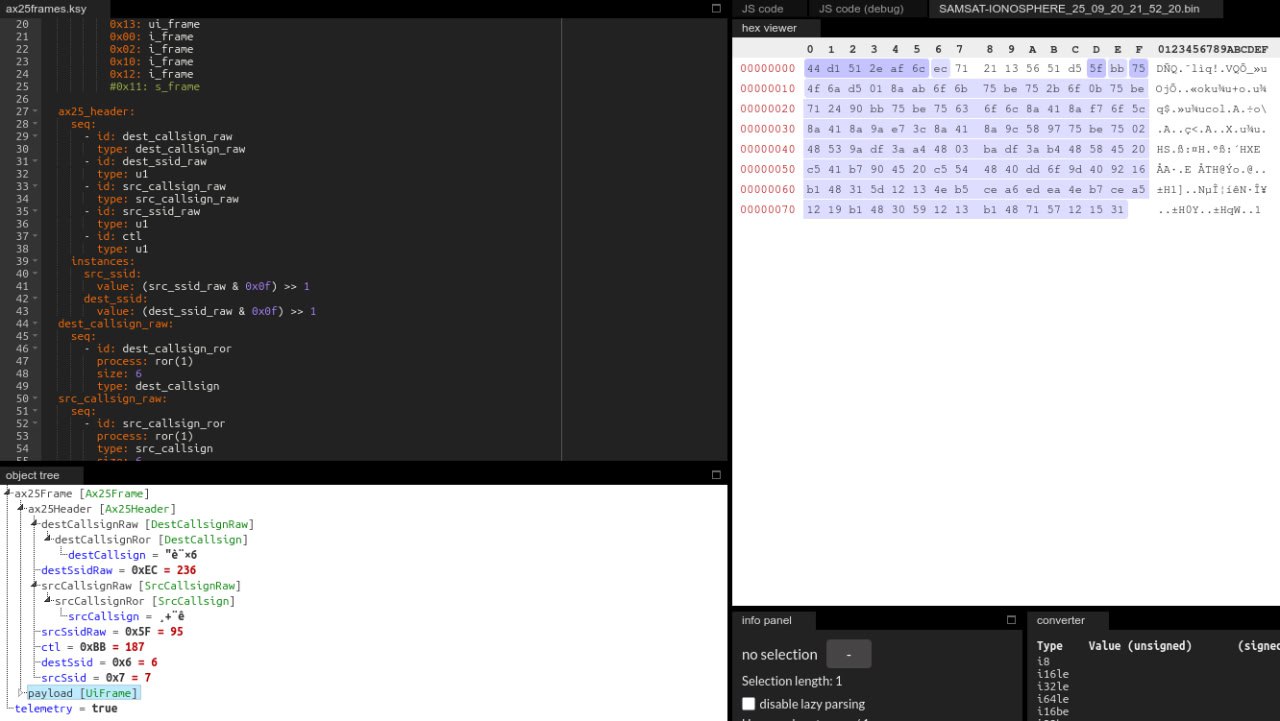
- G4lile0 initially suspected a failure in the kaitai parser and was investigating it further. later, after checking the parser with a received packet, he found that even if the packet length and structure didn’t match the samsat-ionosphere satellite, the parser didn’t fail. he also shared related images. 🔗
- Zathras42 asked how often the auto-update on the server is run, noting their gs was still at version 2508023, despite having auto-update enabled. helmi clarified that auto-update is only for released versions, and the version mentioned is a beta. zathras42 confirmed having beta version enabled and would monitor for updates. g4lile0 stated they want to make a few more changes prior to pushing the update to the board. 🔗
- Skyehopper mentioned discovering a genre called phonk from brazil and described it as a cross between chiptunes and something else. 🔗
https://www.youtube.com/watch?v=p4FrzgfwlBw&list=RDp4FrzgfwlBw&start_radio=1
Share your setup
- Aleksander from agh_skylink, asked for antenna recommendations for 433mhz, mentioning a ground-level setup with west and north sky views and inquired about the benefits of circular polarization. 🔗
- Dom shared that they set up their station during lunch and picked up 4 packets with a cheap discone antenna on their windowsill, planning to find a permanent location and build a satellite receiving antenna, including photos of the setup. 🔗
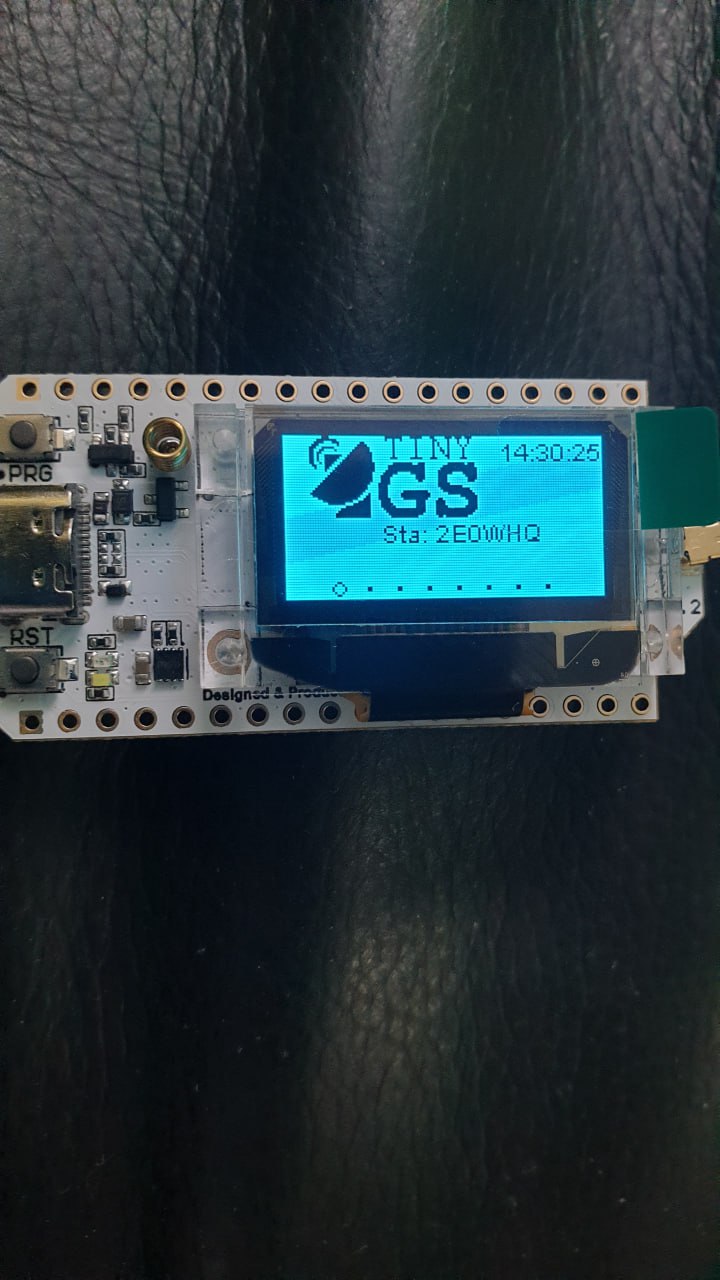
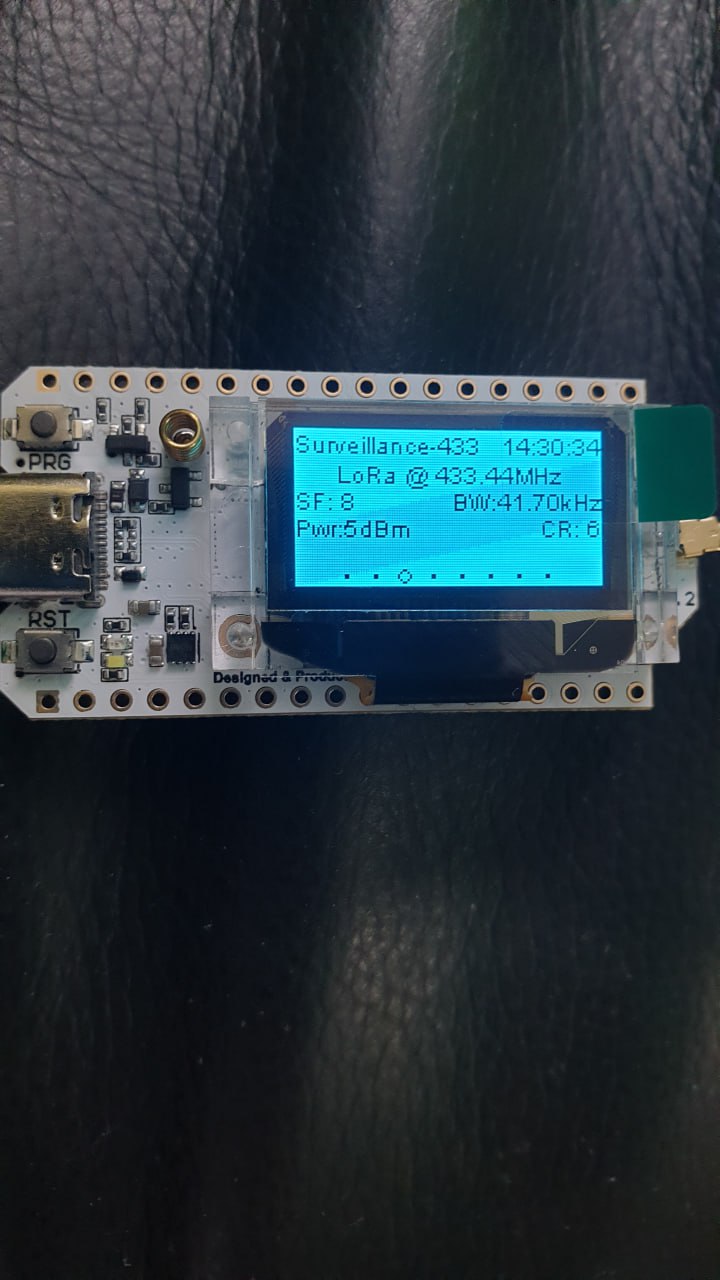
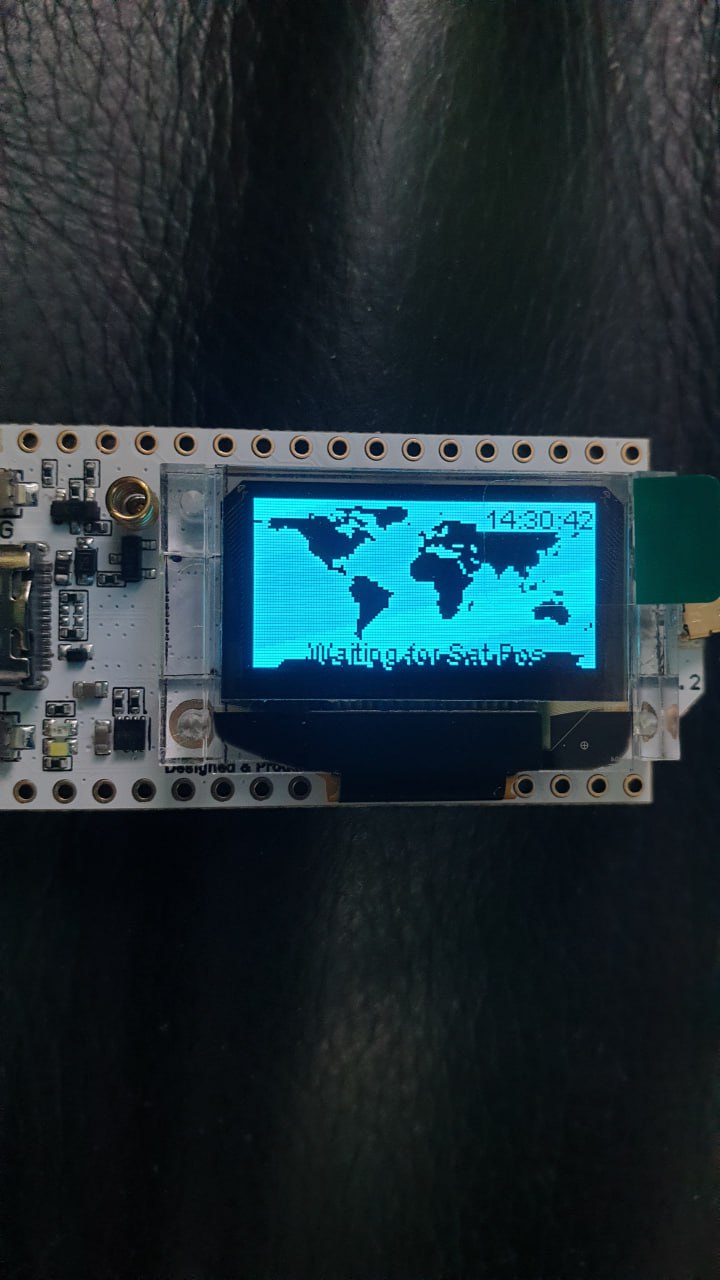
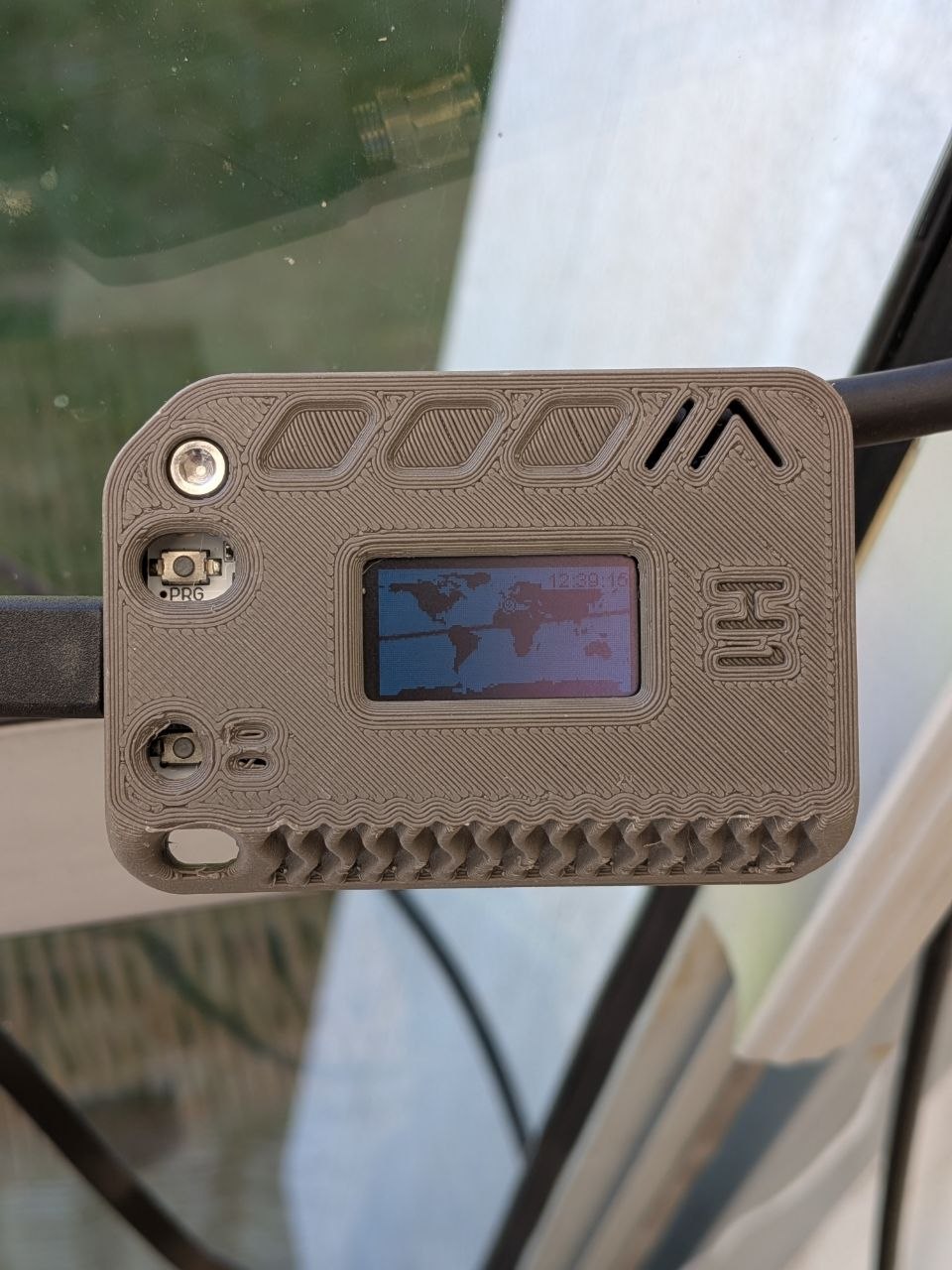
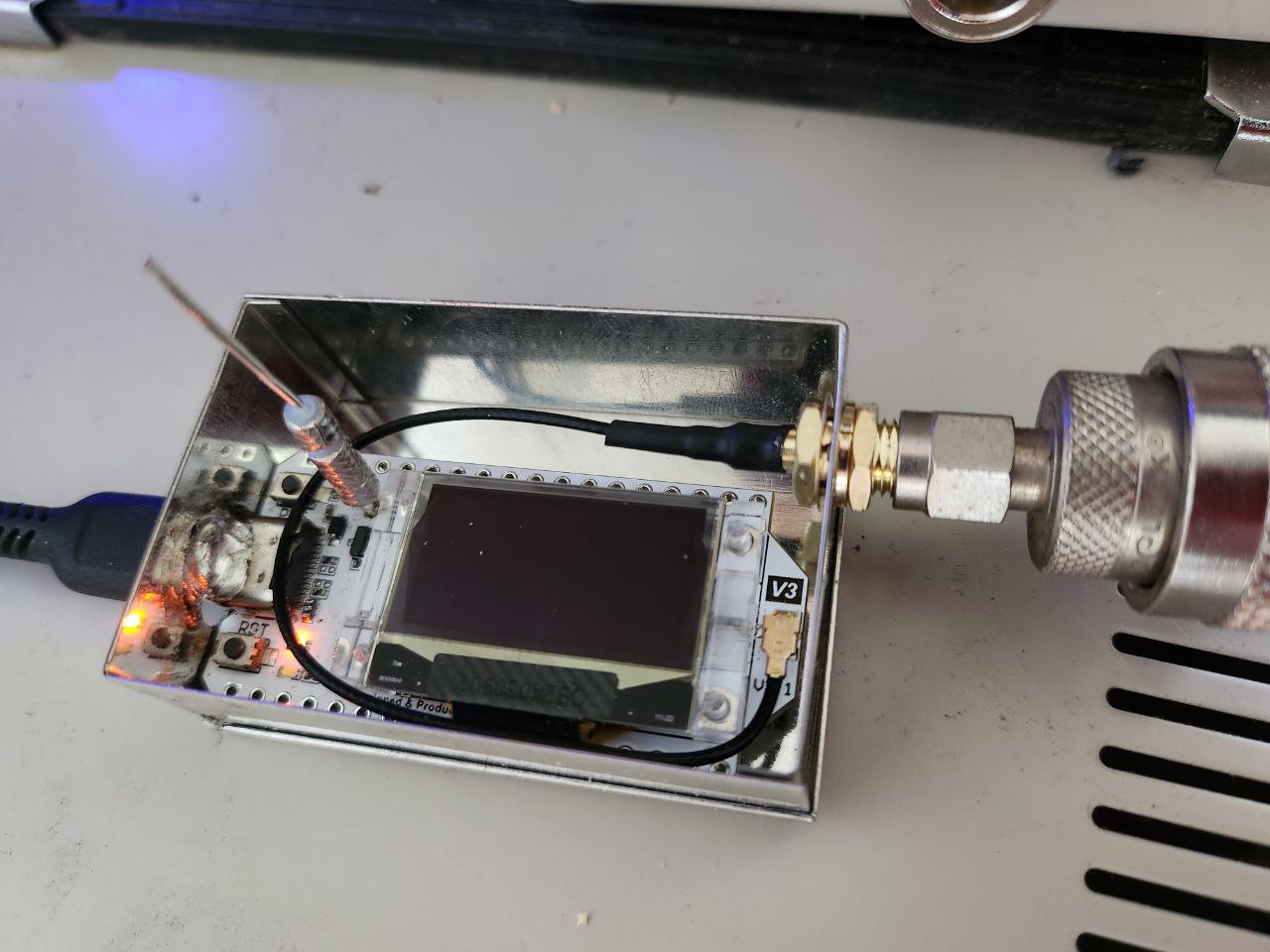
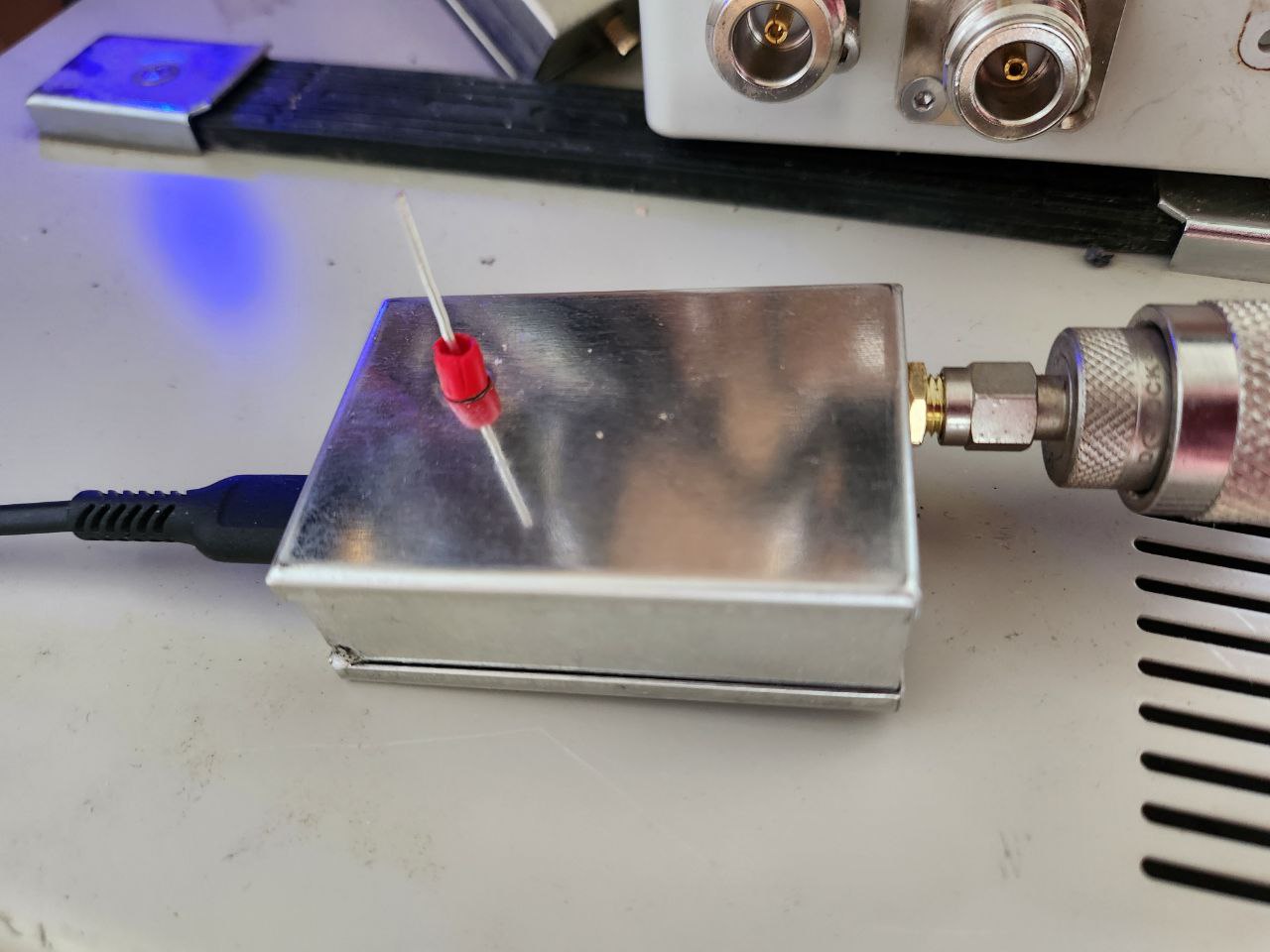
- Stefan/OE6ISP shared a simple solution for the wifi antenna when installing the heltec in a metal case, cutting off the spring and making a λ/4 antenna from a short semi-rigid coax, along with related images. 🔗
New Satellites
- Kevin asked about the typical lifespan of a new satellite. k4kdr responded that it varies from decades to weeks, depending on the orbit and component resilience. stefan/oe6isp added that premature losses are often due to high solar activity and component failures, noting commercial satellites are generally more durable but more expensive. they cited amsat oscar-7 as a durable example, operational for 50 years, and intelsat’s galaxy13 loss during a solar storm in 2022. 🔗
- Stefan/OE6ISP commented that old handsoldered analog technology can easily withstand the inhospitable conditions in space, contrasting it with modern esp32 boards. stefan also inquired about vizard-ion, noting it had been silent for several days. 🔗
- G4lile0 mentioned that the last packet received from vizard-ion was a bit strange. 🔗
Balloons
- Aleksander from the space centre at agh krakow, asked if there were specific instructions for a regular sx1278 433mhz lora module to show up on the tinygs dashboard when launching balloons. stefan/oe6isp suggested contacting admin g4lile0. g4lile0 provided information on adding a satellite, including the need for a description, photos, communication details (frequency, timings, payload type, uploads), and a kaitai decoder. 🔗
https://app.tinygs.com/satellite/Norbi
https://github.com/4m1g0/tinygs-decoders/blob/master/ksy/norbi.ksy - Henriquefchaves asked about defining the interval/timings of messages for balloon projects, considering regulations and potential alignment with an admin. 🔗
- Aleksander mentioned having a vaisala radiosonde and inquired about the lora frame structure for use with tinygs, sharing a photo. 🔗
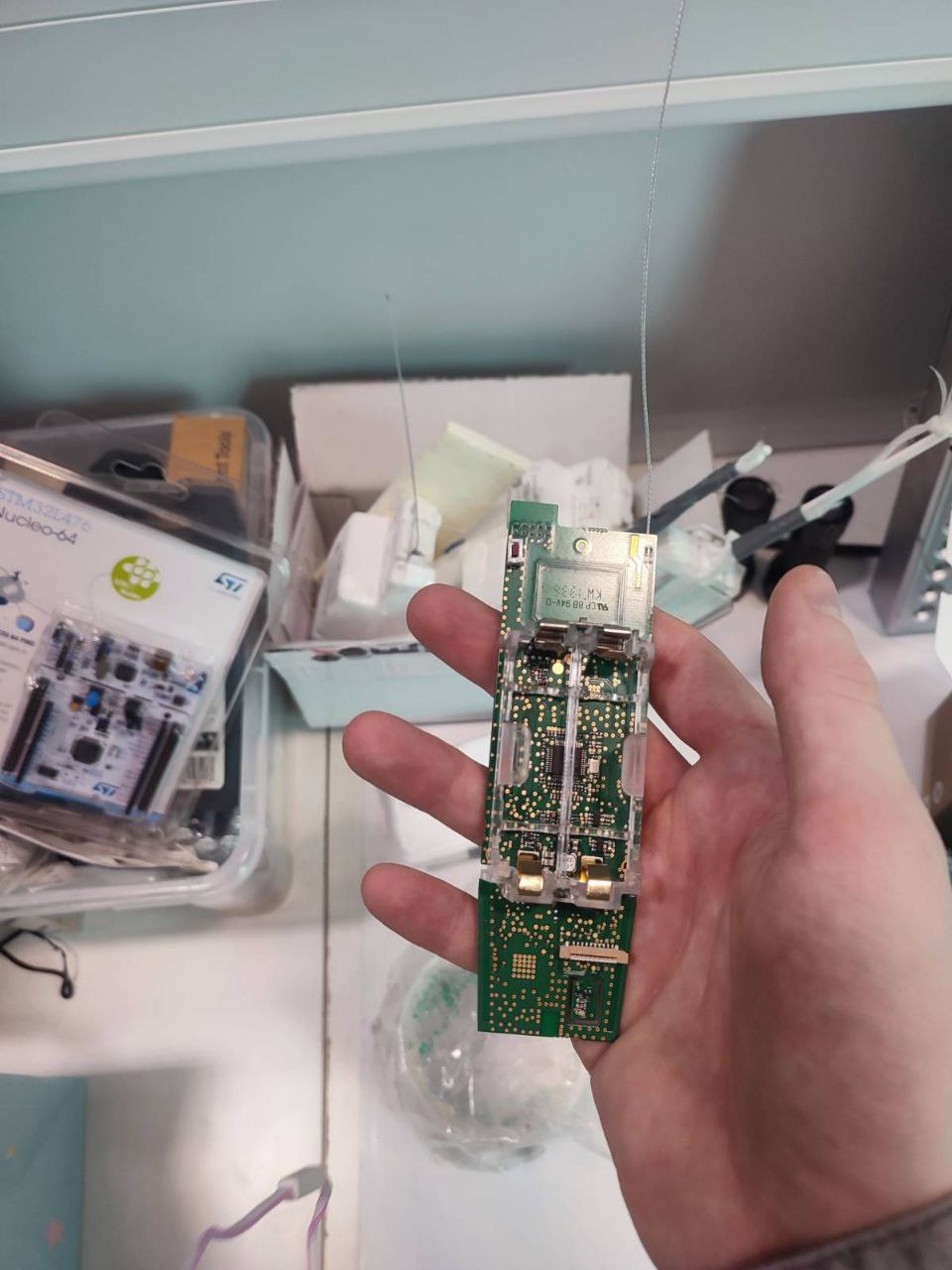
- Stefan_DH6SC clarified that the rs41 sonde does not have lora capability and only supports fsk. 🔗
- G4lile0 mentioned that users can configure their stations to receive fsk and match the value programmed on their rs41. 🔗
Where to buy
- K5MPH1 expressed a preference for the t-beam with the sma connector. 🔗
Featured Conversations
- Users discussed issues with Heltec V3 boards defaulting to 433MHz, despite being 868MHz variants, and explored solutions like erasing flash memory and adjusting autotuning settings.
- The community addressed concerns about map synchronization inaccuracies, noting discrepancies between the Telegram map and the homepage map.
- The lifespan of satellites was discussed, highlighting factors such as solar activity, component resilience, and the differences between commercial and research satellites.
- A user shared a program for visualizing satellites, sparking a discussion about its history and familiarity within the community.
- The importance of a proper ground plane for whip antennas was discussed, with suggestions for building a simple ground plane antenna.
What’s next
Join the TinyGS Telegram channel to participate in these discussions and contribute to the project. Your experiences and insights can help others build and improve their stations!
Share: