· TinyGS Community · 8 min read
Weekly Newsletter - August 3, 2025
Here's a weekly summary of the most engaging discussions and developments within the TinyGS community. Stay connected and informed!
Highlights
General
- ubabematrix asked about the possibility of receiving data from received packets in the dashboard as a single large file (e.g., JSON format) for analysis purposes. The goal is to analyze antenna setups by comparing data from a reference station and a test station over a period of weeks, then change the antenna setup of the ‘test’ node and repeat the comparison to see if the change has improved performance. Later suggested streaming data to a local MQTT server as an alternative solution, which would allow for processing on the user’s side without requiring additional infrastructure. 🔗
- G4lile0 responded to ubabematrix’s request, acknowledging the value of in-depth analysis for the TinyGS community. He mentioned that while users can view received packets on their dashboard, the functionality to download all data in a single JSON file is not yet implemented due to concerns about the impact of bulk queries on the database, which also handles telemetry ingestion. Setting up a separate database for querying would increase infrastructure costs. However, he noted that the use case is compelling and will be considered for future development. 🔗
- Stefan/OE6ISP explained that the server-side Doppler calculation is more precise than the ground station’s because it uses the exact timestamp of packet reception, serving as a reference for frequency offset calculation. They added that both calculations use identical TLEs. Further, they noted that for LoRa satellites at 400MHz, Doppler shift isn’t a major issue due to the modem’s tolerance, but cumulative frequency errors can cause problems, especially in higher bands where the modem’s ability is exceeded. They also mentioned using dual receivers to address this, detailed on their QRZ page. 🔗
- Asad asked about accounting for residual Doppler shift between ground stations and satellites due to oscillator mismatches, and handling Doppler rate, referencing a paper by the Norby team. Stefan/OE6ISP clarified that the server evaluates frequency errors from reference satellites and sends corrections to the ground station, but some boards still drift. They noted that the TTGO 1278 drifts significantly with temperature changes, while the Heltec 1362 is more stable. 🔗
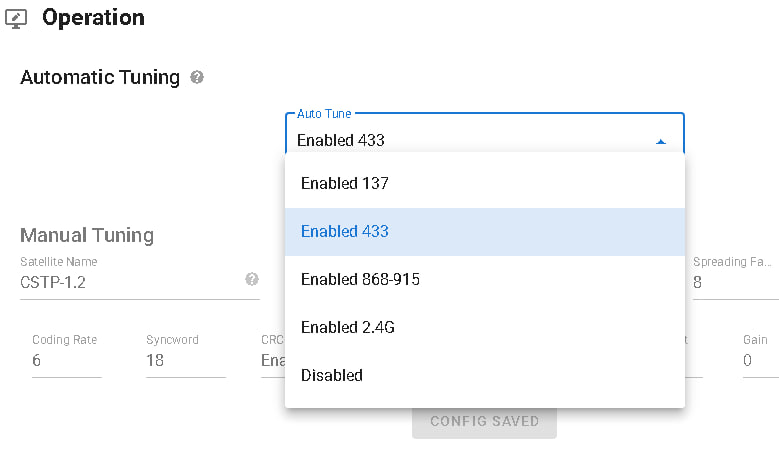
- Michael_Mrak asked about using a spare Heltec V3 868 for TinyGS, inquiring about specific profiles and the possibility of receiving satellites with a plain 868 whip antenna outdoors. megazaic pointed Michael to station settings on the main site, and Michael_Mrak later confirmed that setting the device to Enabled 868-915 worked successfully. 🔗
- G4lile0 mentioned that in surveillance mode, the system tries to “find” signals and that the ECC approved Decision ECC DEC(25)02, which officially enables satellite-to-low power device (LPD-S) communications in the 862–870MHz band in Europe. He anticipates seeing these signals soon. 🔗
Technical Problems
- hari21204 reported facing error -2 in radio after building a ground station using custom esp32 + lora SX1278+OLED, and asked how to resolve it. 🔗
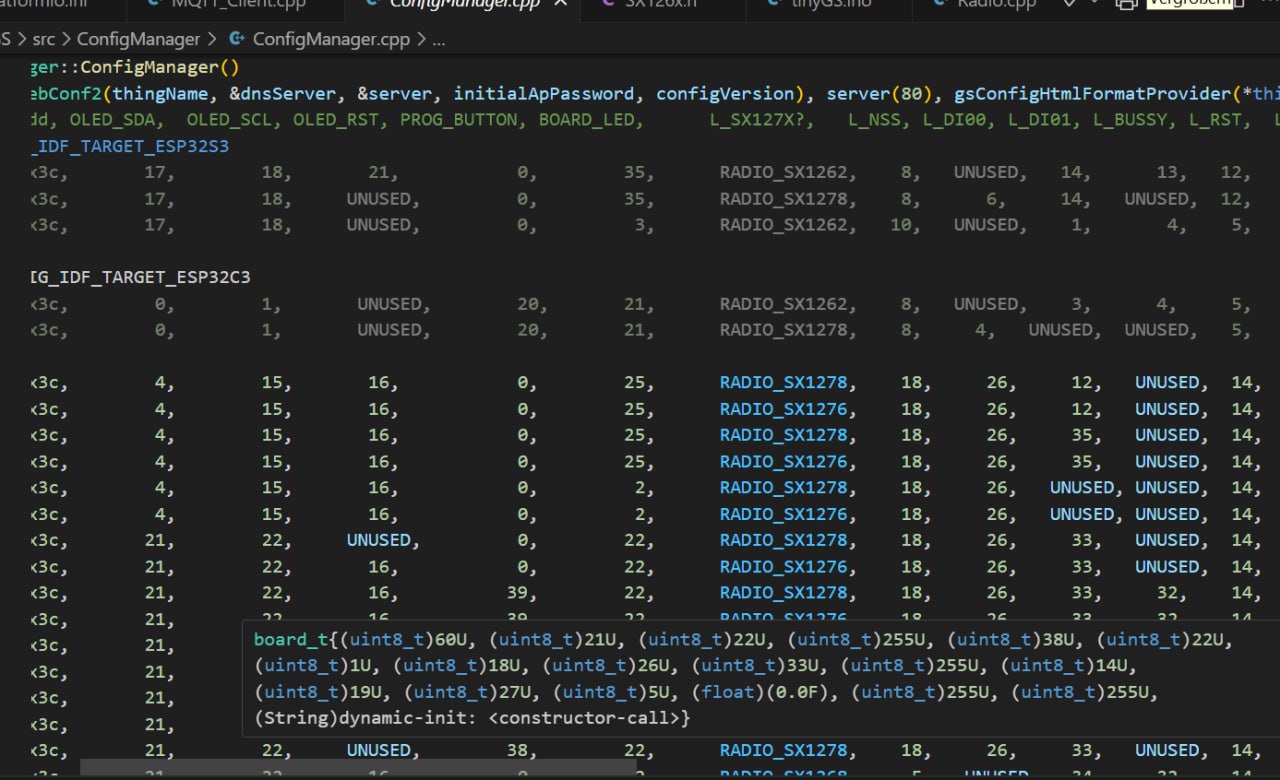
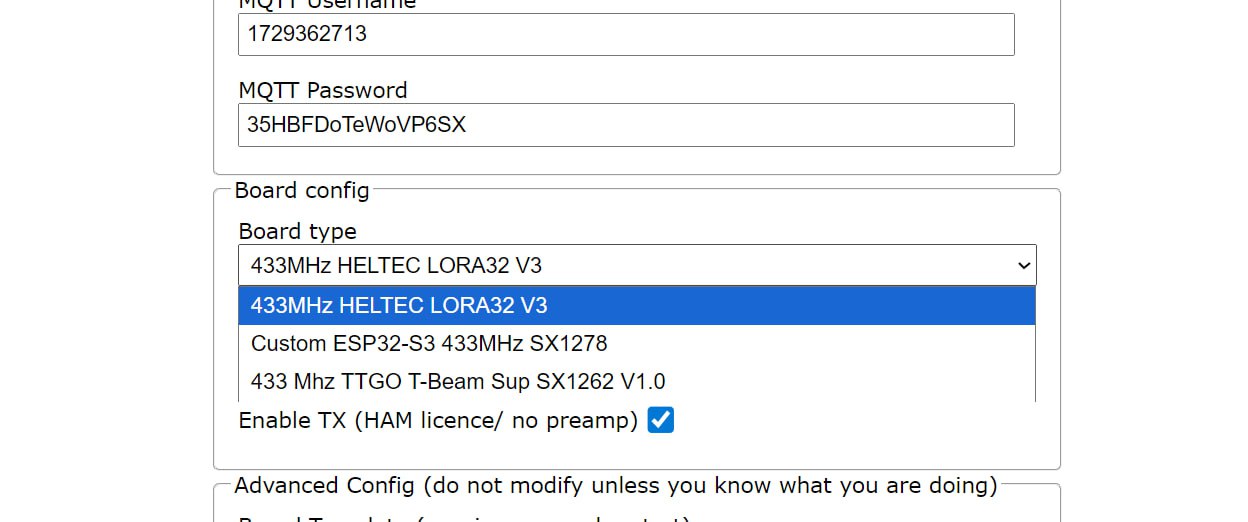
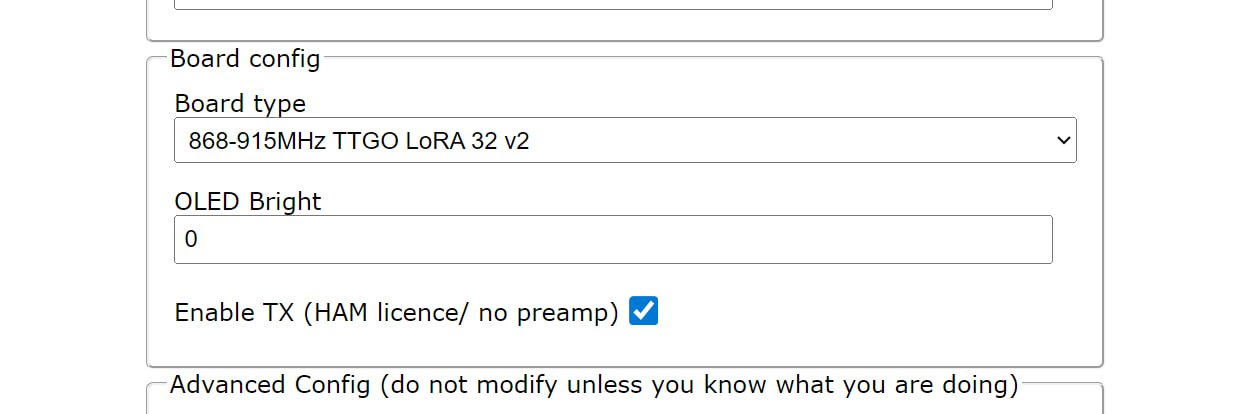
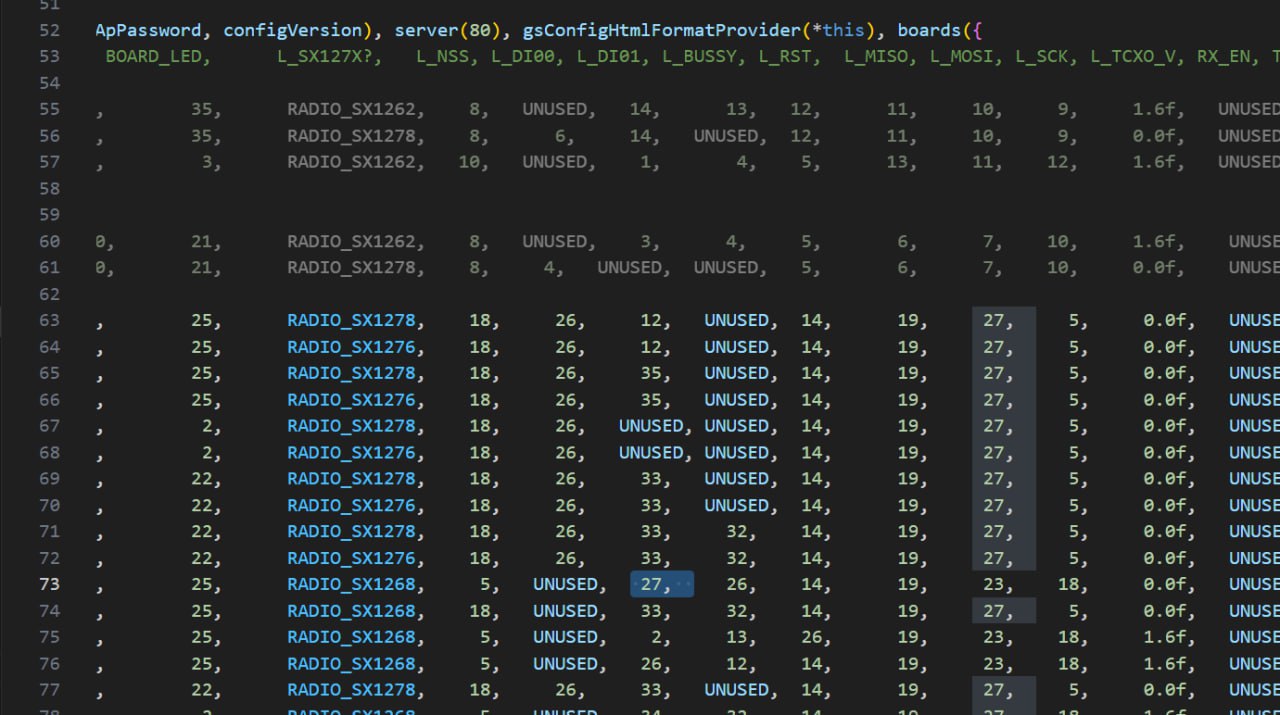
- Stefan/OE6ISP explained to hari21204 that the error means the radio cannot be found due to wrong pins, chip, or configuration. Later, clarified that it refers to the configuration selected for the board. Provided images illustrating pin descriptions and configuration options, and advised to compare the receiver pins to available configurations in ConfigManager.cpp, and suggested setting up a custom configuration if necessary. 🔗
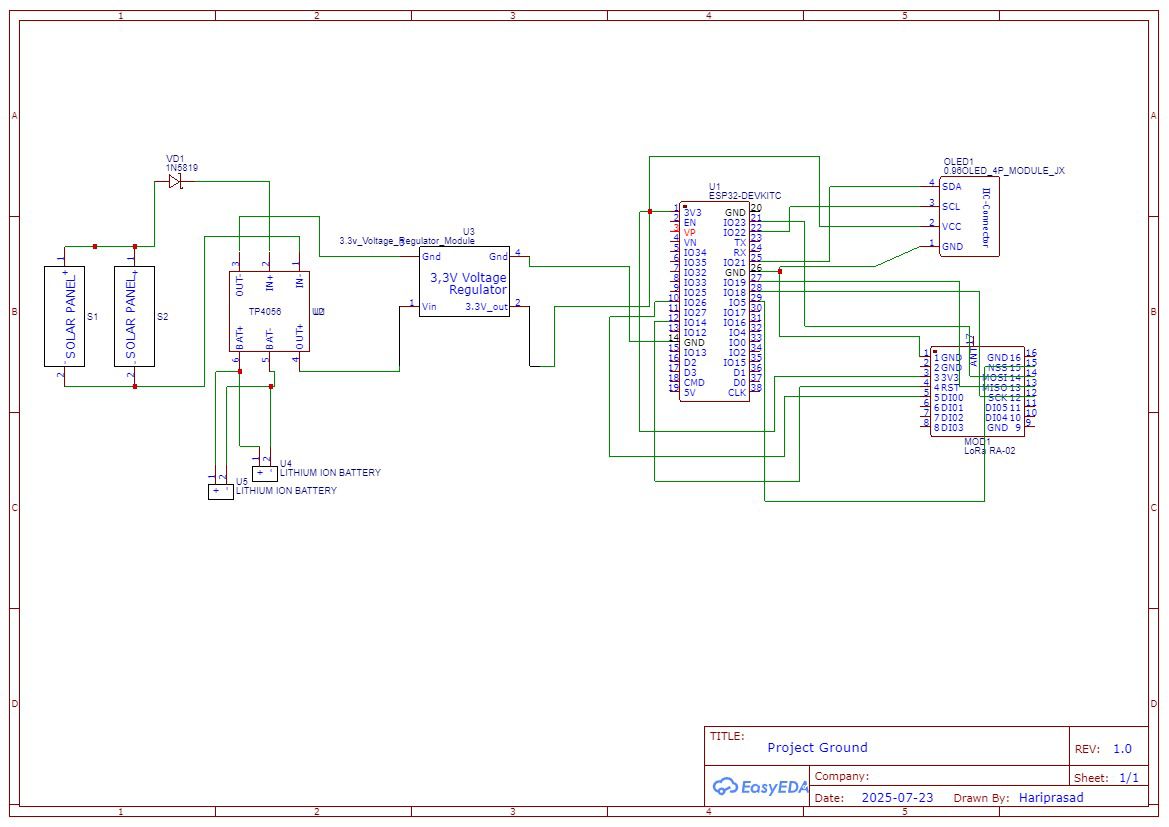
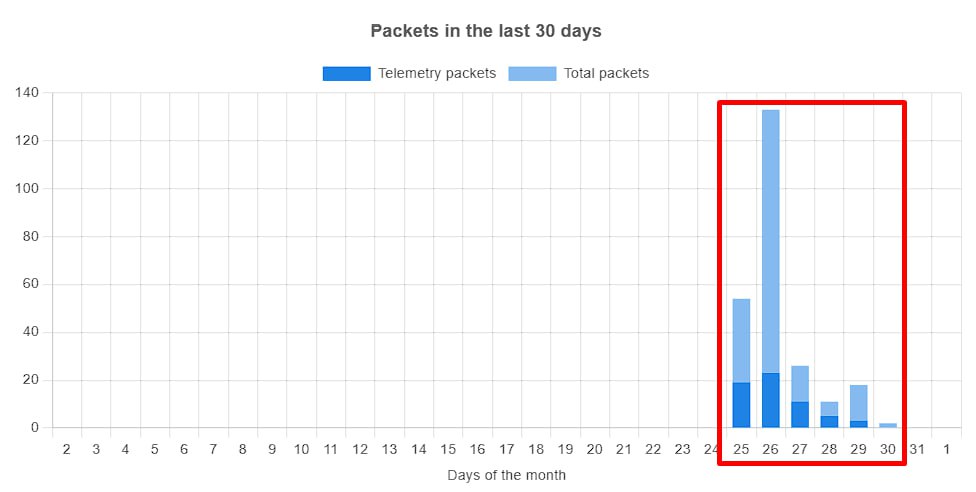
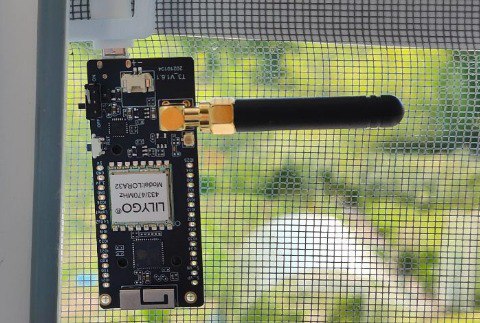
- bug4f reported that their station stopped catching packets, with the last packet caught two days ago (around the time of maintenance), but the station is shown as online. The Telegram bot command `/stations` shows no active stations. Stefan/OE6ISP asked if there were packets in the local dashboard, to which bug4f replied in negative. Stefan/OE6ISP asked about the tuning status and noted that a noise floor of 95 is very high and asked if they were using an LNA. Stefan/OE6ISP suggested that most common reasons for failure are broken cables and connectors or water in connectors/cables. Stefan/OE6ISP added that Liligo/127x is very good for Lora@433 and 800/900, and this can’t be the reason, but 95db is far too high, usually, this value is below -110. Stefan/OE6ISP suggested checking the cables first, and also suggested temporarily changing the board to find the problem. They also said that it looks like water is the problem. megazaic asked if all these packets from tianqi. Stefan/OE6ISP replied they go through every noise. megazaic shared a picture of a very messy setup, and bug4f replied that they understand and will upgrade their station. Stefan/OE6ISP said that it might not prevent them from receiving Taiqis! 🔗
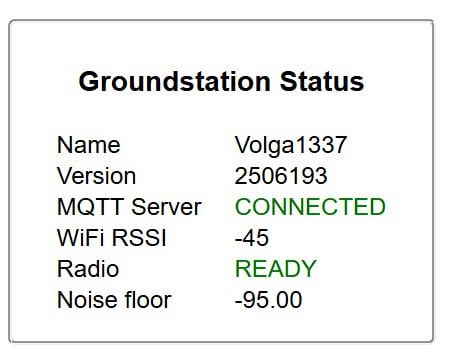
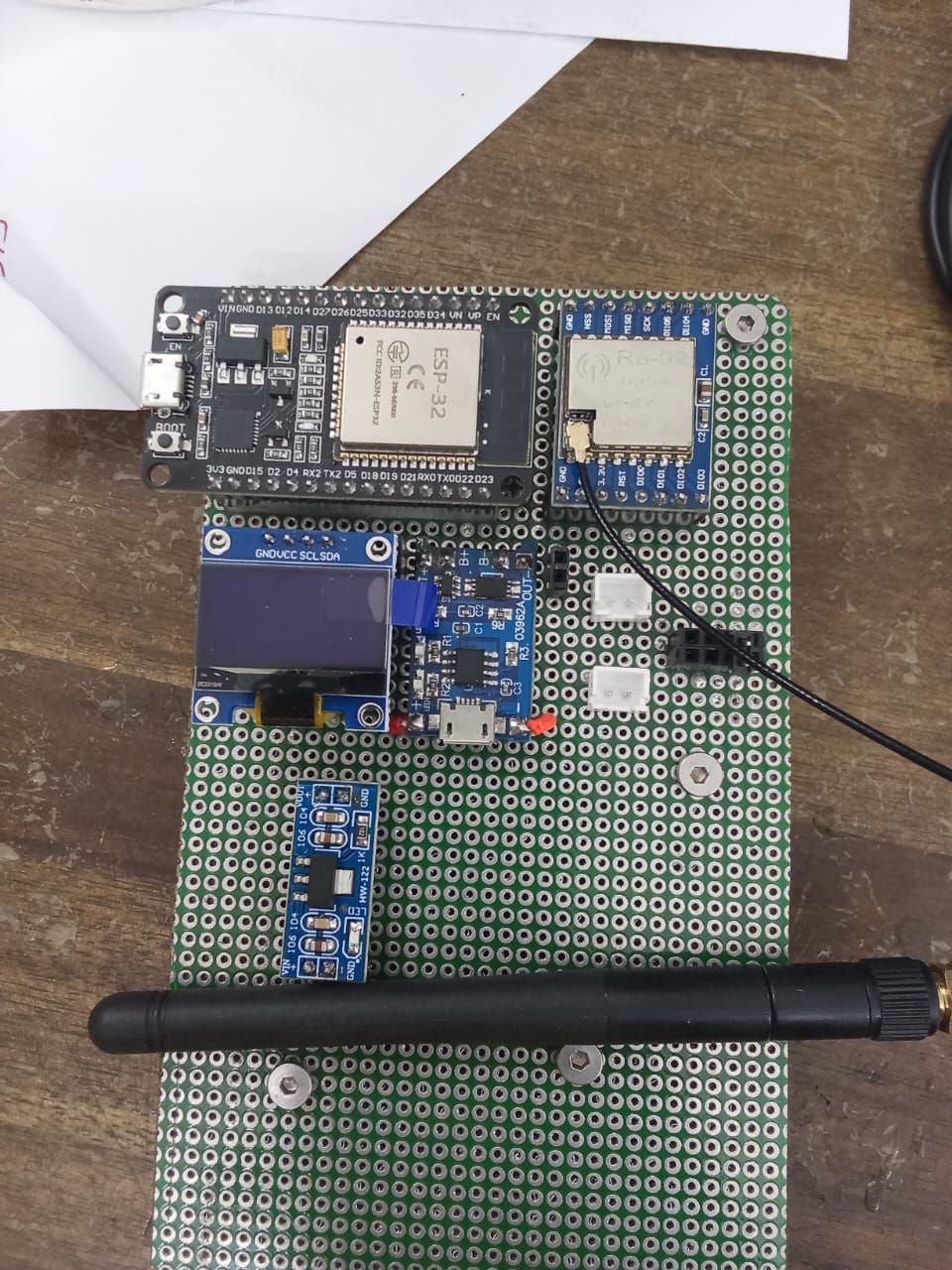
- Helmi identified a missing connection between the ESP32 and DIO1 of the RA-02. Stefan/OE6ISP agreed and provided a photo indicating that the connection for pin DI01 should go to pin 27. hari21204 confirmed they will check and update. Stefan/OE6ISP suggested double-checking all pins from the source. 🔗
Antenna Building
- Michael_Mrak asked how an antenna should be aligned – horizontally or vertically. 🔗
- Helmi replied that the dipoles point East - West, as the sats fly in North - South ( or vice versa) direction. Helmi also answered DE1CTL saying that, if You scale the dimensions, the antenna will work for 868 MHz. 🔗
- Stefan/OE6ISP responded to Michael_Mrak saying that horizontally could give a little boost, because it catches ground reflections which can contribute several dD to antenna gain at low elevations. Stefan/OE6ISP added that You need some tuning of course - should be no problem with this flexible design. But its difficult to get below SWR 1.4 🔗
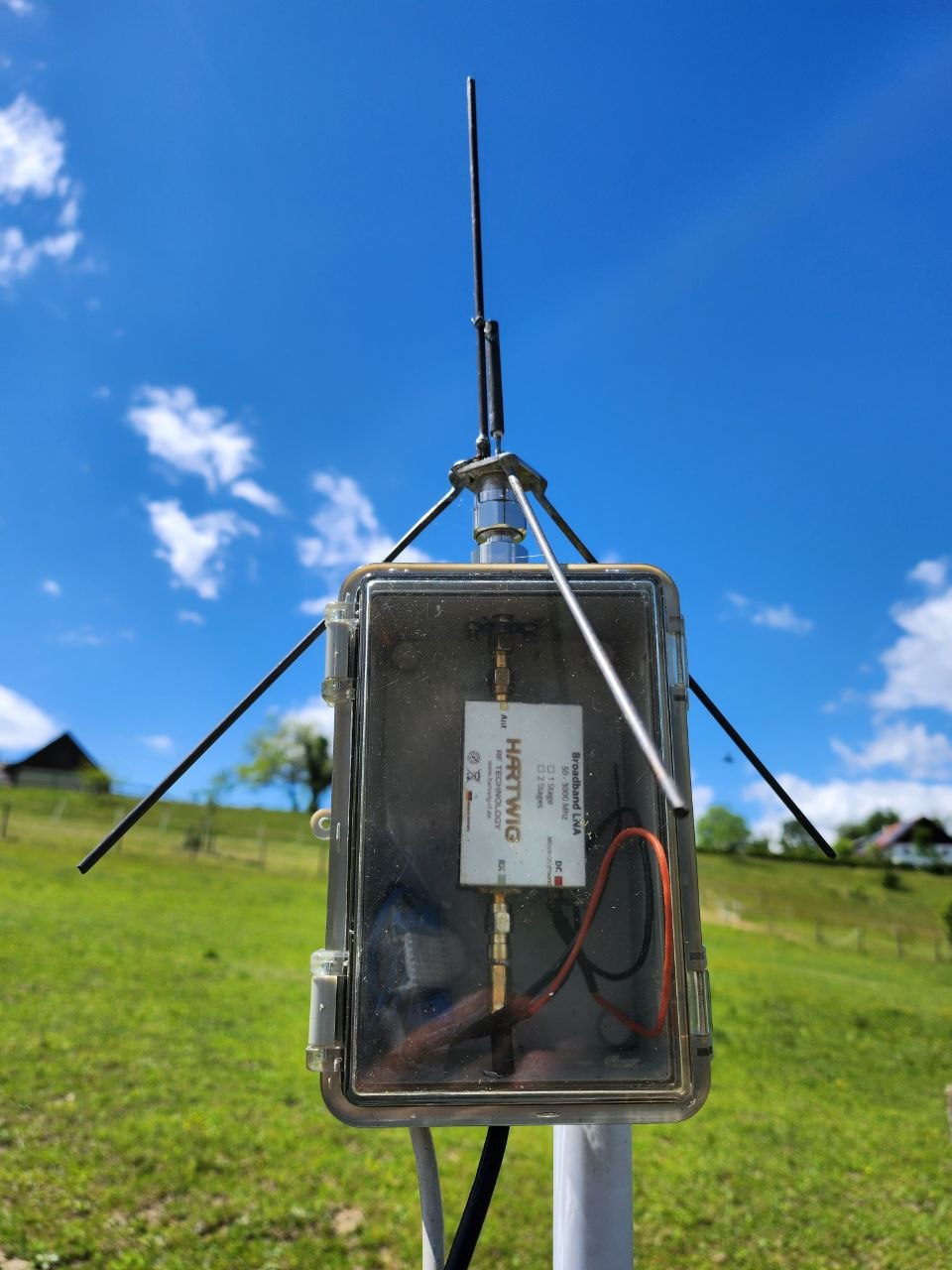
- K4KDR told that you can build for any freq you wish - just enter the value into the website —> https://jcoppens.com/ant/helix/calc.en.php. K4KDR usually enters 420 MHz so that he’s as good for 400 MHz as he is for 440 MHz. He also shared that it’s also one of his best antennas for any freq from 137 MHz to 915 MHz, so he is using the wideband LNA (https://store.uputronics.com/products/uputronics-filtered-preamps?variant=48292157620558) 🔗
https://jcoppens.com/ant/helix/calc.en.php
https://store.uputronics.com/products/uputronics-filtered-preamps?variant=48292157620558 - Notsure7 was also building one today, but messed up, and it only needs tuning, will revisit this later 🔗
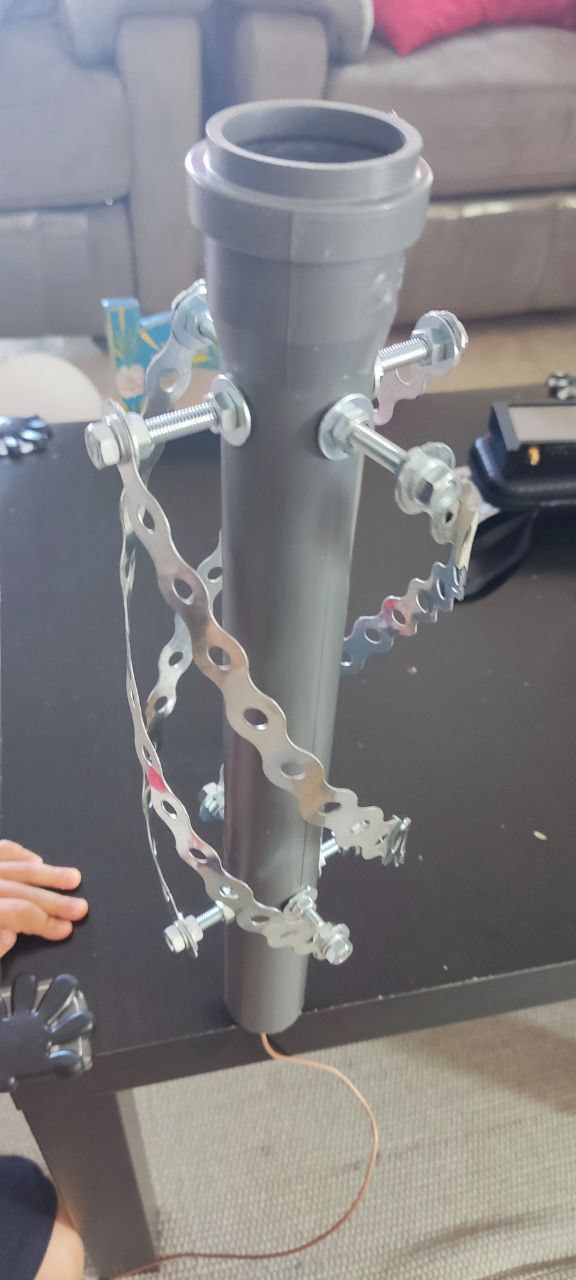
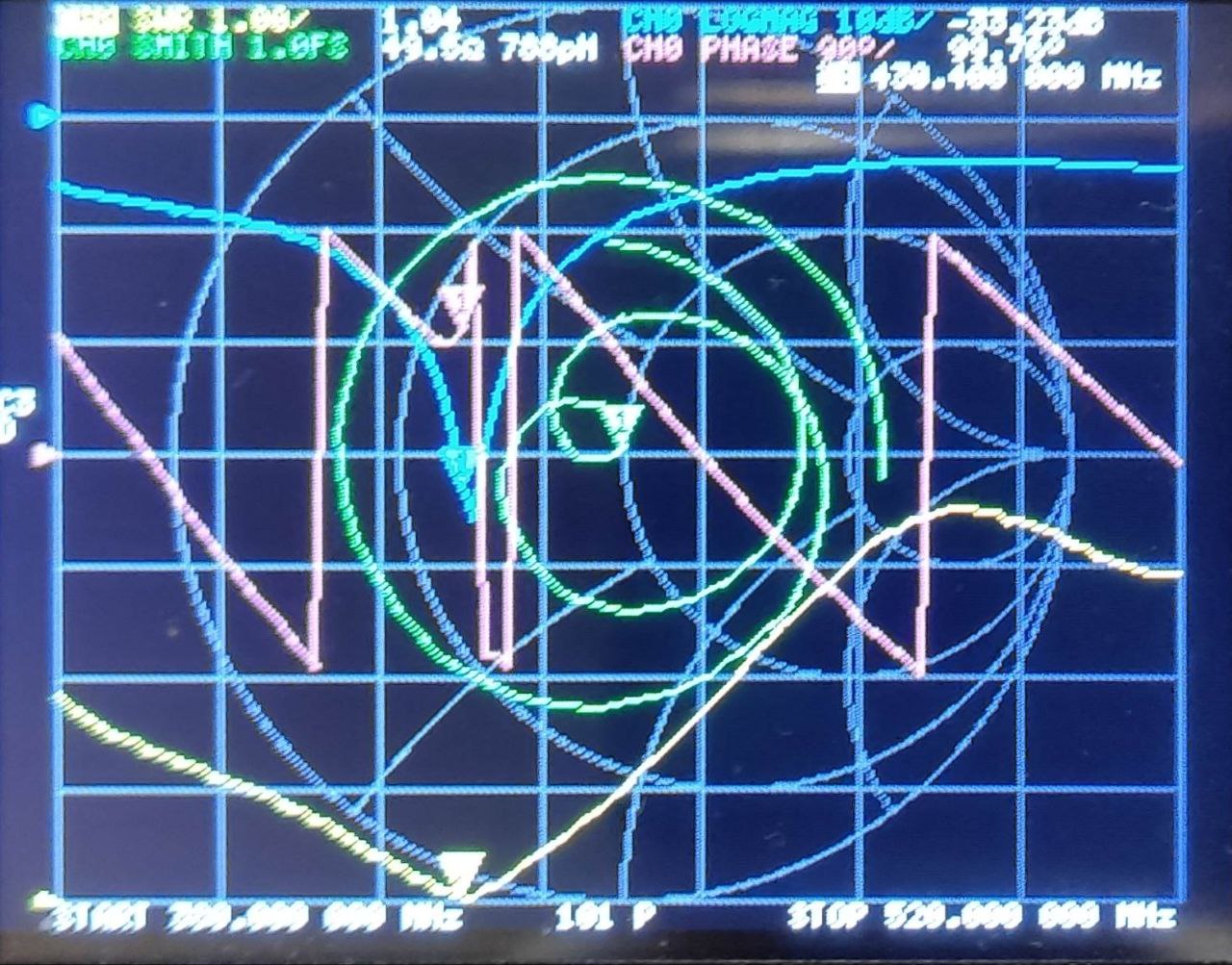
- Notsure7 shared a photo of antenna building progress. Target was 420Mhz, but ran out of threads on the long one, and has to swap the lower threaded rod to continue. Also, asks if the absence of a choke will make a difference, considering this antenna won’t be used for transmitting. 🔗
Share your setup
- Michael_Mrak inquired about the suitability of a Heltec board and an antenna for his setup and asked about the linked antenna, and whether it would be fine even with the provided RG58 cable. 🔗
https://www.amazon.de/dp/B07QXR7SJ5?ref_=pe_111929571_1111661321_t_fed_asin_title
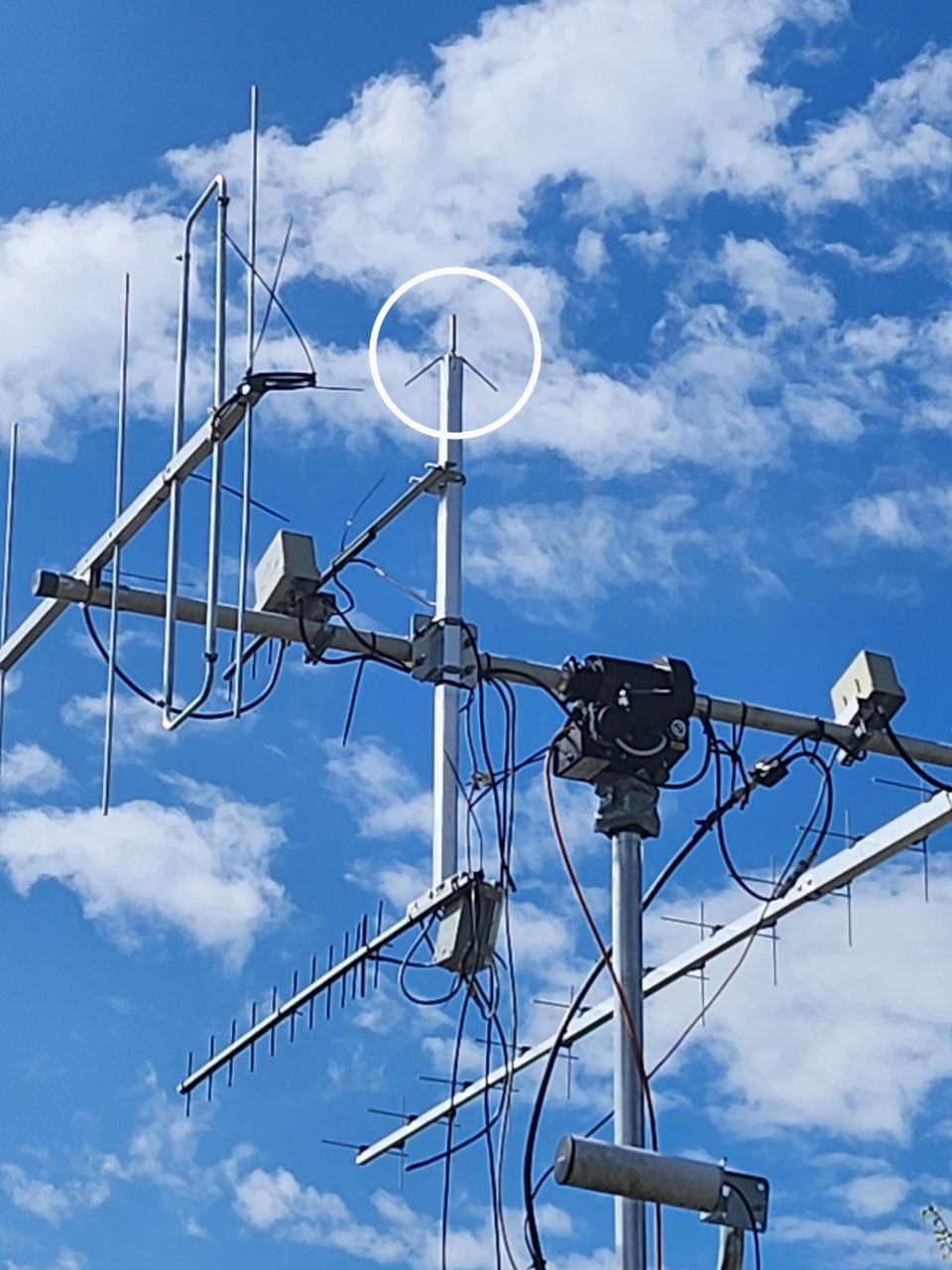
https://www.amazon.de/UAYESOK-Groundplane-Basisstation-Koaxialkabel-Montagehalterung/dp/B08X3MXVLJ/?_encoding=UTF8&pd_rd_w=vpa0m&content-id=amzn1.sym.b3e19c41-f177-4c8a-9cc5-44ad9b9d6c69%3Aamzn1.symc.fc11ad14-99c1-406b-aa77-051d0ba1aade&pf_rd_p=b3e19c41-f177-4c8a-9cc5-44ad9b9d6c69&pf_rd_r=W0KTQX1KJ8MFEN8V3G52&pd_rd_wg=eOzYz&pd_rd_r=ad8edb92-603a-4d82-b623-b22d1de2d440&ref_=pd_hp_d_atf_ci_mcx_mr_ca_hp_atf_d - Stefan/OE6ISP shared a photo of their 800/900MHz ground plane, which supplies 2 stations via LNA and splitter, noting that the GP is in a vertical position because the tower is parked most of the time. 🔗
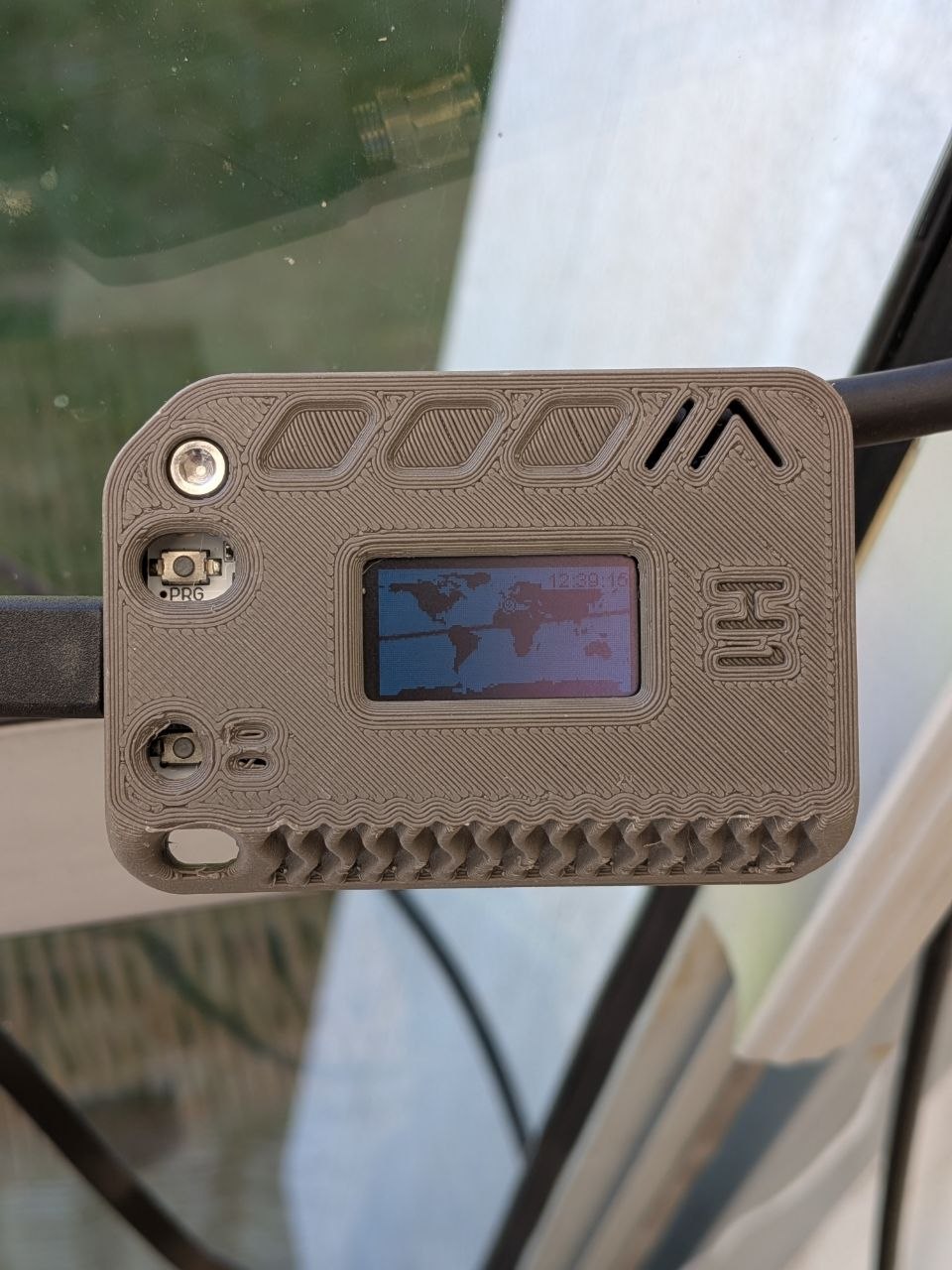
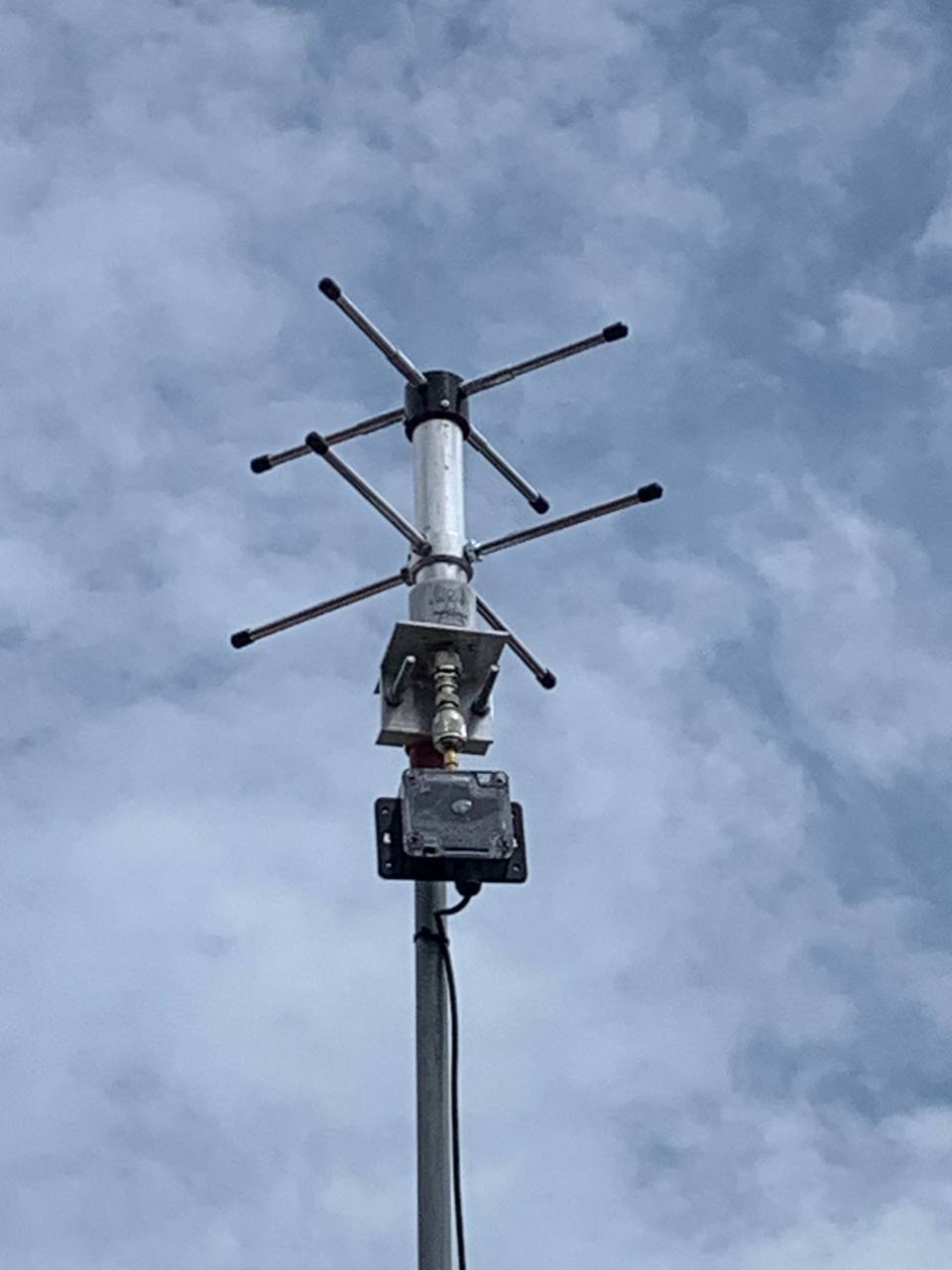
- K introduced himself as new to TinyGS and shared a photo of his setup, which includes a Heltec V3 hidden inside a case, from Vienna, OE1UHA. 🔗
Beta Firmware Testing
- Imants reported that their station YL3CT_Test1 (ESP32-C3 + E22 400M30S (SX1268)) has FSK reception working, but they don’t receive any tasks in automatic mode. 🔗
- G4lile0 announced a new beta version with support for LoRa inverted I/Q, requiring an extended partition for ESP32 (version => 2506013). Responded to Notsure7 that C3 doesn’t have OTA yet. 🔗
New Satellites
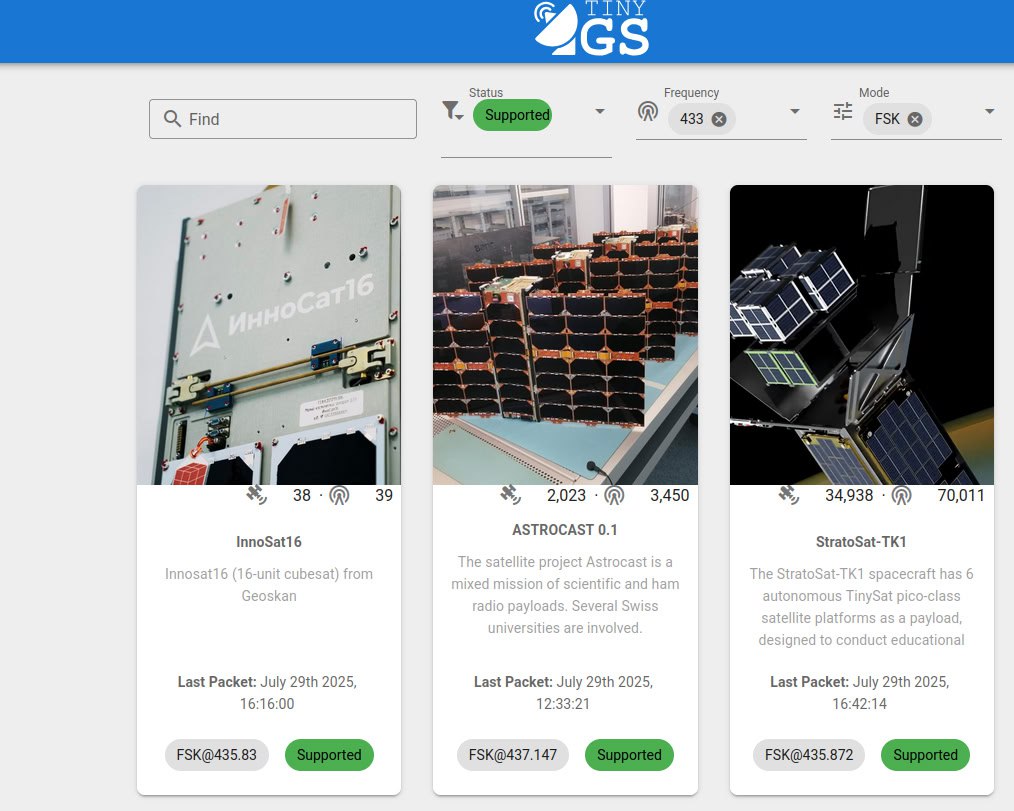
- G4lile0 announced the new FSK sat InnoSat16, mentioning the first packet was received two days ago, but today with a better TLE, 38 new packets were received. 🔗
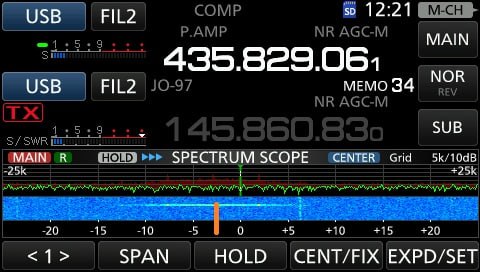
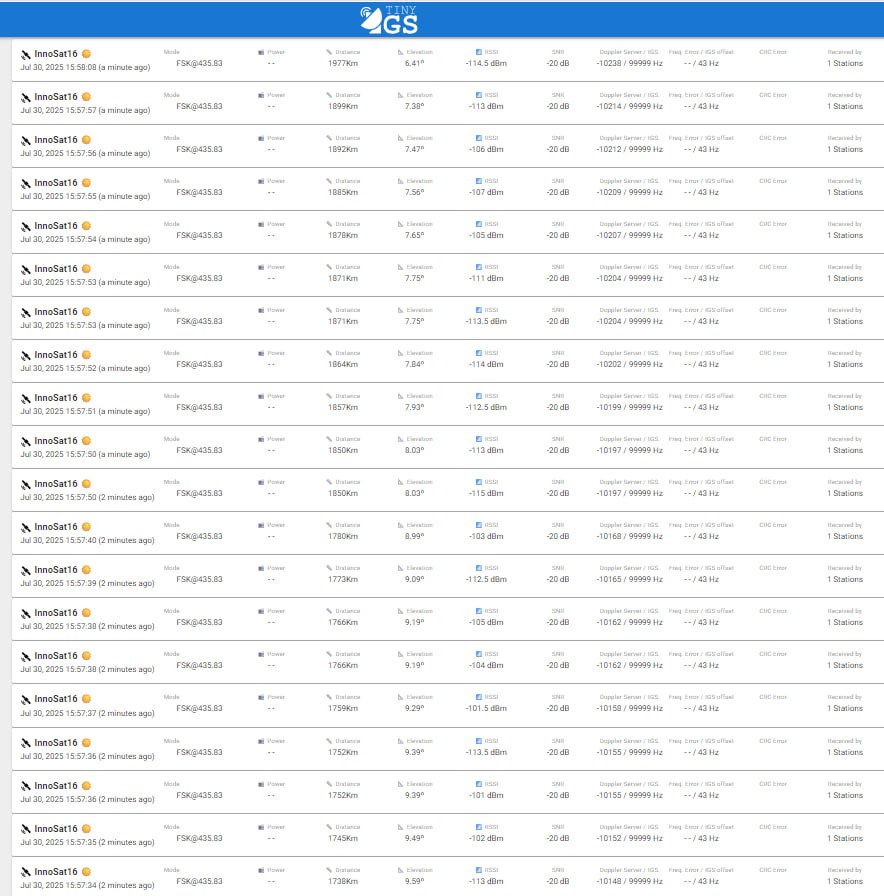
- Stefan/OE6ISP reported capturing packets from InnoSat and noted the TX QRG seems low, measuring an average offset of -1.8KHz based on TinyGS TLEs. Only his station received the packets, which he found strange, and also reported that InnoSat had a lot to say today, looks like a data-transfer 🔗
- G4lile0 shared a link about surveillance mode for many sat on the 25th Soyuz 🚀. 🔗
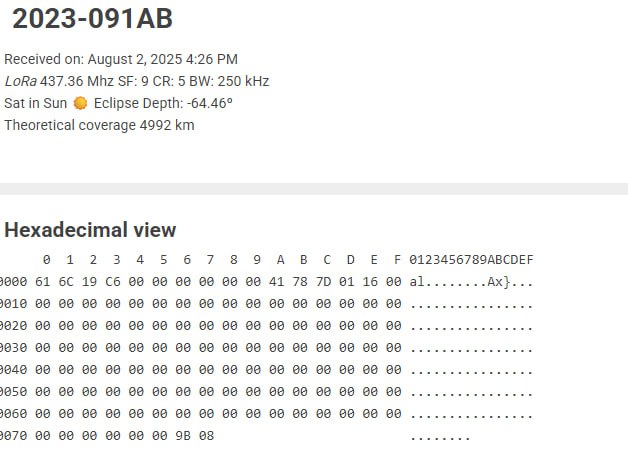
https://x.com/tiny__GS/status/1950443797730476430?t=E8GjQHyklkDkCT3DDUfQkw&s=19 - Stefan/OE6ISP has his station OE6ISP_0 running in inverted I/Q mode for testing purposes (in test-mode), receiving many packets on 437.360, SF9, BW250k. Stefan/OE6ISP asked to be informed about any frequencies worth observing. 🔗
- G4lile0 mentioned that The latest beta version supports inverted I/Q and added that Once we have a few stations running this version, he’ll initiate a surveillance mode with that configuration to resolve the 🛰. 🔗
Featured Conversations
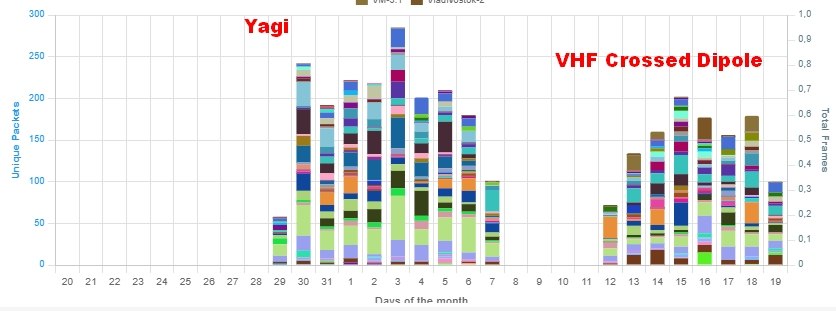
- The community discussed analyzing TinyGS data, particularly RSSI and SNR values, to diagnose connectivity issues and improve antenna setups.
- There was an active discussion around Doppler shift and frequency correction, highlighting the impact of temperature on board stability and the precision of server-side calculations.
- Users explored antenna building, including the effects of horizontal vs. vertical alignment on signal gain, and the use of specific tools and websites for helical antenna design.
- A new beta firmware version was announced, bringing support for LoRa inverted I/Q, a feature that requires an extended partition for ESP32 devices and opens new possibilities for satellite signal reception.
- The successful reception of the InnoSat16 FSK satellite and the potential addition of more satellites from the Soyuz launch mark significant advancements for the TinyGS network.
What’s next
Join the TinyGS community to share your experiences, troubleshoot issues, and help expand our global network of LoRa satellite ground stations!
Share: