· TinyGS Community · 6 min read
Weekly Newsletter - June 29, 2025
Welcome to the TinyGS community newsletter. This week's edition features discussions on antenna selection, hardware performance, firmware testing, and satellite deployments.
Highlights
General
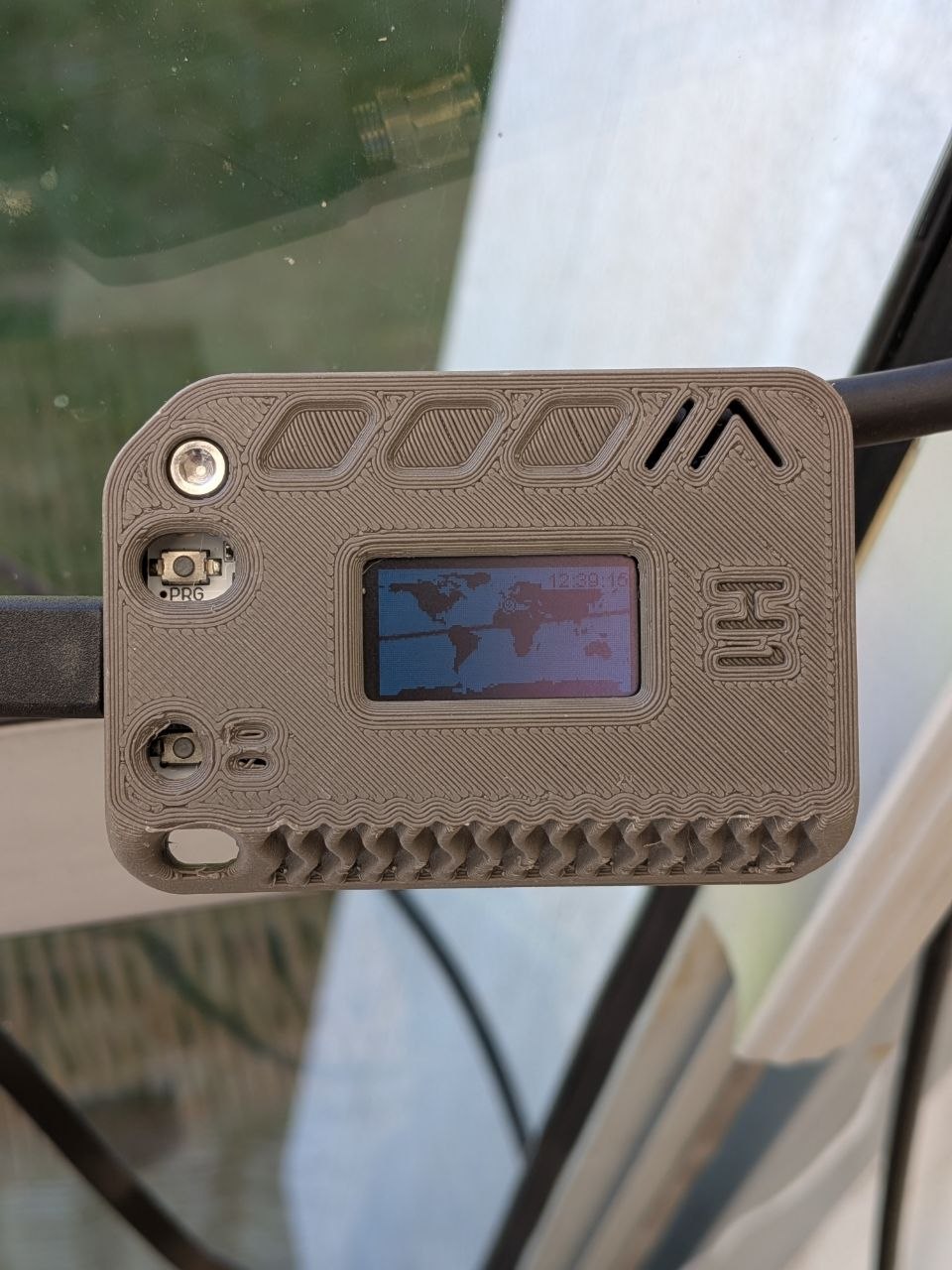
- omuoto shared an application called LiteBeacon (Heltec Lora Wifi) used for testing TinyGS stations, mentioning it transmits telemetry and has modular telemetry agents. It is TinyGS friendly. Recommended using it in TEST mode to avoid packet interference with TinyGS. 🔗
- anas_z15 asked about issues when using FSK with SX127x for a LoRa payload project, and is considering adding FSK as an experimental mode. 🔗
- Stefan/OE6ISP explained the difference between SX126x and SX127x, noting the FIFO buffer limitation of 64 bytes in SX127x and hidden issues affecting FSK modem performance. He suggested using a Heltec 1262 board instead of a Lilygo 1278 for better FSK performance, citing frequency stability issues. He also mentioned running the 1262 on OE6ISP_6 and 8 stations with the latest beta firmware as a reference. 🔗
- omuoto discussed how TinyGS might be smarter than just using TLE math for overhead determination, suggesting it may have a more accurate method due to its vast network. Also, asked about the accuracy of TinyGS overhead estimations and the importance of correct lat/long settings and timezone. Added that TLE is not always accurate and tracking maps may be even less accurate. 🔗
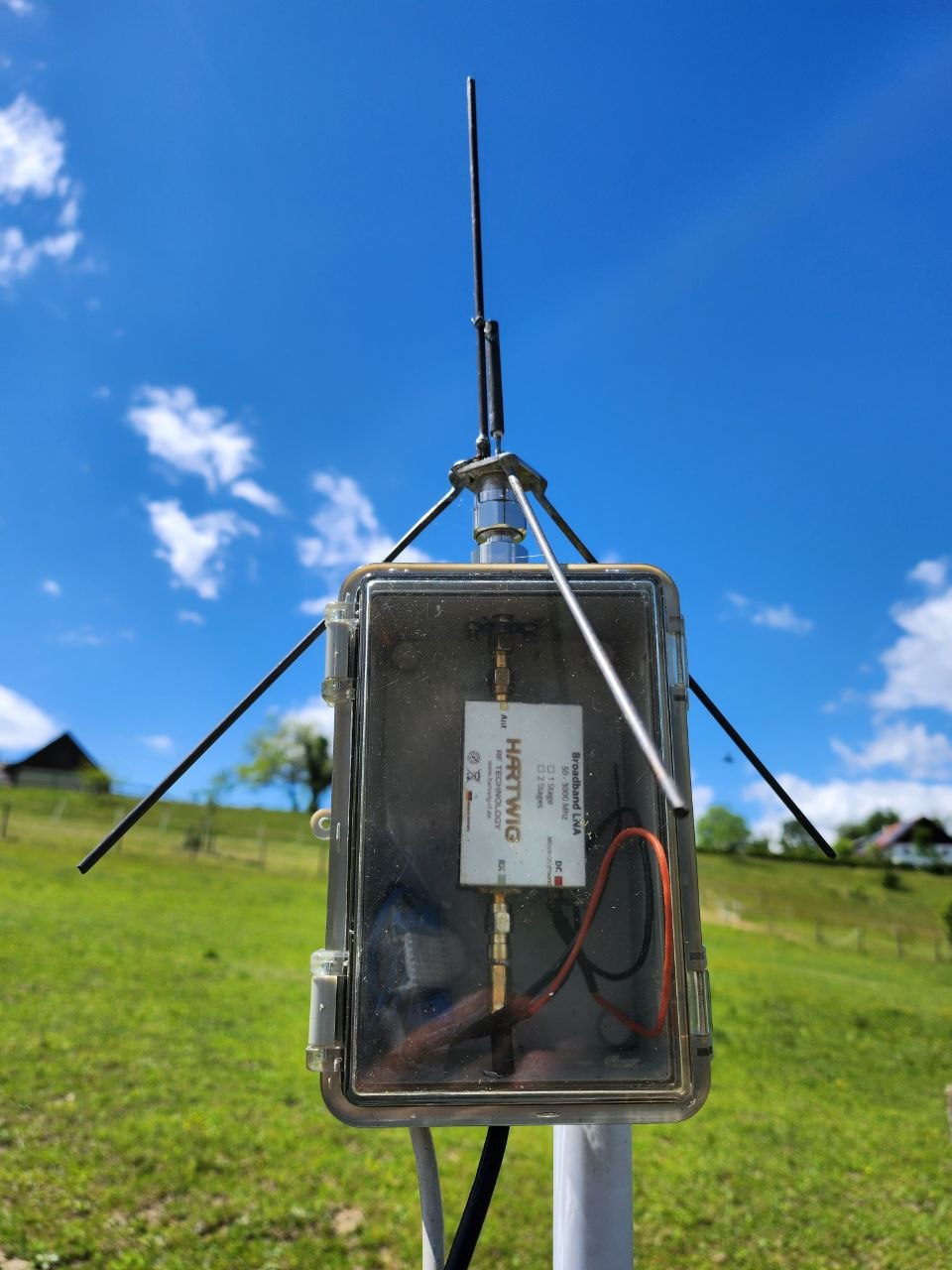
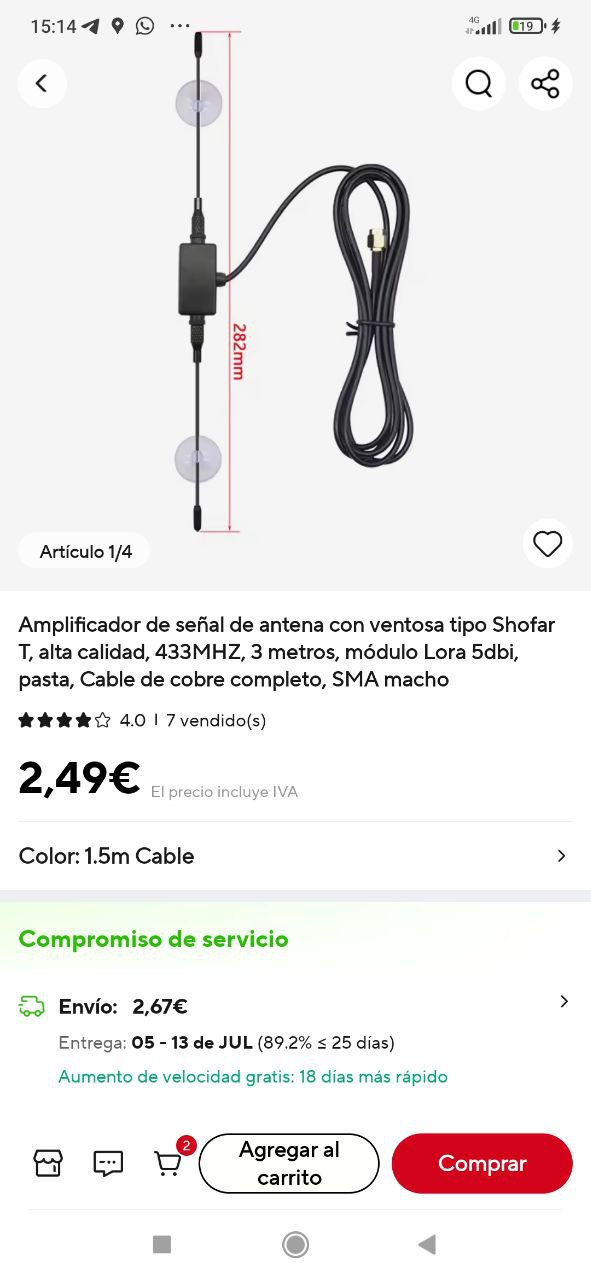
- Marco asked if a specific antenna would work for TinyGS, also asking for recommendations. After Helmi and Stefan/OE6ISP provided feedback on antenna choices and modifications, he inquired about alternatives that are available for purchase rather than DIY, aiming for a balance between cost and performance. He shared a photo of another antenna option. 🔗
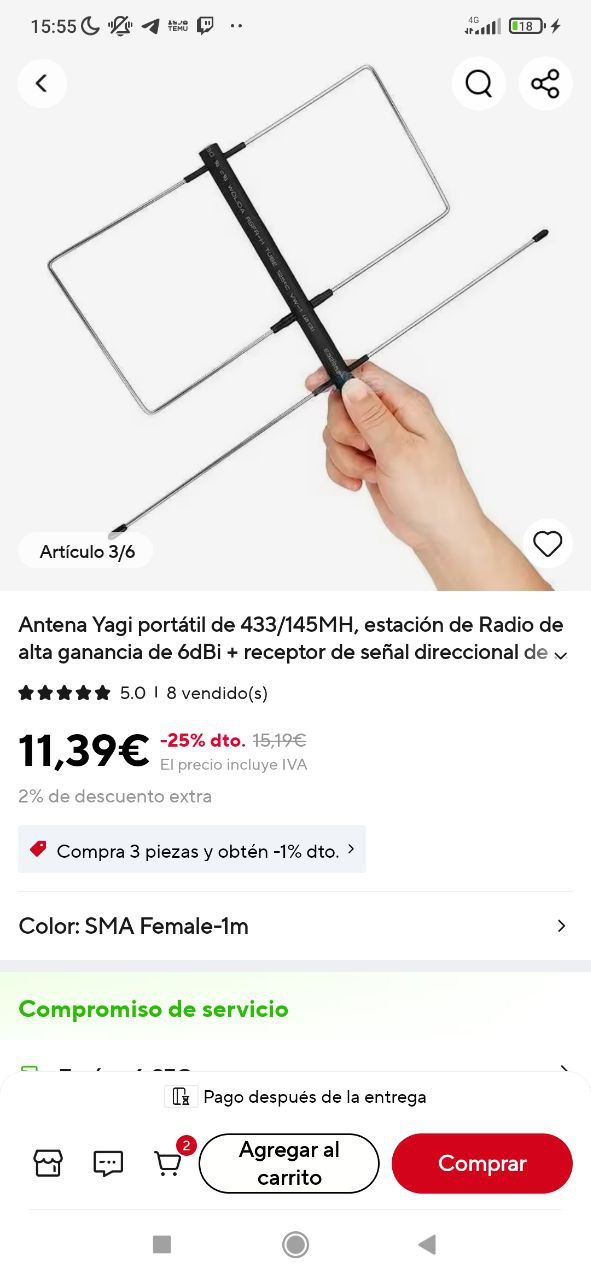
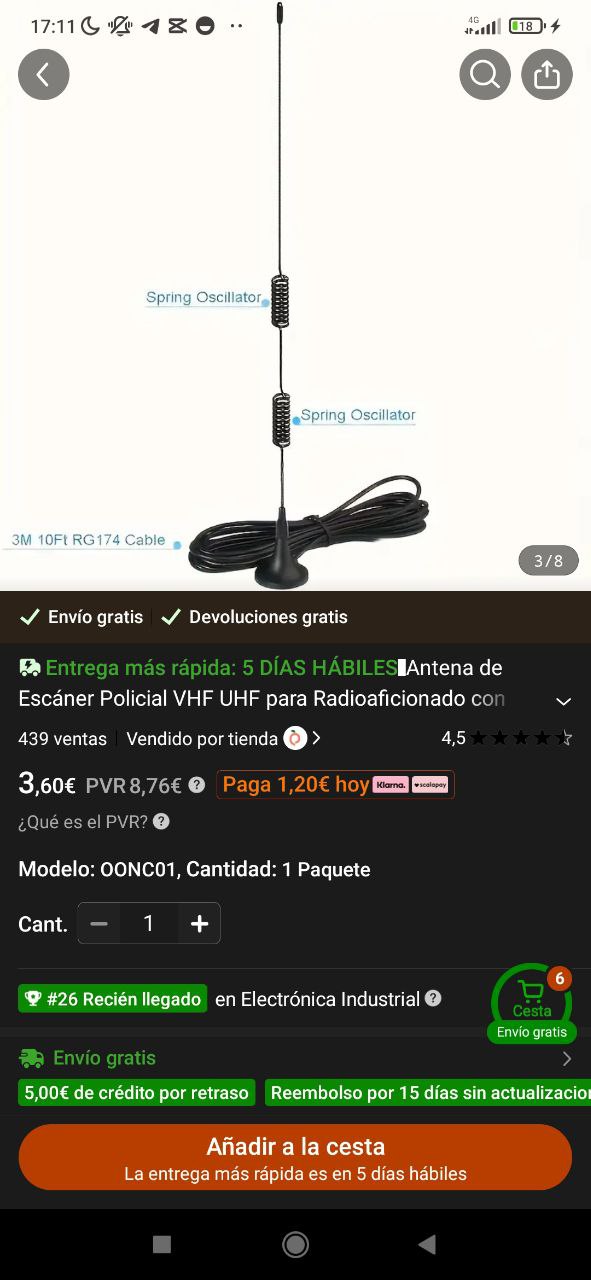
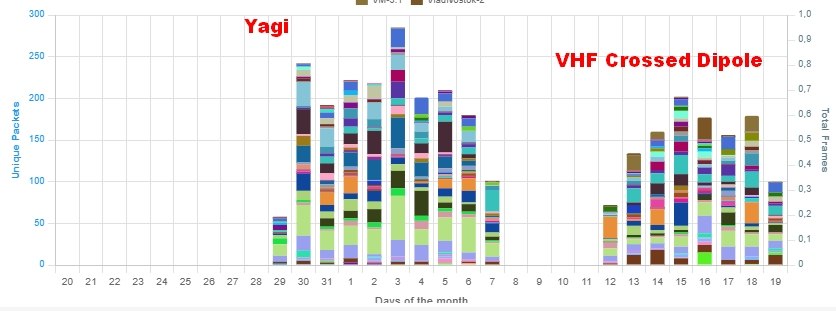
- Helmi responded to Marco, stating that the initial antenna shown is good but needs modification by lengthening the dipoles by about 25mm each using M3 hex spacers. Helmi then advised against using a 6dBi Yagi antenna, recommending an almost omnidirectional antenna like a DIY groundplane antenna instead, and pointing to the antenna building thread for dimensions. 🔗
- Stefan/OE6ISP explained the physics of omnidirectional antennas, noting the trade-off between coverage and gain, and supported Helmi’s recommendation of a groundplane antenna. After that, discussed the limitations of cheap antennas, highlighting cable loss issues and recommending higher-quality amateur radio antennas, providing links to wimo.com and m2inc.com. 🔗
https://www.wimo.com/de/18006
https://www.m2inc.com/FGEB432RK70CM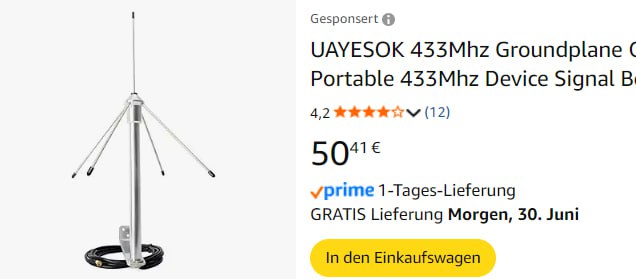
- Helmi commented about the cable of the antenna from the big A having a lot of loss and needing replacement for good performance, also mentioning the need for a ground sheet and suggesting a ground plane antenna for better performance. 🔗
Technical Problems
- Carbexalide mentioned that the distance record broke again. 🔗

- PE2BZ asked if there is a way to configure TinyGS to select either 436 or 402 MHz passes, as their two stations with filtered antenna setups currently scan both ranges. 🔗
- zhans_3108 shared that they are not receiving any packets and sought an explanation. Stefan/OE6ISP responded that it’s likely due to no satellite being in range at the moment, and suggested checking the map to see satellite availability. 🔗
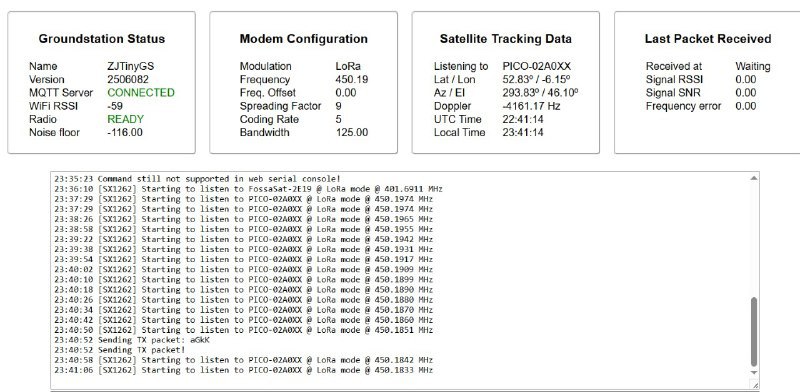
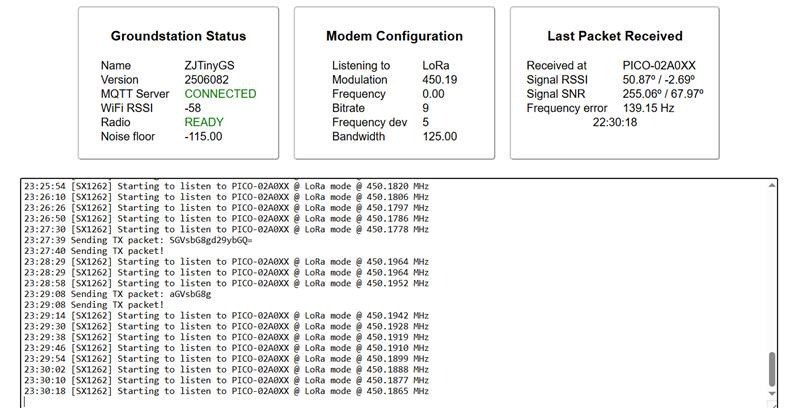
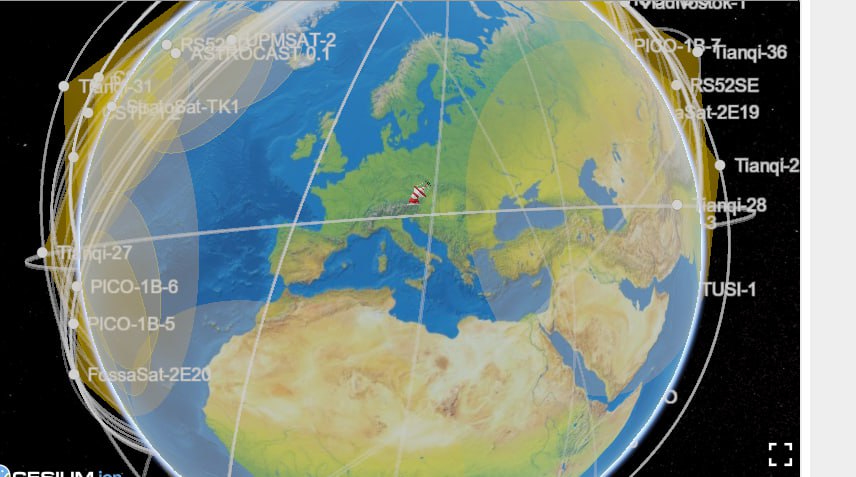
- Mauro asked about accessing their dashboard, which requires a username and password, and inquired about resetting it. 🔗
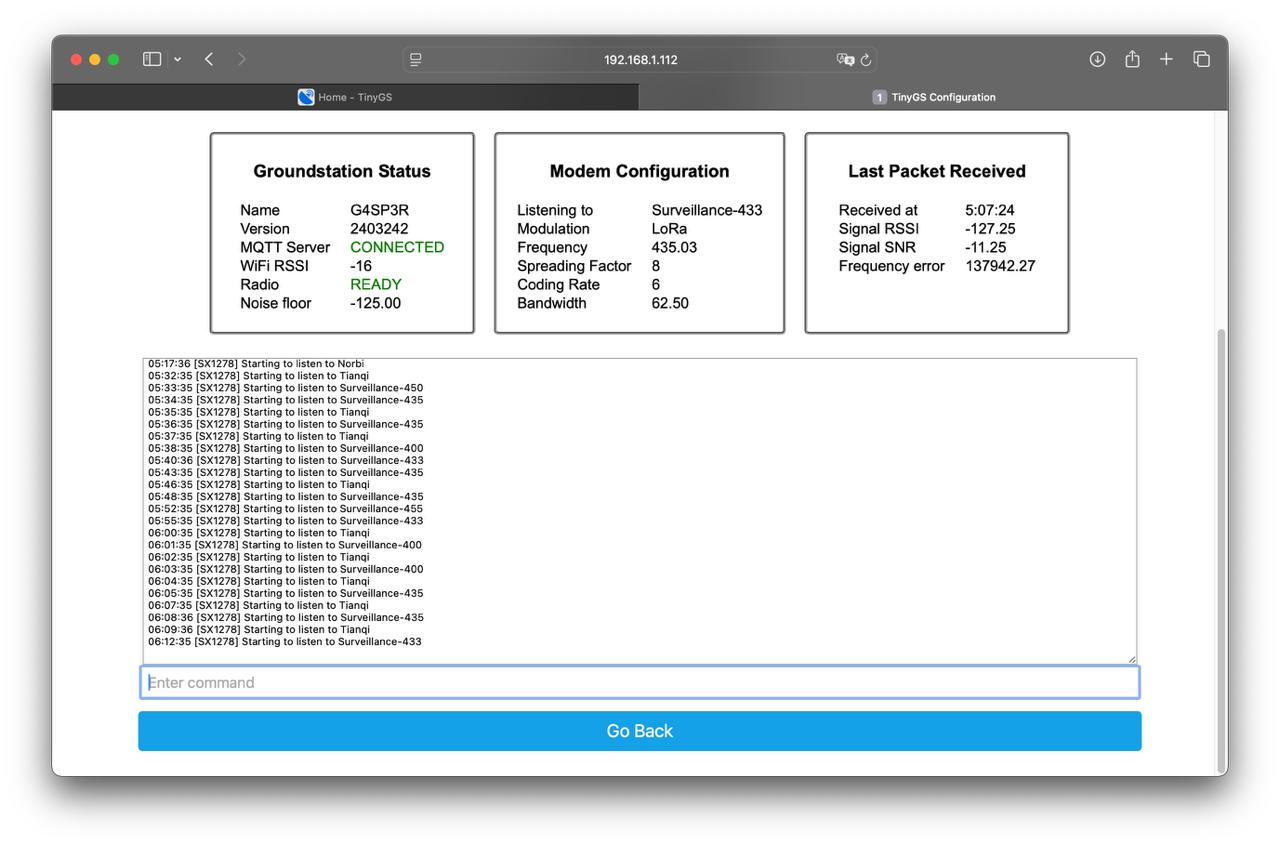
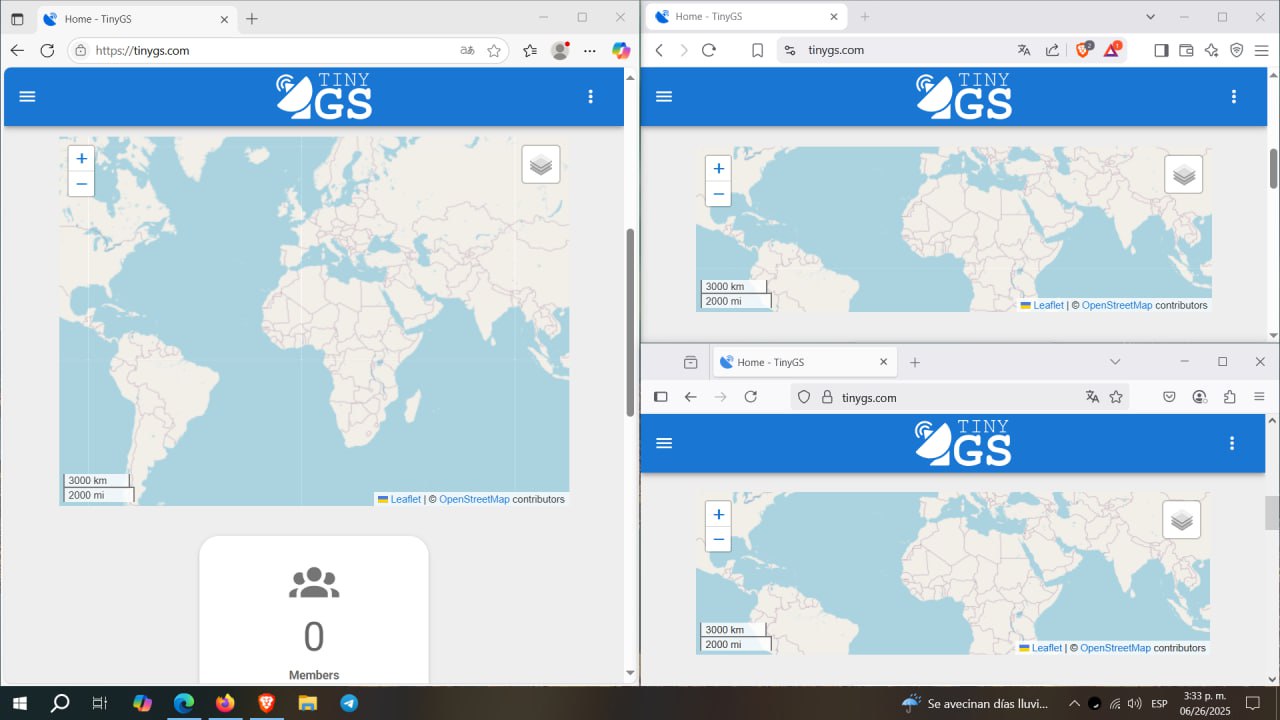
- G4SP3R reported not being able to see terrestrial or satellite stations from their home Wi-Fi, despite trying different browsers and being located in Panama. They initially suspected the browser but found the issue persisted across different browsers. They shared an image of the issue. 🔗
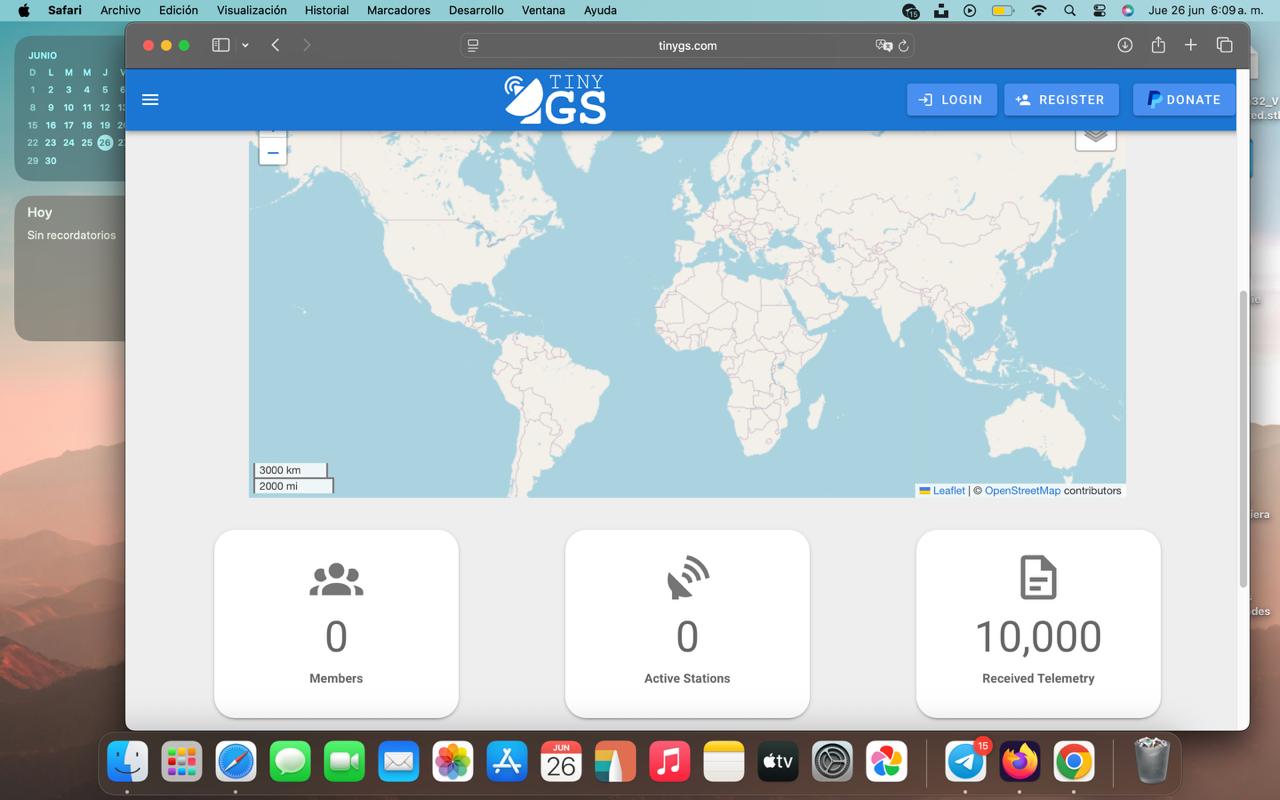
- anas_z15 asked if the APIs are documented somewhere, mentioning that the wiki link seems like a work-in-progress and inquired about other resources. 🔗
Share your setup
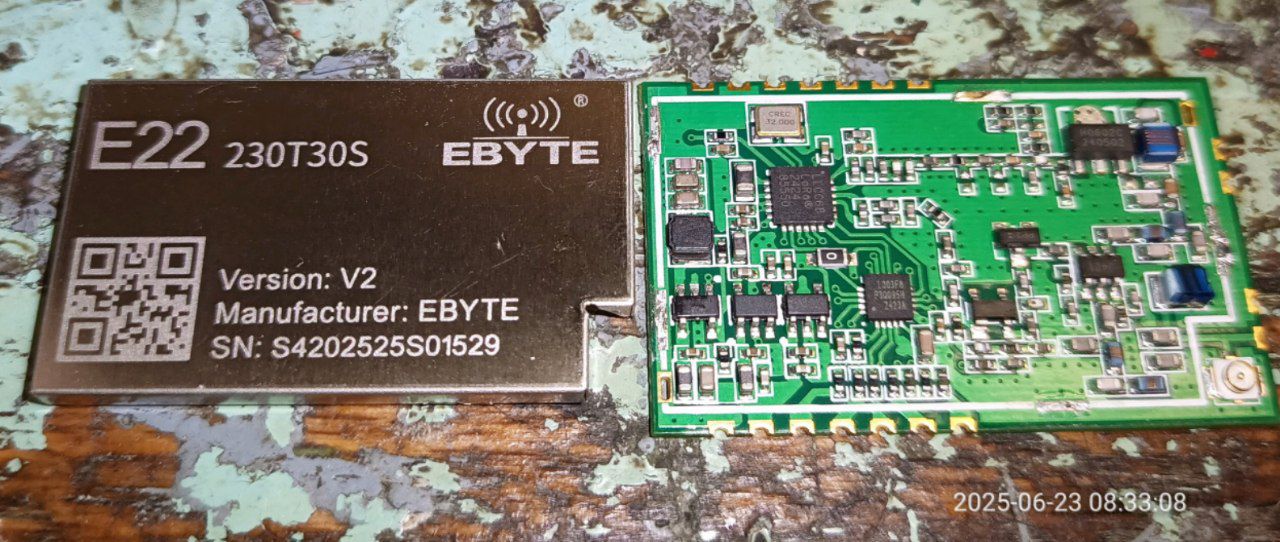
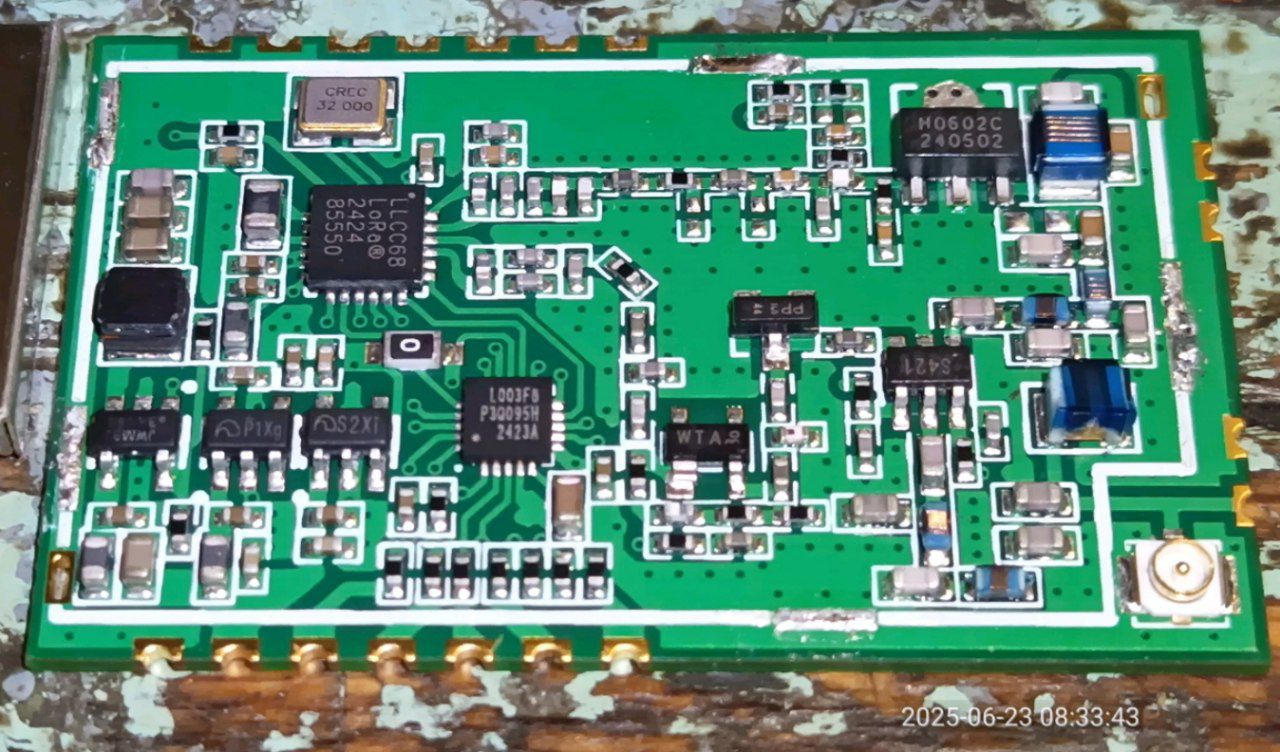
- megazaic shared images of a setup and advised against it because of LLCC68 limitations, such as bandwidth restrictions and a possibly locked CX32L003 main CPU. They added later that they are looking for a module for the required band that corresponds to the description. They are aware of the serial interface issue and the restrictions of T models for TinyGS, needing the SPI version with M in the middle. They also mentioned the processor being locked from erasing/writing, and the discrepancy between the description (SX1262) and the actual chip (LLCC68). 🔗
- omuoto mentioned that 400-500 units in the US work great, but there are zero working units on 800-900, noting the accidental purchase of many 800-900 units on Amazon. 🔗
Events
- Linux34 shared multiple photos related to events and thanked everyone. 🔗
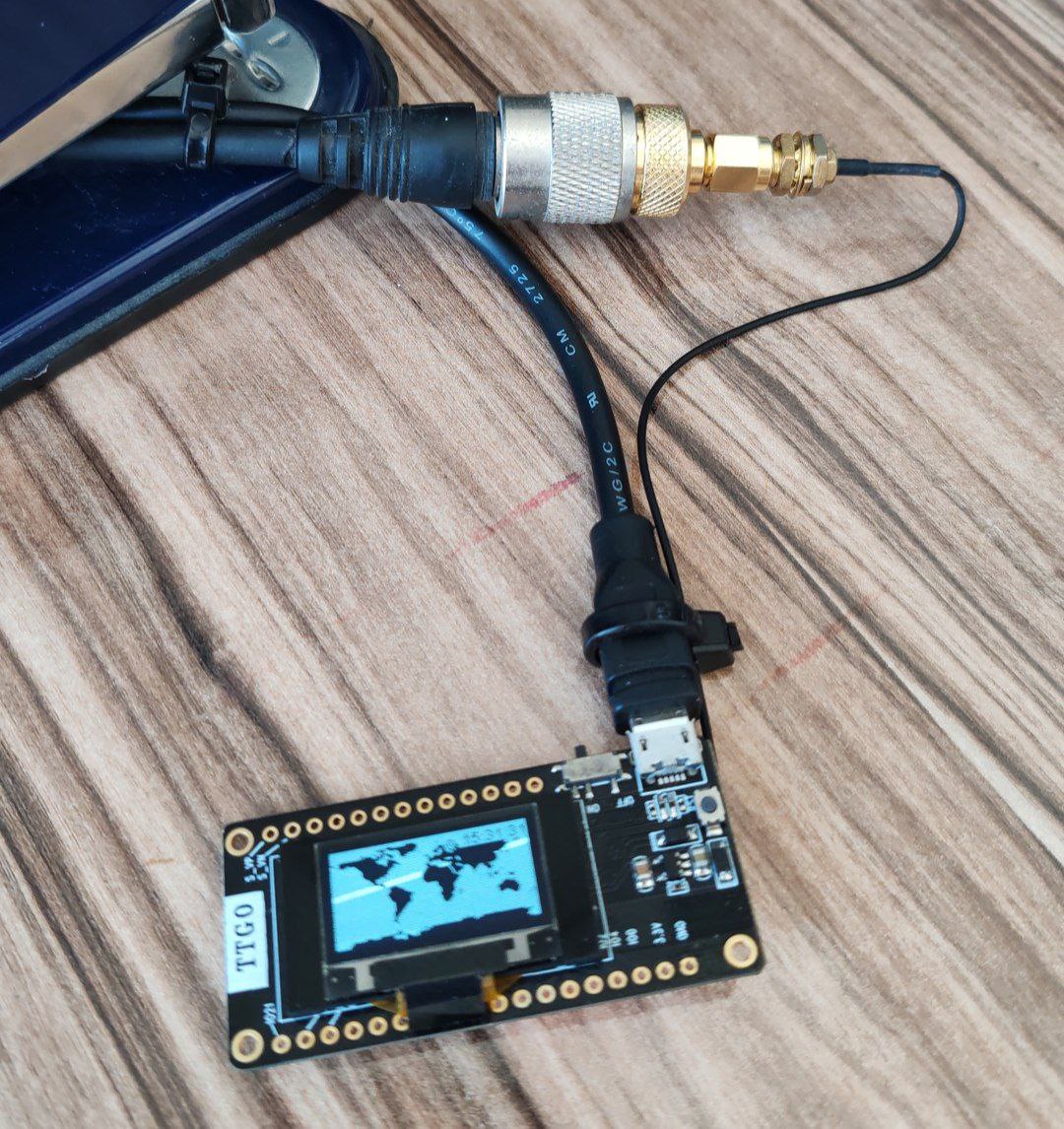
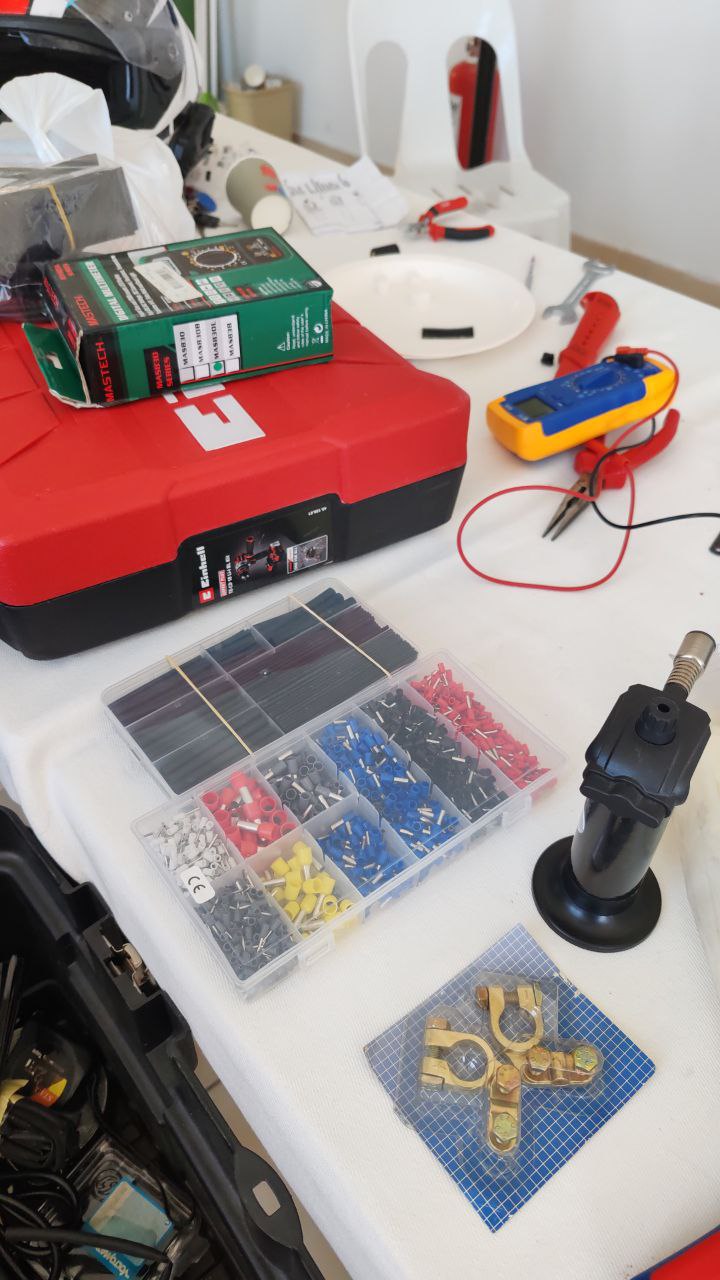
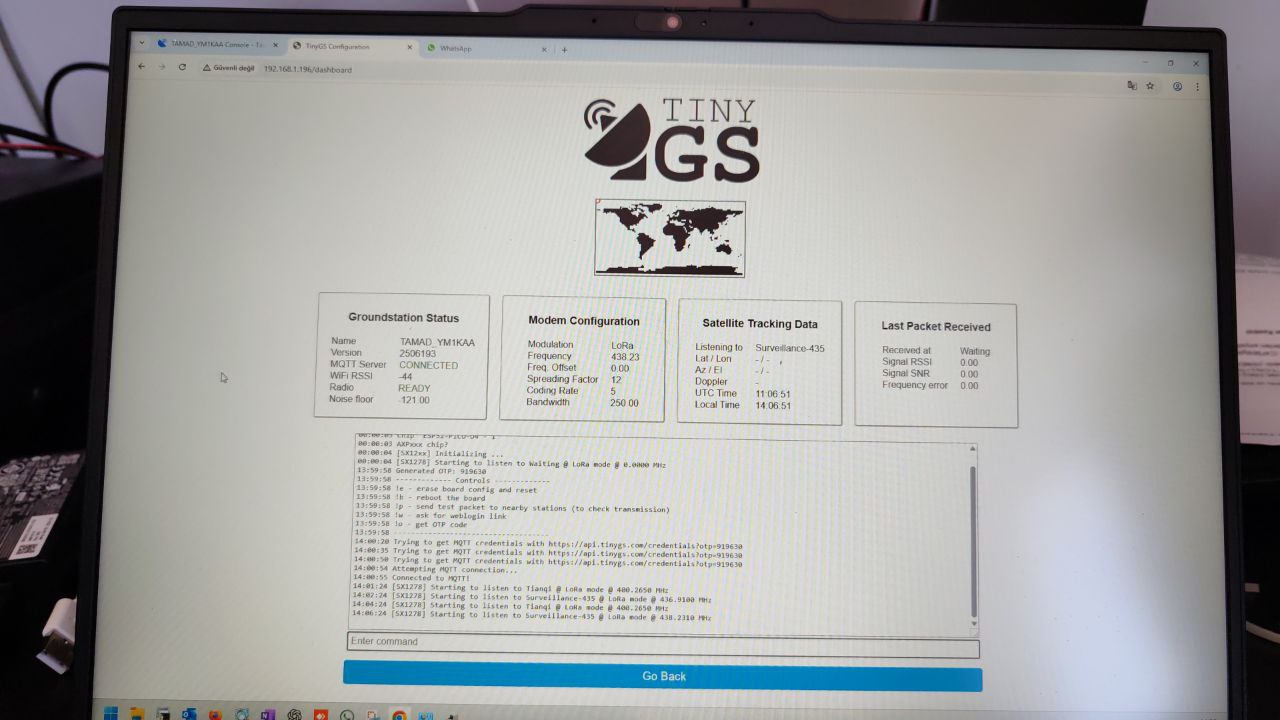
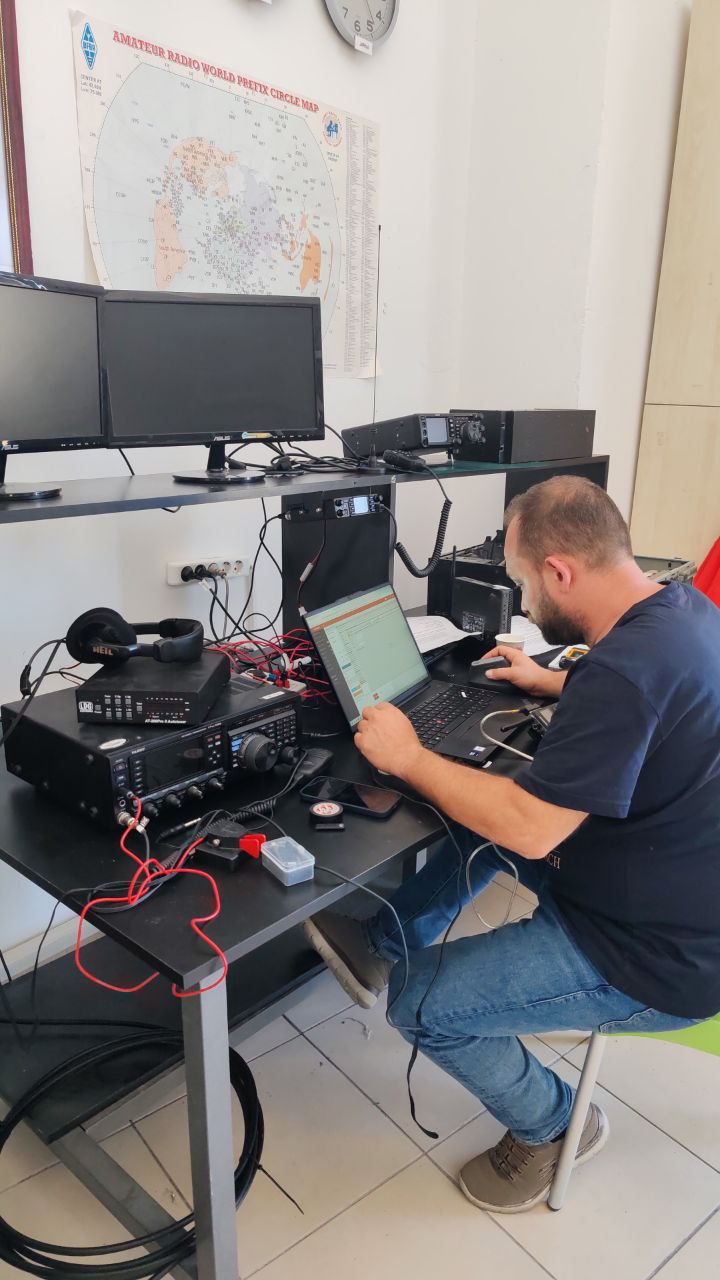
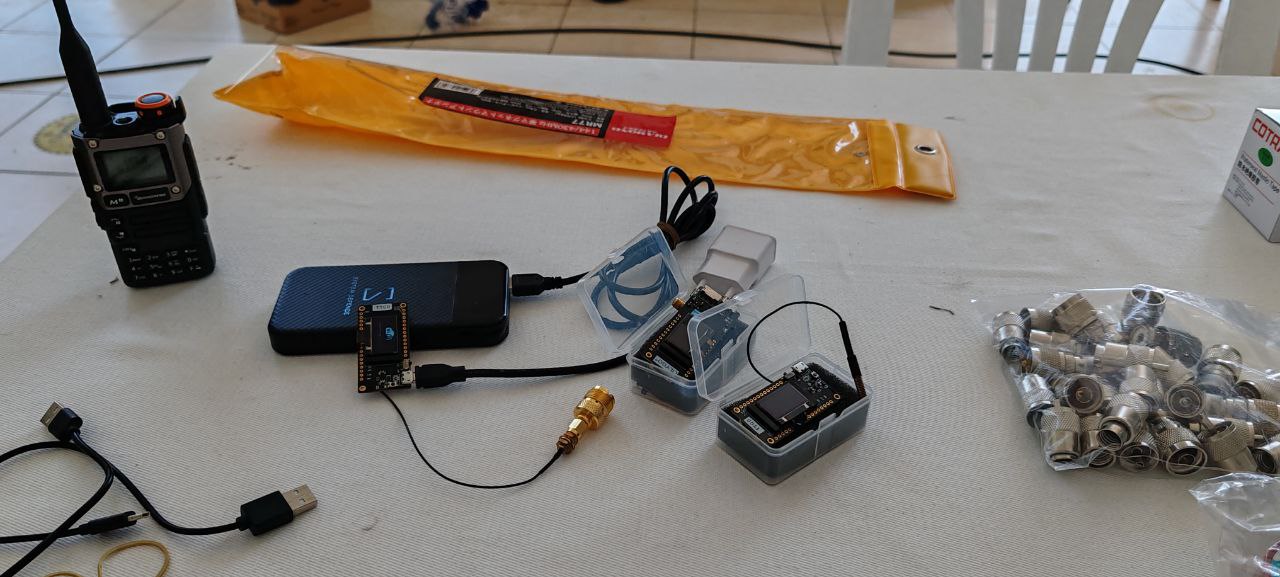
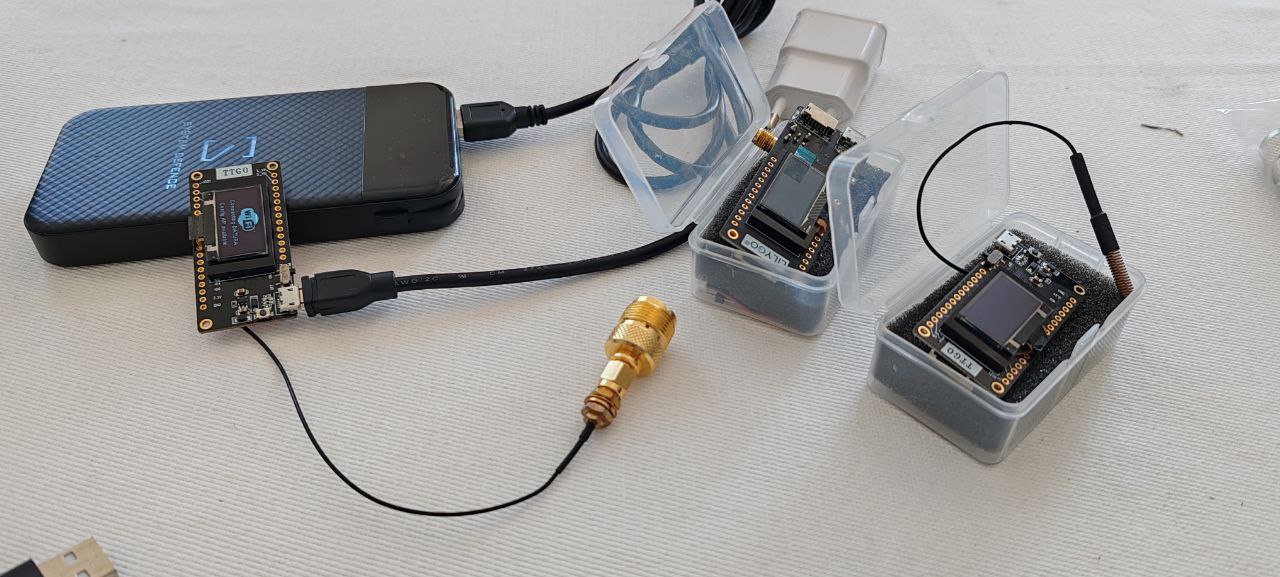
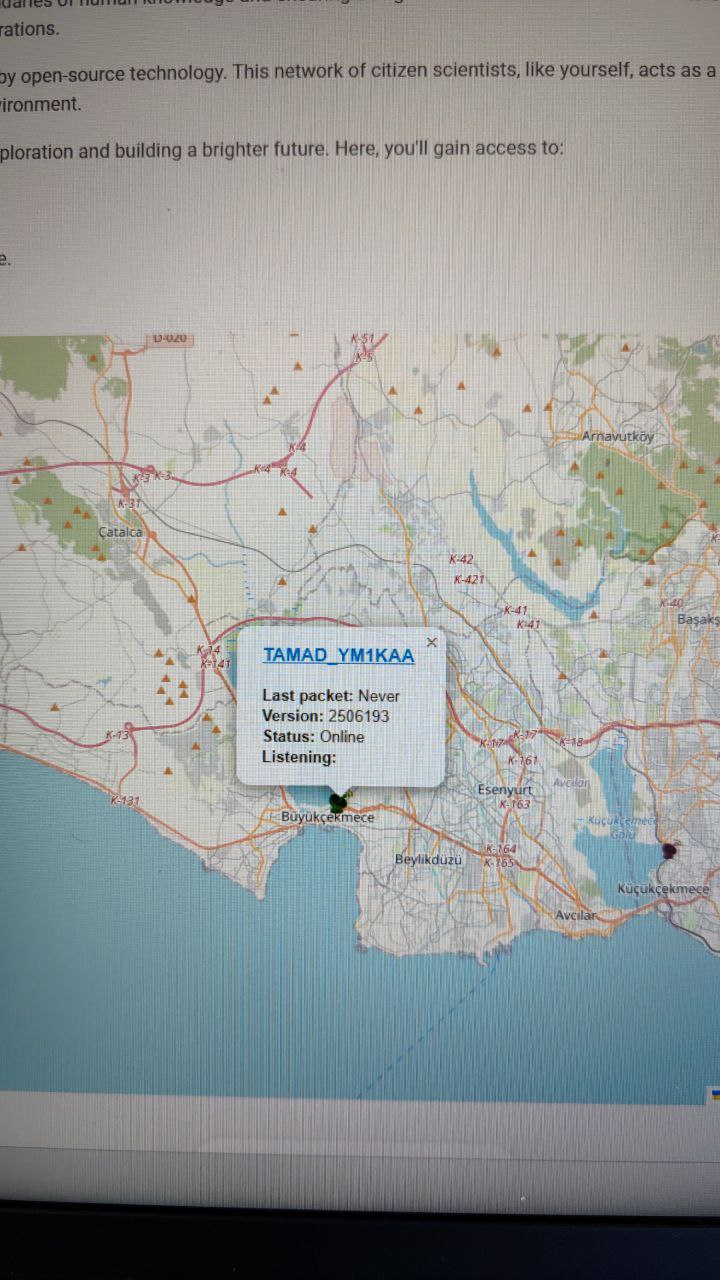
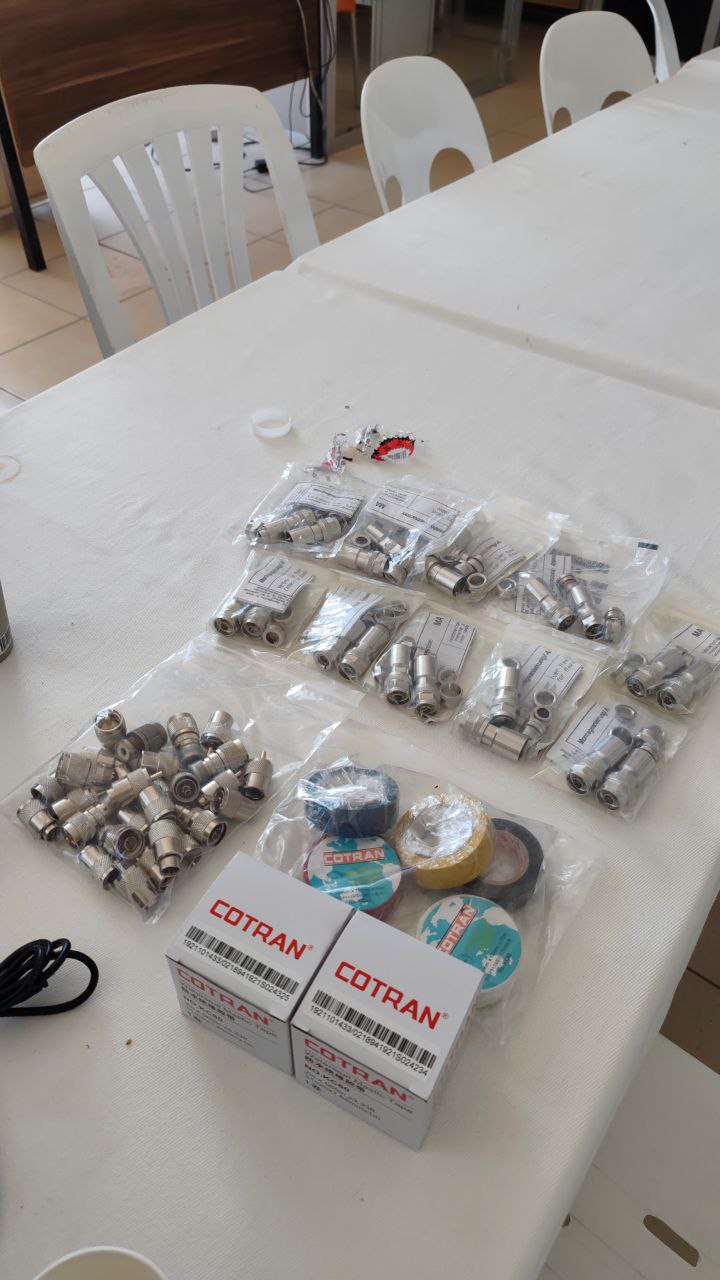
- Linux34 answered: Hı. Ttgo ver 2.0 🔗
New Satellites
- G4lile0 announced the deployment of new Tianqi satellites: 16, 17, 18, and 20. 🔗
Beta Firmware Testing
- bertriksikken reported that the OTA update stopped working and he programmed it over a cable again. 🔗
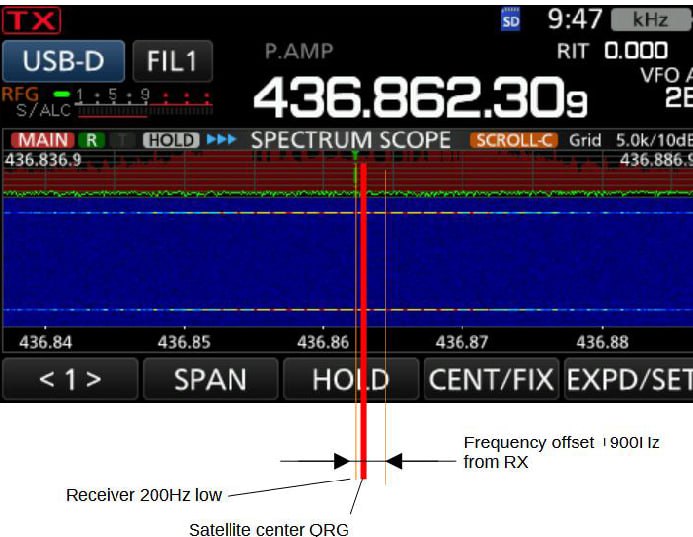
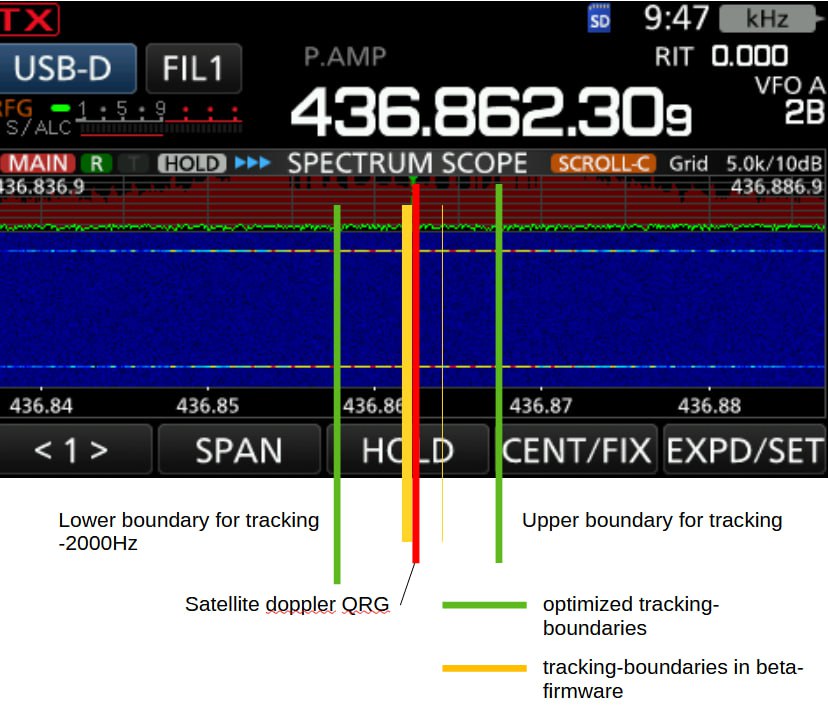
- Stefan/OE6ISP shared testing results on two sx1262-stations, OE6ISP_8 (autotuned, FSK-only) and OE6ISP_6 (autotuned 433 FSK+LoRa-mode), and provided facts about frequency corrections for Norby, mentioning the server wants to apply an offset of approximately +900Hz. He added that the frequency-offset is disabled on his test-stations and they are kept within +-200Hz by manual calibration. He explained that the tracking-algorithm doesn’t work symmetrically, causing the tuned frequency to always appear too high and the satellite too low, and proposed a change to the algorithm. He also optimized the number of tuning events by setting the max deviation to 2000Hz. Finally, according to his station #6, the definition for NORBY is 700Hz too high, because the server wants to tune up his calibrated receiver by 700Hz. He added that it might take some time to create the pull request because his github-skills are not good, and shared the lines to change and that it’s necessary to adapt the algorithm on the server-side as well. 🔗



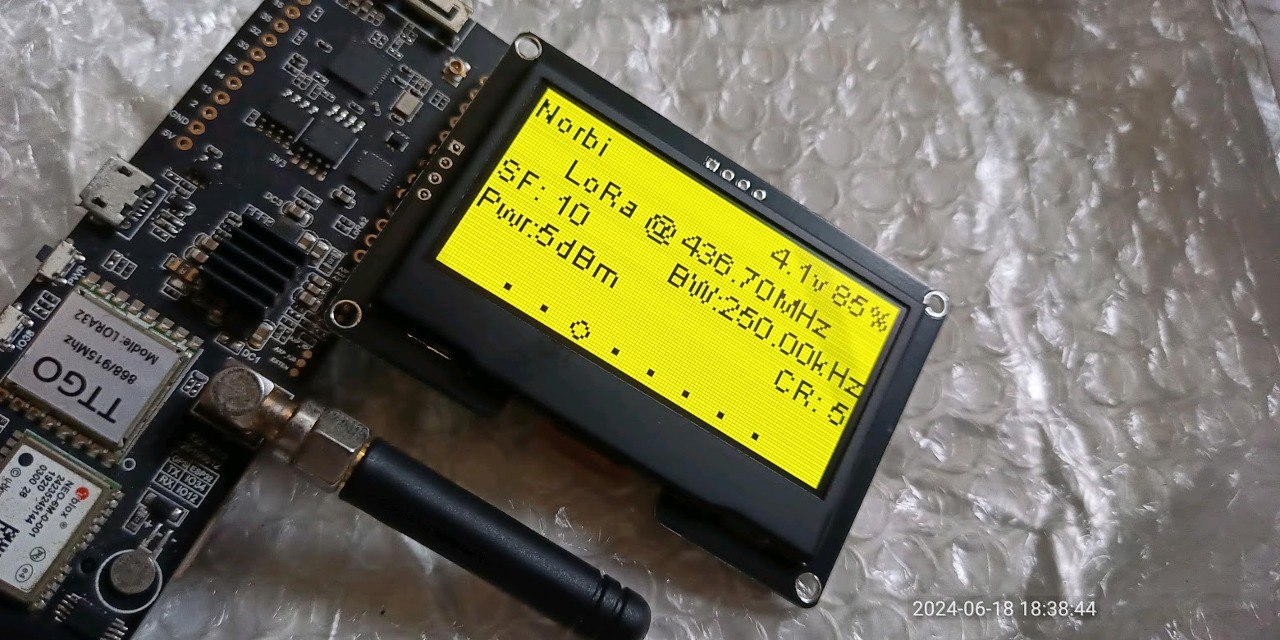
- David installed the program and shared a photo showing how it looks, asking how to fix it. He later asked if a specific screen model is not compatible.  🔗
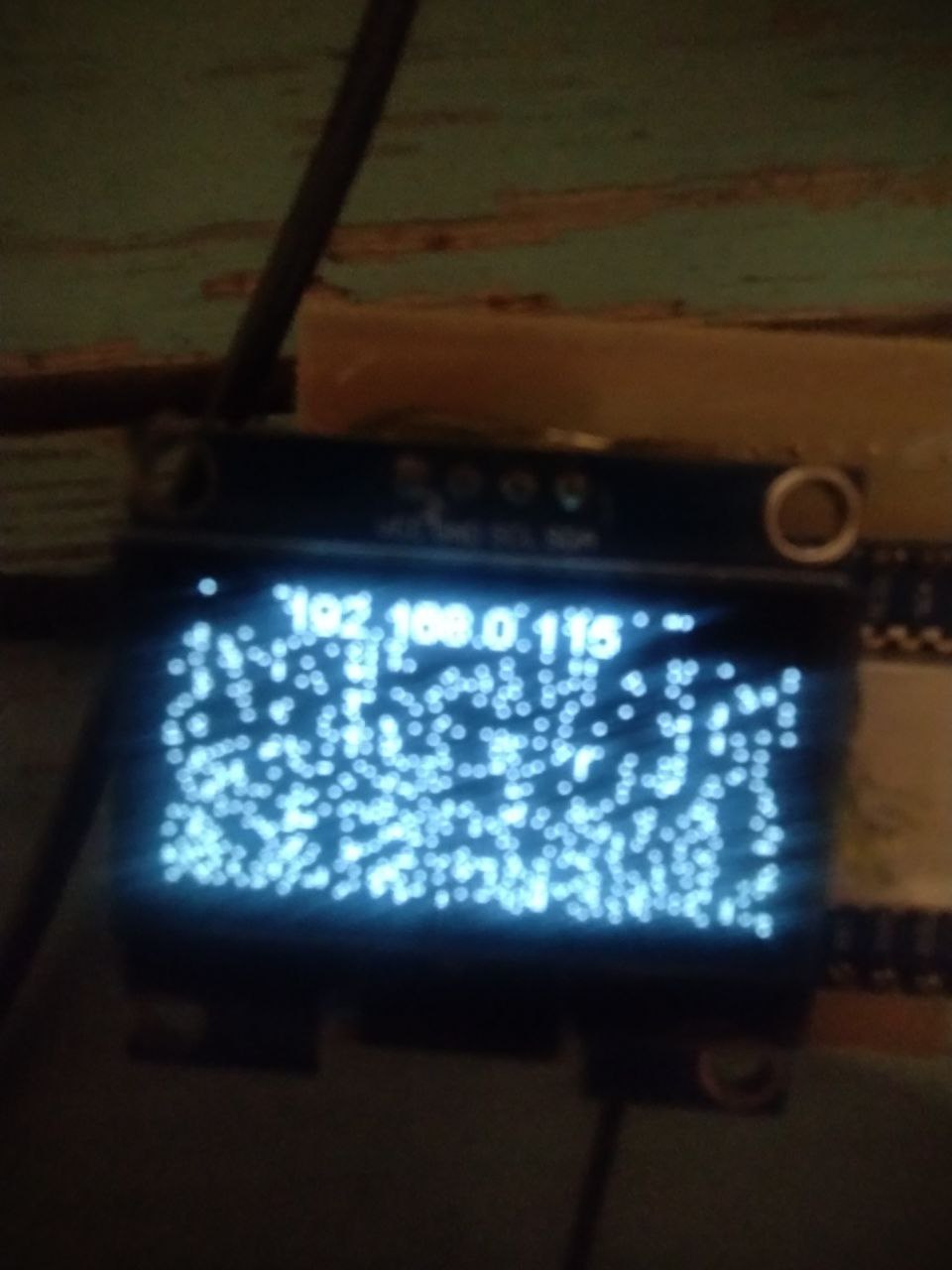
- megazaic reported that the SH1106 display is not working and suggested using SSD1309 as a larger screen alternative to SSD1306. 🔗
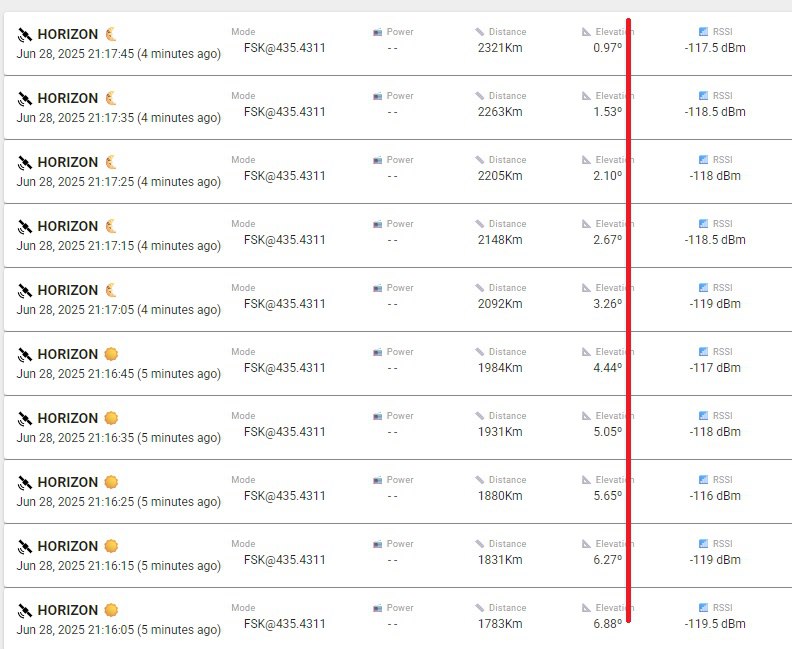
- Stefan/OE6ISP reported great performance of Heltec/SX1262 in FSK-mode using beta 2506221. 🔗
Antenna Building
- omuoto asked for a breakdown of an antenna setup, specifically regarding the amp, filter, and power supply components. 🔗
Featured Conversations
- Stefan/OE6ISP shared insights on frequency correction and algorithm improvements for Norby satellite tracking, detailing the challenges with the current tracking algorithm and proposing modifications to achieve symmetrical deviations from the center frequency. He also addressed the need for server-side adaptation of the algorithm for better performance.
- Community members are actively assisting newcomers in selecting appropriate antennas for TinyGS setups, balancing cost and performance considerations. Discussions emphasize the importance of antenna cable quality and the potential benefits of DIY groundplane antennas for optimal satellite reception.
- Users are actively testing beta firmware and encountering display compatibility issues, with suggestions for alternative hardware. There are inquiries about configuring frequency ranges for satellite passes and locating autotune options within the TinyGS setup.
- The community welcomed the deployment of new Tianqi satellites (16, 17, 18, and 20), expanding the network’s capabilities for tracking and data collection. Discussions focused on the technical aspects of LoRa payload development, specifically exploring the use of FSK with SX127x and SX1262 chips.
What’s next
Stay connected with the TinyGS community! Share your experiences, solutions, and ideas to help grow the project and improve satellite tracking.
Share: