· TinyGS Community · 6 min read
Weekly Newsletter - April 6, 2025
Welcome to the TinyGS community newsletter. This edition summarizes discussions from the past week, covering antenna building, balloon projects, technical problem-solving, and new satellite integrations. Stay informed and contribute to the TinyGS network!
Highlights
General
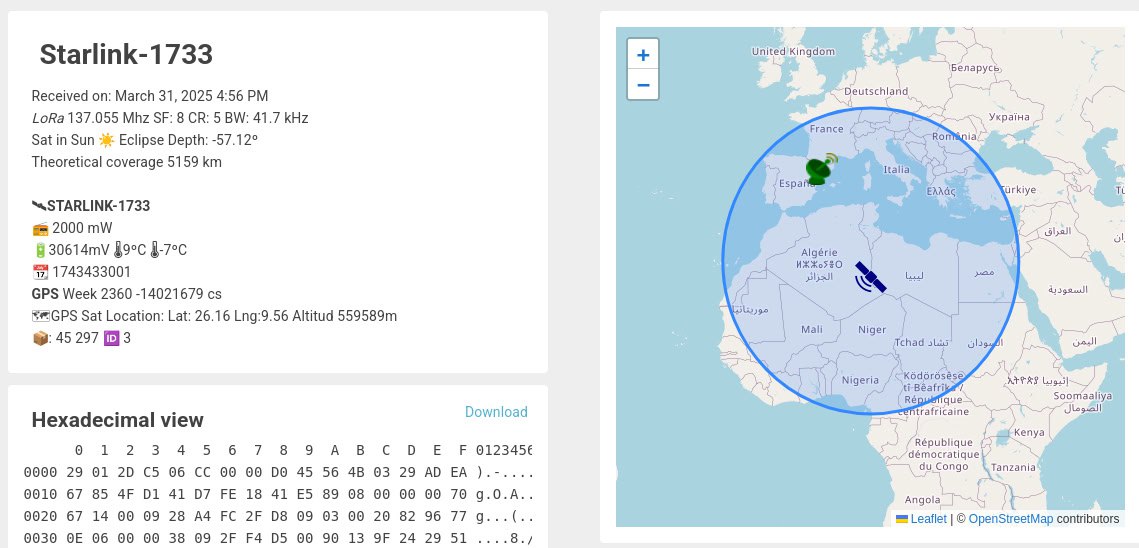
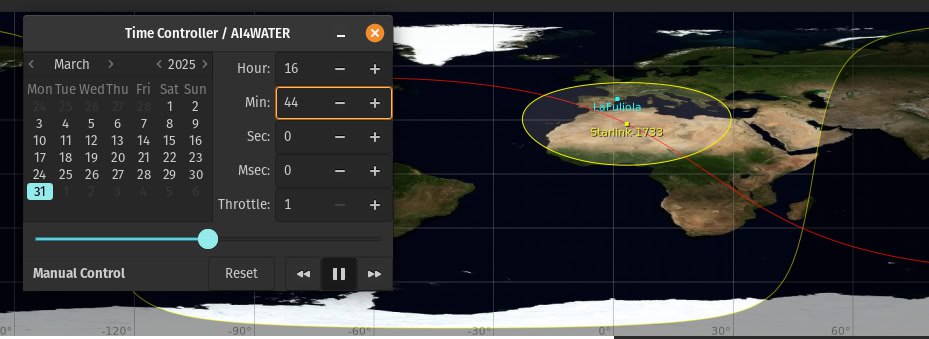
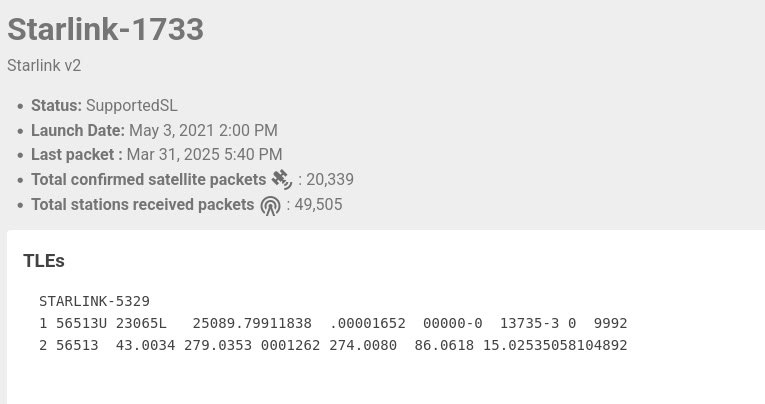
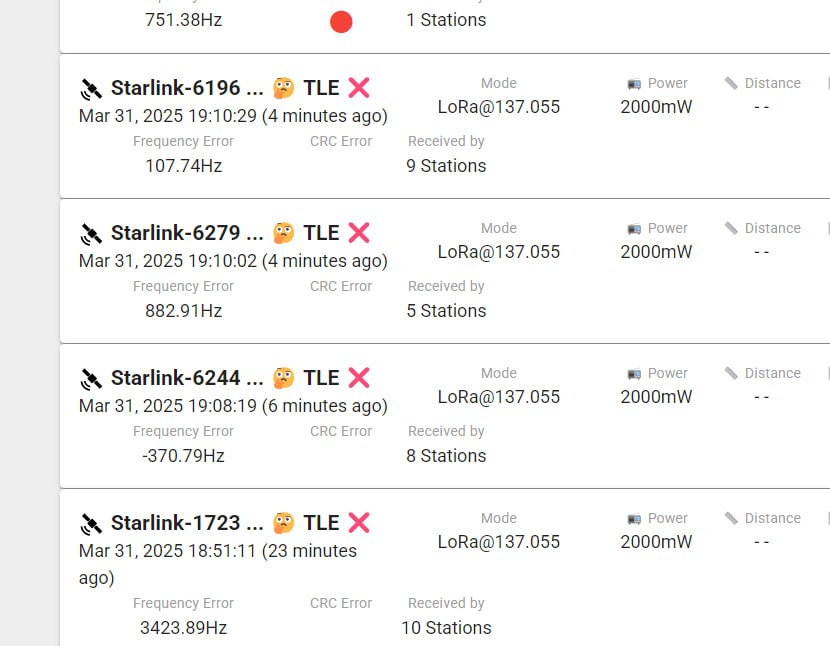
- Guillem asked about the sequence of numbers preceding each information field in the MQTT messages, and whether there is a way to get the packet reception time. Guillem added two more questions. First, if there is any delay in the satellite position in GPredict compared to tinyGS. Second, showed that the TLEs that appear in tinyGS do not correspond to the satellite. Stefan/OE6ISP suggested to compare the TLEs to see for which epoch they are. Guillem asked if the satellite ID is reliable, because the catalogue number does not match with the one in celestrak. Stefan/OE6ISP responded that it is not the Norad-id and that the TCA time is the most reliable method for identification and added that elevation and distance are only as reliable as the TLE. Guillem asked how can to know which satellite is which, and Stefan/OE6ISP responded that in the case of connectas, only the operator knows, and showed an example of his log. Finally, Guillem asked if the decoder used is the one shown by Mike Kenny, and Stefan/OE6ISP pointed to G4lile0. 🔗
- ciego240 asked for MQTT credentials for configuring a GS station and requested help. 🔗
- Helmi directed ciego240 to the TinyGS Wiki for step-by-step configuration instructions. 🔗
- Rafał asked for help with the /mqtt command. After receiving instructions from Helmi, he confirmed that it now works and thanked them. 🔗
Technical Problems
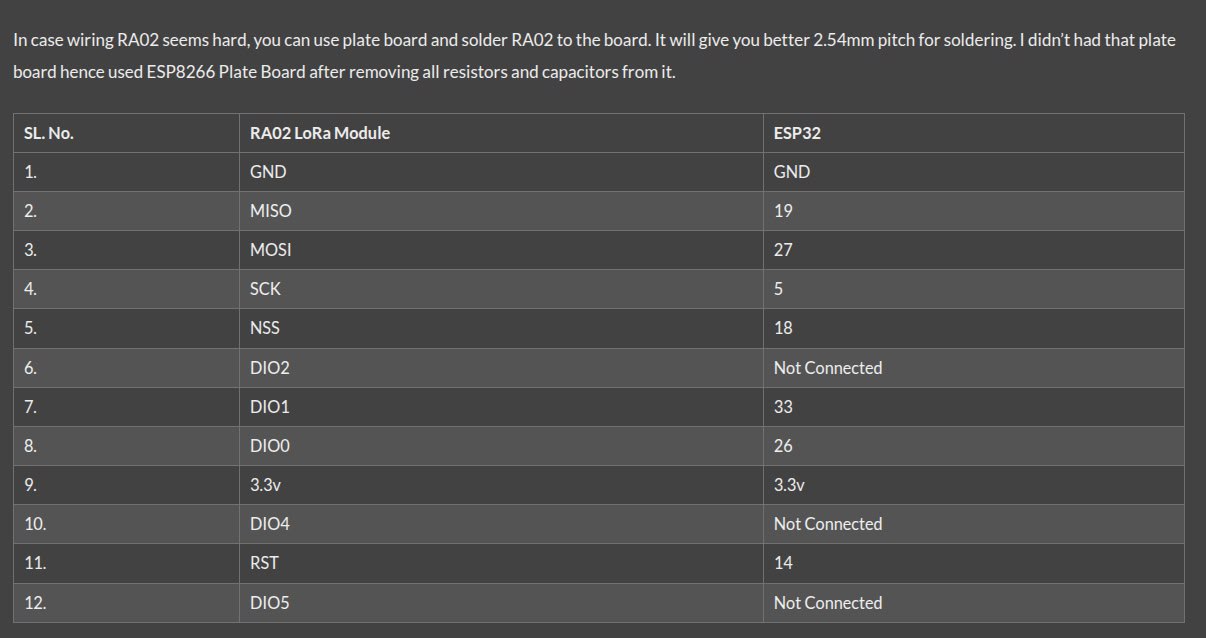
- Mansi reported getting MQTT connection failed while trying to create the ground station using Ra02 and ESP32 and shared an image of the setup. Notsure7 asked about the schematic followed and preset selected. Helmi asked about the error details, suggesting to check RadioLib errors, Wifi configuration, or MQTT credentials. After Helmi’s suggestion that the credentials might be wrong, Mansi thanked for the help. 🔗
- qr5cyber a newbie, is curious about setting up a ground station using a Raspi Pico 2 w and a Pico-LoRa-SX126x hat, but is encountering installation issues due to Windows 11 driver incompatibility. They asked if this setup is possible or if they should switch to a standard ESP board. 🔗
- megazaic responded to qr5cyber, noting that tinyGS primarily uses ESP32+SX12xx configurations, and other setups are not officially supported. They mentioned that while RasPI could theoretically perform ESP32 functions, it would require significant source code rewriting. 🔗
Antenna Building
- Notsure7 advised against building a specific antenna as a first DIY project without a VNA, suggesting a simple 1/4 wave GP antenna instead. Stefan/OE6ISP agreed, noting the trade-off between gain and coverage and explaining why RHCP QFHs might fail with LHCP Tianqis beacons. 🔗
- cluster37 asked for advice on tuning an antenna without adjusting its length, noting a discrepancy between the design frequency of 433.00 MHz and a VNA reading of 425 MHz. 🔗
- Stefan/OE6ISP responded that the tuning method depends on the antenna type (GP, yagi, QFH) and cautioned that online calculations are often unreliable, recommending simulation in EZNEC to avoid surprises. 🔗
- Henriquefchaves was analyzing open source CubeSats with RFM95 at 433 MHz and was curious about how people receive signals from them, even without a power amplifier. He wondered if circular polarization antennas had been tested at an altitude of 550km. Later, inquired about documentation for LNA or filter comparisons, specifically for LoRa. 🔗
- Helmi mentioned that receiving sats with 50mW is not a problem and doesn’t need special antennas. Responded to Henriquefchaves, advising to use N or SMA connectors and short antenna cables instead of expensive options, and suggested investing in a VNA for antenna measurements. They also suggested to ask OE6ISP for assistance with antennas, LNA, and filters. 🔗
- Notsure7 mentioned that LoRa-specific knowledge isn’t necessary for tinyGS, as it’s about receive performance. Suggested building and comparing basic antennas to learn, highlighting the iterative process of antenna building and tuning. 🔗
Share your setup
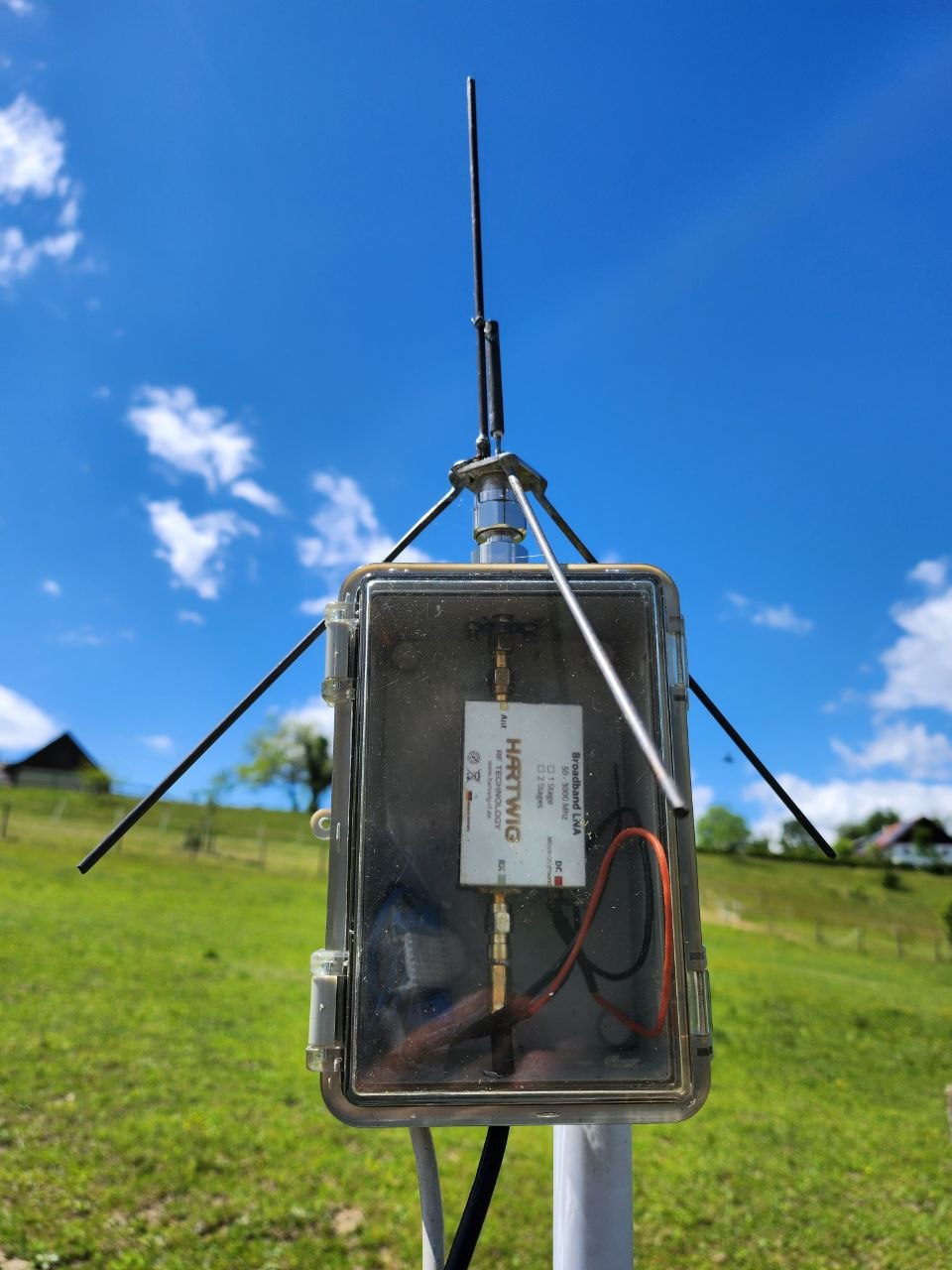
- dg0nf announced a new station online in southeast Germany, using a Heltec ESP32 LoRa V3 at 433MHz, initially with the included antenna indoors. dg0nf added later that after connecting to a ham radio VHF/UHF antenna, the station started working, confirming that the included antenna was indeed a dummy load. 🔗
- Stefan/OE6ISP remarked on the included antenna, calling it a “placebo” and later adding that it could prevent the output stage from overheating during TX. 🔗
New Satellites
- Eugene asked how to add a new satellite. 🔗
- Helmi suggested asking @G4lile0 about adding a new satellite. 🔗
- G4lile0 shared a link to MTUSI-1 satellite on TinyGS. 🔗
- Juan Pablo asked if TinyGS receives data from the HADES-ICM 2 satellite. 🔗
- Helmi guessed it does not because it has no LoRa transmitter on board. 🔗
Balloons
- EA8BQU shared multiple photos related to balloon activities and noted excellent reception. 🔗
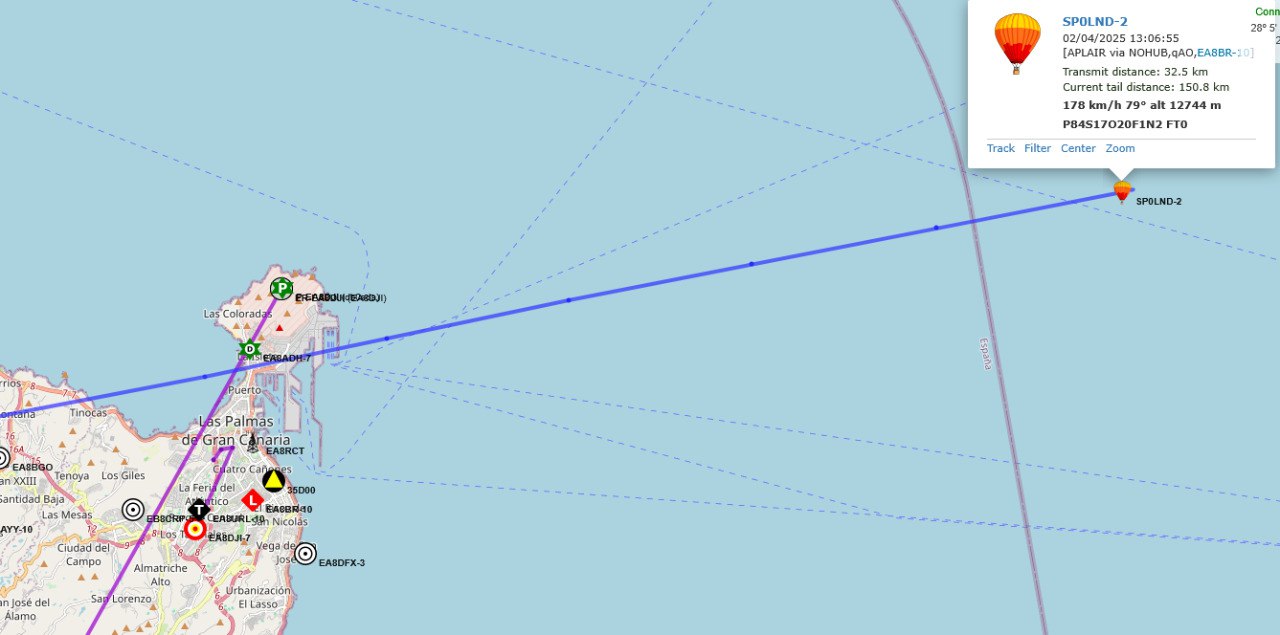
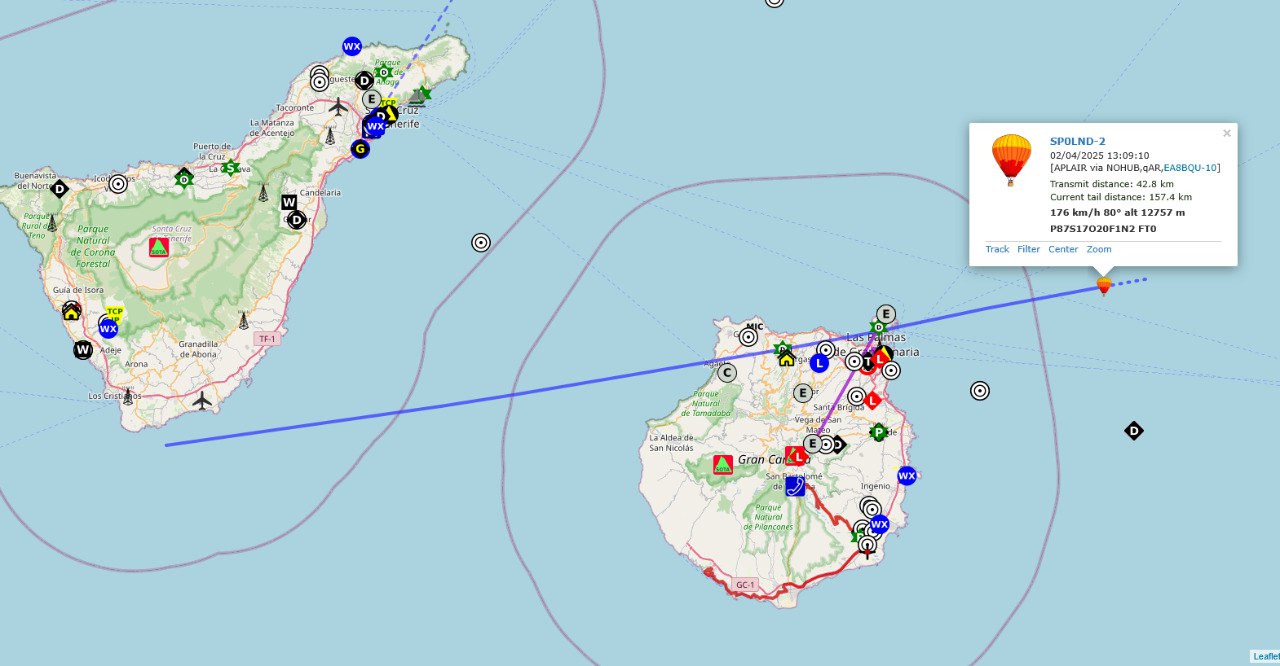
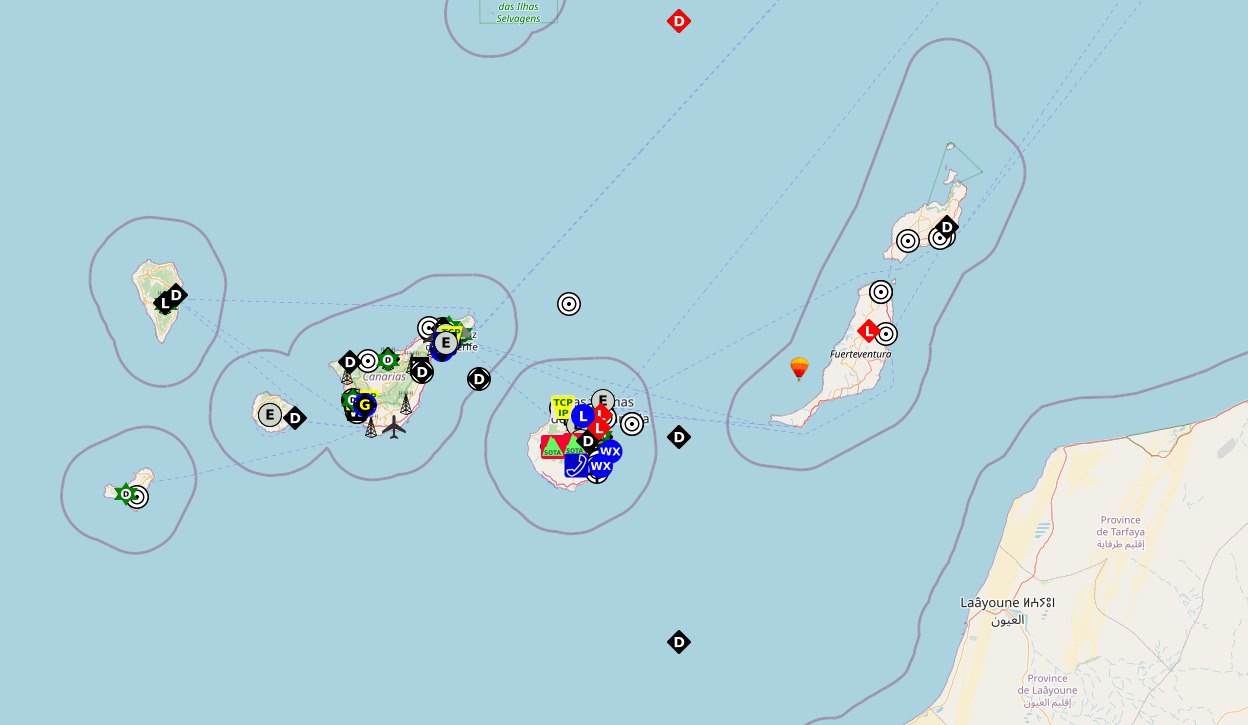
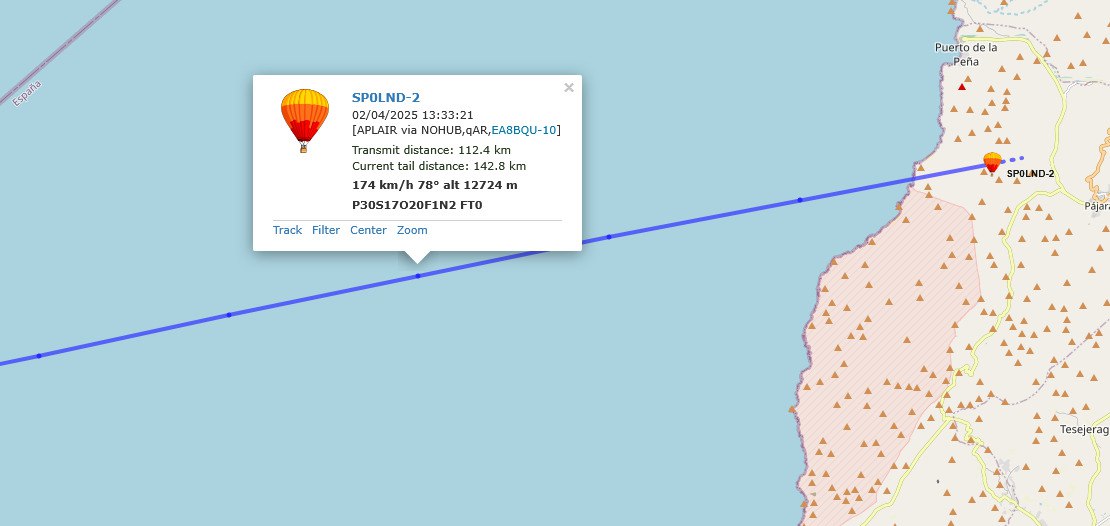
- K4KDR responded to a user asking about the first steps for balloon projects, inquiring about specific hardware and radio details needed for downlink. 🔗
- Henriquefchaves followed up, clarifying that the question was about the requirements to launch a device simulating LoRa downlink, asking if it’s possible with default COTS like Sx1262 and a cubesat antenna. 🔗
Beta Firmware Testing
- Notsure7 suggested a tinyGS passive PoE-Ethernet edition, without WiFi to reduce noise, using only an Ethernet cable. He also mentioned considering LDO-based 5/7v solutions and repurposing PoE ESP32 boards for this purpose. 🔗
- megazaic asked about the noise level of the PoE PSU, suggesting it might be noisier than 2.4GHz WiFi and commenting that the PoE idea is excellent. 🔗
Featured Conversations
- Users discussed antenna tuning techniques, emphasizing the importance of considering the antenna type and environmental conditions during measurement, and recommending simulation tools like EZNEC.
- The community shared experiences with new station setups, highlighting the importance of proper antenna selection, and discussing the performance of included ‘dummyload’ antennas.
- The possibility of launching a TinyGS-compatible payload on a balloon this year was explored, sparking conversations about hardware and simulation requirements.
- There were discussions about the inclusion of noise floor data in the station’s MQTT data, with varying opinions on its usefulness and possible methods for accessing it.
- Users tackled technical problems, focusing on MQTT connection issues and difficulties setting up ground stations with specific hardware configurations.
What’s next
Stay connected with the TinyGS community to share your knowledge, ask questions, and collaborate on building and improving our global LoRa satellite tracking network. Together, we can expand our understanding of space and foster innovation in satellite communication!
Share: