· TinyGS Community · 8 min read
Weekly Newsletter - March 23, 2025
Welcome to the TinyGS community newsletter, summarizing a week of vibrant discussions and developments within the TinyGS project.
Highlights
General
- Guillem inquired about a TinyGS API to process satellite measurements and asked if information such as RSSI and SNR can be accessed through the API. later mentioned seeing many information of receptions using the API, except for the RSSI and SNR. proposed a method to “calibrate” by transmitting with another tinyGS and then do the difference, aiming to obtain the differences in RSSI and SNR between two different stations for the same satellite. is preparing a small power splitter board to measure it, because found the same problem 😂 LoRa is so easy to receive when you don’t want, and asked if anybody knows how to retrieve the RSSI and SNR periodically. 🔗
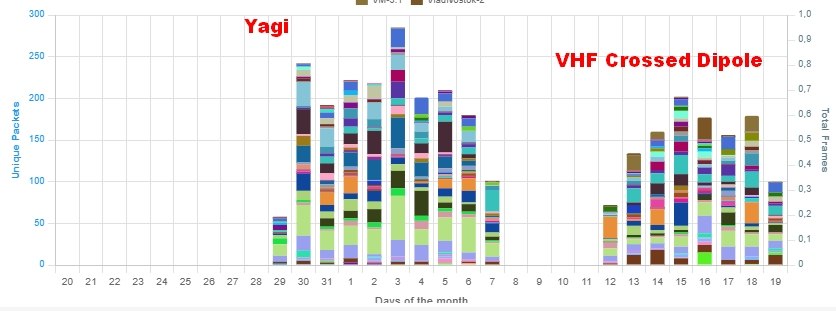
- Stefan/OE6ISP shared an interesting discovery about transmissions on 400.265 being LHCP polarized, noting the TIANQIs reappeared after switching to V-pol. Also, posted a photo of nice SSO-tracks painted by HYPE. 🔗
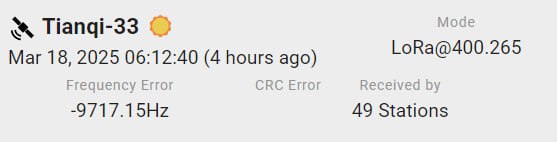
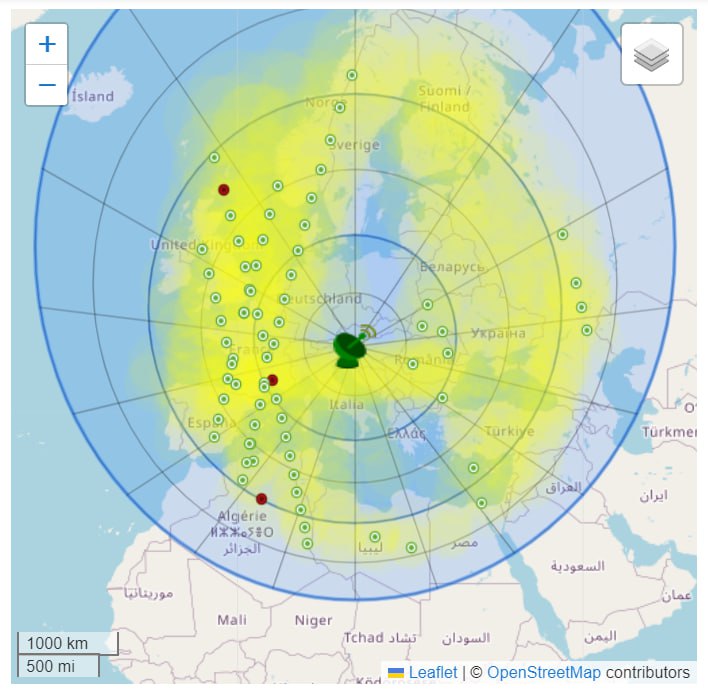
- Mire2022 asked about the number of active stations on 137mhz and noted that 137 looks crazy with over 200 packets today. Later, inquired about Helmi’s station name and whether they use a diplexer for 2m/70cm. 🔗
- DB2OM asked if the same MQTT credentials are required for a second TTGO LoRa 32 V2 board with a different station name. Stefan/OE6ISP confirmed that the same credentials can be used, but with different station names for automatic registration. 🔗
Technical Problems
- Mark reported trying to get a HELTEC LoRa32 433MHz V3 board to work, noting the config seems ok but there is no Rx. Stefan/OE6ISP suggested that the device needs to be tuned to a satellite and inquired how long they waited, while Notsure7 asked about the antenna and location, noting the included antenna is worthless and suggesting a 1/4 wave GP on a window sill. Mark replied that maybe he needs more patience, mentioning he has a large colinear fed with Westflex103. Stefan/OE6ISP mentioned that a satellite should show up in the modem configuration first, and asked which chip is on the board (SX1262 or SX1278). Later, Mark shared a photo indicating that it looks like it’s working, and Stefan/OE6ISP responded with “Very good range!” and asked about the chosen config. Mark replied that the config is just the default for the board. 🔗
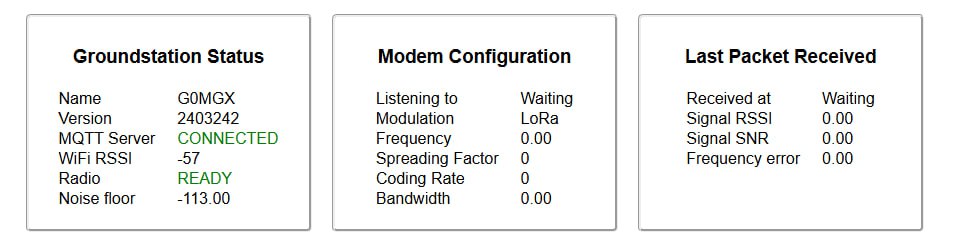
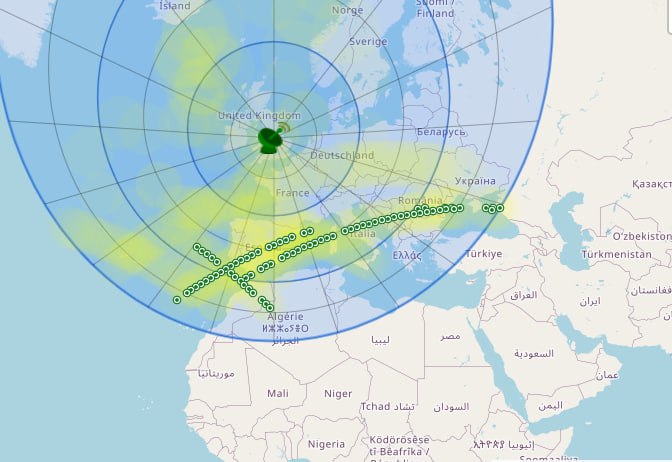
- Olek noticed that the total number of confirmed packets since the start of the station is much higher than the total number of packets counted on the chart. 🔗
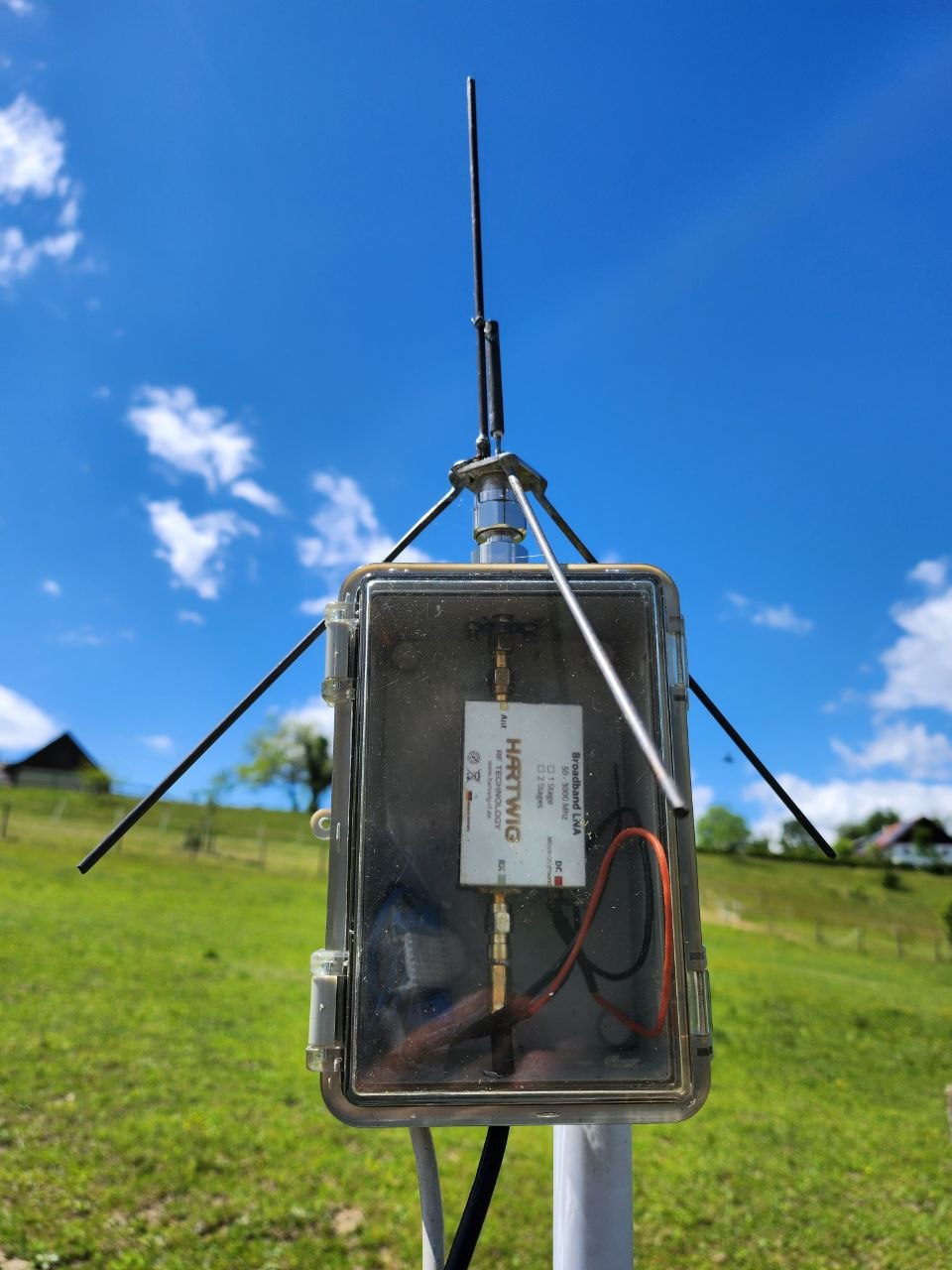
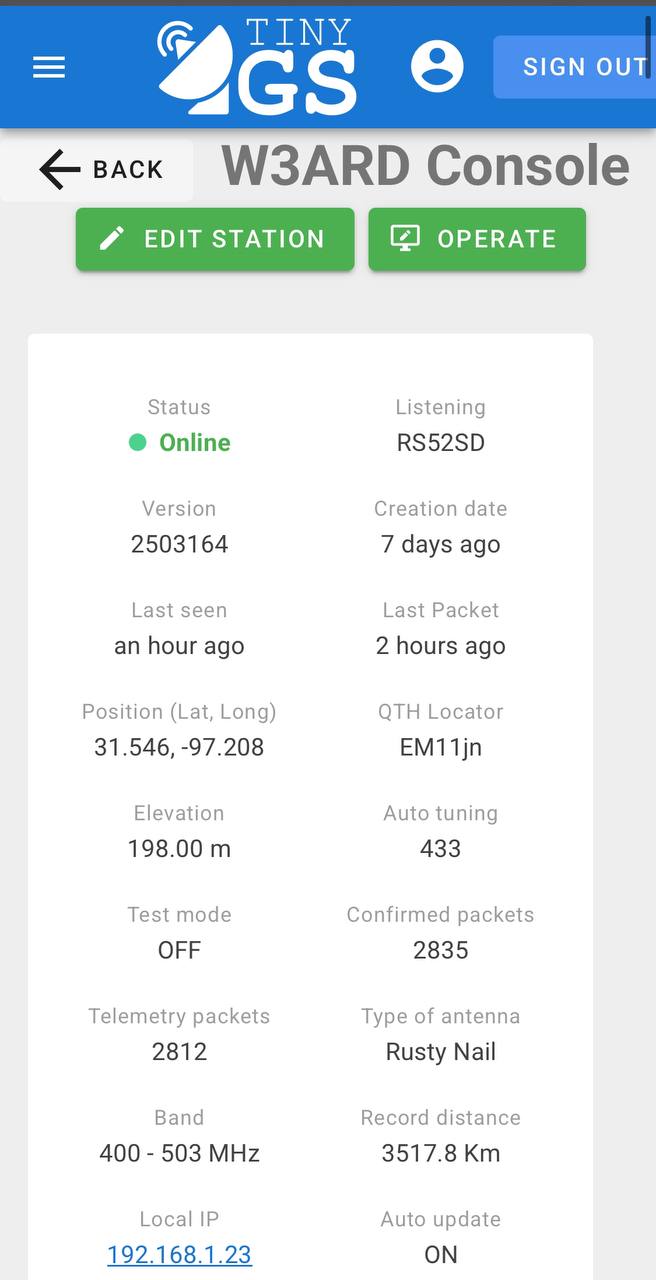
- Josh asked about the status messages on the console/dashboard, particularly regarding gaps in packet reception despite the system showing as online. Shared a photo of his setup. He clarified that his question is about the discrepancy on the website of seeing ‘online’ but also ‘Last seen’ over an hour ago, and ‘last packet’ even longer ago, but the web interface into the device shows valid packets being received. 🔗
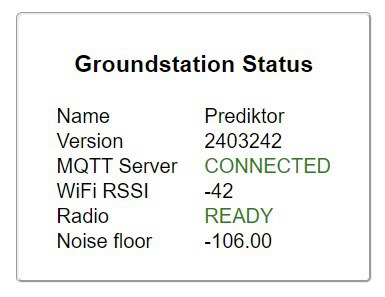
- Prediktor reported having no packet reception after adding a 433Mhz Filter+LNA, and shared a link to the product he bought and a photo of his setup. He later added that, according to the specs, the filter have a bandwith of ±5MHz, so maybe is the reason why most of the satellites packages are being filtered and finally mentioned that he will be back again without filter, as it was working fine and asking for a recommendation of a simple filter with enough range? 🔗
- Nick asked about the possibility of correcting the ‘radio’ value for selecting sx1262 in the Wiki Board Templates, noting that the correct value is 6, and with a value of 0, the radio module is not detected. 🔗
- aspi3d reported an issue with a new station in Murcia, Spain, using a 433 MHz module that was not receiving any data, with the error ‘Wrong frequency. Ignoring.’
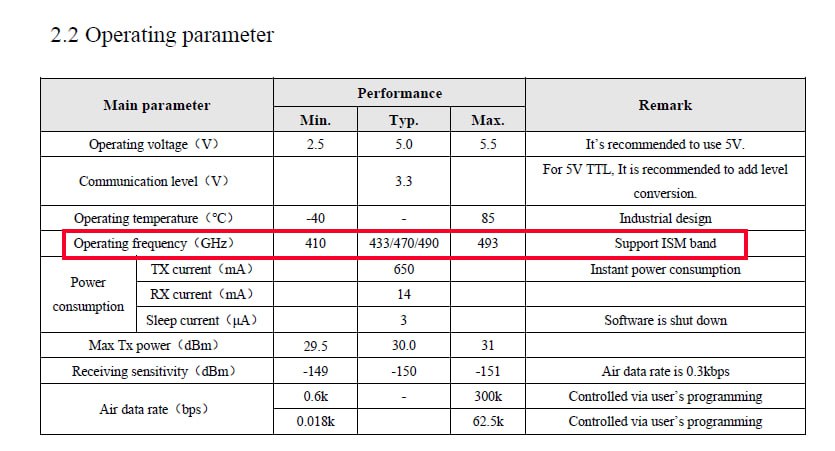
- Stefan/OE6ISP suggested checking the module and configuration to ensure the correct 433MHz settings were selected. aspi3d confirmed the module was an E22-400M30S and the configuration was set to Custom ESP32 Wroom + SX126x DRF 1268T (TCXO) (5, 26, 14, 12). megazaic pointed out that SX1268 modules might not work below 410MHz, while aspi3d noted the specifications indicate a range of 410-493 MHz and shared a photo of the module’s specifications.
- aspi3d then shared images of satellites within range and inquired if they should be receivable.
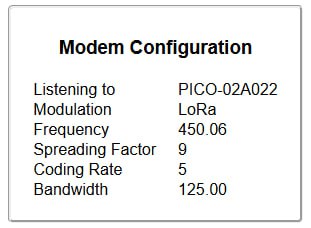
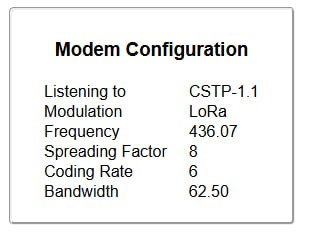
- megazaic confirmed that the satellite should be receivable, noting that reception also depends on noise levels and antenna quality.
- Helmi asked about the antenna setup, including its location, visibility, and cable type. aspi3d linked to the antenna being used and asked not to be judged too harshly, to which Helmi responded by asking if he was using a metal sheet as ground plane under the antenna, and mentioned that the antenna cable was very poor. megazaic agreed the cable was terrible.
- Notsure7 recommended treating the antenna as a parts kit and suggested starting with auto-tuned or Tianqiu satellites due to their stronger signals, noting the module’s limitation of not going below 400 MHz. 🔗
Antenna Building
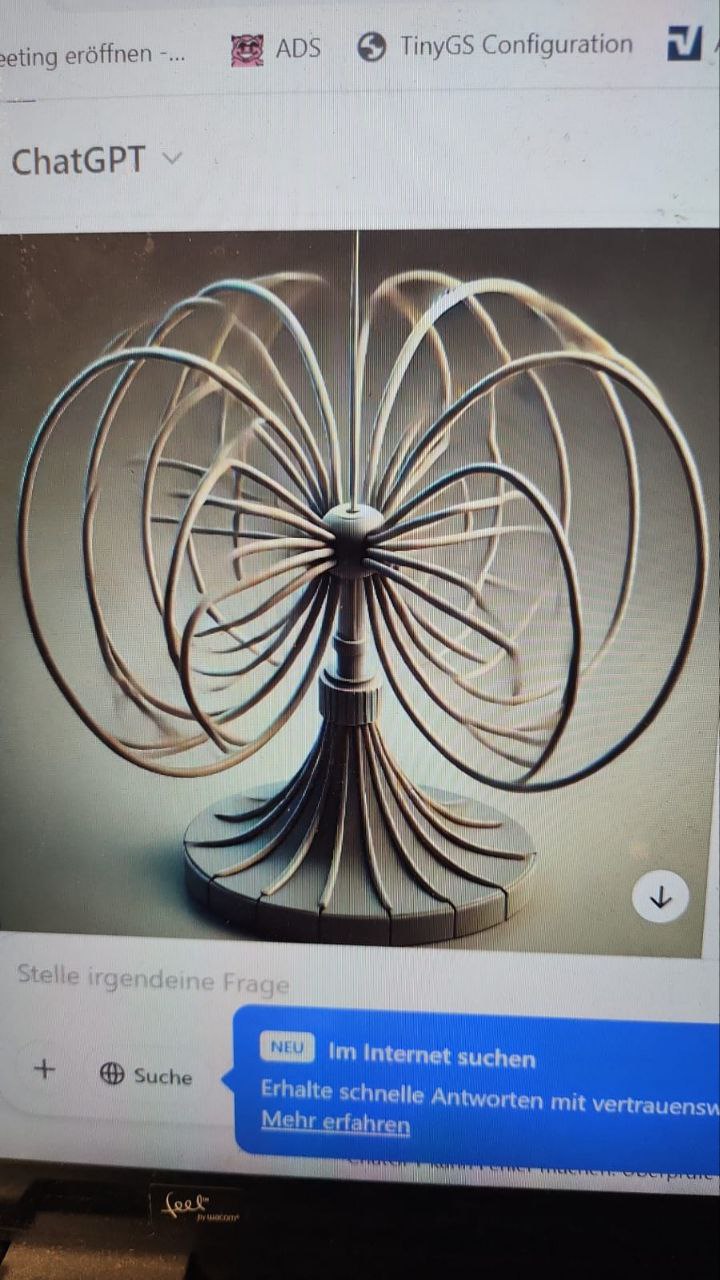
- Stefan/OE6ISP shared a funny fail, showing what ChatGPT produced when asked about a QFH-Antenna.  🔗
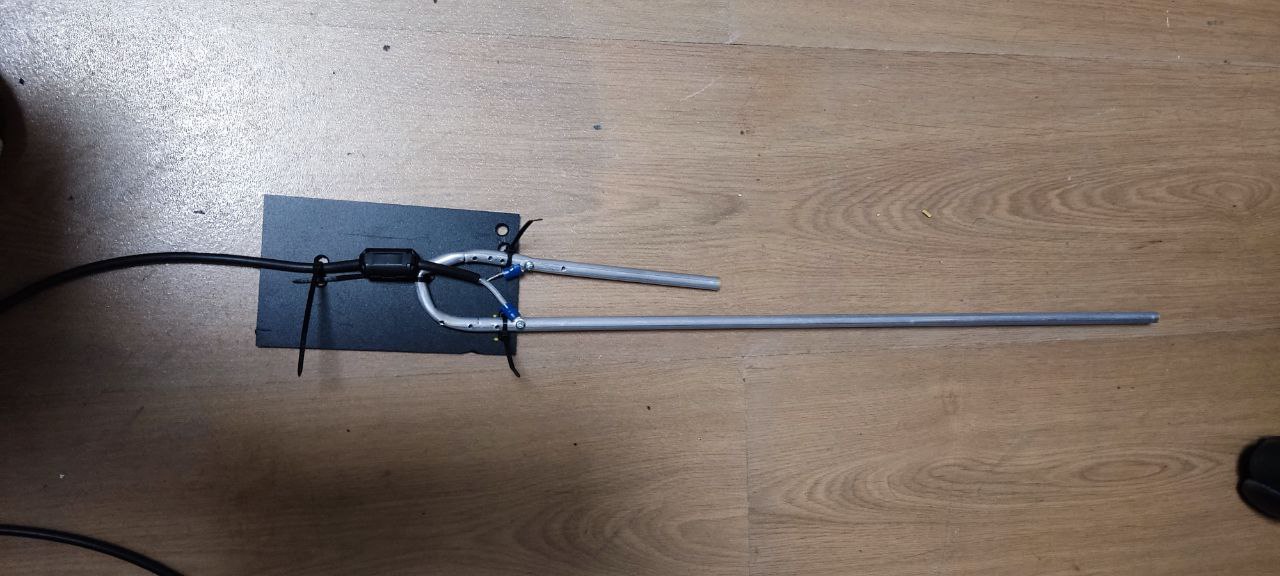
- Notsure7 shared photos of an antenna build, noting a broken tube due to pipe bender limitations and that the result is not better than the 1/4 GP. 🔗
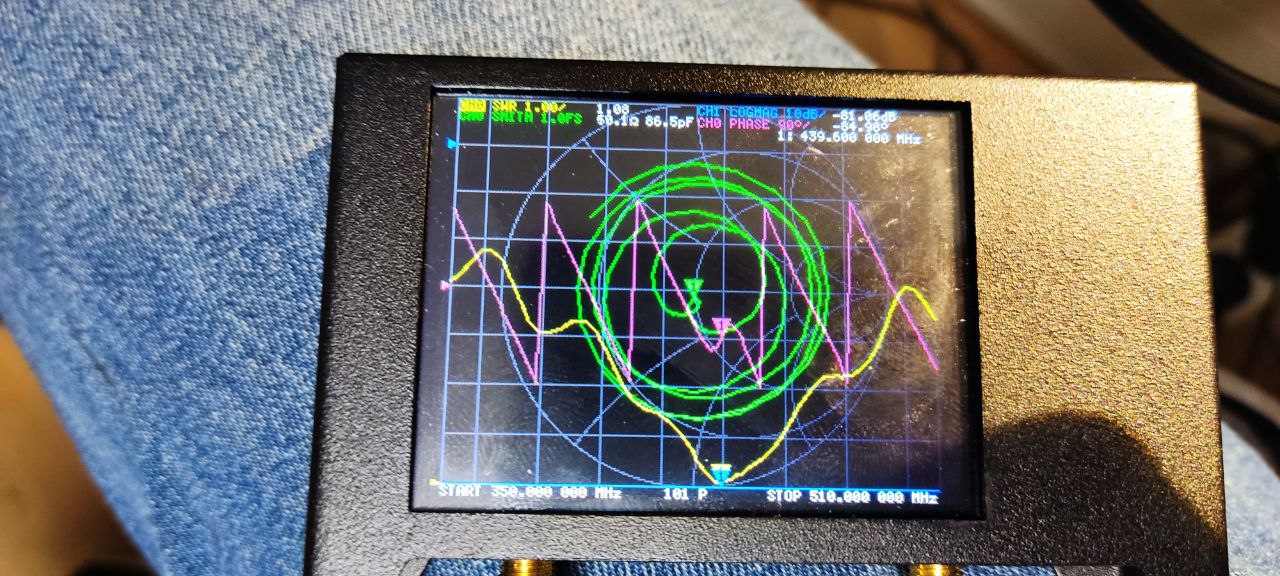
- Stefan/OE6ISP shared his opinion that basically all omnidirectional antennas will give the same result and that the only point we can optimize is to build an antenna that has more gain on lower elevation, without losing the packets from overhead. He added that collinears are working very good - except those HAM-antennas, that cut off at the HAM-bandedges - because they catch everything down to zero degrees. They catch the high passing satellites anyway, because signals are about 10dB stronger there, the antennas usually have high sidelobes and reflections also contribute to gain. When he can put his X-300 outdoors (it is at the attic at the moment) he thinks that will be a pretty good base for comparison to the performance of a GP. 🔗
- Notsure7 mentioned leaning towards buying an x300 and creating a shielded box with bandpass filters and TinyGS modules, one per band. Stefan/OE6ISP noted the x300 cuts off everything below 140MHz, making it useless for the 137MHz band but good for 70cm, and Notsure7 added it’s also too big, suggesting something like an x30 might be more suitable. 🔗
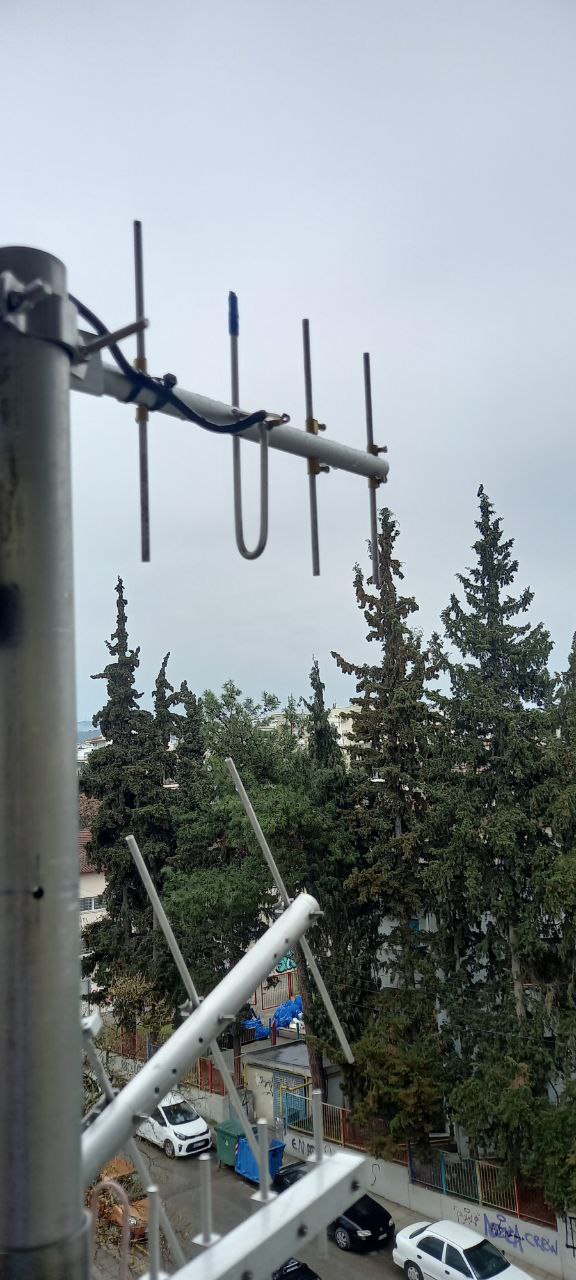
- Pavlos shared a photo related to antenna building. 🔗
Beta Firmware Testing
- Notsure7 reported an update error: “Could Not Activate The Firmware”. currently on version 2403241, and initially flashed via vscode. asked if that would make a difference. asked if Juan Pablo updated via the main menu because mine throws an error. mentioned that the web installer didn’t support esp32-S3, and asked if this has been changed. mentioned building from sauce and then later, sorry guys, while hooking it up to the pc, noticed its a C3. 🔗
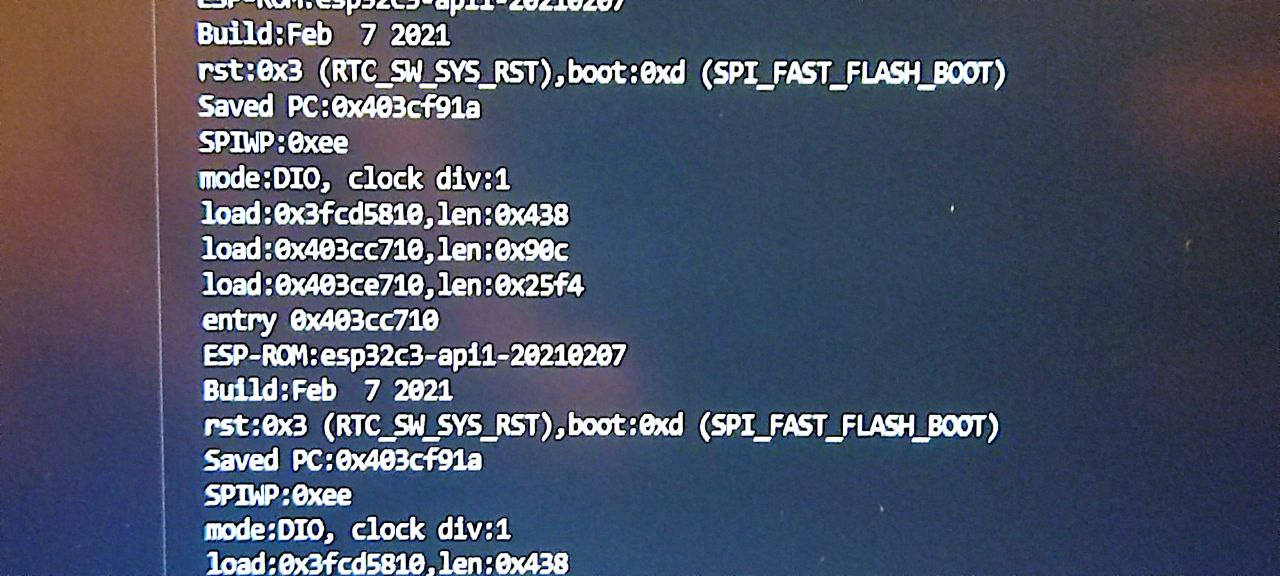
- Notsure7 reported that a built and uploaded firmware resulted in a dead state, sharing an image and terminal output, but reflashing the master branch resolved the issue. Notsure7 also stated that the master branch works right out of the box, while the beta does not, and mentioned it would help if they knew what they were doing, having installed everything and cloned from GitHub. Finally added that the secret is in the seasoning. 🔗
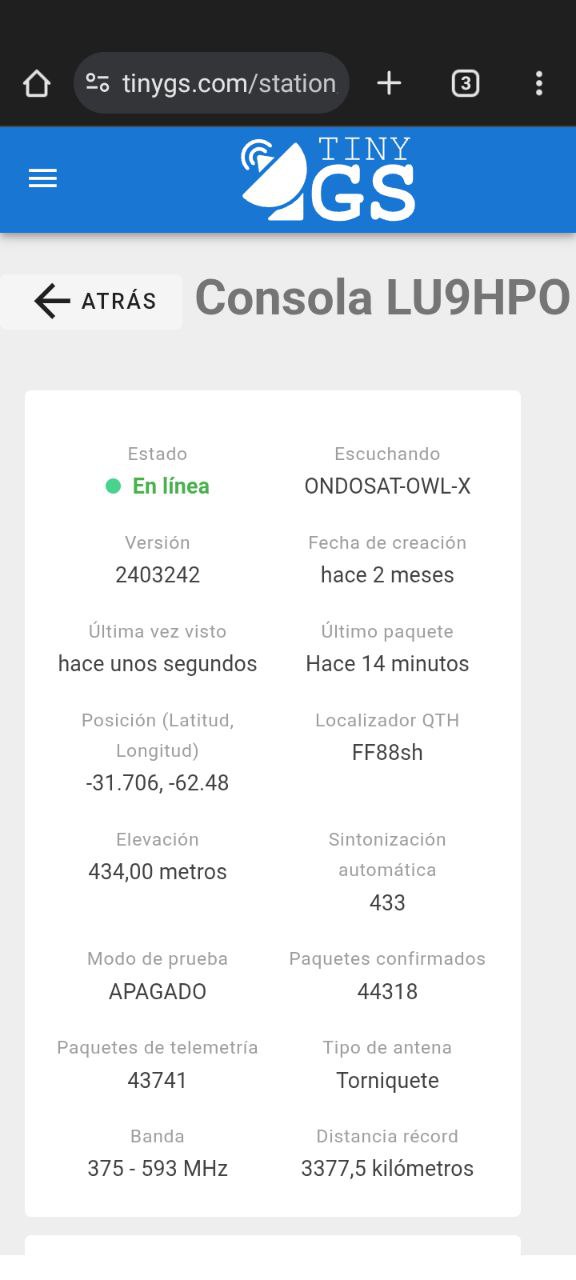
- LU9HPO shared a screenshot. 🔗
New Satellites
- megazaic mentioned that a test device received many packets from Tianqi satellites with CRC errors and is returning to HOD-HOD. The user also wants to clarify the current radio parameters with @hamidiZ8M. 🔗
Events
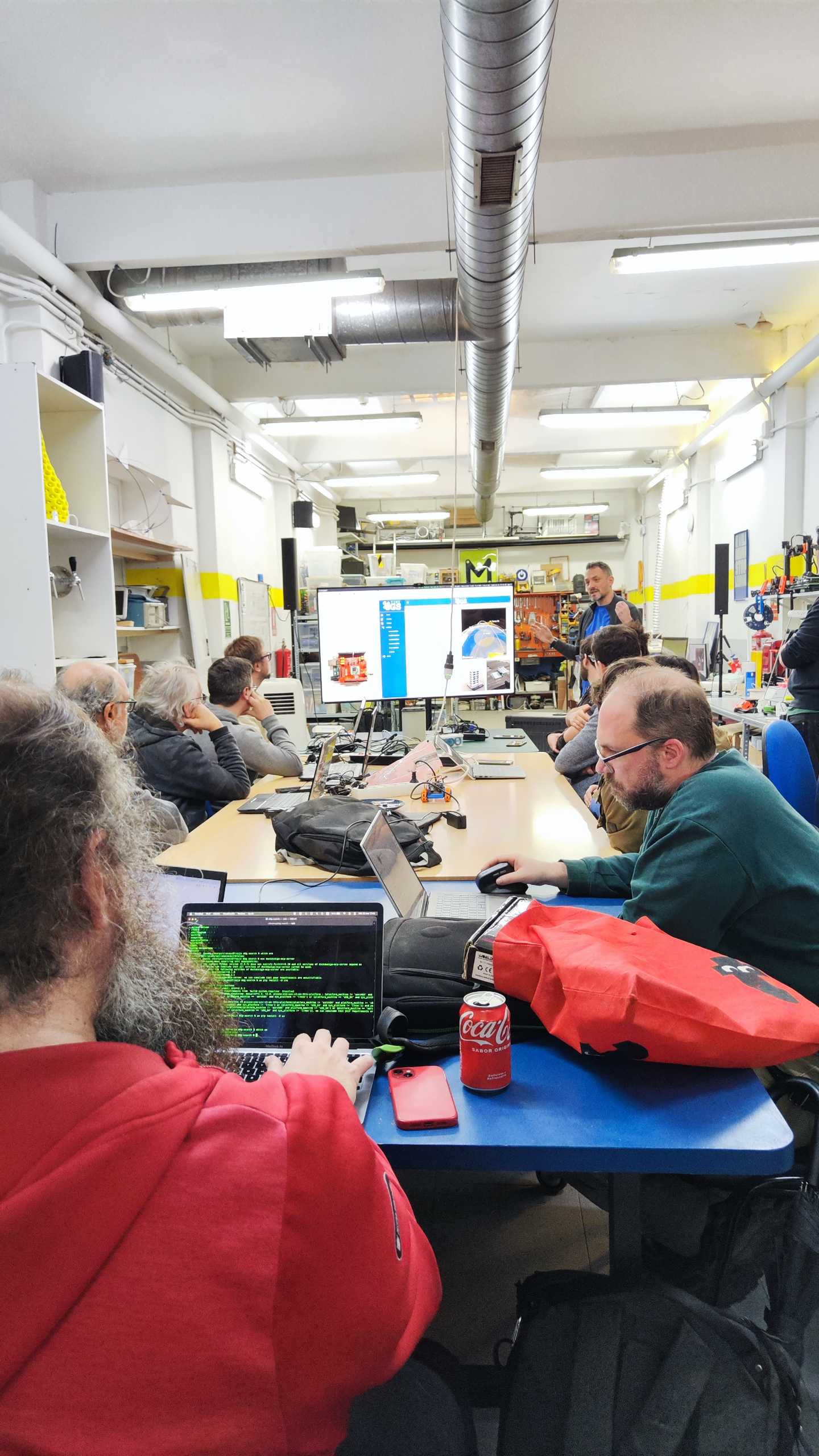
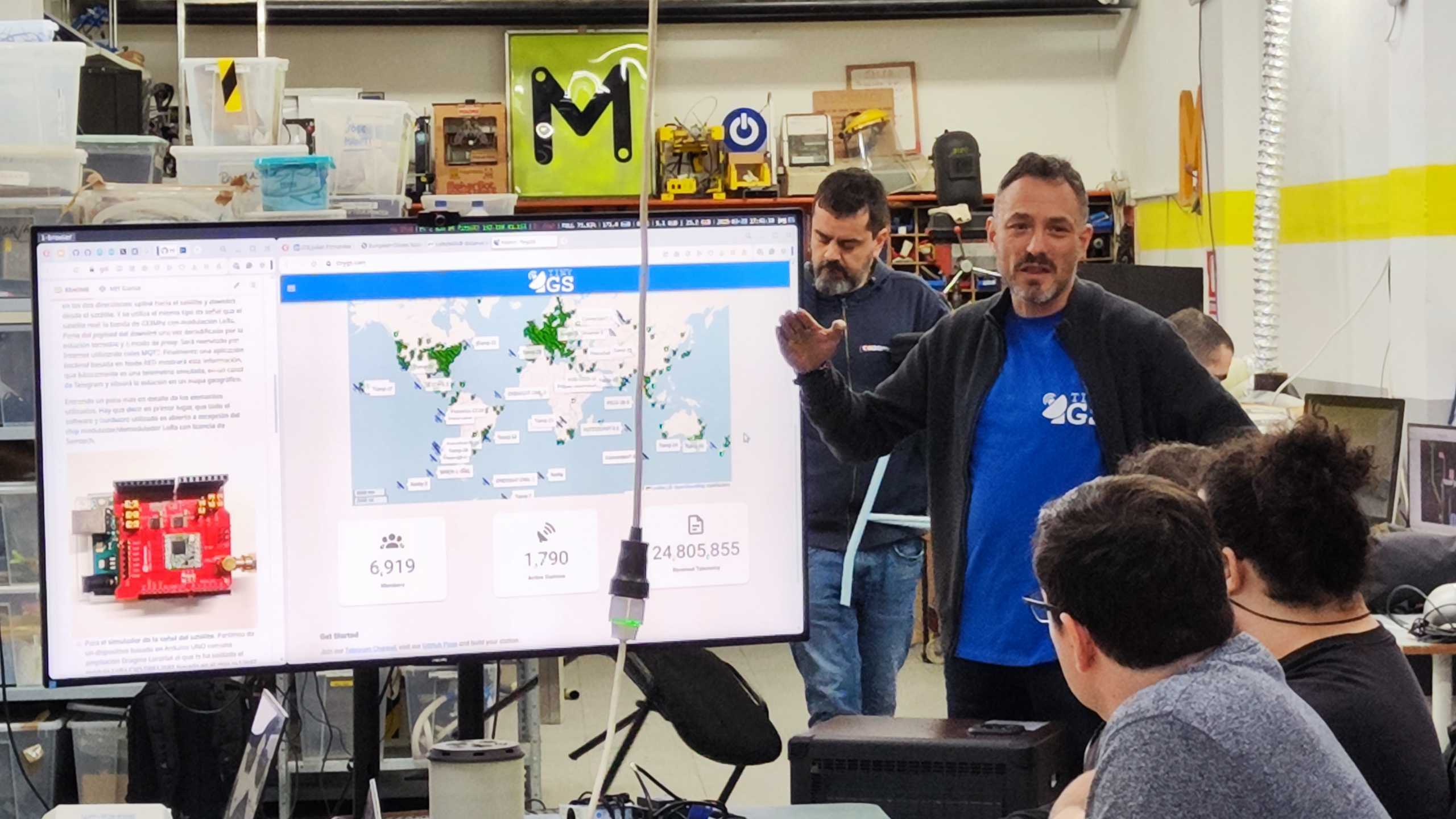
- gmag11 shared a post from X related to TinyGS events and attached some photos. 🔗
Share your setup
- Notsure7 mentioned having a noisy environment with strong interference and shared that PGA-103+ is their favorite, citing similar gain, high OIP3, and much lower NF. 🔗
Featured Conversations
- The community has been actively exploring methods for calibrating TinyGS modules, focusing on signal accuracy and receiver performance.
- Discussions around antenna selection and configurations, including collinear, ground plane, and QFH antennas, have been prominent.
- Users have been actively troubleshooting technical challenges with firmware, board configurations, and packet reception, sharing experiences and solutions.
- Ongoing investigations into optimizing antenna configurations for satellite reception have been a key focus, with discussions on gain and elevation.
- The community has been discussing data retrieval options, with MQTT feed and unofficial API, troubleshooting efforts included discussions on CRC errors, antenna improvements, and the impact of filters on packet reception.
What’s next
Stay engaged with the TinyGS community to exchange insights, pose questions, and contribute to the shared knowledge of LoRa satellite tracking. Together, we can enhance our understanding and capabilities in this exciting field!
Share: