· TinyGS Community · 10 min read
Weekly Newsletter - March 16, 2025
Welcome to the TinyGS community newsletter. This edition brings you updates on beta firmware testing, antenna discussions, and hardware insights. Here are the highlights:
Highlights
General
- Juan Pablo believes that the design of the ESP32 development board can influence results. 🔗
- Stefan/OE6ISP stated that while the design influences, the difference seems too high and doubts the configuration was carefully set up for an accurate measurement. He emphasized the importance of shielding boards and checking attenuation for accurate measurements. 🔗
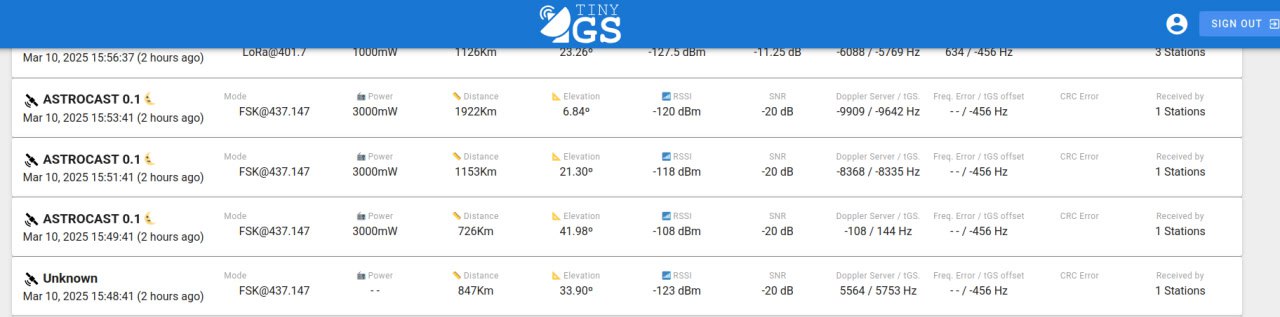
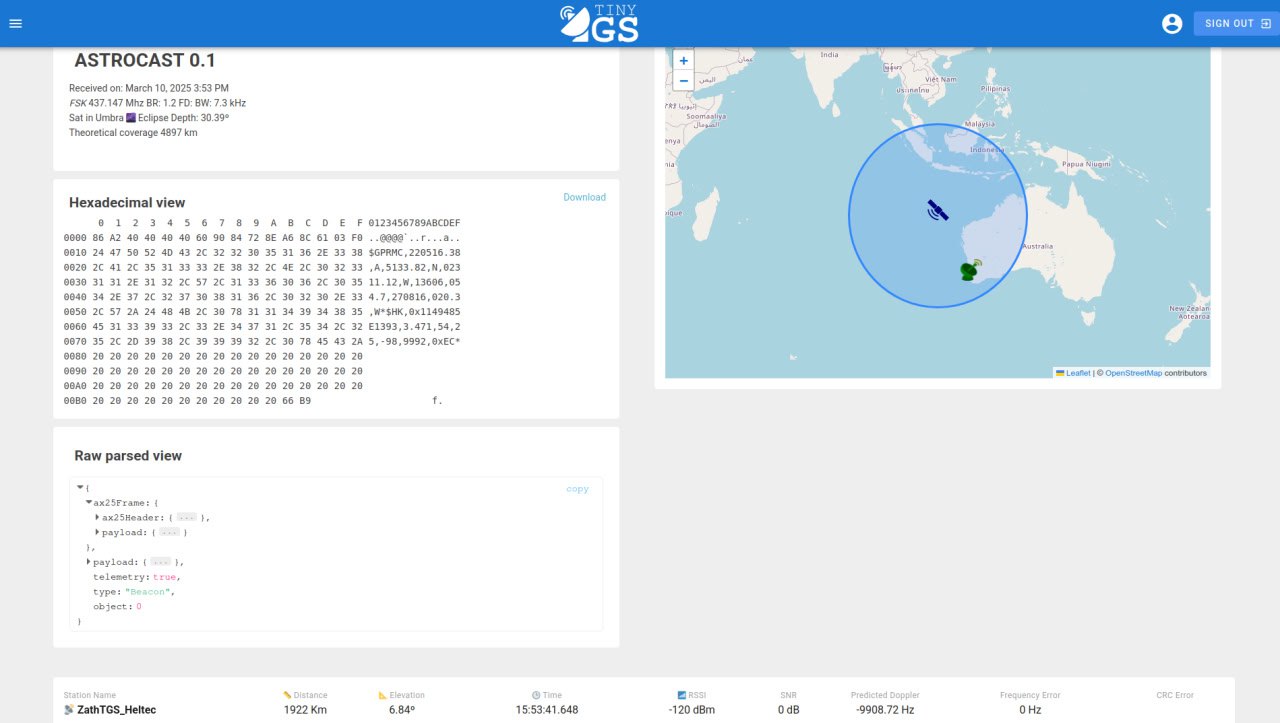
- G4lile0 shared exciting news about using the new beta firmware to receive the first FSK packets in autotune mode and congratulated ZathTGS. 🔗
- TI2BSH asked for recommendations on which boards to start with in this world, including which models or characteristics to look for. 🔗
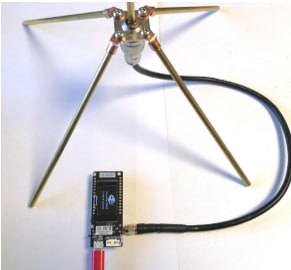
- Stefan/OE6ISP recommended a Lilygo TTGO Lora32 board with a SX1278-chip, mentioning it’s cheap, easy to start with, and works on both 137MHz and 433MHz. They shared a link: https://www.aliexpress.com/item/32872078587.html?spm=a2g0o.order\_list.order\_list\_main.23.71d05c5fCNGFjm&gatewayAdapt=glo2deu. They added that with a homemade groundplane, it will offer very good performance. 🔗
- gcarpi reported that MDQubeSAT-2⚰ has reached its end after showing inconsistent data for a long period, indicating the onboard computer (OBC) got stuck. 🔗
- Olek expressed interest in translating tinygs.com to Polish and asked if anyone else is interested in localization of the website. 🔗
- opeRaptor inquired about porting tinyGS to an SDR, clarifying they meant feeding SDR LoRa packets into tinyGS. 🔗
- Stefan/OE6ISP responded that software decoders are much worse than hardware ones, and there is no point in porting it to other platforms. In SDRAngel there is a LoRa decoder available, but its very buggy, works for a few modes with low performance. 🔗
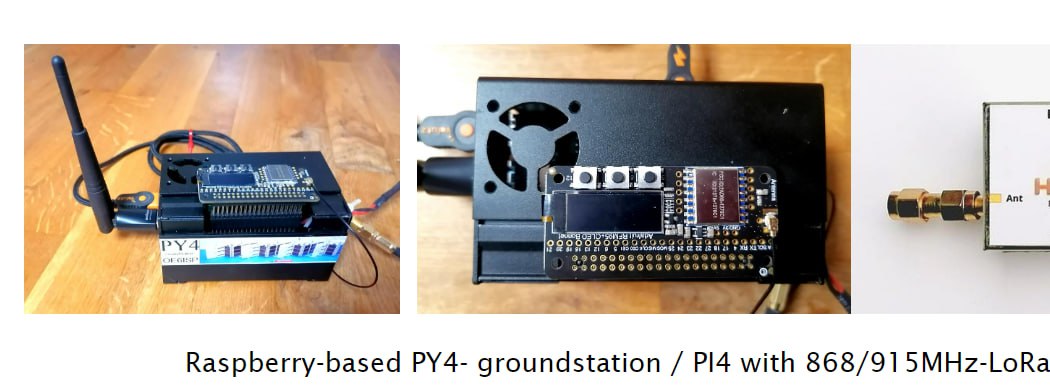
- Olek expressed interest in localizing tinyGS.com to Polish and asked @G4lile0 how to start and if language files could be provided. 🔗
- Helmi commented that an LNA module with a Noise Factor of 2dB for receiving isn’t optimal, suggesting that there are much better LNAs with <0.5dB NF available. 🔗
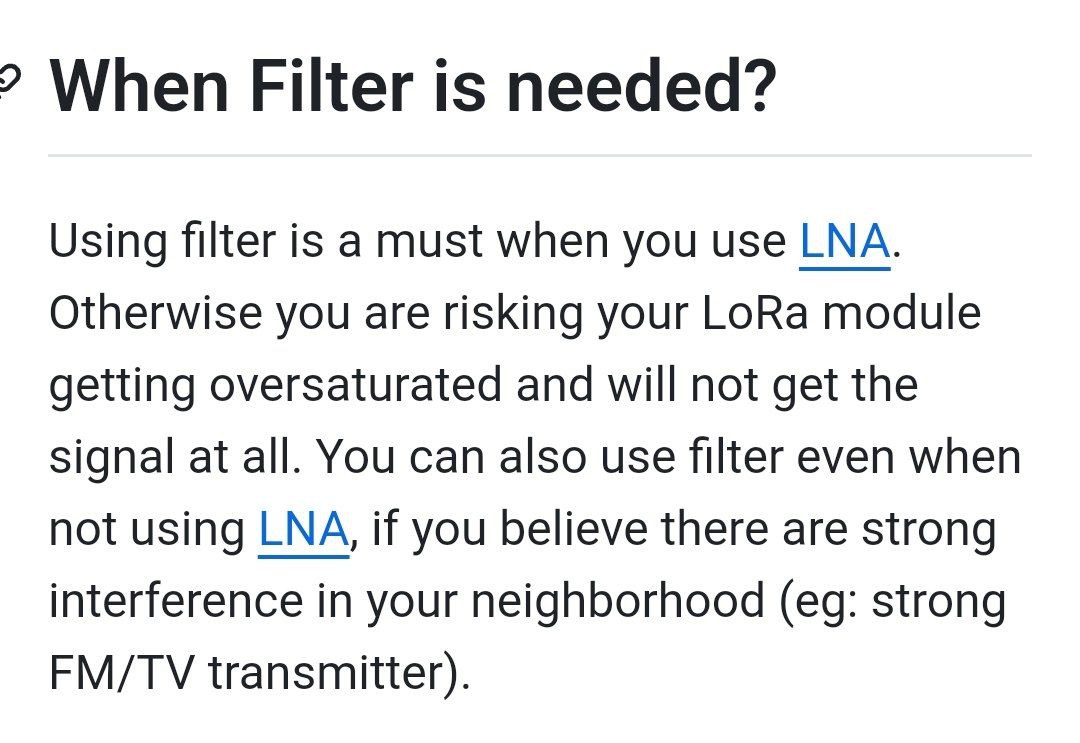
- Hossam asked about using amplifiers and filters, referring to the documentation’s recommendation to use a filter with an amplifier. 🔗
- abuendia asked about the codification of LoRa telemetry packets received from a repurposed LoRa APRS digi/igate, providing a sample packet. The user then clarified their need for decoding the telemetry packets for use with Grafana and expressed frustration with unhelpful responses. Showed a LoRa data packet structure. 🔗
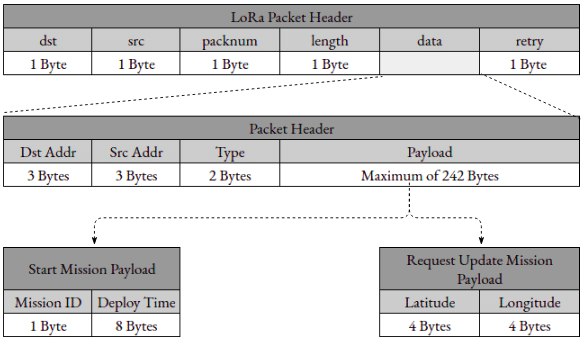
- Helmi suggested that if the data isn’t decoded on the website, the encoding isn’t known, further advising abuendia to contact the satellite owner for coding details. 🔗
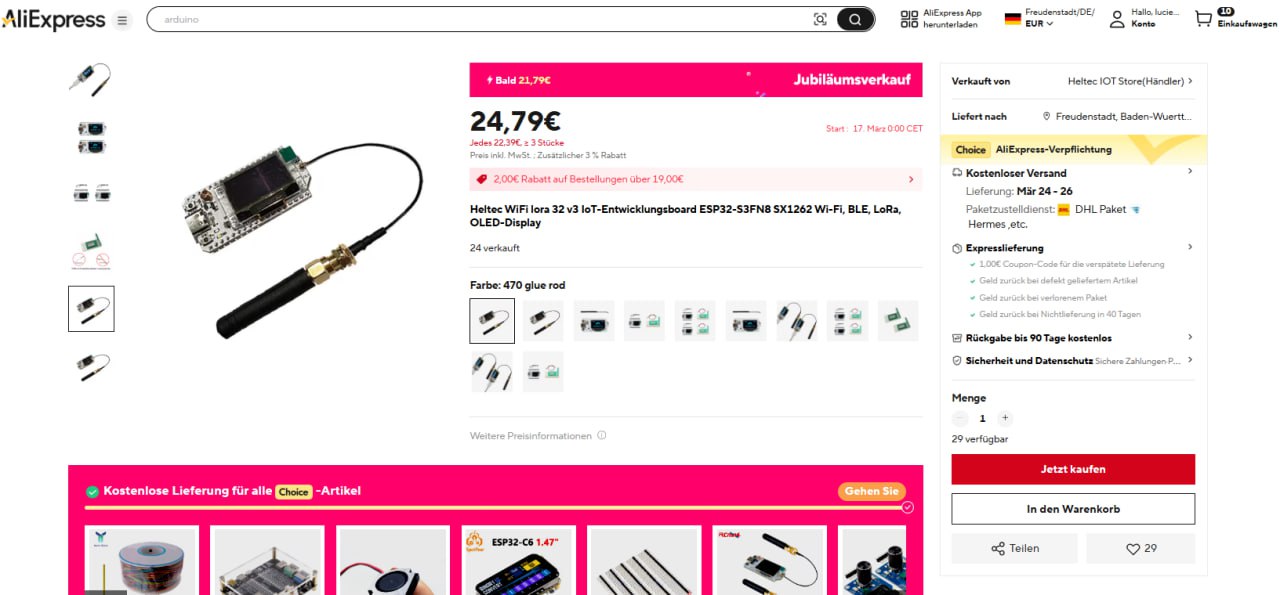
- frostyyyy00 asked if TinyGS supports a specific device and the Heltec V3, noting that only V1 and V2 are listed on GitHub. 🔗
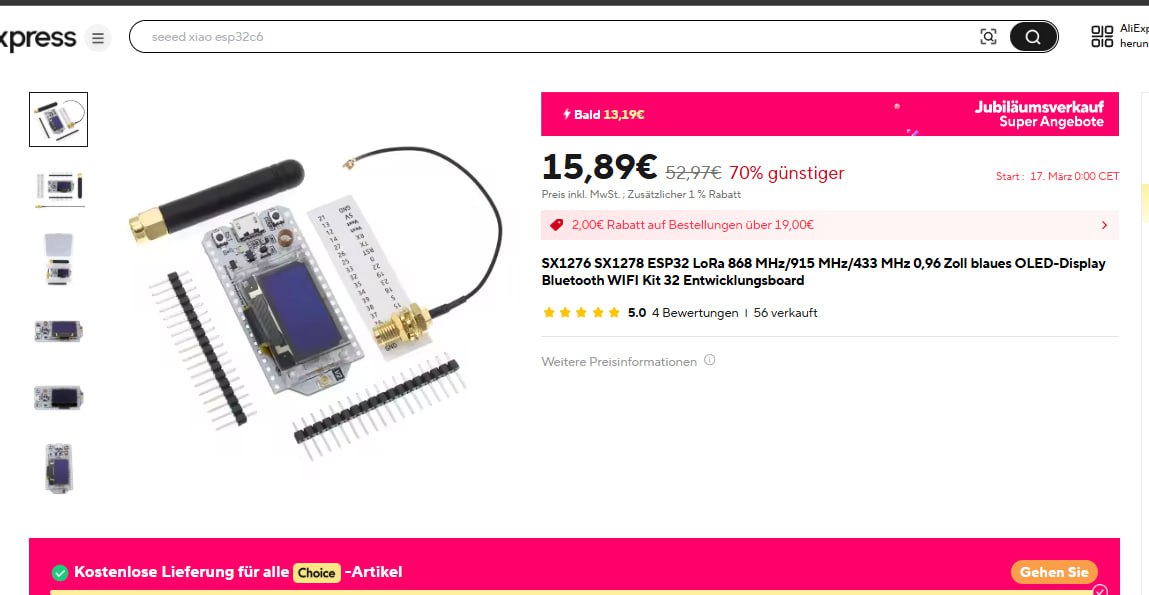
- Notsure7 mentioned making a Butterworth second order filter with standard 0603 caps and air coil inductors, tuning it on the nanovna after calculator values only got them in the ballpark. 🔗
Technical Problems
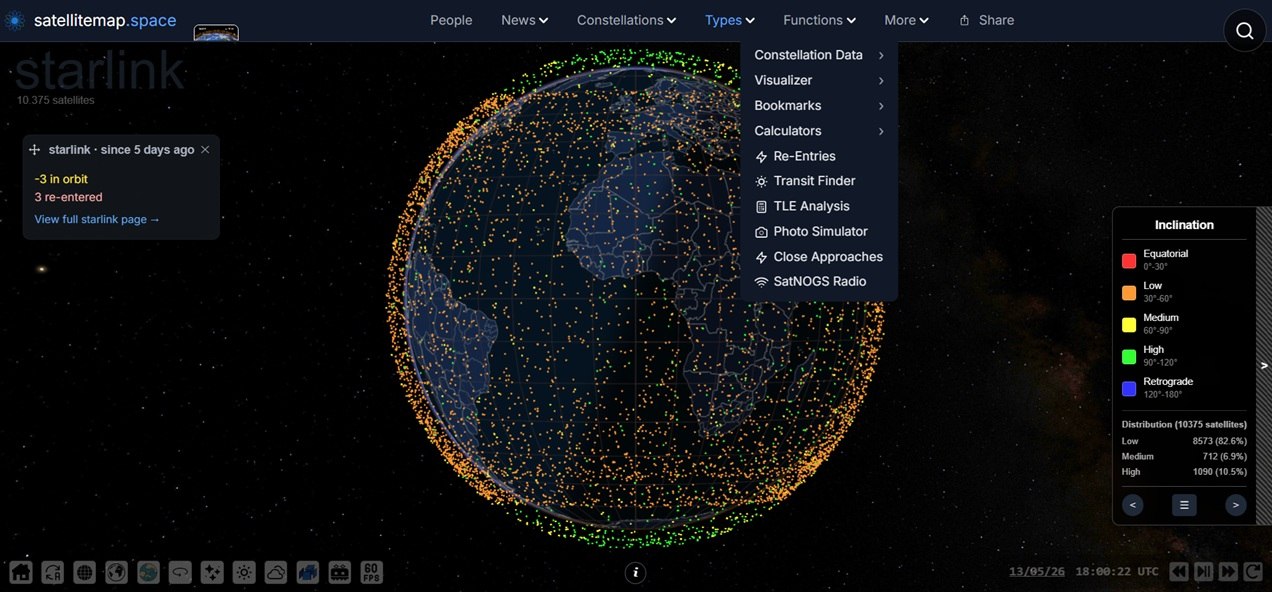
- Nick asked why MQTT sends Starlink tuning data when autotune is on the 433 band. 🔗
- G4lile0 mentioned reducing the load on the server by decreasing the listening to Tianqis in surveillance mode and listening for Starlink at 137MHz with some 433 stations. G4lile0 provided some links related to the topic: https://t.me/c/1448773154/1/158535 🔗
- Stefan/OE6ISP reported that every time he updated a station to the beta-version, the system created a new station, creating chaos in the stations/names and that the info about #4 in the web portal is incorrect, showing the info about #2. 🔗
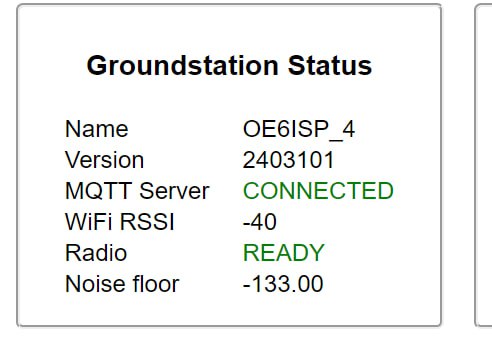
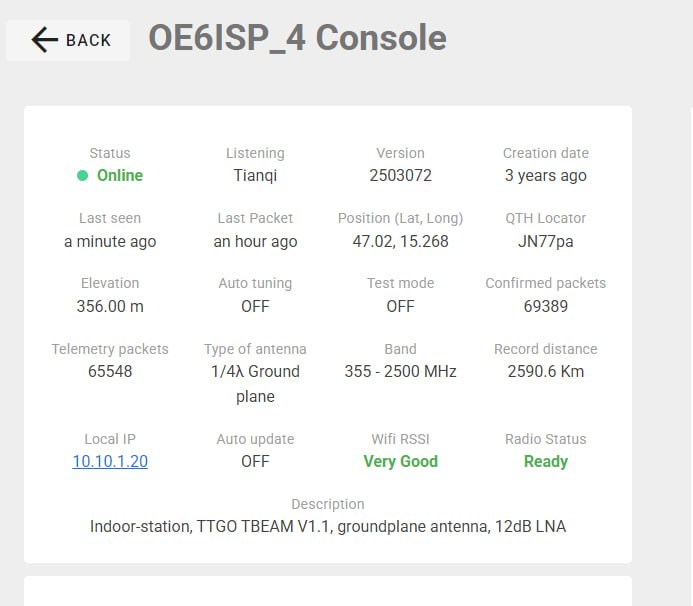
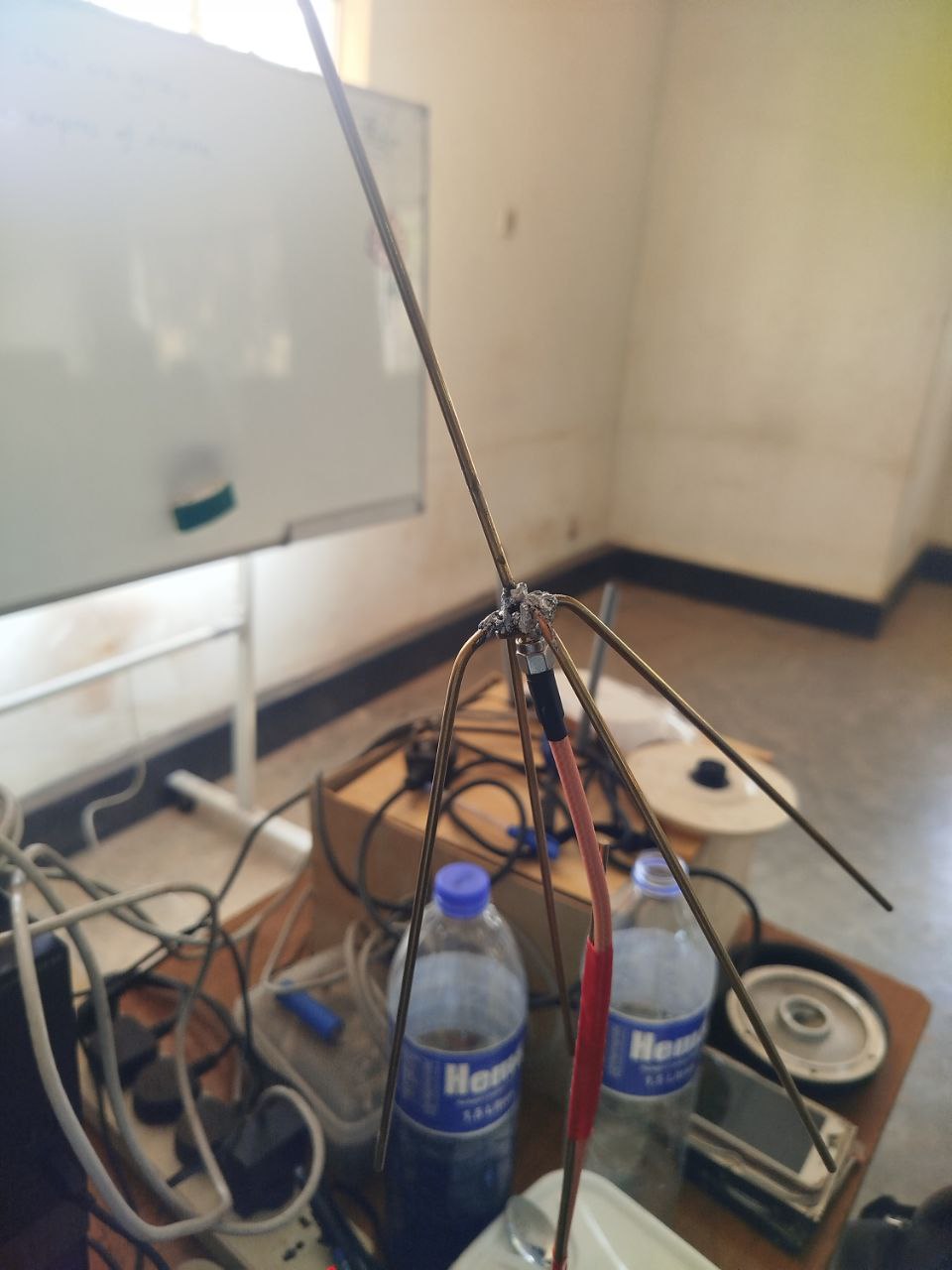
- Shawal reported having connected but not receiving packets, only receiving one with a CRC error, and being unable to figure out the problem. They then shared a picture of the location. 🔗
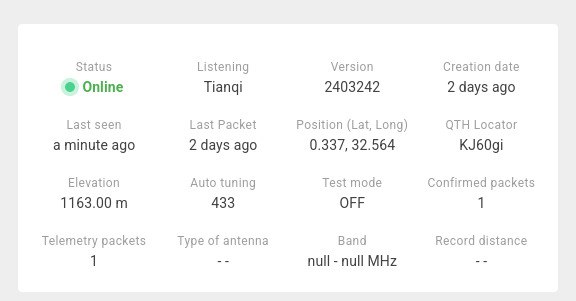
- Thierry reported being unable to run esp32 with a ra-01sc LLCC68 and getting a “radio failed, code -2” error, asking if it’s possible to use LLCC68. 🔗
- boosieboosieboosie asked if anyone has PicoSat EPS schematics for inspiration. 🔗
- Thierry expressed frustration with their LLCC68 433 card, stating it’s too hard for them as they are not a developer and fear they bought it for nothing. 🔗
- TimLimmer suggested that the issue might be with not being on 50Ohm and that the radials at ground plane antennas need to be in 45 degrees for that. 🔗
- Larry_N8NJ reported that a new TinyGS install does not accept the dashboard password and asked how to reset it. 🔗
- Notsure7 stated that D0, D4, and D5 are RXen, TXen, and busy, suggesting the PCB should be fine, but recommended using a known supported module. 🔗
Antenna Building
- Uknown4real asked about the advantage of PCB antennas vs helical antennas for deep space missions. 🔗
- Stefan/OE6ISP stated that neither PCB nor helical antennas are suitable for deep-space missions and agreed with Helmi on using a 20m dish. 🔗
- Notsure7 mentioned that even DSN’s 70m dish is sometimes insufficient and shared that as long as the configuration can be realised on a planar surface, a PCB might work. Previously stated that deep space missions need big antennas. 🔗
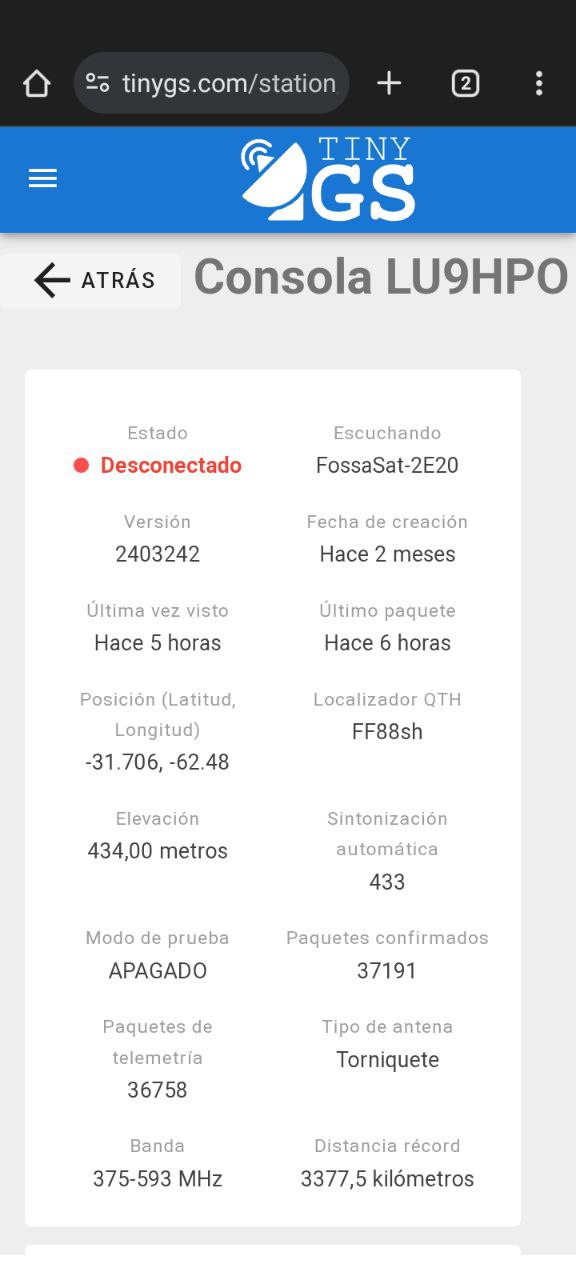
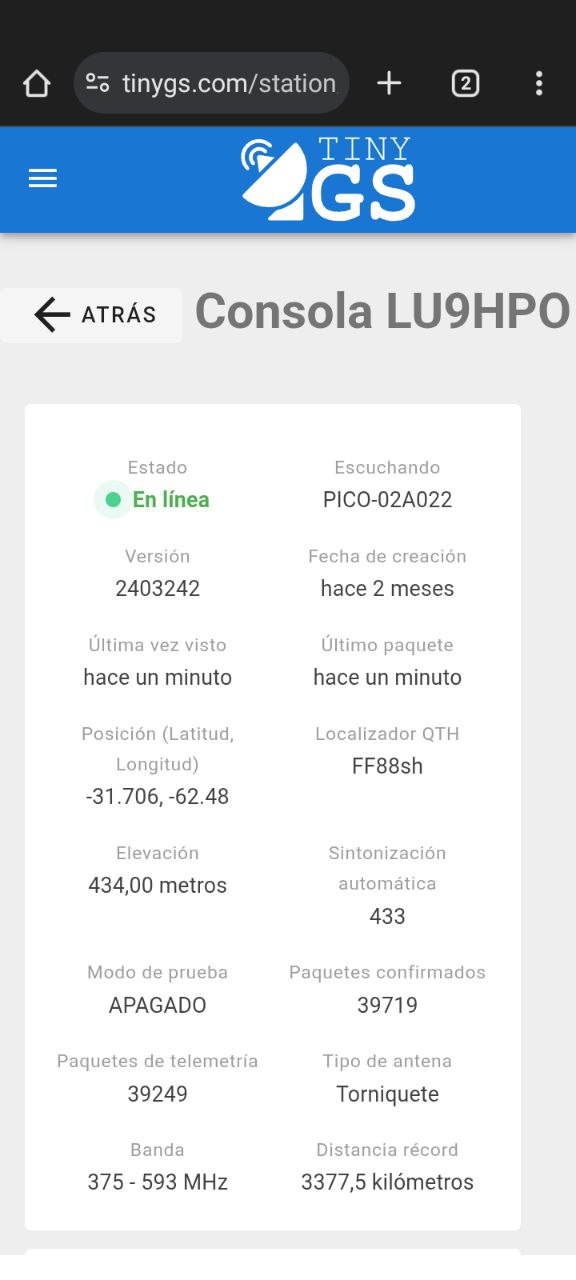
- LU9HPO shared a screenshot. 🔗
- Moon asked what materials are needed to build a quarter-wave ground plane antenna for a school project. 🔗
- Notsure7 provided a link to a resource for building a quarter-wave 433MHz antenna, noting it’s a minimalist version and that PL259 connector versions are beefier but more expensive, while SMA is fragile. 🔗
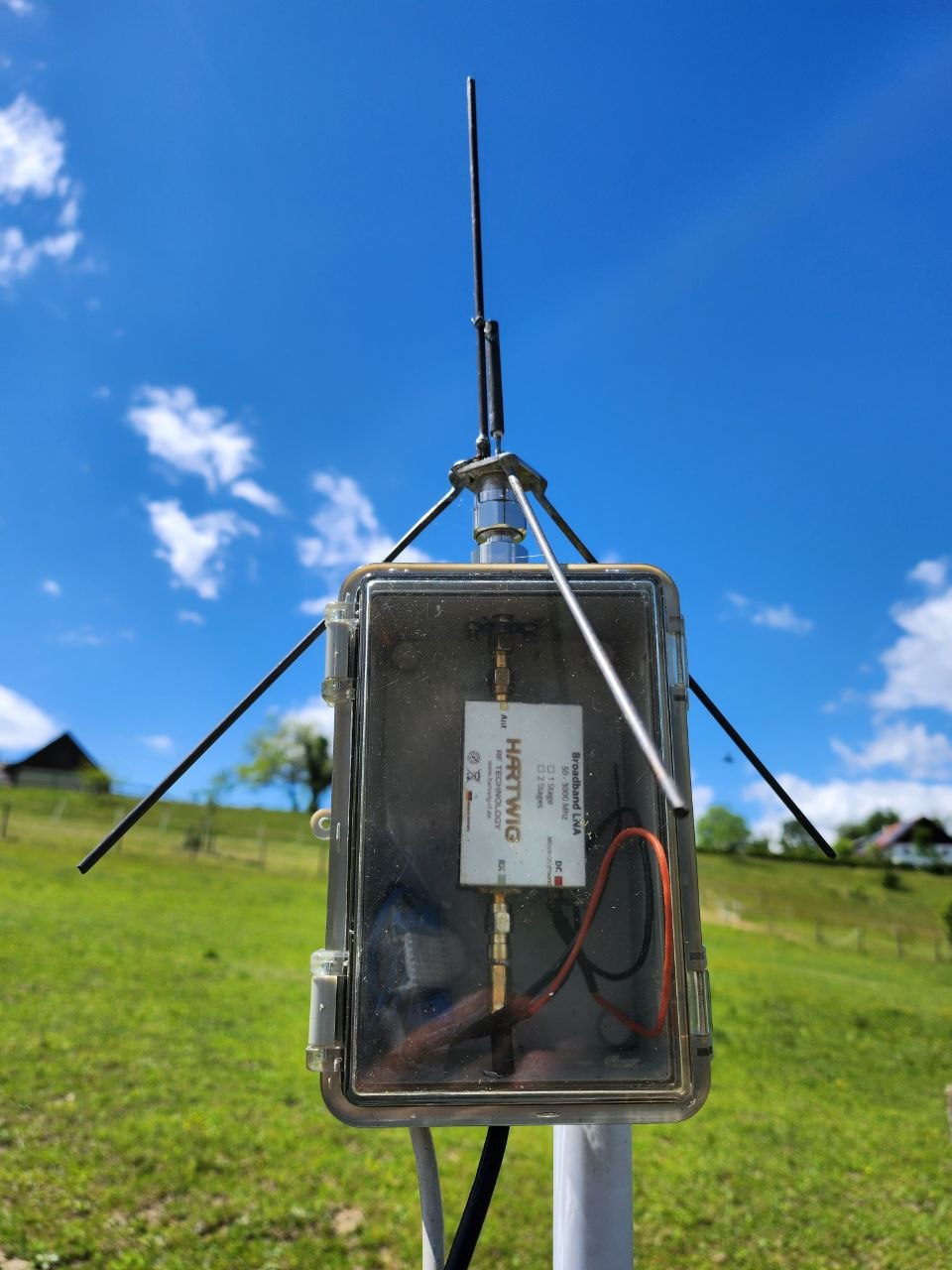
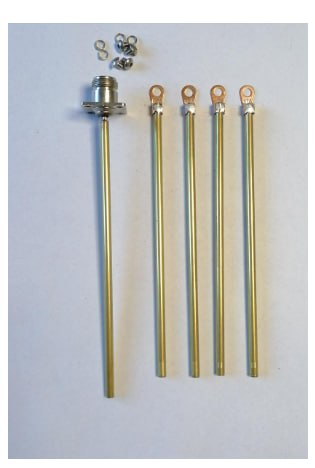
- Stefan/OE6ISP shared a photo of their favorite antenna, noting it’s all available from the big A, with an N-type connector and 4mm brass or copper tubes, all 165mm long. 🔗
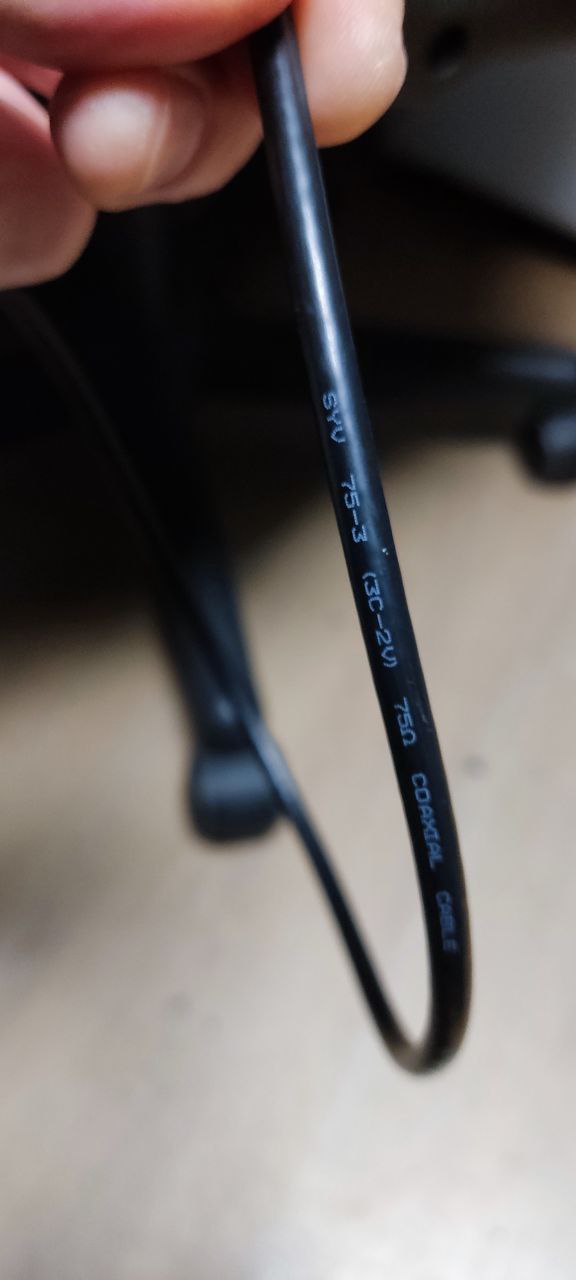
- Notsure7 shared that three hours were spent building and tuning a J-pole without success, later discovering a fault in the cable being used, which came with a cheap AliExpress 2.4GHz Yagi antenna. The user detailed numerous issues with the Yagi antenna 🔗
- LU9HPO posted a screenshot. 🔗
Share your setup
- Bob reported that his TinyGS VK2VT is working well, collecting data. He is considering setting up a MeshCom gateway for the Shoalhaven area due to zero RF activity on Meshtastic. 🔗
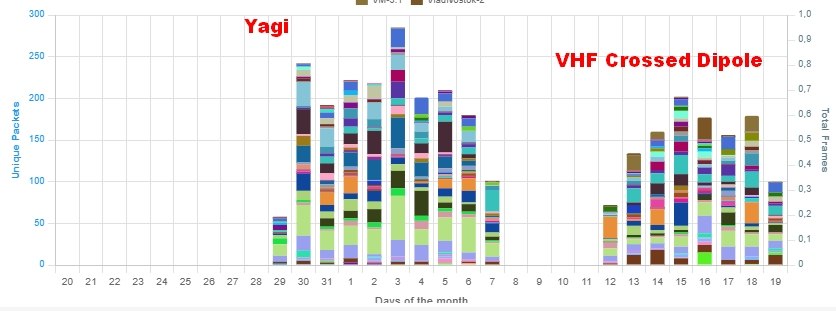
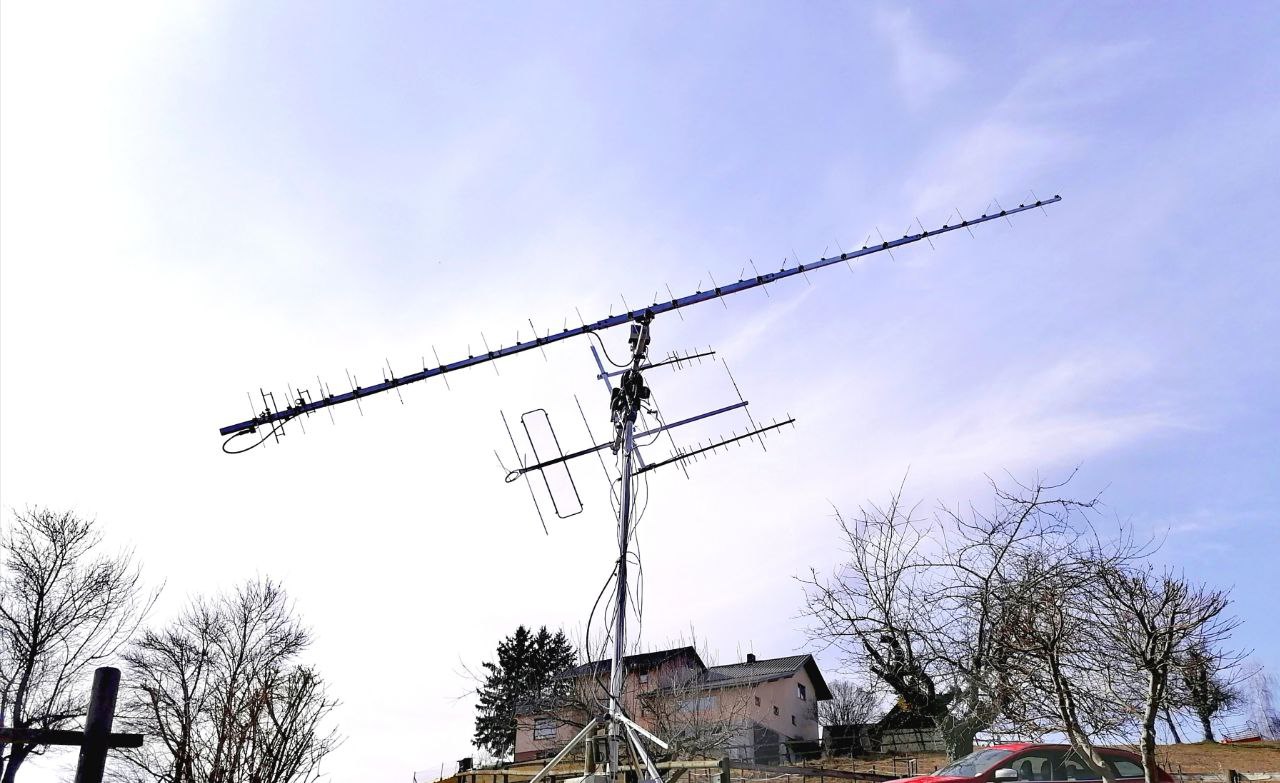
- Stefan/OE6ISP asked if Bob is using a vertical Yagi and later shared his new UHF cross-yagi setup for AMSAT-LEOs, EME, SatNOGs, and LoRa CubeSats. 🔗
- Brian described their setup using an MFJ discone, 30m of RG-8X, a Lilygo board powered by an iPhone charger, and no preamp due to ham radio aspirations, still achieving 300-750 packets a day. 🔗
- Pete shared that he has moved and is getting settled, now to get new toys and build. 🔗
Balloons
- PE2BZ asked G4lile0 to run PC4L-L on unscheduled satellite time. 🔗
- StardadO asked about the LoRa settings needed for their balloon (da0igh-1) using tbtracker software with a ra-02/sx1278, so that their ground station hears them and passes the data on to the network. 🔗
- PC_4L asked how to find a specific package and noted that searching for pc4l-l in the telemetry gave 0 hits. 🔗
- G4lile0 responded to a previous message about a balloon, and added that the parser was wrong and packets were not displaying on the PC4L-L balloon page. 🔗
Beta Firmware Testing
- Juan Pablo shared that he obtained lovely trajectories with the beta version and wondered if it could be due to Doppler corrections. 🔗
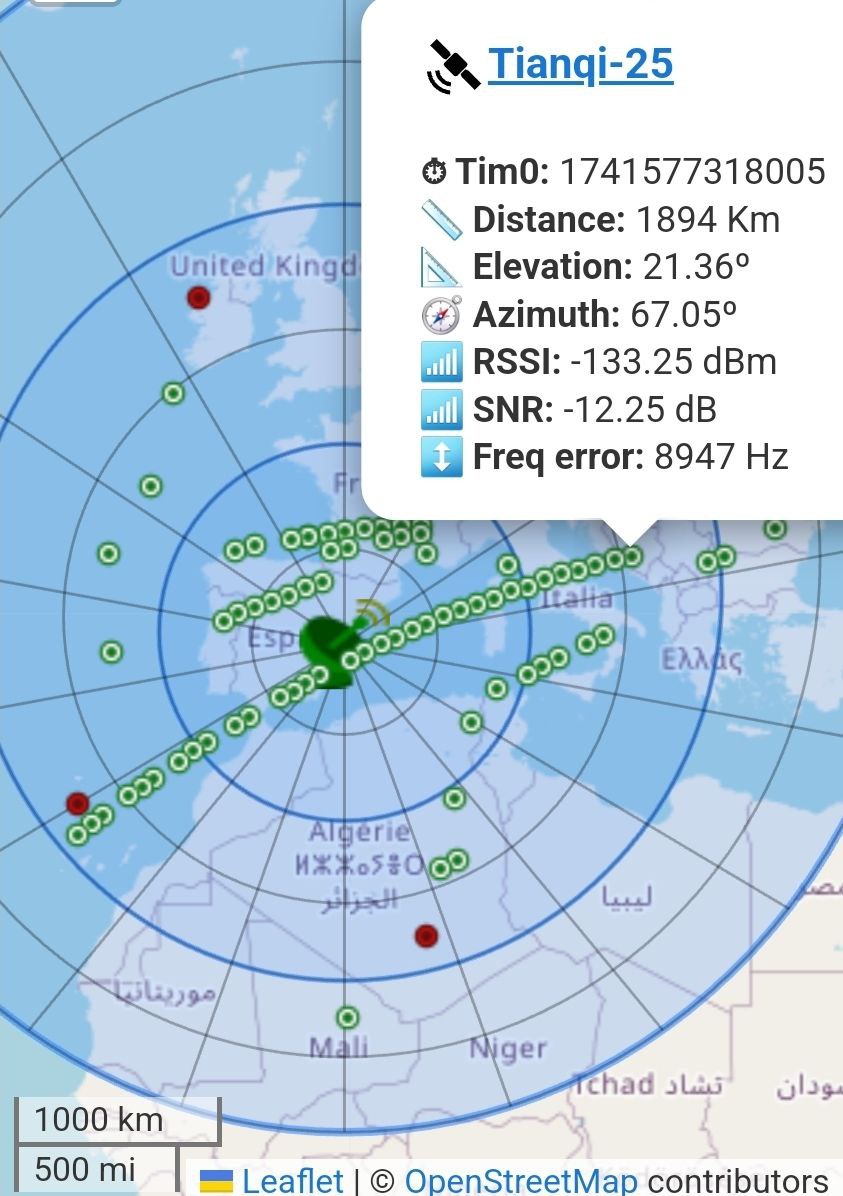
- G4lile0 mentioned changes to autotune on the server side and specified that Tianqi satellites do not autotune (no Doppler correction) and are only listened to when no other satellite is in view and clarified that the Doppler shift is calculated within the TinyGS being tested, with a 300Hz tolerance. 🔗
- Stefan/OE6ISP reported testing the Beta with f-tracking and expressed surprise at the many frequency updates in 400Hz steps, suggesting that an update interval of 1 or 2KHz would be sufficient for LoRa. 🔗
- megazaic assumed that the system is currently being tested under such a load, and in the future, everything can change and stated that for LoRa, a frequency change for 5% of the current bandwidth is enough. He said nobody ever does data-rate-correction because nobody reads the manual. 🔗
- F21467 remarked that if the number of satellites taken into account is reduced, users should be warned before, because some SWR are sensitive to variations in the number of packets received and can call into question their installations and/or their antennas. 🔗
- Notsure7 suggested a percentage bar, slow statistic, basically the difference between the number of satellites you could have received and the ones you did. Stated that the antenna and location are the most important parameters and that tuning his station from his basement, with very limited visible sky, he still gets around 1000km of range on that direction, from a 1/4 self built antenna, diy filter and lna. 🔗
- megazaic said that very interesting results are obtained and shared some videos about the worst chip (SX1268), the people’s favorite chip (SX1278) and today’s winner (SX1262). Added that SX1268 chip exactly follows the documentation, does not work below 410. SX127x works slightly below the declared frequency, 137MHz, but SX1262 surprised him with its range. 🔗
- F21467 shared that they have 4 stations following different frequency ranges and are seeking reassurance about their regular operation. Later, they added that they are experimenting with “heretical” installations, being a septuagenarian trained as a “simple” electrician. 🔗
- megazaic shared a photo and commented it’s just nice looking frequency, and warned not to repeat this at home 👽 🔗
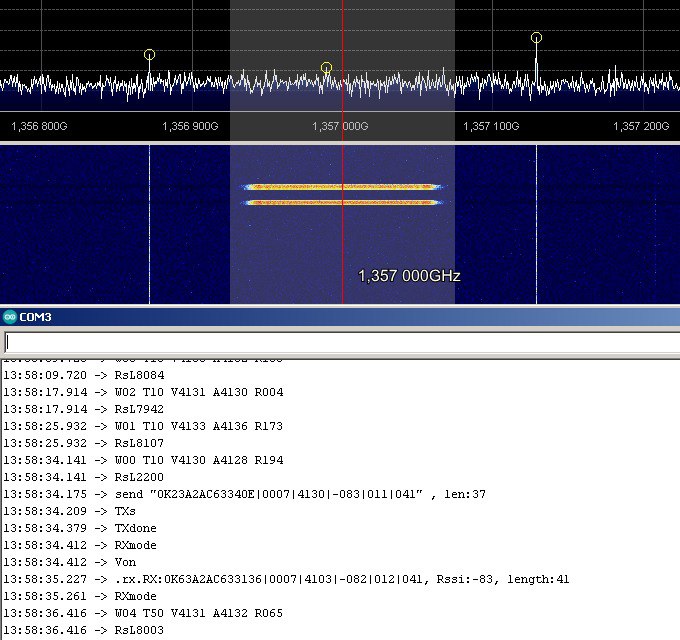
- Stefan/OE6ISP mentioned that after checking the logs, the performance is working perfectly, even the weak birds sometimes with positive SNR. 🔗
- Notsure7 asked about using the normal set frequency or the raw one out of curiosity, mentioning that they don’t usually mess with software. 🔗
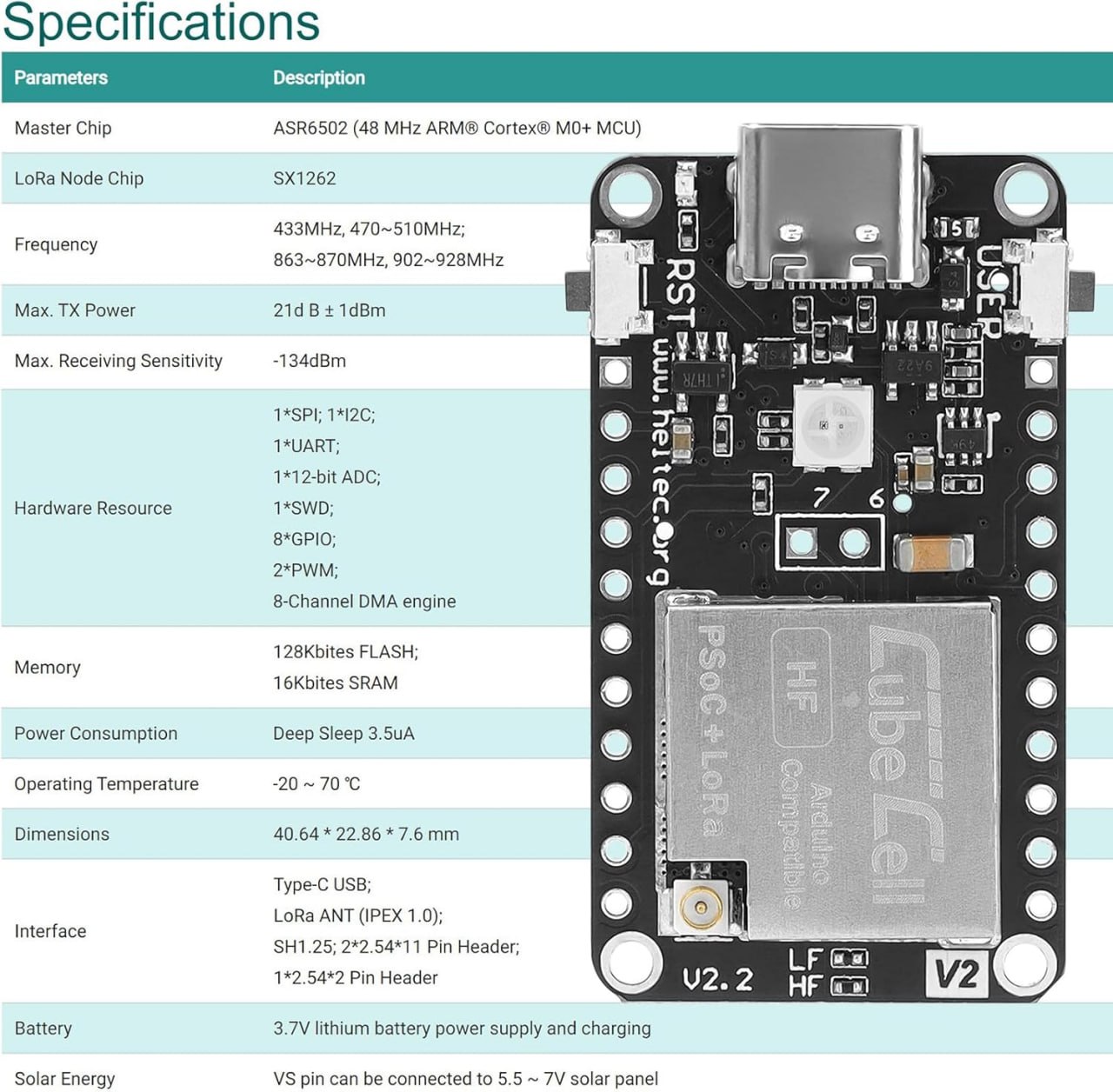
- megazaic shared a photo related to the standard library for CubeCell boards (ASR65xx master chip, CortexM0 + SX1262) from Heltec Automation, noting that they don’t check the specified frequency at all, and you can set any. 🔗
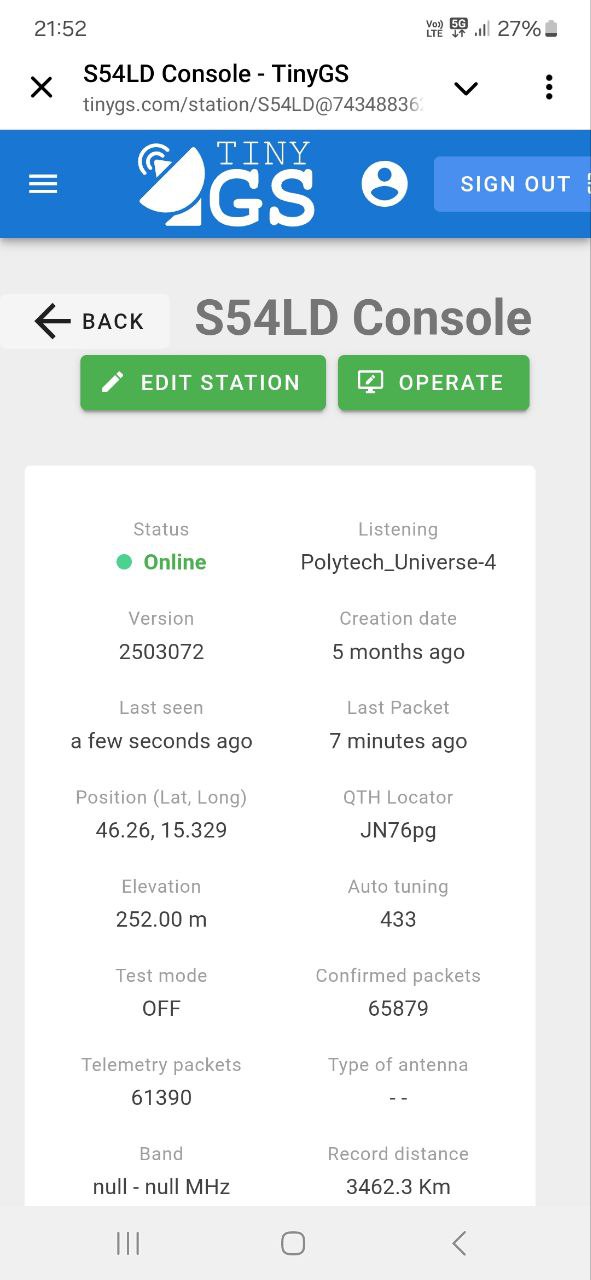
- S54LD mentioned using the new version 2503072 TinyGS and shared a photo. 🔗
- Dan_Dan_24 shared photos related to beta firmware testing, asking about time delay and reporting some problems with T3.1.6.1, including frequent “Set Frequency OffSet to nan Hz” errors and Radio failed, code -12 errors. After the fix, thanked for the great job. 🔗
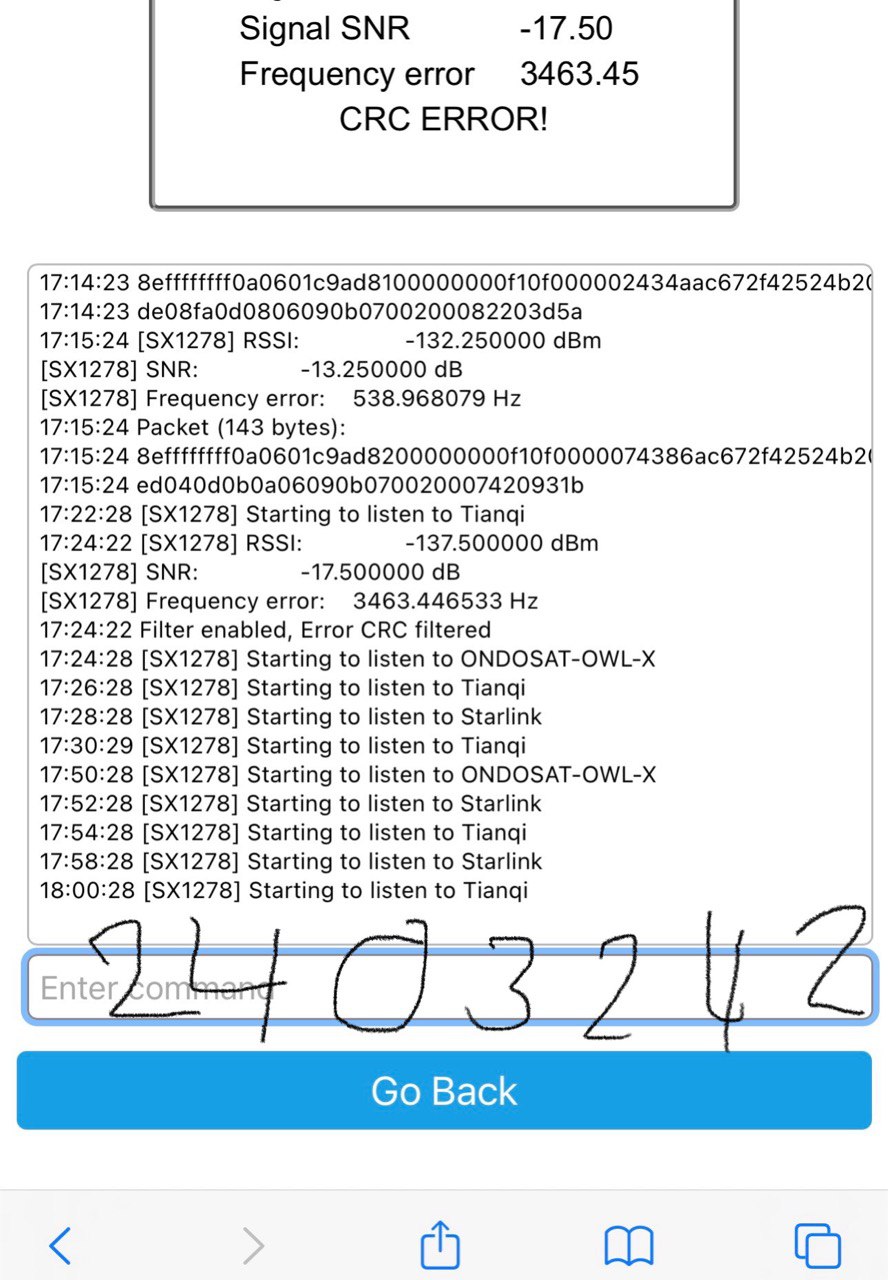
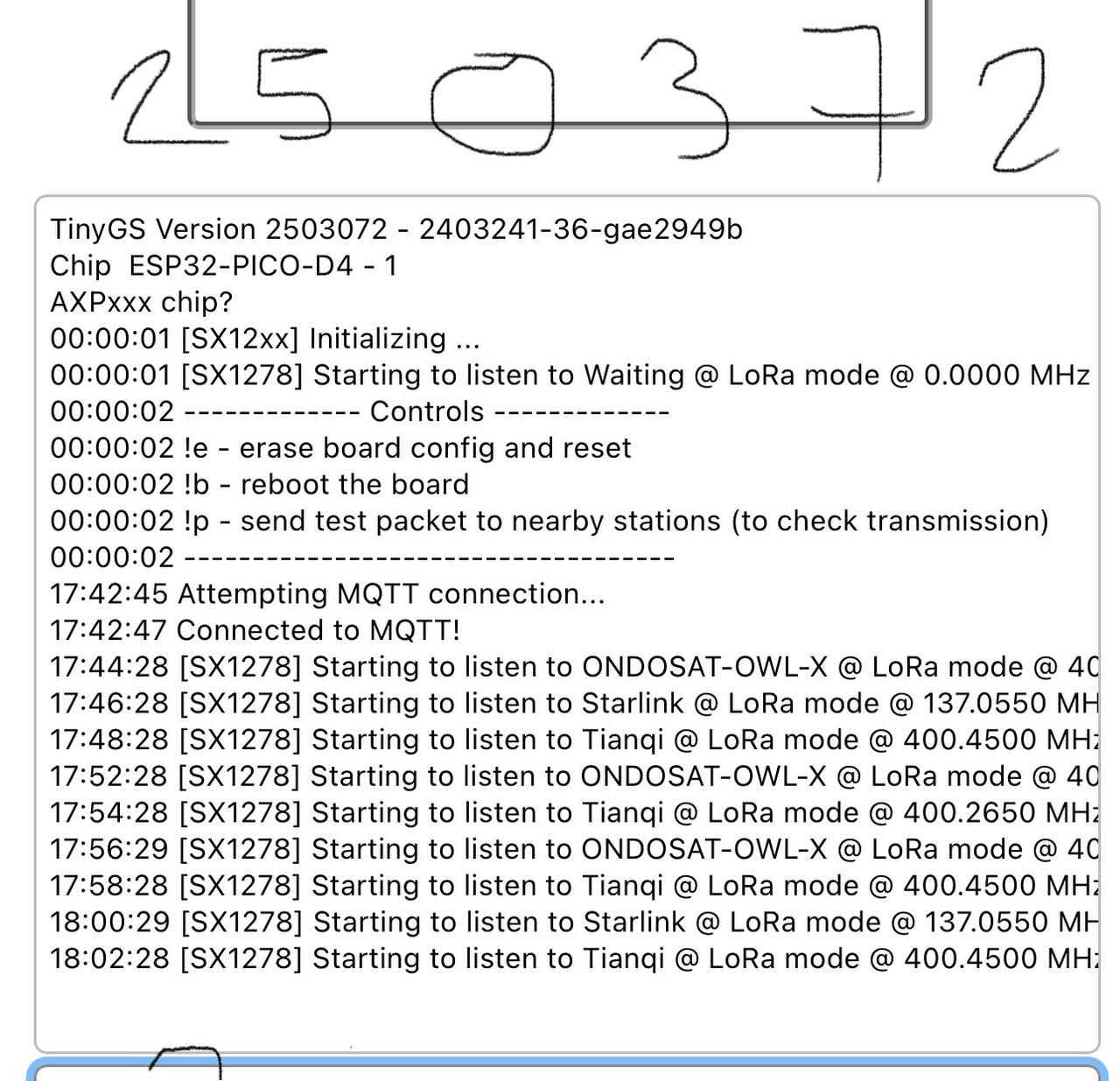
- N reported the same issue with Radio failed, code -12 errors on a 433MHz HELTEC WiFi LoRA 32 V2 after some time of usage, and later confirmed that a restart helped and the system is running smoothly. 🔗
- G4lile0 responded to reports of ‘Radio failed, code -12’ errors in the beta firmware, initially asking if a reset fixed the error, and later identified the cause as an algorithm issue calculating the dynamic offset within the server. 🔗
- Dan_Dan_24 reported observing self restarts and shared photos related to beta testing. 🔗
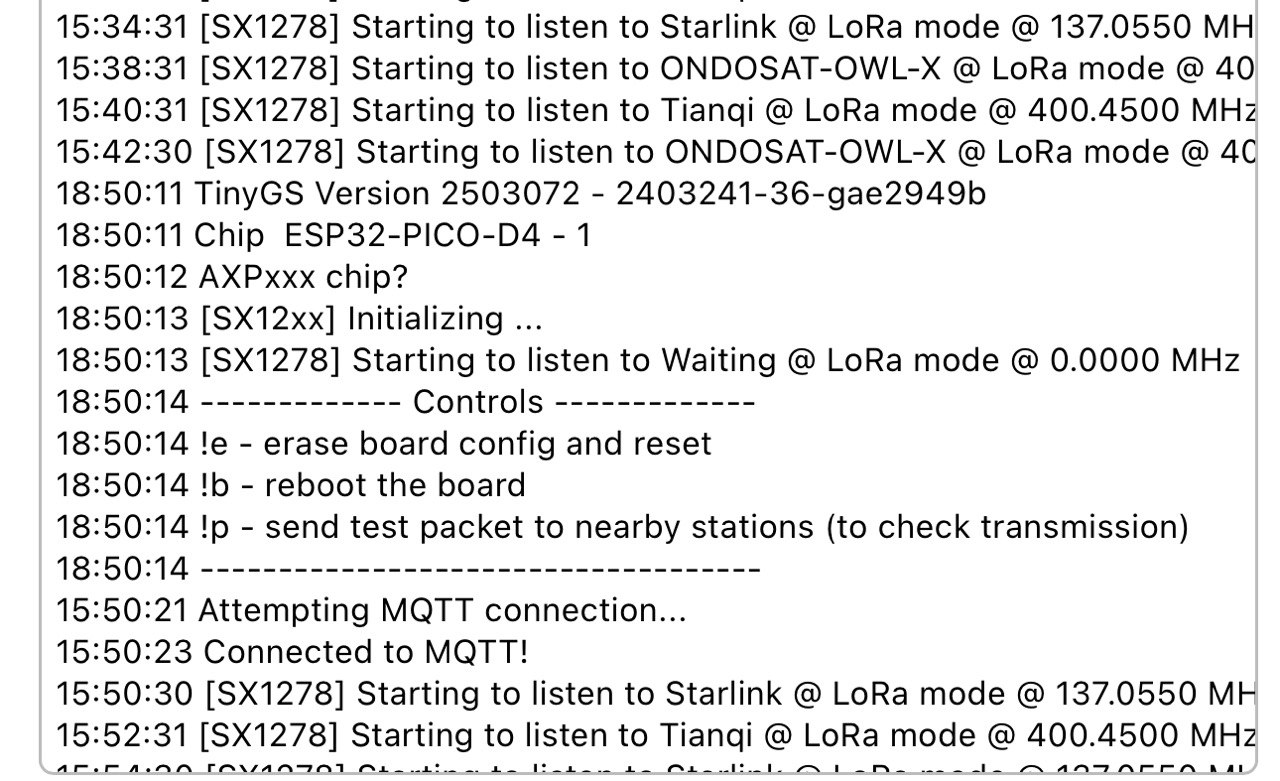
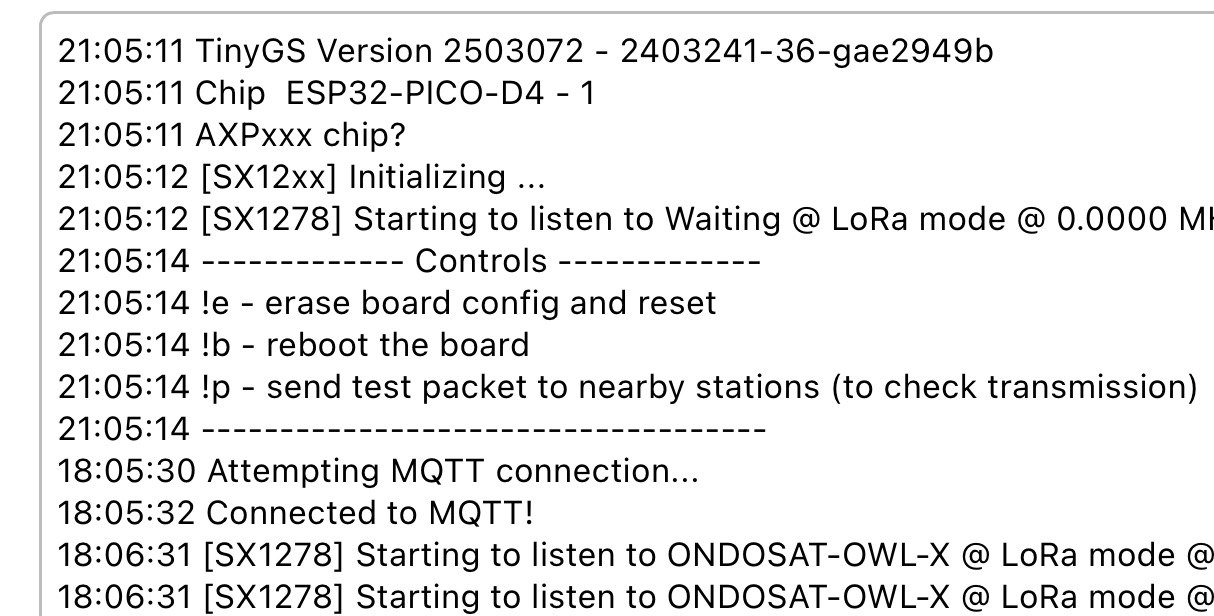
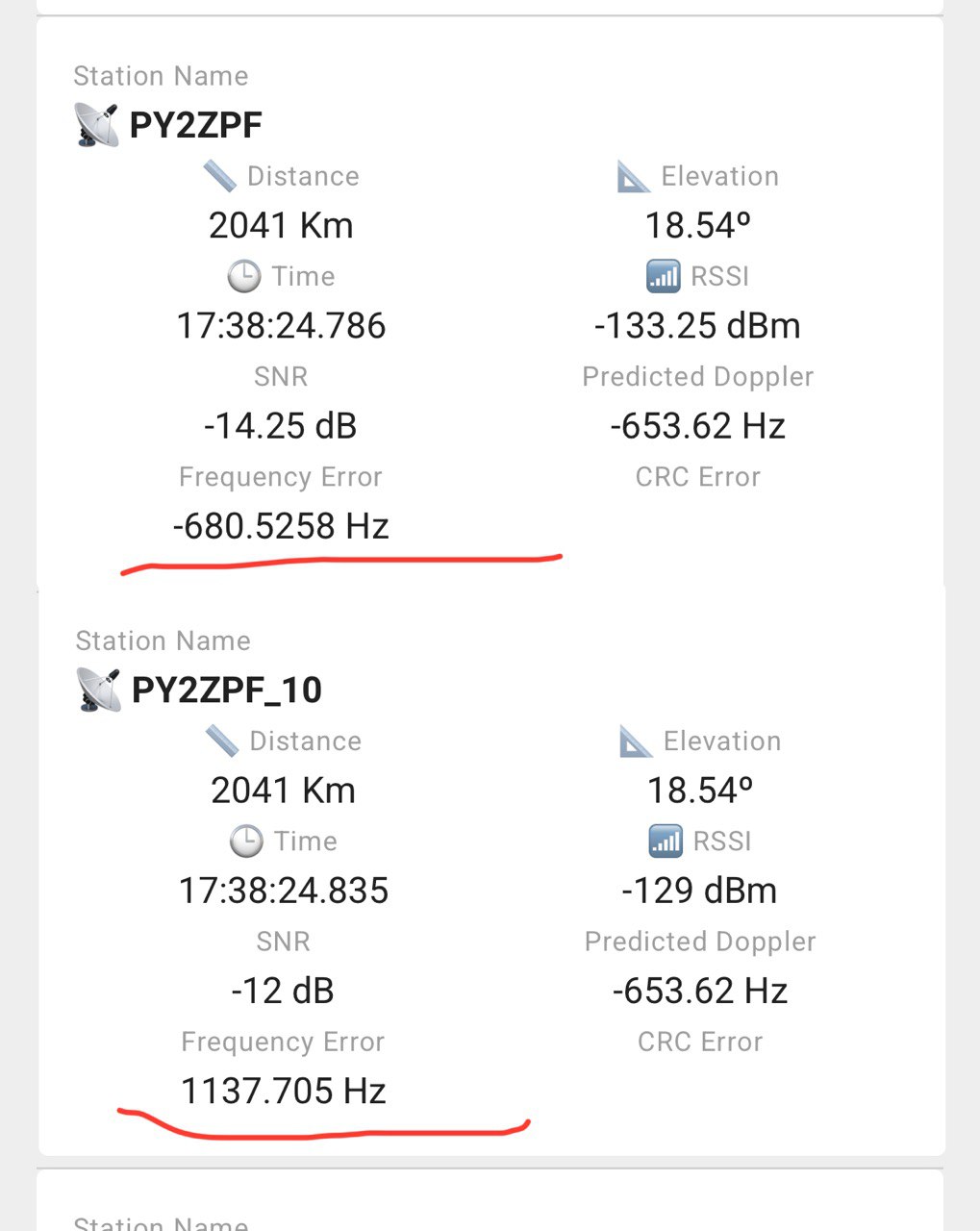
- G4lile0 confirmed pushing restarts for boards receiving null offsets. Later, announced a new beta version with an upgraded RadioLib library (from 6.4.0 to 7.1.2), theoretically improving reception by up to 3dB on SX127x boards. 🔗
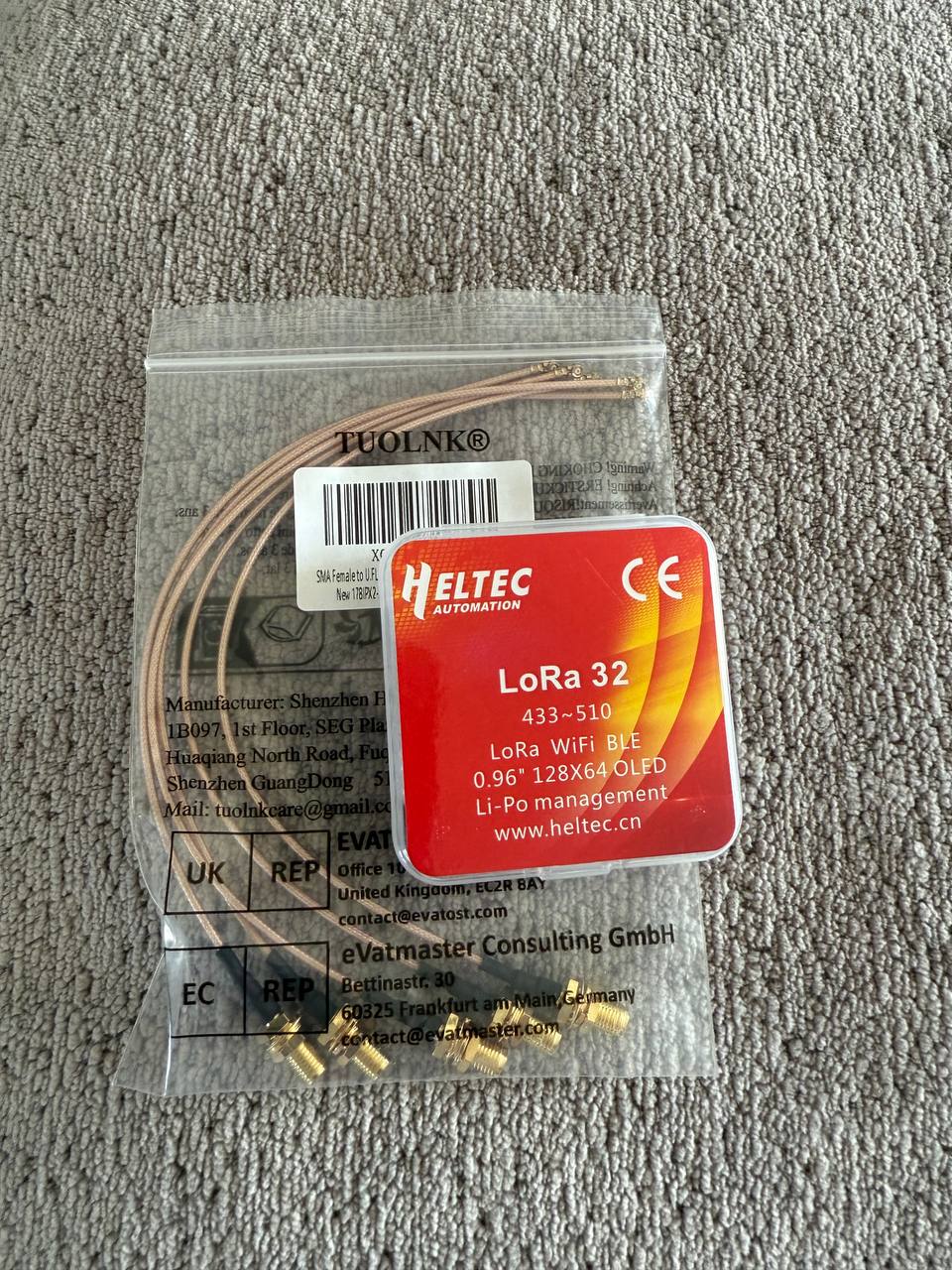
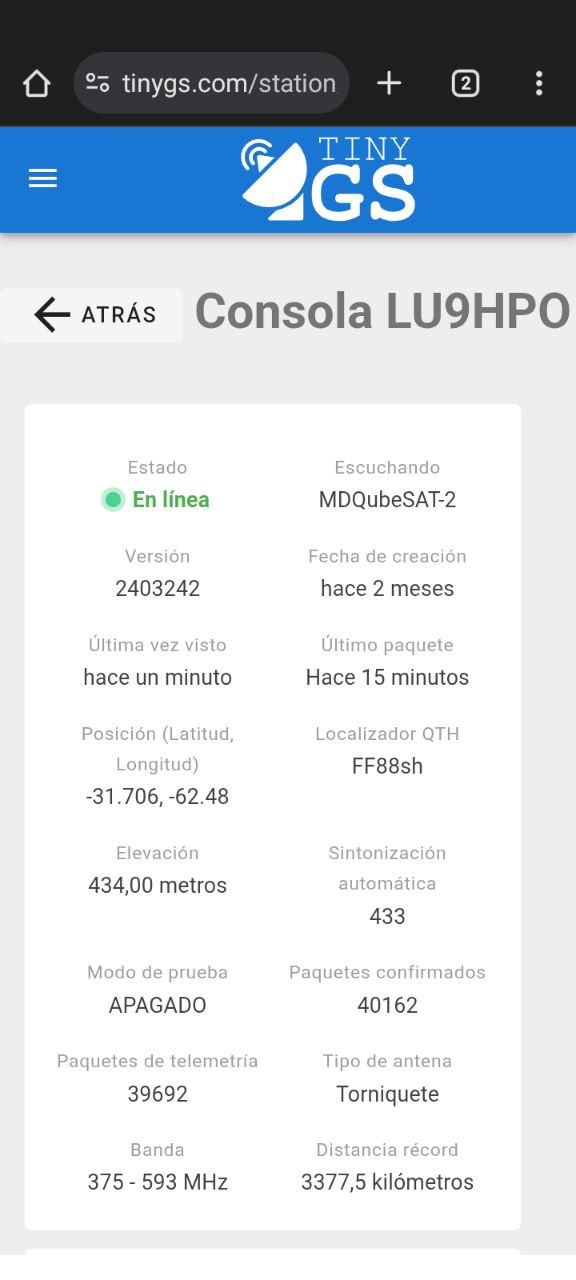
- LU9HPO shared a screenshot. 🔗
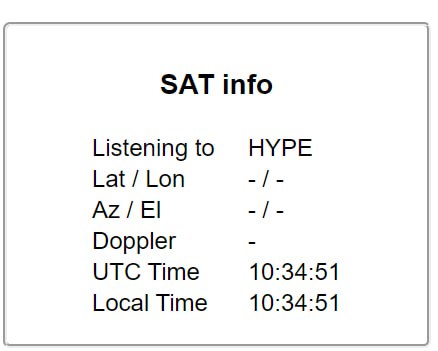
- Stefan/OE6ISP asked if frequency tracking is activated for non-autotuning stations and shared a photo. 🔗


New Satellites
- gcarpi pointed out that UaiSat, a PQ from Brazil, is currently displayed as an active satellite, even though it has not been launched yet. 🔗
- gcarpi notified that the Lacuna satellite appears to be currently active, advising to engage it for monitoring purposes. 🔗
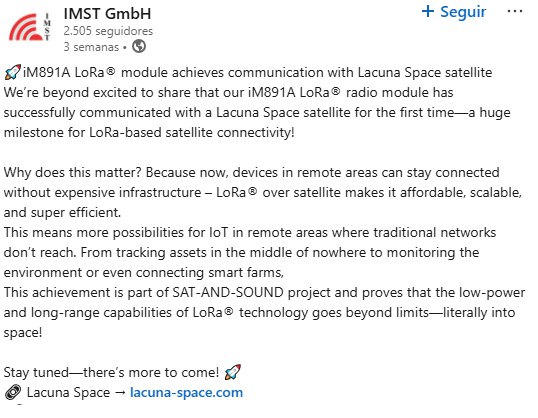
- G4lile0 reported that the launch is theoretically scheduled for this month and set it up in support mode to facilitate testing by the satellite operator, but hasn’t received any updates since February. 🔗
Featured Conversations
- The community successfully tested the beta firmware and received the first FSK packets in autotune mode, marking a significant achievement for the project. Also community identified and resolved issues related to frequency offset and radio failures.
- Discussions revolved around antenna choices for deep space missions, with opinions converging towards larger, more sophisticated setups for optimal performance. Also Notsure7 humorously detailed the extensive flaws found in the cheap Yagi, highlighting common pitfalls in DIY antenna projects.
- Users engaged in detailed discussions about beta firmware testing, including concerns about frequency update intervals and suggestions for data rate correction to enhance modem capabilities. Also users discussed the intricacies of LNA (Low Noise Amplifier) and filter usage in TinyGS setups.
What’s next
Explore the TinyGS project and join the community to share your experiences, contribute your knowledge, and help expand our global network of LoRa satellite trackers!
Share: